10 tablets expected to have Cyber Monday deals

10 tablets expected to have Cyber Monday deals

Cyber Monday will be here soon, which means it’s time to make your wishlists. Whether you want appliances, gadgets, toys, or other home accessories, you can find top-rated items at great discounts. Tablets are one of the hottest selling items in the sale season. If you’re a student in need of one, or a professional who’s looking to save extra cash, fret no more. Here are ten tablets expected to have excellent Cyber Monday discounts.

10 tablets expected to have Cyber Monday deals

Fire Tablets + Free Shipping

Amazon is an all-time savior when it comes to tech. If you have not explored their Fire tablets yet, you are seriously missing out! This is one of the most practical options if your child needs a tablet for school work. The devices are sturdy and have several features that increase productivity.

Apple 10.2″ iPad 64 GB + Free Shipping
A good brand never disappoints, and Apple is one of them. Cyber Monday is the right time to grab those deals if you are looking for an attractive price on the otherwise expensive iPads. Check out bundle deals on accessories to save more!

Samsung Galaxy Tab A 10.1″ 128GB Tablet

It is a great buy for the one who is sticking to budgeting this year. If you get this tablet, you don’t need to worry about performance or memory. Walmart can give you a great price on this beauty, so check it out!

Kindle Paperwhite + Free Shipping

For the readers of the community, we have an upgrade for you! This Kindle is great for someone who loves books, the environment, and huge discounts! Like any other Kindle, you can get access to a wide variety of novel genres and other reading materials.

New 10.2″ Apple iPad 32GB + Free Shipping

No doubts should arise over getting an Apple product, but if you still do, the price will give you all the assurance you might need. If you feel that the limited storage doesn’t restrict you, do not forget to check this one out. Apple is notorious for not giving too many deals, but the ones they do offer are absolute winners in our books!

Coopers Android CP 10 tablet

This is another budget-friendly deal. We recommend it for kids as it is cheap, sturdy, and doesn’t need a SIM card. You can connect it to the WiFi. Additionally, it has a long-lasting battery, providing a smooth experience. Your child can enjoy it on long journeys by watching YouTube and playing games.

Fire HD 8 Kids tablet

This gadget is specially designed for your little one. The user-friendly software and hardware will have your kids hooked on it. It is shatterproof, so your child can enjoy using it without you worrying about it.

Samsung Galaxy Tab S7 bundle

Samsung is known to offer package deals that are pretty likely to blow your mind. It has a long-lasting battery and an S pen for convenient note-taking, and it is one of the best quality tablets for work. Look for bundle deals with this device.

Apple iPad Pro 11” (128GB, Wi-Fi)
We recommend this one if you are buying a tablet for work. Investing in good devices helps you in the long run; you save a lot of money and can work uninterrupted without having to keep getting used to different UI. It is reliable, sleek, comes with best-in-class features, and is extremely lightweight.

Microsoft Surface Pro 7+

This tablet is good enough to compete with a laptop. It is powerful and lightweight and has the option of attractive accessories. Working on this tablet is easy with its top-notch features, and a great discount sweetens the whole thing!

Electronic devices have come close to becoming an investment in today’s world. However, the best ones can be really expensive if you’re buying them without a discount. The items mentioned in this list are expected to have some great deals on them this Cyber Monday, so keep an eye out on official websites and other retail sites.


Featured Articles

10 Ways to Spot and Report Tinder Bots
Open-Records

10 Ways to Spot and Report Tinder Bots

Using dating apps can be exciting, but fake profiles continue to be a common problem on platforms like Tinder . Some bots simply promote spam links, while others attempt to steal personal information or push financial scams. As fake accounts become more advanced, it becomes harder to tell the difference between a real match and an automated profile. The good news is that many Tinder bots still follow recognizable patterns. Learning how to identify those warning signs can help you avoid scams, protect your privacy, and enjoy a safer online dating experience. 1. Watch for Profiles That Look Too Perfect One of the easiest ways to spot a Tinder bot is by examining the profile itself. Fake accounts often use highly polished photos that look more like professional modeling shots than everyday pictures. You may notice: Only studio-quality images No casual photos with friends or family Very limited profile information Generic bios with little personality Most real users include a mix of photos and details about hobbies, work, or interests. If a profile feels overly curated or unusually vague, proceed carefully. 2. Pay Attention to Extremely Fast Replies Bots often respond almost instantly after matching. While some people genuinely reply quickly, automated systems tend to answer within seconds every time.
Why Background Check Red Flags Matter More Than You Think
Open-Records

Why Background Check Red Flags Matter More Than You Think

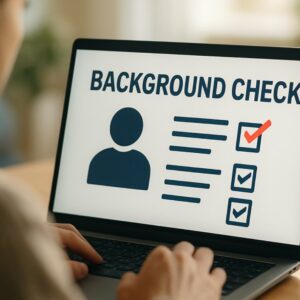
Hiring the right employee involves more than reviewing a polished resume or conducting a strong interview. Employers also need to understand whether a candidate presents any potential risks to the organization, team, or customers. That is where background checks play an important role. A background check can reveal information that may not come up during the hiring process. While not every issue is a dealbreaker, certain red flags deserve closer attention. Ignoring them can lead to financial loss, workplace safety concerns, legal problems, and damage to company culture. Understanding these warning signs helps employers make informed hiring decisions while maintaining fair and compliant hiring practices. What Is a Background Check Red Flag? A background check red flag is any finding that raises concerns about a candidate’s honesty, reliability, qualifications, or behavior. These issues can appear in criminal records, employment history, education verification, credit reports, or professional license checks. A red flag does not automatically mean someone should lose a job opportunity. Context matters. Employers should evaluate whether the issue is relevant to the position and whether the candidate has addressed it responsibly. Still, some warning signs require serious attention because they may indicate larger patterns of risk. Why Employers Take Red Flags Seriously Hiring mistakes can be expensive.
Why Landlords Should Always Screen Tenants
Open-Records

Why Landlords Should Always Screen Tenants

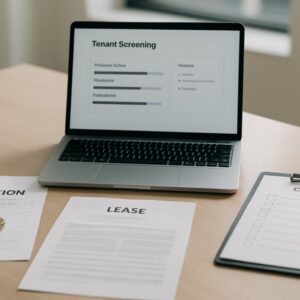
Finding the right tenant can make property ownership far less stressful. A reliable renter pays on time, respects the property, and follows lease terms. On the other hand, a problematic tenant can create financial losses, legal issues, and ongoing frustration. That is why tenant screening remains one of the most important steps in the rental process. Whether you own a single-family home, a duplex, or multiple apartment units, screening helps you make informed decisions before handing over the keys. It also gives you a clearer picture of a prospective tenant’s financial habits, rental history, and overall reliability. What Is Tenant Screening? Tenant screening is the process landlords use to evaluate potential renters before approving a lease application. The goal is to determine whether an applicant is likely to meet financial obligations and follow rental terms responsibly. Most screening processes include: Credit checks Criminal background checks Employment verification Income verification Rental history reviews Reference checks A thorough screening process helps landlords reduce risk while maintaining consistent standards for every applicant. Why Tenant Screening Matters Protects Your Rental Income Rental properties depend on consistent cash flow. When tenants miss payments or stop paying rent entirely, landlords still need to cover mortgages, taxes, insurance, and maintenance costs.
Role of Background Checks in Identity Theft Prevention
Open-Records

Role of Background Checks in Identity Theft Prevention

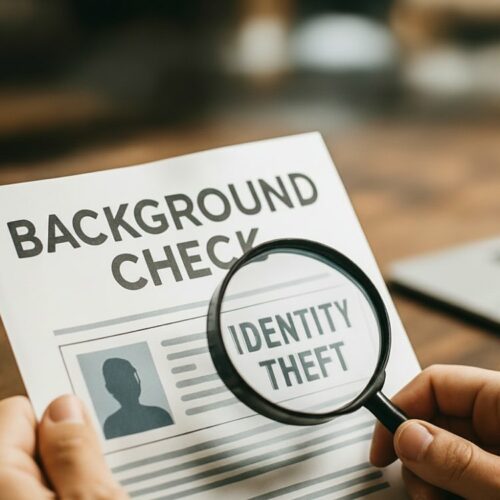
Identity theft continues to affect individuals, businesses, and financial institutions across the country. Cybercriminals use stolen personal information to open credit accounts, access bank details, apply for loans, and commit online fraud. As digital transactions become more common, the need for stronger identity protection measures has increased significantly. One effective strategy used by employers, landlords, financial organizations, and consumers is the background check. Proper background screening helps verify identities, detect fraud risks, and reduce the chances of identity theft before serious damage occurs. What is Identity Theft Identity theft occurs when someone steals personal information and uses it without permission for financial gain or fraudulent activity. Commonly targeted details include: Social Security numbers Bank account information Credit card details Driver’s license numbers Employment records Addresses and phone numbers Criminals often obtain this information through phishing scams, data breaches, fake job applications, or stolen documents. Victims may face financial losses, damaged credit scores, and lengthy recovery processes. What Are Background Checks? Background checks are verification processes used to confirm a person’s identity, history, and credentials. These checks help organizations identify inconsistencies, fraudulent records, or suspicious activity before approving employment, housing, financial services, or partnerships. Common Types of Background Checks Several types of screenings support identity verification and fraud prevention:

Top Articles

What Counts as Public Records?
Open-Records

What Counts as Public Records?

Public records play an important role in government transparency, legal processes, and everyday life. These records allow citizens to access certain types of information created or maintained by government agencies. Whether you are researching property ownership, conducting a background check, verifying court information, or tracing business records, public records can provide valuable insight. At the same time, many people misunderstand what “public records” actually means. Not every government document is open to the public, and access rules often vary by state and agency. Understanding which records are considered public can help you navigate the process more effectively while respecting legal and privacy boundaries. What Are Public Records? Public records are documents or pieces of information created, stored, or maintained by government agencies that members of the public can legally access. These records may exist at the: Federal level State level County level City or municipal level Public records laws are designed to promote accountability and transparency. In many cases, citizens can request records directly from government offices or access them through online databases. However, some records contain restricted or confidential information and may only be partially accessible. Why Public Records Exist Public records support transparency within government operations. They allow citizens, journalists, businesses, and legal professionals to review information connected to public activity.
Key Differences Between Free and Paid People Search Tools
Open-Records

Key Differences Between Free and Paid People Search Tools

People search tools have become go-to resources for reconnecting with lost contacts, verifying identities, or simply learning more about someone before a first meeting. Whether you’re a cautious renter vetting a new roommate or someone trying to track down a childhood friend, these tools promise quick answers. But not all search tools are created equal. The gap between free and paid options is wider than most users expect — and it matters. What Free People Search Tools Actually Offer Free people search platforms are accessible to anyone with an internet connection. They typically pull from public records, social media profiles, and open-source data repositories to surface basic information — a name, a general location, sometimes an employer or an estimated age range. The appeal is obvious: no cost, no commitment, and often no account required. But the limitations are real. Results tend to be fragmented, outdated, or incomplete. A search might return a name and a state but omit a current address or contact number. For casual, low-stakes inquiries, this level of detail can be enough — but it often isn’t. Why the Gaps Matter Data freshness is a persistent issue with free tools. Most don’t update their databases regularly, which means results may reflect a person’s situation from several years ago — a former address, an old employer, or a phone number that’s no longer in use.
5 Things to Look for in a Background Check Tool
Open-Records

5 Things to Look for in a Background Check Tool

Background check tools have become a practical necessity — whether for employers screening job candidates, landlords vetting tenants, or individuals researching someone’s history. With so many platforms available, picking the right one can feel overwhelming. Not every tool delivers the same depth, accuracy, or legal compliance. Knowing what separates a reliable platform from a mediocre one makes the decision far clearer. Here is what to prioritize when evaluating a background check tool. 1. Depth and Range of Data Coverage The value of any background check tool rests heavily on the breadth of its data sources. A strong platform pulls from multiple databases — criminal records, court filings, address histories, employment verifications, and more — rather than relying on a single source. Shallow tools may miss critical records simply because they lack the reach. Before committing to any platform, confirm it accesses verified, legally sourced data across the categories most relevant to the intended use. Public vs. Proprietary Data Some tools rely purely on publicly available records, while others supplement these with proprietary databases. The combination typically yields more complete results — particularly for records that are harder to access through standard public channels. Neither approach is inherently better, but knowing which one a tool uses helps set realistic expectations.
Background Checks and the FCRA – What’s Allowed and What’s Not
Open-Records

Background Checks and the FCRA – What’s Allowed and What’s Not

When hiring a new employee, you want to ensure you are making the right choice. One way to do that is to perform a background check. A background check is an excellent tool to verify qualifications and ensure workplace safety. However, running these checks is not as simple as doing a quick internet search. The Fair Credit Reporting Act, or FCRA, regulates how employers gather and use background information. What Is the FCRA? The Fair Credit Reporting Act is a federal law enacted in 1970 to protect consumer privacy and ensure accuracy in background reporting. While it sounds like it only applies to credit cards and loans, it actually covers any background check conducted by a third-party company, known as a Consumer Reporting Agency. If you hire an outside vendor to check a candidate’s criminal records, employment history, or driving record, you are bound by the FCRA. This law gives job applicants specific rights regarding how their personal information is handled and used during the hiring process. What Is Allowed? Employers have a lot of flexibility when it comes to vetting candidates, provided they follow the rules. You are legally allowed to look into several key areas to verify a candidate’s fitness for a role.