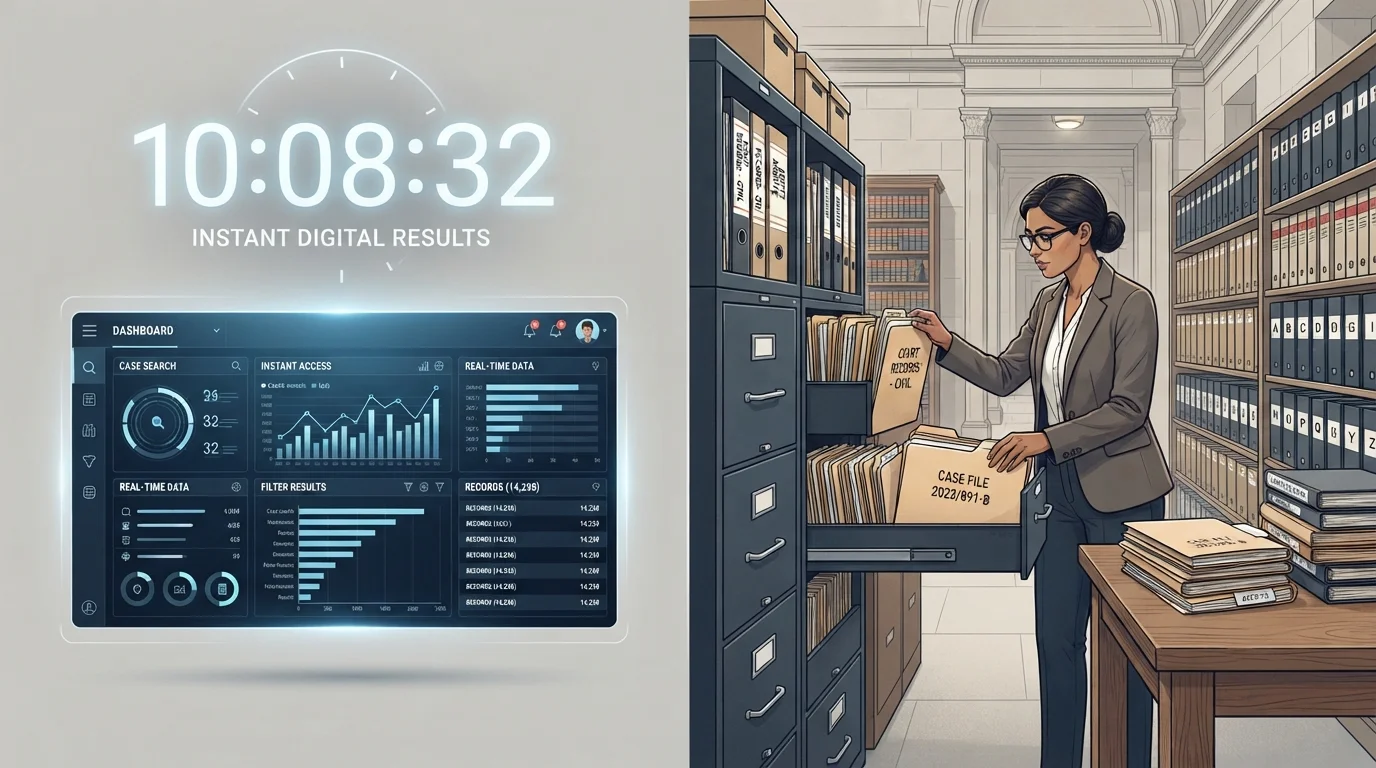
Background Check Timelines: Why Some Reports Take Minutes and Others Take Weeks
Processing time varies widely depending on check type, jurisdiction, and data availability. Here's what drives those differences.


Inaccurate records appear more often than most people expect. Learn the most common error types and the formal dispute process available to you.
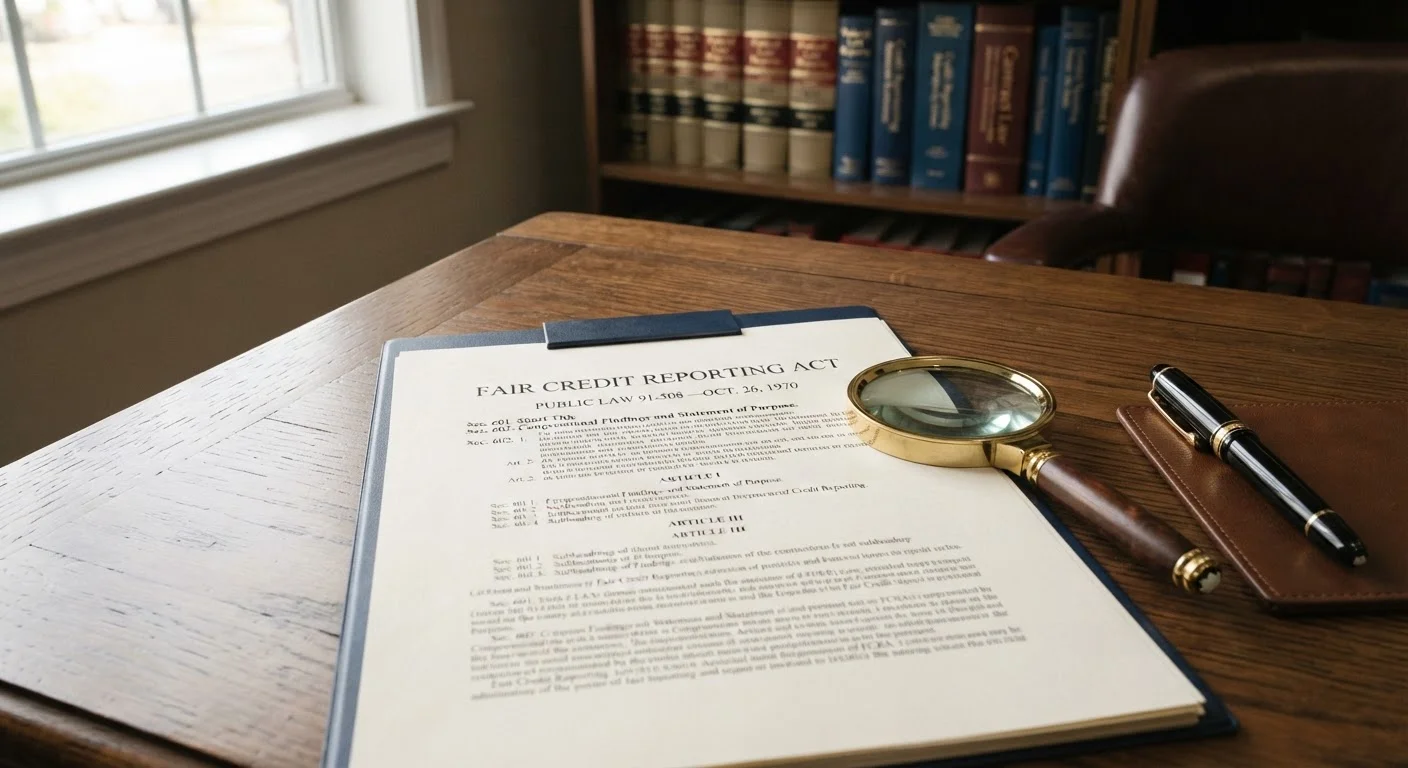
The Fair Credit Reporting Act sets strict rules on who can run a check, how results can be used, and what rights subjects retain.
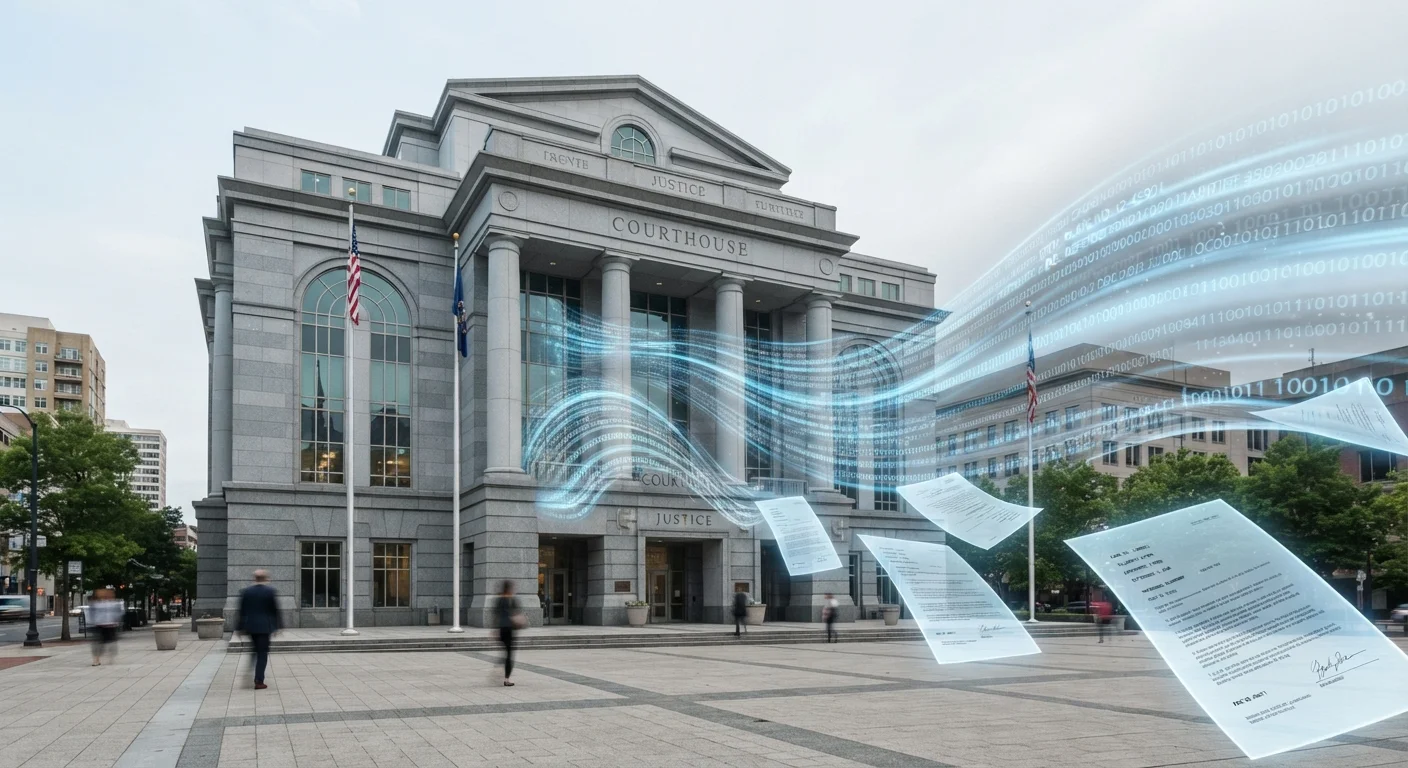
Courthouse data doesn't flow automatically into reports. Learn how criminal records are collected, verified, and translated into readable results.

Lookback limits vary by check type, state law, and purpose. This guide explains the rules that determine how much history a report can surface.

Both census and vital records are genealogy staples — but they serve different purposes. Learn…

Name variations, transcription errors, and calendar changes are common in historical records. Learn…

A practical overview of major genealogy archives — what records they hold, which are freely…
 Obituary Search
A balanced look at free public sources and paid obituary databases — what each offers, where they fall short, and when each approach makes sense.
Research practices that experienced genealogists and records researchers rely on to find obituaries…
Obituary SearchUse this checklist to collect the names, dates, locations, and family connections that will make…
Obituary SearchComparing newspaper archives and genealogy databases side by side to help you choose the right…

Many people assume unclaimed funds expire, belong to the government, or require a lawyer. This myth-busting guide separates fact from fiction.

Different account types have different dormancy clocks. Learn what triggers the countdown and when a holder must legally report funds to the state.

Escheatment sounds obscure, but it's the legal backbone of every unclaimed money program in the U.S. Here's what the doctrine actually means in practice.
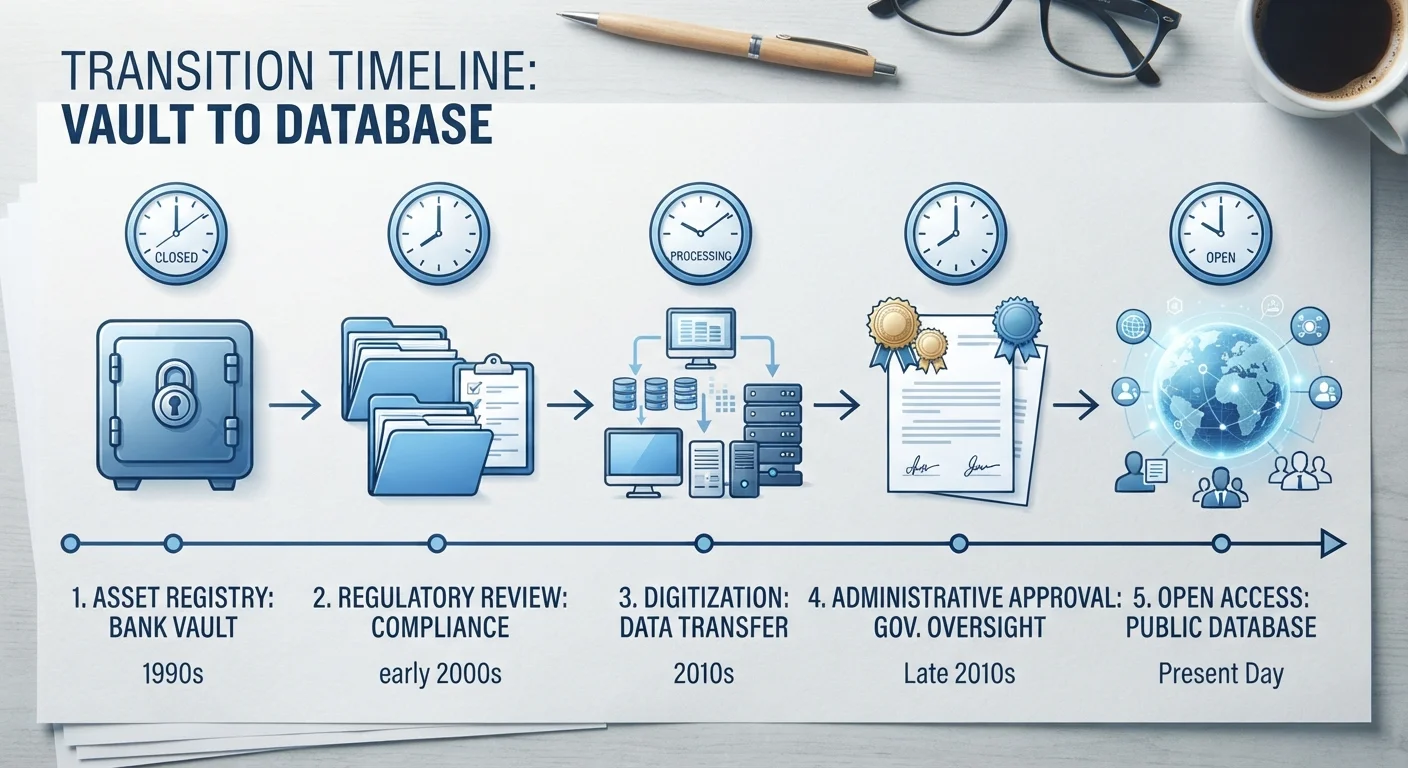
See the step-by-step sequence — from the first missed statement to a searchable state database — that defines how unclaimed money becomes publicly accessible.
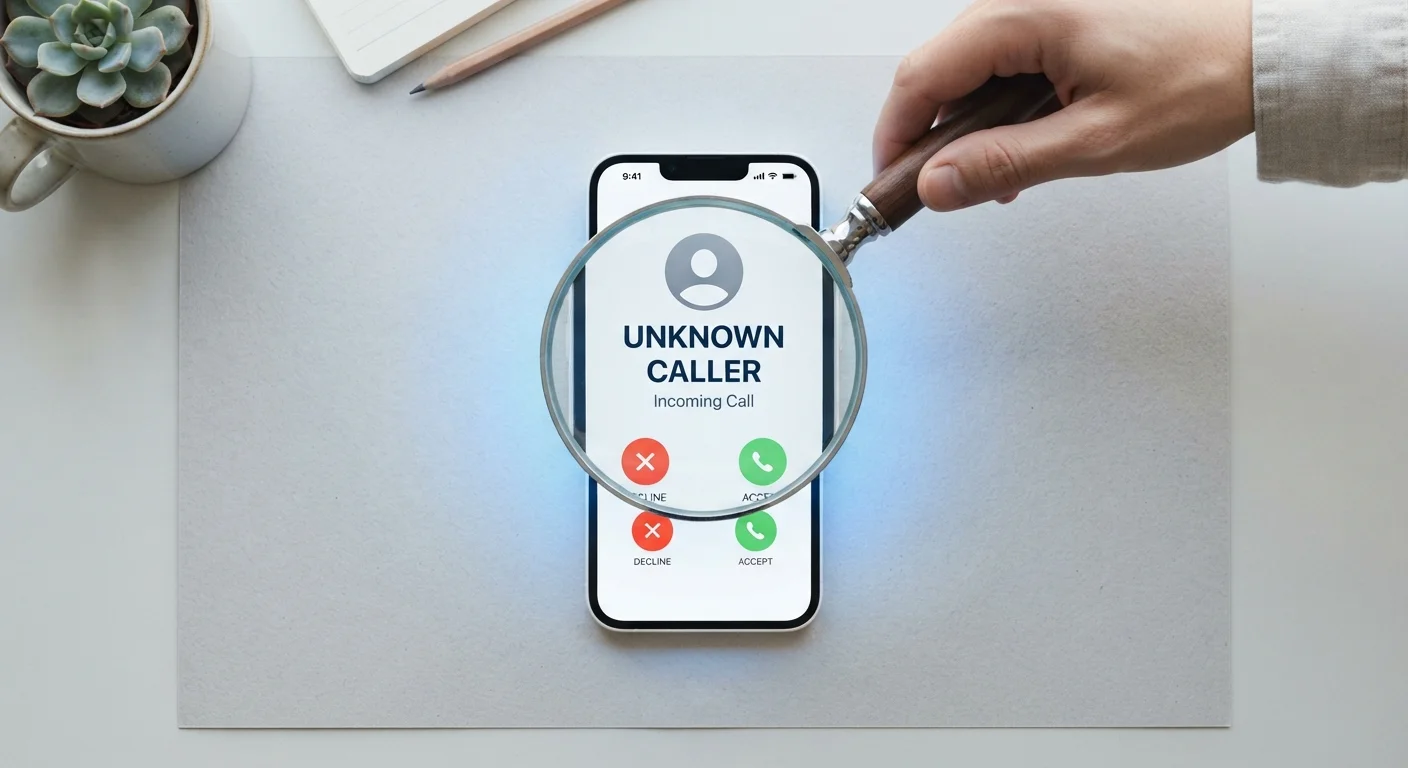
Many people assume reverse lookup is instant, comprehensive, or always accurate. This piece…

Reverse lookup results vary widely. Understand what information is typically available, what is…
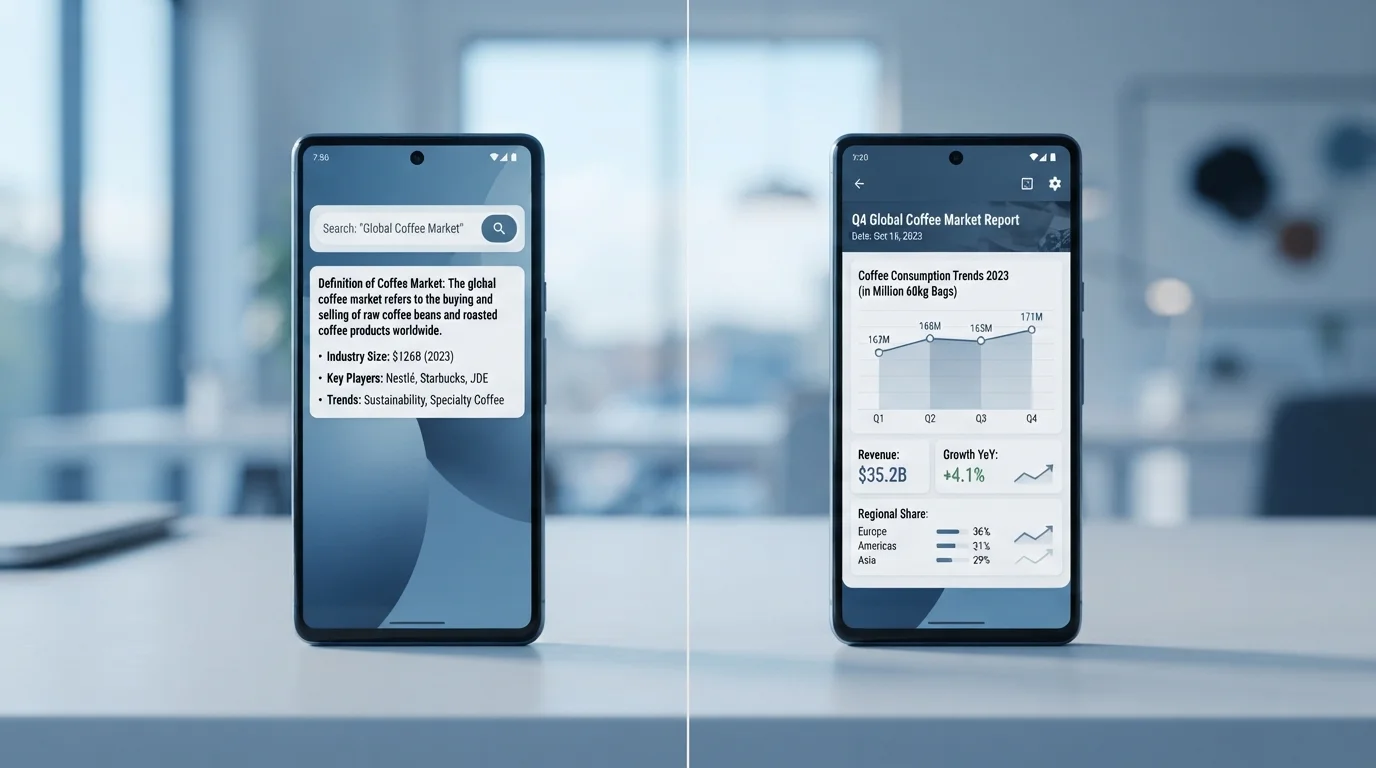
Free and paid reverse phone lookup tools differ in data depth and accuracy. See what each approach…
 VIN Search
Many people misunderstand what a VIN guarantees. This myth-vs-fact breakdown corrects the most widespread errors about VIN data.
A VIN unlocks a surprising amount of vehicle data, but it has real limits. Know exactly what to…
VIN SearchFree VIN decoders and paid history reports serve different purposes. Understand what data each…
VIN SearchYou don't need an app to make sense of a VIN. Follow these steps to manually decode each section of…

A definitive, end-to-end resource on VINs — covering structure, decoding, public data sources, privacy considerations, and common use cases.
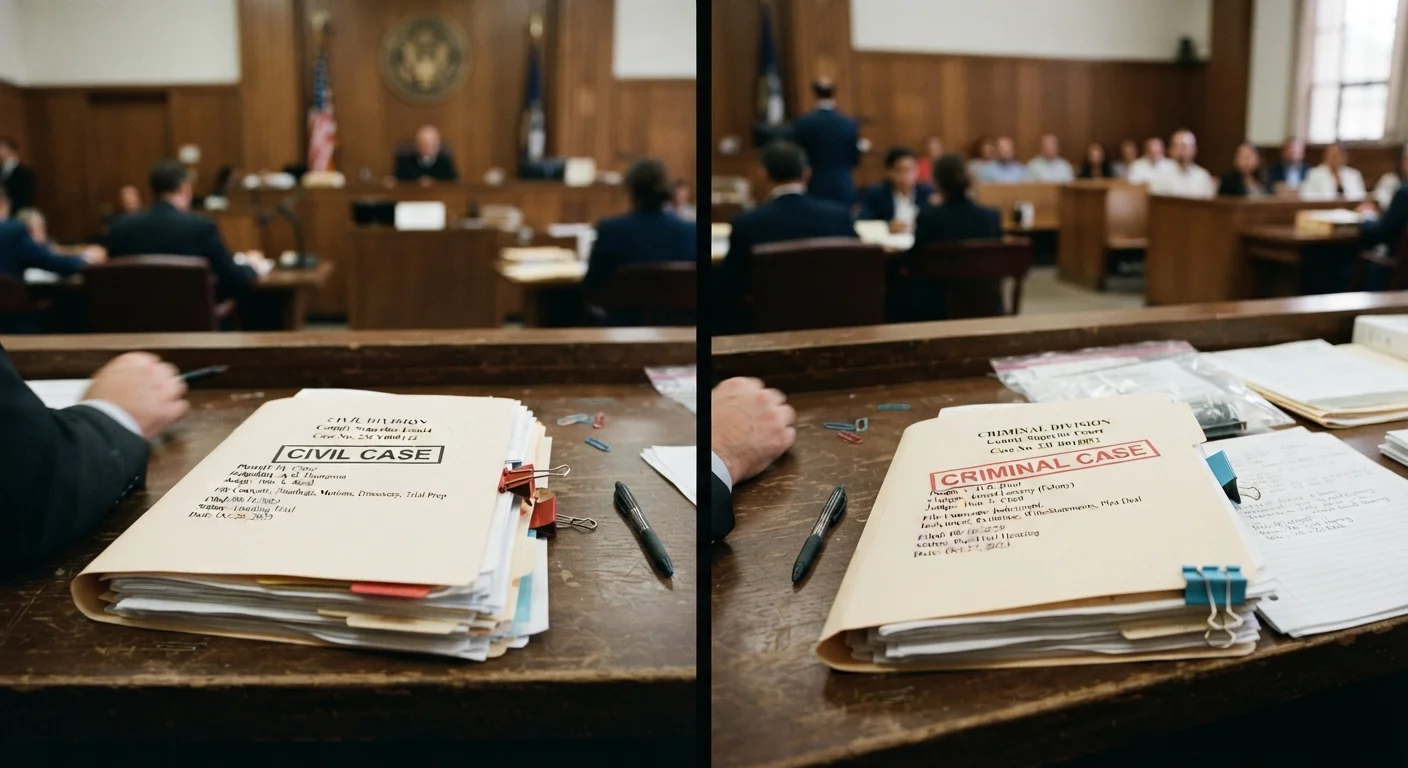
Civil and criminal cases produce different records, held in different places. Here's how to tell them apart and find each.

An end-to-end guide covering methodology, record sources, verification, and documentation for building an accurate family tree.

Discover how a shared username creates a traceable thread through social media, forums, gaming sites, and more.

Separating fact from fiction: what username searches can really reveal, and why anonymity online is harder than most assume.

Small mistakes when running a VIN search can produce inaccurate results. Here are the most common errors and how to sidestep them.