10 Types of Home Security Devices Expected to Have Black Friday Deals in 2023
10 Types of Home Security Devices Expected to Have Black Friday Deals in 2023

People often ignore the importance of home security, putting themselves and their families at risk. Door and window locks and human vigilance are sometimes insufficient to keep malicious elements at bay. In today’s age, security cameras and smart doorbells are gaining popularity. Luckily, Black Friday will be here soon, when homeowners can enjoy discounts on the latest smart systems. Here are ten types of home security devices to look out for during Black Friday 2023.

Video doorbells
Video doorbells, also called smart doorbells, let people view the area in front of their main door. In doing so, they reduce the possibility of harassment by sneaky intruders or pesky neighborhood kids who ring the doorbell before running away. Modern video doorbells come with unique and valuable features, such as 1440 x 1440 resolution visuals, a clarity-driven 1:1 aspect ratio, and a wide field of view. Some models also send alerts to the homeowner’s phone or computer, store free surveillance data on the cloud, and offer two-way communication. The Wyze Wireless Video Doorbell Camera Pro is currently selling for a discount of $8 at Best Buy, but if customers hold off buying it until Black Friday 2023, they may enjoy a better deal.

Smoke and carbon monoxide detectors
These devices help prevent accidents and health hazards in houses. Carbon monoxide and other gases can cause severe health issues if they leak from faulty appliances and external sources. Smart detectors use electromagnetic sensors to identify poisonous gases and alert homeowners. Popular models like the Kidde Carbon Monoxide Detector are currently available for a discount of around 30% on Amazon. Still, it’s best to wait until Black Friday to see whether the retailer slashes prices further.

Security cameras
People with large houses can install surveillance cameras in multiple rooms and monitor the footage on their phones or laptops in real time. These devices have motion and sound detectors that automatically sense if someone has sneakily entered the house or is hiding within the property. Security cameras can be expensive, but, like every other product, they can be purchased for less during Black Friday. These cameras are known to fetch discounts of up to 50% on retail sites and physical stores.

Security lighting
Motion-activated floodlights can record videos and trigger sirens to keep burglars and malicious elements at bay. Burglars tend to use the darkness of night as a shield to enter a property and go through with their nefarious activities. Intelligent security lights illuminate one’s porch and other darkened zones as the night sets in to neutralize that threat. Last Black Friday, some customers saved around $90 on the Arlo Pro 3 outdoor floodlight camera.

Smart door locks
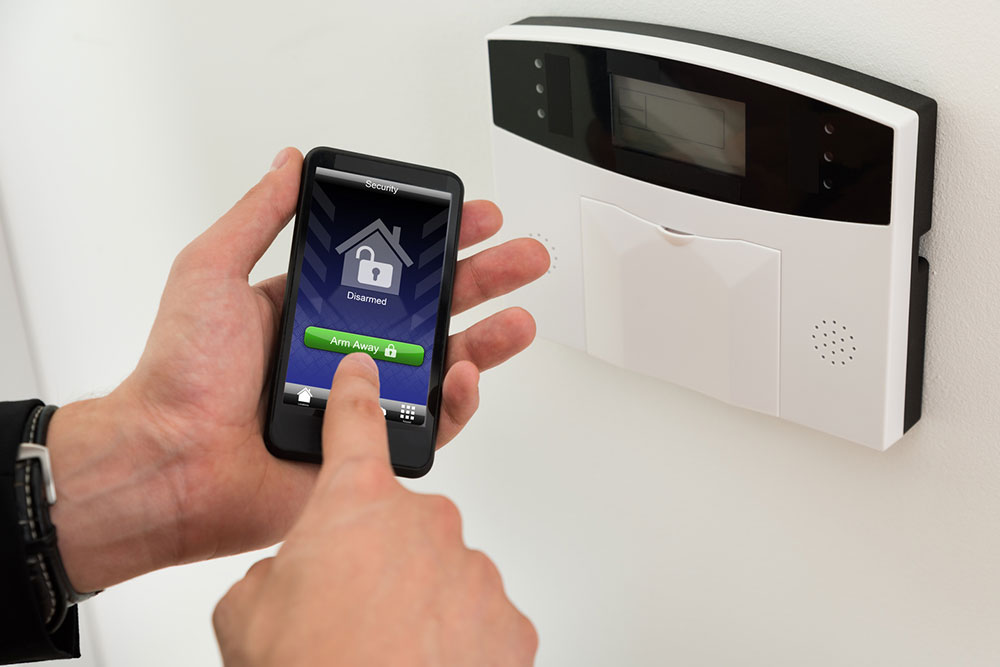
Smart door locks have Wi-Fi connectivity to help homeowners control and regulate them from anywhere using their phones. They’re the ultimate tools to answer the “Has the front door been left open?” question. Based on last year’s trends, smart locks may have discounts between $25 and $30 during the upcoming sale.

Burglar alarms
Many homeowners don’t wish to use fancy cameras and cutting-edge gadgets to improve home security. Such individuals can invest in the good old burglar alarms. Everyone who uses a burglar alarm knows how simple and effective its operation is. These alarms have certain traps or hidden buttons, which trigger a loud alarm when pressed. Homeowners can install them where burglars wouldn’t suspect while breaking into a house. When they try to sneak in, they’re more likely than not to trigger the alarm and get caught. Black Friday is known to offer discounts of up to 30% on these devices.

Water leak sensors
Home security systems aren’t restricted to burglars, intruders, or criminals. They also help protect the home during emergencies like water leaks. Flooding and roof leaks are common on rainy days and can cause hygiene- and safety-related problems. Water leak detection devices employ sensors to identify leakage or flooding within the house. Black Friday is known to unleash discounts on these devices in the range of about 30% to 35%.

Motion detectors
Many security cameras and other smart home security systems come with in-built motion detectors, but one can buy such sensors separately to save. Buyers are known to find hefty discounts of up to 66% on motion sensors during the Black Friday sale.

Window sensors
Doors are not the only routes for intruders to break into the house. To close off the windows, one can purchase window sensors that send homeowners a chime and notification every time someone opens or shuts them. Abode’s Mini Door/Window Sensor is currently available for a discount of $10 on the brand’s website, but interested buyers should wait until Black Friday 2023, hoping for even better deals.

Door intercoms
Intercoms let people communicate with people waiting outside without opening the main door. It reduces the risk one’s exposed to when opening the door for strangers, especially at odd hours. Shoppers can look for discounts when buying these devices from retail stores.

Featured Articles

10 Ways to Spot and Report Tinder Bots
Open-Records

10 Ways to Spot and Report Tinder Bots

Using dating apps can be exciting, but fake profiles continue to be a common problem on platforms like Tinder . Some bots simply promote spam links, while others attempt to steal personal information or push financial scams. As fake accounts become more advanced, it becomes harder to tell the difference between a real match and an automated profile. The good news is that many Tinder bots still follow recognizable patterns. Learning how to identify those warning signs can help you avoid scams, protect your privacy, and enjoy a safer online dating experience. 1. Watch for Profiles That Look Too Perfect One of the easiest ways to spot a Tinder bot is by examining the profile itself. Fake accounts often use highly polished photos that look more like professional modeling shots than everyday pictures. You may notice: Only studio-quality images No casual photos with friends or family Very limited profile information Generic bios with little personality Most real users include a mix of photos and details about hobbies, work, or interests. If a profile feels overly curated or unusually vague, proceed carefully. 2. Pay Attention to Extremely Fast Replies Bots often respond almost instantly after matching. While some people genuinely reply quickly, automated systems tend to answer within seconds every time.
Why Background Check Red Flags Matter More Than You Think
Open-Records

Why Background Check Red Flags Matter More Than You Think

Hiring the right employee involves more than reviewing a polished resume or conducting a strong interview. Employers also need to understand whether a candidate presents any potential risks to the organization, team, or customers. That is where background checks play an important role. A background check can reveal information that may not come up during the hiring process. While not every issue is a dealbreaker, certain red flags deserve closer attention. Ignoring them can lead to financial loss, workplace safety concerns, legal problems, and damage to company culture. Understanding these warning signs helps employers make informed hiring decisions while maintaining fair and compliant hiring practices. What Is a Background Check Red Flag? A background check red flag is any finding that raises concerns about a candidate’s honesty, reliability, qualifications, or behavior. These issues can appear in criminal records, employment history, education verification, credit reports, or professional license checks. A red flag does not automatically mean someone should lose a job opportunity. Context matters. Employers should evaluate whether the issue is relevant to the position and whether the candidate has addressed it responsibly. Still, some warning signs require serious attention because they may indicate larger patterns of risk. Why Employers Take Red Flags Seriously Hiring mistakes can be expensive.
Why Landlords Should Always Screen Tenants
Open-Records

Why Landlords Should Always Screen Tenants

Finding the right tenant can make property ownership far less stressful. A reliable renter pays on time, respects the property, and follows lease terms. On the other hand, a problematic tenant can create financial losses, legal issues, and ongoing frustration. That is why tenant screening remains one of the most important steps in the rental process. Whether you own a single-family home, a duplex, or multiple apartment units, screening helps you make informed decisions before handing over the keys. It also gives you a clearer picture of a prospective tenant’s financial habits, rental history, and overall reliability. What Is Tenant Screening? Tenant screening is the process landlords use to evaluate potential renters before approving a lease application. The goal is to determine whether an applicant is likely to meet financial obligations and follow rental terms responsibly. Most screening processes include: Credit checks Criminal background checks Employment verification Income verification Rental history reviews Reference checks A thorough screening process helps landlords reduce risk while maintaining consistent standards for every applicant. Why Tenant Screening Matters Protects Your Rental Income Rental properties depend on consistent cash flow. When tenants miss payments or stop paying rent entirely, landlords still need to cover mortgages, taxes, insurance, and maintenance costs.
Role of Background Checks in Identity Theft Prevention
Open-Records

Role of Background Checks in Identity Theft Prevention

Identity theft continues to affect individuals, businesses, and financial institutions across the country. Cybercriminals use stolen personal information to open credit accounts, access bank details, apply for loans, and commit online fraud. As digital transactions become more common, the need for stronger identity protection measures has increased significantly. One effective strategy used by employers, landlords, financial organizations, and consumers is the background check. Proper background screening helps verify identities, detect fraud risks, and reduce the chances of identity theft before serious damage occurs. What is Identity Theft Identity theft occurs when someone steals personal information and uses it without permission for financial gain or fraudulent activity. Commonly targeted details include: Social Security numbers Bank account information Credit card details Driver’s license numbers Employment records Addresses and phone numbers Criminals often obtain this information through phishing scams, data breaches, fake job applications, or stolen documents. Victims may face financial losses, damaged credit scores, and lengthy recovery processes. What Are Background Checks? Background checks are verification processes used to confirm a person’s identity, history, and credentials. These checks help organizations identify inconsistencies, fraudulent records, or suspicious activity before approving employment, housing, financial services, or partnerships. Common Types of Background Checks Several types of screenings support identity verification and fraud prevention:

Top Articles

Background Checks and the FCRA – What’s Allowed and What’s Not
Open-Records

Background Checks and the FCRA – What’s Allowed and What’s Not

When hiring a new employee, you want to ensure you are making the right choice. One way to do that is to perform a background check. A background check is an excellent tool to verify qualifications and ensure workplace safety. However, running these checks is not as simple as doing a quick internet search. The Fair Credit Reporting Act, or FCRA, regulates how employers gather and use background information. What Is the FCRA? The Fair Credit Reporting Act is a federal law enacted in 1970 to protect consumer privacy and ensure accuracy in background reporting. While it sounds like it only applies to credit cards and loans, it actually covers any background check conducted by a third-party company, known as a Consumer Reporting Agency. If you hire an outside vendor to check a candidate’s criminal records, employment history, or driving record, you are bound by the FCRA. This law gives job applicants specific rights regarding how their personal information is handled and used during the hiring process. What Is Allowed? Employers have a lot of flexibility when it comes to vetting candidates, provided they follow the rules. You are legally allowed to look into several key areas to verify a candidate’s fitness for a role.
How Employee Screening Is Changing With AI
Open-Records

How Employee Screening Is Changing With AI

Imagine sorting through a stack of five hundred resumes for a single job opening. By the time you reach the fiftieth applicant, the words blur together, and your morning coffee has completely worn off. This is the exhausting reality human resources professionals have faced for decades. Fortunately, artificial intelligence is stepping in to simplify this tedious process. It is changing how companies find talent and conduct background checks. Context Over Keywords Modern screening tools utilize natural language processing to understand the deeper context of a resume. Instead of just searching for specific words, the technology evaluates a candidate’s overall career trajectory, skills, and potential. For instance, if an applicant lists experience in managing client relationships, the AI recognizes that this aligns perfectly with a customer success role, even if the exact job title differs. This shift ensures that highly qualified individuals no longer slip through the cracks due to formatting choices. Automated Skills Assessment Based on text analysis, AI is transforming how employers verify capabilities. Interactive, algorithm-driven assessments can now evaluate a candidate’s coding skills, writing aptitude, or situational judgment in real time. These tools adapt their difficulty based on the user’s performance, providing a much more accurate picture of their actual technical strengths before an interviewer ever hops on a phone call.
Key Factors That Affect Background Check Timelines
Open-Records

Key Factors That Affect Background Check Timelines

Background checks are a routine part of hiring, renting, and vetting — but the time they take varies more than most people expect. Some reports are finished in minutes, while others can be delayed for days. That gap isn’t arbitrary. It reflects the complexity of what’s being searched, where the information lives, and how quickly different systems respond. Knowing what drives the timeline helps set realistic expectations from the start. What a Background Check Typically Covers A background check inquires about the authenticity of information provided by a candidate. Factors examined may include education, past employment history, criminal records, motor vehicle or license records, and credit history. Each of these data points may sit in a different database — some centralized and digital, others fragmented across local jurisdictions or held in paper form. The broader the scope, the more sources need to be queried, and that directly affects turnaround time. The Standard Timeline On average, employment background checks conducted through a consumer reporting agency take 3 to 5 business days. That said, this is a general benchmark, not a guarantee. Most checks take one to three days, though some return instantly, while criminal searches typically require one to three days on their own.
5 Things to Look for in a Background Check Tool
Open-Records

5 Things to Look for in a Background Check Tool

Background check tools have become a practical necessity — whether for employers screening job candidates, landlords vetting tenants, or individuals researching someone’s history. With so many platforms available, picking the right one can feel overwhelming. Not every tool delivers the same depth, accuracy, or legal compliance. Knowing what separates a reliable platform from a mediocre one makes the decision far clearer. Here is what to prioritize when evaluating a background check tool. 1. Depth and Range of Data Coverage The value of any background check tool rests heavily on the breadth of its data sources. A strong platform pulls from multiple databases — criminal records, court filings, address histories, employment verifications, and more — rather than relying on a single source. Shallow tools may miss critical records simply because they lack the reach. Before committing to any platform, confirm it accesses verified, legally sourced data across the categories most relevant to the intended use. Public vs. Proprietary Data Some tools rely purely on publicly available records, while others supplement these with proprietary databases. The combination typically yields more complete results — particularly for records that are harder to access through standard public channels. Neither approach is inherently better, but knowing which one a tool uses helps set realistic expectations.