20 Cyber Monday deals on appliances to look out for
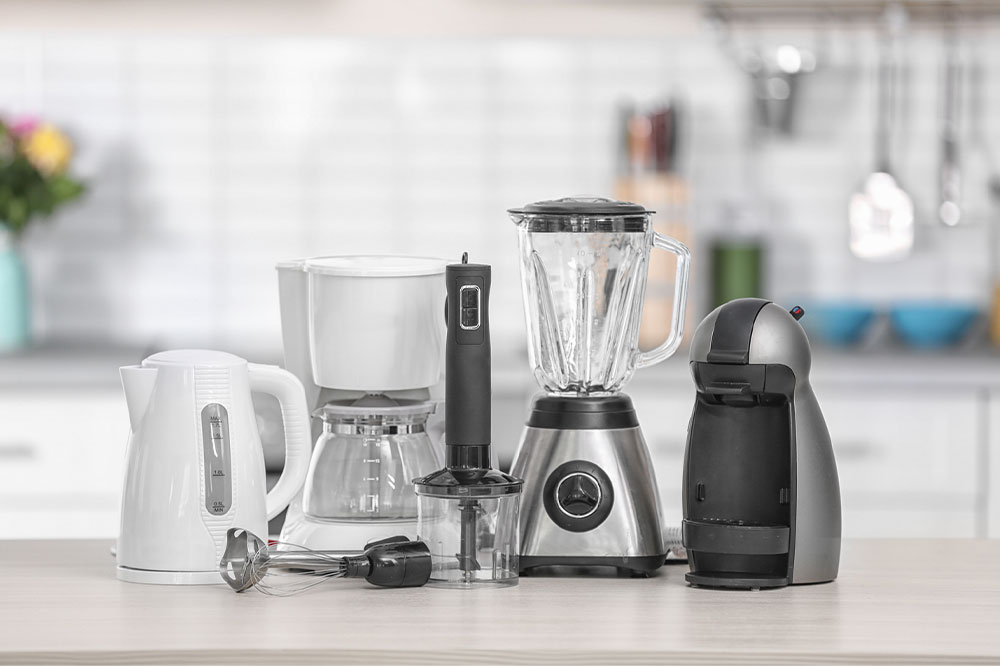
20 Cyber Monday deals on appliances to look out for

Good deals on home appliances are difficult to come by these days, especially with the onslaught of inflation, and the worldwide supply chain issues, aggravated by the COVID-19 pandemic. Hence, if you’re looking to upgrade your old appliances, there’s no better time to do it than on this upcoming Cyber Monday 2022 sale. So, refer to the list below for the top 20 deals on appliances during this year’s Cyber Monday sale.

Frigidaire FFPS4533UM Refrigerator
With a simple-looking design and respectable interior space of 4.5 cubic feet, it’s perfect for a small family. The freezer is top-mounted, has three removable glass shelves, and is Energy-Star rated for ideal efficiency. Prices will be $219 or lower.

Samsung RF28T5001SR/AA Refrigerator
With a large capacity of 28 cubic feet, make the most of its spacious interiors, with adjustable shelves. Furthermore, it has a stainless steel finish with an Energy Star rating for ideal efficiency. Prices will be $1,299 or lower.

Samsung RF27T5501SR Refrigerator
Touted as the flagship model from Samsung, the refrigerator has a built-in touchscreen that can easily connect with your smart home devices. Additionally, the interior space is measured at 26.5 cubic feet and has an external ice-water dispenser. Prices will be $2,398 or less.

LG LMXS28596D Refrigerator
With an all-black sleek design, there’s a glass door panel on one side and an external ice-water dispenser on the other. Furthermore, interior space is measured at 27.8 cubic feet, offering LG’s ThinQ smartphone app connectivity for remote control and monitoring. Expect prices to be $2,999 or less.

LG LRMDS3006S Refrigerator
This French 4-door model from LG has an overall interior space of 29.5 cubic feet. There’s an external ice/water dispenser with a door-in-door system, allowing you to access the inside without opening the entire refrigerator. Also, has support for Google Assistant and Amazon Alexa integration. Prices will be $3,199 or less.

Whirlpool WRQA59CNKZ Refrigerator
With its 19.4 cubic feet capacity, the refrigerator has four accessible doors, and you can organize the interior layout to meet your requirements. Furthermore, it can be controlled via your smartphone, and there’s also a Vacation Mode to increase electricity savings when you’re away. Prices are expected to be $1,749 or less.

Cafe Smart 24-Inch Wine Beverage Cooler
In case you’re a wine connoisseur, then having a premium wine cooler is a must. With a massive 46-bottle capacity, the cooler has integrated LEDs on the rear wall and WIFI connectivity, allowing you to monitor and control it via your smartphone. Prices will be $2,609 or less.

Whirlpool WDT705PAKZ Dishwasher
What sets this dishwasher apart from its competitors is its special sensor that can help you determine the ideal cycle for each load. Furthermore, it has a separate 1-hour wash cycle for super fast dish cleaning. Prices are expected to be $529 or less.

KitchenAid KDTE104KPS Dishwasher
With a beautiful stainless-steel design, this model from KitchenAid is ultra-quiet at just 47 dBA during its operation. Additionally, the machine supports the ProWash cycle, allowing the system to adapt settings for varying loads. Also, it has heated drying for your dishes to come out ready for use. Prices are expected to be $809 or lower.

GE GDT550PYRFS Dishwasher
This model is a no-brainer if you’re looking for a cost-effective dishwasher. The machine features multiple dishwasher cycles with the option to steam and sanitize that deals with tough food oils and grime. Hence, there’s no need to pre-rinse the dishes by hand. Expect prices to be $498 or lower.

LG WKE100HVA Stackable Washer And Dryer
This combo is perfect for use in tight residential spaces without compromising performance. Featuring artificial intelligence and special sensors, the system can adapt its wash cycle based on the fabric and load size. Furthermore, it uses steam to eliminate dust and pet dander. Prices will be $1,598 or less.

LG WT7300CW Washer
With a top-notch cleaning ability and quiet operation, this washer from LG has a capacity of 5.0 cubic feet. Featuring TurboWash3D and 6-Motion technology, it can efficiently clean your laundry with ease. Furthermore, it has LG ThinQ app integration for remote control via your smartphone. Prices will be $750 or less.

Samsung DVE45T3400P/A3 Dryer
Having a massive 7.4 cubic feet of interior space, the machine features sensor drying technology that helps save power and protects your clothes while drying. Furthermore, it sports a flexible open-door system with smartphone app integration. Prices will be $629 or less.

Instant Pot 9-In-1 Pressure Cooker Bundle
Featuring a 9-In-1 functionality, this Instant Pot can help you cook any way you want. From slow cooking to pressure cooking to making yogurt – there are 15 customizable smart programs to choose from. Prices will be $60 or lower.

LG LSGL6335F Oven
Featuring a 20,000 BTU burner, this oven uses convection technology to help you cook your favorite dishes. On the inside, you get cast iron grates with five cooktop burners on the outside. Furthermore, there’s support for LG’s ThinQ smartphone app integration. Prices are expected to be $1,600 or less.

Whirlpool WFG320M0BS Oven
Sporting a total capacity of 5.1 cubic feet, this oven features four cooktop burners that are rated between 5,000-15,000 BTUs, thereby providing plenty of heat for crafting a variety of recipes. Furthermore, it has cast-iron grates with control lock functionality for preventing accidental activation. Prices will be $550 or lower.

Samsung NX60T8711SG/AA Oven
Being one of the flagship-grade 6.0 cubic feet ovens from Samsung, it has voice-enabled features, allowing you to control the temperature with voice commands. Additionally, there’s smartphone app integration with WIFI connectivity for seamless control and monitoring. Prices will be $1,799 or less.

Vitamix A2300 Blender
In case you’re looking for a versatile blender, then this will be a perfect choice. From blending your favorite fruit juices to smoothies, it can efficiently handle any task you throw at it. Prices will be $499 or lower.

Nespresso Vertuo Next With Aeroccino
If you’re a hard-boiled coffee drinker, having an espresso machine at home is a Godsend. This espresso machine includes smooth crema along with 12 coffee capsules so that you can start making espresso drinks once it arrives at your doorstep. Prices will be $279 or lower.

Ninja Foodie Pro
The Foodie Pro includes a pressure cooker and an air fryer – all-in-one. It can not only bake and warm food but also act as a rice cooker or a steamer. Prices are expected to be $179 or lower.


Featured Articles

10 Ways to Spot and Report Tinder Bots
Open-Records

10 Ways to Spot and Report Tinder Bots

Using dating apps can be exciting, but fake profiles continue to be a common problem on platforms like Tinder . Some bots simply promote spam links, while others attempt to steal personal information or push financial scams. As fake accounts become more advanced, it becomes harder to tell the difference between a real match and an automated profile. The good news is that many Tinder bots still follow recognizable patterns. Learning how to identify those warning signs can help you avoid scams, protect your privacy, and enjoy a safer online dating experience. 1. Watch for Profiles That Look Too Perfect One of the easiest ways to spot a Tinder bot is by examining the profile itself. Fake accounts often use highly polished photos that look more like professional modeling shots than everyday pictures. You may notice: Only studio-quality images No casual photos with friends or family Very limited profile information Generic bios with little personality Most real users include a mix of photos and details about hobbies, work, or interests. If a profile feels overly curated or unusually vague, proceed carefully. 2. Pay Attention to Extremely Fast Replies Bots often respond almost instantly after matching. While some people genuinely reply quickly, automated systems tend to answer within seconds every time.
Why Background Check Red Flags Matter More Than You Think
Open-Records

Why Background Check Red Flags Matter More Than You Think

Hiring the right employee involves more than reviewing a polished resume or conducting a strong interview. Employers also need to understand whether a candidate presents any potential risks to the organization, team, or customers. That is where background checks play an important role. A background check can reveal information that may not come up during the hiring process. While not every issue is a dealbreaker, certain red flags deserve closer attention. Ignoring them can lead to financial loss, workplace safety concerns, legal problems, and damage to company culture. Understanding these warning signs helps employers make informed hiring decisions while maintaining fair and compliant hiring practices. What Is a Background Check Red Flag? A background check red flag is any finding that raises concerns about a candidate’s honesty, reliability, qualifications, or behavior. These issues can appear in criminal records, employment history, education verification, credit reports, or professional license checks. A red flag does not automatically mean someone should lose a job opportunity. Context matters. Employers should evaluate whether the issue is relevant to the position and whether the candidate has addressed it responsibly. Still, some warning signs require serious attention because they may indicate larger patterns of risk. Why Employers Take Red Flags Seriously Hiring mistakes can be expensive.
Why Landlords Should Always Screen Tenants
Open-Records

Why Landlords Should Always Screen Tenants

Finding the right tenant can make property ownership far less stressful. A reliable renter pays on time, respects the property, and follows lease terms. On the other hand, a problematic tenant can create financial losses, legal issues, and ongoing frustration. That is why tenant screening remains one of the most important steps in the rental process. Whether you own a single-family home, a duplex, or multiple apartment units, screening helps you make informed decisions before handing over the keys. It also gives you a clearer picture of a prospective tenant’s financial habits, rental history, and overall reliability. What Is Tenant Screening? Tenant screening is the process landlords use to evaluate potential renters before approving a lease application. The goal is to determine whether an applicant is likely to meet financial obligations and follow rental terms responsibly. Most screening processes include: Credit checks Criminal background checks Employment verification Income verification Rental history reviews Reference checks A thorough screening process helps landlords reduce risk while maintaining consistent standards for every applicant. Why Tenant Screening Matters Protects Your Rental Income Rental properties depend on consistent cash flow. When tenants miss payments or stop paying rent entirely, landlords still need to cover mortgages, taxes, insurance, and maintenance costs.
Role of Background Checks in Identity Theft Prevention
Open-Records

Role of Background Checks in Identity Theft Prevention

Identity theft continues to affect individuals, businesses, and financial institutions across the country. Cybercriminals use stolen personal information to open credit accounts, access bank details, apply for loans, and commit online fraud. As digital transactions become more common, the need for stronger identity protection measures has increased significantly. One effective strategy used by employers, landlords, financial organizations, and consumers is the background check. Proper background screening helps verify identities, detect fraud risks, and reduce the chances of identity theft before serious damage occurs. What is Identity Theft Identity theft occurs when someone steals personal information and uses it without permission for financial gain or fraudulent activity. Commonly targeted details include: Social Security numbers Bank account information Credit card details Driver’s license numbers Employment records Addresses and phone numbers Criminals often obtain this information through phishing scams, data breaches, fake job applications, or stolen documents. Victims may face financial losses, damaged credit scores, and lengthy recovery processes. What Are Background Checks? Background checks are verification processes used to confirm a person’s identity, history, and credentials. These checks help organizations identify inconsistencies, fraudulent records, or suspicious activity before approving employment, housing, financial services, or partnerships. Common Types of Background Checks Several types of screenings support identity verification and fraud prevention:

Top Articles

Background Checks and the FCRA – What’s Allowed and What’s Not
Open-Records

Background Checks and the FCRA – What’s Allowed and What’s Not

When hiring a new employee, you want to ensure you are making the right choice. One way to do that is to perform a background check. A background check is an excellent tool to verify qualifications and ensure workplace safety. However, running these checks is not as simple as doing a quick internet search. The Fair Credit Reporting Act, or FCRA, regulates how employers gather and use background information. What Is the FCRA? The Fair Credit Reporting Act is a federal law enacted in 1970 to protect consumer privacy and ensure accuracy in background reporting. While it sounds like it only applies to credit cards and loans, it actually covers any background check conducted by a third-party company, known as a Consumer Reporting Agency. If you hire an outside vendor to check a candidate’s criminal records, employment history, or driving record, you are bound by the FCRA. This law gives job applicants specific rights regarding how their personal information is handled and used during the hiring process. What Is Allowed? Employers have a lot of flexibility when it comes to vetting candidates, provided they follow the rules. You are legally allowed to look into several key areas to verify a candidate’s fitness for a role.
How Employee Screening Is Changing With AI
Open-Records

How Employee Screening Is Changing With AI

Imagine sorting through a stack of five hundred resumes for a single job opening. By the time you reach the fiftieth applicant, the words blur together, and your morning coffee has completely worn off. This is the exhausting reality human resources professionals have faced for decades. Fortunately, artificial intelligence is stepping in to simplify this tedious process. It is changing how companies find talent and conduct background checks. Context Over Keywords Modern screening tools utilize natural language processing to understand the deeper context of a resume. Instead of just searching for specific words, the technology evaluates a candidate’s overall career trajectory, skills, and potential. For instance, if an applicant lists experience in managing client relationships, the AI recognizes that this aligns perfectly with a customer success role, even if the exact job title differs. This shift ensures that highly qualified individuals no longer slip through the cracks due to formatting choices. Automated Skills Assessment Based on text analysis, AI is transforming how employers verify capabilities. Interactive, algorithm-driven assessments can now evaluate a candidate’s coding skills, writing aptitude, or situational judgment in real time. These tools adapt their difficulty based on the user’s performance, providing a much more accurate picture of their actual technical strengths before an interviewer ever hops on a phone call.
Key Factors That Affect Background Check Timelines
Open-Records

Key Factors That Affect Background Check Timelines

Background checks are a routine part of hiring, renting, and vetting — but the time they take varies more than most people expect. Some reports are finished in minutes, while others can be delayed for days. That gap isn’t arbitrary. It reflects the complexity of what’s being searched, where the information lives, and how quickly different systems respond. Knowing what drives the timeline helps set realistic expectations from the start. What a Background Check Typically Covers A background check inquires about the authenticity of information provided by a candidate. Factors examined may include education, past employment history, criminal records, motor vehicle or license records, and credit history. Each of these data points may sit in a different database — some centralized and digital, others fragmented across local jurisdictions or held in paper form. The broader the scope, the more sources need to be queried, and that directly affects turnaround time. The Standard Timeline On average, employment background checks conducted through a consumer reporting agency take 3 to 5 business days. That said, this is a general benchmark, not a guarantee. Most checks take one to three days, though some return instantly, while criminal searches typically require one to three days on their own.
5 Things to Look for in a Background Check Tool
Open-Records

5 Things to Look for in a Background Check Tool

Background check tools have become a practical necessity — whether for employers screening job candidates, landlords vetting tenants, or individuals researching someone’s history. With so many platforms available, picking the right one can feel overwhelming. Not every tool delivers the same depth, accuracy, or legal compliance. Knowing what separates a reliable platform from a mediocre one makes the decision far clearer. Here is what to prioritize when evaluating a background check tool. 1. Depth and Range of Data Coverage The value of any background check tool rests heavily on the breadth of its data sources. A strong platform pulls from multiple databases — criminal records, court filings, address histories, employment verifications, and more — rather than relying on a single source. Shallow tools may miss critical records simply because they lack the reach. Before committing to any platform, confirm it accesses verified, legally sourced data across the categories most relevant to the intended use. Public vs. Proprietary Data Some tools rely purely on publicly available records, while others supplement these with proprietary databases. The combination typically yields more complete results — particularly for records that are harder to access through standard public channels. Neither approach is inherently better, but knowing which one a tool uses helps set realistic expectations.