Top 10 Black Friday 2023 Deals to Expect on Coffee Makers

Top 10 Black Friday 2023 Deals to Expect on Coffee Makers

Many people cannot go without starting their day with a fresh coffee cup. Modern coffee makers not only make this magic beverage within no time but also enable coffee lovers to whip up their favorite coffee. So, cappuccino enthusiasts can make their coffee using cappuccino makers, while those who like fine and consistently ground coffee can choose grind and brew makers. Based on current deals, here are some expected Black Friday 2023 deals on coffee makers:

1. Espresso machines
Espressos are an acquired taste for many people. Individuals looking to purchase espresso machines with a bit of versatility can check out Gevi’s amazing multi-utility device. Gevi’s Espresso Machine can make perfect espressos with its milk frother steam wand. It has an automatic working mechanism for rapid-fire espresso cups and ultimate convenience. Shoppers can find discounts ranging from $30 to $40 on this product in e-commerce stores. Based on the current sale prices, customers can expect similar or better discounts when Black Friday comes around this year.

2. Grind and brew coffee maker
Grind and brew coffee machines are for those who love their coffee’s depth, taste, and texture to be rich and nuanced. Shoppers looking to get great deals on such machines can check out Cuisinart’s SS-GB1 Coffee Center Grind and Brew Plus, a machine that has an in-built coffee grinder, coffee maker, and single-serve brewer with a multitude of serving choices, including 6oz, 8oz, and 10oz. On many e-retail sites, this product comes with discounts ranging from $20 to $30, which are likely to be similar or better during Black Friday.

3. Drip coffee maker deal
These types of coffee makers use a water reservoir on top to heat water and stream it through the coffee grounds in the filter below. This results in a quick heating of coffee grounds and a faster way of making coffee. Shoppers seeking heavily discounted drip coffee makers can check out the Braun Brew Sense Drip Coffee Maker. On many e-retail sites, this product comes with discounts ranging from $20 to $30. Shoppers have a high chances of getting similar, if not better, discounts when Black Friday arrives.

The Braun coffee maker comes with scintillating features such as a fully automatic working mechanism, a ledge on the machine’s backside to enable it to collect all the condensation that gathers from the brewing process and insert it back into the machine, a 24-hour programmable timer to notify users when their much-needed cup of coffee will be waiting for them, minimized air exposure with an anti-drip system to let users pour with precision, and a specialized strength function to personalize each pot as per user requirements.

4. Pod coffee maker
Single-serve coffee makers, commonly known as pod coffee makers, are a hot favorite for people who need their cup of coffee quickly and easily. Ninja’s Pods & Grounds Specialty Single-Serve Coffee Maker is a device that fits the bill perfectly for users in that regard. Based on current trends, this will likely come with discounts ranging from $20 to $30 during Black Friday.

Some of its features include a choice of 4 distinct and delicious brew styles, accommodation of up to an 8″ travel mug so that coffee lovers can carry their mugs on the go, a built-in fold-away frother that turns hot or cold milk (or milk substitute) in silky-smooth foam, and a 56-oz removable water reservoir for easy refilling.

5. Coffee maker with thermal carafe coffee pot
GE’s drip-based coffee maker with a timer and a 10-cup thermal carafe coffee pot can warm freshly made coffee for up to 2 hours. It comes with discounts ranging from $20 to $25 on e-commerce stores, meaning there is a realistic chance of such (or better) offers coming with this coffee maker during Black Friday. Shoppers looking to purchase a coffee maker with a thermal carafe coffee pot are bound to get amazing offers this Black Friday.

6. Pour-over coffee maker
Over The Roast’s Glass Pour Over Coffee Maker Set comes with a 20-ounce borosilicate carafe, 40 paper filters for seamless reusability, and a reusable stainless steel filter. With all these features, this coffee maker becomes even better with its estimated discounts ranging from $3 to $5 on Black Friday (based on current discounts on e-commerce websites).

7. French press coffee maker
French press coffee is frequently in demand for coffee lovers. The Bodum Bean Sustainable French Press Coffee Maker is an exceptionally high-quality option for coffee lovers. This coffee maker may come with discounts worth $5 to $6 this year when Black Friday comes around.

8. Cold brew coffee maker
Cold brew coffee is another crowd favorite when it comes to beverages. Mueller’s Cold Brew Coffee Maker ticks all the boxes for such coffee lovers. It has a high percentage chance of coming with discounts that range from $10 to $12 during Black Friday.

9. Stovetop coffee maker
Primula’s Classic Stovetop Espresso and Coffee Maker is a multifaceted, multi-purpose machine that can help people make amazing coffee quickly. This coffee maker may see some great price slashes this Black Friday.

10. Portable coffee maker
Portable coffee makers are the ultimate convenience machines for traveling coffee lovers. Mydio’s portable and rechargeable coffee maker comes with features such as a 12V/24V rechargeable battery, the promise of on-the-fly delicious coffee, and a delightfully packaged design. It is also likely to come with discounts ranging from $10 to $17 when Black Friday looms closer.

Featured Articles

10 Ways to Spot and Report Tinder Bots
Open-Records

10 Ways to Spot and Report Tinder Bots

Using dating apps can be exciting, but fake profiles continue to be a common problem on platforms like Tinder . Some bots simply promote spam links, while others attempt to steal personal information or push financial scams. As fake accounts become more advanced, it becomes harder to tell the difference between a real match and an automated profile. The good news is that many Tinder bots still follow recognizable patterns. Learning how to identify those warning signs can help you avoid scams, protect your privacy, and enjoy a safer online dating experience. 1. Watch for Profiles That Look Too Perfect One of the easiest ways to spot a Tinder bot is by examining the profile itself. Fake accounts often use highly polished photos that look more like professional modeling shots than everyday pictures. You may notice: Only studio-quality images No casual photos with friends or family Very limited profile information Generic bios with little personality Most real users include a mix of photos and details about hobbies, work, or interests. If a profile feels overly curated or unusually vague, proceed carefully. 2. Pay Attention to Extremely Fast Replies Bots often respond almost instantly after matching. While some people genuinely reply quickly, automated systems tend to answer within seconds every time.
Why Background Check Red Flags Matter More Than You Think
Open-Records

Why Background Check Red Flags Matter More Than You Think

Hiring the right employee involves more than reviewing a polished resume or conducting a strong interview. Employers also need to understand whether a candidate presents any potential risks to the organization, team, or customers. That is where background checks play an important role. A background check can reveal information that may not come up during the hiring process. While not every issue is a dealbreaker, certain red flags deserve closer attention. Ignoring them can lead to financial loss, workplace safety concerns, legal problems, and damage to company culture. Understanding these warning signs helps employers make informed hiring decisions while maintaining fair and compliant hiring practices. What Is a Background Check Red Flag? A background check red flag is any finding that raises concerns about a candidate’s honesty, reliability, qualifications, or behavior. These issues can appear in criminal records, employment history, education verification, credit reports, or professional license checks. A red flag does not automatically mean someone should lose a job opportunity. Context matters. Employers should evaluate whether the issue is relevant to the position and whether the candidate has addressed it responsibly. Still, some warning signs require serious attention because they may indicate larger patterns of risk. Why Employers Take Red Flags Seriously Hiring mistakes can be expensive.
Why Landlords Should Always Screen Tenants
Open-Records

Why Landlords Should Always Screen Tenants

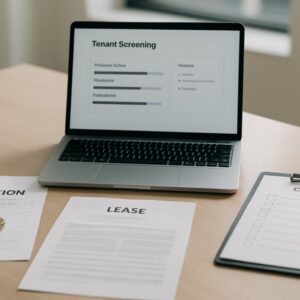
Finding the right tenant can make property ownership far less stressful. A reliable renter pays on time, respects the property, and follows lease terms. On the other hand, a problematic tenant can create financial losses, legal issues, and ongoing frustration. That is why tenant screening remains one of the most important steps in the rental process. Whether you own a single-family home, a duplex, or multiple apartment units, screening helps you make informed decisions before handing over the keys. It also gives you a clearer picture of a prospective tenant’s financial habits, rental history, and overall reliability. What Is Tenant Screening? Tenant screening is the process landlords use to evaluate potential renters before approving a lease application. The goal is to determine whether an applicant is likely to meet financial obligations and follow rental terms responsibly. Most screening processes include: Credit checks Criminal background checks Employment verification Income verification Rental history reviews Reference checks A thorough screening process helps landlords reduce risk while maintaining consistent standards for every applicant. Why Tenant Screening Matters Protects Your Rental Income Rental properties depend on consistent cash flow. When tenants miss payments or stop paying rent entirely, landlords still need to cover mortgages, taxes, insurance, and maintenance costs.
Role of Background Checks in Identity Theft Prevention
Open-Records

Role of Background Checks in Identity Theft Prevention

Identity theft continues to affect individuals, businesses, and financial institutions across the country. Cybercriminals use stolen personal information to open credit accounts, access bank details, apply for loans, and commit online fraud. As digital transactions become more common, the need for stronger identity protection measures has increased significantly. One effective strategy used by employers, landlords, financial organizations, and consumers is the background check. Proper background screening helps verify identities, detect fraud risks, and reduce the chances of identity theft before serious damage occurs. What is Identity Theft Identity theft occurs when someone steals personal information and uses it without permission for financial gain or fraudulent activity. Commonly targeted details include: Social Security numbers Bank account information Credit card details Driver’s license numbers Employment records Addresses and phone numbers Criminals often obtain this information through phishing scams, data breaches, fake job applications, or stolen documents. Victims may face financial losses, damaged credit scores, and lengthy recovery processes. What Are Background Checks? Background checks are verification processes used to confirm a person’s identity, history, and credentials. These checks help organizations identify inconsistencies, fraudulent records, or suspicious activity before approving employment, housing, financial services, or partnerships. Common Types of Background Checks Several types of screenings support identity verification and fraud prevention:

Top Articles

Background Checks and the FCRA – What’s Allowed and What’s Not
Open-Records

Background Checks and the FCRA – What’s Allowed and What’s Not

When hiring a new employee, you want to ensure you are making the right choice. One way to do that is to perform a background check. A background check is an excellent tool to verify qualifications and ensure workplace safety. However, running these checks is not as simple as doing a quick internet search. The Fair Credit Reporting Act, or FCRA, regulates how employers gather and use background information. What Is the FCRA? The Fair Credit Reporting Act is a federal law enacted in 1970 to protect consumer privacy and ensure accuracy in background reporting. While it sounds like it only applies to credit cards and loans, it actually covers any background check conducted by a third-party company, known as a Consumer Reporting Agency. If you hire an outside vendor to check a candidate’s criminal records, employment history, or driving record, you are bound by the FCRA. This law gives job applicants specific rights regarding how their personal information is handled and used during the hiring process. What Is Allowed? Employers have a lot of flexibility when it comes to vetting candidates, provided they follow the rules. You are legally allowed to look into several key areas to verify a candidate’s fitness for a role.
How Employee Screening Is Changing With AI
Open-Records

How Employee Screening Is Changing With AI

Imagine sorting through a stack of five hundred resumes for a single job opening. By the time you reach the fiftieth applicant, the words blur together, and your morning coffee has completely worn off. This is the exhausting reality human resources professionals have faced for decades. Fortunately, artificial intelligence is stepping in to simplify this tedious process. It is changing how companies find talent and conduct background checks. Context Over Keywords Modern screening tools utilize natural language processing to understand the deeper context of a resume. Instead of just searching for specific words, the technology evaluates a candidate’s overall career trajectory, skills, and potential. For instance, if an applicant lists experience in managing client relationships, the AI recognizes that this aligns perfectly with a customer success role, even if the exact job title differs. This shift ensures that highly qualified individuals no longer slip through the cracks due to formatting choices. Automated Skills Assessment Based on text analysis, AI is transforming how employers verify capabilities. Interactive, algorithm-driven assessments can now evaluate a candidate’s coding skills, writing aptitude, or situational judgment in real time. These tools adapt their difficulty based on the user’s performance, providing a much more accurate picture of their actual technical strengths before an interviewer ever hops on a phone call.
Key Factors That Affect Background Check Timelines
Open-Records

Key Factors That Affect Background Check Timelines

Background checks are a routine part of hiring, renting, and vetting — but the time they take varies more than most people expect. Some reports are finished in minutes, while others can be delayed for days. That gap isn’t arbitrary. It reflects the complexity of what’s being searched, where the information lives, and how quickly different systems respond. Knowing what drives the timeline helps set realistic expectations from the start. What a Background Check Typically Covers A background check inquires about the authenticity of information provided by a candidate. Factors examined may include education, past employment history, criminal records, motor vehicle or license records, and credit history. Each of these data points may sit in a different database — some centralized and digital, others fragmented across local jurisdictions or held in paper form. The broader the scope, the more sources need to be queried, and that directly affects turnaround time. The Standard Timeline On average, employment background checks conducted through a consumer reporting agency take 3 to 5 business days. That said, this is a general benchmark, not a guarantee. Most checks take one to three days, though some return instantly, while criminal searches typically require one to three days on their own.
5 Things to Look for in a Background Check Tool
Open-Records

5 Things to Look for in a Background Check Tool

Background check tools have become a practical necessity — whether for employers screening job candidates, landlords vetting tenants, or individuals researching someone’s history. With so many platforms available, picking the right one can feel overwhelming. Not every tool delivers the same depth, accuracy, or legal compliance. Knowing what separates a reliable platform from a mediocre one makes the decision far clearer. Here is what to prioritize when evaluating a background check tool. 1. Depth and Range of Data Coverage The value of any background check tool rests heavily on the breadth of its data sources. A strong platform pulls from multiple databases — criminal records, court filings, address histories, employment verifications, and more — rather than relying on a single source. Shallow tools may miss critical records simply because they lack the reach. Before committing to any platform, confirm it accesses verified, legally sourced data across the categories most relevant to the intended use. Public vs. Proprietary Data Some tools rely purely on publicly available records, while others supplement these with proprietary databases. The combination typically yields more complete results — particularly for records that are harder to access through standard public channels. Neither approach is inherently better, but knowing which one a tool uses helps set realistic expectations.