
Tracing an Obituary When You Only Know the Name
Learn practical steps for locating an obituary using only a person's name, including how to narrow your search by location, date range, and related records.
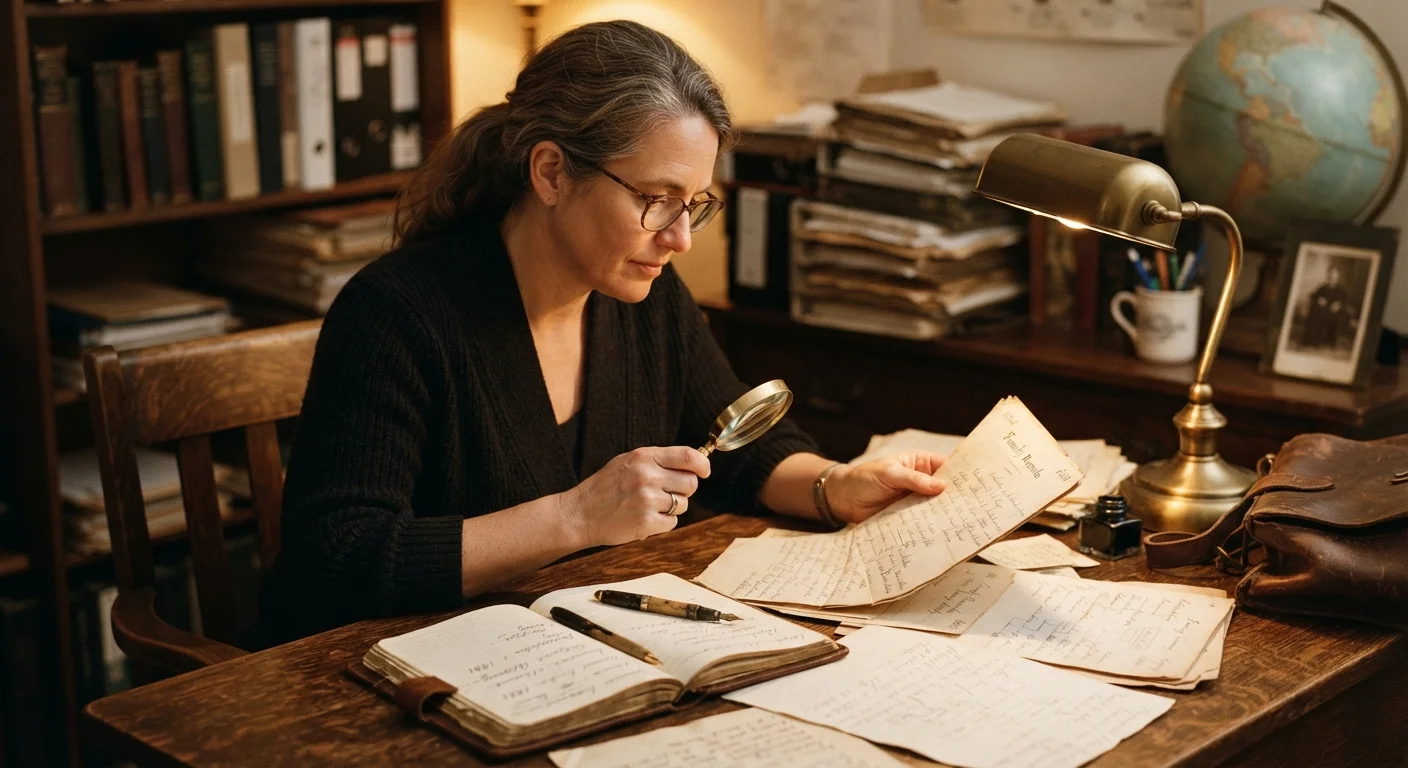
Photo: searchopenrecords editorial
—— In This Article
Key Takeaways
- A full name alone is enough to start an obituary search — additional context narrows results quickly.
- Free public sources like newspaper archives, library databases, and state death indexes are reliable first stops.
- Estimating a death date range and likely location dramatically improves search accuracy.
- Common names require extra context clues such as middle names, family members, or occupations.
- When no obituary surfaces, alternative public records can still document a person's life and death.
Why a Name Alone Is a Valid Starting Point
It's easy to feel that a name — without a confirmed date, city, or any supporting documents — is too thin a thread to pull. But it's where the vast majority of obituary searches begin, and with the right sequence of sources, a name is genuinely enough to get started. The goal of your first session isn't to find the obituary immediately; it's to attach enough context to the name that later searches become precise.
If you're entirely new to this kind of research, the Starting Your Obituary Search: A First-Timer's Walkthrough gives a useful orientation to the landscape of sources and terminology before you dive into the steps below.
What you will need
Working Through the Search Steps
The steps below move from the most accessible free sources toward more direct outreach — following a path that respects both your time and the sensitivity of the subject. Searching for someone's death record can carry real emotional weight, whether you're grieving, reconnecting with family history, or verifying a public record. Work at a pace that feels right.
Establish what you already know before searching
Before entering a single search query, take a few minutes to write down everything connected to the name you have. Even fragments matter: a state where the person lived, a decade in which they likely died, a spouse's name, or a religious affiliation. This context doesn't just help — it is often the difference between a search that returns hundreds of irrelevant results and one that surfaces the right record quickly.
If you feel you're starting with very little, the article Key Details to Gather Before Searching for an Obituary walks through a practical checklist for extracting every useful detail before you begin.
Search free newspaper archive databases
Most obituaries in the United States were published in local newspapers. Many of those papers have digitized their archives, and several platforms index them at no cost. Start with:
- Newspapers.com and GenealogyBank — large paid collections, but both offer limited free previews
- Chronicling America (Library of Congress) — free access to historic US newspapers, strongest for pre-1963 records
- Your local public library's digital resources — many libraries provide free patron access to ProQuest Historical Newspapers or similar databases
Search using the full name in quotation marks to force an exact match. If the name is common, add a state abbreviation or decade to refine results.
Check state and county death indexes
State vital records offices maintain death indexes that are often accessible to the public, particularly for deaths that occurred more than 50 years ago. The Social Security Death Index (SSDI), available through genealogy platforms including FamilySearch at no cost, covers deaths reported to the Social Security Administration from the 1960s onward.
Search by name and filter by state if you have that information. A confirmed death record gives you a precise date and county — information you can then take back to a newspaper archive to narrow your obituary search considerably.
Use free genealogy platforms with obituary collections
FamilySearch.org is a free, nonprofit genealogy site that aggregates millions of obituaries, death notices, and memorial records contributed by users and digitized from public sources. Search by name, then filter by record type and location. Legacy.com hosts obituaries published by participating funeral homes and newspapers, often for recent deaths.
For names that appear frequently, use any available filters — birth year, state, or spouse name — to isolate the right individual. Memorial sites like Find A Grave and BillionGraves also index burial records that frequently link to obituary text or images.
Contact local libraries, funeral homes, and churches directly
When digital searches fall short, human sources fill the gap. Local public libraries — especially those with a local history or genealogy room — frequently maintain clipping files and microfilm collections of community newspapers not yet digitized. A brief email or phone call to a reference librarian in the person's likely home county can open doors that online searches cannot.
Funeral homes retain records for decades and may be able to confirm service details or direct you to a published notice. Churches often maintain their own memorial records, particularly for long-standing congregation members.
Interpret what you find and document it carefully
Once you locate an obituary, read it thoroughly before moving on. Obituaries are dense with secondary clues — surviving relatives named, towns mentioned, organizations listed — each of which can anchor further research. The article Obituary Research Checklist: Extracting Every Useful Detail Before You Move On provides a structured framework for capturing everything of value.
If your search returns no obituary at all, that's a meaningful result too. Not every death was marked by a published notice. The guide When No Obituary Exists: Alternative Paths for Tracing a Deceased Relative outlines public records that can serve as alternatives.
Common Names Require Extra Anchors
If the name you're searching is shared by many people, focus on building context before broadening your search. A middle initial, a known occupation, a spouse's name, or even a religious denomination can function as an anchor that separates the right record from hundreds of unrelated ones. Obituaries themselves often appear in clusters around a geographic area — knowing even a general region halves your search space immediately.
Once you've found an obituary and want to use it as a launching point for broader family history research, the hub Obituaries & Family History is an excellent next destination, as is the article Tracing a Family Tree Using Obituaries as Your Starting Point.

Obituary Search Editorial Team
Obituary Search Editorial Team is the collective byline for our editorial team and contributor network. Articles published under this byline or an editorial pen name are researched, written, and reviewed according to our editorial standards for clarity, consistency, and independence before publication.
View author profile