
How to Verify a Residential Address Using Public Records
A practical walkthrough for cross-checking an address across property records, voter files, and other public sources to confirm its accuracy.
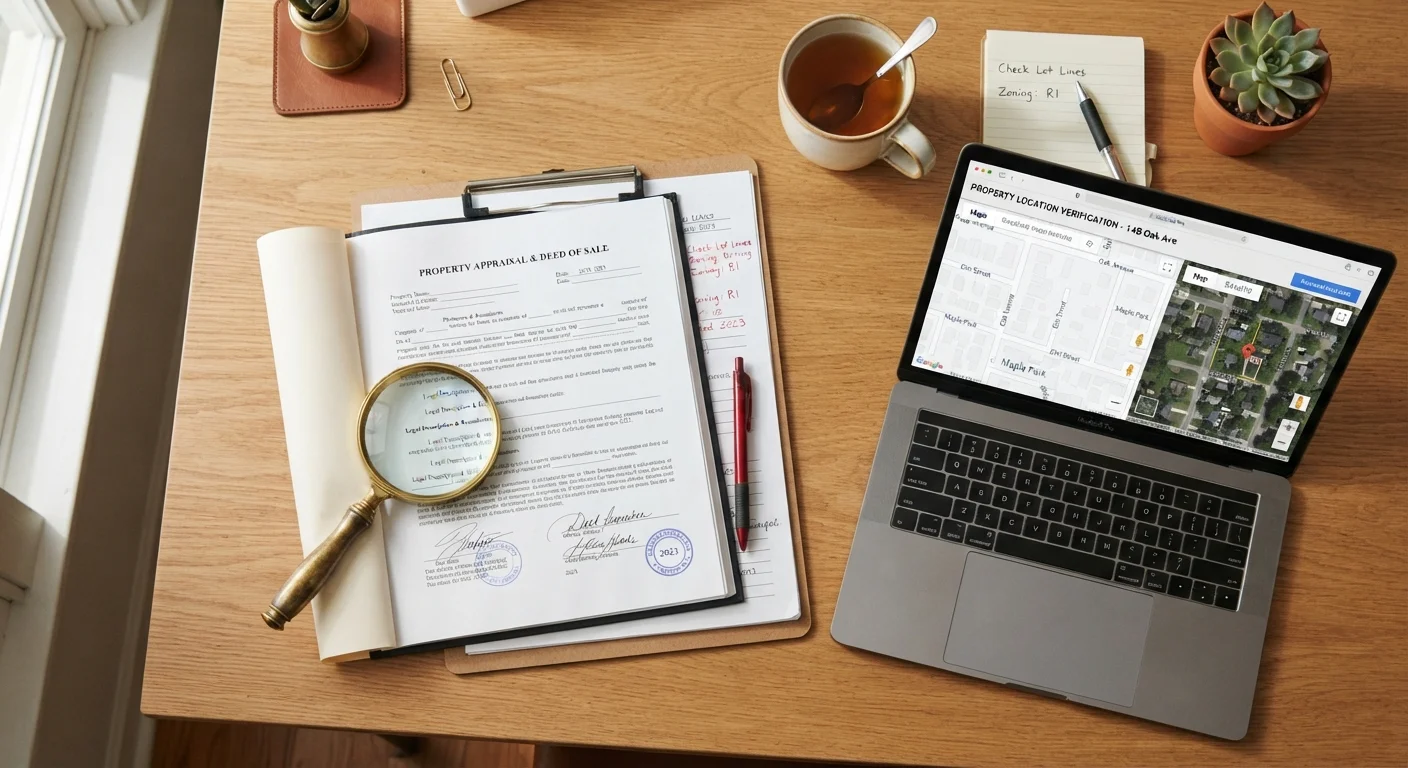
Photo: searchopenrecords editorial
—— In This Article
Key Takeaways
- No single public record source is definitive — cross-referencing multiple sources produces the most reliable result.
- County assessor databases and property deed records are often the most authoritative starting points.
- Voter registration files and USPS tools can confirm whether an address is active and currently in use.
- Data aggregator tools compile multiple sources but may carry outdated or incomplete information.
- Address verification is a legitimate use of public records when conducted responsibly and lawfully.
Why Address Verification Requires Multiple Sources
A single public record rarely tells the complete story of where someone lives. Addresses enter the public record through dozens of unconnected systems — property tax rolls, court filings, business registrations, voter files — each maintained by a different government body on its own update schedule. An address that appears valid in one system may be years out of date in another.
For a thorough explanation of how these records are created and maintained, see our comprehensive address lookup guide. The practical takeaway: verification means triangulating across sources, not trusting any one result in isolation.
Common reasons to verify a residential address using public records include confirming identity before a financial transaction, reconnecting with a family member, supporting genealogical research, or validating a mailing address before sending legal documents. In every case, the approach is the same: start with official government sources, then supplement with aggregated data.
What you will need
Step-by-Step: How to Verify a Residential Address
Follow these steps in order. Each layer of confirmation strengthens your confidence in the result. If multiple independent sources agree, you have a well-verified address.
Search the County Assessor or Property Tax Database
Most U.S. counties publish property tax and assessor records online at no cost. Navigate to the assessor's website for the county where the address is located and search by street address. A valid residential address will typically return a parcel record showing the property owner's name, the legal address, and the assessed value.
This step confirms the address exists as a recognized parcel and identifies who holds legal title. Note that the owner of record may differ from the current resident — this is common with rental properties.
Check Recorded Deed Records Through the County Recorder
The county recorder (sometimes called the register of deeds) maintains the official record of property ownership transfers. Search by address or owner name to view the most recent deed. A recorded deed confirms the legal description of the property and provides a chain of ownership you can trace over time.
This source is particularly useful when an assessor record is ambiguous or when you need to confirm a property's legal address format, which may differ slightly from the mailing address.
Use the USPS Address Verification Tool
The U.S. Postal Service provides a free address lookup tool at usps.com that standardizes and validates delivery addresses. Enter the address to confirm it exists as a recognized mail delivery point. If the address is not found or returns a correction, the USPS format should be treated as authoritative for mailing purposes.
USPS validation tells you whether the address is deliverable — it does not confirm occupancy or identity, but it is a reliable check on whether the address is structurally valid.
Search Voter Registration Records Where Available
Many states make voter registration data partially or fully available to the public, often through the Secretary of State's website or the county elections office. Search by name and address to see if the individual is registered at the location in question. A current voter registration at the address is a meaningful signal of active residency.
Access rules vary significantly by state. Some states restrict voter file access to registered parties or researchers; others make basic records freely searchable online. Check your state's elections authority for the applicable rules.
Cross-Reference with a Public Records Aggregator
People-search aggregator tools compile data from property records, court filings, telephone directories, and other public sources into a single searchable profile. Search the address to see what name or names are associated with it and whether the result is consistent with what your earlier steps returned.
If the aggregator result matches the assessor record and voter file, your confidence in the address should be high. Significant discrepancies — different names, different address formats — are a signal to investigate further rather than to accept either result at face value.
Once you have completed the steps, use the address verification checklist to confirm you have covered each source category before acting on the information.
Understanding the Limits of Public Address Data
Even a thorough verification process has boundaries worth acknowledging. Renters appear in property records far less frequently than homeowners, since lease agreements are private contracts not filed with the county. Individuals who have recently moved may not appear in voter files or assessor databases for several months. People who actively limit their public footprint — through legal name changes, address confidentiality programs, or PO box use — may not be locatable through these methods at all.
Data aggregator tools fill some of these gaps by pulling from non-governmental sources such as utility records, marketing databases, and self-reported directories, but this introduces its own accuracy risks. Aggregated records can reflect addresses that are years old or conflate records from multiple individuals with similar names. Always treat aggregator output as a lead to confirm, not a conclusion.
When Records Disagree, Dig Deeper
Conflicting results between sources are not uncommon and usually have an innocent explanation — a recent move, a data entry error, or a property held in a trust or LLC. Rather than defaulting to the most recently updated source, look for the source with the clearest chain of documentation. County recorder deeds and assessor files typically carry more weight than aggregated commercial databases because they are maintained under legal obligation.
For a detailed breakdown of every major record type that can confirm a residential address — including notes on how to access each one — see The Public Records Behind an Address.

People Search Editorial Team
People Search Editorial Team is the collective byline for our editorial team and contributor network. Articles published under this byline or an editorial pen name are researched, written, and reviewed according to our editorial standards for clarity, consistency, and independence before publication.
View author profile