4 common mistakes made while changing a flat tire
auto

4 common mistakes made while changing a flat tire

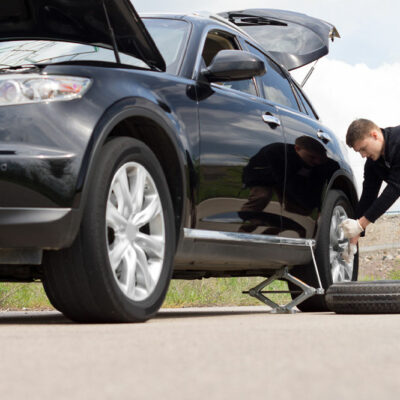
Changing a flat tire is a deceptively complicated process. Sure, it does need some know-how, but it’s essentially about a few basic components and the effort required. Unsurprisingly, it is also a process in which many mistakes are frequently made. Unfortunately, installing a car tire incorrectly can affect the fuel efficiency and overall drivability of the vehicle. To avoid those outcomes, here are some common mistakes to avoid when changing a tire: Using incorrect jacking techniques One needs to know precisely how to use a jack to make lifting their vehicle safe for themselves. There’s nothing wrong with not knowing how to use it. However, any mistakes made while jacking up the car may lead to injuries or damage to the vehicle. Therefore, if one does not know how to use it, calling a 24-hour roadside assistance company is advisable. The professional sent by the company will demonstrate how to lift the vehicle safely and securely change the tire as perfectly as possible. Forgetting to tighten the nuts and bolts A car tire, its wheel, and the spare tire contain several nuts and bolts that help to fix or remove them from the vehicle’s frame. When one fastens a spare tire to the vehicle, they need to screw the nuts and bolts tightly so that the tire stays snugly fit inside the wheel well of the car.

8 common mistakes to avoid while washing a car
auto

8 common mistakes to avoid while washing a car

Washing is an essential part of car care, as it helps remove dirt, grime, and contaminants that can spoil the exterior paint and finish. Apart from enhancing its visual appeal, this process also prolongs the car’s lifespan. But overlooking essential steps in the cleaning process can make the wash ineffective. So, here are a few common mistakes one should avoid while washing a car to achieve the best possible results. Choosing the wrong tools Using abrasive materials, such as dish sponges or harsh brushes, can leave swirl marks or scratches on the car. Here, microfiber wash mitts or soft natural sponges can be a gentler alternative. Additionally, household supplies like dish soap or glass cleaners can strip the exterior of its protective wax and sealant. So, automotive-specific soaps should be used. Washing in direct sunlight Washing the car in direct sunlight might seem convenient, but it can lead to water spots and streaks on the surface. The heat makes water evaporate quickly, leaving behind mineral deposits. So, one should choose an overcast day or wash the vehicle in the shade to get enough time for rinsing and drying the car. Skipping the wheels and undercarriage The wheels and undercarriage of a car are exposed to road grime, brake dust, and salt that can cause corrosion over time.
8 common driving mistakes to avoid at all costs
auto

8 common driving mistakes to avoid at all costs

Embarking on a journey behind the wheel is a liberating and empowering experience. The open road lets one explore new horizons, visit loved ones, or simply enjoy the pleasure of driving. However, with this freedom comes great responsibility—to oneself, the passengers, and fellow road users. To drive safely and responsibly, avoiding common mistakes that may lead to accidents, injuries, or worse is essential. Below are some common driving mistakes to avoid. Distracted driving Distracted driving is a norm that most drivers fall prey to. The need to check a text message, scroll through social media, or adjust the GPS might look more important. However, this should not be the case. Failing to pay road attention is increasingly dangerous and can claim the lives of numerous people. It is imperative always to pay attention on the road to avoid accidents and injuries. Speeding Speeding can be a problem despite being a thrilling experience. It is a great contributor to road mishaps. When drivers exceed the posted speed limits or drive too fast, not caring about the road and weather conditions drastically reduces the reaction time and increases the severity of collisions. Tailgating Tailgating, or following the vehicle in front too closely, is one of the most common driving mistakes.
11 common car buying mistakes to avoid
auto

11 common car buying mistakes to avoid

Purchasing a car can be an exciting and significant life event. However, it is also a complex and costly decision that requires careful consideration. Many individuals make common mistakes when buying a car that can lead to regret and financial strain down the road. This article sheds light on the common mistakes to avoid to help you navigate this process successfully and purchase the car that suits your needs. Here are a few mistakes to avoid: Skipping research: One of the most prevalent mistakes is failing to research thoroughly before visiting dealerships. Without understanding your needs, budget, and the market, you might end up with a car that doesn’t suit your lifestyle or financial situation. Look up different makes and models, read reviews, and compare prices online. Ignoring budget constraints: Setting a realistic budget is crucial. Many buyers get caught up in the excitement of a new car and overspend. Determine your budget, including insurance, taxes, registration, and maintenance costs, and stick to it. Don’t forget to consider ongoing expenses beyond the initial purchase price. Failing to consider resale value: Some cars depreciate faster than others. Failing to research and consider a vehicle’s resale value can be a costly mistake.
Top 6 SUV-buying mistakes one needs to avoid
auto

Top 6 SUV-buying mistakes one needs to avoid

When it comes to purchasing an SUV, there are some common mistakes that people can make. By avoiding these, individuals can ensure a smoother experience, whether they are driving on the road or off it. Ensuring the chosen SUV fits one’s lifestyle, budget, safety needs, and other important factors is crucial for a satisfying purchase. This smart approach ensures that the selected SUV not only meets immediate needs but also provides long-term value and contentment. On that note, here are some common mistakes to avoid when buying an SUV: 1. Ignoring lifestyle and needs One mistake when one buys an SUV is failing to consider whether the vehicle’s features fit one’s requirements. This mismatch can lead to dissatisfaction and inconvenience down the road. For instance, buying a compact SUV when a larger one is needed for a growing family or outdoor activities can result in cramped quarters and limited cargo space. One should assess needs and consider passenger capacity, cargo space, off-road capabilities, fuel efficiency, and other essential features. Buying an SUV that suits one’s lifestyle ensures maximum utility and satisfaction. 2. Overlooking research and test drives Rushing into a purchase without conducting thorough research and test drives is another common mistake people make.
6 mistakes to avoid when buying new tires
auto

6 mistakes to avoid when buying new tires

Replacing old tires is a key step toward ensuring a hassle-free driving experience. Tires improve the vehicle’s traction, performance, and safety. However, worn, under-inflated, or unsuitable tires can become a major safety hazard on the road. Further, hasty and incorrect decisions when choosing new tires can endanger lives as well as property. So, here are six of the most common mistakes one can make while buying tires and how to avoid them: 1. Ignoring personal driving style The type of tire one needs is determined by their driving style. Some tires may be able to go faster than others, while others may be able to handle a high load capacity. One must always consider their vehicle’s needs and driving style while buying new tires. 2. Not understanding tire basics Not all tires are made the same. Tires have around 19 to 25 basic components, including the inner lining, belts, beads, and rubber. These components work together to stabilize the tire while driving. The material (rubber) of the tire may also determine its suitability for certain environments. For instance, tougher, rigid tires may last longer in hot weather, whereas softer rubber may offer better traction in cold temperatures. One must spend some time learning these basics to choose the right tire.
6 mistakes to avoid when buying a pickup truck
auto

6 mistakes to avoid when buying a pickup truck

A good pickup truck is one with the most power and towing capacity. However, there are so many factors to look at now, especially with manufacturers creating numerous renditions of the same vehicle, each with unique abilities or caveats. So, it isn’t surprising that one could make a mistake and buy a less-than-desirable pickup truck. Here are six common pickup truck buying mistakes one should note to avoid spending on the wrong automobile. Picking the incorrect cabin size Buying a pickup truck that is too big or small might result in purchasing something much larger than required or too crammed for the passengers. Most trucks feature three cabin sizes. Regular cabs are the smallest option, with two doors and front seating for about two to three people. Extended cabs have front and back seats, while crew cabs have four full-sized doors with ample space for more passengers. One should consider checking out all cabin sizes before making the purchase. Going for an inaccurate bed size The wrong bed size could increase the price of a pickup truck or leave one with less than ample space to carry loads. One should pick a truck by considering what they plan to use it for.
Top 4 Jeep models to consider buying
auto

Top 4 Jeep models to consider buying

Jeep has been one of the most loved SUV brands for a long time now. The durability and the powerful performance of Jeep automobiles are what make them highly favored in this segment. Additionally, the rugged look of these cars enhances their overall appeal. If one is looking for the best option the brand offers, the following article explores some top-notch Jeep models based on their features like engine capability, transmission, mileage, and more. 1. Jeep Wrangler The Wrangler continues to be one of the most iconic Jeep vehicles. Since its introduction, the model has gone through several upgrades. The latest version of the car, the 2024 Jeep Wrangler, maintains its classic look and continues to deliver a powerful performance. The Jeep Wrangler has been highly appreciated for its almost unmatched off-roading capabilities. The car is available in eight trims with different engine options. These include a standard V6, an optional four-cylinder hybrid, a 3.6-liter V6, a plug-in hybrid, or a 6.4-liter V8 engine for those who are looking for an extra boost of power. The combined fuel economy one gets is 14 to 20 MPG. 2. Jeep Wagoneer The Jeep Wagoneer offers stylish and luxurious interiors. In terms of performance, too, the car is impressive with its off-roading and towing capability.
4 key things to consider when buying a RAM truck
auto

4 key things to consider when buying a RAM truck

Buying a truck is a rite of passage for some and a step up in their life for others. It is a decision that requires a lot of thought and consideration. That said, one of the brands one can consider is RAM, and it is important to look at some key factors that can help one make the right decision. Considering these factors can also help one choose the best RAM truck that meets their requirements. Intended use The intended use of the truck is one of the key factors to consider when buying a new RAM truck. Things like personal and work can mean a lot more than just the titular purpose of the new truck. Some users might be outdoorsy and frequently take their trucks on off-road adventures and trails that might not work out for a truck made to perform its best on highways. Similarly, if the truck’s intended use is nothing but day-to-day use, investing in a heavy-duty truck would mean spending extra money where it isn’t needed. Vehicle history When considering buying a new truck, it is important to think beyond what the company is advertising. Speak to other people who drive similar vehicles and discuss the pros and cons they have come across.
Tips to sell a used car online and ways to determine its value
auto

Tips to sell a used car online and ways to determine its value

Selling a used car is a multifaceted process. There are several factors to consider while taking up this endeavor. From determining the appropriate pricing to preparing the vehicle for sale, one may have to navigate various steps. It is also essential to assess the market, be prepared to negotiate the price and other terms, and allow test drives for potential buyers. When it comes to selling online, there are some additional factors or steps one may have to follow. How to sell a used car online There are several ways to sell the car online, such as through dedicated online websites or platforms that trade in this segment, classified ads, or general word-of-mouth. Here are some of the steps one can employ to sell a used car online: 1. Get it ready for sale The first step is to prepare the car for sale by getting some cosmetic reconditioning and addressing any issues with the color and fixtures. Apart from this, one should thoroughly inspect the car and get a smog compliance certificate, which one might have to provide to the buyer along with a warranty. One should get all documents, like the title, maintenance records, warranty information, and bill of sale, ready before selling.

Top Articles

What Counts as Public Records?
Open-Records

What Counts as Public Records?

Public records play an important role in government transparency, legal processes, and everyday life. These records allow citizens to access certain types of information created or maintained by government agencies. Whether you are researching property ownership, conducting a background check, verifying court information, or tracing business records, public records can provide valuable insight. At the same time, many people misunderstand what “public records” actually means. Not every government document is open to the public, and access rules often vary by state and agency. Understanding which records are considered public can help you navigate the process more effectively while respecting legal and privacy boundaries. What Are Public Records? Public records are documents or pieces of information created, stored, or maintained by government agencies that members of the public can legally access. These records may exist at the: Federal level State level County level City or municipal level Public records laws are designed to promote accountability and transparency. In many cases, citizens can request records directly from government offices or access them through online databases. However, some records contain restricted or confidential information and may only be partially accessible. Why Public Records Exist Public records support transparency within government operations. They allow citizens, journalists, businesses, and legal professionals to review information connected to public activity.
Key Differences Between Free and Paid People Search Tools
Open-Records

Key Differences Between Free and Paid People Search Tools

People search tools have become go-to resources for reconnecting with lost contacts, verifying identities, or simply learning more about someone before a first meeting. Whether you’re a cautious renter vetting a new roommate or someone trying to track down a childhood friend, these tools promise quick answers. But not all search tools are created equal. The gap between free and paid options is wider than most users expect — and it matters. What Free People Search Tools Actually Offer Free people search platforms are accessible to anyone with an internet connection. They typically pull from public records, social media profiles, and open-source data repositories to surface basic information — a name, a general location, sometimes an employer or an estimated age range. The appeal is obvious: no cost, no commitment, and often no account required. But the limitations are real. Results tend to be fragmented, outdated, or incomplete. A search might return a name and a state but omit a current address or contact number. For casual, low-stakes inquiries, this level of detail can be enough — but it often isn’t. Why the Gaps Matter Data freshness is a persistent issue with free tools. Most don’t update their databases regularly, which means results may reflect a person’s situation from several years ago — a former address, an old employer, or a phone number that’s no longer in use.
5 Things to Look for in a Background Check Tool
Open-Records

5 Things to Look for in a Background Check Tool

Background check tools have become a practical necessity — whether for employers screening job candidates, landlords vetting tenants, or individuals researching someone’s history. With so many platforms available, picking the right one can feel overwhelming. Not every tool delivers the same depth, accuracy, or legal compliance. Knowing what separates a reliable platform from a mediocre one makes the decision far clearer. Here is what to prioritize when evaluating a background check tool. 1. Depth and Range of Data Coverage The value of any background check tool rests heavily on the breadth of its data sources. A strong platform pulls from multiple databases — criminal records, court filings, address histories, employment verifications, and more — rather than relying on a single source. Shallow tools may miss critical records simply because they lack the reach. Before committing to any platform, confirm it accesses verified, legally sourced data across the categories most relevant to the intended use. Public vs. Proprietary Data Some tools rely purely on publicly available records, while others supplement these with proprietary databases. The combination typically yields more complete results — particularly for records that are harder to access through standard public channels. Neither approach is inherently better, but knowing which one a tool uses helps set realistic expectations.
Background Checks and the FCRA – What’s Allowed and What’s Not
Open-Records

Background Checks and the FCRA – What’s Allowed and What’s Not

When hiring a new employee, you want to ensure you are making the right choice. One way to do that is to perform a background check. A background check is an excellent tool to verify qualifications and ensure workplace safety. However, running these checks is not as simple as doing a quick internet search. The Fair Credit Reporting Act, or FCRA, regulates how employers gather and use background information. What Is the FCRA? The Fair Credit Reporting Act is a federal law enacted in 1970 to protect consumer privacy and ensure accuracy in background reporting. While it sounds like it only applies to credit cards and loans, it actually covers any background check conducted by a third-party company, known as a Consumer Reporting Agency. If you hire an outside vendor to check a candidate’s criminal records, employment history, or driving record, you are bound by the FCRA. This law gives job applicants specific rights regarding how their personal information is handled and used during the hiring process. What Is Allowed? Employers have a lot of flexibility when it comes to vetting candidates, provided they follow the rules. You are legally allowed to look into several key areas to verify a candidate’s fitness for a role.