Here’s how one can get a car loan with a low credit score
Everything Else

Here’s how one can get a car loan with a low credit score

A good credit score is crucial for maintaining financial health, as it affects the availability of financial assistance through banks and other institutions. A low credit score usually does not prevent one from finding a car loan. However, only some have a perfect credit score, while some may require help obtaining car loans. Fortunately, various tips and tricks are available to secure a car loan with a low credit score. Let’s explore these options below. Check credit score A crucial aspect of managing one’s finances is understanding their credit score. The FICO credit scoring system is a widely used tool that ranges from 300 to 850. Anything below 580 is considered a poor rating according to this range. Therefore, the first step is to check the rating to determine the benefits and limitations that may arise. These scores are based on factors like the credit history’s length, payment history that may include any past defaults, how much one has to owe, spending more than the available monthly credit, and having a short credit history. Also, one of the expert’s tips is that one must not consider getting a new credit card or loan before applying for a car loan. Instead, improving one’s current credit score will help one be in a favorable position.

4 tips for choosing the right water bottle
Everything Else

4 tips for choosing the right water bottle

Water bottles are one of those essential products that continue to be used by people of all ages. Today, one can find a wide variety of types and designs of water bottles that cater to diverse needs. But, when choosing a bottle, one may overlook certain must-have features and instead opt for trendy options that don’t meet all requirements. To make an informed decision, here are a few tips for choosing the right water bottle: 1. Consider the usage The first thing to consider before purchasing a water bottle is individual usage. So, one needs to know if they are buying a bottle for their home, carrying it to work, or for traveling. Based on this, one can choose the right size and material for the water bottle. For instance, glass is a great, relatively safe material for storing water, but glass bottles work best for home as they can break with rough use. For portability, one should consider plastic, stainless steel, and silicone bottles, as they are sturdier options. 2. Prioritize health and safety Plastic is commonly used for single-use and reusable water bottles, as it is a lightweight, versatile, and affordable material. However, when choosing plastic bottles, one must make sure they pick BPA-free variants.
4 ways how shipping software can reduce errors
Everything Else

4 ways how shipping software can reduce errors

Shipping companies have a lot of logistics and data to take care of. They operate through various process steps that can be challenging for logistics managers to keep up with. Fortunately, shipping software can lower the burden on managers by automating everything right from personal organization to professional processes. Shipping software can help the company reduce errors and avoid unnecessary hassles. Here are 4 ways in which shipping software can reduce errors: Automated documentation When companies want to move to automate various aspects of their plants and processes, shipping software plays a crucial role. It can take care of important shipping documents such as customs declarations, bills of lading, and packing slips for each shipment. When these steps of the process are automated, it reduces paperwork that needs to be dealt with, streamlines processes, and significantly improves the accuracy of work. This automation not only saves time but also minimizes the risk of human error in document preparation, ensuring that all necessary paperwork is generated correctly and efficiently. Real-time tracking Another key feature companies can benefit from by incorporating shipping software is real-time tracking. The feature helps avoid human-made errors in tracking and stage confirmation of the shipment. It also helps avoid relying on a person’s geographical area to know where the shipment has reached.
6 tips to find a cheap rental apartment
Everything Else

6 tips to find a cheap rental apartment

Finding an affordable house is challenging in the current housing market. It requires plenty of research, planning, visits, and negotiations. Yet still, there can be chances of not finding the best one. Finding a cheap apartment for rent could take months of diligence, strategic planning, and area research. One must compare options and be ready to sacrifice some of their requirements. So, here are some tips to turn this daunting task into a fruitful endeavor. Consider the location Location plays a vital role in the potential rent of a place and its living expenses. Remember that these areas come with a higher tag when looking for a rental apartment in trendy neighborhoods and prime city centers. For those who want cheaper rental apartments, looking for options farther away from these centers is advisable. Exploring such areas can yield better and more affordable options. However, do consider the proximity to various basic needs. Select options that provide accessibility to amenities, public transportation, and job opportunities. Negotiate Never skip negotiating the rent price; discuss the lease terms with the property manager or the landlords. These tactics can especially come in handy if the applicant has a good credit score or is willing to sign a longer lease.
4 key mistakes to avoid when buying a business jet
Everything Else

4 key mistakes to avoid when buying a business jet

Buying a business jet is no day’s work and requires thorough research and planning. This is an expensive asset that requires a team of advisors who can help with this decision. Aside from regulations and licenses, relevant authorities have set rules to ensure the jet is a necessity. If you are in the market for buying a business jet, here are some tips to avoid certain mistakes that you may make in the purchasing process. Not having a proper advisory team It is imperative to hire a professional aviation advisor who can help you with this big purchase. Yes, there are plenty of options available on the internet about what planes to buy and so on. However, an experienced advisor can help you with several complex details that you, as a business owner, may not have the bandwidth to deal with. Learning and truly understanding the technical and legal details of the purchase can be complicated. One of the first steps for buying a business jet is charting an operational plan. This involves details like ownership, taxation, and so on. The plan also helps to avoid any Federal Aviation Administration civil penalties that could happen due to lack of paperwork or wrong paperwork.
4 tips for choosing a GPS fleet tracking system
Everything Else

4 tips for choosing a GPS fleet tracking system

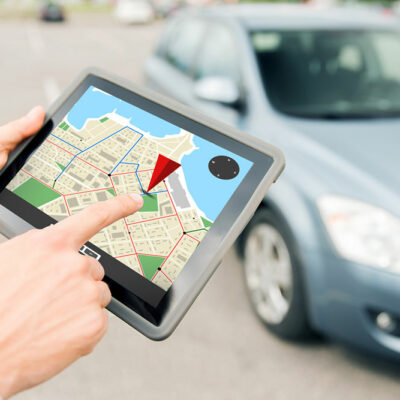
Business owners who manage a delivery fleet and vehicles can significantly benefit from GPS fleet tracking systems. They can improve delivery times, manage fuel consumption budgets, and even understand their vehicles’ maintenance needs. However, when choosing these GPS tracking systems, there are a few factors to consider to choose the perfect system for one’s needs. So here are some tips to help one choose the right tracking system. Determine the requirements and budget Before choosing a GPS fleet tracking system for their business, one must consider what data they wish to collect. Various types of tracking systems record additional data besides just the location of the vehicles. For instance, some of these systems also record the behavior of the driver, which can be essential to tracking the driver’s safety and accountability. However, such systems cost much more than the ones that only use location tracking. So, business owners must determine if they have the budget and need additional tracking features or if they can work with only location tracking. Real-time tracking Vs. Passive tracking system The commonly available GPS fleet tracking systems have two ways of data tracking – real-time and passive. Real-time is where the one in charge can track the live location of their vehicles and assets.
5 tips for buying grass-fed organic steak
Everything Else

5 tips for buying grass-fed organic steak

Choosing and buying quality meat is crucial as it can significantly impact overall health. With a vast meat industry catering to one’s requirements, it is important to be aware of the source of your food. Some people are particular about how their meat is processed and the methods used in the process and prefer grass-fed organic steak. If you’re one of them, here are some tips to help you buy grass-fed organic steak. Start with a sample order This is a simple task to follow. Rather than ordering a large amount of steak, try ordering a small sample to check whether the meat is really grass-fed. Sometimes, producers may accidentally mix in tough meat with the batch. So, it is always best to give them the benefit of the doubt and try the second time. These two sample orders can help you understand the quality of the beef steak. Check the cooking technique One thing to remember when checking the sample of grass-fed steak is to know that it is leaner than other types of meat, and therefore, requires less heat to be cooked properly. Choosing the right cooking technique is crucial to bring out the best flavor of the steak.
5 mistakes to avoid while traveling by train
Everything Else

5 mistakes to avoid while traveling by train

Often romanticized for their relatively intimate experience of traveling, train journeys can sometimes be filled with mishaps and mistakes. It usually happens with first-time travelers. There are several common mistakes that people make when traveling by train that make their journey rather unpleasant. However, such mistakes are easily avoidable as long as one is aware of them and well-prepared to avoid them. To ensure the next train journey goes smoothly, steer clear of these mistakes. Book tickets at the last minute Although air travel and train travel differ in many ways, they share a common aspect – booking tickets in advance. Whether one is flying or taking the train, booking tickets in advance means one will get them at the lowest prices, especially when traveling during peak periods like weekends or holidays. Not arriving on time While a train journey does not require one to arrive hours early as needed for a flight, it also does not mean one can simply hop on the train like the subway. A buffer of 30 to 60 minutes is needed before the train’s departure time. Usually, when a passenger requires ticketing and baggage assistance, arriving 60 minutes early at the train station can save a lot of hassle and stress.
6 things to consider when buying LED light fixtures
Everything Else

6 things to consider when buying LED light fixtures

LED lighting has changed the lighting industry by being a better alternative to halogen and fluorescent light bulbs. With higher energy efficiency, lifespan, and durability, LED lighting has become a key part of homes. Today, one can find LED lights in all shapes and sizes. This makes it easy to find fixtures that match the home’s interior style and elevate the ambiance. However, it is important to consider certain factors while buying LED light fixtures. 1. Light color temperature LED lights come in a wide range of colors as well as color temperatures. So, buyers now have way too many options to choose from and decide the light temperature that would work for them. The color temperature of the light should be a major deciding factor. The color or warmth of lights is determined on the Kelvin scale. The warmer the color of light one wants, the lower the temperature will be on the scale. This should be considered when buying any lights. 2. Size of the room The type of lighting fixture one needs should be determined by the size of the room in which it will be used. One should always have the dimensions and layout of the room while shopping for LED light fixtures.
6 common mistakes to avoid with pellet grills
Everything Else

6 common mistakes to avoid with pellet grills

A pellet grill is an ideal addition to the backyard cookout gear. The grill can be used to make several delicious recipes, including tender spare ribs and smoked salmon. But, to get the most out of the grill, one should be able to use it as intended. Many may use the appliance incorrectly, which could affect its functionality. So, here are the common mistakes to avoid while using pellet grills: 1. Being impatient Preparing a meal with a pellet grill will take longer than a typical grilling routine. However, beginners might feel impatient and open the lid midway to see if the food is ready. As a result, heat may escape the grill and leave one with undercooked food. To avoid this issue, one should let the pellet grill take the time it needs. If one gets antsy, they could focus on another activity while the grill does its job. 2. Forgetting to preheat the grill A pellet grill needs some time to reach the optimal temperature, and placing raw food on a cold grill could result in a dry or undercooked meal. Additionally, a pellet grill may produce harmful smoke while it heats up. So before starting the cooking process, one should let the grill heat for a bit first and wait for the smoke to escape so that it does not mix with food.

Top Articles

What Counts as Public Records?
Open-Records

What Counts as Public Records?

Public records play an important role in government transparency, legal processes, and everyday life. These records allow citizens to access certain types of information created or maintained by government agencies. Whether you are researching property ownership, conducting a background check, verifying court information, or tracing business records, public records can provide valuable insight. At the same time, many people misunderstand what “public records” actually means. Not every government document is open to the public, and access rules often vary by state and agency. Understanding which records are considered public can help you navigate the process more effectively while respecting legal and privacy boundaries. What Are Public Records? Public records are documents or pieces of information created, stored, or maintained by government agencies that members of the public can legally access. These records may exist at the: Federal level State level County level City or municipal level Public records laws are designed to promote accountability and transparency. In many cases, citizens can request records directly from government offices or access them through online databases. However, some records contain restricted or confidential information and may only be partially accessible. Why Public Records Exist Public records support transparency within government operations. They allow citizens, journalists, businesses, and legal professionals to review information connected to public activity.
Key Differences Between Free and Paid People Search Tools
Open-Records

Key Differences Between Free and Paid People Search Tools

People search tools have become go-to resources for reconnecting with lost contacts, verifying identities, or simply learning more about someone before a first meeting. Whether you’re a cautious renter vetting a new roommate or someone trying to track down a childhood friend, these tools promise quick answers. But not all search tools are created equal. The gap between free and paid options is wider than most users expect — and it matters. What Free People Search Tools Actually Offer Free people search platforms are accessible to anyone with an internet connection. They typically pull from public records, social media profiles, and open-source data repositories to surface basic information — a name, a general location, sometimes an employer or an estimated age range. The appeal is obvious: no cost, no commitment, and often no account required. But the limitations are real. Results tend to be fragmented, outdated, or incomplete. A search might return a name and a state but omit a current address or contact number. For casual, low-stakes inquiries, this level of detail can be enough — but it often isn’t. Why the Gaps Matter Data freshness is a persistent issue with free tools. Most don’t update their databases regularly, which means results may reflect a person’s situation from several years ago — a former address, an old employer, or a phone number that’s no longer in use.
5 Things to Look for in a Background Check Tool
Open-Records

5 Things to Look for in a Background Check Tool

Background check tools have become a practical necessity — whether for employers screening job candidates, landlords vetting tenants, or individuals researching someone’s history. With so many platforms available, picking the right one can feel overwhelming. Not every tool delivers the same depth, accuracy, or legal compliance. Knowing what separates a reliable platform from a mediocre one makes the decision far clearer. Here is what to prioritize when evaluating a background check tool. 1. Depth and Range of Data Coverage The value of any background check tool rests heavily on the breadth of its data sources. A strong platform pulls from multiple databases — criminal records, court filings, address histories, employment verifications, and more — rather than relying on a single source. Shallow tools may miss critical records simply because they lack the reach. Before committing to any platform, confirm it accesses verified, legally sourced data across the categories most relevant to the intended use. Public vs. Proprietary Data Some tools rely purely on publicly available records, while others supplement these with proprietary databases. The combination typically yields more complete results — particularly for records that are harder to access through standard public channels. Neither approach is inherently better, but knowing which one a tool uses helps set realistic expectations.
Background Checks and the FCRA – What’s Allowed and What’s Not
Open-Records

Background Checks and the FCRA – What’s Allowed and What’s Not

When hiring a new employee, you want to ensure you are making the right choice. One way to do that is to perform a background check. A background check is an excellent tool to verify qualifications and ensure workplace safety. However, running these checks is not as simple as doing a quick internet search. The Fair Credit Reporting Act, or FCRA, regulates how employers gather and use background information. What Is the FCRA? The Fair Credit Reporting Act is a federal law enacted in 1970 to protect consumer privacy and ensure accuracy in background reporting. While it sounds like it only applies to credit cards and loans, it actually covers any background check conducted by a third-party company, known as a Consumer Reporting Agency. If you hire an outside vendor to check a candidate’s criminal records, employment history, or driving record, you are bound by the FCRA. This law gives job applicants specific rights regarding how their personal information is handled and used during the hiring process. What Is Allowed? Employers have a lot of flexibility when it comes to vetting candidates, provided they follow the rules. You are legally allowed to look into several key areas to verify a candidate’s fitness for a role.