5 mistakes to avoid when using credit cards
finance

5 mistakes to avoid when using credit cards

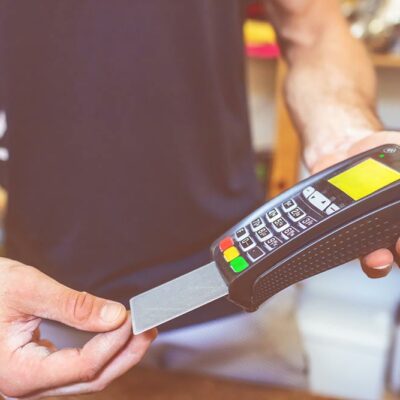
Who doesn’t love using credit cards? They are convenient and easy to carry, and they offer several rewards such as cash-backs and discounts on various kinds of purchases. However, credit cards also come with a few risks. For instance, if one is not careful with their card usage or bill payment, they could damage their credit score. So, to enjoy using credit cards safely, here are some common mistakes one must avoid: 1. Making only minimum payments Credit cards offer benefits even on bill payments, like the option to make a minimum payment—which is a fraction of the total amount due—on the due date. So, if one cannot pay the entire bill, they can still keep using the card by making a minimum payment. The problem with this feature is that one may be tempted to keep making only minimum payments every month, which can make interest on late payments pile up. Over time, this interest can build up to a large amount. 2. Missing the payment deadline Forgetting to pay the credit card bill on time is a common mistake that can cost users. Missing the deadline here could lead to late payment fees being levied by the card issuer and also an increased interest on the unpaid balance.
6 mistakes to avoid when using debit cards
finance

6 mistakes to avoid when using debit cards

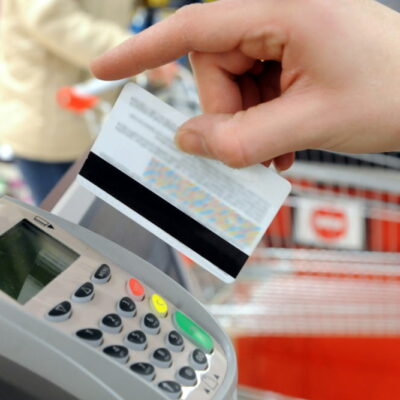
With cashless payments being widely accepted, debit cards have become highly popular globally. These cards are convenient, can be used at almost all retail outlets, and help one withdraw money instantly whenever needed. Also, many debit cards do not charge annual fees and offer cashback for spending money on certain products and at specific stores. But, to maximize the benefits, here are some common mistakes to avoid when using debit cards. Overlooking hidden debit card fees Some debit card companies charge hidden fees for overdrawing one’s account, entering the PIN to make a transaction, and other scenarios. If cardholders are not aware of such additional charges, they may never understand where their money is being spent. So, one should carefully read debit card terms and scan the document for details on such additional fees. Using multiple debit cards Different banks may offer various deals on their debit cards. So, it is common for individuals to use multiple cards to avail of all such offers. But with such deals comes additional fees charged by each bank on their debit cards. These overhead charges can increase one’s spending in the long run. So, it is best not to have more than three debit cards.
Avoid these 4 common buy now, pay later mistakes
finance

Avoid these 4 common buy now, pay later mistakes

One of the latest and most popular phenomena in the world of financial transactions is the “Buy Now, Pay Later” plan or BNPL financing. These plans involve a third-party payment merchant that allows buyers to make purchases without paying any upfront amount. The due payments are paid over time, mainly without any interest rate or credit check. This process may seem interesting, but there are common mistakes one should avoid when committing to BNPL plans. Not reading the terms and conditions Knowing how the buy now, pay later plans work is important. Reading the fine print of these plans will help its users know exactly how they operate and scan through any hidden clauses. Buy now, pay later plans differ from one merchant to another, so it’s crucial that the buyer understand the plans and conditions thoroughly before signing up for it. The terms and conditions will allow the users to know how often payments need to be made, what actions to take when a payment is missed, and what needs to be done if there is an issue with the purchase. Late or missing payments This common mistake can lead to a financial crisis if not addressed in time.
How to identify and avoid freight bill frauds
finance

How to identify and avoid freight bill frauds

The logistics and freight industry is worth over nine trillion dollars worldwide. This makes it an attractive avenue for scammers to make easy money. To ensure their safety, companies must take stringent measures, such as hiring reputable contractors and following security guidelines. Being aware of common freight bill frauds and how to avoid them can also help companies keep their shipments and profits safe and sound. Some common scams include: Fake load booking In many cases, the scammers work in tandem with drivers to make fake load bookings. Here, they steal the company’s identity and place it on an illegitimate truck. Since this looks legit to an outsider, customers may hand over their shipments for moving. However, this shipment then gets stolen, making one’s company look responsible for the loss. To avoid this, provide customers with proper bill details and a toll-free number so customers can verify the company’s identity. Double brokering Many companies also engage in double brokering, where goods are transferred from one freight carrier to cheaper options without any authorization. This increases the risk of losses, thefts, and delays. Companies must always be notified in case of such transfers and receive formal documentation to maintain transparent transactions.
3 ways to get money with a bad credit score
finance

3 ways to get money with a bad credit score

Getting a loan is a complicated process, and with a bad credit score, the process becomes even more stressful. However, there are some ways to get a loan despite a bad credit score. There are some tips one can follow to improve one’s chances of approval or reach out to some online lenders who offer loans to people with bad credit scores. That said, here are three ways individuals with bad credit scores can obtain money. 1. Add a co-signer In some cases, having a co-signer with a better credit score can be beneficial to obtaining a loan. This means that they take equal responsibility for paying the loan back, which makes it easy to get a loan even with a bad score, as together, one’s credit score improves. It is always advised to make a repayment plan with the co-signer beforehand and ensure clear communication with this agreement. 2. Check with community credit unions Before heading to other financial institutes to check for loans on bad credit scores, one must first approach known community credit and bank unions. If the bank knows a person and their spending habits, they may offer better loan terms than other lenders despite the low credit score.
Top 5 buy now, pay later apps to check out right now
finance

Top 5 buy now, pay later apps to check out right now

In recent years, buy now, pay later (BNPL) apps have become increasingly popular. These apps are convenient for users because they allow them to divide their purchases into equal, small payments. At times, with no interest and late fees. Users can find small and long-term financing options for various purchases. Some apps also feature loyalty programs that can be coupled with rewards, in-app purchases, and discounts to help save on purchases. Here are 5 apps one can check out: Affirm Available on both Apple and Android, Affirm is one of the most reliable BNPL apps for phones. Users can access various financing options covering a wide range of purchases. The app offers simple payment options for both small as well as big purchases. When buying via Affirm, users also get an idea about their monthly payable amount against the purchase. With its allowance for high-ticket items, Affirm is equivalent to loans that can be repaid within a set period. The platform integrates with numerous e-commerce platforms and usually has a no-late fee clause. PayPal PayPal is a popular payment gateway available globally. It has recently entered the short-term repayments market. The Pay in 4 by PayPal is a service available to the citizens of the country that distributes their purchases into 4 equal repayment amounts.
4 common payroll mistakes to avoid
finance

4 common payroll mistakes to avoid

Nearly all payroll mistakes are caused by incorrect data and poor communication. While these mistakes may seem trivial and correctable, they can have serious legal consequences for employers. In some instances, businesses may also have to shell out money for fines and penalties, affecting their profits. Below are the top four payroll mistakes to avoid. One can easily avoid these errors by being more careful and taking specific preventive measures. Misclassifying employees and contractors Full-time employees must never be mixed up with contracted, freelance individuals. Errors like these can cause payments to be docked incorrectly. Because of that, employers may have to look through old payment records to adjust employee salaries. More often than not, discrepancies in salary result in dissent among employees and, subsequently, staff shrinkage. According to the Fair Labor Standards Act (FLSA), full-time employees who work over 40 hours a week must receive overtime pay. Any errors in employee classification can result in FLSA-related fines for businesses. Maintaining accurate records of an employee’s status is the easiest way to avoid trouble. Employers must also check and verify their records periodically. Making calculation mistakes Calculation mistakes have a cascading effect on both employees and employers. A simple calculation error can cause an employee’s income to decrease steadily if not corrected in the first instance.
5 failures of accounting software that may lead to business risks
finance

5 failures of accounting software that may lead to business risks

Accounting software helps one track how money moves in and out of the small business. Using the tool will help keep detailed financial records so that one can better deal with tax season. However, developers can make multiple mistakes when designing accounting software, which could carry various business risks and even loss of profit. Learning about these five failures in accounting software may help one better deal with such complications. Using outdated software Some businesses may use outdated accounting software because it may save them costs to upgrade to the latest versions. However, this could lead to delays in reporting, a higher volume of financial errors, and inaccurate data analysis. Older software may also lack critical features, including automated data entry, financial planning, and reconciliation. This will require more manual work, which will take up more energy and time. One should always use the latest version of accounting software for best results. If a developer fails to offer timely updates, one ought to consider switching to a more reliable option. No integration abilities While accounting software may come with the latest features, it might only be efficient if it can integrate other software utilized by the business. One might need to manually enter the data into the system, which may result in inconsistencies and errors.
4 mistakes to avoid when investing in real estate
finance

4 mistakes to avoid when investing in real estate

At a time when property prices are skyrocketing, real estate investment is a lucrative decision because the value of a well-invested property is most likely to appreciate. There is a rising trend of people purchasing properties not just to stay there but as a long-term plan to gain a steady income. However, buying property is a major decision, so one needs to beware of certain common mistakes when investing in real estate: Not having a definite investment goal Like any other investment, one also needs to have a definite goal when investing in real estate. The objective should be concrete, such as receiving a specific amount of fixed income by leasing out the property, letting it out as a vacation home, staying in the house, and letting out a part of it as a paying guest accommodation, etc. One should be clear about the purpose of the property once it is bought. Choosing property at the wrong location Where one’s property should be located largely depends on the purpose of buying it. For example, if one plans to rent it out, buying a house in a prime or emerging area in the city makes sense, which can provide one with sufficient rental income.

Top Articles

10 Smart Ways to Catch a Cheater and Find the Truth
Open-Records

10 Smart Ways to Catch a Cheater and Find the Truth

Suspecting a partner of cheating can leave you feeling anxious, frustrated, and emotionally drained. While occasional changes in behavior do not automatically mean someone is being unfaithful, repeated patterns and unexplained secrecy may raise legitimate concerns. The key is to approach the situation carefully and rationally. Jumping to conclusions without evidence can damage a relationship, but ignoring obvious warning signs can create even more emotional stress over time. If you believe something feels off, there are smart and respectful ways to look for clarity without crossing legal or ethical boundaries. 1. Pay Attention to Sudden Changes in Behavior One of the earliest signs of possible cheating is a noticeable shift in behavior. Most long-term relationships develop routines, communication habits, and predictable patterns over time. When those patterns suddenly change without explanation, it may deserve attention. You might notice: Increased emotional distance Irritability during normal conversations Less interest in spending time together Unusual defensiveness Sudden schedule changes A behavior change alone does not prove infidelity. Stress, work pressure, or personal struggles can also affect someone’s mood. However, consistent changes combined with secrecy may indicate a larger issue. 2. Watch for Increased Phone Privacy Phones often reveal behavioral shifts before anything else.
Key Differences Between Free and Paid People Search Tools
Open-Records

Key Differences Between Free and Paid People Search Tools

People search tools have become go-to resources for reconnecting with lost contacts, verifying identities, or simply learning more about someone before a first meeting. Whether you’re a cautious renter vetting a new roommate or someone trying to track down a childhood friend, these tools promise quick answers. But not all search tools are created equal. The gap between free and paid options is wider than most users expect — and it matters. What Free People Search Tools Actually Offer Free people search platforms are accessible to anyone with an internet connection. They typically pull from public records, social media profiles, and open-source data repositories to surface basic information — a name, a general location, sometimes an employer or an estimated age range. The appeal is obvious: no cost, no commitment, and often no account required. But the limitations are real. Results tend to be fragmented, outdated, or incomplete. A search might return a name and a state but omit a current address or contact number. For casual, low-stakes inquiries, this level of detail can be enough — but it often isn’t. Why the Gaps Matter Data freshness is a persistent issue with free tools. Most don’t update their databases regularly, which means results may reflect a person’s situation from several years ago — a former address, an old employer, or a phone number that’s no longer in use.
5 Things to Look for in a Background Check Tool
Open-Records

5 Things to Look for in a Background Check Tool

Background check tools have become a practical necessity — whether for employers screening job candidates, landlords vetting tenants, or individuals researching someone’s history. With so many platforms available, picking the right one can feel overwhelming. Not every tool delivers the same depth, accuracy, or legal compliance. Knowing what separates a reliable platform from a mediocre one makes the decision far clearer. Here is what to prioritize when evaluating a background check tool. 1. Depth and Range of Data Coverage The value of any background check tool rests heavily on the breadth of its data sources. A strong platform pulls from multiple databases — criminal records, court filings, address histories, employment verifications, and more — rather than relying on a single source. Shallow tools may miss critical records simply because they lack the reach. Before committing to any platform, confirm it accesses verified, legally sourced data across the categories most relevant to the intended use. Public vs. Proprietary Data Some tools rely purely on publicly available records, while others supplement these with proprietary databases. The combination typically yields more complete results — particularly for records that are harder to access through standard public channels. Neither approach is inherently better, but knowing which one a tool uses helps set realistic expectations.
Background Checks and the FCRA – What’s Allowed and What’s Not
Open-Records

Background Checks and the FCRA – What’s Allowed and What’s Not

When hiring a new employee, you want to ensure you are making the right choice. One way to do that is to perform a background check. A background check is an excellent tool to verify qualifications and ensure workplace safety. However, running these checks is not as simple as doing a quick internet search. The Fair Credit Reporting Act, or FCRA, regulates how employers gather and use background information. What Is the FCRA? The Fair Credit Reporting Act is a federal law enacted in 1970 to protect consumer privacy and ensure accuracy in background reporting. While it sounds like it only applies to credit cards and loans, it actually covers any background check conducted by a third-party company, known as a Consumer Reporting Agency. If you hire an outside vendor to check a candidate’s criminal records, employment history, or driving record, you are bound by the FCRA. This law gives job applicants specific rights regarding how their personal information is handled and used during the hiring process. What Is Allowed? Employers have a lot of flexibility when it comes to vetting candidates, provided they follow the rules. You are legally allowed to look into several key areas to verify a candidate’s fitness for a role.