4 safe foods that help manage eosinophilic esophagitis
health

4 safe foods that help manage eosinophilic esophagitis

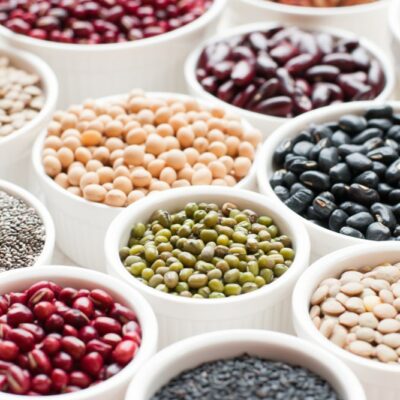
Eosinophilic esophagitis (EoE) is an immune system disorder affecting the esophagus – the tube connecting the mouth to the stomach. When a type of white blood cell called eosinophils builds up in one’s esophagus, it leads to inflammation and damage to the esophageal tissues. Studies indicate that it is three times more likely to affect men than women. Listed below are some early signs, risk factors, and foods to eat for EoE patients. Risk factors It is mainly triggered by certain types of foods or allergies to environmental components like pollen, dust mites, molds, etc. People with asthma, eczema, and hay fever, as well as people with a family history of EoE, are more vulnerable to it. Besides these factors, seasonal changes also increase the chances of people developing the condition. The EoE cases spike during spring, summer, and fall since pollen levels are higher. Early signs One may often vomit, experience pain and reflux that seems untreatable, or have trouble swallowing solid food. Some early signs of EoE are also based on one’s age. Infants and little children may experience loss of body mass or hampered growth. Older children may have a poor appetite and abdominal pain, while adults may also experience chest pain and heartburn.

10 potential accidents to be mindful of at work
health

10 potential accidents to be mindful of at work

Most people travel to work five days a week, and sometimes more. With all this time spent in the office, or outside, depending on the profession, it is quite likely that they have a workplace accident at some point. Despite most organizations taking precautions, it is better to be aware of the risks. So whether one works from a desk or is regularly on the move, here are the most reported workplace accidents to note. Motor vehicle accidents Several people drive cars or bikes to deliver goods and services as part of their job profile. They are exposed to challenging weather conditions, faulty automotive equipment, and negligent drivers that can lead to road accidents. Following driving policies set by the company is a key element in ensuring personal safety. Physical altercations Many people get into disputes at the workplace for several reasons, which may turn into physical altercations. The situation may lead to superficial or serious injuries. To avoid such instances, employers must create channels for employees to report any suspicious activity or bring any heated exchanges to the notice of management to prevent disputes. Slip and fall The floors at workplaces are cleaned regularly to keep them free from dirt and debris.
7 foods that help deal with menopause symptoms
health

7 foods that help deal with menopause symptoms

Menopause refers to the 12-month gap after a woman’s last menstrual cycle, which tends to start during a girl’s adolescence or earlier. Typically, women between the ages of 45 and 55 experience menopause at some stage with varying discomforts. Most symptoms can be managed via prescriptions and home remedies. Alternatively, doctors suggest simple changes in daily nutrition to manage the symptoms better. Here are seven foods one can consider to tackle the symptoms. 7 foods to help manage menopause symptoms Dairy Menopause can have a deteriorating effect on healthy bones due to sudden metabolic and hormonal changes. If left unchecked, it could lead to rapid bone loss and increase the risk of osteoporosis among older women. Experts suggest at least 1,200 to 1,500 milligrams of calcium intake regularly to support bone health. Natural skim milk, cow milk, soy milk, low-fat cheese, and yogurt are excellent foods to boost calcium intake. Cruciferous vegetables Leafy greens and healthy cruciferous vegetables should also be eaten daily to boost natural fibers, proteins, iron, and antioxidants in the body. Spinach, turnip, and collard greens are veggies rich in calcium to help improve bone health. Also, broccoli, asparagus, cauliflower, kale, and Brussels sprouts are nutrient-dense veggies linked to reducing the severity of hot flashes, one of the persistent symptoms of menopause.
8 foods that help fight colon cancer
health

8 foods that help fight colon cancer

Colon cancer develops when there’s uncontrollable and abnormal cell growth in one’s colon or rectum, which invades and damages other healthy tissues. Since it originates in one’s intestines, colon cancer severely affects one’s ability to digest food and eliminate waste. According to the American Cancer Society, bad eating habits and an unhealthy lifestyle increase one’s chance of developing it. But some superfoods can help improve gut health and manage the disease better. Berries, black plums, grapes, and pomegranates Black plums, red and black grapes, and pomegranates contain anthocyanins. Similarly, berries, including black elderberries, blueberries, raspberries, blackberries, chokeberries, and strawberries, are excellent sources of anthocyanins and antioxidants. Anthocyanins help in slowing cancer cell growth and increasing tumor sensitivity to chemotherapy. They are also highly nutritious and fibrous, which boosts digestion. Apples and bananas Constipation and diarrhea are two of the early signs of colon cancer. Fruits like apples, oranges, pears, and bananas are rich sources of fiber that can help regularize one’s bowel movements and improve gut health. Cancer also causes chronic weakness in patients since the cancer cells consume abnormal amounts of energy and stress out the digestive system. So, fruits can help since they give an instant energy boost and are easier to digest.
5 foods to fight the symptoms of leukemia
health

5 foods to fight the symptoms of leukemia

Leukemia refers to types of cancer that develop in the blood cells. A person is at a greater risk of developing the disorder if they are over 55. However, it isn’t uncommon for younger children to also suffer from similar complications. Moreover, a permanent cure for leukemia is still in the works. However, one can still follow simple methods to manage the condition, including eating specific foods to fight cancerous cells. Berries Berries have a long history of benefits in improving overall health. When it comes to leukemia, they are rich in antioxidants, which are known to protect the body from free radicals. Berries are specifically known to fight the effects of breast, bladder, and esophagus cancers. Tomatoes The antioxidant lycopene present in tomatoes may help those with leukemia manage the symptoms. The food is also rich in other properties like vitamins A, C, and E, known to fight free radicals that may trigger cancer formations in the body. Tomatoes are also known to benefit those with prostate cancer. Yogurt Yogurt contains healthy bacteria that can improve how a person handles the foods they eat. This bacteria is also known to regulate the production of anti-inflammatory cytokines in the body.
Top 8 foods that boost the immune system
health

Top 8 foods that boost the immune system

If your body recovered within a week from a common cold or fever the last time you fell ill, you have your immune system to thank. The immune system comprises cells, organs, and tissues, which together protect the body from microorganisms that can cause diseases. These components are inseparably linked to ensure physical well-being and strength. Further, certain foods can significantly boost the immune system function, increasing the body’s resilience to health conditions. Spinach Spinach is a powerhouse of essential nutrients, including beta-carotene, lutein, zeaxanthin, magnesium, iron, and vitamins C and E. The nutrients protect the body against diseases like anemia, macular degeneration, heart problems, and certain types of cancer. Blueberries Blueberries are rich in flavonoids, an antioxidant that boosts the immune system and reduces cell damage. The berries are also packed with vitamins A and C, manganese, potassium, and fiber, which are essential for overall physical health. Garlic Garlic contains high levels of sulfur, helping fight colds and flu. It is also known to lower blood pressure levels and prevent cholesterol and certain types of cancer. Its antibiotic properties protect the body against disease-causing fungi, bacteria, and viruses. Greek yogurt Greek yogurt contains iodine, vitamin A, vitamin B12, calcium, and probiotics, which aid digestion and work wonders for the immune system.
10 foods that naturally reduce blood sugar
health

10 foods that naturally reduce blood sugar

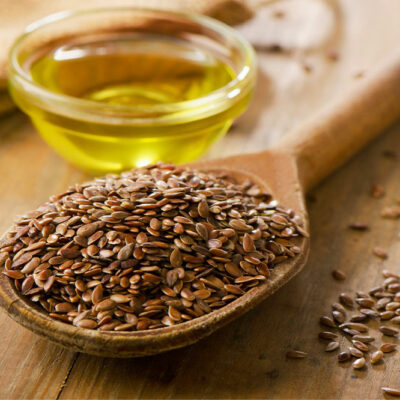
Stress, physical activity, and lifestyle habits can affect the management of diabetes and other conditions that impact one’s blood sugar levels. But nutrition is perhaps the most crucial factor. Eating the wrong foods at the wrong time can spike glucose levels and lead to other complications. On the other hand, research suggests that certain foods can help lower blood sugar levels and should, therefore, be included in the meal plan. Flax seeds Flax seeds contain fiber and healthy fats that help control blood sugar levels. Research shows that adding around 30 grams to daily meals can help maintain blood glucose. Broccoli Rich in sulforaphane, broccoli has been shown to lower blood glucose and enhance insulin sensitivity, making it healthy for diabetics. Shellfish Shellfish are excellent sources of protein, antioxidants, vitamins, and minerals. Their high antioxidant content is particularly helpful in regulating blood sugar levels. Salmon Salmon is another seafood that can reduce glucose surges and slow down digestion. Its omega-3 fatty acids also help with several other health disorders. Oats Oat bran is rich in soluble fiber, which can control fasting blood sugar levels, especially in type 2 diabetes patients. Oats are a perfect breakfast or post-workout option. Chia seeds As per a study published in a reputed health journal, chia seeds have been proven to improve insulin sensitivity and reduce the risk of type 2 diabetes.
5 superfoods to lower blood sugar
health

5 superfoods to lower blood sugar

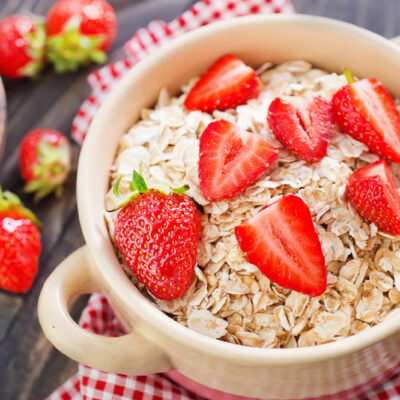
According to CDC, approximately 1 out of 10 people live with diabetes. In fact, high blood sugar-related diseases are problematic globally too. High blood sugar causes many health issues and lifelong problems for people of all ages. One way to control and reduce one’s blood sugar is to include certain foods in daily meal plans. These foods contain specific nutrients and elements that help lower one’s blood sugar levels. Oatmeal Oatmeals are highly effective in countering diabetes due to their high fiber content and low glycemic index value. Eating whole oats can reduce a person’s blood glucose levels by boosting their insulin sensitivity. While adding oatmeal to your daily meals, people need to choose steel-cut or rolled oats as they can be absorbed into the bloodstream slowly. One needs to avoid eating oatmeal with added sugar while purchasing it. Walnuts Like oatmeal, nuts of all kinds are also low-glycemic, high-fiber food that helps reduce blood sugar. Additionally, nuts are rich in nutrients such as vitamin E, omega-3 fatty acids, magnesium, and similar other foods. Walnuts are one of the best nuts, which, apart from reducing blood sugar, also help improve the heart health of individuals. Walnuts also help people balance their meal routines due to the wide range of nutrients they contain.
5 ideal foods for arthritis management
health

5 ideal foods for arthritis management

Arthritis is not a singular condition but a group of disorders that mainly affects the joints causing inflammation, pain, and stiffness, among other known symptoms. It is one of the country’s most commonly diagnosed osteo problems, with over 100 different subtypes. However, arthritis can be managed considerably with simple changes in daily nutrition, lifestyle changes, and prescriptions for managing the symptoms. Here is a brief overview of managing arthritis symptoms. Fatty fish Fatty fish are naturally rich in Omega-3 fatty acids, one of the most crucial anti-inflammatory compounds suggested for specific conditions like rheumatoid arthritis. Tuna, salmon, mackerel, and sardines are excellent choices of fish to be consumed thrice a week. Fresh fruits Strawberries, blueberries, raspberries, cherries, cranberries, grapes, oranges, and grapefruits are excellent sources of antioxidants. Antioxidants like flavonoids, polyphenols, quercetin, anthocyanins, and citrus can help counter inflammation, one of the most severe symptoms of arthritis. Nutrient-dense vegetables Dark leafy greens and cruciferous vegetables pack plenty of nutrition that can help counter discomforts linked to arthritis. Broccoli, beetroot, carrots, sweet potatoes, and cabbage contain antioxidants, fiber, vitamins, and minerals that counter inflammation. Red bell peppers, pumpkin, carrots, and sweet potatoes are also rich in beta-carotene and vitamin that boosts immune function.
10 foods that help ease arthritis pain
health

10 foods that help ease arthritis pain

Joint swelling is a major symptom of most types of arthritis. If left untreated, it may lead to excruciating pain and discomfort while performing simple physical activities. Frequent arthritic flare-ups can also affect one’s spinal cord, hip, pelvis, and lower back in the long run. While treatment may be necessary for managing arthritis, eating the right foods is also essential. Some foods have anti-inflammatory and antioxidant properties that can ease pain and improve heart health. Fatty fish Fishes like salmon, tuna, mackerel, and sardines have omega-3 fatty acids. According to The Arthritis Foundation, eating three to four ounces of the recommended fish a couple of times a week can protect the heart and reduce inflammation. Fruits Frozen or fresh grapes and berries, including blueberries, blackberries, boysenberries, cranberries, raspberries, and strawberries, have proven to ease arthritis symptoms. Similarly, apples and pomegranates, rich sources of fiber and antioxidants, can be go-to snacking options. Vegetables Patients can add broccoli, Brussels sprouts, mushrooms, and cauliflower to their meals in any form. The natural component called glucosinolates found in vegetables has an anti-inflammatory effect on the body. Nuts Nuts like walnuts, almonds, and cashews are nutrient-dense, low in saturated fats, and high in fiber and omega-3 fatty acids, which help regulate cholesterol and reduce inflammation.

Top Articles

Background Checks and the FCRA – What’s Allowed and What’s Not
Open-Records

Background Checks and the FCRA – What’s Allowed and What’s Not

When hiring a new employee, you want to ensure you are making the right choice. One way to do that is to perform a background check. A background check is an excellent tool to verify qualifications and ensure workplace safety. However, running these checks is not as simple as doing a quick internet search. The Fair Credit Reporting Act, or FCRA, regulates how employers gather and use background information. What Is the FCRA? The Fair Credit Reporting Act is a federal law enacted in 1970 to protect consumer privacy and ensure accuracy in background reporting. While it sounds like it only applies to credit cards and loans, it actually covers any background check conducted by a third-party company, known as a Consumer Reporting Agency. If you hire an outside vendor to check a candidate’s criminal records, employment history, or driving record, you are bound by the FCRA. This law gives job applicants specific rights regarding how their personal information is handled and used during the hiring process. What Is Allowed? Employers have a lot of flexibility when it comes to vetting candidates, provided they follow the rules. You are legally allowed to look into several key areas to verify a candidate’s fitness for a role.
How Employee Screening Is Changing With AI
Open-Records

How Employee Screening Is Changing With AI

Imagine sorting through a stack of five hundred resumes for a single job opening. By the time you reach the fiftieth applicant, the words blur together, and your morning coffee has completely worn off. This is the exhausting reality human resources professionals have faced for decades. Fortunately, artificial intelligence is stepping in to simplify this tedious process. It is changing how companies find talent and conduct background checks. Context Over Keywords Modern screening tools utilize natural language processing to understand the deeper context of a resume. Instead of just searching for specific words, the technology evaluates a candidate’s overall career trajectory, skills, and potential. For instance, if an applicant lists experience in managing client relationships, the AI recognizes that this aligns perfectly with a customer success role, even if the exact job title differs. This shift ensures that highly qualified individuals no longer slip through the cracks due to formatting choices. Automated Skills Assessment Based on text analysis, AI is transforming how employers verify capabilities. Interactive, algorithm-driven assessments can now evaluate a candidate’s coding skills, writing aptitude, or situational judgment in real time. These tools adapt their difficulty based on the user’s performance, providing a much more accurate picture of their actual technical strengths before an interviewer ever hops on a phone call.
Key Factors That Affect Background Check Timelines
Open-Records

Key Factors That Affect Background Check Timelines

Background checks are a routine part of hiring, renting, and vetting — but the time they take varies more than most people expect. Some reports are finished in minutes, while others can be delayed for days. That gap isn’t arbitrary. It reflects the complexity of what’s being searched, where the information lives, and how quickly different systems respond. Knowing what drives the timeline helps set realistic expectations from the start. What a Background Check Typically Covers A background check inquires about the authenticity of information provided by a candidate. Factors examined may include education, past employment history, criminal records, motor vehicle or license records, and credit history. Each of these data points may sit in a different database — some centralized and digital, others fragmented across local jurisdictions or held in paper form. The broader the scope, the more sources need to be queried, and that directly affects turnaround time. The Standard Timeline On average, employment background checks conducted through a consumer reporting agency take 3 to 5 business days. That said, this is a general benchmark, not a guarantee. Most checks take one to three days, though some return instantly, while criminal searches typically require one to three days on their own.
5 Things to Look for in a Background Check Tool
Open-Records

5 Things to Look for in a Background Check Tool

Background check tools have become a practical necessity — whether for employers screening job candidates, landlords vetting tenants, or individuals researching someone’s history. With so many platforms available, picking the right one can feel overwhelming. Not every tool delivers the same depth, accuracy, or legal compliance. Knowing what separates a reliable platform from a mediocre one makes the decision far clearer. Here is what to prioritize when evaluating a background check tool. 1. Depth and Range of Data Coverage The value of any background check tool rests heavily on the breadth of its data sources. A strong platform pulls from multiple databases — criminal records, court filings, address histories, employment verifications, and more — rather than relying on a single source. Shallow tools may miss critical records simply because they lack the reach. Before committing to any platform, confirm it accesses verified, legally sourced data across the categories most relevant to the intended use. Public vs. Proprietary Data Some tools rely purely on publicly available records, while others supplement these with proprietary databases. The combination typically yields more complete results — particularly for records that are harder to access through standard public channels. Neither approach is inherently better, but knowing which one a tool uses helps set realistic expectations.