6 foods that boost your immune system
health

6 foods that boost your immune system

Your immune system needs to be strong to fight off diseases. A weak immune system will not be able to fight allergies, infections, disorders, and other health problems. Right from fighting and managing common cold to severe health disorders, a strong immune system is essential for a healthy life. To boost the immune system, it is essential to supply the body with important nutrients such as vitamin C, vitamin b12, and iron. The body absorbs these nutrients from food, making the inclusion of certain foods in your diet necessary. Read on to know more about the foods you should include in your diet to boost your immune system. Red bell peppers Bell peppers are rich sources of Vitamin C. Vitamin C helps you quickly recover from the common cold, flu, and other infections and allergies. Adding red bell peppers to your meals in a day can provide the body with this essential vitamin. Moreover, bell peppers are rich in beta carotene, which is converted to Vitamin A in the body. Citrus fruits Vitamin C produces white blood cells, which fight infections and allergies. Citrus fruits are loaded with vitamin C. Since the body does not retain vitamin C, it is recommended to have vitamin C-rich food daily.

4 things you can do to keep heart diseases at bay
health

4 things you can do to keep heart diseases at bay

Heart disease is the leading cause of death in the U.S, accounting for over 600,000 deaths each year. The umbrella term heart disease refers to several types of heart conditions and can occur to people of all ages, including children. On a positive note, almost 80% of heart conditions, such as heart attack, heart failure, and stroke, can be prevented if you are willing to make long-term lifestyle changes. Here is what you need to do to keep heart diseases at bay. Become physically active Being active for most part of the day is an effective way of keeping your blood pressure in check and preventing heart disease. Experts say that 30 minutes of moderate-intensity workout for five days a week is good enough to strengthen your heart. Becoming physically active is not only limited to exercise; you can go swimming, cycling, rowing, or engage in similar heart-pumping activities to keep your heart healthy. Remember, the more physically active you become, the better it is for your heart. Utilizing modern technologies such as digital watches and mobile apps to track the number of steps and your heart rate can keep you motivated. Eat healthy Diet plays a key role in preventing heart diseases, even if you have a genetic predisposition for heart conditions.
A comprehensive guide on hearing aids
health

A comprehensive guide on hearing aids

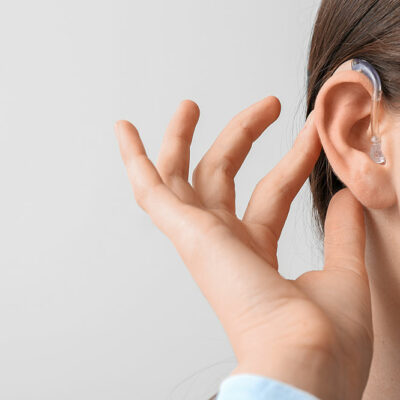
Hearing loss can be sensorineural, conductive, or a combination of both. The type of hearing loss determines whether a person has lost his/her hearing ability completely or partially. Once the hair cells in the inner ear are dead, they can’t be treated, and the ability to hear is permanently lost. Regardless of the type of hearing impairment, a person can utilize hearing aids to help hear better. These aids significantly improve hearing ability by amplifying sounds so that it reaches your inner ear. Read on to know more about hearing aids. What are hearing aids? Hearing aids are wearable, sound-amplifying devices designed to help people with complete or partial hearing loss. Hearing aids have a microphone that picks up sounds, an amplifier that increases sound levels, and a receiver that conducts sounds to the inner ear. Hearing aids differ by the technology used to amplify the sound, analog or digital, their various designs, and distinctive features. Some aids come with earmolds or earpieces that direct the sound flow inside the ear canal and improve sound quality. Before choosing a particular aid, it is recommended that the individual consult an audiologist to understand the severity of hearing loss. Analog vs. Digital hearing aids Although not as popular as digital hearing aids today, analog hearing aids are still available and offer quite a few benefits.
Unusual and underlying causes of joint conditions
health

Unusual and underlying causes of joint conditions

Joints form the connection between the bones and facilitate a range of motions. Any damage caused to these joints can interfere with the ability to move and cause a lot of pain. There are several joint conditions such as osteoarthritis, rheumatoid arthritis, gout, and bursitis that are debilitating and painful. Joint pain is one of the most common pains that people, in general, complain about. A national survey suggested that one-third of adults have reported joint pain at least once in a month. Out of this, knee pain is the most common complaint followed by hip and shoulder pain. Here are some of the unusual underlying causes that give rise to painful joint condition: Gout It is a common form of arthritis that can affect any age group. Gout is characterized by episodes of severe pain, swelling, redness, and swelling of the joints typically at the base of the big toe. Gout is caused due to the formation of uric acid crystals near the toe. The body produces uric acid when it breaks down purines. Due to gout, the body loses its capacity to convert purines. Lupus It is a systemic autoimmune disease that occurs when the body’s immune system attacks its own organs and tissues.
Foods for a healthy kidney and liver
health

Foods for a healthy kidney and liver

Healthy kidneys and liver are absolutely essential for a long and fit life. Among themselves, the two organs perform and oversee innumerable functions. The brain, spinal cord, and the heart are all dependent on the kidney and liver, underlining its importance to the human body. Therefore, their normal functioning is crucial and can be easily addressed by making healthy dietary choices. Read on to know more about foods you can add to your diet to improve the condition of your kidney and liver. Foods essential for healthy kidneys Kale Arguably one of the healthiest vegetables, kales are replete with antioxidants and also have anti-inflammatory properties. It is also a good source of Vitamins A and C and has large amounts of iron. They’re highly recommended to patients with kidney and cardiovascular conditions. Cauliflower Like Kale, Cauliflower too is rich in Vitamin C. It’s packed with folate, antioxidants, and compounds that promote healthy functioning of the kidneys. Additionally, cauliflower is low in sodium and potassium, which helps maintain the fluid levels in the body. Its low protein and high fiber content help in detoxifying the kidneys. Apple No wonder! Famed for its infinite benefits to the human body, apples are known to be great for the proper functioning of kidneys.
3 edibles that are beneficial for oral health
health

3 edibles that are beneficial for oral health

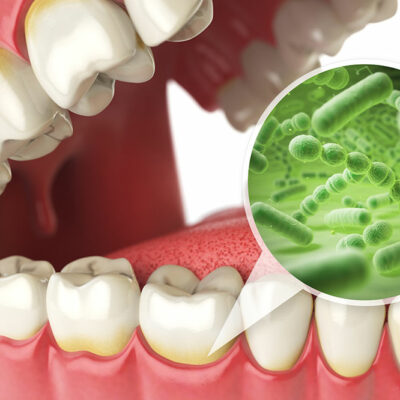
Morning routines are ingrained in our systems—waking up, turning on the coffee/tea machine, brushing teeth, eating breakfast, and so on. The coffee/tea is then accompanied by a range of choices— books, news, or the ever-present phone. But here is our question: while we have been at it for ages, how good a shape are our mouth and teeth in? And what can we do to make it better? Our mouth is home to about a billion different bacteria. These microorganisms that live inside our oral cavities can prove to be dangerous to the mouth and teeth. That is exactly why parents around the world keep reminding their kids to brush their teeth before getting into bed as well. The last time we learned how to brush our teeth was when we were toddlers and we more or less know how to go about it. But how often do we floss? It’s important to remember that flossing is just as important as brushing. The best means of maintaining impeccable oral health is by keeping your mouth and teeth food-free. Sugar acts as a storehouse of bacteria in our mouth and teeth. Similarly, there is a range of food products or ingredients that help in maintaining oral health.
Common bodily changes that women experience during menopause
health

Common bodily changes that women experience during menopause

Menopause is a stage in a woman’s life that signals the end of her monthly period cycle. However, it does not occur overnight. Women first enter the perimenopause stage, wherein the physical and hormonal structures of their bodies undergo many changes. If there is no recurrence of the cycle for 12 consecutive months, then they are said to have entered menopause. Monthly menstrual cycles generally stop between the ages of 45 and 55; the average age at which menopause sets in is 51, when the functions of a woman’s ovaries gradually start to decline. It is important to note that this is a perfectly natural cycle and hardly a cause for concern. However, as women near their menopausal stages, they might be faced with certain health risks that increase over time. While research attributes some triggers to genetics, there is a number of other factors that can give rise to these changes. When one starts to experience adverse symptoms, it is advisable to consult a specialist. However, with adequate care and timely changes made to one’s lifestyle, this transition can be easily managed. Here are some of the transitions that women go through during their perimenopausal and menopausal stages: Hot flashes Reduced levels of estrogen in the body can cause hot flashes, one of the most common symptoms women experience during a normal menopausal transition.
Why talking about mental health in the workplace is essential
health

Why talking about mental health in the workplace is essential

Most people spend a huge part of their lives in their offices. If they’re suffering from some kind of mental illness, then it must be addressed in the workplace as it severely impacts their performance. Many employees with mental health issues shy away from discussing their problems with their peers and bosses out of fear of damaging their working relationships. It is equally the employer’s responsibility to ensure that employees feel encouraged to talk about their mental health woes and that they seek professional intervention as well. Taking mental health seriously can significantly improve employees’ productivity. Here are a few more reasons why employers must incorporate dialogues around and tools to deal with mental health in the workplace: Helps employees feel comfortable and more productive It’s important for an employer to understand how mental disorders can affect an employee’s work and behavior. For instance, if one of the employees has a history of panic attacks, it is quite likely that he suffers from attacks at work too. But if they are not comfortable talking about their mental health issues in the office, then their condition could worsen and their performance, too, may drop. On the other hand, if employees feel comfortable to discuss this issue with their bosses, then they can together find a way to cope with the problem.
How to identify and combat multiple sclerosis
health

How to identify and combat multiple sclerosis

Multiple sclerosis is a chronic disease of the central nervous system, which comprises the brain, spinal cord, and optic nerves. It’s an unpredictable disease that disrupts the flow of information between the body and brain. The exact cause of multiple sclerosis is not fully understood yet, but experts believe that it is an autoimmune disorder in which the immune system attacks the myelin sheath that covers and protects the nerve fibers from damage. When this protective myelin sheath is destroyed, it leaves a scar or sclerosis. Doctors often refer to these damaged areas as plaques or lesions. The damage prevents the brain from effectively sending signals to the rest of the body. Signs and symptoms Multiple sclerosis can lead to a variety of symptoms that can differ in each individual. The severity of symptoms can also change over time. Since it affects the central nervous system, which controls the movements in the rest of the body, the symptoms can be observed in various body parts. Some of the most common symptoms of multiple sclerosis include: Muscle weakness Numbness and a tingling sensation in the face, torso, arms, and legs Bladder and bowel problems Fatigue Chronic pain Dizziness and vertigo Vision problems Mood changes and depression Types There are four types of multiple sclerosis.
6 non-invasive pain manangement techniques
health

6 non-invasive pain manangement techniques

Pain is a signal sent by the body to the brain to indicate a problem. For instance, sharp pain in the ankle may indicate ankle sprain or even fracture, but it goes away as the muscles and bones heal. However, pain can sometimes linger for weeks or months on end, and a person may even experience chronic pain for years in extreme cases. This type of pain can be caused by a chronic illness or condition and deteriorates a patient’s quality of life. Here are a few non-invasive pain management techniques to manage and reduce the intensity of pain: Occupational therapy and physical therapy : One of the best and most effective pain management techniques is to undergo physical and occupational therapy. Physical therapy comprises exercises that improve and preserve mobility and the strength of joints and muscles. On the other hand, occupational therapy involves learning techniques to perform everyday physical activities easily without aggravating the pain. Biofeedback : Breathing and relaxation techniques are taught using a biofeedback machine. The machine converts physiological function data like blood pressure and heart rate into visual cues like blinking lights and graphs. Looking at these visualizations and modifying the output allows a person to learn how to control their body’s response to chronic pain.

Top Articles

10 Smart Ways to Catch a Cheater and Find the Truth
Open-Records

10 Smart Ways to Catch a Cheater and Find the Truth

Suspecting a partner of cheating can leave you feeling anxious, frustrated, and emotionally drained. While occasional changes in behavior do not automatically mean someone is being unfaithful, repeated patterns and unexplained secrecy may raise legitimate concerns. The key is to approach the situation carefully and rationally. Jumping to conclusions without evidence can damage a relationship, but ignoring obvious warning signs can create even more emotional stress over time. If you believe something feels off, there are smart and respectful ways to look for clarity without crossing legal or ethical boundaries. 1. Pay Attention to Sudden Changes in Behavior One of the earliest signs of possible cheating is a noticeable shift in behavior. Most long-term relationships develop routines, communication habits, and predictable patterns over time. When those patterns suddenly change without explanation, it may deserve attention. You might notice: Increased emotional distance Irritability during normal conversations Less interest in spending time together Unusual defensiveness Sudden schedule changes A behavior change alone does not prove infidelity. Stress, work pressure, or personal struggles can also affect someone’s mood. However, consistent changes combined with secrecy may indicate a larger issue. 2. Watch for Increased Phone Privacy Phones often reveal behavioral shifts before anything else.
Key Differences Between Free and Paid People Search Tools
Open-Records

Key Differences Between Free and Paid People Search Tools

People search tools have become go-to resources for reconnecting with lost contacts, verifying identities, or simply learning more about someone before a first meeting. Whether you’re a cautious renter vetting a new roommate or someone trying to track down a childhood friend, these tools promise quick answers. But not all search tools are created equal. The gap between free and paid options is wider than most users expect — and it matters. What Free People Search Tools Actually Offer Free people search platforms are accessible to anyone with an internet connection. They typically pull from public records, social media profiles, and open-source data repositories to surface basic information — a name, a general location, sometimes an employer or an estimated age range. The appeal is obvious: no cost, no commitment, and often no account required. But the limitations are real. Results tend to be fragmented, outdated, or incomplete. A search might return a name and a state but omit a current address or contact number. For casual, low-stakes inquiries, this level of detail can be enough — but it often isn’t. Why the Gaps Matter Data freshness is a persistent issue with free tools. Most don’t update their databases regularly, which means results may reflect a person’s situation from several years ago — a former address, an old employer, or a phone number that’s no longer in use.
5 Things to Look for in a Background Check Tool
Open-Records

5 Things to Look for in a Background Check Tool

Background check tools have become a practical necessity — whether for employers screening job candidates, landlords vetting tenants, or individuals researching someone’s history. With so many platforms available, picking the right one can feel overwhelming. Not every tool delivers the same depth, accuracy, or legal compliance. Knowing what separates a reliable platform from a mediocre one makes the decision far clearer. Here is what to prioritize when evaluating a background check tool. 1. Depth and Range of Data Coverage The value of any background check tool rests heavily on the breadth of its data sources. A strong platform pulls from multiple databases — criminal records, court filings, address histories, employment verifications, and more — rather than relying on a single source. Shallow tools may miss critical records simply because they lack the reach. Before committing to any platform, confirm it accesses verified, legally sourced data across the categories most relevant to the intended use. Public vs. Proprietary Data Some tools rely purely on publicly available records, while others supplement these with proprietary databases. The combination typically yields more complete results — particularly for records that are harder to access through standard public channels. Neither approach is inherently better, but knowing which one a tool uses helps set realistic expectations.
Background Checks and the FCRA – What’s Allowed and What’s Not
Open-Records

Background Checks and the FCRA – What’s Allowed and What’s Not

When hiring a new employee, you want to ensure you are making the right choice. One way to do that is to perform a background check. A background check is an excellent tool to verify qualifications and ensure workplace safety. However, running these checks is not as simple as doing a quick internet search. The Fair Credit Reporting Act, or FCRA, regulates how employers gather and use background information. What Is the FCRA? The Fair Credit Reporting Act is a federal law enacted in 1970 to protect consumer privacy and ensure accuracy in background reporting. While it sounds like it only applies to credit cards and loans, it actually covers any background check conducted by a third-party company, known as a Consumer Reporting Agency. If you hire an outside vendor to check a candidate’s criminal records, employment history, or driving record, you are bound by the FCRA. This law gives job applicants specific rights regarding how their personal information is handled and used during the hiring process. What Is Allowed? Employers have a lot of flexibility when it comes to vetting candidates, provided they follow the rules. You are legally allowed to look into several key areas to verify a candidate’s fitness for a role.