Top foods for healthy lungs
health

Top foods for healthy lungs

Our lungs work tirelessly to keep our entire system functioning well. But, certain lifestyle habits and environmental toxins, along with health conditions like pulmonary fibrosis, chronic obstructive pulmonary disease (COPD), and asthma, can significantly damage the lungs over time, affecting breathing and quality of life. An easy way to boost lung function and relieve symptoms of such diseases is to consume loads of foods filled with lung-friendly vitamins, minerals, and other nutrients. Read on to learn about foods beneficial for lung health. Banana The high level of potassium in a banana makes it an excellent choice for improving lung health and function. Studies have found that loading up on potassium, specifically in childhood, can increase the function and capacity of the lungs. Besides, the mineral also helps reduce water retention, regulate blood pressure, and improve digestion, all of which are essential for optimal lung health. Beetroot Beets are considered one of the best foods for the lungs. That’s because they are packed with powerful plant compounds that can optimize lung function, along with other lung-friendly minerals, such as potassium and magnesium. Beets are also rich in nitrates, which help relax blood vessels, reduce blood pressure, and improve oxygen uptake. Turmeric This yellow spice has potent anti-inflammatory properties, thanks to its main active component, curcumin.
5 foods to eat to keep eczema at bay
health

5 foods to eat to keep eczema at bay

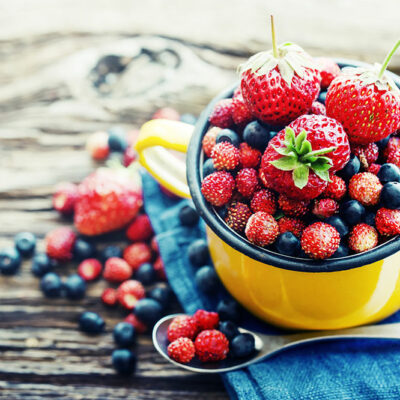
An inflammatory condition that affects the skin, eczema, also known as atopic dermatitis, affects one in four adults. In severe cases, it causes itchy rashes, dry patches, skin irritation, and oozing blisters. The cause of eczema is usually credited to environmental factors and genes. Those with eczema usually have food allergies as well. Thus, food and nutrition play a major role in managing eczema. Here are a few foods that can help prevent eczema flare-ups. Berries Berries such as raspberries, blueberries, strawberries, and blackberries contain quercetin, a plant-based flavonoid. This is where fruits, flowers, and vegetables derive their rich colors from. Quercetin is an antihistamine and antioxidant. It prevents cell damage and helps combat inflammation. Eating berries is useful in avoiding eczema flare-ups. Yogurt Rich in live culture, yogurt is one of the best probiotic foods to consume. It strengthens the immune system. Moreover, it prevents allergic reactions. This way, it lowers the intensity of eczema flare-ups. Eating probiotic foods is one of the most effective ways to manage eczema symptoms and itchy skin. Other probiotic-based foods that can add a variety to one’s daily meals include kefir, kombucha, miso soup, sauerkraut, and tempeh. Naturally-fermented pickles and sourdough bread are also good options.
Must-have foods for healthy and glowing skin
health

Must-have foods for healthy and glowing skin

There are plenty of face creams and products to make your skin healthy and glowing. But beautiful and healthy skin comes with the right nourishment. The human body is constantly shedding old cells and replacing them with new ones. To support this process, a supply of essential minerals is important. This comes with eating the right kind of food. Here’s a list of five foods that will keep your skin healthy and glowing. Bananas Bananas are a great food source to get healthy, glowing, and oil-free skin. They are rich in potassium and vitamins E and C, which are known to give glowing skin. These compounds are powerful exfoliators and help remove excess sebum from the surface of your skin. Bananas also help treat acne. Apply the inside of the peel onto the acne to destroy harmful bacteria and reduce inflammation. Fish Fish like salmon, mackerel, and herring are rich in omega-3 fatty acids that help keep the skin blemish-free and supple. They help fight inflammation and reduce dryness, redness, and acne. Sardines, on the other hand, are excellent sources of vitamin B12 that play a major role in skin cell reproduction. Avocados Avocados are full of healthy fats and vitamin E.
Best food options for healthy bones
health

Best food options for healthy bones

As one ages, bone health gets affected, slowly decreasing in strength and density. So, it is crucial for everybody under 30 years must include bone-building foods in their daily meal plans. Essential minerals like calcium, magnesium, phosphorus, and vitamins, including D, C, and K, are necessary for bone mineralization. Fortunately, most of these essential nutrients can be absorbed naturally without heavy dependence on supplements. Here are the recommended top food options for daily bone nutrition. Calcium-rich foods Calcium is the vital building block mineral for healthy bones. As old cells break down, the body absorbs and utilizes calcium from daily foods to regenerate new bone cells. Adults must get at least 1000 to 1200 milligrams of calcium a day to support bone growth. Calcium is readily available and can be sourced from dairy products like milk, cheese, yogurt, or fortified plant-based milk extracted from almond, soy, and rice milk. Vegetables like collard greens, mustard greens, turnip greens, kale, and Bok choy can supplement additional daily requirements. Fortified orange juice, edamame, tofu, and even canned fish like sardines and salmon are excellent sources of this essential nutrient. Foods that contain vitamin D A vitamin D deficiency can cause bones to become weak and brittle, increasing the risk of fracture, especially among young children.
4 foods that can increase the risk of diabetes
health

4 foods that can increase the risk of diabetes

Diabetes is an autoimmune disease that affects nearly 100 million people globally. Food plays an important role in managing diabetes symptoms and its related complications. Most severe cases of diabetes and its associated complications are a result of long-term consumption of foods that increase insulin resistance and blood sugar levels. While most know of the common foods that aggravate blood sugar levels, here are some lesser-known foods that aggravate diabetes. Flavored yogurt Even healthy snacks like flavored yogurt contain sweeteners and other forms of artificial flavors that might increase blood sugar levels. Switch to plain yogurt and add your favorite fruits to enhance the flavor. It has been observed that Greek yogurt has twice the protein and half the carbohydrates and fats that might contribute to blood sugar levels. Icelandic yogurt is another option as it is made from skimmed milk. It is strained more than Greek yogurt, which makes it thicker and more abundant with protein. Granola bars Granola bars have gained popularity in recent times, owing to their energy source from healthy ingredients like cereals, nuts, and seeds. However, granola bars also contain added sugars in different forms, making them bad food for diabetes. Hence, make sure to choose from sugar-free granola bars or the ones with the least amount of sugars.
8 warning signs that indicate excess sugar intake
health

8 warning signs that indicate excess sugar intake

After the pandemic, diabetes has been reported to be on the rise. This is because low-grade inflammation caused by the virus may worsen pre-existing diabetes due to high insulin resistance. Moreover, studies have shown that the virus can multiply within insulin-producing pancreatic beta-cells and weaken the secretion and synthesis of insulin. Therefore, one must avoid excess sugar intake and be aware of the eight noticeable signs of excess sugar intake. Feelings of irritability Studies indicate that eating foods with too much sugar may lead to irritability, stress, and moodiness. Sugar-rich foods contain less protein and fats which may lead to spikes in blood sugar levels. In turn, the body will rush to process the compounds and cause the energy levels to crash. Foods don’t taste sweet anymore Sometimes you may feel that the sugar-laden foods you consume are not as sweet as it once was. It may be an indication that you are consuming too much sugar. You may also find yourself less satisfied when you consume foods with low sugar content. Excess visceral fat Sugar is also known to affect leptin, a hormone that signals the brain when you have enough to eat. And processed snacks are rich in sugar but low in protein, healthy fats, and fibers.
Rheumatoid arthritis – Foods to avoid
health

Rheumatoid arthritis – Foods to avoid

Arthritis is a condition that causes severe pain and stiffness in the joints. Its types are varied but widely divided into two categories – inflammatory and non-inflammatory. Rheumatoid arthritis is a common form of inflammatory arthritis. The degree of stiffness or inflammation is affected by many factors, the primary being the food you eat. Its symptoms can be managed by limiting foods that trigger inflammation. Here are seven things rheumatoid arthritis patients should avoid. Foods rich in omega-6 fatty acids The intake of excess foods with omega-6 fatty acids can trigger inflammation in arthritis. These foods are soybeans, corn, safflower, sunflower, canola oils, nuts, and meat. It is best to switch to mono-saturated fats like olive oil and fatty fish such as salmon, tuna, or cod to provide the body with healthy calories. Excessive sugar Patients with arthritis should limit the consumption of excessive sugar items such as candy, ketchup, barbecue sauce, soda, chocolates, and pastries. Sugar flares the release of cytokines, a form of protein in the body that results in inflammation. Avoid forms of sugar like corn syrup, fructose, maltose, and sucrose. One should also limit the intake of certain carbonated or fizzy drinks. They contain high levels of phosphoric acid, which promotes calcium excretion through urine.
Unhealthy before-bedtime habits that worsen sleep quality
health

Unhealthy before-bedtime habits that worsen sleep quality

Statistics suggest that more than 30% of the country’s population fails to get quality sleep. This could be due to poor lifestyle choices. Improvement in these lifestyle choices may include avoiding stimulants and switching to branded mattresses. However, at times even mattresses from Tempur-Pedic, Saatva, Sleep Number, Serta Mattress, and Essentia Mattress may not be enough to improve sleep quality. To improve your sleeping patterns, here are some mistakes you should be avoiding: Habits to avoid before going to bed for better sleep Using electronic devices Modern lifestyles require the constant use of electronic gadgets. Unfortunately, phones, iPads, laptops, and even televisions emit blue light, which reduces the production of sleep hormone when it falls on the retina. Although you can install a blue light filter on most devices, it still adversely affects melatonin production. Switch out staring at your phone to reading or meditating to improve sleep quality. Indulging in stimulants Consuming caffeinated beverages or other harmful stimulants can disrupt sleep. While sweets may promote sleep, eating chocolate that contains high amount of caffeine may make it difficult to fall asleep. Although dark chocolate has its benefits, sleep experts recommend consuming it and caffeinated beverages at least four to six hours before bedtime.
Foods that help combat UTI
health

Foods that help combat UTI

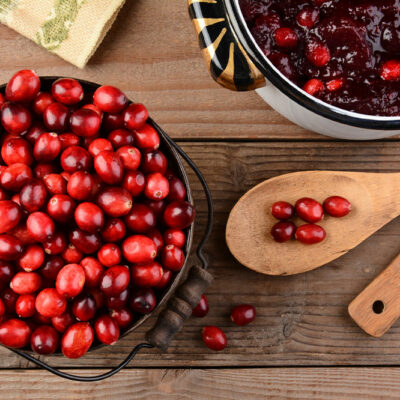
Urinary tract infection or UTI can cause persistent itching, a frequent and strong urge to urinate, abdominal pain, cloudy urine, burning sensation, fever, and even leakage. These symptoms can interfere with the daily lives of those affected and make them extremely uncomfortable. One can get a UTI multiple times during their lifetime. However, adding certain food items to one’s meals and following an appropriate treatment plan can help fight the symptoms and prevent reinfection. Cranberry This is one of the most popular food items to combat UTIs. Doctors may recommend cranberry supplements to UTI patients as the fruit contains chemical compounds that keep bacteria from developing and accumulating in the lining of the urinary tract. Even after the infection has been treated, the berry can help prevent reinfection. The most effective way to utilize cranberries is to have the whole fruit instead of buying cranberry juice or drinks that contain a lot of sugar. Cinnamon This spice is loaded with antibacterial properties and so can help fight inflammation. Cinnamon is known to keep the bacteria E. coli from developing and sticking to the walls of the bladder and urethra. You can add this spice to many recipes or even use it in tea to make it a part of your daily routine.
6 best times to drink water
health

6 best times to drink water

The importance of staying hydrated for the smooth functioning of our bodies cannot be overstated. This is why having at least eight glasses of water every day is recommended. However, when and how you have water throughout the day is just as important as ensuring that you meet your hydration goal. Here are the best times to have water can help you get the maximum benefits and avoid feeling tired and drained: Right after waking up A glass of water first thing in the morning has numerous benefits: This not only rehydrates the body, but also prepares the stomach lining for the day, gives the body and brain a kickstart, and keeps the drowsiness at bay. Research also suggests that the first glass of water can boost skin and hair health, along with the health of other vital organs. In fact, you should get reusable water bottles and keep one on your nightstand so that you can get your first 8 ounces as soon as you wake up. 30 minutes before a meal A glass about 30–45 minutes before a meal can help you feel fuller and avoid overeating, thus keeping your calorie intake in check. This can also improve digestion as it prepares the stomach and intestinal lining for the food.

Top Articles

Background Checks and the FCRA – What’s Allowed and What’s Not
Open-Records

Background Checks and the FCRA – What’s Allowed and What’s Not

When hiring a new employee, you want to ensure you are making the right choice. One way to do that is to perform a background check. A background check is an excellent tool to verify qualifications and ensure workplace safety. However, running these checks is not as simple as doing a quick internet search. The Fair Credit Reporting Act, or FCRA, regulates how employers gather and use background information. What Is the FCRA? The Fair Credit Reporting Act is a federal law enacted in 1970 to protect consumer privacy and ensure accuracy in background reporting. While it sounds like it only applies to credit cards and loans, it actually covers any background check conducted by a third-party company, known as a Consumer Reporting Agency. If you hire an outside vendor to check a candidate’s criminal records, employment history, or driving record, you are bound by the FCRA. This law gives job applicants specific rights regarding how their personal information is handled and used during the hiring process. What Is Allowed? Employers have a lot of flexibility when it comes to vetting candidates, provided they follow the rules. You are legally allowed to look into several key areas to verify a candidate’s fitness for a role.
How Employee Screening Is Changing With AI
Open-Records

How Employee Screening Is Changing With AI

Imagine sorting through a stack of five hundred resumes for a single job opening. By the time you reach the fiftieth applicant, the words blur together, and your morning coffee has completely worn off. This is the exhausting reality human resources professionals have faced for decades. Fortunately, artificial intelligence is stepping in to simplify this tedious process. It is changing how companies find talent and conduct background checks. Context Over Keywords Modern screening tools utilize natural language processing to understand the deeper context of a resume. Instead of just searching for specific words, the technology evaluates a candidate’s overall career trajectory, skills, and potential. For instance, if an applicant lists experience in managing client relationships, the AI recognizes that this aligns perfectly with a customer success role, even if the exact job title differs. This shift ensures that highly qualified individuals no longer slip through the cracks due to formatting choices. Automated Skills Assessment Based on text analysis, AI is transforming how employers verify capabilities. Interactive, algorithm-driven assessments can now evaluate a candidate’s coding skills, writing aptitude, or situational judgment in real time. These tools adapt their difficulty based on the user’s performance, providing a much more accurate picture of their actual technical strengths before an interviewer ever hops on a phone call.
Key Factors That Affect Background Check Timelines
Open-Records

Key Factors That Affect Background Check Timelines

Background checks are a routine part of hiring, renting, and vetting — but the time they take varies more than most people expect. Some reports are finished in minutes, while others can be delayed for days. That gap isn’t arbitrary. It reflects the complexity of what’s being searched, where the information lives, and how quickly different systems respond. Knowing what drives the timeline helps set realistic expectations from the start. What a Background Check Typically Covers A background check inquires about the authenticity of information provided by a candidate. Factors examined may include education, past employment history, criminal records, motor vehicle or license records, and credit history. Each of these data points may sit in a different database — some centralized and digital, others fragmented across local jurisdictions or held in paper form. The broader the scope, the more sources need to be queried, and that directly affects turnaround time. The Standard Timeline On average, employment background checks conducted through a consumer reporting agency take 3 to 5 business days. That said, this is a general benchmark, not a guarantee. Most checks take one to three days, though some return instantly, while criminal searches typically require one to three days on their own.
5 Things to Look for in a Background Check Tool
Open-Records

5 Things to Look for in a Background Check Tool

Background check tools have become a practical necessity — whether for employers screening job candidates, landlords vetting tenants, or individuals researching someone’s history. With so many platforms available, picking the right one can feel overwhelming. Not every tool delivers the same depth, accuracy, or legal compliance. Knowing what separates a reliable platform from a mediocre one makes the decision far clearer. Here is what to prioritize when evaluating a background check tool. 1. Depth and Range of Data Coverage The value of any background check tool rests heavily on the breadth of its data sources. A strong platform pulls from multiple databases — criminal records, court filings, address histories, employment verifications, and more — rather than relying on a single source. Shallow tools may miss critical records simply because they lack the reach. Before committing to any platform, confirm it accesses verified, legally sourced data across the categories most relevant to the intended use. Public vs. Proprietary Data Some tools rely purely on publicly available records, while others supplement these with proprietary databases. The combination typically yields more complete results — particularly for records that are harder to access through standard public channels. Neither approach is inherently better, but knowing which one a tool uses helps set realistic expectations.