10 cat food deals to expect this Black Friday
pets

10 cat food deals to expect this Black Friday

Online stores launch offers on several products, including deals on foods for pet cats. But the biggest sale people wait for is the one that goes live in November each year. We’re talking about Black Friday, a sale through which you can find deals on brands like Whiskas and Royal Canin at prices that are at an all-time low. Apart from these brands, here are other options to bookmark for the upcoming Black Friday sale. Purina Pro Chicken and Rice Formula 3.5 lb. Bag A 3.5 lb. bag of the Purina Pro Chicken and Rice Formula normally sells for about $22.31. But in the Black Friday sales of the past, we saw the price drop by about 33%. So this year we expect similar price cuts or more. The product can reduce cat allergens by neutralizing Fel D1, a common allergen in cat saliva. Royal Canin Large Breed Dry Dog Food 30 lb bag This large breed dry dog food from Royal Canin has several antioxidants that help dogs fight the aging process. As for the price, the product usually goes for around $85. But considering last year’s Black Friday price drop, it can be expected to drop to about $10 discounts on the item when the sale goes live in November.

10 dog food deals to check out on Black Friday 2022
pets

10 dog food deals to check out on Black Friday 2022

Your furry friend is a faithful companion through thick and thin and looks up to you for care and nourishment. The good news is that most of the essential nutrients your dog requires can be derived from food sources. Premier dog food companies provide foods catering to animals of different age groups and breeds, integrating taste and nutrition. Here are some dog foods you can get at discounted prices on Black Friday 2022: CESAR Wet Food Classic Loaf in Sauce Prepared with the finest ingredients curated for your dog’s health, CESAR Wet Food is available in duck and grilled chicken varieties. This multipack is rich in protein, crude fat, and fiber, providing your dog with the energy it requires to play and thrive. Nutro Ultra Large Breed Adult Dry Dog Food This dog food pack comprises protein from lamb, chicken, and salmon, together with a blend of 15 superfoods, including chia, coconut, kale, and blueberries. Moreover, it does not contain any artificial flavors or preservatives. Last year, the brand offered a 30% discount on a few products. Merrick Oven-Baked Natural Crunchy Dog Treats These scrumptious dog food packs are available in different flavors made of natural kitchen ingredients. The Grammy Pot Pie flavor consists of carrots, real chicken, and peas, making for a delicious and nutritious feast for your pet.
4 natural ingredients to get rid of fleas on dogs
pets

4 natural ingredients to get rid of fleas on dogs

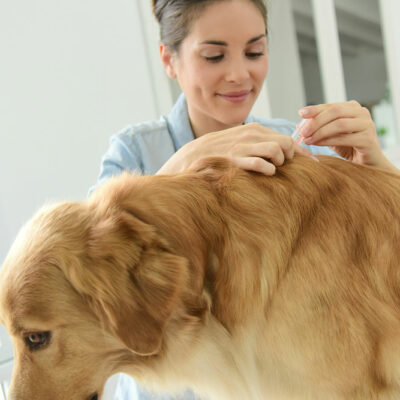
If there are two things pet owners do not want to see on their beloved dogs, it’s fleas and ticks. Fleas can be a seasonal or round-the-year problem, depending on where you live. While formal healthcare treatment is the most effective solution to get rid of fleas, many people also resort to kitchen ingredients to fight fleas on dogs. If you’re looking for creative ways to get rid of fleas, try these simple home remedies: Lemon spray If you’re looking for a way to get rid of fleas that enter your home, a lemon spray can be effective. Simply boil a slice of lemon in some water, and pour this mix into a spray bottle. Spritz this concoction over your pet’s bedding and toys and other home furnishings and carpets until damp, and let it dry overnight. The acidic pH makes an unwelcome environment for fleas. However, speak to a veterinarian before using this remedy. This is because your dog is likely to lick several surfaces around the home, and ingesting too much lemon can be potentially toxic to dogs. Rosemary mix Another common kitchen ingredient that could help get rid of fleas is rosemary. It is essential to make sure that your dog is comfortable with the smell of rosemary before using these techniques.
7 signs that a dog is sick and tips for providing care
pets

7 signs that a dog is sick and tips for providing care

Dogs can bring immense joy and love as pets. A key aspect of providing adequate care to dogs is to be vigilant and attentive to their well-being. Dogs cannot communicate their feelings verbally, so it is important to look for signs of illness and any discomfort they may be experiencing. Here are some of the common signs indicating that a dog may be sick and what one can do to address such concerns: Common signs Changes in appetite One of the first indicators that something might be wrong with a pet is a sudden change in appetite. If the dog is normally a voracious eater but suddenly becomes disinterested in food or starts eating significantly less, it could be a sign that something is wrong. Lethargy Dogs are typically active and playful animals. So, if the pet dog becomes unusually lethargic and reluctant to move or spends an unusual amount of time sleeping, these could be signs that the dog may be sick. Vomiting or diarrhea Occasional stomach issues may be normal, but frequent vomiting or diarrhea can be a cause for concern, possibly indicating an underlying health issue. Here, persistent gastrointestinal issues can lead to dehydration. Changes in water intake Dogs usually maintain a consistent water intake.
12 toxic foods to keep away from pets
pets

12 toxic foods to keep away from pets

Caring for a furry companion extends beyond cuddles and playtime; it demands an acute awareness of their food safety. Understanding the hazardous foods that may threaten their well-being is fundamental to responsible pet ownership. As devoted pet owners, providing them with a life free from harm is imperative, and this begins with what they consume. The unsuspecting foods listed herein carry the potential for grave consequences, ranging from gastrointestinal distress to life-threatening conditions. Chocolate Chocolate contains theobromine, a compound that pets metabolize slowly, leading to a build-up in their system. Even a small amount can cause symptoms like vomiting, diarrhea, rapid breathing, and, in severe cases, seizures and cardiac issues. Onions and garlic Whether raw, cooked, or powdered, onions and garlic contain compounds that can lead to hemolytic anemia in pets. This condition can be life-threatening, as it destroys red blood cells. Grapes and raisins Grapes and raisins have been linked to kidney failure in dogs, although the exact reason remains unclear. Some pets may be more sensitive to these fruits than others. To be safe, it’s best to avoid them altogether. Avocado Avocados contain a compound called persin, which can be toxic to pets. Birds, rabbits, and large animals are particularly susceptible.
6 tips to help manage fleas and ticks in dogs
pets

6 tips to help manage fleas and ticks in dogs

Besides ensuring adequate food and nutrition for pet dogs, grooming and preventing skin and fur conditions are essential to their overall health and well-being. Ticks and fleas are increasingly common among dogs and require immediate attention to prevent such issues from escalating. Specific quick remedies to treat ticks and fleas are highly effective, helping treat such conditions effectively. This article lists some quick tips to treat ticks and fleas: 1. Use a lemon juice solution Lemon is a natural flea repellent and can effectively kill ticks and fleas. Mix four slices of fresh lemon juice with six cups of water and some salt to prepare a solution. Allow this mixture to steep for an entire day before applying it to the dog’s fur and washing it. The mixture should be applied every day for the best results. 2. Apply essential oils meant to treat ticks and fleas Certain essential oils, such as lemongrass, peppermint, rosemary, and cedar, may repel ticks and fleas. These oils can be added to a dog’s shampoo or brushed into its coat. However, it is important to consult a veterinarian before applying or spraying essential oils on flea or tick-infected areas. 3. Apply vinegar solution Vinegar may help manage existing flea and tick infections in dogs and prevent further infestations.
6 tips to toilet train a house cat
pets

6 tips to toilet train a house cat

As a cat owner, one might assume that pet training is more suited to dog parents and that one’s hyper-independent feline furball would resist any attempts at teaching. But one might be surprised that it’s pretty easy to train cats. This is especially beneficial if one’s plagued by the stink of an overflowing litter box and wants to toilet-train their feline companion. Here are some proven training tips that can work. Keep one bathroom only It’s important not to confuse the cat and have a designated bathroom for its business. One can choose a bathroom that’s easiest for the cat to access. Move the litter box into the bathroom Since the cat is used to the functions of a litter box, it will need to associate the bathroom with the elimination area. Move the litter box next to the toilet and let it defecate there a few times to get used to the new spot. Cats are self-learners, so patience is the key to training them. Raise the litter box gradually The litter box should be raised gradually to the toilet seat’s height. It’s essential to slow down this process to ensure that the feline is comfortable with the height of the toilet.
Common home remedies for relieving joint pain in dogs
pets

Common home remedies for relieving joint pain in dogs

Just like humans, dogs can also experience severe joint pain. It can occur due to aging or other health conditions that have started to affect their joint health. In such situations, it is important to follow treatment plans recommended by the vet while taking some pain management measures at home to provide comfort and relief to the furry companions. Several common dog joint pain relief home remedies can be used to alleviate their discomfort. Common home remedies for joint pain relief in dogs Before introducing any home remedy to your pet, consult a vet first. They can help determine the most effective and appropriate ways that do not cause side effects or worsen the symptoms. Manage the weight of the dog When a dog is overweight, the joints endure more pressure, further aggravating pain and discomfort. Besides, the additional body fat can cause joint inflammation, worsening symptoms. Therefore, managing the weight can help provide some relief from the pain. And if the pet is healthy and fit, it is important to maintain the weight at healthy levels. The ideal weight for pets is based on the breed, size, and age of the dog. Follow regular exercises A dog with joint pain may find it extremely difficult to move and may not be as active or playful as before due to the pain.
Urinary tract infection in cats – Signs and management
pets

Urinary tract infection in cats – Signs and management

Urinary tract infection, or UTI, is a condition that is not commonly seen in cats. However, when it does affect the felines of any age, it can cause significant health problems. This condition can occur due to bacterial infection in the urethra or bladder. As a pet parent, it is important to be aware of this condition and know different ways to handle it. Here is a brief guide about urinary tract infections in cats, shedding light on the symptoms and treatment options. Symptoms If a cat has a urinary tract infection, the cat owners may notice the following symptoms: Pain during urination Painful urination is one of the most telltale and worrying signs of UTI. If one notices the cat crying out in pain while urinating, it may be a sign of discomfort due to a urinary tract infection or feline lower urinary tract infection (FLUTD). Blood in urine Cat owners must also keep an eye on their pet’s urine. If one observes blood in the urine or notices that it appears unusually cloudy, it might indicate the presence of a urinary tract infection. In either case, these symptoms must not be taken lightly, and the cat must be promptly taken to a veterinarian for timely diagnosis and treatment.
7 reasons invisible fences might fail to protect pets
pets

7 reasons invisible fences might fail to protect pets

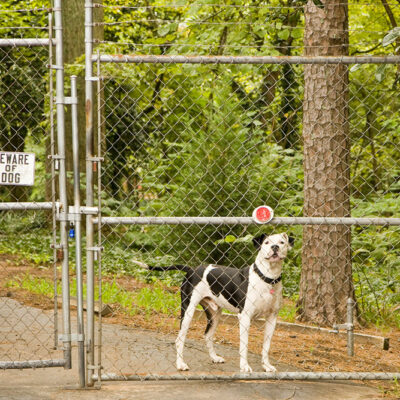
Installing fences around the yard is a crucial step to preventing one’s pet companion from wandering away from home. These days, invisible fences have emerged as a popular safety mechanism. Usually installed either underground or using wireless transmitters, they emit radioactive signals to the pet’s collar whenever it tries to cross the boundary, triggering a static shock to alert them. However, here are some reasons why these aren’t the best solutions for one’s furry friends. Sudden and fear-inducing static shocks When pets receive static shocks from invisible electric fences whenever they try to cross the boundary, they may not understand what’s causing it. Therefore, this can make them scared of the outcome whenever they approach the boundary and may start showing fear-related behaviors. For example, they may completely avoid strolling the yard and might always seek refuge indoors. So, in a way, invisible electric fences may affect pets’ mental well-being. Potential collar injuries Although the electric shock generated by invisible wires is static and not harmful to pets, the fence collar may cause injury by rubbing uncomfortably against their neck. In addition to discomfort, this may lead to wounds and infections among pets. Ineffectiveness because of the pet’s prey drive Hunting their prey is a natural instinct among dogs and cats, and sometimes, even invisible electric fences may not deter them when they start their prey hunt.

Top Articles

What Counts as Public Records?
Open-Records

What Counts as Public Records?

Public records play an important role in government transparency, legal processes, and everyday life. These records allow citizens to access certain types of information created or maintained by government agencies. Whether you are researching property ownership, conducting a background check, verifying court information, or tracing business records, public records can provide valuable insight. At the same time, many people misunderstand what “public records” actually means. Not every government document is open to the public, and access rules often vary by state and agency. Understanding which records are considered public can help you navigate the process more effectively while respecting legal and privacy boundaries. What Are Public Records? Public records are documents or pieces of information created, stored, or maintained by government agencies that members of the public can legally access. These records may exist at the: Federal level State level County level City or municipal level Public records laws are designed to promote accountability and transparency. In many cases, citizens can request records directly from government offices or access them through online databases. However, some records contain restricted or confidential information and may only be partially accessible. Why Public Records Exist Public records support transparency within government operations. They allow citizens, journalists, businesses, and legal professionals to review information connected to public activity.
Key Differences Between Free and Paid People Search Tools
Open-Records

Key Differences Between Free and Paid People Search Tools

People search tools have become go-to resources for reconnecting with lost contacts, verifying identities, or simply learning more about someone before a first meeting. Whether you’re a cautious renter vetting a new roommate or someone trying to track down a childhood friend, these tools promise quick answers. But not all search tools are created equal. The gap between free and paid options is wider than most users expect — and it matters. What Free People Search Tools Actually Offer Free people search platforms are accessible to anyone with an internet connection. They typically pull from public records, social media profiles, and open-source data repositories to surface basic information — a name, a general location, sometimes an employer or an estimated age range. The appeal is obvious: no cost, no commitment, and often no account required. But the limitations are real. Results tend to be fragmented, outdated, or incomplete. A search might return a name and a state but omit a current address or contact number. For casual, low-stakes inquiries, this level of detail can be enough — but it often isn’t. Why the Gaps Matter Data freshness is a persistent issue with free tools. Most don’t update their databases regularly, which means results may reflect a person’s situation from several years ago — a former address, an old employer, or a phone number that’s no longer in use.
5 Things to Look for in a Background Check Tool
Open-Records

5 Things to Look for in a Background Check Tool

Background check tools have become a practical necessity — whether for employers screening job candidates, landlords vetting tenants, or individuals researching someone’s history. With so many platforms available, picking the right one can feel overwhelming. Not every tool delivers the same depth, accuracy, or legal compliance. Knowing what separates a reliable platform from a mediocre one makes the decision far clearer. Here is what to prioritize when evaluating a background check tool. 1. Depth and Range of Data Coverage The value of any background check tool rests heavily on the breadth of its data sources. A strong platform pulls from multiple databases — criminal records, court filings, address histories, employment verifications, and more — rather than relying on a single source. Shallow tools may miss critical records simply because they lack the reach. Before committing to any platform, confirm it accesses verified, legally sourced data across the categories most relevant to the intended use. Public vs. Proprietary Data Some tools rely purely on publicly available records, while others supplement these with proprietary databases. The combination typically yields more complete results — particularly for records that are harder to access through standard public channels. Neither approach is inherently better, but knowing which one a tool uses helps set realistic expectations.
Background Checks and the FCRA – What’s Allowed and What’s Not
Open-Records

Background Checks and the FCRA – What’s Allowed and What’s Not

When hiring a new employee, you want to ensure you are making the right choice. One way to do that is to perform a background check. A background check is an excellent tool to verify qualifications and ensure workplace safety. However, running these checks is not as simple as doing a quick internet search. The Fair Credit Reporting Act, or FCRA, regulates how employers gather and use background information. What Is the FCRA? The Fair Credit Reporting Act is a federal law enacted in 1970 to protect consumer privacy and ensure accuracy in background reporting. While it sounds like it only applies to credit cards and loans, it actually covers any background check conducted by a third-party company, known as a Consumer Reporting Agency. If you hire an outside vendor to check a candidate’s criminal records, employment history, or driving record, you are bound by the FCRA. This law gives job applicants specific rights regarding how their personal information is handled and used during the hiring process. What Is Allowed? Employers have a lot of flexibility when it comes to vetting candidates, provided they follow the rules. You are legally allowed to look into several key areas to verify a candidate’s fitness for a role.