
The Limits of a Fraud Scan: What Public Records Can and Cannot Reveal
Fraud scans are useful tools, but they have real gaps. This balanced look covers what they reliably surface and where their data falls short.
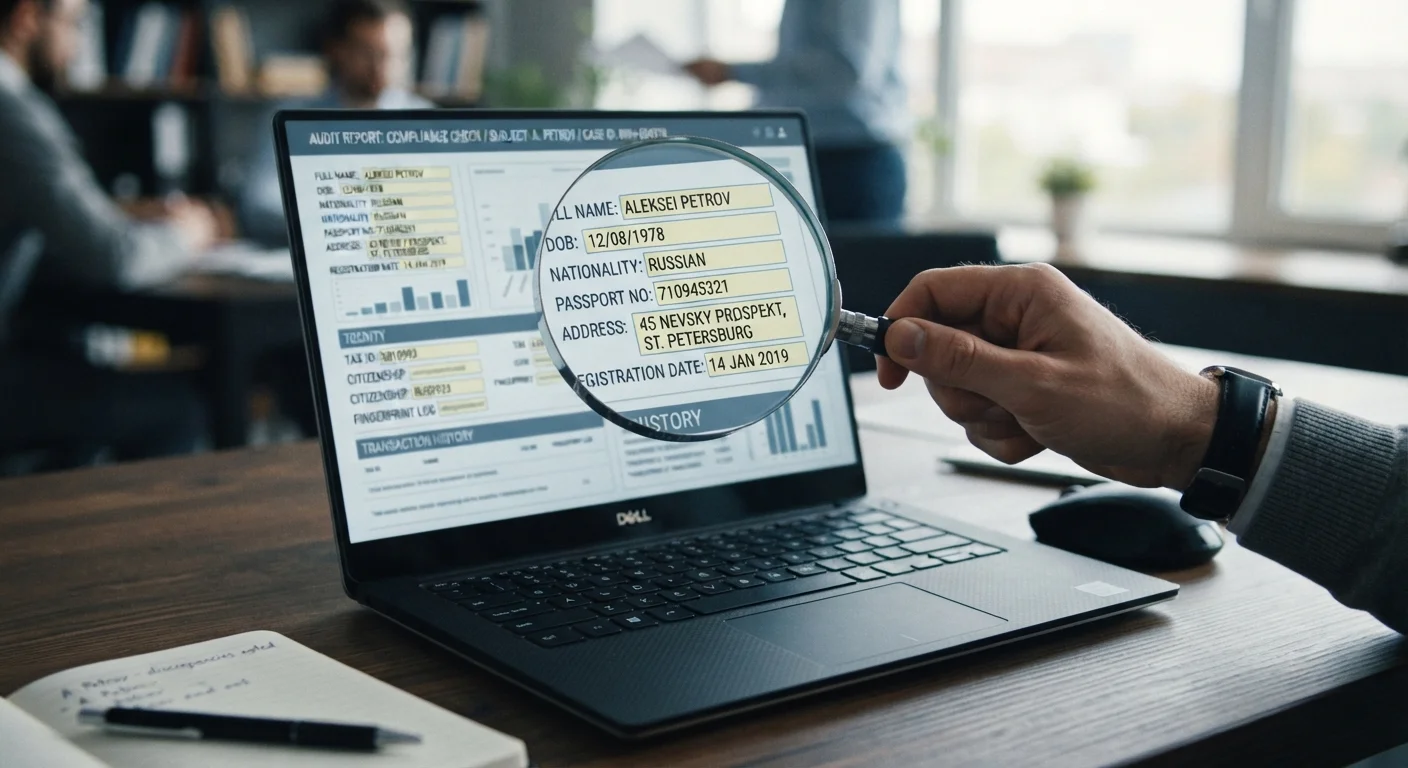
Photo: searchopenrecords editorial
—— In This Article
Key Takeaways
- Fraud scans cross-reference identity data against public records to flag inconsistencies, not confirm guilt.
- They reliably surface address discrepancies, SSN anomalies, and certain court-linked fraud indicators.
- They cannot access sealed records, private financial data, or unreported criminal activity.
- A flag in a fraud scan is a prompt for further investigation, not a definitive conclusion.
- Data coverage varies significantly depending on which sources a scan draws from.
Surfaces SSN anomalies tied to public records
Fraud scans can detect SSNs issued to deceased individuals or assigned after a person's stated birth date — both are reliable, publicly traceable indicators of potential identity misuse.
Flags address history inconsistencies quickly
Cross-referencing address history against SSN issuance geography and voter or property records can reveal patterns inconsistent with a person's stated identity, often in seconds.
Surfaces digitized court-linked fraud records
Civil judgments for financial fraud and indexed criminal convictions involving identity theft or forgery do appear when the underlying court records are digitized and accessible.
Consolidates multi-source data into one report
Rather than querying individual county courthouses or state databases separately, a fraud scan aggregates signals from multiple sources, reducing the manual research burden significantly.
Provides a structured starting point for due diligence
Even when results are inconclusive, the structured output of a fraud scan gives investigators and researchers a documented baseline to build further inquiry from.
Cannot access sealed or expunged court records
Court orders sealing or expunging records remove them from public access, meaning fraud convictions that were later expunged will not appear in any public-records-based scan.
Coverage varies sharply by jurisdiction
U.S. court records are maintained at the county level, and many jurisdictions have not digitized older files. Fraud activity recorded only in paper archives will not surface in any scan.
Flags can reflect data errors, not actual fraud
Address mismatches and name variations are frequently the result of clerical errors, legal name changes, or database synchronization delays — not deliberate misrepresentation.
No access to private financial or banking data
Fraud scans draw from public records; they cannot query private credit bureau files, bank transaction data, or proprietary fraud networks maintained by financial institutions.
Cannot detect unreported or uncharged fraud
If fraudulent activity has never been reported to law enforcement or resulted in a civil action, there is no public record for a scan to find — a clean report does not rule out past misconduct.
Data freshness varies across providers
Public records databases are updated on different schedules, meaning a recently filed judgment or newly issued warrant may not yet appear in a scan conducted shortly after the event.
What a Fraud Scan Actually Does
A fraud scan is a structured query that cross-references a person's identifying information — name, date of birth, Social Security Number (SSN), and address history — against aggregated public records databases. The goal is to flag patterns that suggest possible identity manipulation, misrepresentation, or documented fraud activity.
These scans do not make a determination of fraud. Instead, they surface indicators: data points that deviate from expected patterns or that appear on lists tied to fraudulent activity. For a broader look at what categories of records typically appear in this kind of search, see what records commonly surface in a background check.
Understanding that distinction — between an indicator and a finding — is essential before interpreting any result.
What Fraud Scans Reliably Surface
When working from well-maintained data sources, fraud scans can surface several categories of meaningful information:
Surfaces SSN anomalies tied to public records
Fraud scans can detect SSNs issued to deceased individuals or assigned after a person's stated birth date — both are reliable, publicly traceable indicators of potential identity misuse.
Flags address history inconsistencies quickly
Cross-referencing address history against SSN issuance geography and voter or property records can reveal patterns inconsistent with a person's stated identity, often in seconds.
Surfaces digitized court-linked fraud records
Civil judgments for financial fraud and indexed criminal convictions involving identity theft or forgery do appear when the underlying court records are digitized and accessible.
Consolidates multi-source data into one report
Rather than querying individual county courthouses or state databases separately, a fraud scan aggregates signals from multiple sources, reducing the manual research burden significantly.
Provides a structured starting point for due diligence
Even when results are inconclusive, the structured output of a fraud scan gives investigators and researchers a documented baseline to build further inquiry from.
Address history inconsistencies are among the most commonly flagged signals — for instance, an SSN that was issued in one state but has only ever appeared in records associated with a distant region. Similarly, SSNs that appear to belong to deceased individuals, or that were issued after a person's claimed birth date, are reliable red flags that public records can expose.
Court-linked fraud records — such as civil judgments for financial fraud or criminal convictions involving identity theft — do appear in fraud scan results when those records are digitized, publicly accessible, and indexed by the data provider. For a practical guide to what these entries look like in a report, see this field guide to fraud scan data.
Where Fraud Scans Fall Short
The limitations of a fraud scan are structural, not incidental. They stem from how public records are collected, maintained, and shared — and no scan can fully overcome them.
Cannot access sealed or expunged court records
Court orders sealing or expunging records remove them from public access, meaning fraud convictions that were later expunged will not appear in any public-records-based scan.
Coverage varies sharply by jurisdiction
U.S. court records are maintained at the county level, and many jurisdictions have not digitized older files. Fraud activity recorded only in paper archives will not surface in any scan.
Flags can reflect data errors, not actual fraud
Address mismatches and name variations are frequently the result of clerical errors, legal name changes, or database synchronization delays — not deliberate misrepresentation.
No access to private financial or banking data
Fraud scans draw from public records; they cannot query private credit bureau files, bank transaction data, or proprietary fraud networks maintained by financial institutions.
Cannot detect unreported or uncharged fraud
If fraudulent activity has never been reported to law enforcement or resulted in a civil action, there is no public record for a scan to find — a clean report does not rule out past misconduct.
Data freshness varies across providers
Public records databases are updated on different schedules, meaning a recently filed judgment or newly issued warrant may not yet appear in a scan conducted shortly after the event.
A particularly important gap is jurisdictional inconsistency. Court records in the U.S. are maintained at the county level, and digitization rates vary widely. A fraud conviction in a jurisdiction with paper-only records may simply not appear. This is a known limitation explored in depth in our article on the real limitations of online public record searches.
Fraud scans also cannot access sealed records, expunged convictions, or non-public financial data such as bank account details or private credit bureau files. For a fuller picture of where privacy protections apply, see Privacy & Limits.
Fraud Scans Are Not Consumer Reports in All Contexts
When a fraud scan is used to make decisions about employment, tenancy, or credit, it may qualify as a consumer report under the Fair Credit Reporting Act (FCRA), triggering specific legal obligations for the user — including disclosure and adverse action requirements. When used for general informational research without a covered purpose, different rules apply. If you are using fraud scan results to make decisions affecting another individual, consult a qualified legal professional to confirm your obligations under applicable law.
Interpreting Results Without Overreaching
A flag in a fraud scan output is the beginning of an inquiry, not the end of one. Common misinterpretations include treating an address discrepancy as proof of deception (when it may reflect a data entry error) or reading a clean report as proof that no fraud exists.
The scan's output is only as reliable as its data sources. Because different providers draw from different pools of records, two scans of the same individual can return meaningfully different results. That variability is explained further in how fraud scan data varies across different background check sources.
For the most common mistakes made when reading these reports — and how to avoid them — see interpreting fraud scans accurately. And if you're using fraud indicators to make decisions that affect another person, responsible use of fraud indicators outlines the ethical and legal framework that should guide that process.
~30%
U.S. counties lacking fully digitized court records
Studies of court digitization across the U.S. have consistently found that a substantial share of county-level court records remain in paper-only or partially digitized form, limiting what any online scan can surface.
1 in 3
Background check reports containing at least one error
Consumer advocacy research has indicated that a significant proportion of background check reports contain inaccurate or outdated information, underscoring why scan results should prompt verification rather than immediate conclusions.

Background Checks Editorial Team
Background Checks Editorial Team is the collective byline for our editorial team and contributor network. Articles published under this byline or an editorial pen name are researched, written, and reviewed according to our editorial standards for clarity, consistency, and independence before publication.
View author profile