

Background Checks Editorial Team
Background Checks Editorial Team is the collective byline for our editorial team and contributor network. Articles published under this byline or an editorial pen name are researched, written, and reviewed according to our editorial standards for clarity, consistency, and independence before publication.
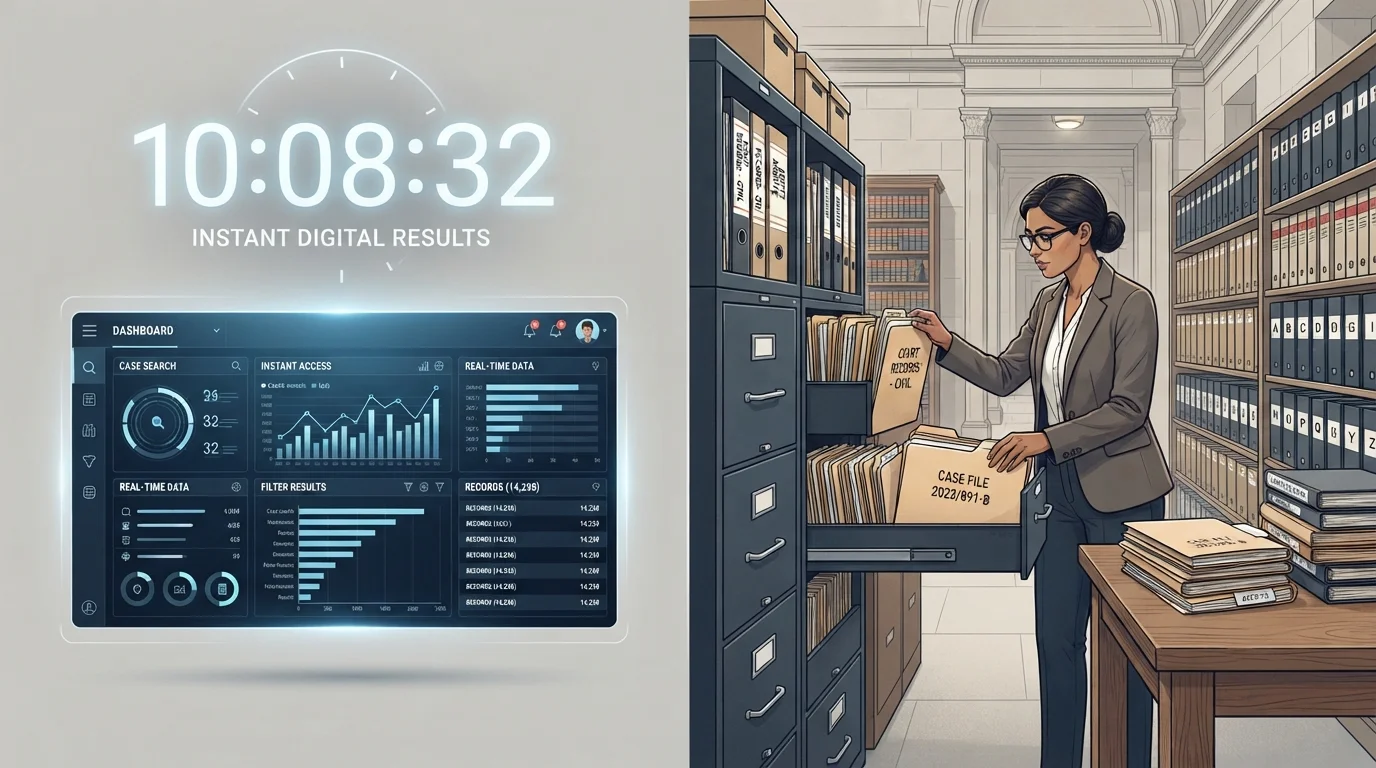
Background Check Timelines: Why Some Reports Take Minutes and Others Take Weeks
Processing time varies widely depending on check type, jurisdiction, and data availability. Here's what drives those differences.
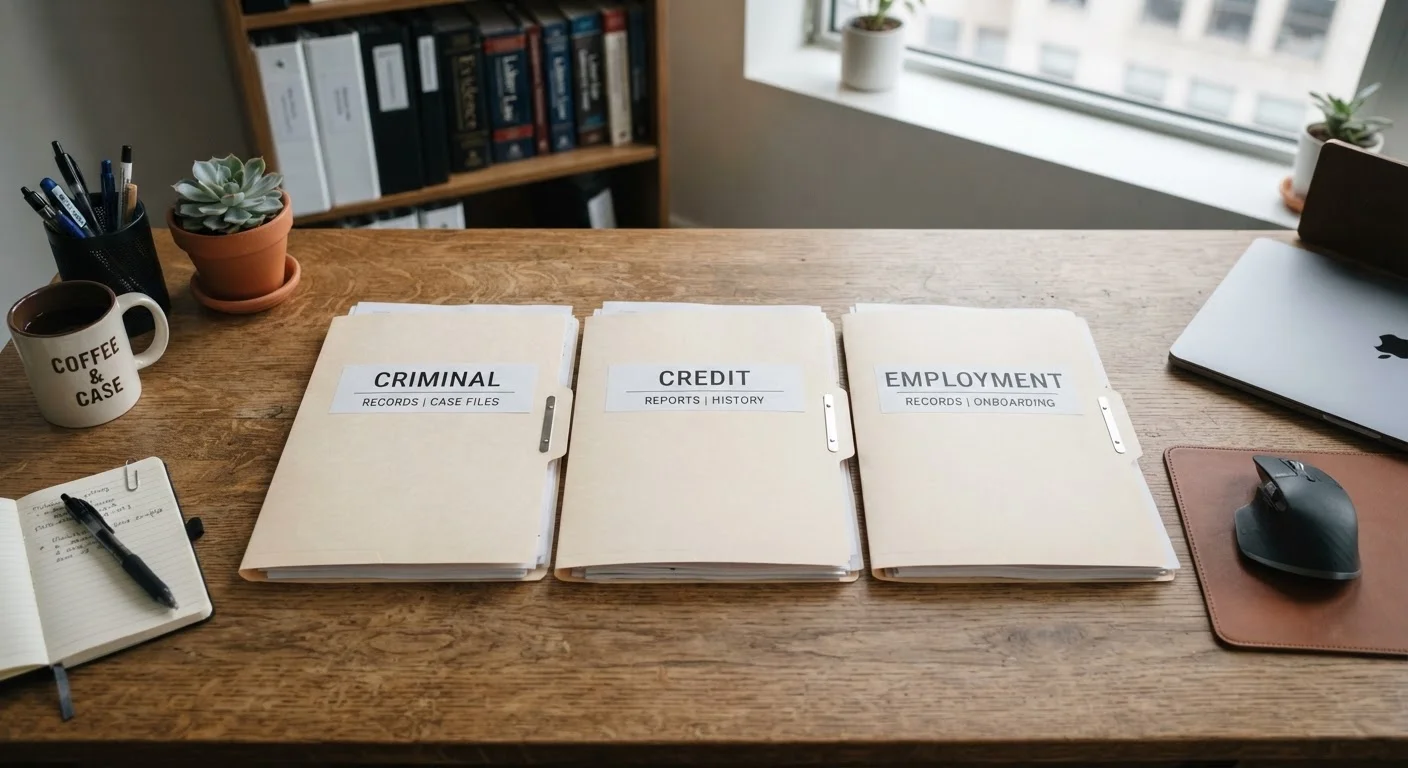
Criminal, Credit, Employment: How Different Background Check Types Are Structured
Not all background checks search the same records. This breakdown explains what each check type covers and how each is assembled.

Errors in Background Check Reports: Why They Happen and How to Dispute Them
Inaccurate records appear more often than most people expect. Learn the most common error types and the formal dispute process available to you.
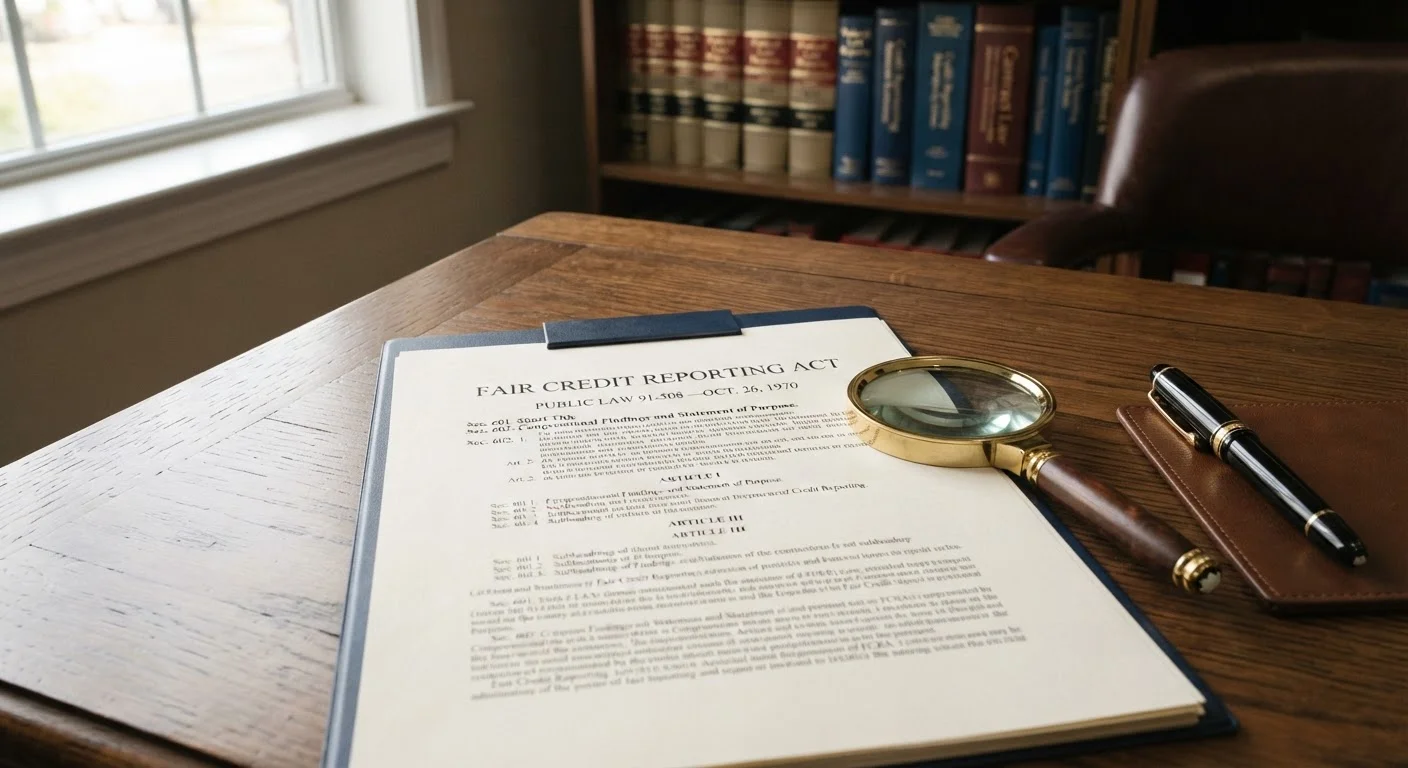
FCRA Basics: The Law That Governs How Background Checks Must Be Run
The Fair Credit Reporting Act sets strict rules on who can run a check, how results can be used, and what rights subjects retain.
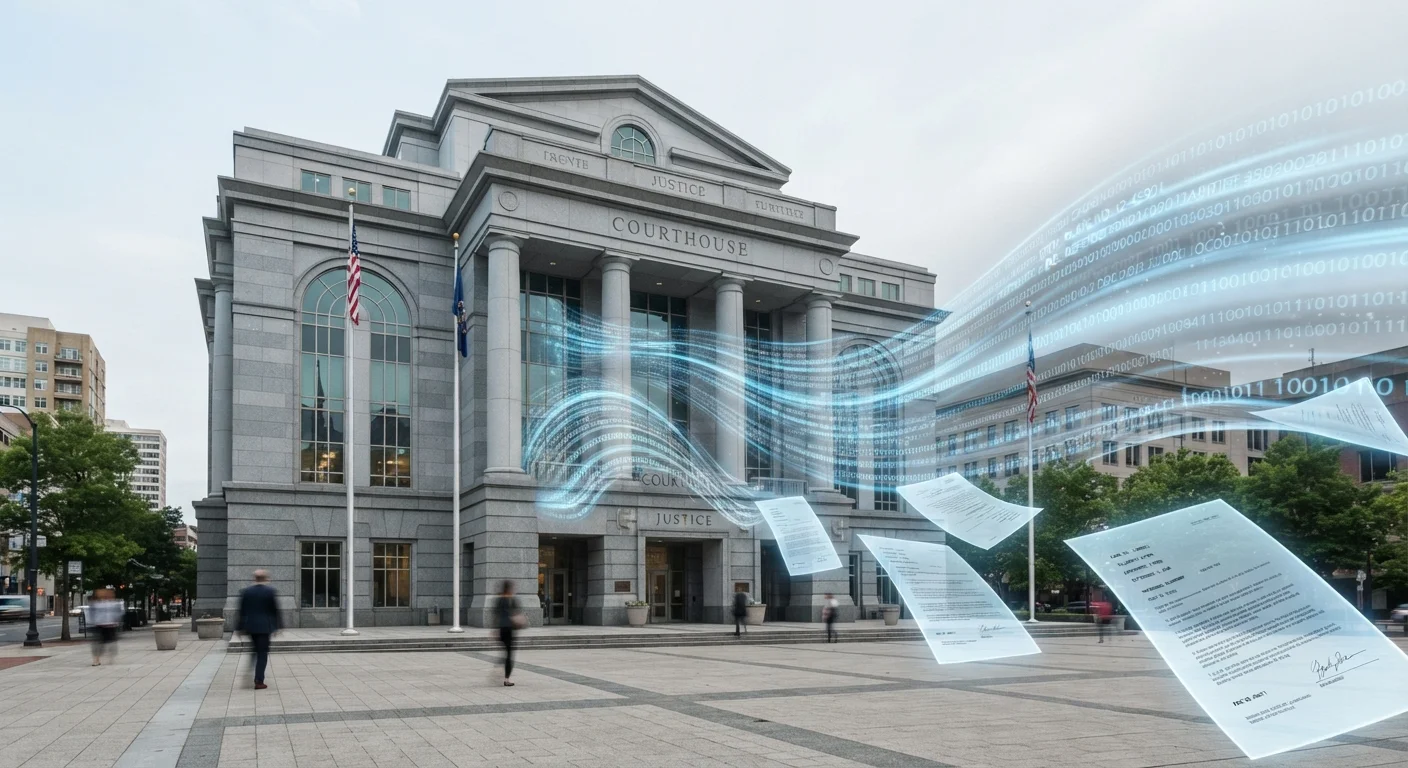
How Court Records Get Into a Background Check Report
Courthouse data doesn't flow automatically into reports. Learn how criminal records are collected, verified, and translated into readable results.

How Far Back Does a Background Check Go? Understanding Lookback Periods
Lookback limits vary by check type, state law, and purpose. This guide explains the rules that determine how much history a report can surface.
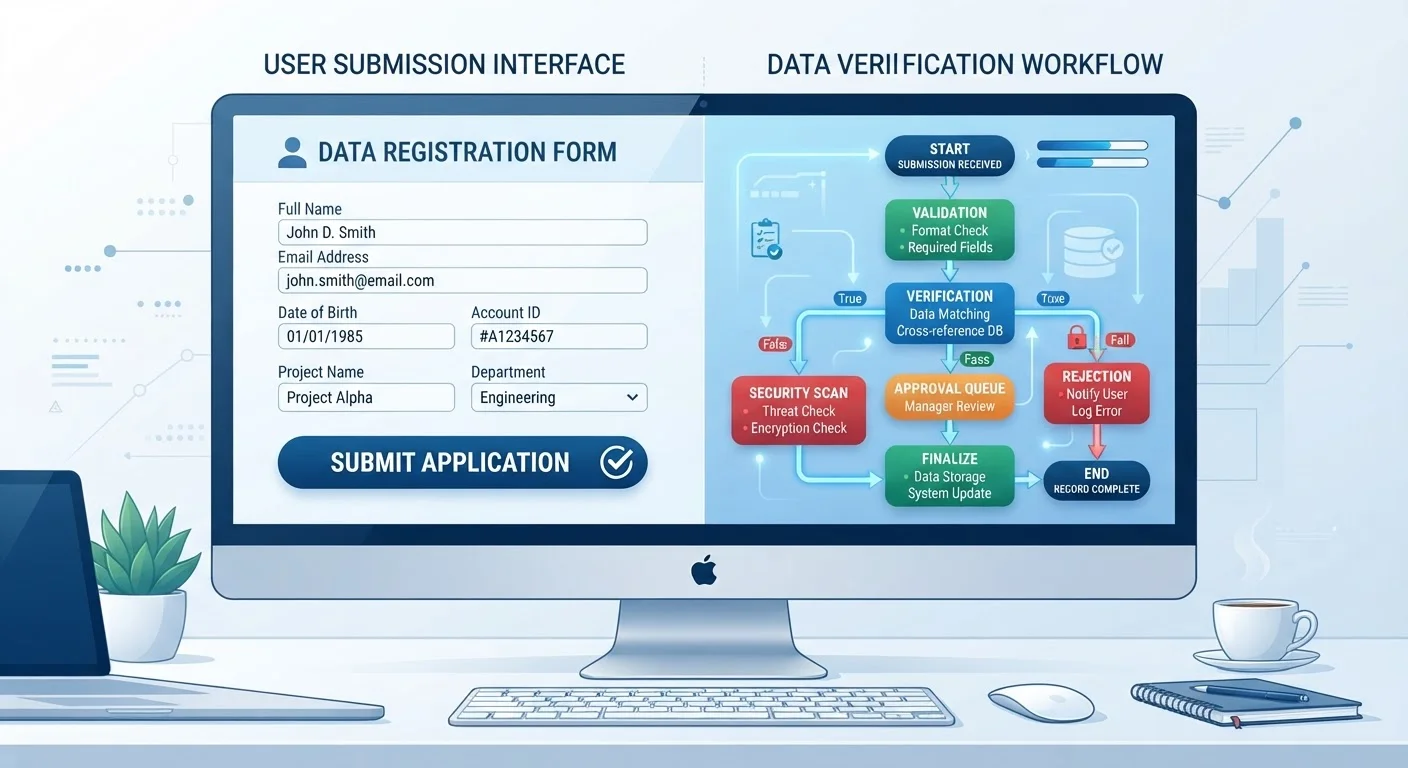
Inside a Background Check: What Actually Happens After You Hit Submit
From data request to final report, here's a clear walkthrough of every stage in the background check process.

Instant vs. Manual Background Checks: What's Really Different
Some checks return results in seconds; others take days. Here's why the difference matters and what each method actually involves.

Reading a Background Check Report: What Each Section Is Actually Telling You
Reports are dense and often jargon-heavy. This walkthrough decodes the common sections so you can interpret results accurately and confidently.
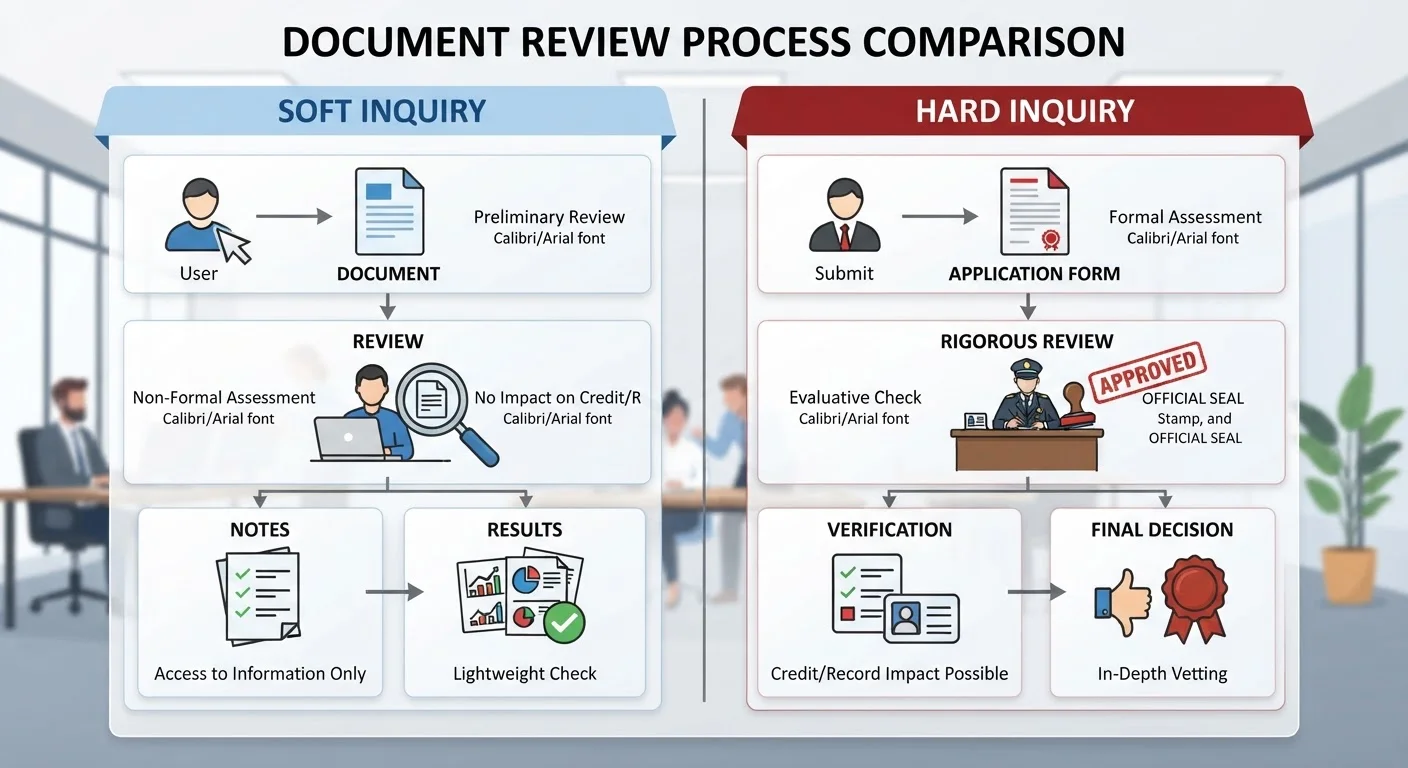
Soft vs. Hard Inquiries in Background Screening: A Common Point of Confusion
Credit-style inquiry language often bleeds into background check conversations. Here's what each term means and when it actually applies.

The Consent Step: Why Background Checks Require Your Permission
Consent isn't just a formality. Understand the legal reasons background checks require written authorisation before any search begins.
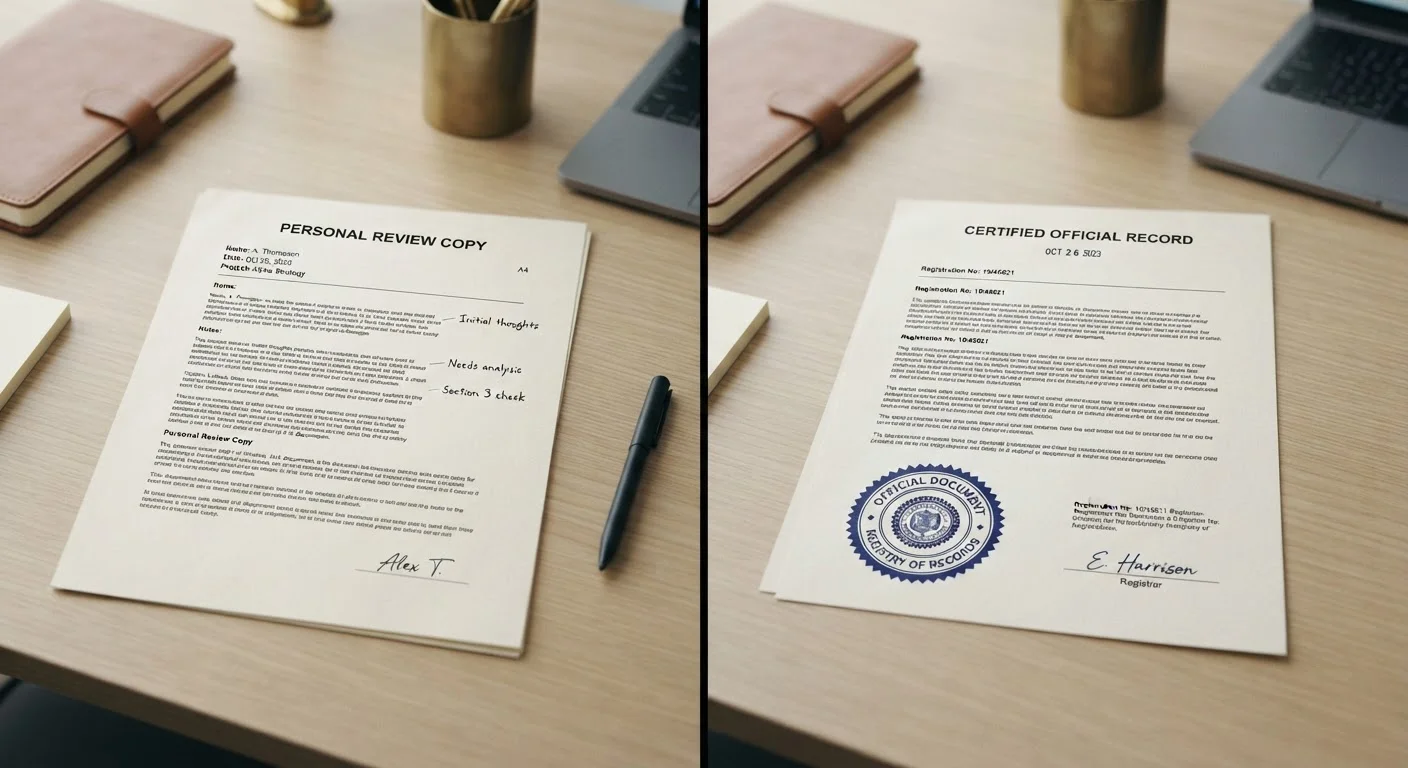
The Difference Between a Self-Check and a Third-Party Background Check
Running a check on yourself works differently than one run by an employer or landlord. Here's how the two processes diverge in scope and legal standing.
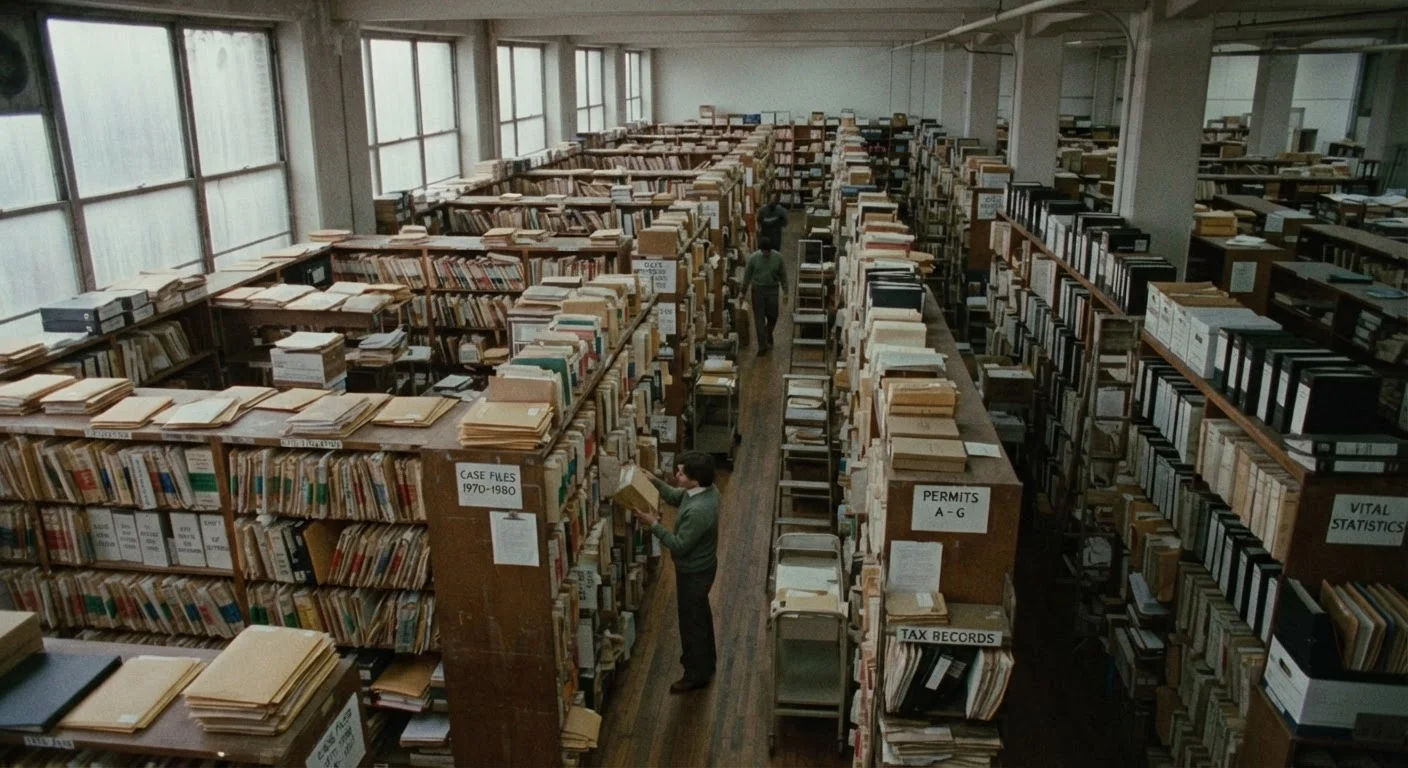
The Public Records Trail: Where Background Check Data Actually Comes From
Background checks pull from dozens of sources. Learn which databases, courts, and repositories feed the reports most people never question.

What Happens to Your Information After a Background Check Is Complete
Once a report is delivered, your data doesn't disappear. Learn how retention, storage, and deletion obligations work under U.S. law.

What a Consumer Reporting Agency Actually Does with Your Data
CRAs are the engines behind most formal background checks. Here's how they collect, store, and transmit personal information within legal limits.
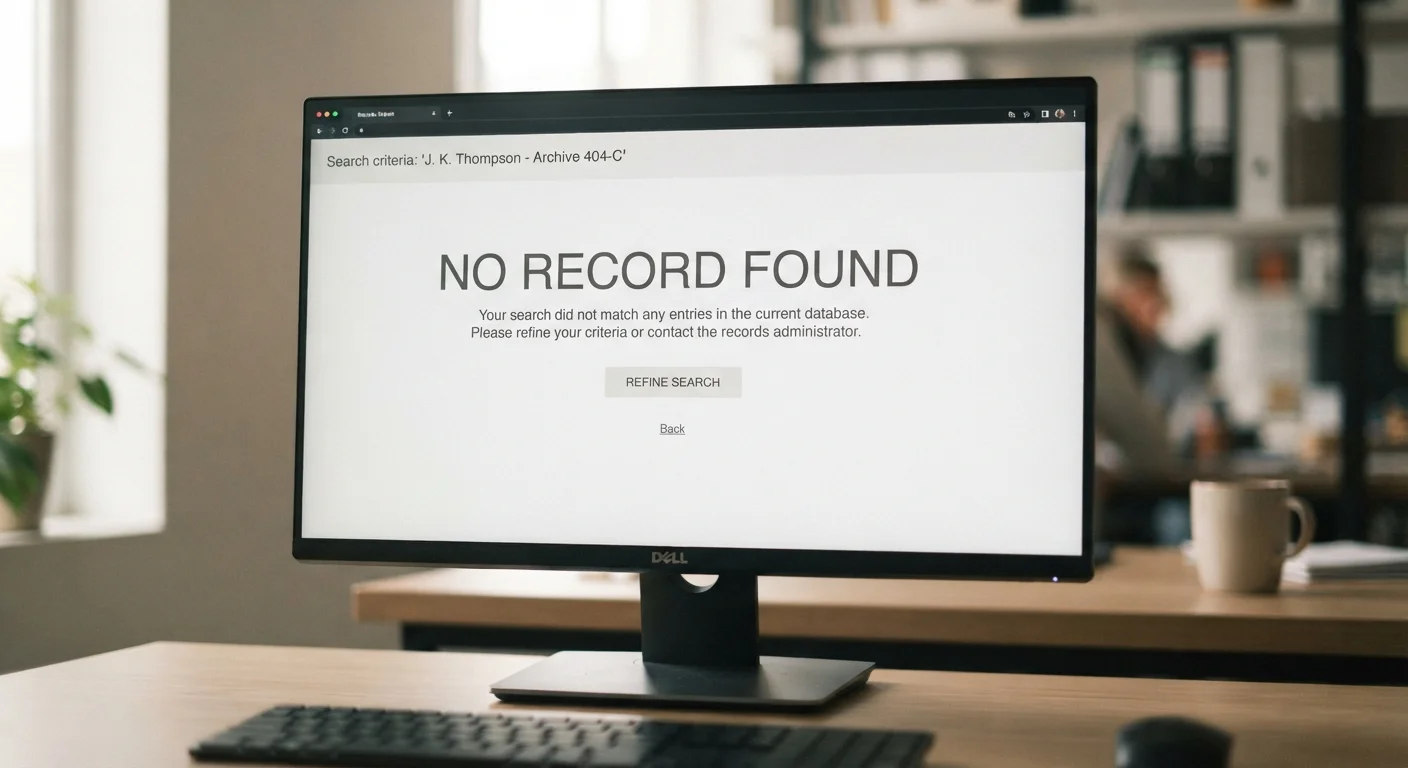
When a Background Check Returns No Record: What That Result Really Means
A clean result isn't always a complete one. Understand the data gaps and jurisdictional limits that can produce a 'no record found' response.
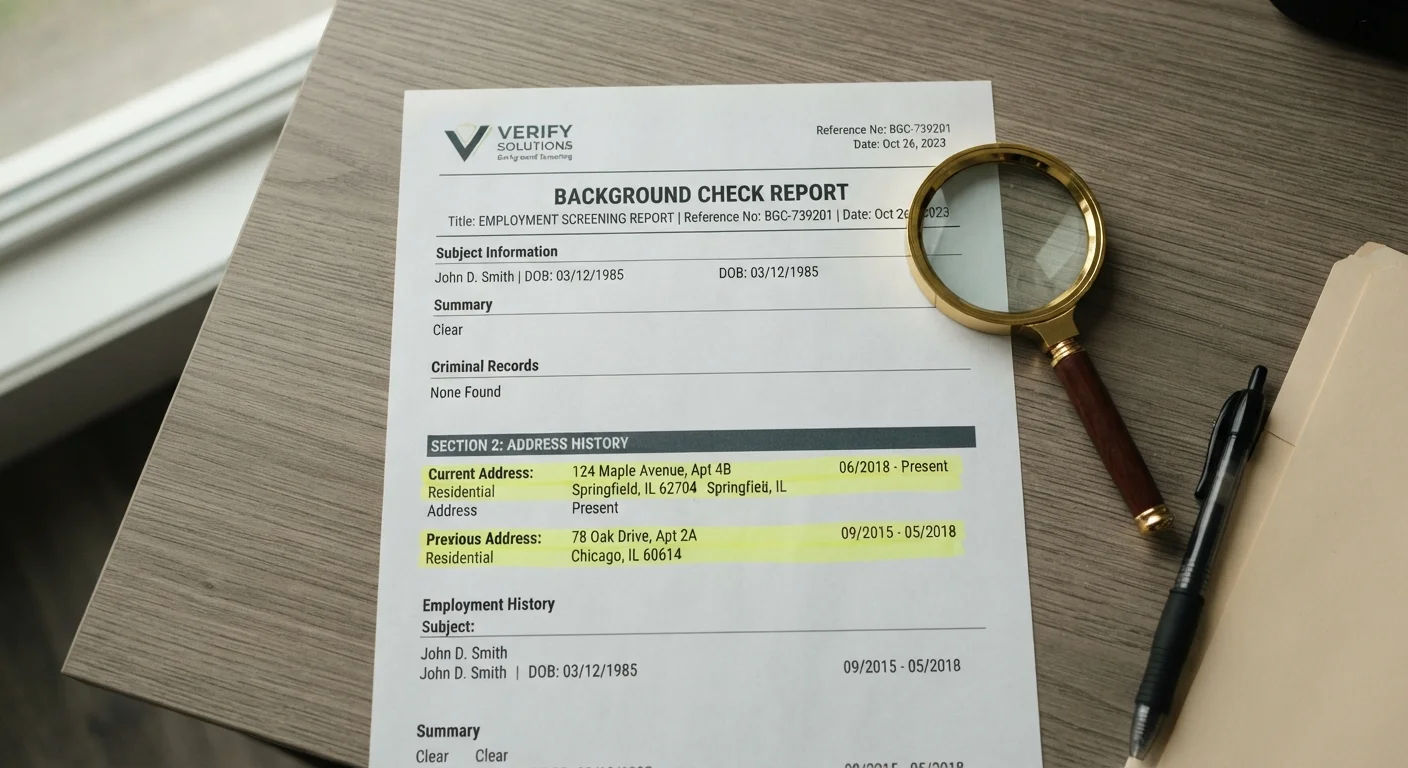
Address History on a Background Check: How It's Compiled and What It Reveals
Address history is one of the most consistently appearing sections in background reports. Learn where this data comes from and how it's used to verify identity.
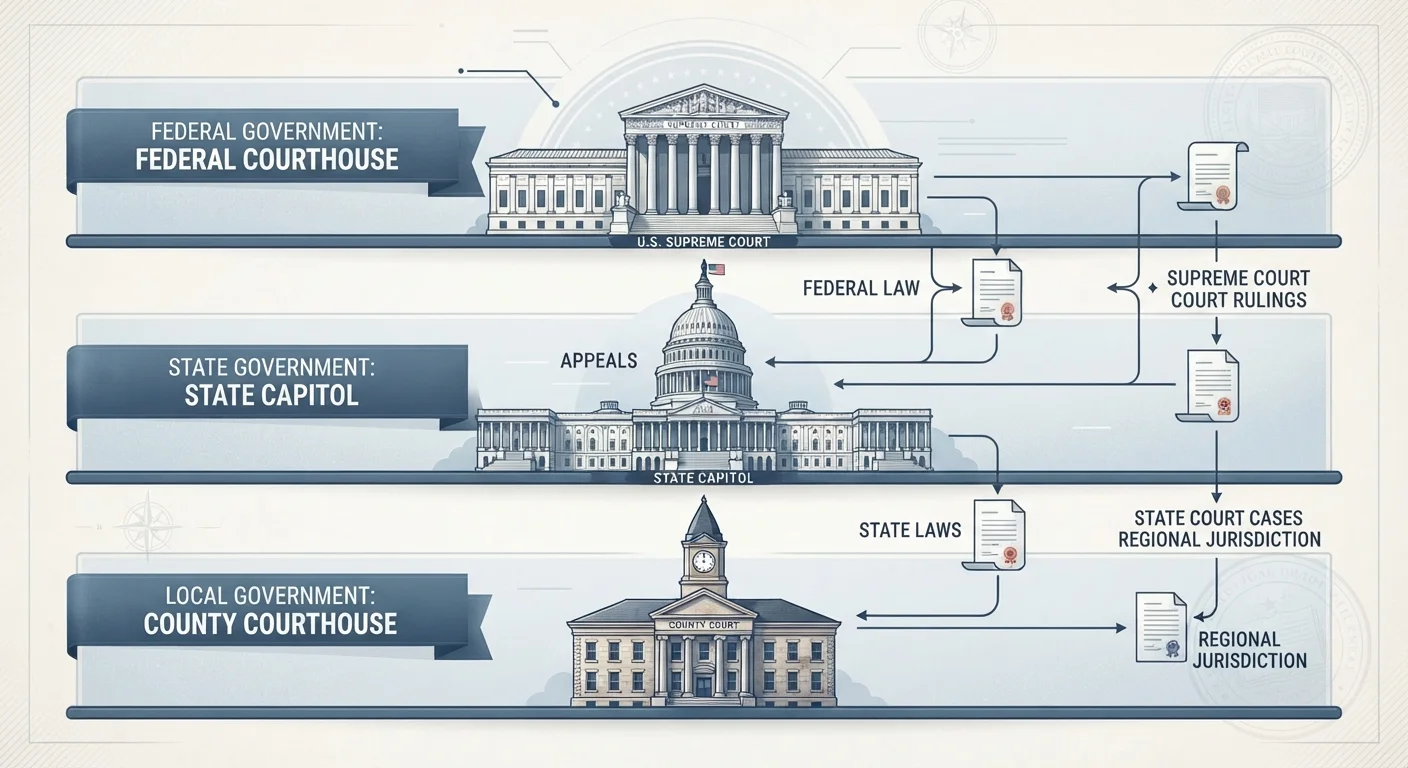
Background Check Records: Federal, State, and County — What Each Level Captures
Criminal and court records exist across multiple government levels. This guide explains what each jurisdiction captures and why coverage can vary widely.
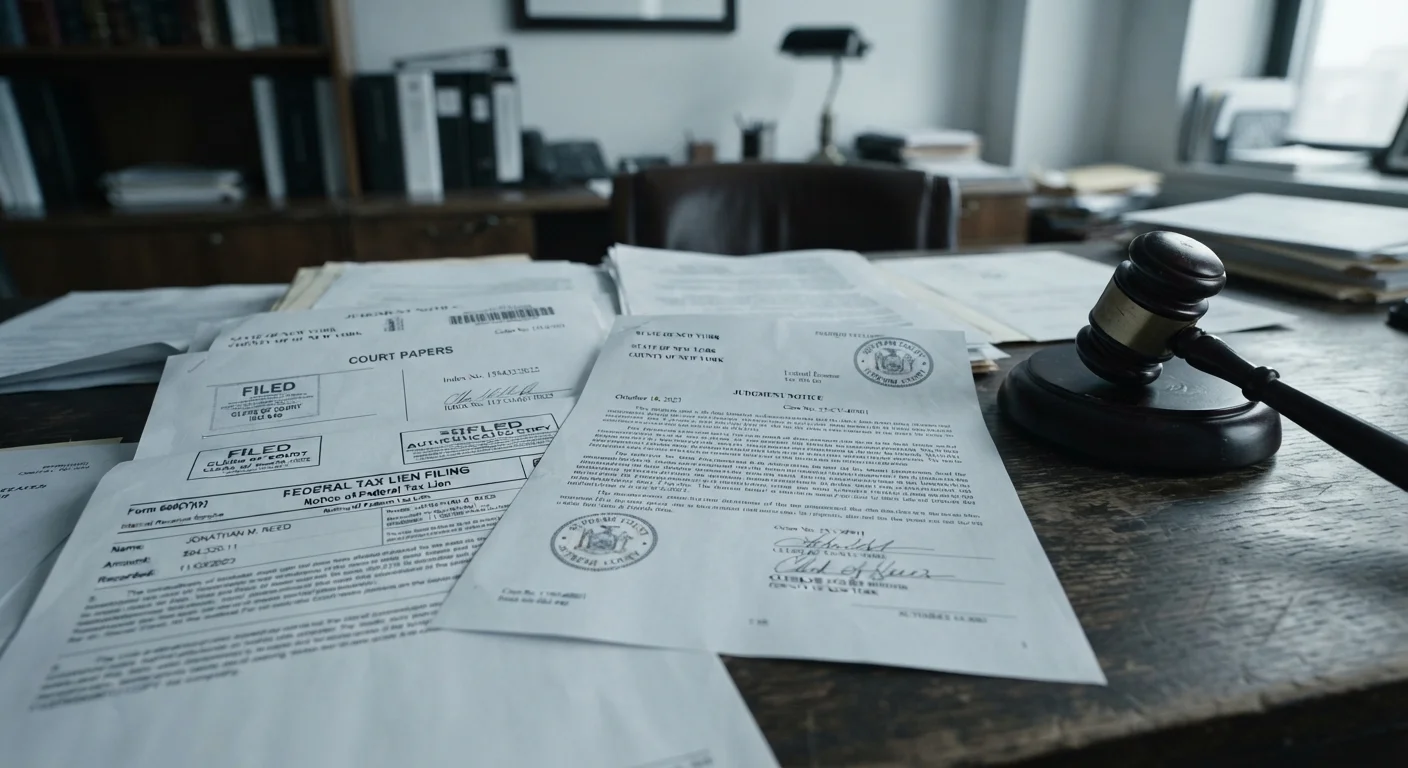
Civil Court Records and Background Checks: Lawsuits, Judgments, and Liens Explained
Civil records like lawsuits, judgments, and liens can appear in background checks. Here's what each means and how they differ from criminal findings.
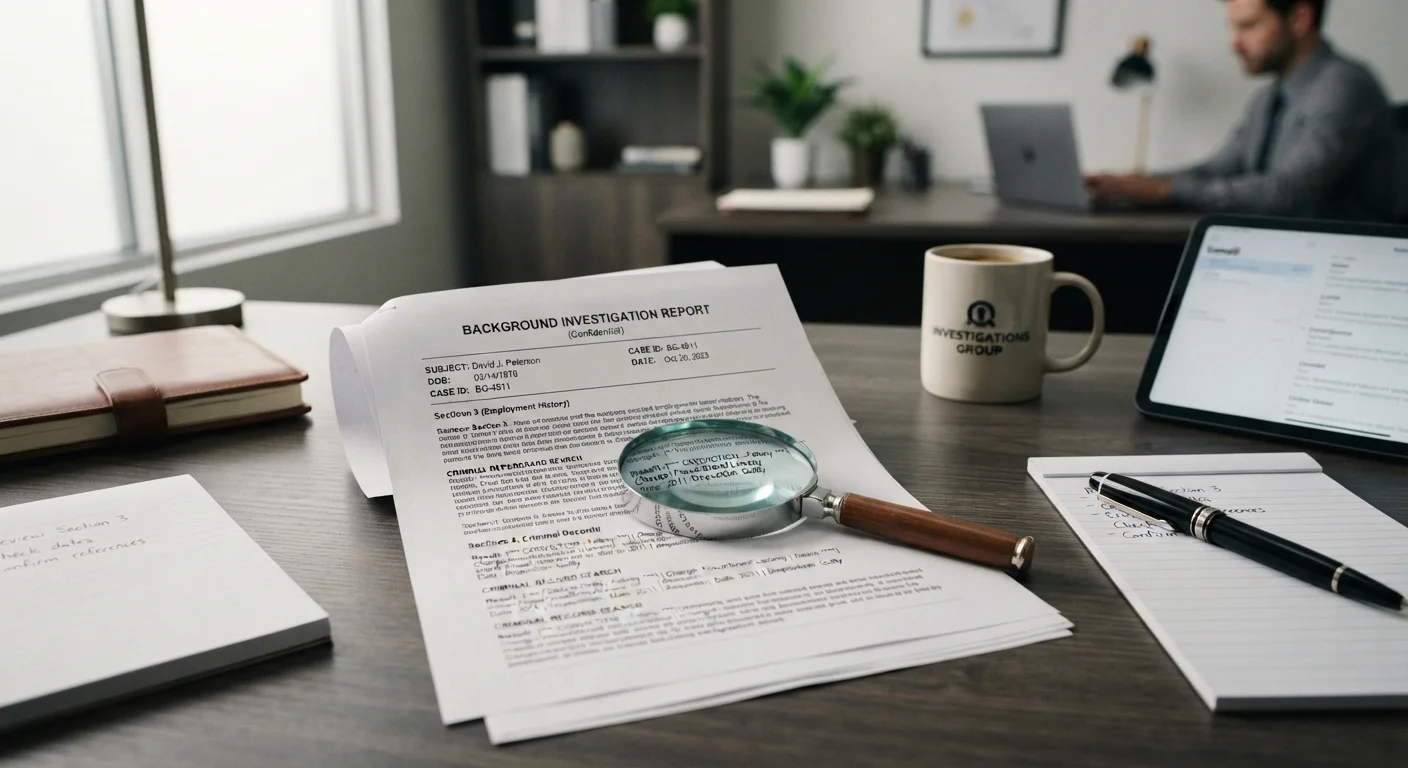
Common Misconceptions About What Shows Up on a Background Check
Many people assume background checks are more complete — or more invasive — than they actually are. Here's what the evidence really shows.
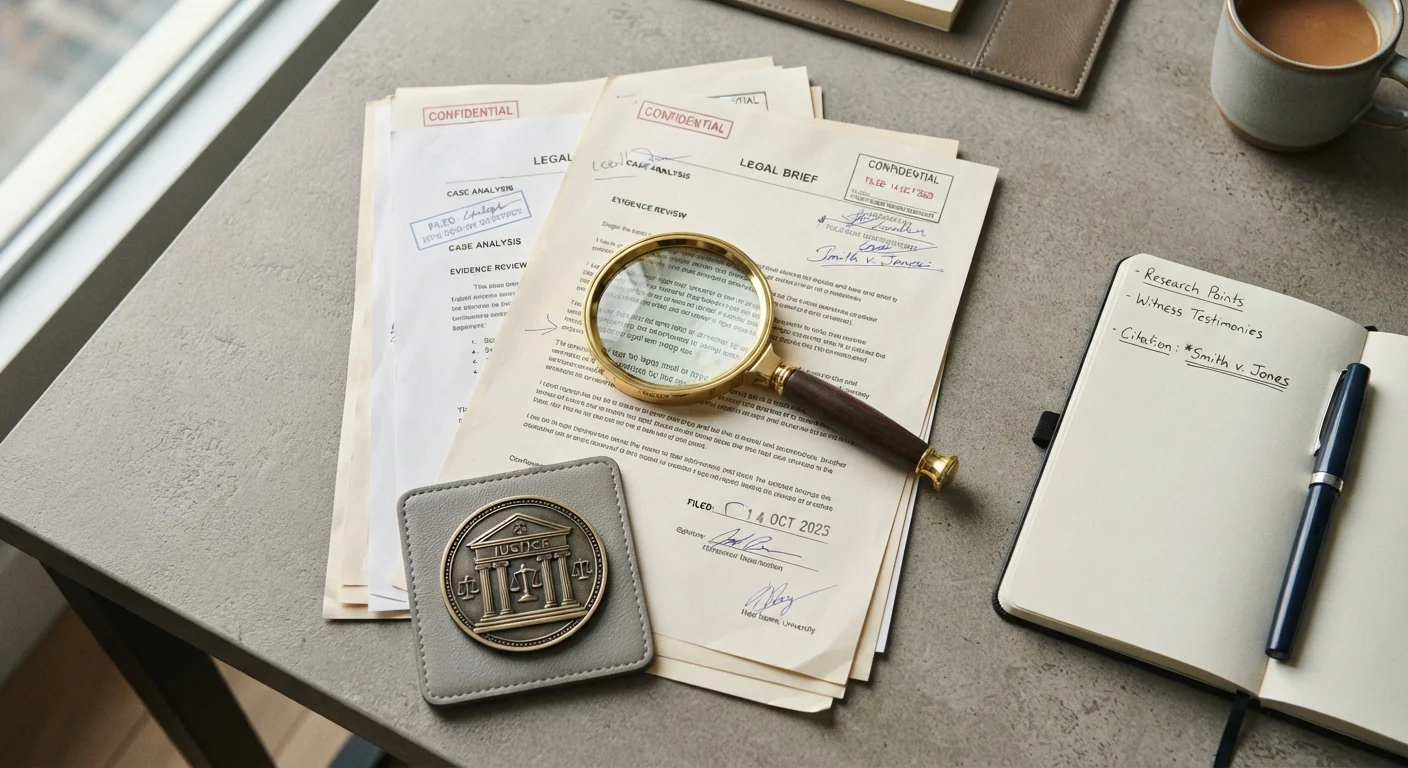
Criminal Records in Background Checks: What's Included and What Isn't
Not all criminal history shows up in every background check. Learn which records are typically surfaced, which are sealed, and why gaps exist.

Employment History Verification: What Background Checks Can and Cannot Confirm
Background checks rarely verify every job you've held. Learn what employment-related information actually appears and how verification typically works.
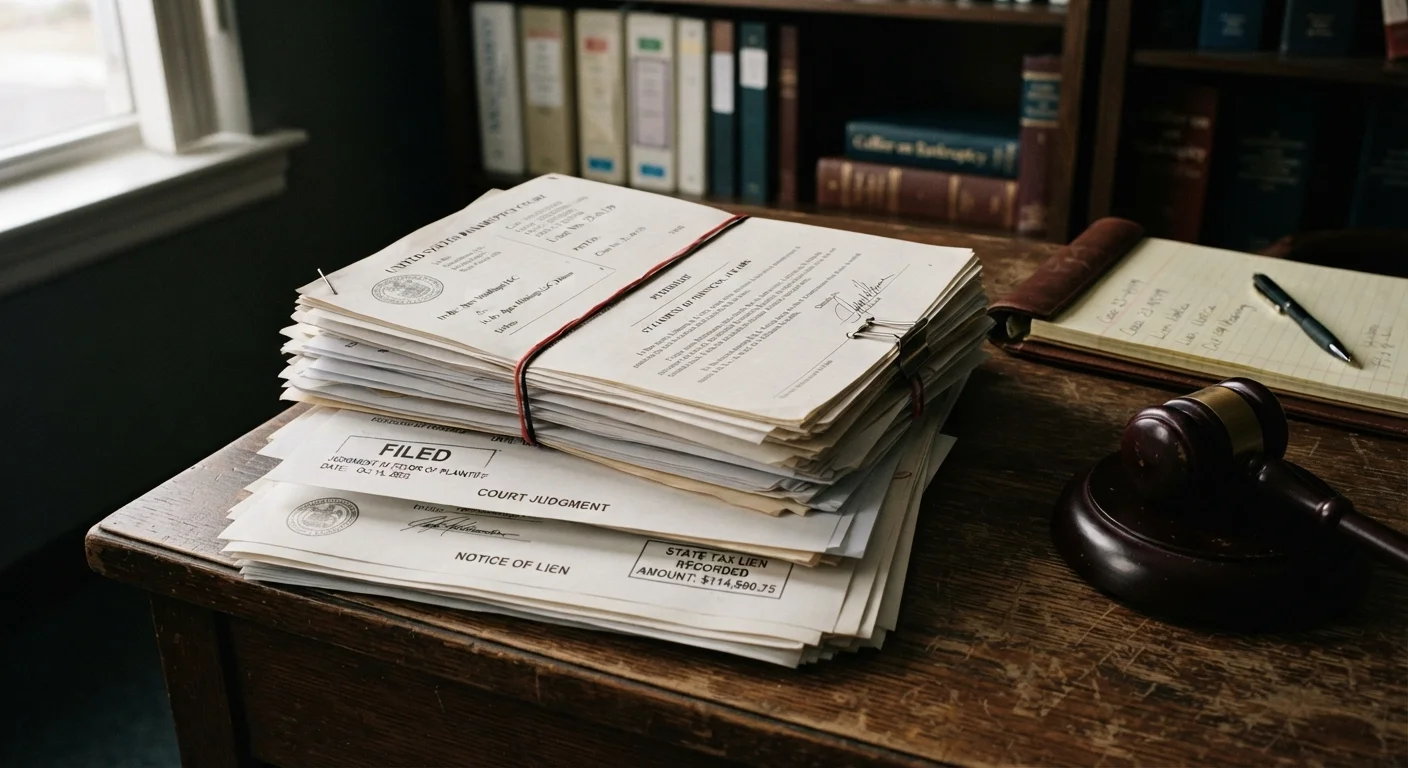
Financial Records That Appear in Background Checks: Bankruptcies, Liens, and Judgments
Certain financial records are part of the public record and can appear in background checks. This guide explains each type without providing financial advice.

How Expunged and Sealed Records Interact with Background Checks
Expungement doesn't always equal invisibility. Understand when sealed or expunged records can still surface and what determines their accessibility.
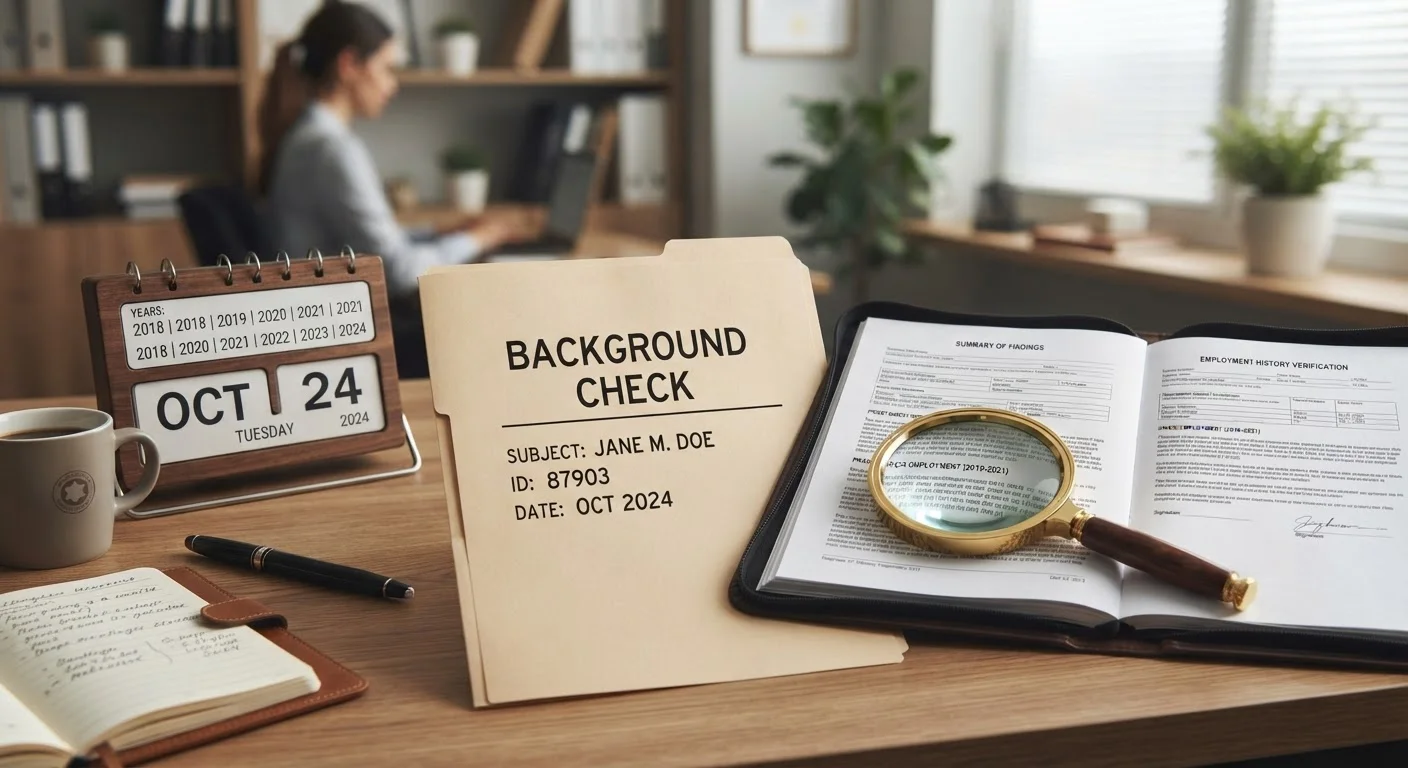
How Long Records Stay on a Background Check Report
Different record types have different lookback windows under federal and state law. Here's a clear breakdown of reporting time limits by record category.

Inside a Background Check Report: Every Section Explained
A plain-language walkthrough of every section you'll find in a standard background check report and what each piece of information actually means.
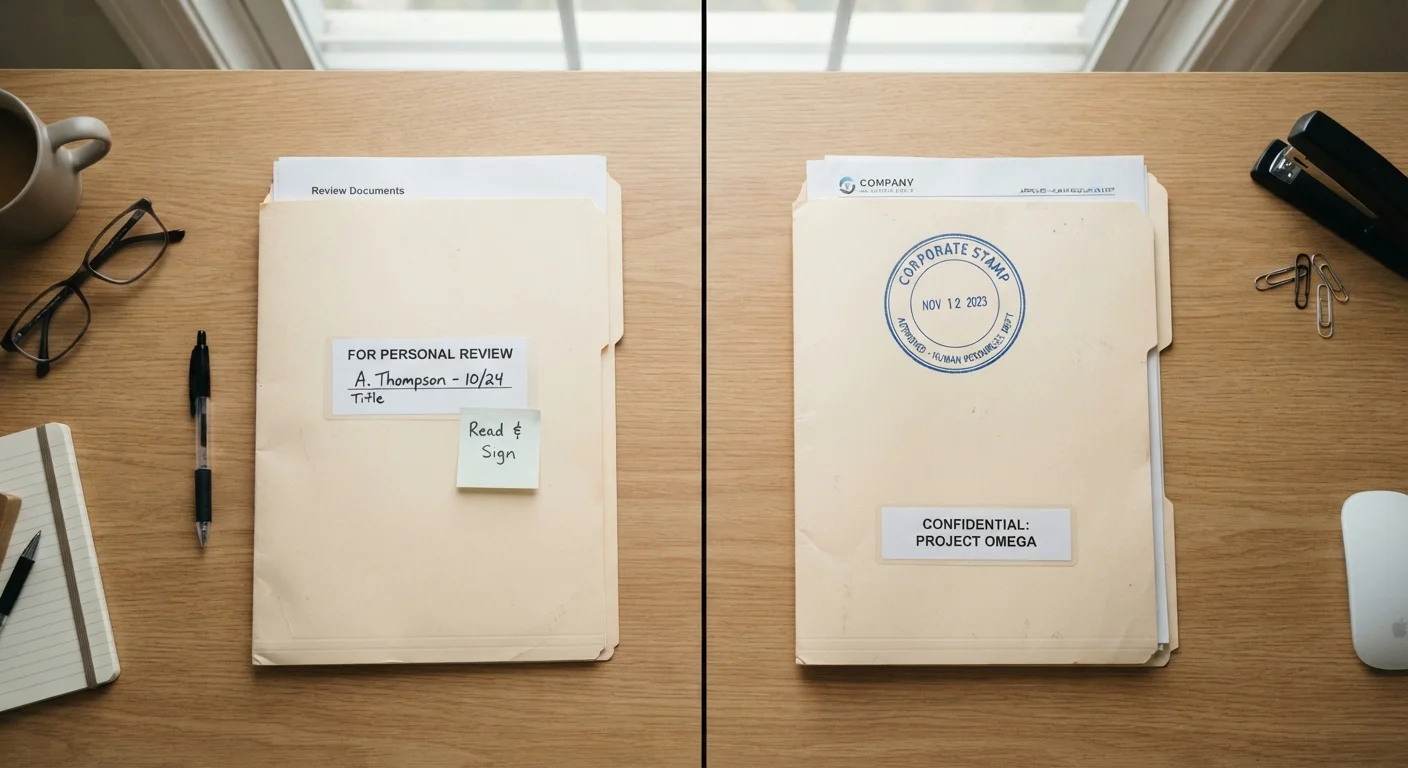
Personal Background Check vs. Employer-Ordered Check: What's Different
Running a check on yourself and having an employer run one aren't the same process. Scope, permissible purpose, and legal rules all differ significantly.
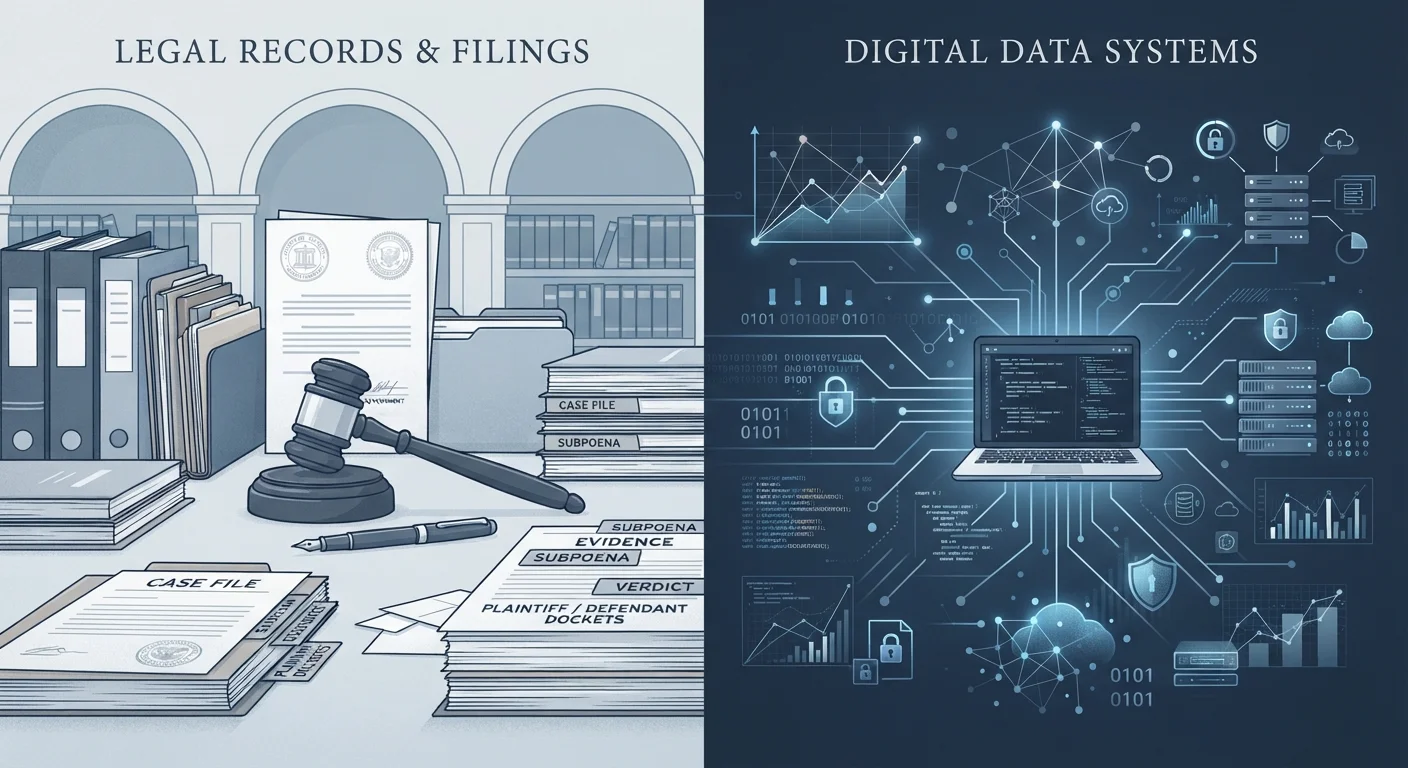
Public Records vs. Private Data in a Background Check
Background checks draw from both public records and aggregated private data. Understanding the difference matters for accuracy and privacy alike.

Reading a Background Check Report Without Misinterpreting It
Codes, abbreviations, and legal terminology can make background check reports confusing. Learn how to parse them accurately before drawing any conclusions.
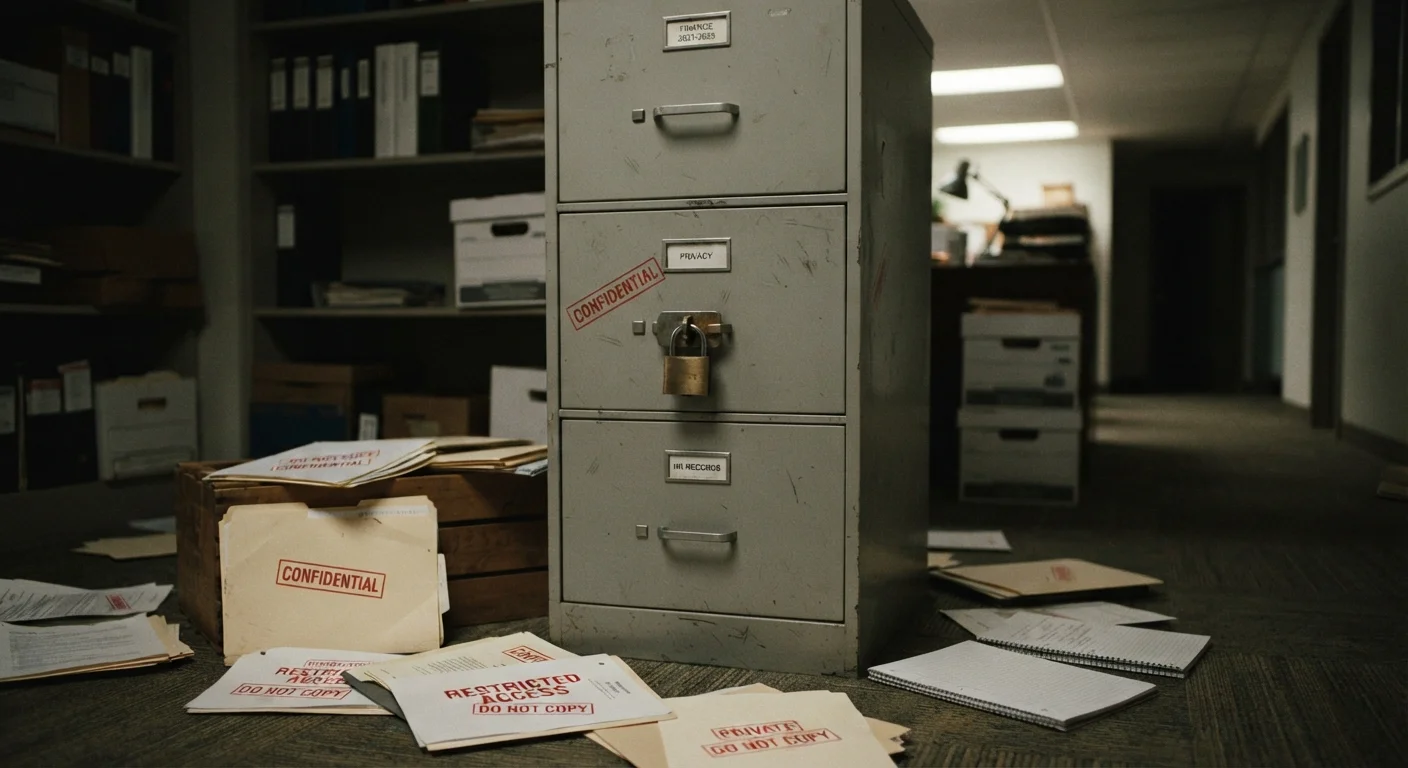
Records That Almost Never Appear in a Standard Background Check
Medical history, private messages, and many financial details are typically off-limits. Learn what background checks genuinely cannot access by law or practice.
Sex Offender Registry Data in Background Reports: Scope, Limits, and Context
Sex offender registry checks are a distinct layer of background screening. Understand how this data is gathered, what it covers, and where it falls short.
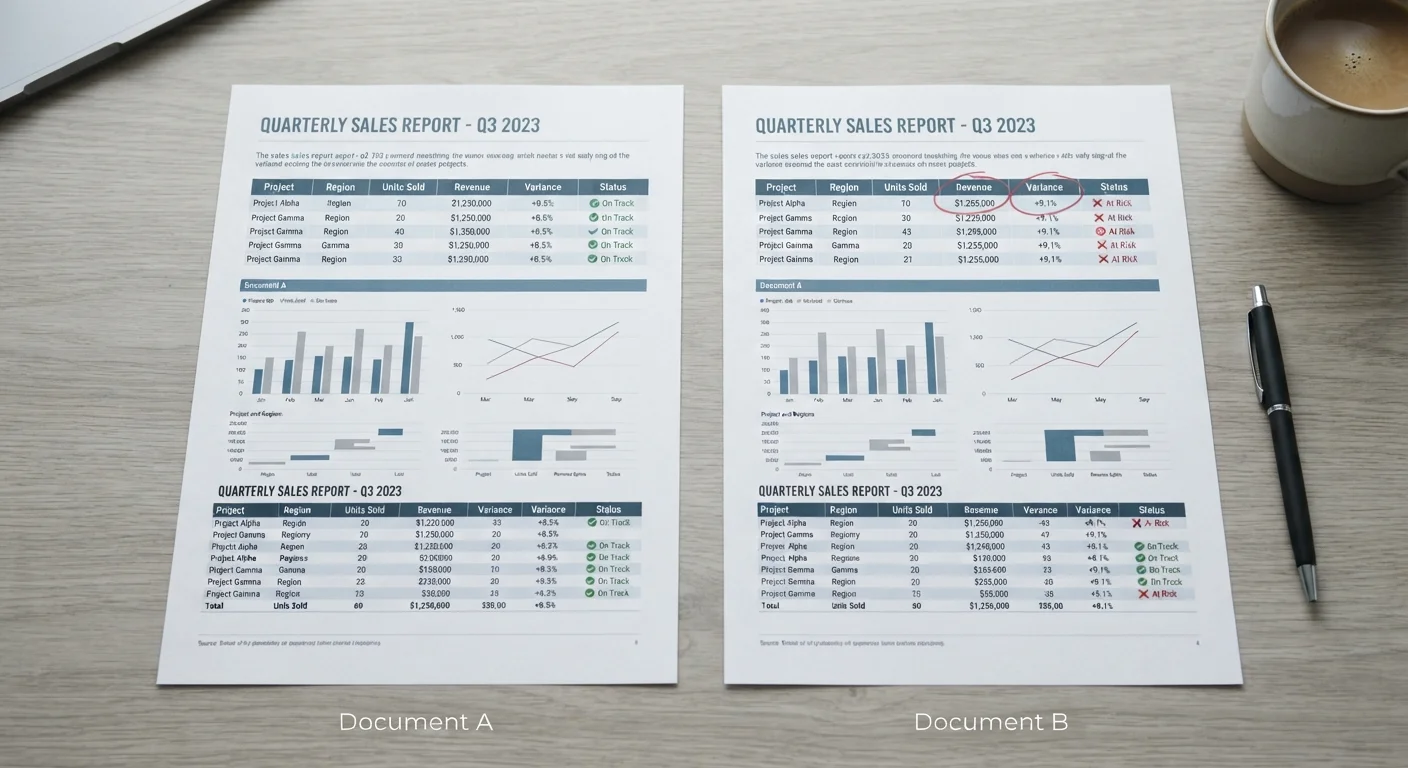
Why Two Background Check Reports on the Same Person Can Look Different
Data sources, search scope, and reporting rules all vary by provider. Here's why the same person can generate very different background check results.
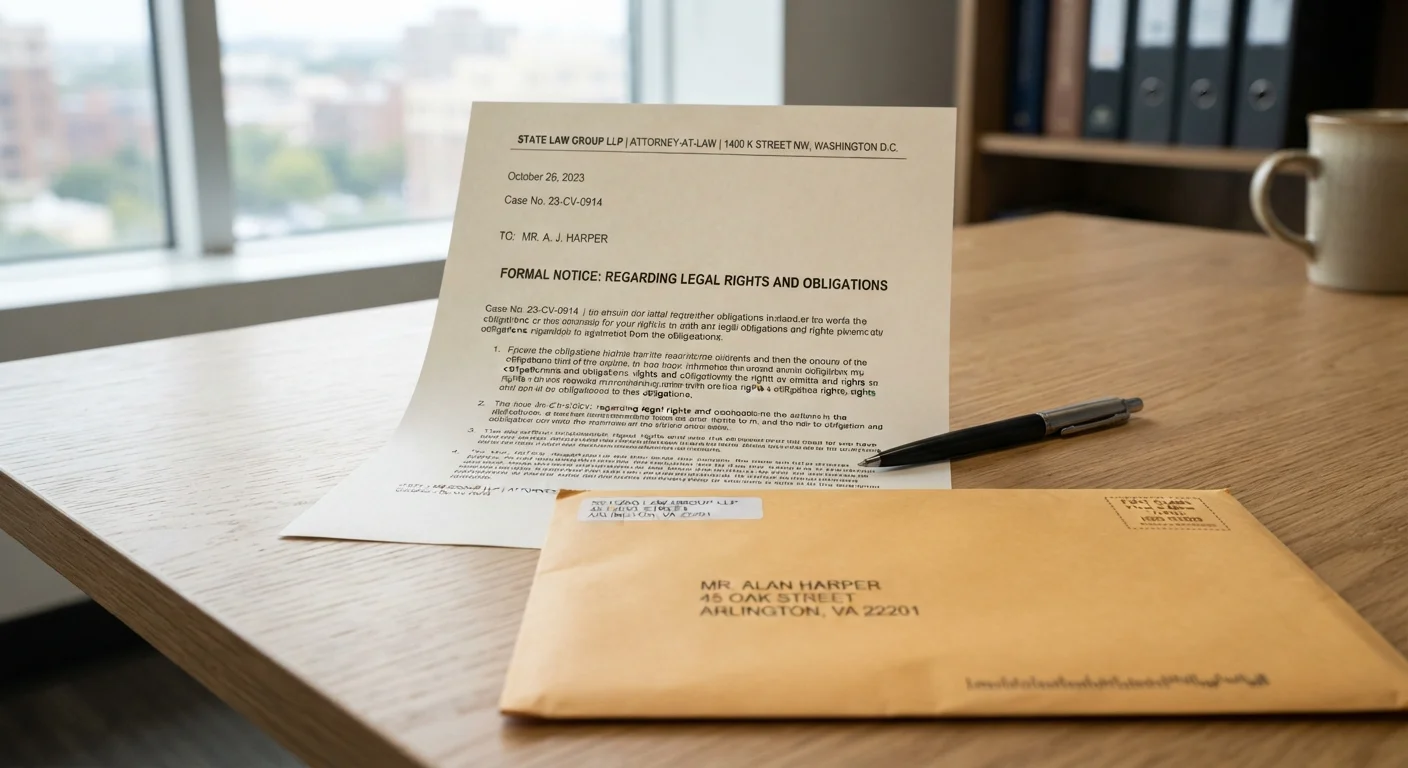
Adverse Action Notices: The Warning You're Owed Before a Rejection
If a background check contributes to a denial, you're legally entitled to a notice. Understand what it must include and what steps you can take next.
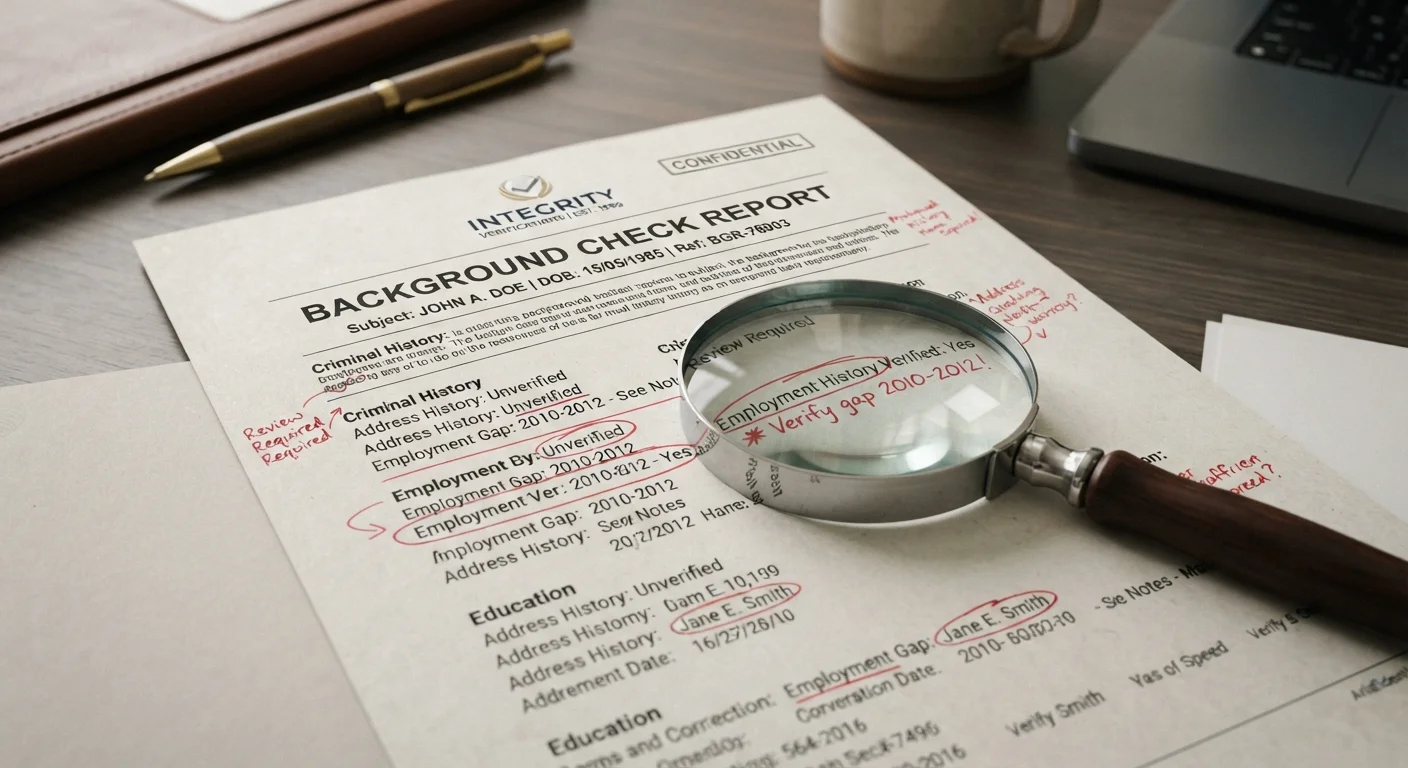
Background Check Errors: Why They Happen and What They Can Cost You
Explore the most common causes of inaccurate background reports—from mixed files to expunged records—and the real-world impact on applicants.
Background Report Accuracy Audit: A Pre-Application Checklist
Use this structured checklist to verify your name, address history, criminal records, and employment data before submitting a job or rental application.

Checking Your Own Background Report Before an Employer Does
A practical walkthrough for requesting and reviewing your own consumer report so you can spot and correct problems before they surface in a screening.
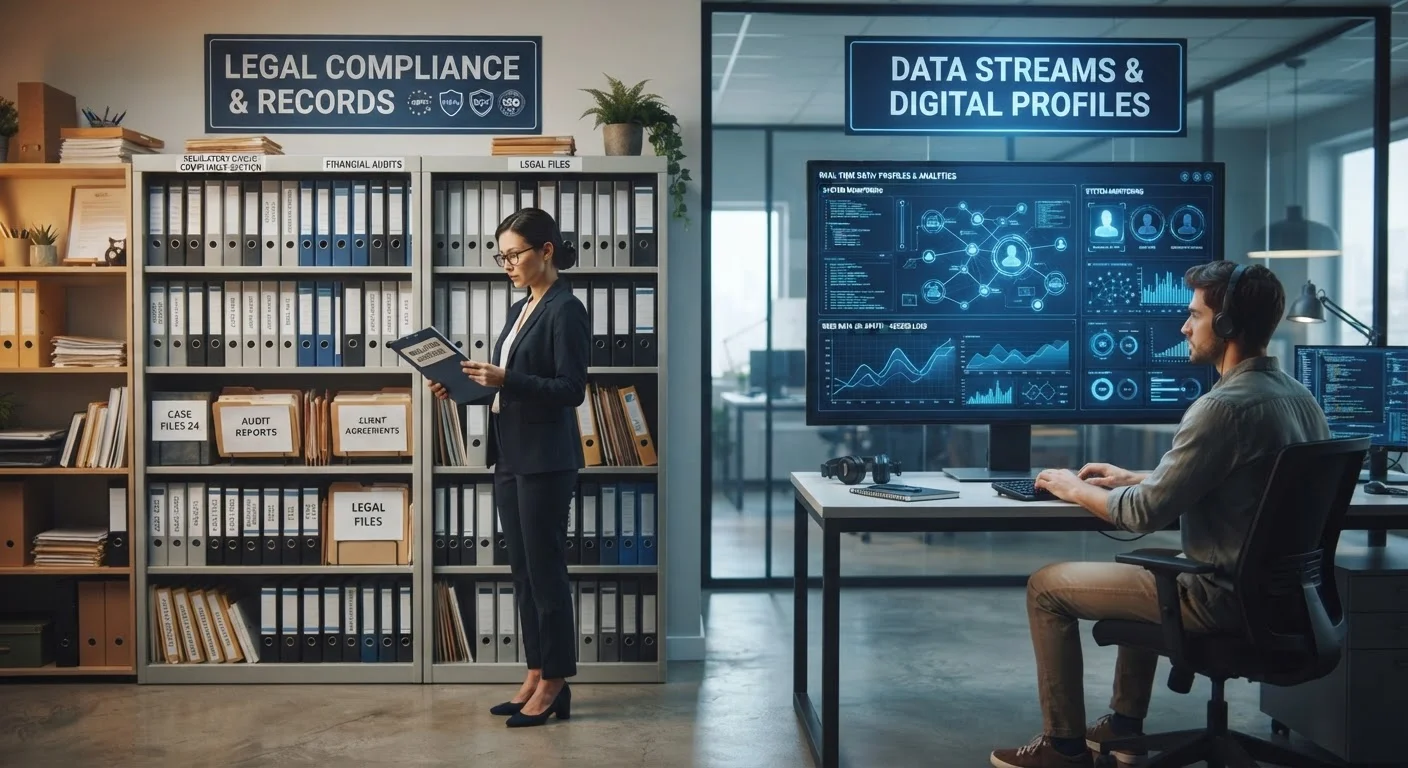
Consumer Reporting Agency vs. Data Broker: Who Holds Your Records?
Not all record-holding companies follow the same rules. Learn the key legal differences between CRAs and data brokers and what that means for your rights.

Disputing an Error on Your Background Check Report
Step-by-step guidance on filing a formal dispute with a consumer reporting agency when your background report contains inaccurate information.
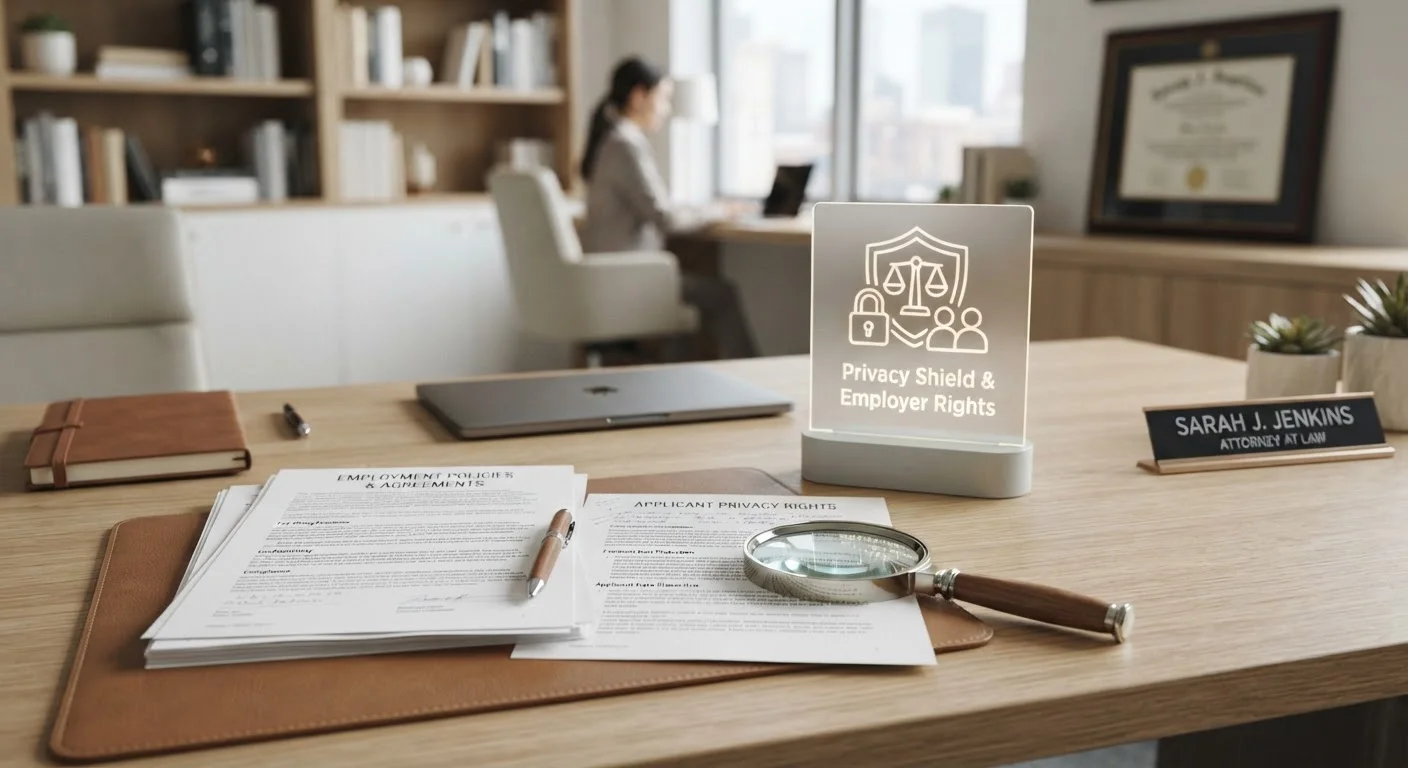
Employer Access vs. Your Privacy: Where the Line Falls on Background Checks
Employers have legitimate screening rights, but so do applicants. Understand the legal boundaries that govern what employers can request and use.
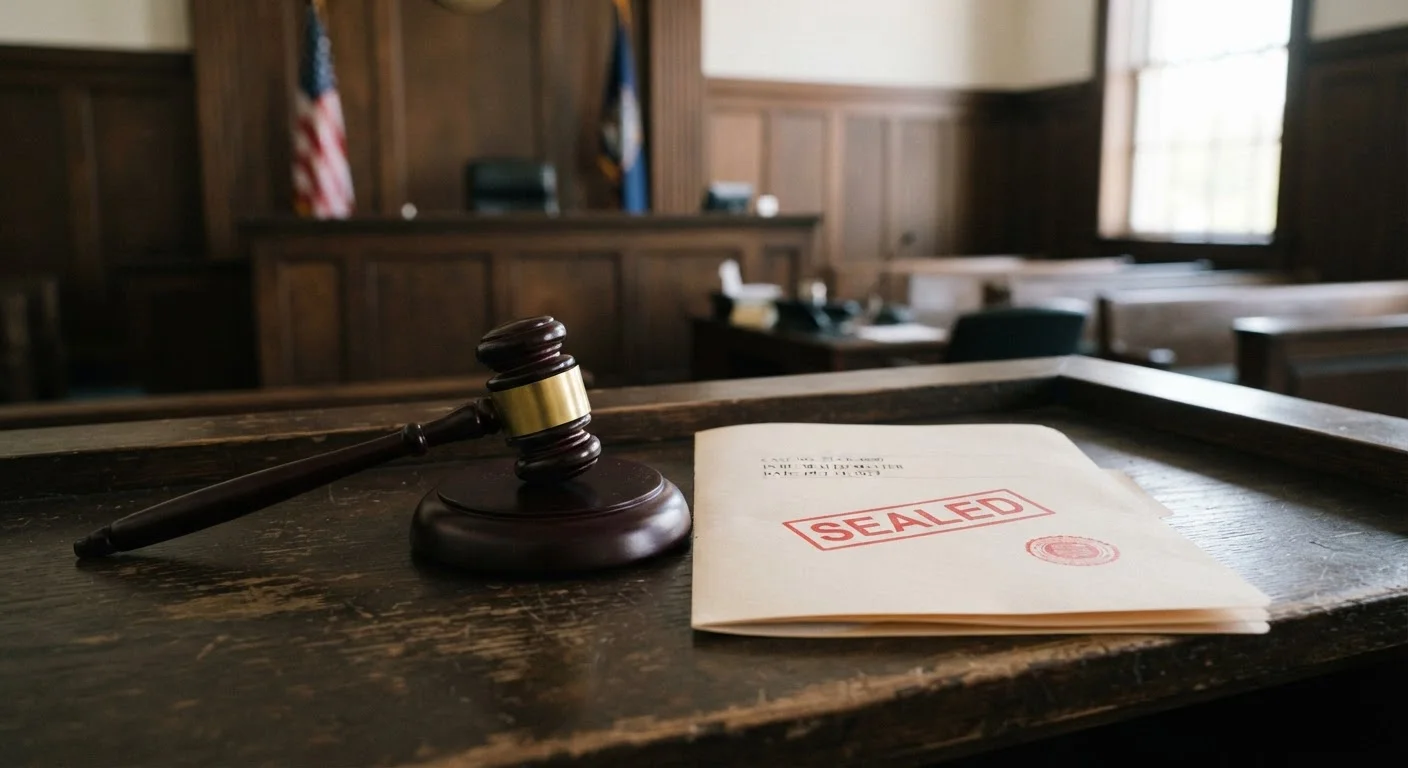
Expungement and Background Checks: What Sealed Records Should—and Sometimes Don't—Hide
Expunged records don't always disappear from every database. Learn how expungement works, its limits, and what to do if a sealed record still appears.
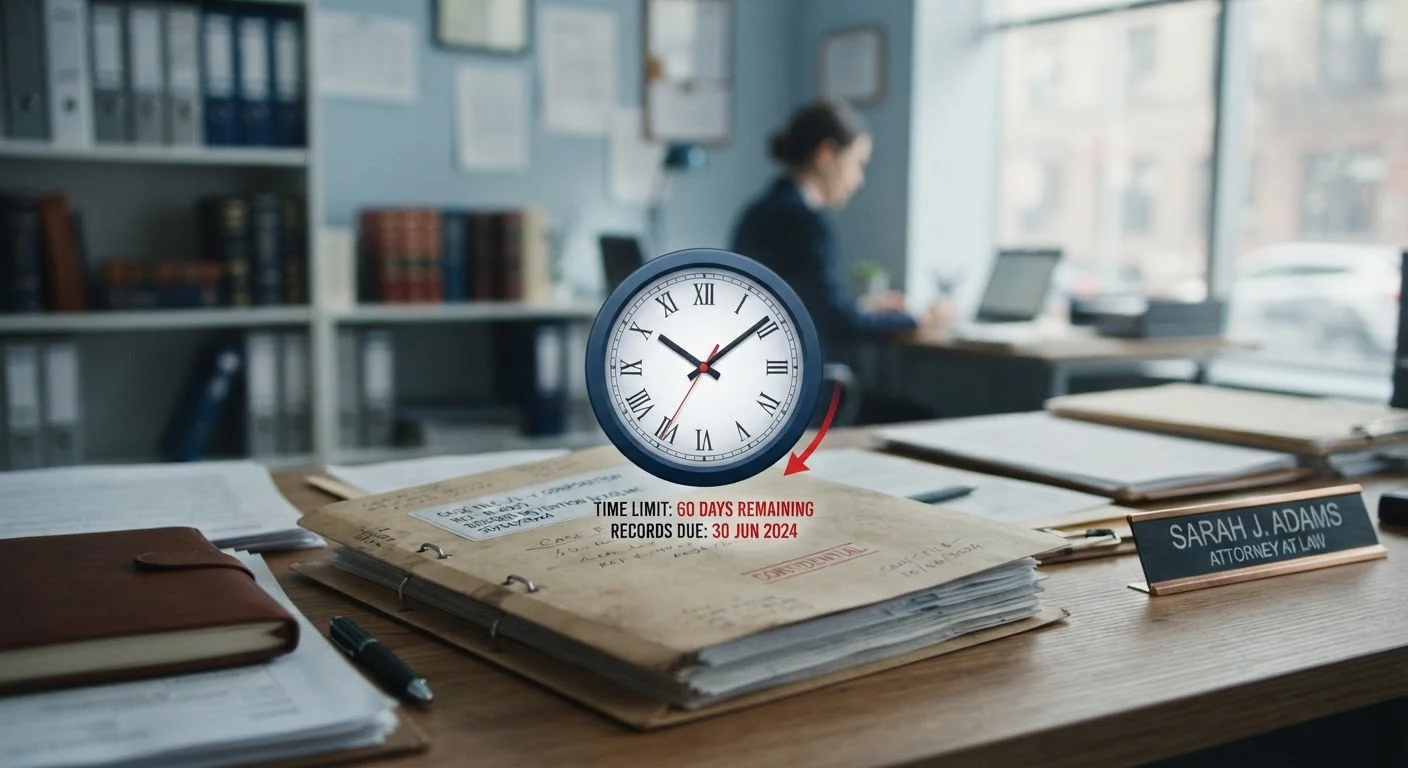
How Long Negative Records Can Legally Appear on a Background Check
Federal and state rules set time limits on reporting arrests, civil suits, and other records. Find out what can and cannot appear after those limits expire.

Mistakes That Derail a Background Check Dispute—and How to Sidestep Them
Missing deadlines, insufficient documentation, and unclear dispute letters are among the errors that weaken valid claims. Learn what to watch out for.

Navigating a Background Check Dispute: What to Expect at Each Stage
From initial request to reinvestigation deadline, this guide maps the full dispute timeline so you know your rights and what happens next.
State-Level Background Check Protections That Go Further Than Federal Law
Several states impose stricter look-back periods, ban-the-box rules, and dispute timelines. Here's how state law can expand your rights beyond the FCRA.
The FCRA Explained: What the Fair Credit Reporting Act Means for Background Checks
A plain-language breakdown of the Fair Credit Reporting Act and how its consumer protections apply to background screening reports.
What Background Check Companies Are Actually Required to Tell You
Disclosure requirements under federal and state law set clear obligations for screening companies. Here's what you're entitled to receive and when.
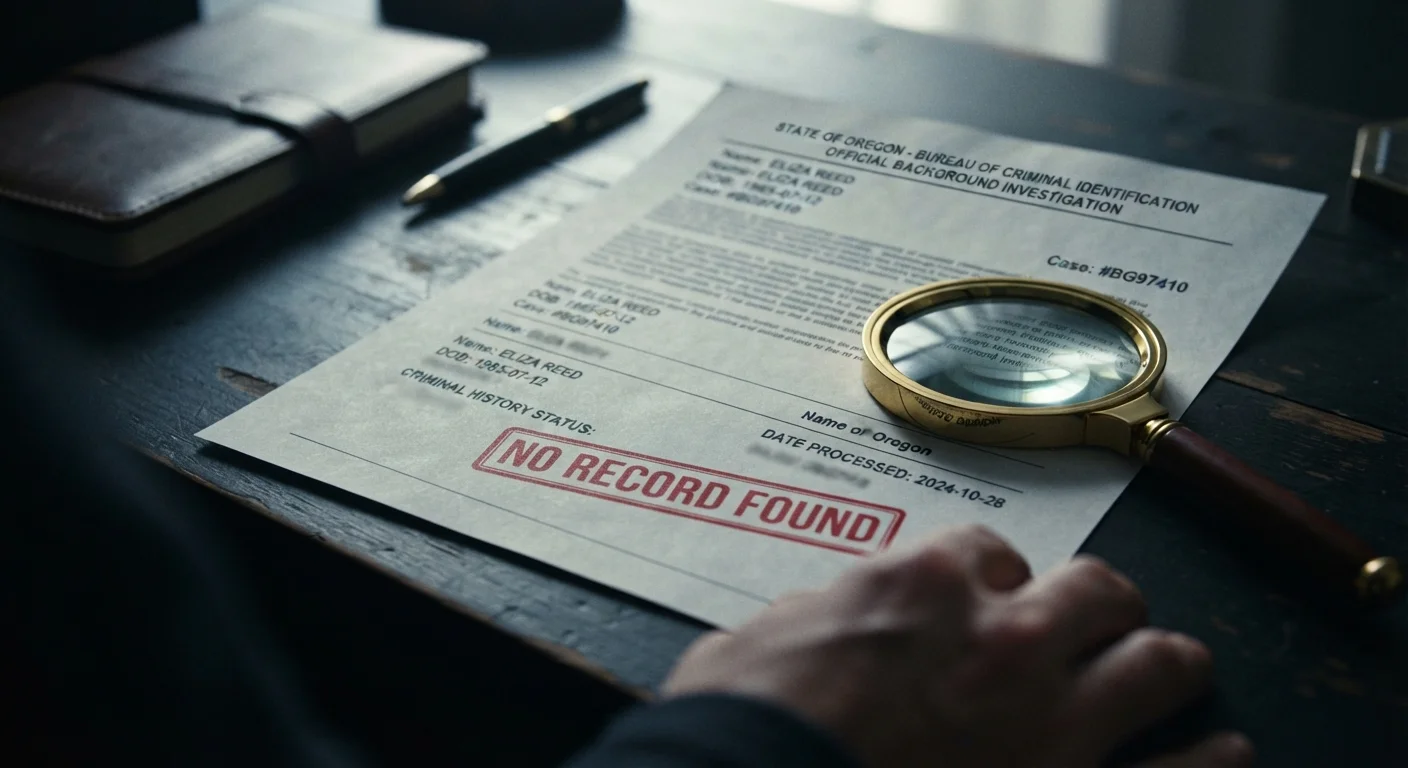
Why 'No Criminal Record' on a Background Check Doesn't Always Mean a Clean Slate
A clear result isn't always complete. Understand why database gaps, jurisdiction limits, and pending charges can affect what a report actually shows.
Your Legal Rights When a Background Check Is Run on You
Understand what the law entitles you to know whenever an employer, landlord, or lender requests a background check on you.
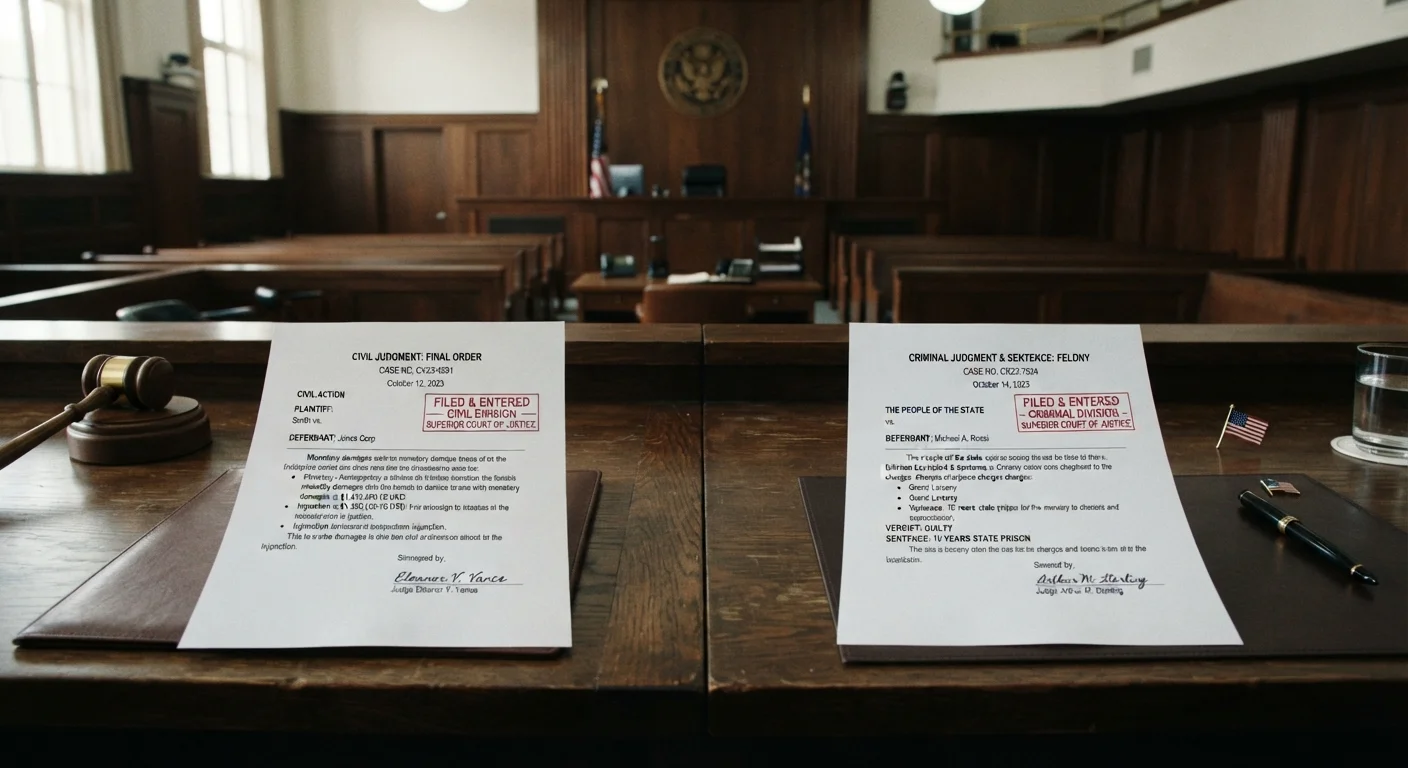
Civil Fraud Judgments vs. Criminal Fraud Convictions in Background Checks
Civil and criminal fraud records look similar but carry very different legal meanings. Here's how to tell them apart in a background check.

Disputing a Fraud Record That Appears in Your Background Check
If an inaccurate fraud flag shows up in your own background check, here is how the formal dispute and correction process generally works.
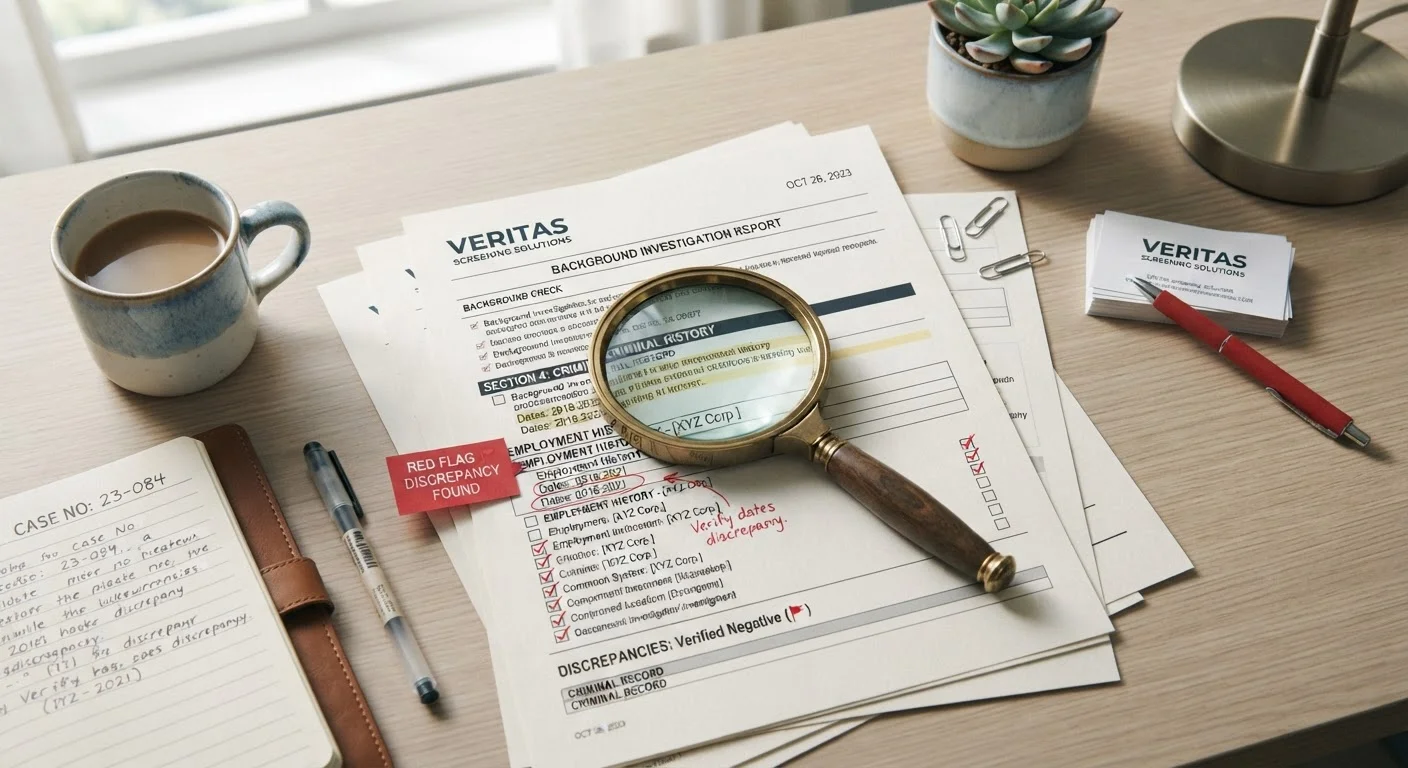
Fraud Flags in Background Checks: What They Are and Why They Appear
Learn what fraud-related flags mean when they show up in background and public record checks, and how to interpret them accurately.
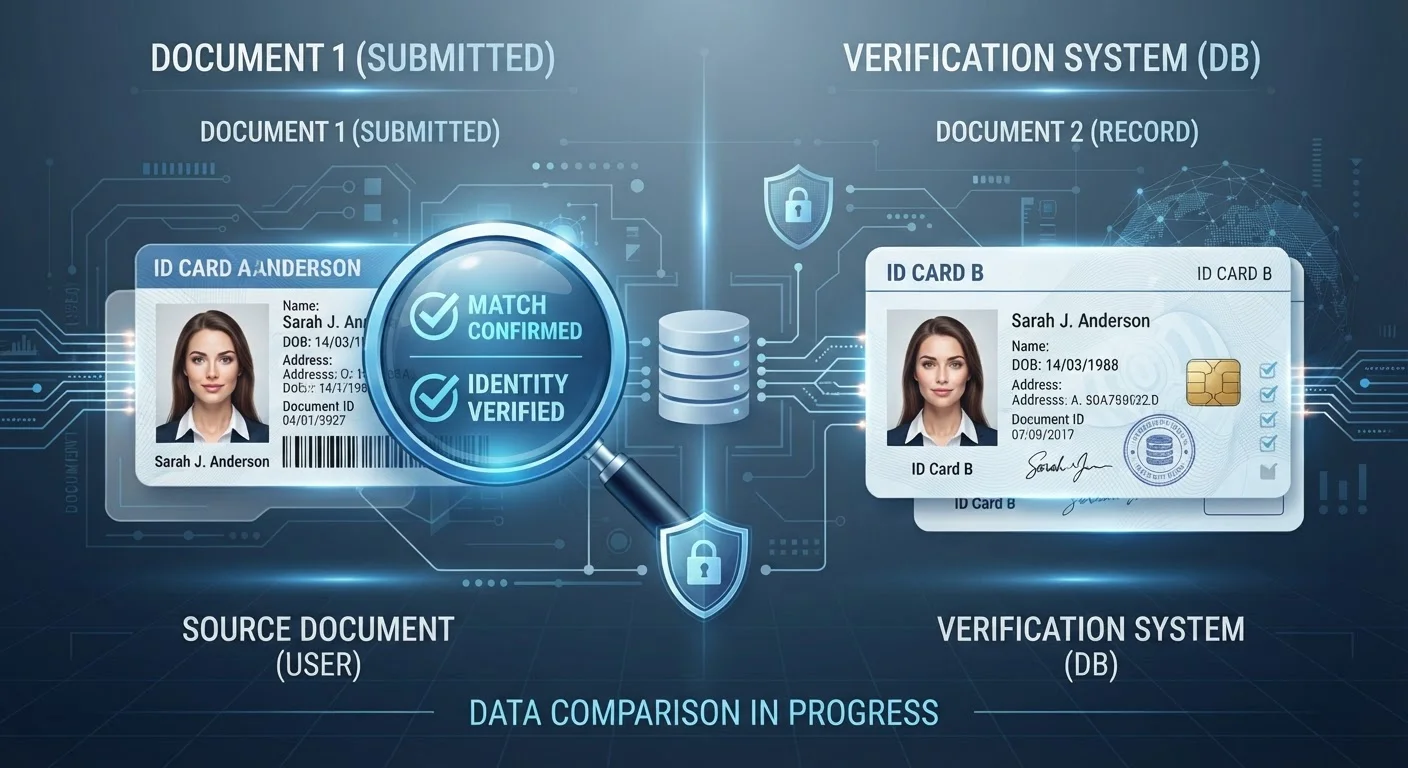
Fraud Scan vs. Credit Header Check: How the Two Differ
Both fraud scans and credit header checks pull identity data, but they serve different purposes. Here's how their scope and data sources compare.
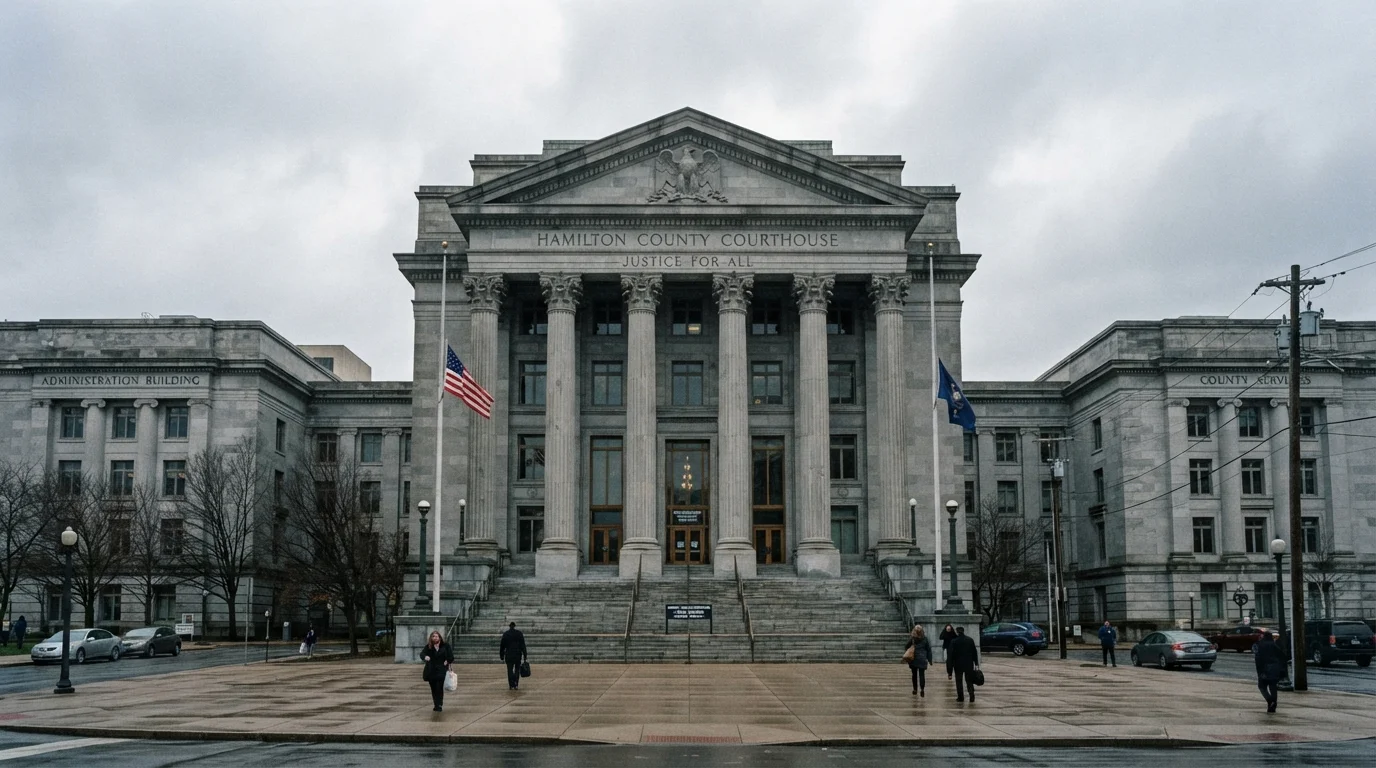
How Courts and Agencies Generate the Fraud Records Found in Background Checks
Fraud records don't appear from nowhere. Understand the court filings, agency reports, and regulatory actions that create the data behind a fraud scan.

How Fraud Scan Data Varies Across Different Background Check Sources
Not all fraud scans draw from the same data pools. Learn how source differences affect what appears in a report and how to account for that.

Interpreting Fraud Scans Accurately: Where People Go Wrong
Misreading a fraud scan can lead to wrong conclusions. These are the most frequent interpretation errors and how to avoid making them.
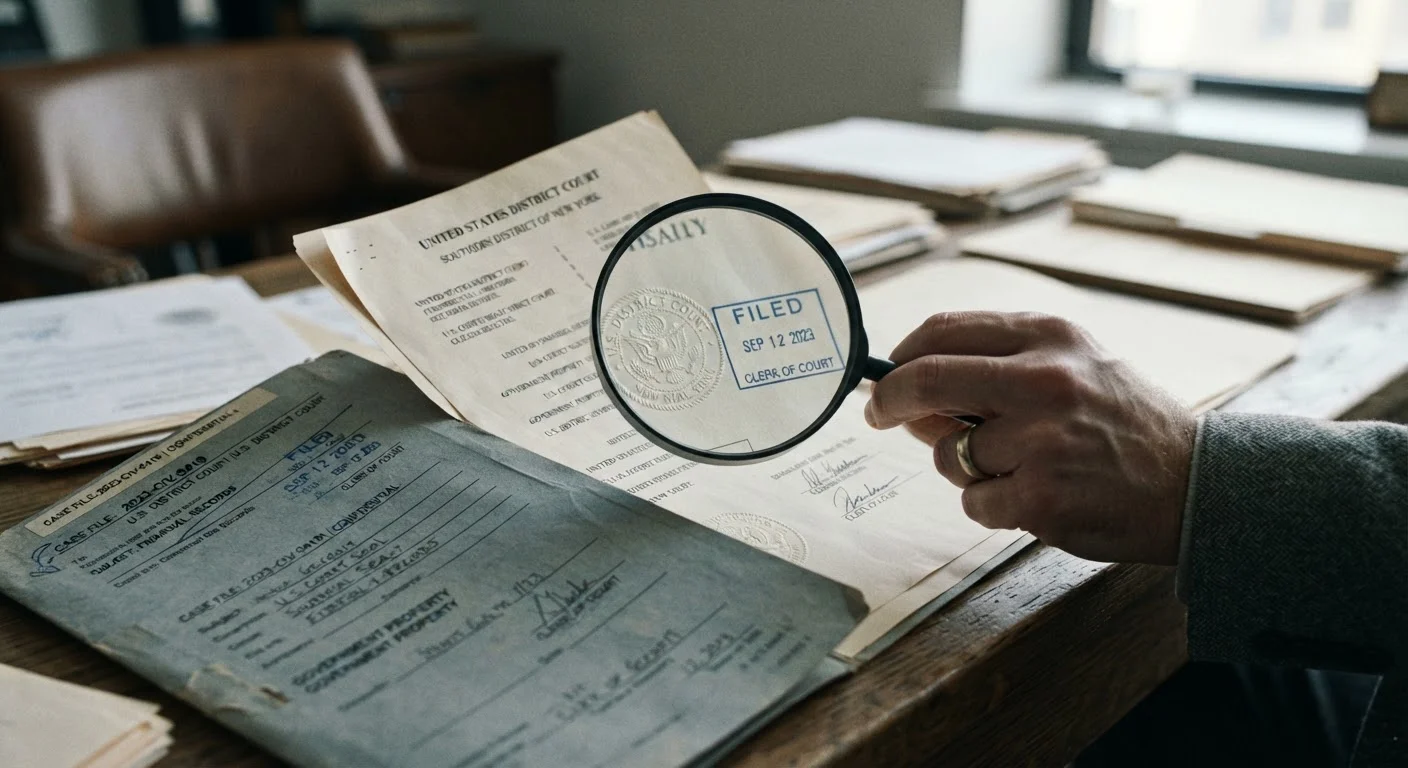
Public Records and Fraud Indicators: Everything You Need to Know
A comprehensive look at how fraud-related information surfaces in public records, what each indicator means, and how to respond appropriately.
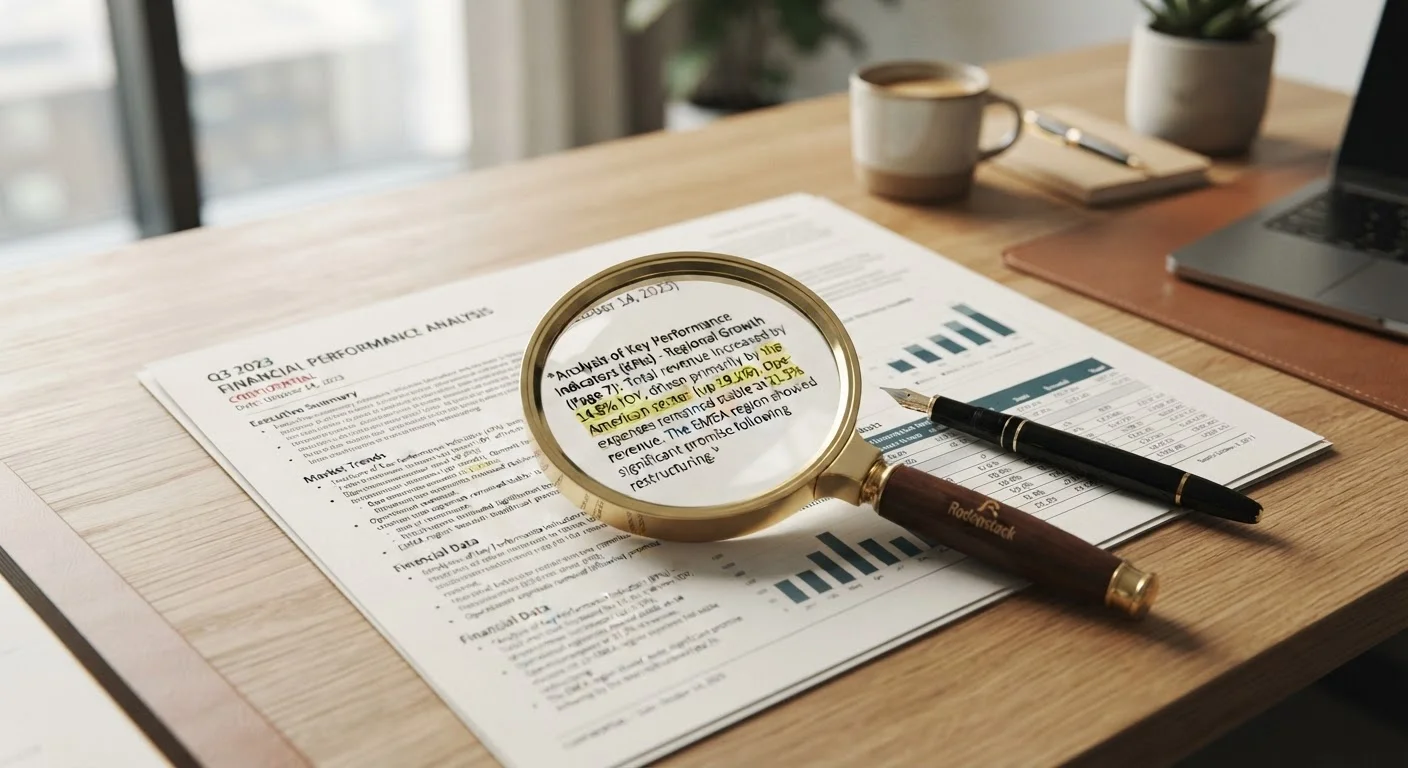
Reading a Fraud Scan Report: A Field Guide to the Data
A practical reference covering the key terms, codes, and record types you're likely to encounter in a fraud scan section of a background check.

Responsible Use of Fraud Indicators in Public Record Research
Fraud flags carry weight. These best practices help ensure you're interpreting and applying that information ethically, accurately, and lawfully.
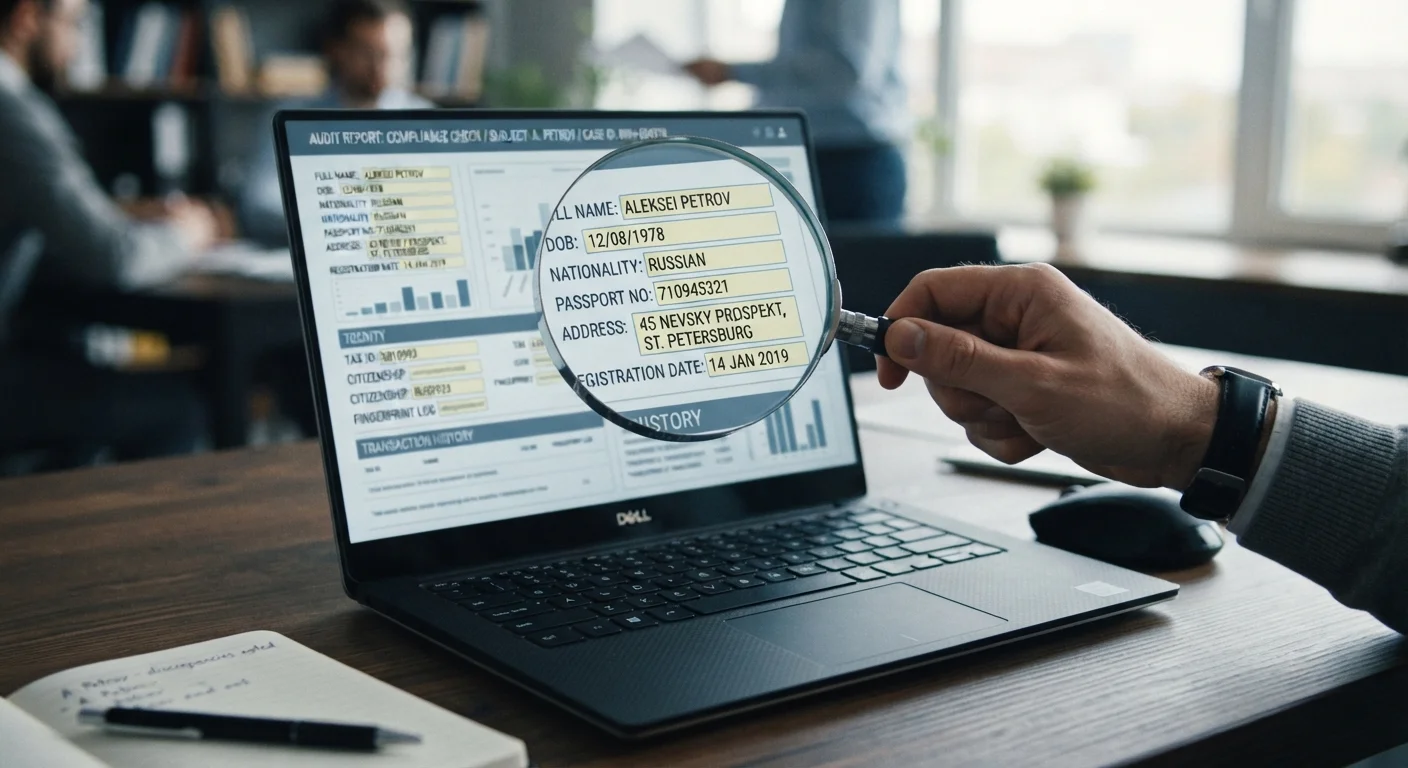
The Limits of a Fraud Scan: What Public Records Can and Cannot Reveal
Fraud scans are useful tools, but they have real gaps. This balanced look covers what they reliably surface and where their data falls short.
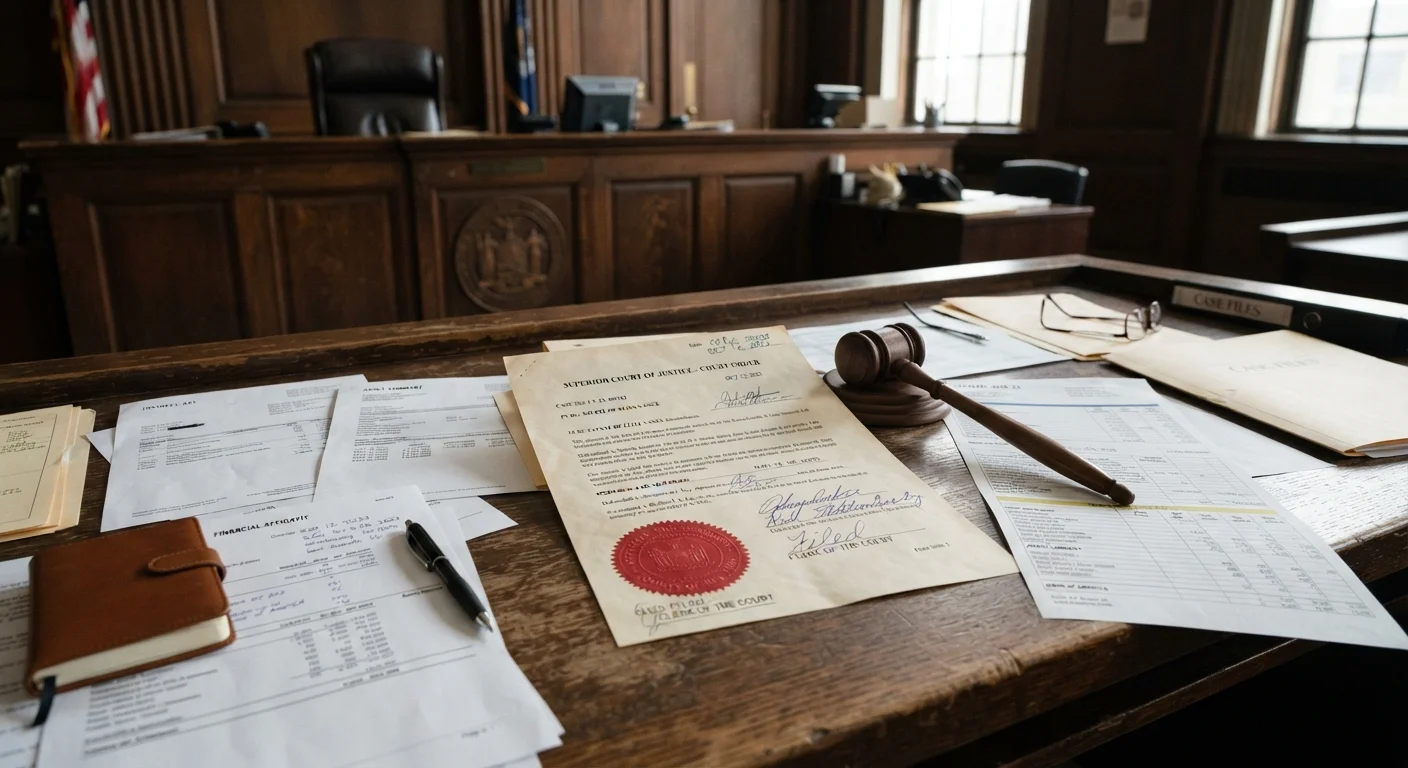
Types of Fraud That Leave a Public Record Trail
From identity fraud to wire fraud, different offences produce different record types. Learn which categories of fraud commonly appear in background checks.
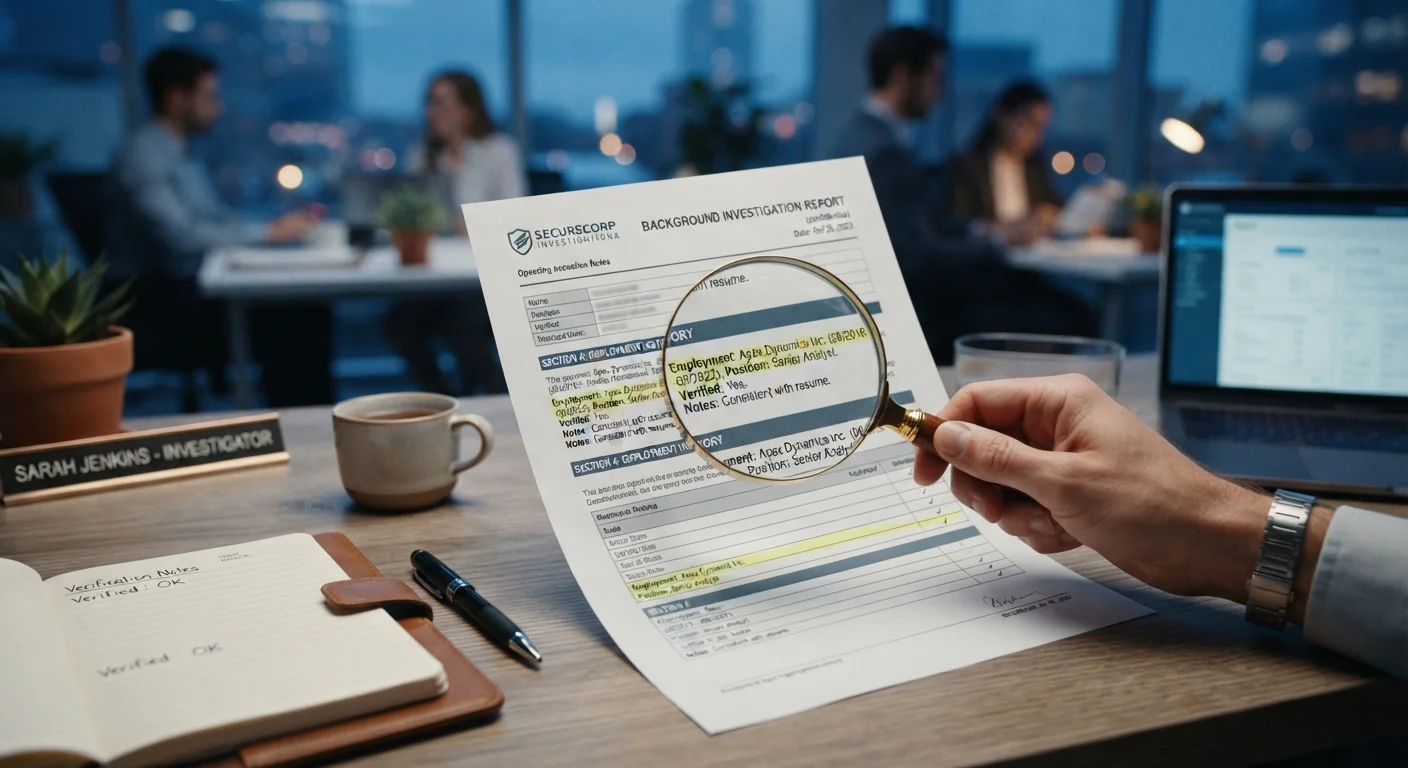
Understanding Fraud Scans: A Starting Point for Anyone New to Background Checks
New to background checks? This guide explains what a fraud scan is, where its data comes from, and how to interpret results with appropriate caution.
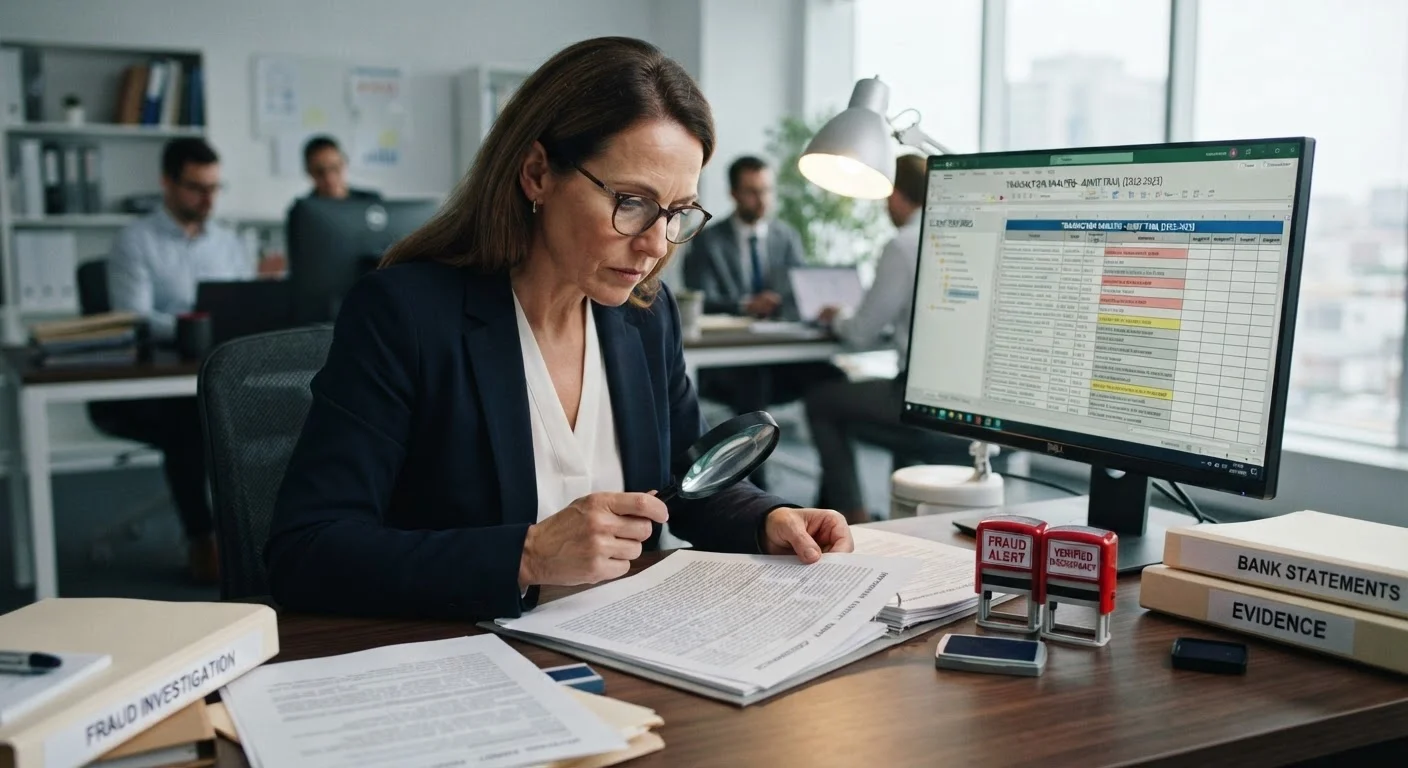
Verifying Fraud Indicators Before Acting on Them
A step-by-step walkthrough for confirming whether a fraud flag in a background check is accurate, current, and relevant to your situation.
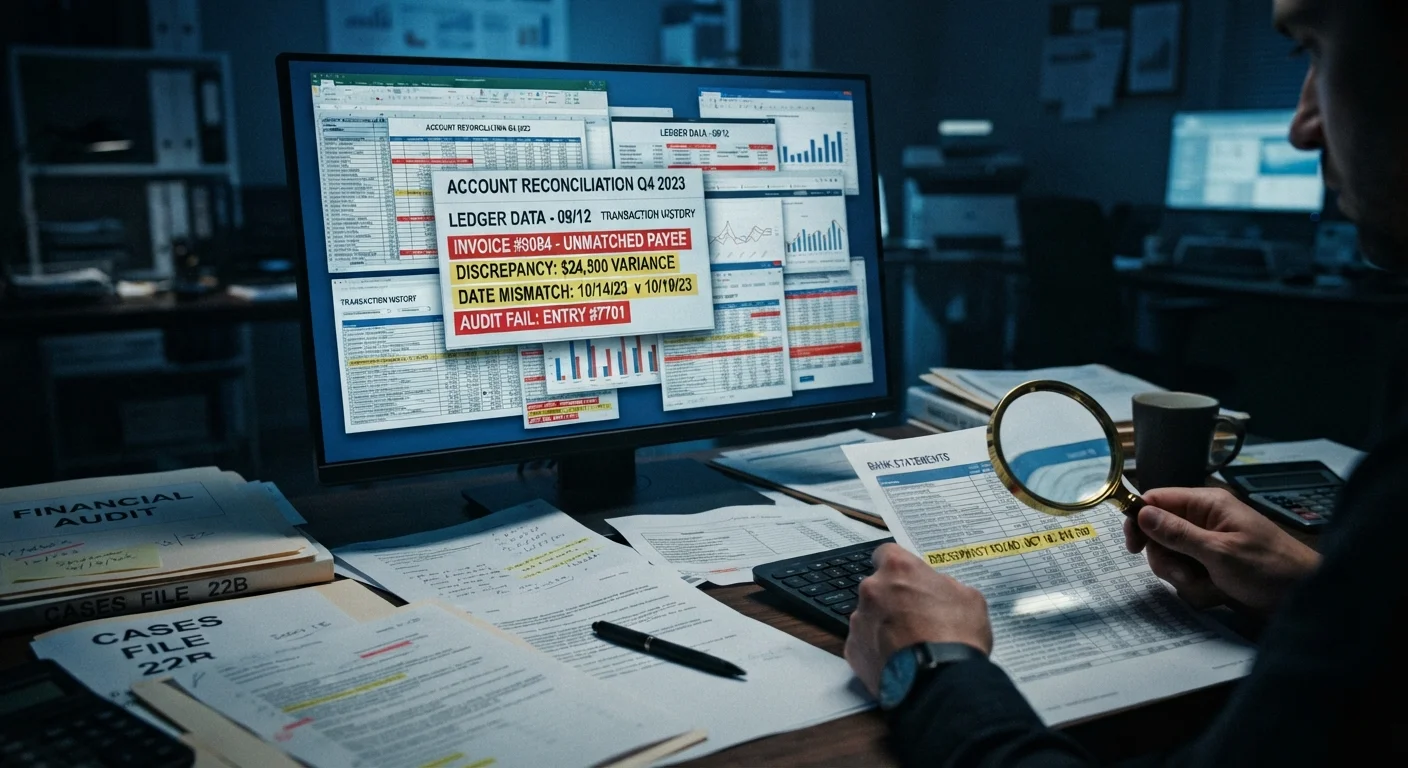
What Identity Theft Looks Like in a Public Records Search
Identity theft can leave scattered, conflicting records. Learn which signals in a public records search may suggest identity-related fraud activity.
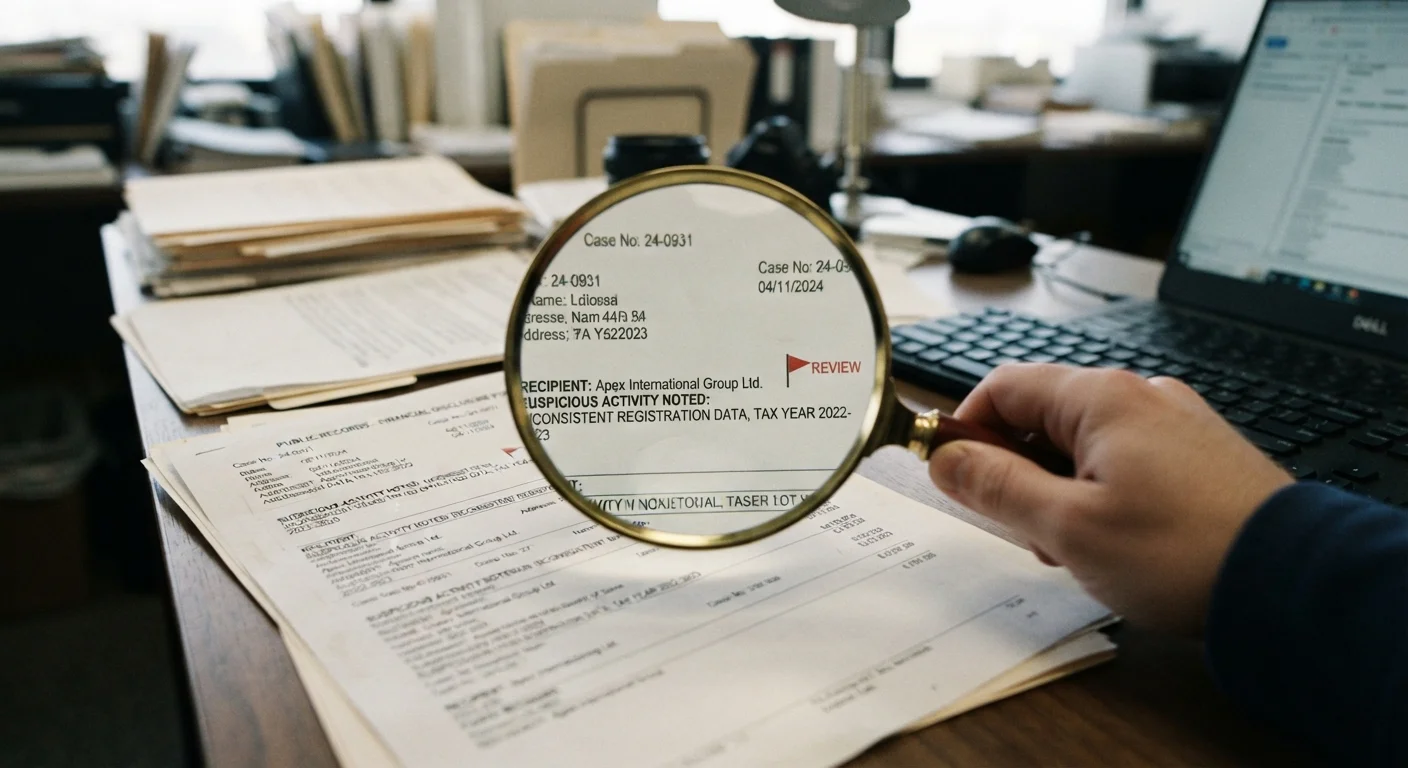
Why a Fraud Flag Doesn't Always Mean What You Think It Does
Fraud indicators in public records are frequently misread. This article separates common myths from what the data actually says.
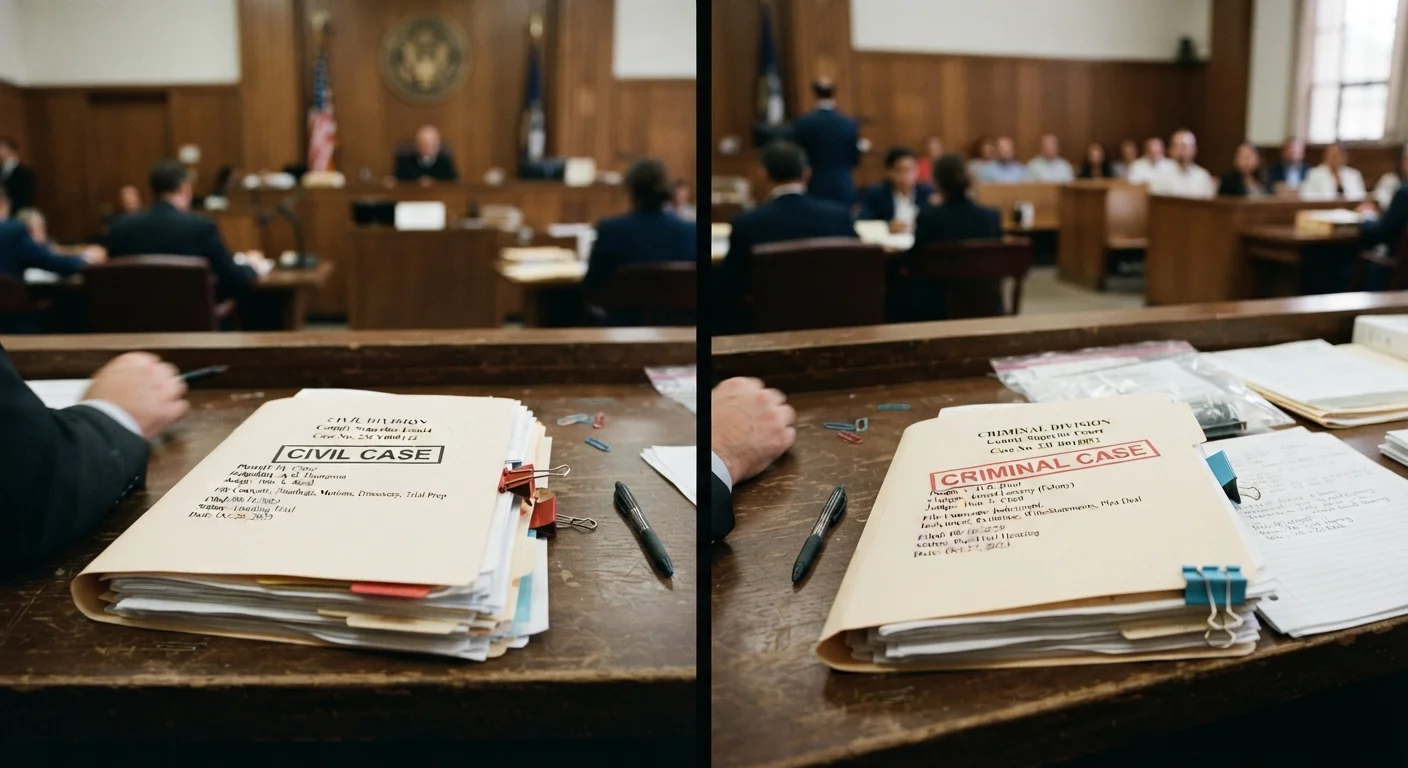
Civil Court Records vs. Criminal Court Records: Key Distinctions
Civil and criminal cases produce different records, held in different places. Here's how to tell them apart and find each.
Common Misconceptions About Public Access to Court Records
Many people assume court records are either totally open or totally private. The reality is more nuanced — here's the truth.

Court Record Glossary: Terms Every Searcher Should Know
A plain-language reference guide to the legal terms, document names, and procedural phrases you'll encounter in court records.
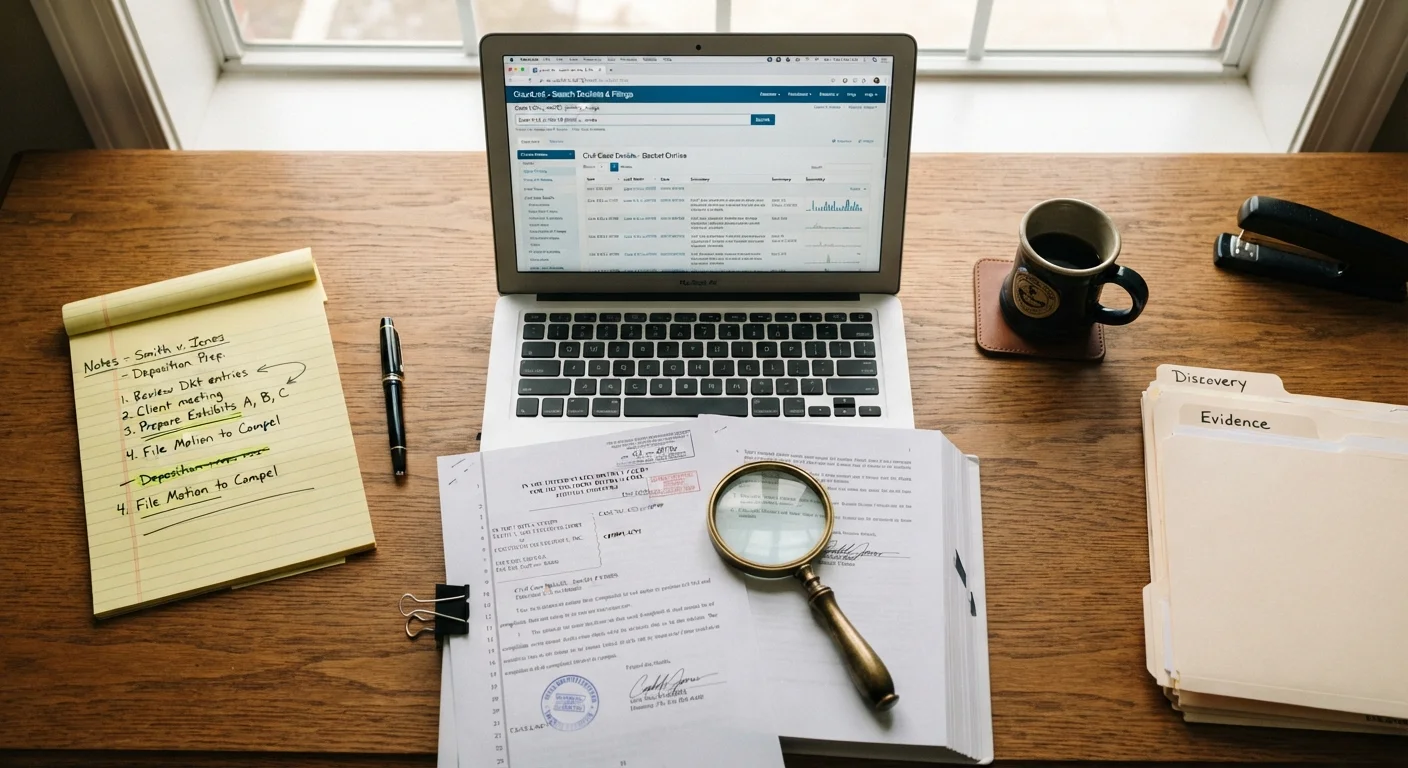
Court Record Search Checklist: Before You Start, During, and After
A structured checklist to help you prepare the right information, search the right databases, and verify what you find.
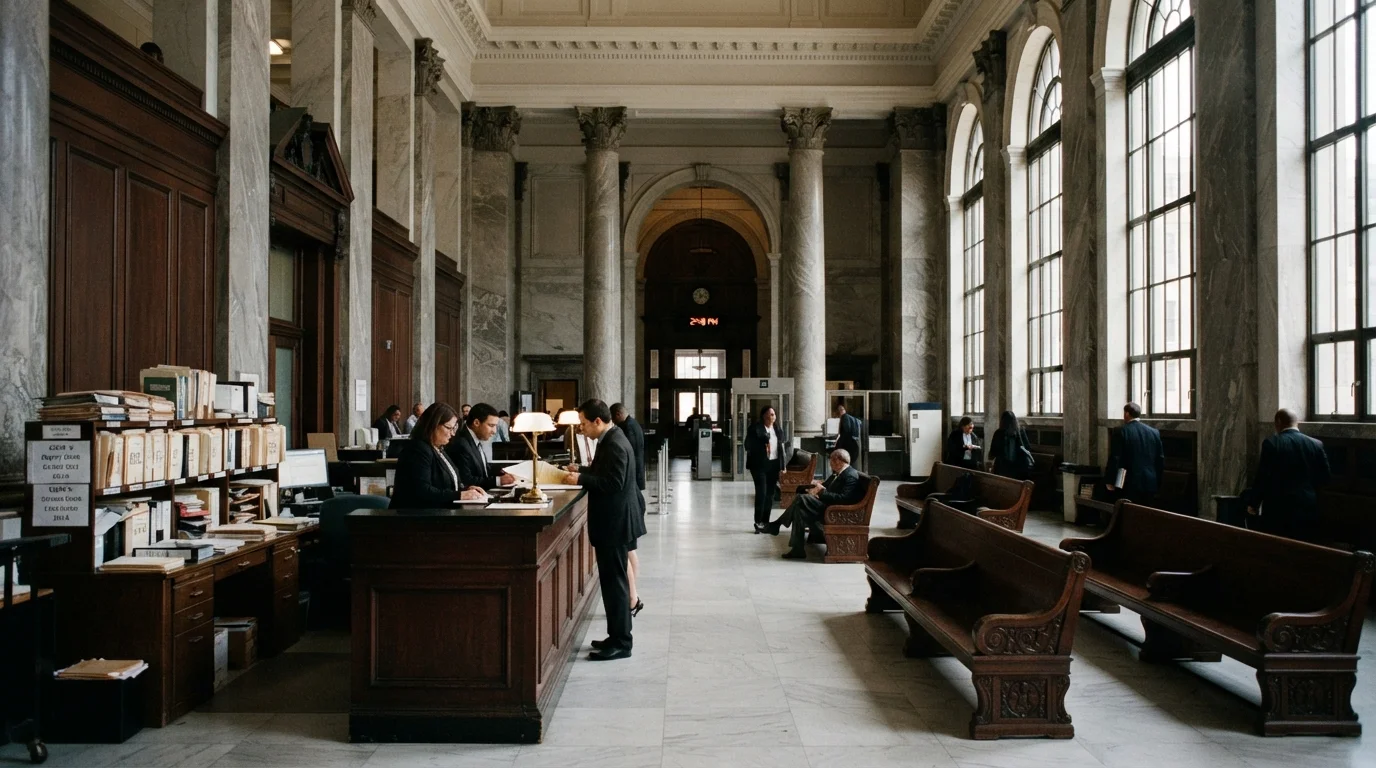
Court Records Explained: What They Are and Why They're Public
Understand what court records contain, why most are public by law, and how the public access system is designed to work.
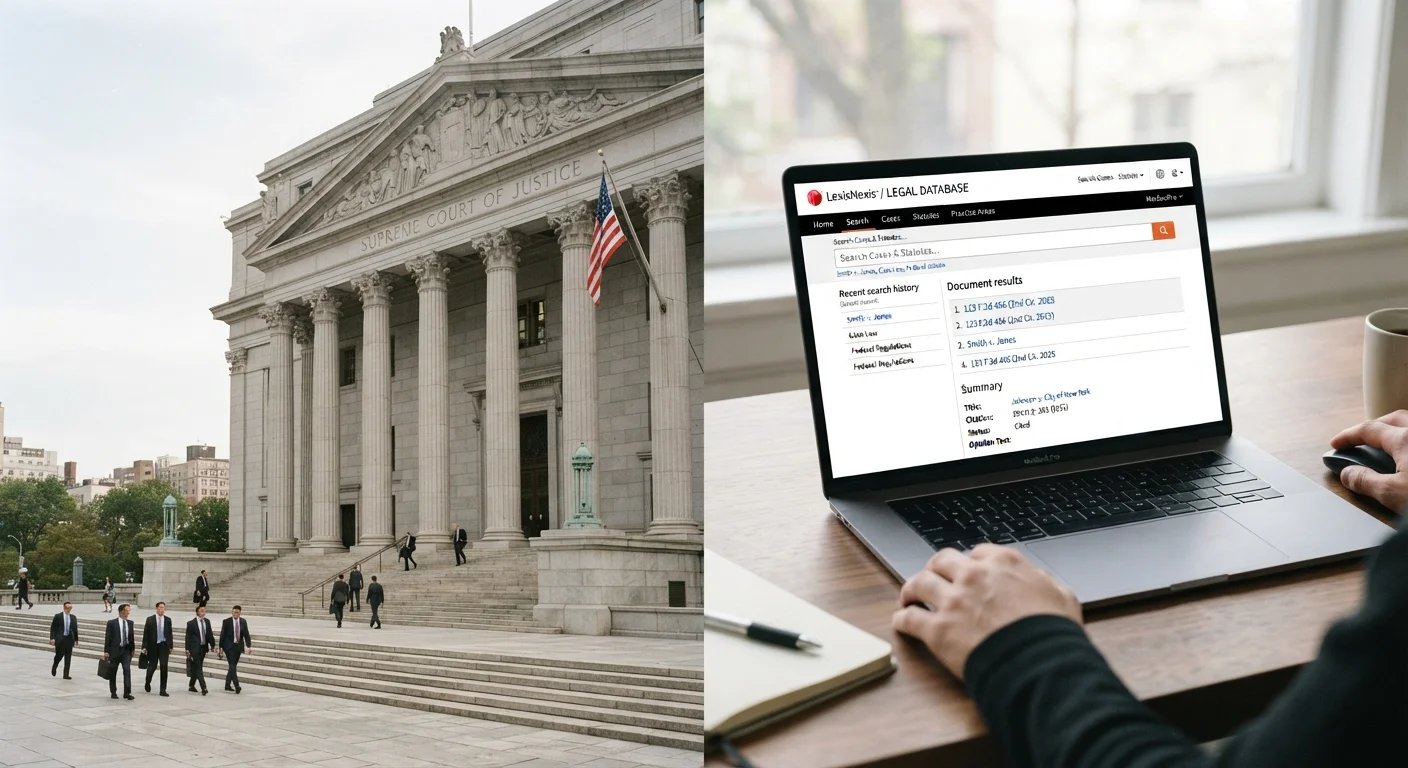
Courthouse vs. Online Portal: Weighing Your Options for Court Record Searches
In-person visits and online portals each have trade-offs for accuracy, cost, and completeness. Here's how to choose.

Federal vs. State Court Records: What's Different and Where to Look
Federal and state courts maintain separate record systems. Learn how they differ and which one holds the record you need.
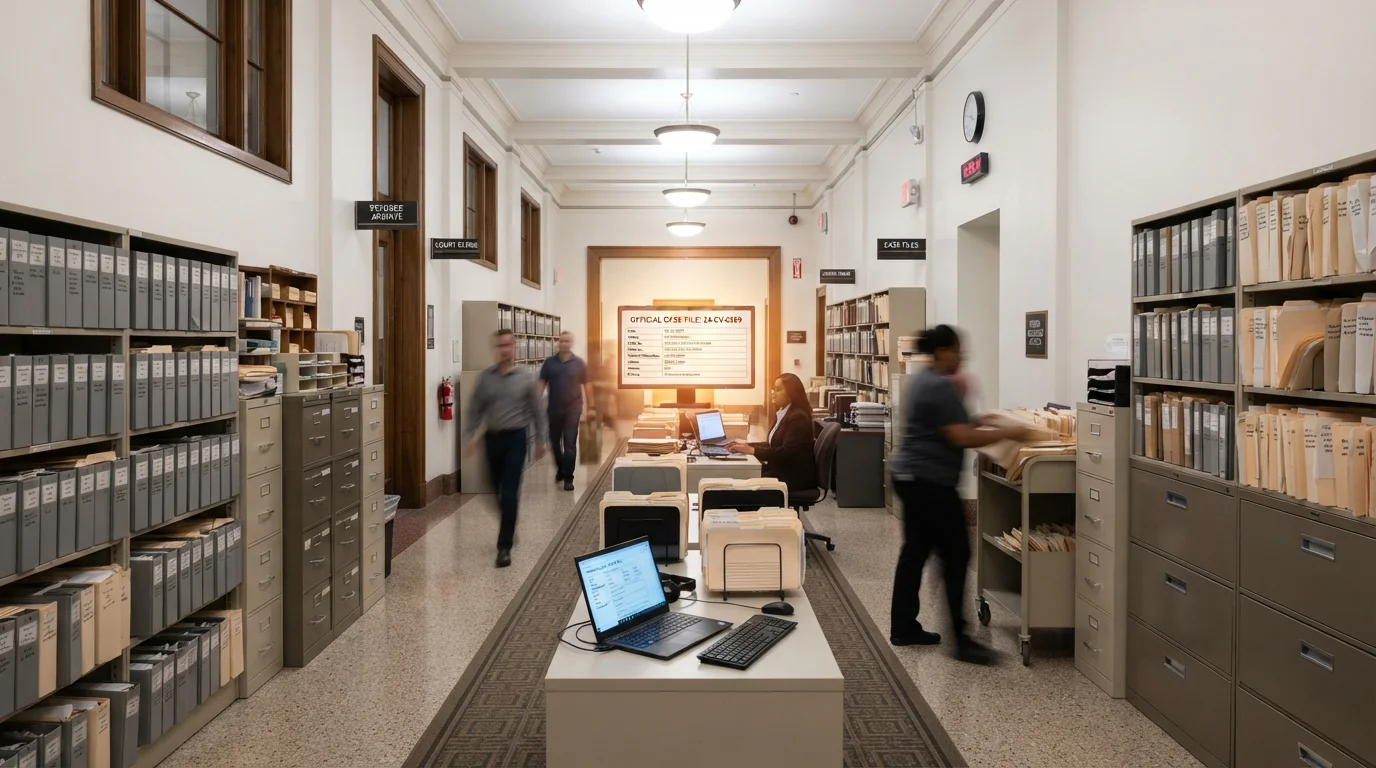
How Court Record Information Flows Into Background Check Reports
Understand the path court data takes from courthouse filings to the background check report you or an employer receives.
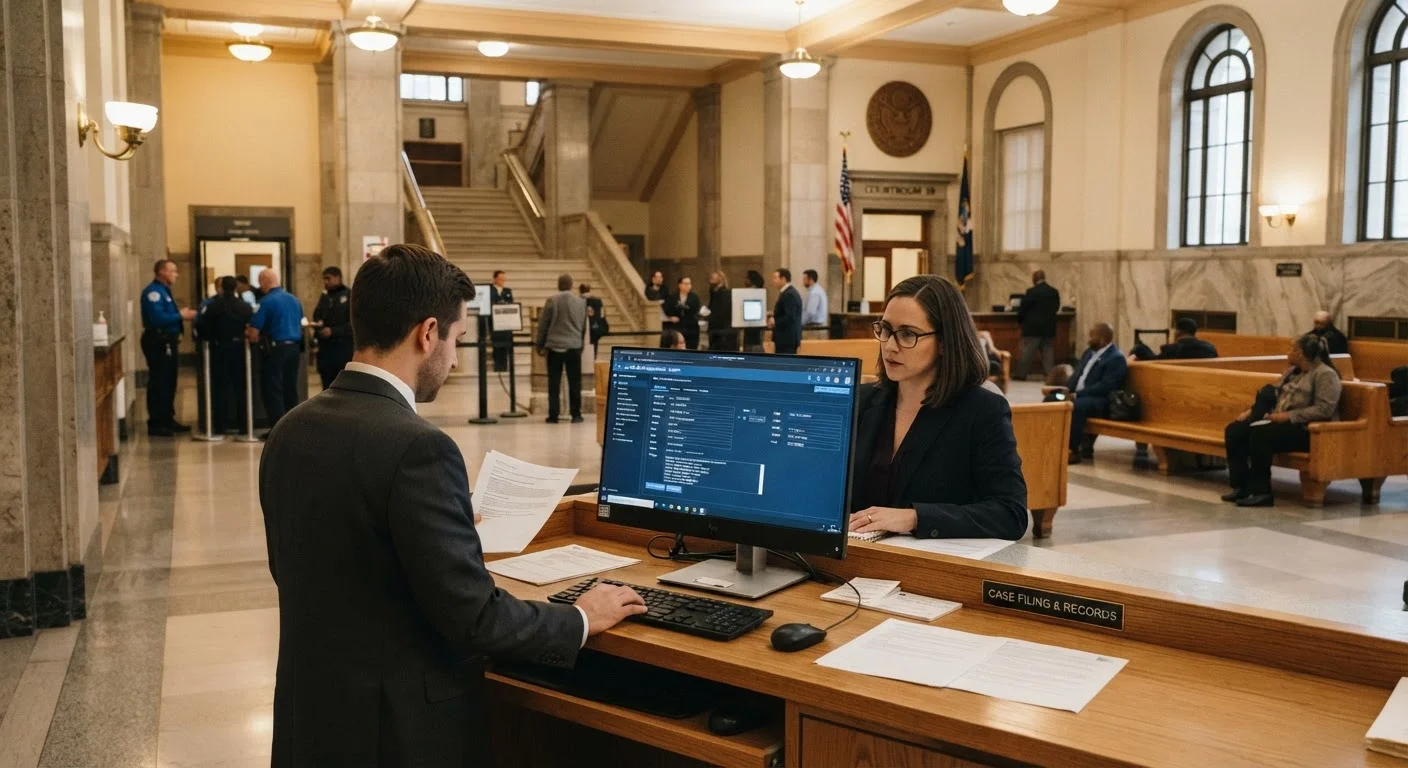
Locating Court Records Through Official Public Databases
Step-by-step instructions for searching PACER, state court portals, and county clerk systems to find court records.
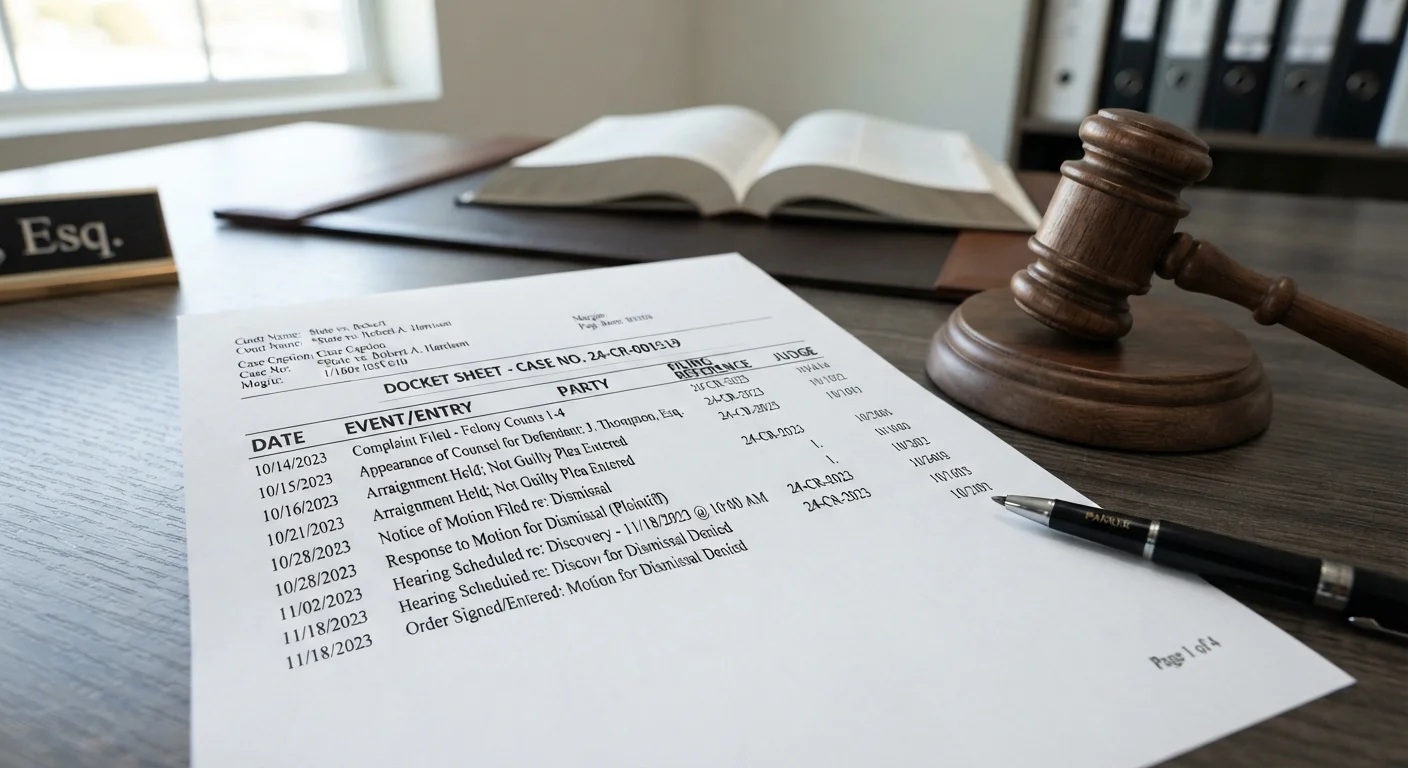
Reading a Court Docket: A Plain-Language Breakdown
Docket entries use legal shorthand that can be hard to parse. This guide decodes the most common terms and entry types.
Searching Court Records Responsibly: Privacy, Ethics, and Legal Limits
Public access doesn't mean unlimited use. Learn the ethical and legal boundaries that apply when searching court records.
The Complete Roadmap to Finding Court Records Online and In Person
A thorough, end-to-end resource covering federal, state, and local court record searches across every major access method.
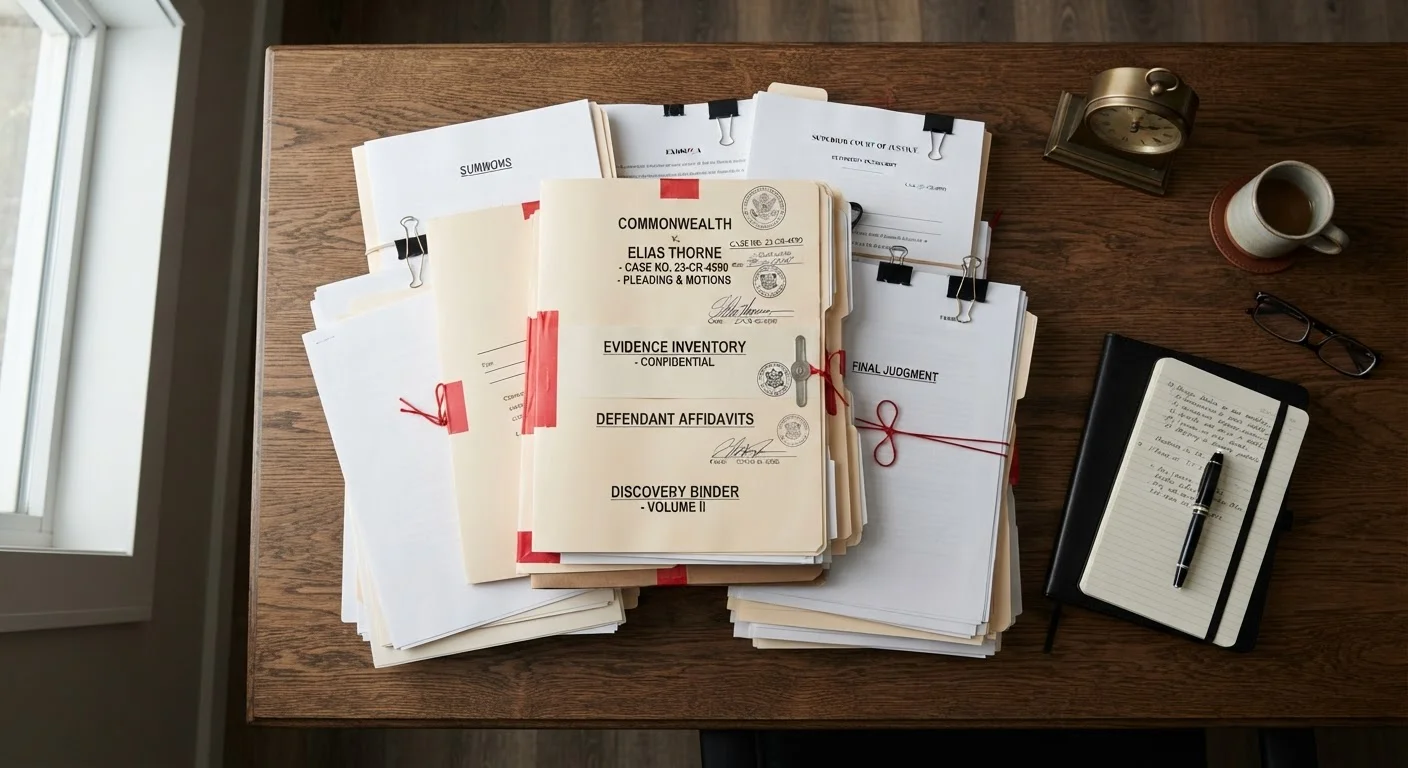
Types of Court Records and What Each One Reveals
From arrest records to judgments to appellate opinions — a guide to the distinct document types found within court case files.
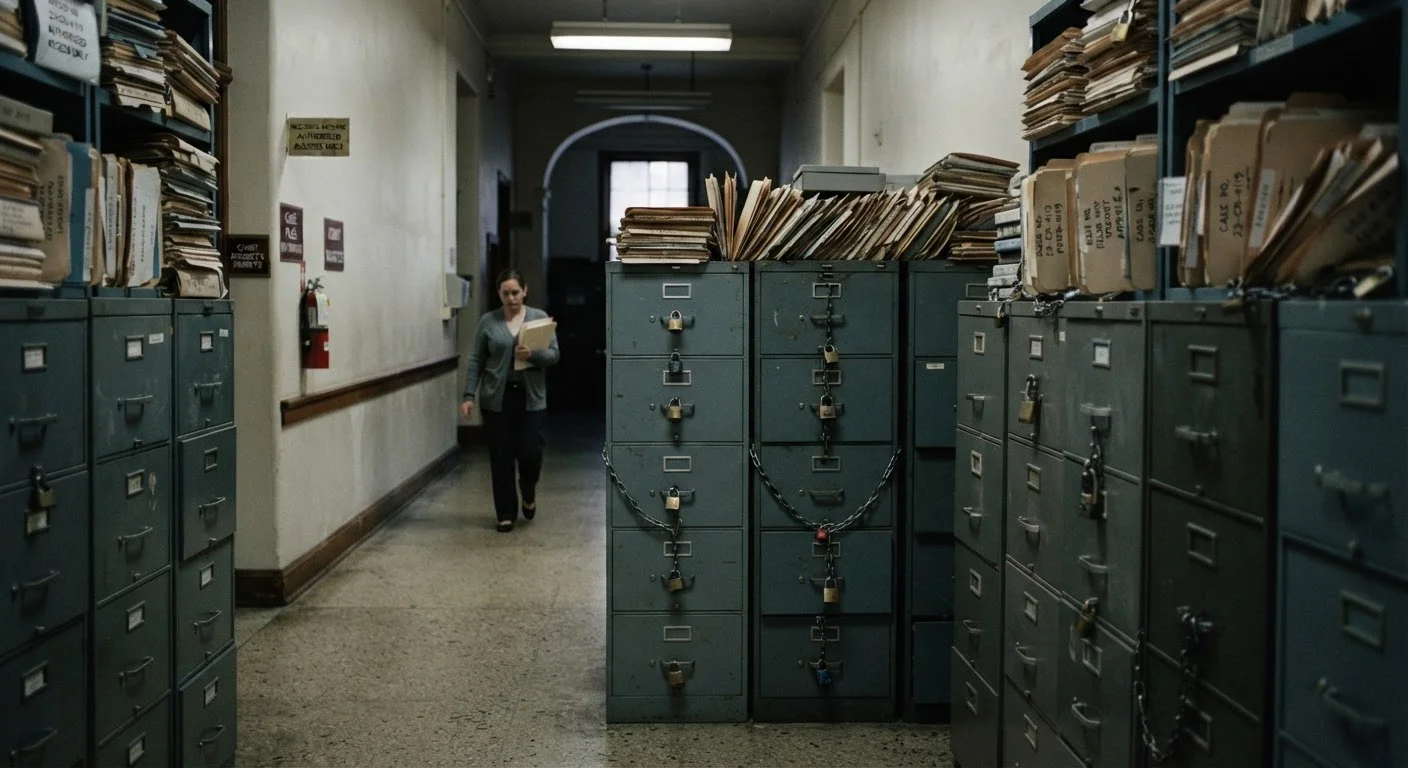
What Court Records Are Sealed, Expunged, or Restricted — and Why
Not every court record is publicly accessible. Learn which categories are commonly restricted and the legal reasons behind it.
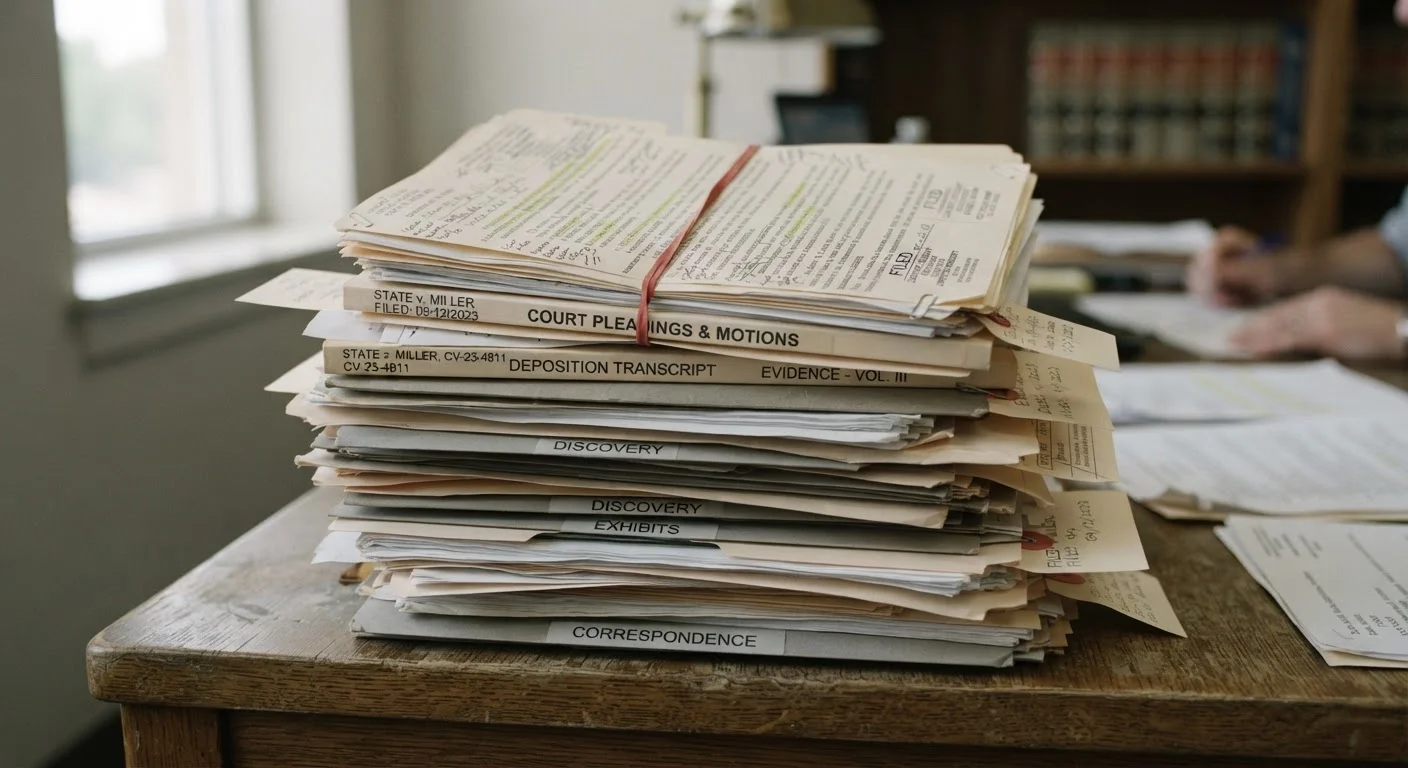
Why the Court Record You Found May Not Tell the Whole Story
Incomplete records, data lags, and jurisdictional gaps can mislead searchers. Understand what's missing before drawing conclusions.

Your First Court Records Search: A Ground-Up Guide
New to searching court records? This guide walks through every key concept and step, from case types to reading a docket entry.