
Background Check Errors: Why They Happen and What They Can Cost You
Explore the most common causes of inaccurate background reports—from mixed files to expunged records—and the real-world impact on applicants.
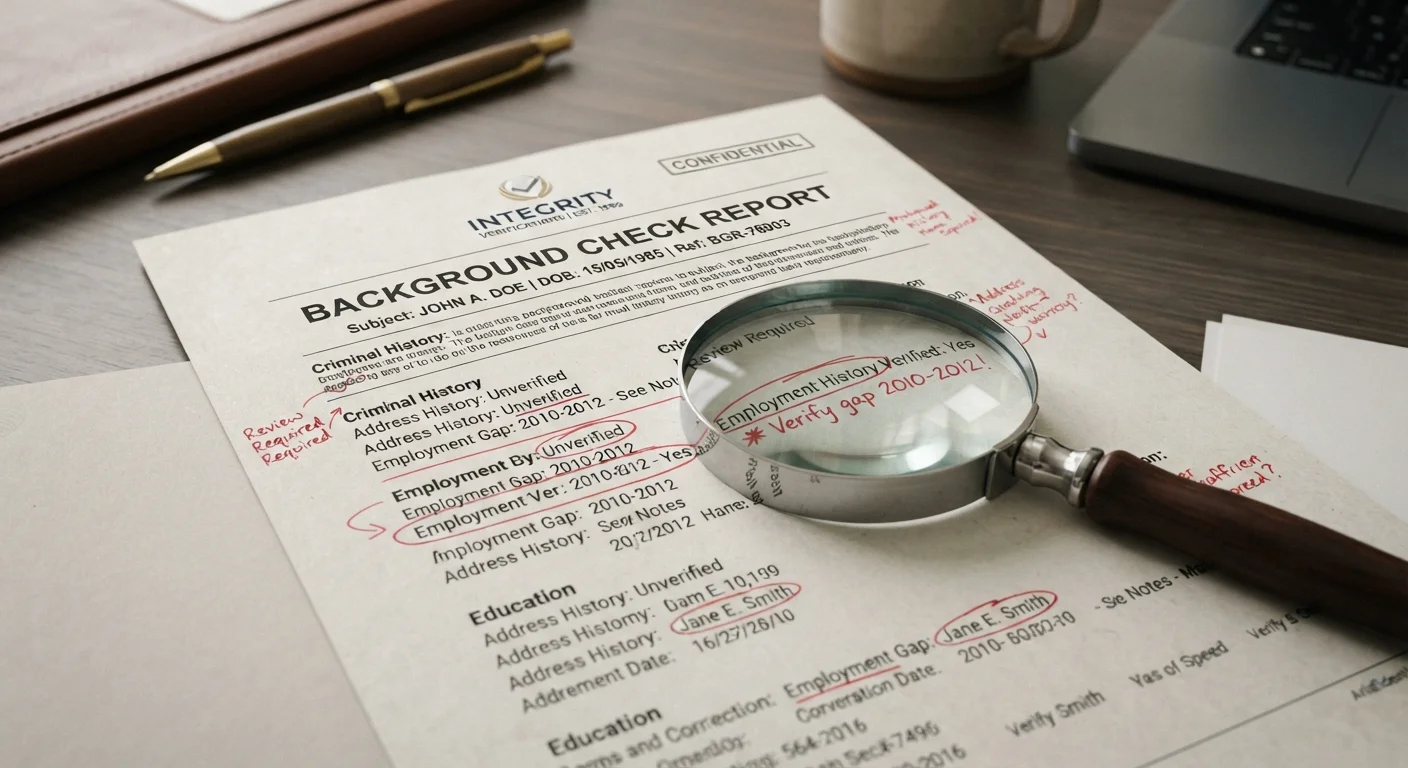
Photo: searchopenrecords editorial
—— In This Article
Key Takeaways
- Background check errors are surprisingly common and stem from identifiable, correctable causes.
- Mixed files—where one person's records are attributed to another—are among the most damaging error types.
- Expunged or sealed records that still appear on reports represent a serious legal and practical problem.
- The FCRA gives consumers the right to dispute inaccurate information and receive a timely response.
- Errors can cost applicants jobs, housing, and professional licenses before they even know a problem exists.
- Reviewing your own background report before applying for employment or housing can help catch errors early.
Why Background Check Errors Occur
Background checks draw from a wide network of data sources—court records, credit files, sex offender registries, motor vehicle records, and more. Each handoff between a courthouse, a data vendor, and a consumer reporting agency introduces opportunities for mistakes. Understanding how background checks work helps clarify why the process is inherently imperfect.
The most common root causes include:
- Mixed files: When records from two different individuals are merged into one report, usually due to similar names, partial Social Security Number matches, or algorithmic data-matching errors.
- Outdated court records: Charges that were dismissed, reduced, or expunged may still appear if the court's update hasn't propagated to the database a screening company uses.
- Data entry mistakes: Clerical errors at the courthouse or during database ingestion can transpose dates, misspell names, or misclassify offense types.
- Incomplete reporting: Some jurisdictions report arrests but not dispositions, leaving an arrest on record without any indication it resulted in an acquittal or dismissal.
It's also worth noting that what a report includes—and excludes—is shaped by legal and geographic constraints. Our coverage of what records appear in background checks explains those boundaries in detail.
Not All Data Sources Update Equally
Background screening companies often use third-party database aggregators rather than pulling records directly from courts. These aggregators vary widely in how frequently they refresh their data. A record that has been expunged or updated in court may take weeks, months, or longer to be corrected in a commercial database—if it is updated at all. This lag is one of the most common structural causes of inaccurate reports.
The Real Costs of an Inaccurate Report
A background check error rarely announces itself. In most cases, an applicant learns about a problem only after being denied a job, rejected for an apartment, or passed over for a professional license. By that point, the damage is already done—at least temporarily.
1 in 3
Americans with errors on consumer reports
A Federal Trade Commission study found that approximately one in three consumers identified at least one error on their consumer reports, with some errors significant enough to affect decisions.
30 days
Standard dispute investigation window
Under the FCRA, consumer reporting agencies are generally required to complete their investigation of a consumer dispute within 30 days of receiving it.
79%
Employers using background checks
According to the Professional Background Screening Association, the vast majority of U.S. employers conduct background checks on at least some candidates, underscoring the stakes of report accuracy.
The consequences vary by context but can include:
- Employment denial: Many employers rely heavily on background reports during hiring. An inaccurate criminal record or misattributed identity can eliminate an otherwise qualified candidate.
- Housing rejection: Landlords routinely screen applicants, and a mixed file or old record that should have been cleared can result in rejected rental applications.
- Professional licensing delays: Fields such as healthcare, finance, and law enforcement require background clearance. An error can stall or derail licensure.
- Reputational harm: Even if an error is corrected, the time between discovery and resolution can cause lasting professional disruption.
These outcomes are especially troubling because applicants often don't know a report exists until adverse action is taken. Familiarizing yourself with common misconceptions about background check contents can help set accurate expectations before you apply.
Your Legal Rights Under the FCRA
The Fair Credit Reporting Act (FCRA) is the primary federal law governing how consumer reporting agencies collect, use, and share background information. It provides consumers with meaningful protections specifically designed to address inaccuracy.
Key rights under the FCRA include:
- The right to disclosure: If adverse action is taken based on your report, the employer or landlord must tell you, identify the reporting agency, and provide you with a copy of the report.
- The right to dispute: You may challenge any information you believe to be inaccurate or incomplete. The CRA must investigate your claim, typically within 30 days.
- The right to correction: If an item cannot be verified, the CRA must remove or correct it and notify you of the outcome.
- The right to add a statement: If a dispute isn't resolved in your favor, you may include a brief statement of explanation in your file.
For a thorough walkthrough of how to exercise these rights, see our guide on disputing an error on your background check report. Also be aware of the common pitfalls that can derail a valid dispute, such as missing deadlines or submitting insufficient documentation.
This article is for general informational purposes only and does not constitute legal advice. Readers with specific concerns about their background check rights should consult a qualified attorney.
Frequently Asked Questions

Background Checks Editorial Team
Background Checks Editorial Team is the collective byline for our editorial team and contributor network. Articles published under this byline or an editorial pen name are researched, written, and reviewed according to our editorial standards for clarity, consistency, and independence before publication.
View author profile