
Obituary Research Checklist for Genealogy Projects
Use this step-by-step checklist to organise your obituary search, verify key details, and cross-reference findings with other public records.
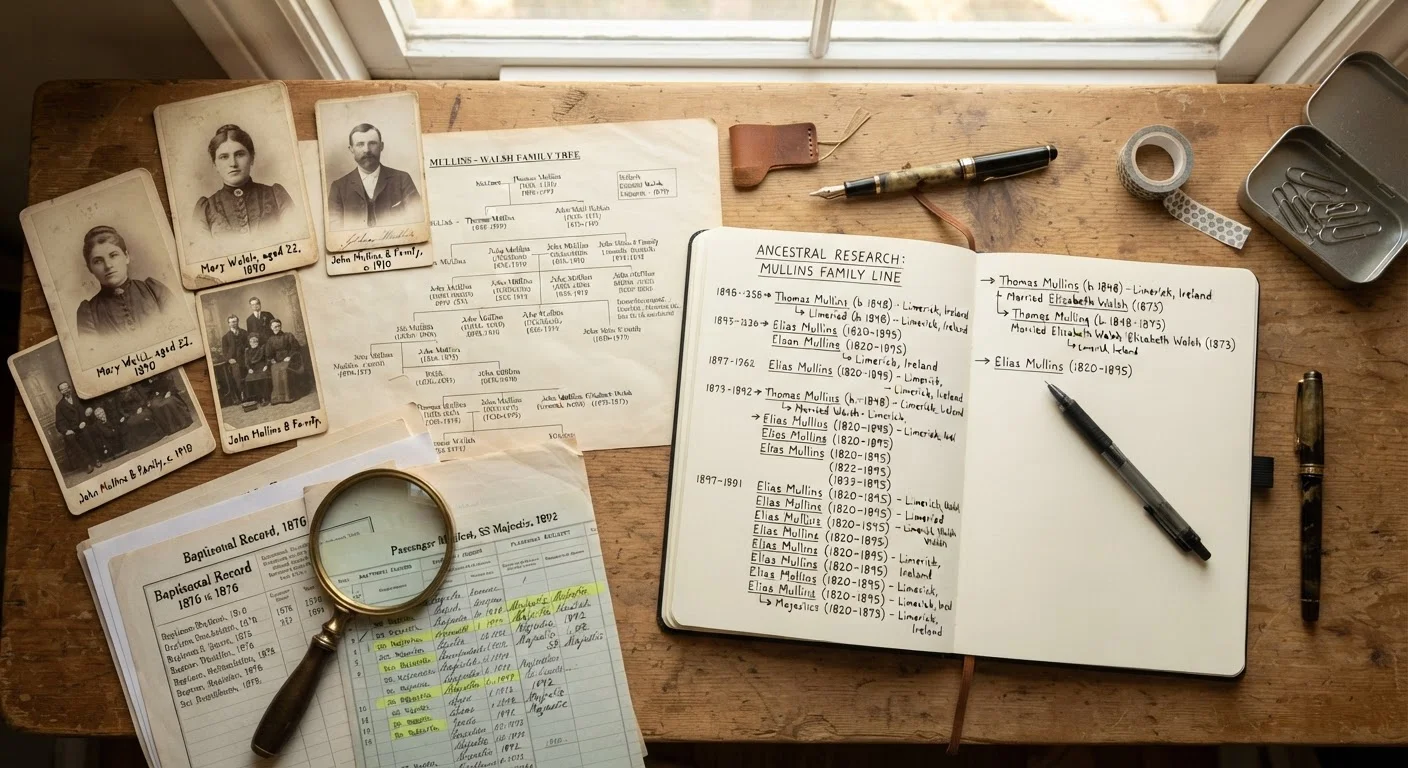
Photo: searchopenrecords editorial
—— In This Article
Key Takeaways
- Obituaries are primary sources that connect names, dates, and family relationships in a single document.
- Cross-referencing obituary details against death certificates, census records, and vital records strengthens accuracy.
- Spelling variations, maiden names, and nicknames frequently cause searches to miss relevant results.
- Noting what an obituary does not say is as important as recording what it does.
- Organising your findings systematically before moving to the next ancestor saves significant research time.
Why Obituaries Deserve a Structured Approach
Obituaries sit at a remarkable intersection in the public records ecosystem. A single notice can confirm a death date, name a surviving spouse, identify a birthplace, and reveal a religious affiliation — all details that point toward the next record to find. Yet researchers who approach obituary searches without a clear framework often collect fragments without context, or move on before extracting everything the document can offer.
This checklist is designed to keep your research purposeful. Whether you are tracing a direct ancestor or filling in a collateral line, working through these steps systematically reduces the chance of missing a lead you will regret not following later. If you are new to this process, the comprehensive starting guide on obituary research for genealogy explains how obituaries fit within the broader public record system before you begin.
Before You Search: Preparation Steps
Arriving at a search with the right information already in hand dramatically narrows the field of possible results. Review your existing records — census entries, vital certificates, family bibles — before opening any database. The checklist of key details to gather before searching walks through exactly which fields to prepare.
Preparation
Locating the Obituary
Recording Core Details
Cross-Referencing and Verification
Final Documentation
Once you have a result in hand, your work is not finished. The checklist for extracting every useful detail helps ensure you capture every lead before moving to the next ancestor.
Obituaries Can Contain Errors
Obituaries are written quickly, often by grieving family members or newspaper staff working from secondhand information. Ages, birth years, and even spelling of surnames can be incorrect. Always treat obituary details as leads to verify against official records — death certificates, census entries, and vital records — rather than as confirmed facts on their own.
Using Your Findings Across the Public Records System
Every confirmed detail in an obituary is an entry point into another record type. A stated birthplace opens a door to foreign vital records or immigration manifests. A named church or fraternal organisation may hold its own membership rolls or death registers. Survivors listed by name — especially married daughters whose surnames change — are candidates for their own obituary searches years later.
Cross-referencing is not optional in genealogy; it is the mechanism by which unverified family tradition becomes documented family history. Consult the practical field guide to reading an obituary for genealogy for detailed guidance on interpreting specific language and conventions within obituary texts. For broader research habits that experienced genealogists rely on, the guide to proven obituary research habits offers practical strategies for working across multiple source types efficiently.
One Unverified Detail Can Skew an Entire Tree
A single misread surname or transposed birth year copied from an obituary into your genealogy database can propagate errors across dozens of subsequent records. Before adding any detail to a shared or published family tree, confirm it against at least one independent source. Document both the obituary and the confirming record so future researchers can evaluate your evidence chain.
After completing this checklist for one ancestor, record your sources fully — database name, publication title, date accessed, and any archive call numbers — before moving on. Undocumented findings are far harder to verify later and undermine the integrity of the wider family tree.

Obituary Search Editorial Team
Obituary Search Editorial Team is the collective byline for our editorial team and contributor network. Articles published under this byline or an editorial pen name are researched, written, and reviewed according to our editorial standards for clarity, consistency, and independence before publication.
View author profile