
Public Records and Username Searches: Where the Two Overlap
Username data isn't always a public record—but the two worlds intersect more often than most people realise.
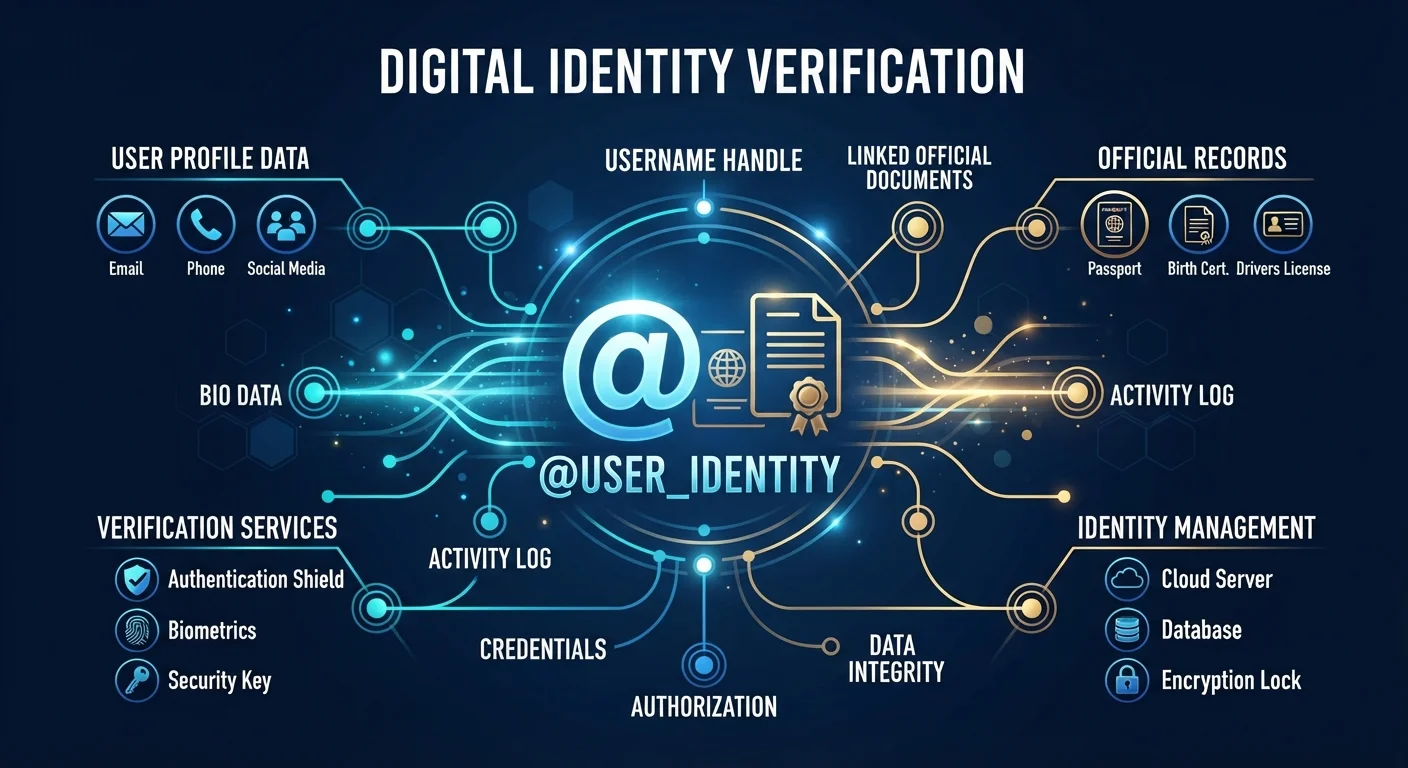
Photo: searchopenrecords editorial
—— In This Article
Key Takeaways
- Usernames are not inherently public records, but they can appear within public record contexts.
- Data aggregators routinely combine official government data with open web profile information.
- A username search may surface court documents, business filings, or forum posts linked to the same handle.
- The overlap creates richer profiles than either system could produce independently.
- Privacy protections vary significantly depending on whether data originates from a government source or a commercial platform.
Why These Two Systems Are Usually Treated as Separate
Public records and username searches operate from fundamentally different starting points. Public records—court filings, property deeds, business registrations, vital records—are created and maintained by government agencies. Their availability is governed by statutes such as state open-records laws and the federal Freedom of Information Act. A username, by contrast, is a self-selected identifier chosen for a private platform. It carries no official legal standing.
This distinction matters practically. When you search a state court database, you are querying a government repository with defined disclosure rules. When you search a username across social platforms, you are crawling commercially operated systems whose privacy settings, data retention policies, and terms of service differ from one another—and from any government standard.
Understanding this separation helps set realistic expectations. Neither system was designed to feed the other, yet in practice they regularly do.
Where the Overlap Actually Occurs
The intersection emerges in several concrete situations worth understanding.
Usernames in Court and Regulatory Records
Civil litigation increasingly involves digital evidence. A username or handle may appear as an exhibit in a defamation case, a restraining order application, or a fraud investigation. Once submitted to a court, that document becomes part of the public record in most jurisdictions. The username is then retrievable through PACER (the federal court filing system) or a state court portal—systems firmly within the public records domain.
Business and Professional Filings
Online entrepreneurs sometimes register businesses under names that mirror their social handles, or list website URLs in state registration documents. Those filings are public, linking a digital identity to a legal entity, an address, and an individual's name.
Data Aggregators as the Bridge
The most common overlap point is the data aggregator. These services ingest public record data—address history, property ownership, court records, voter registrations where permitted—and combine it with open web profile data harvested from social platforms and forums. The result is a composite profile that may surface when someone searches a username. What username searches can and cannot tell you depends heavily on how much aggregation has occurred behind the scenes.
Not All Aggregators Are Equally Transparent
Some data aggregator services clearly label whether a data point originates from a government source or an open web scrape. Many do not. When evaluating results, look for source citations or methodology disclosures. If a service does not explain where its data comes from, the overlap between public record information and social profile data is impossible to untangle without independent verification.
What This Means for Interpreting Search Results
When a username search returns a result that includes a real name, a location, or a court record, it is worth asking: where did that data originate? If it comes from a government source via an aggregator, it carries a different evidentiary weight than a self-reported social media bio. The two are often presented side by side without clear labeling.
This ambiguity is one reason username searches can produce misleading results. A profile that looks authoritative may be built on a mix of verified government data and unverified platform data, with no visible seam between them.
Practically, treat composite results as leads rather than conclusions. Cross-reference any identifying information against primary sources—the actual court database, the secretary of state's business search, or a government property records portal—before drawing firm conclusions.
For a broader look at what public records cannot reveal and where privacy law creates hard limits, the Privacy & Limits hub is a useful reference. And if you are deciding which search approach fits your situation, comparing username search to people search can clarify when each tool gives you more useful results.
Frequently Asked Questions

People Search Editorial Team
People Search Editorial Team is the collective byline for our editorial team and contributor network. Articles published under this byline or an editorial pen name are researched, written, and reviewed according to our editorial standards for clarity, consistency, and independence before publication.
View author profile