
Free vs. Paid Reverse Phone Lookup: What Changes Between the Two
Free and paid reverse phone lookup tools differ in data depth and accuracy. See what each approach offers before deciding which suits your situation.
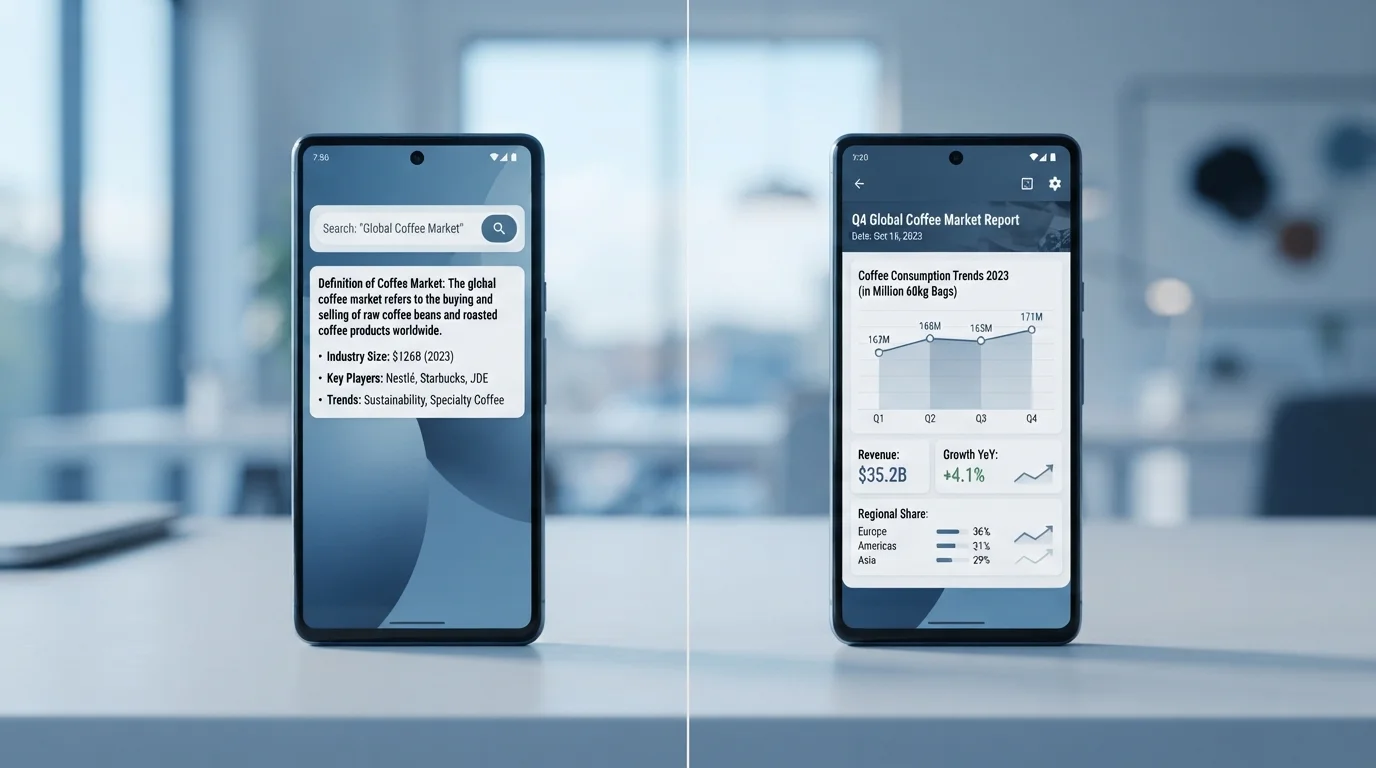
Photo: searchopenrecords editorial
—— In This Article
Key Takeaways
- Free tools typically return only basic carrier and line-type data, especially for mobile and VoIP numbers.
- Paid services aggregate multiple public record databases, producing fuller — though not infallible — owner profiles.
- Neither free nor paid lookups guarantee real-time accuracy, since underlying records update on varying schedules.
- VoIP numbers are consistently harder to trace in free tools due to limited carrier-level disclosure.
- Paying more does not automatically mean higher accuracy — source quality and database freshness matter just as much.
How Each Approach Sources Its Data
The gap between free and paid reverse phone lookups is fundamentally a data sourcing gap. Free tools typically pull from a narrow set of publicly available inputs: FCC and carrier registration records, user-submitted directories, and crowdsourced spam reports. This works reasonably well for listed landline numbers, where the connection between a number and an address has historically been documented in white-page directories. For mobile and VoIP numbers, that public trail is much thinner.
Paid services, by contrast, license access to aggregated data layers that are not freely distributed — including credit header data (name and address information collected during financial applications), utility records, property filings, and voter registration rolls. The combination of these sources is what allows a paid lookup to potentially return a name, current address, and associated relatives for a mobile number. To understand exactly which public records feed into these systems, see the public data behind reverse phone lookups.
Importantly, neither source type reflects changes in real time. Records are ingested and refreshed on schedules that vary by provider, meaning a recently ported or reassigned number may return stale data regardless of whether you use a free or paid tool.
What You Actually Get: A Direct Comparison
Free tools tend to deliver three things reliably: the number's line type (mobile, landline, or VoIP), the originating carrier, and whether the number has been flagged by other users as spam. That last feature is genuinely useful — community-sourced spam databases on free platforms can surface scam patterns faster than commercial records catch up.
Paid services add layers: registered owner name, current and historical addresses, household members, and in some cases associated email addresses or social profiles drawn from public sources. The depth of this output depends heavily on how much data the underlying aggregator has been able to compile for that specific number.
| Criterion | Free Reverse Phone Lookup | Paid Reverse Phone Lookup |
|---|---|---|
| Cost | No charge | Per-search or subscription fee |
| Landline owner data | Often available (listed numbers) | Usually available |
| Mobile owner data | Rarely available | Often available via licensed data |
| VoIP number data | Minimal or none | Limited; varies by provider |
| Address history | Not typically included | Commonly included |
| Spam/scam flags | Strong — community sourced | Variable — depends on service |
| Data freshness | Varies; often delayed | Varies; not guaranteed real-time |
| Registration required | Usually not | Typically required |
It is worth noting that gaps appear in both tiers. Free tools frequently return no owner information for mobile numbers. Paid tools may return outdated information — or none at all — for numbers registered through temporary or anonymous VoIP providers. For a clear-eyed view of what the technology can and cannot deliver, reverse phone lookup's capabilities and limits provides useful context.
Where Phone Number Type Changes Everything
The type of number being searched is one of the strongest predictors of lookup quality — more so than whether you use a free or paid service. Landline numbers connected to listed residential or business accounts are the most traceable across both tiers. Mobile numbers occupy a middle ground: paid services with carrier-licensed data can often identify the subscriber, but free tools rarely can. VoIP numbers present the greatest challenge at every price point.
VoIP numbers — including those issued by apps and internet phone services — can be registered with minimal identifying information. Even paid aggregators may have limited data if the number was never linked to a verifiable identity in a public record. how different phone number types affect lookup results explores these distinctions in more detail.
VoIP Numbers: A Consistent Blind Spot
VoIP numbers issued through app-based or internet phone services can be activated with minimal identity verification, which means they leave little trace in public record databases. Both free and paid lookup tools struggle with these numbers, though paid services with broader aggregation may surface partial matches if the number was ever linked to a verifiable account. Do not assume a paid result is complete — absence of data is itself informative.
The free-versus-paid distinction also parallels decisions in adjacent public records searches. Similar trade-offs apply when comparing free and paid address lookup methods — accessible but shallow versus licensed but costly.
Practical Guidance: Choosing the Right Tier
Start with a free tool when your goal is quick triage — confirming whether an unfamiliar number belongs to a known carrier, checking spam reports, or ruling out obvious robocall patterns. Free lookups impose no financial cost and often answer the most common question: should I call this number back?
Consider a paid lookup when the stakes are higher: verifying the identity behind a number that contacted you about a financial matter, reconnecting with someone whose contact details have changed, or researching a number that free tools return no data for. The same principle applies across public record categories — free versus paid obituary sources and free versus subscription ancestry databases each illustrate how the free-to-paid trade-off plays out in different research contexts.
Before paying, evaluate the specific data sources a service claims to use and whether it discloses its update frequency. A paid service drawing on stale or thin databases may not outperform a well-maintained free directory for your particular query. As with any public records tool, treat results as a starting point for verification rather than a definitive answer.

Phone Lookup Editorial Team
Phone Lookup Editorial Team is the collective byline for our editorial team and contributor network. Articles published under this byline or an editorial pen name are researched, written, and reviewed according to our editorial standards for clarity, consistency, and independence before publication.
View author profile