

Phone Lookup Editorial Team
Phone Lookup Editorial Team is the collective byline for our editorial team and contributor network. Articles published under this byline or an editorial pen name are researched, written, and reviewed according to our editorial standards for clarity, consistency, and independence before publication.
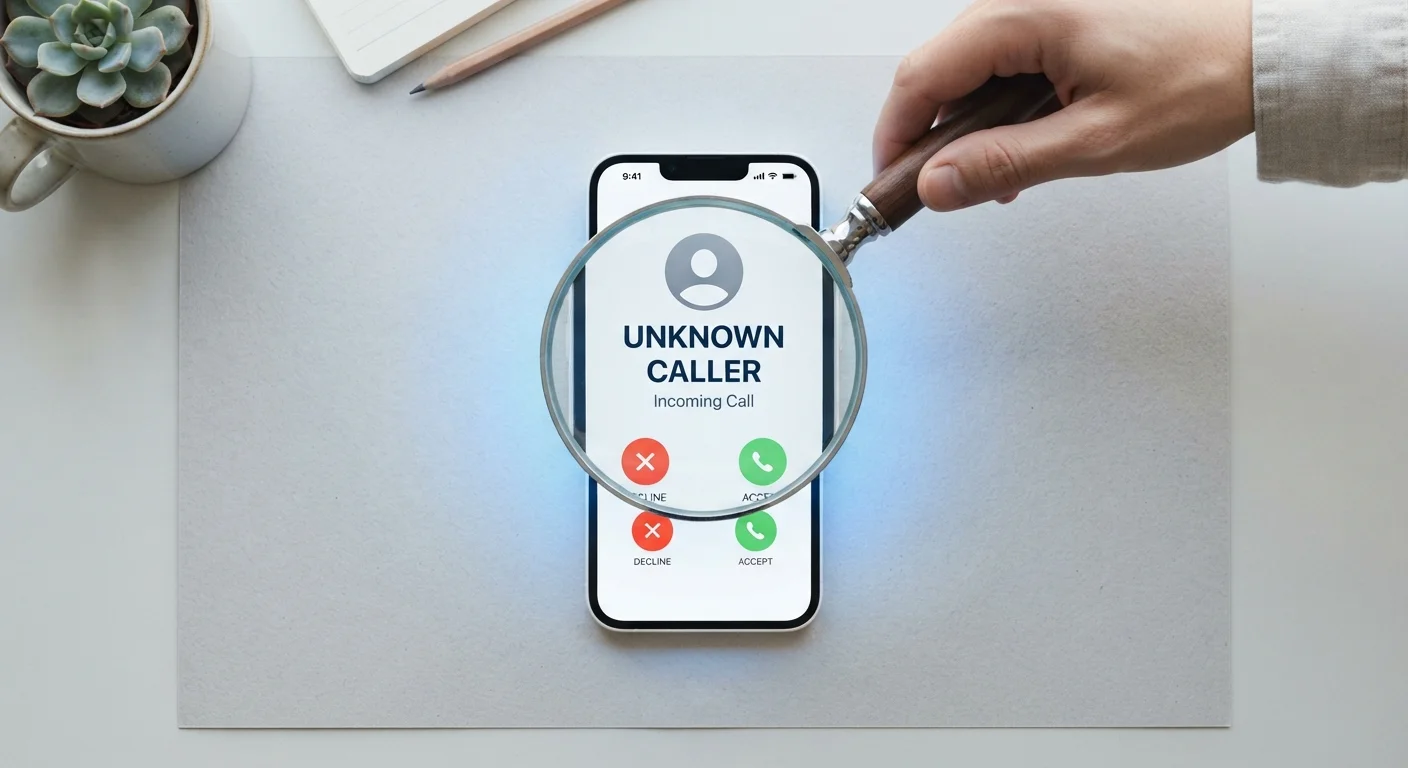
Common Myths About Reverse Phone Lookup Tools
Many people assume reverse lookup is instant, comprehensive, or always accurate. This piece separates widely held misconceptions from what the data actually shows.
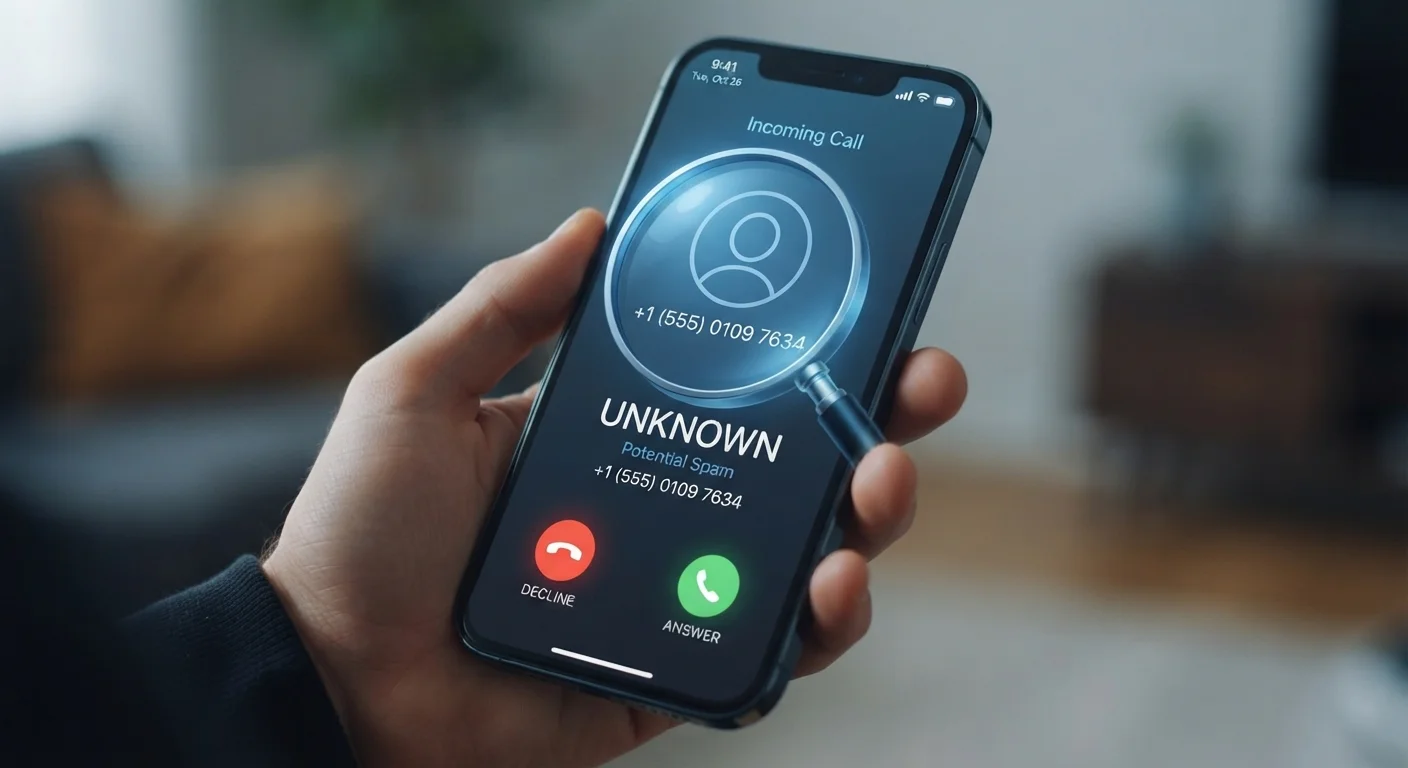
Everything Reverse Phone Lookup Can — and Cannot — Tell You
Reverse lookup results vary widely. Understand what information is typically available, what is often missing, and why gaps exist in public records.
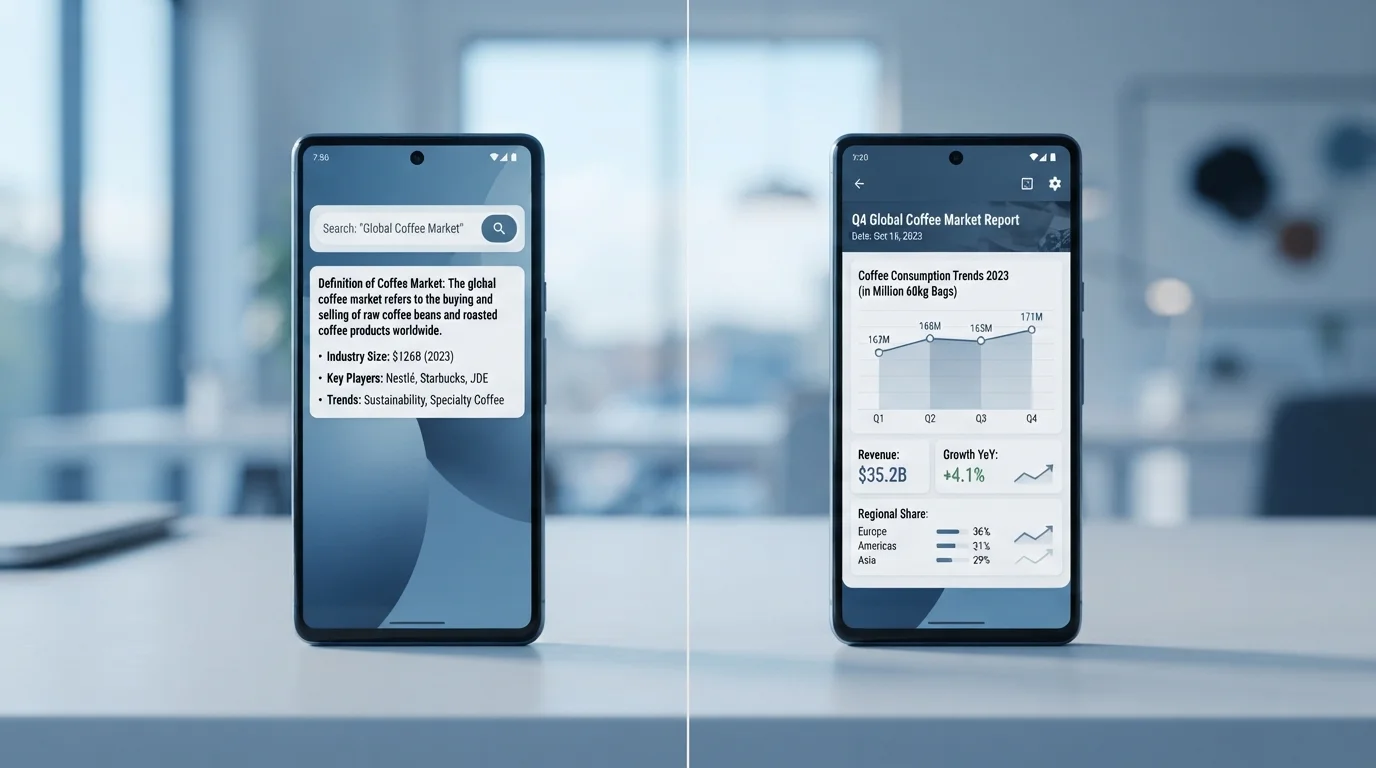
Free vs. Paid Reverse Phone Lookup: What Changes Between the Two
Free and paid reverse phone lookup tools differ in data depth and accuracy. See what each approach offers before deciding which suits your situation.
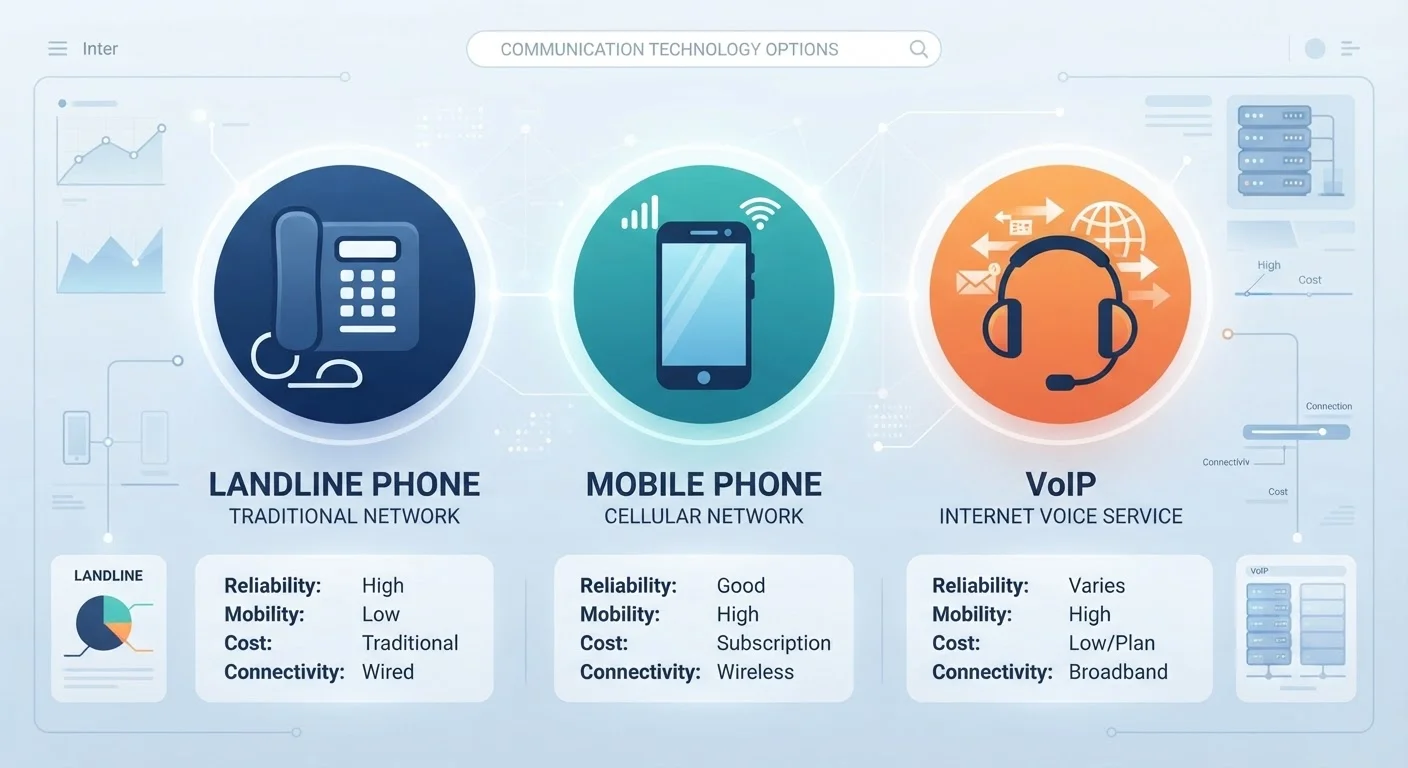
Landline, Mobile, and VoIP Numbers: How Reverse Lookup Handles Each Differently
Not all phone numbers yield the same lookup results. Learn why landlines, mobile numbers, and VoIP lines behave differently in reverse phone lookup tools.
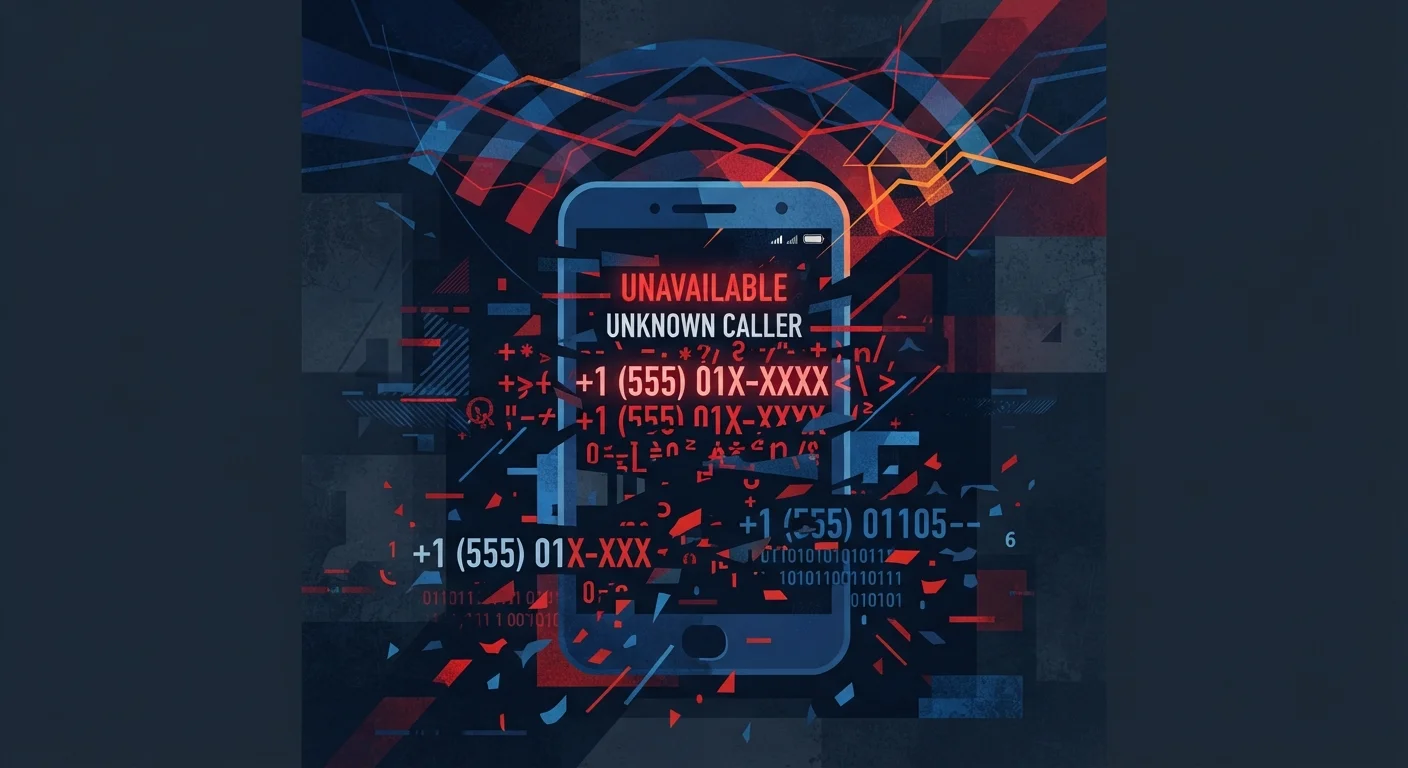
Phone Number Spoofing and What It Means for Reverse Lookup Accuracy
Spoofed numbers can make reverse phone lookup results misleading. Learn how caller ID spoofing works and how it affects the data you see.

Privacy and Reverse Phone Lookup: What the Law Says About Public Records Access
Looking up a phone number raises real privacy questions. Explore the legal frameworks that govern public records access and how they apply to reverse lookup.

Responsible Use of Reverse Phone Lookup: A Practical Checklist
Before acting on reverse lookup results, run through these key checks covering data accuracy, privacy considerations, and appropriate use of public records.
Reverse Phone Lookup Explained: How Unknown Numbers Get Identified
Discover how reverse phone lookup tools work, what public data they draw on, and what information they can realistically reveal about an unknown caller.
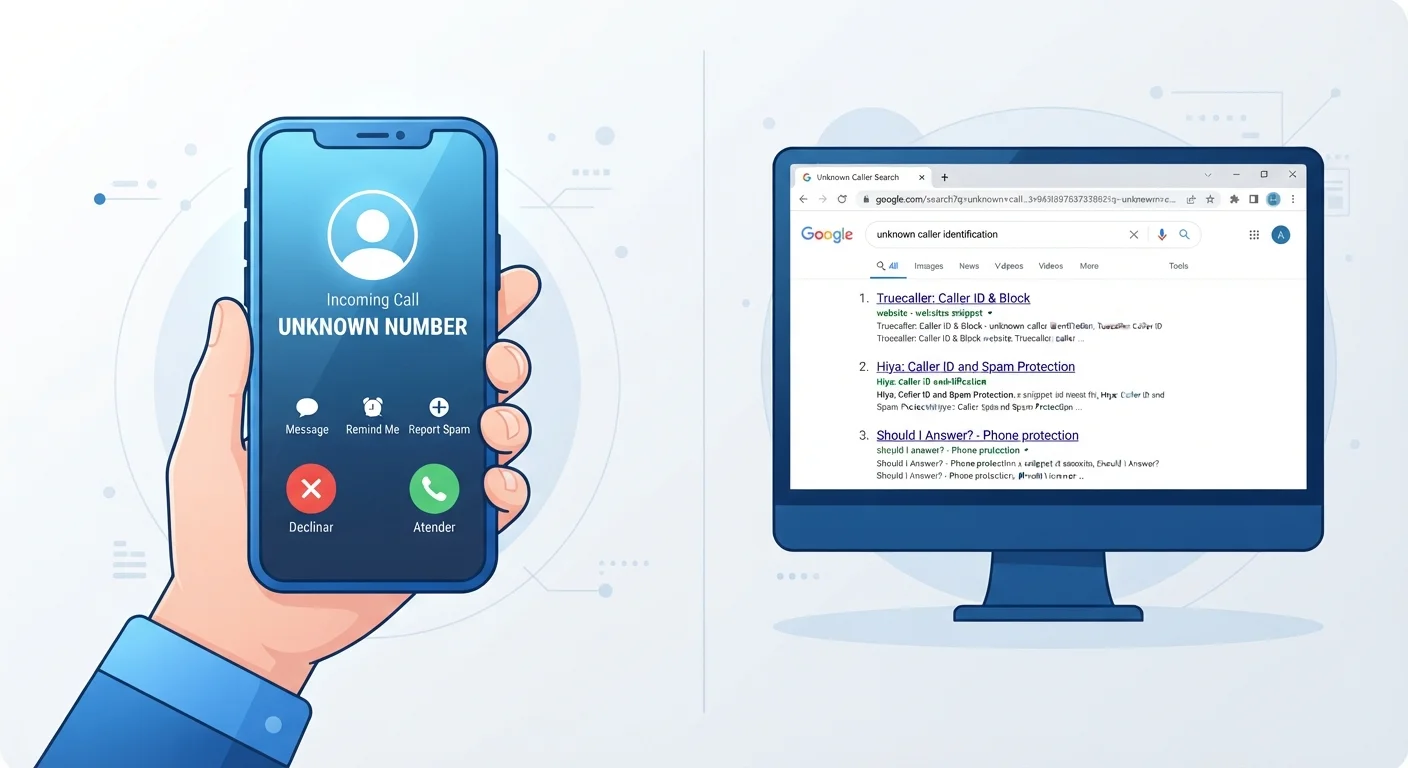
Reverse Phone Lookup vs. Caller ID Apps: Two Different Approaches to Unknown Numbers
Reverse lookup tools and caller ID apps both identify unknown numbers, but they work differently. Here is how to understand the distinction between them.
Reverse Phone Lookup: A Complete Starting Point for Curious Adults
New to reverse phone lookup? This guide covers what it is, how it works, what to expect from results, and how to use it responsibly.
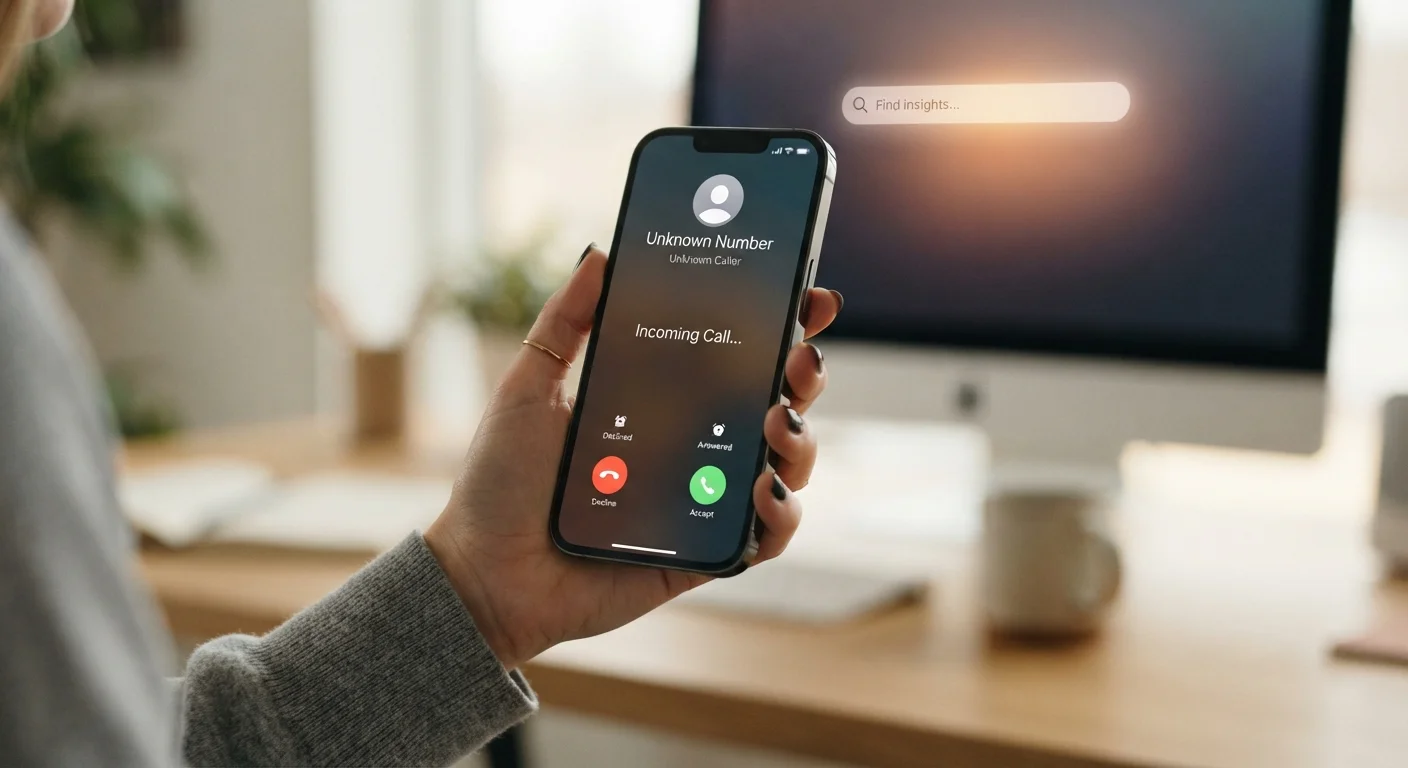
Running a Reverse Phone Lookup: A Step-by-Step Walkthrough
Follow this practical walkthrough to search an unknown number using public records tools, interpret results, and know when to dig further.
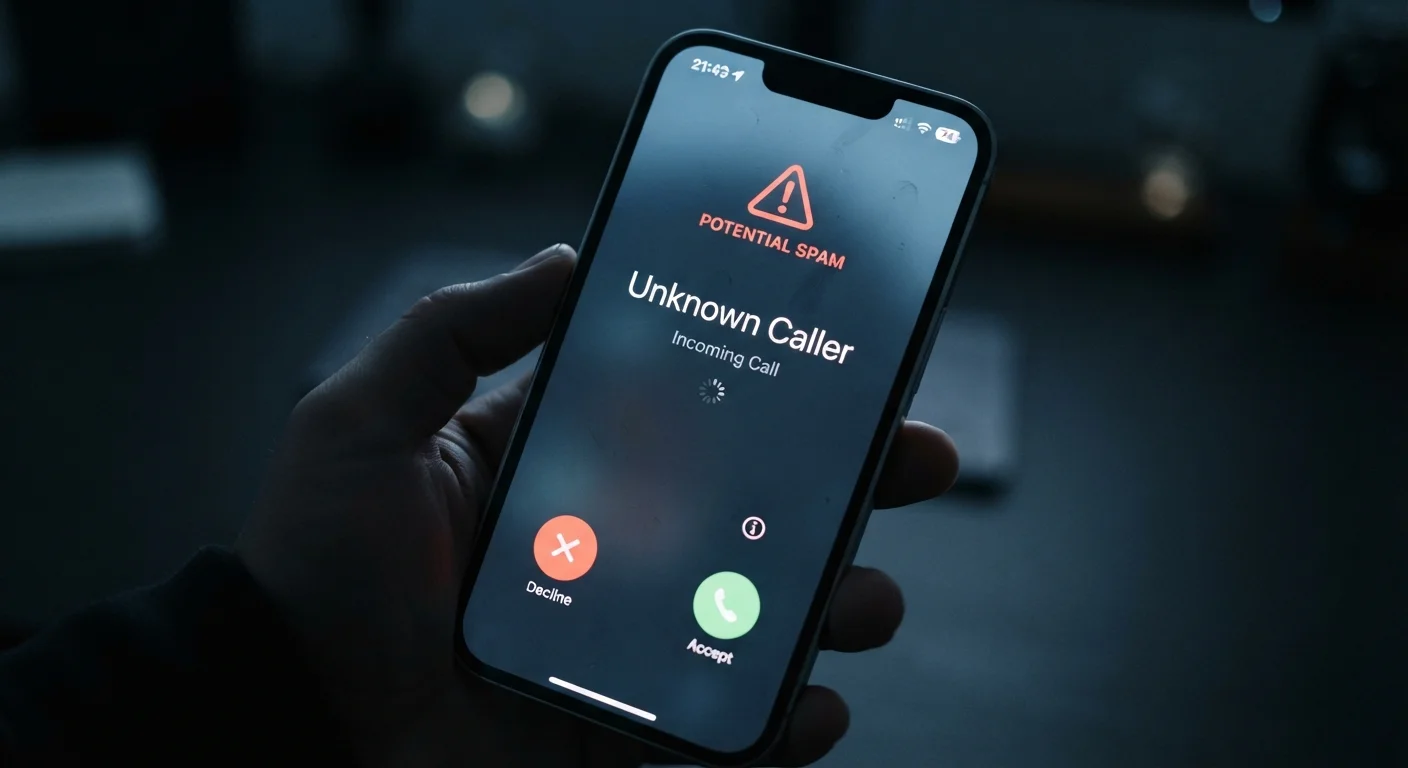
Signals That a Phone Number May Be Linked to a Scam
Reverse lookup can surface clues about suspicious numbers. Learn what patterns and data points are commonly associated with scam or spam calls.
Strengths and Limitations of Reverse Phone Lookup as an Information Tool
Reverse phone lookup is useful but imperfect. A clear-eyed look at what it does well, where it falls short, and how to set realistic expectations.

The Public Data Behind Reverse Phone Lookups
From voter rolls to carrier records, explore the public data sources that power reverse phone lookup results and how that information is compiled.

Why Your Reverse Phone Lookup Returned No Results
A blank result isn't always a dead end. Understand the common reasons reverse phone lookup tools come up empty and what you can try instead.
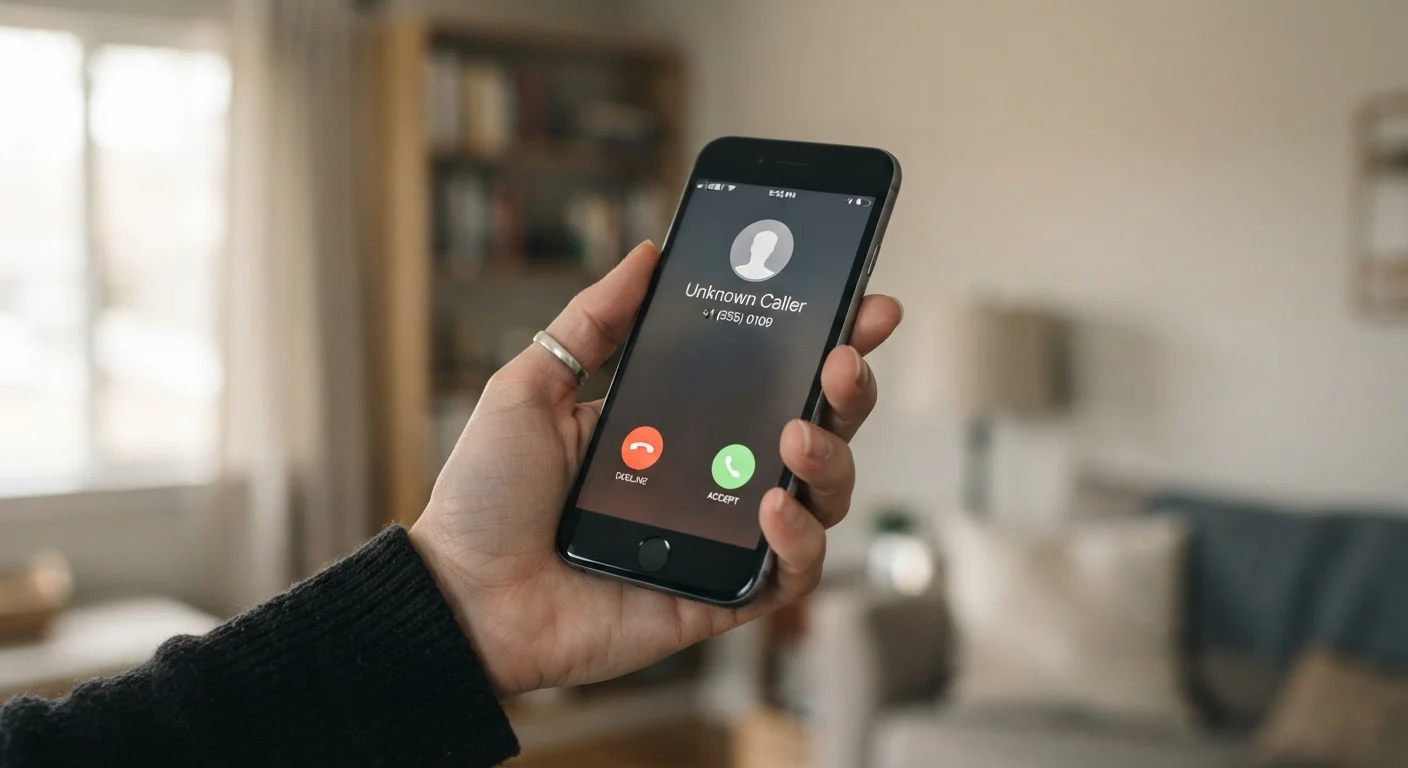
Before You Call Back an Unknown Number: A Safety Checklist
Returning a missed call from an unfamiliar number carries real risks. Run through these verification steps before you dial.
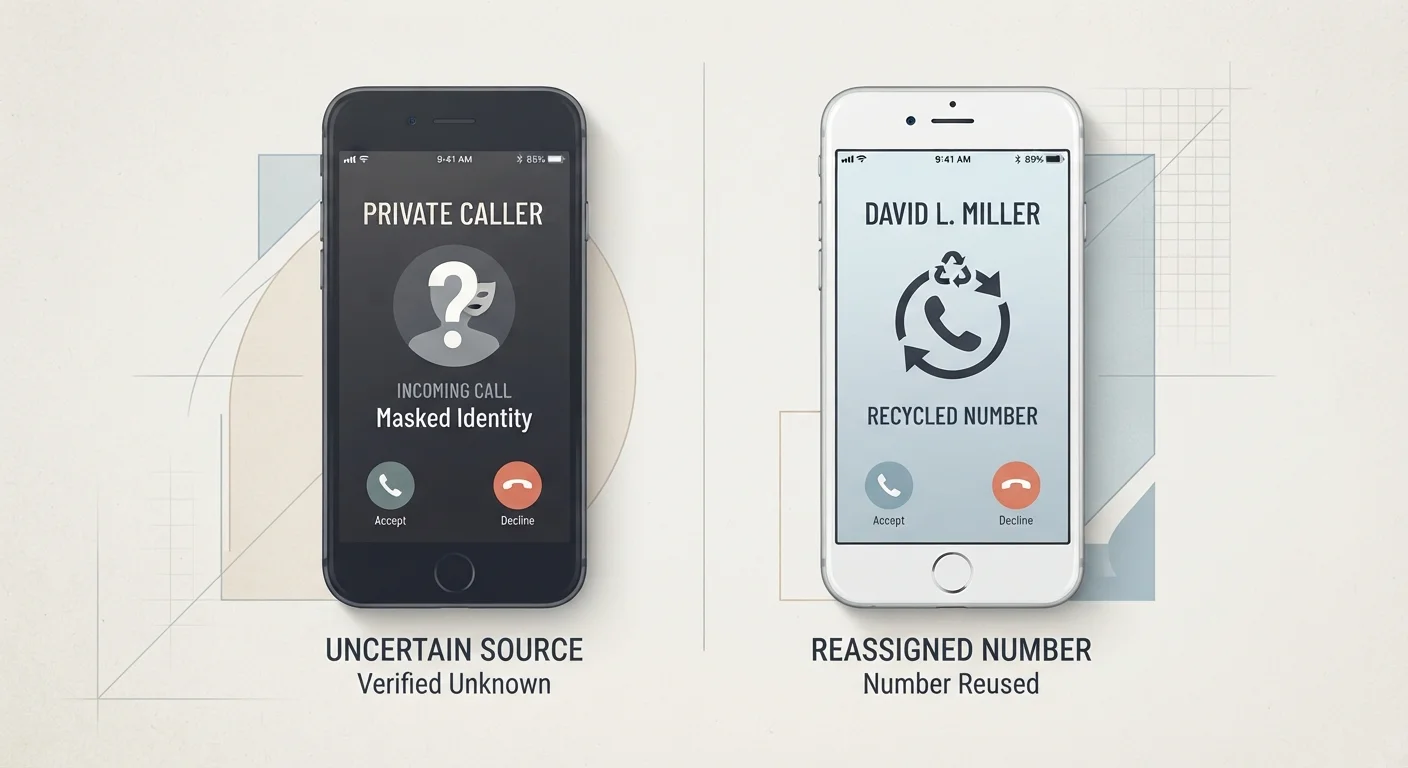
Caller ID Spoofing vs. Number Recycling: Two Very Different Reasons a Call Looks Suspicious
Not every strange-looking call is a scam. Understand the difference between spoofed numbers and recycled ones to make better decisions.
Government Impersonation Scams: IRS, SSA, Medicare, and Beyond
Scammers routinely pose as federal agencies. Learn how to tell a real government call from a fraudulent one—and what agencies actually do.

How Phone Scammers Find Their Targets in the First Place
Data brokers, leaked databases, and social media all feed scammer call lists. Learn where your number goes and how exposure happens.

Mistakes That Make You an Easier Target for Phone Scammers
Certain habits—answering every call, engaging with automated prompts—make scammers more effective. Here's what feeds the cycle.
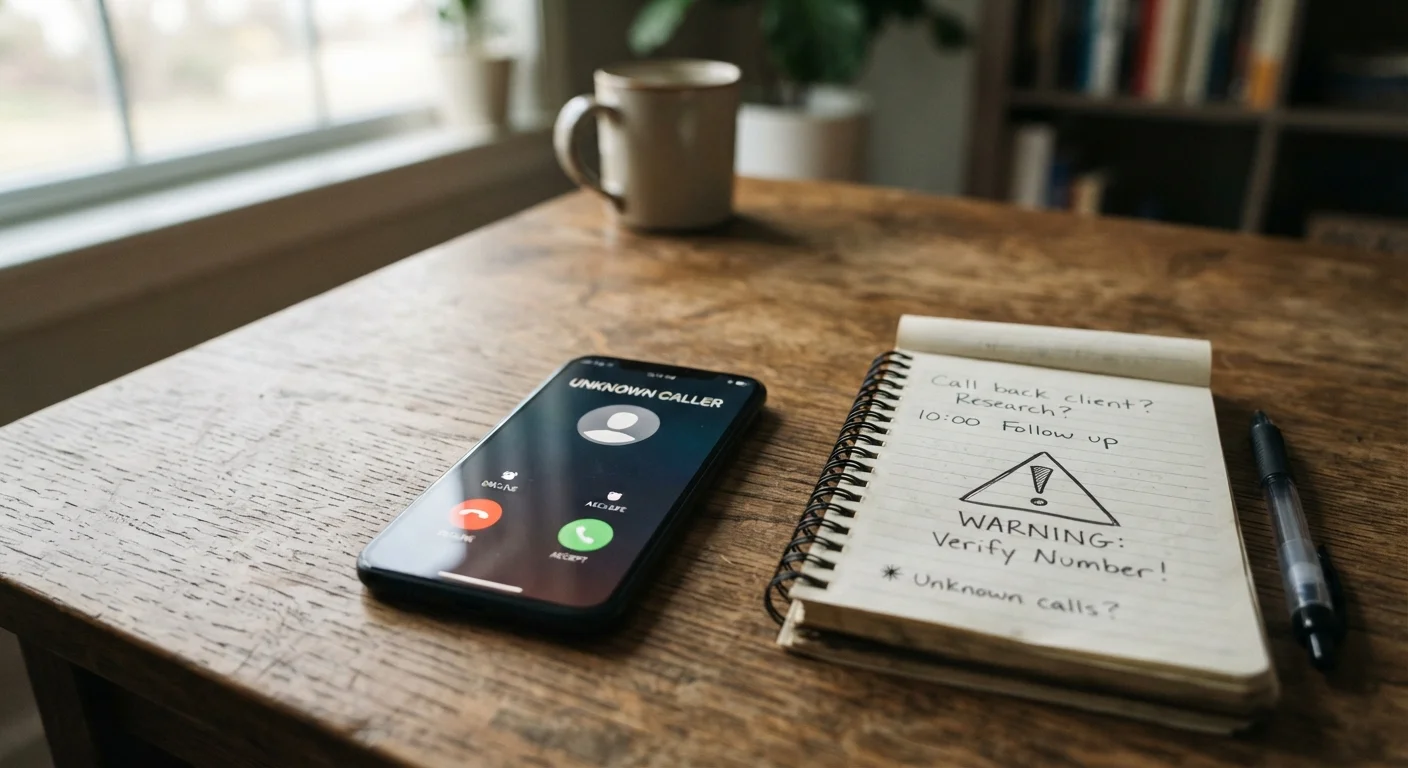
Phone Scam Red Flags Every Caller Should Know
From wire transfer demands to "do not tell anyone" warnings, these are the clearest signals that a call is not what it claims to be.
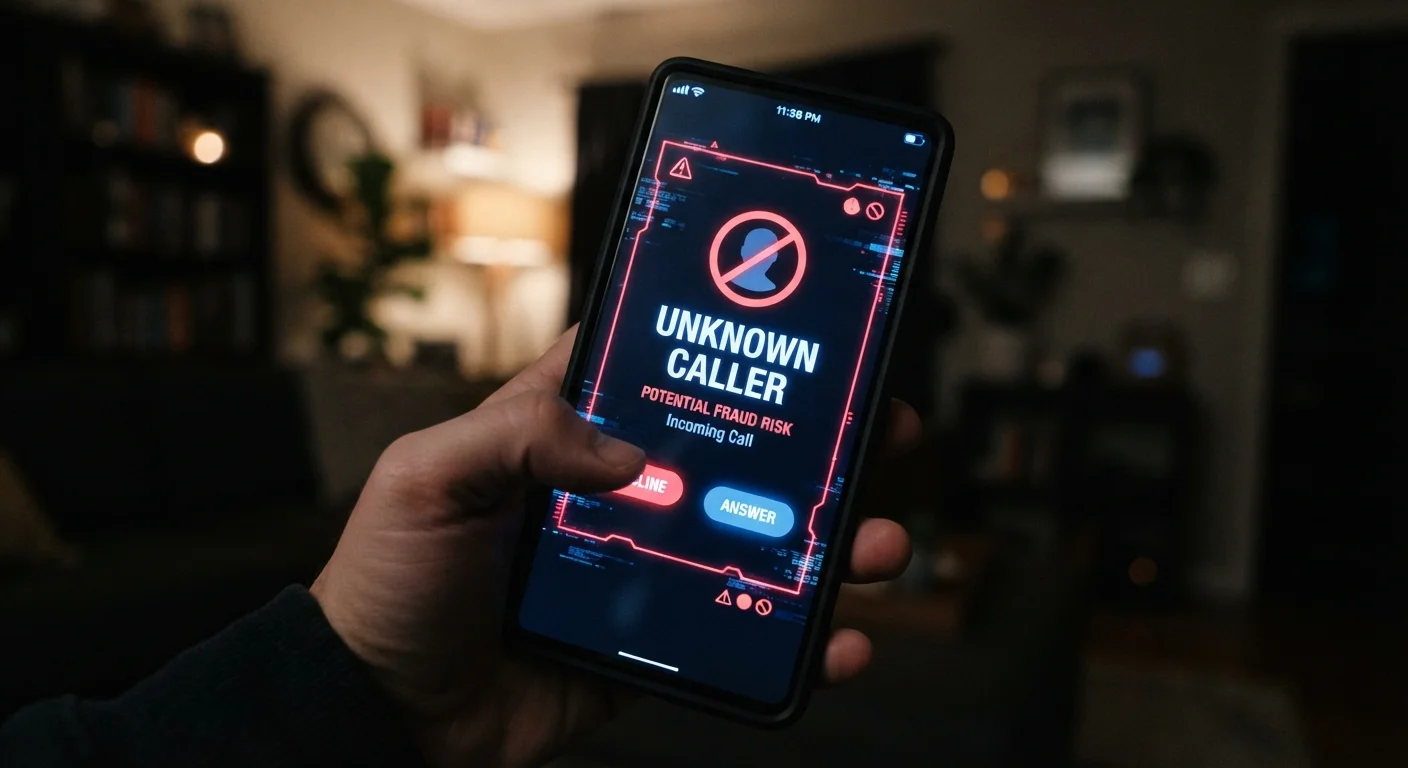
Phone Scams Explained: How Fraudsters Use Your Own Number Against You
Learn how caller ID spoofing works, why scammers mimic local numbers, and what it means for your ability to trust an incoming call.

Protecting Older Adults from Phone Fraud: A Practical Resource for Families
Older adults are disproportionately targeted by phone scammers. This guide covers warning signs, prevention habits, and how to have the conversation.
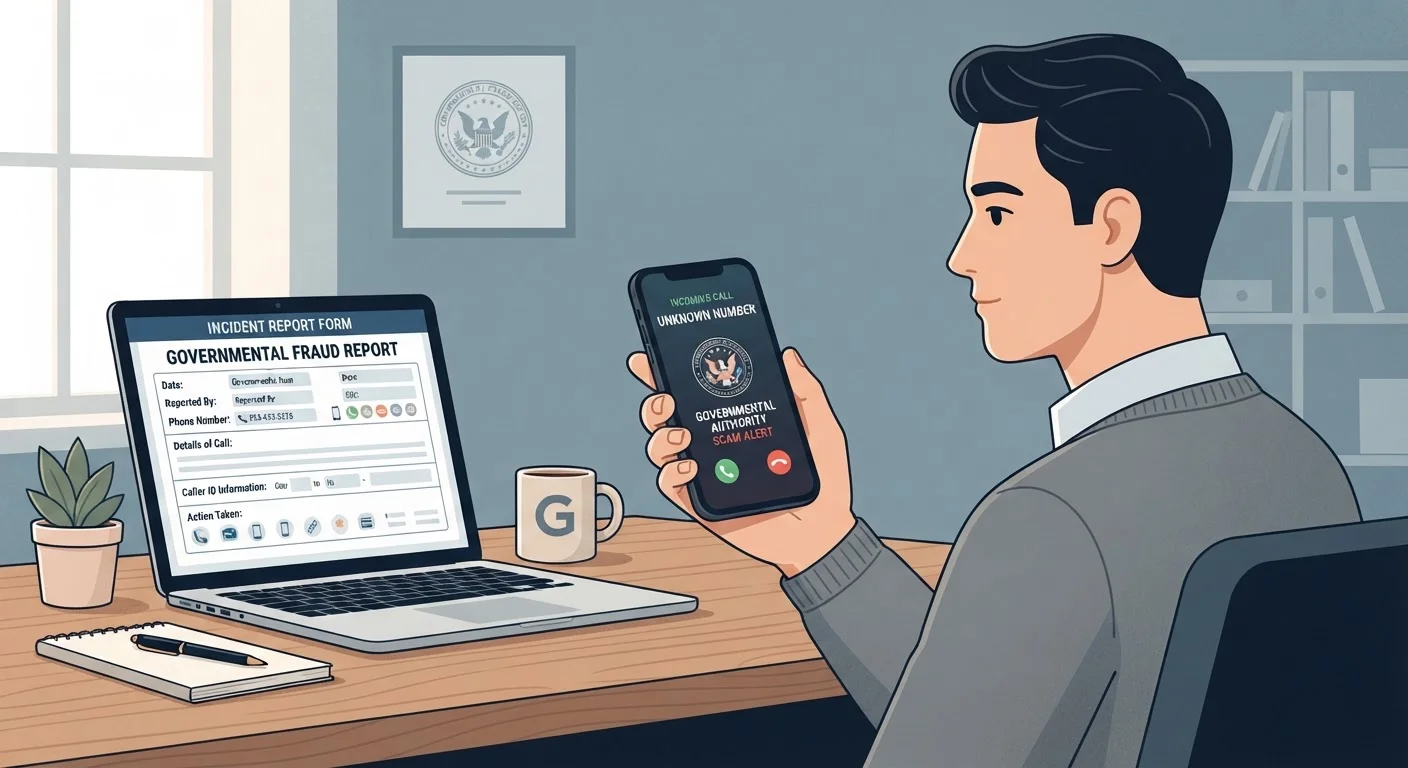
Reporting Unwanted Calls: A Practical Walkthrough for U.S. Residents
Step-by-step guidance on reporting spam and scam calls to the FTC, FCC, and your state attorney general—and what happens after you do.
Robocall vs. Spam Call: What's Actually the Difference?
Robocalls and spam calls are often used interchangeably, but they're not the same thing. Here's how they differ and why it matters.
The Anatomy of a Scam Call: Recognizing the Script Before It Hooks You
Most phone scams follow a predictable script. Understand the pressure tactics, emotional triggers, and urgency cues used to manipulate callers.

Things People Believe About the Do Not Call Registry That Simply Aren't True
The National Do Not Call Registry doesn't stop all unwanted calls. Clear up the most common misconceptions about what it actually does.
Tracing an Unknown Number: What Public Records Can and Cannot Tell You
Phone lookup tools draw on public records, but they have real limits. Here's an honest look at what you can find—and where searches fall short.
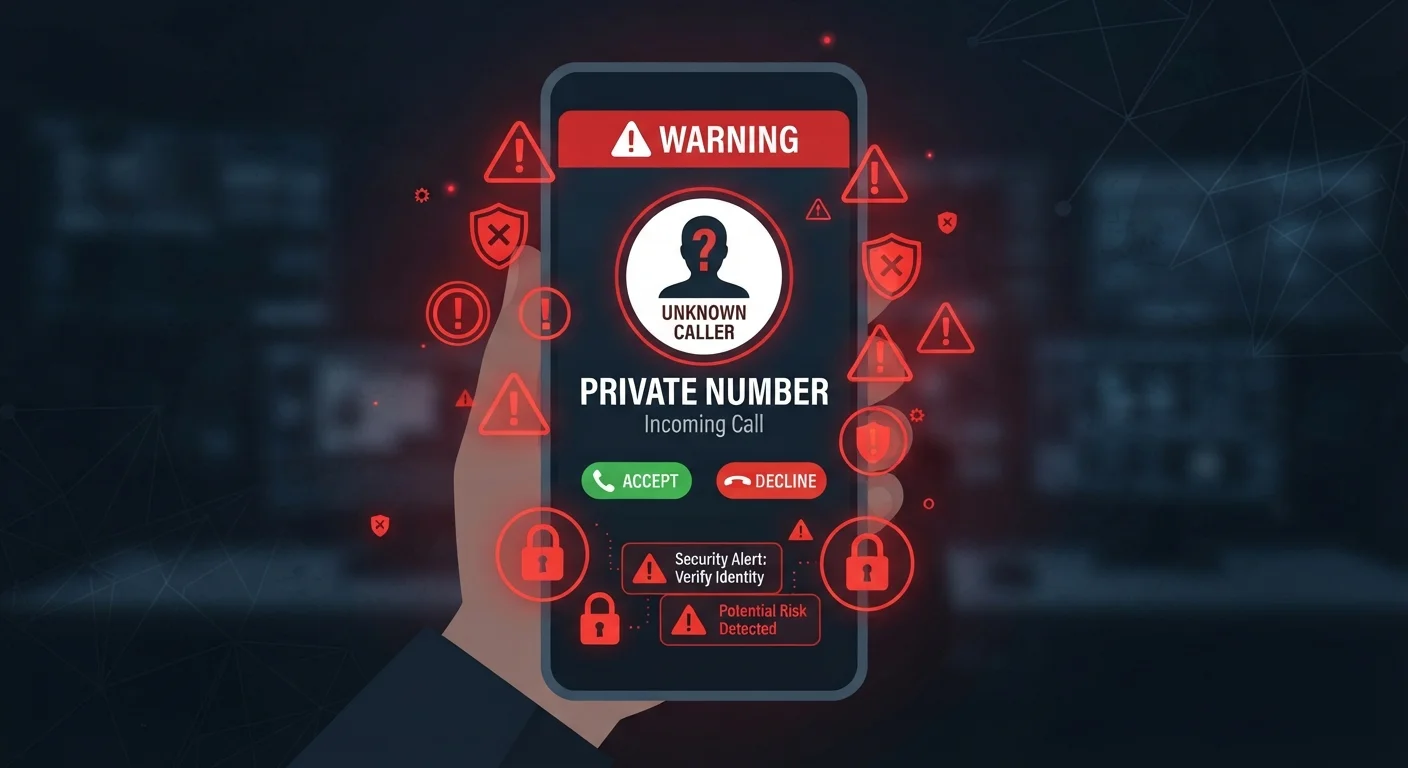
Wangiri, Vishing, and Smishing: A Field Guide to Modern Phone Fraud
Phone fraud has its own vocabulary. This reference breaks down the most common scam categories, how each works, and who they tend to target.
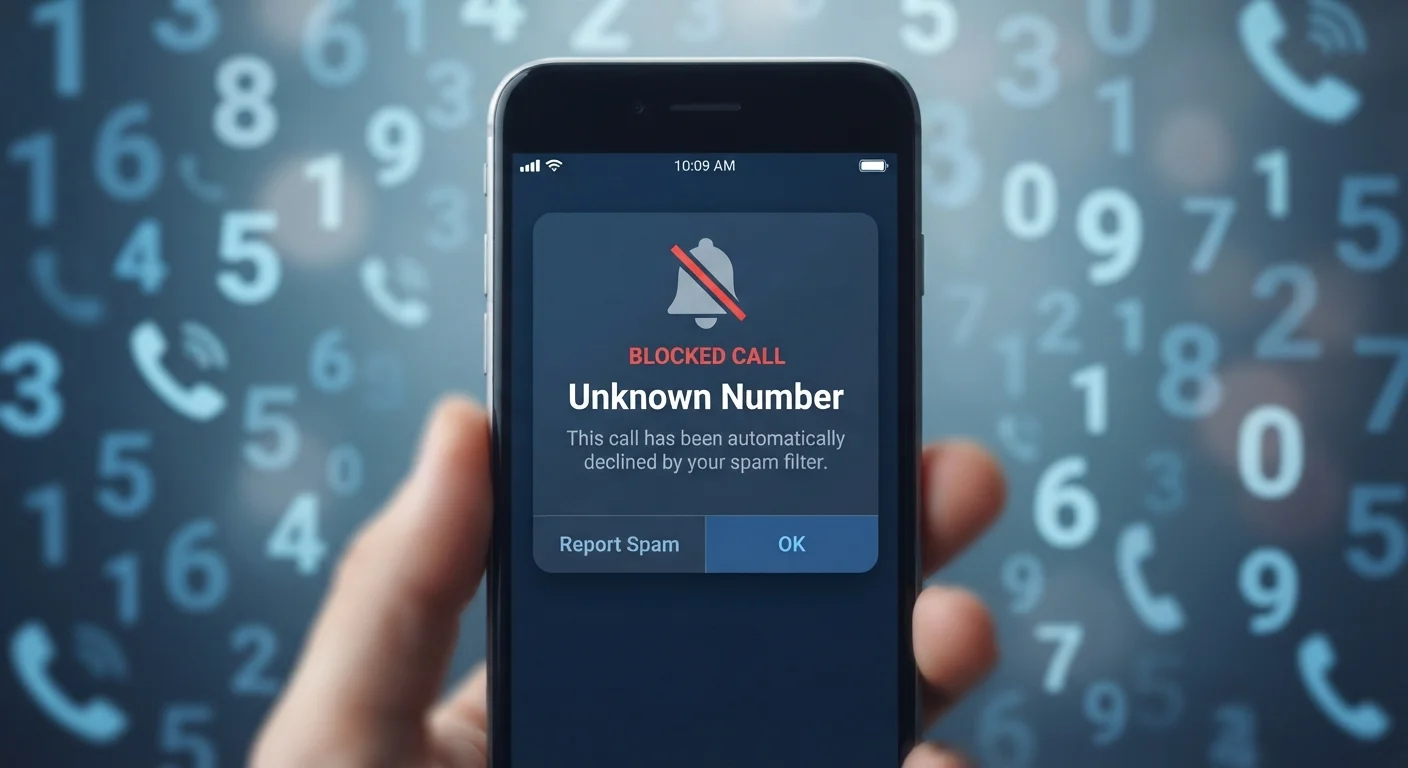
Why Blocking a Number Doesn't Always Stop the Calls
Blocking scam numbers feels satisfying, but spoofed numbers rotate constantly. Understand why blocking has limits and what complements it.

Common Misconceptions About Tracing VoIP and Burner Numbers
Many people assume any phone number can be easily traced. Separate myth from fact when it comes to VoIP and disposable phone numbers.
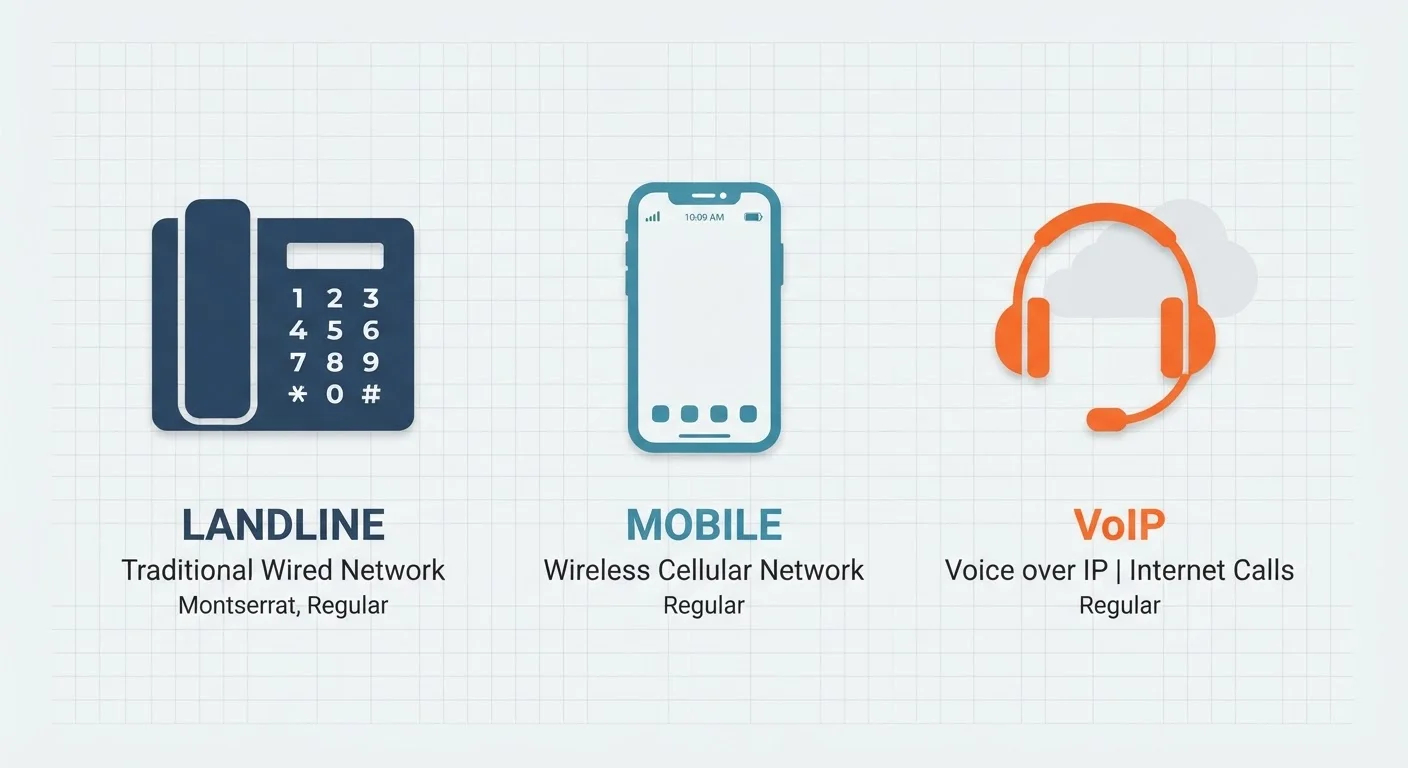
How Phone Number Registration Rules Vary Across Number Types
Registration requirements differ significantly between landlines, mobile plans, and VoIP services — and those differences shape lookup data quality.
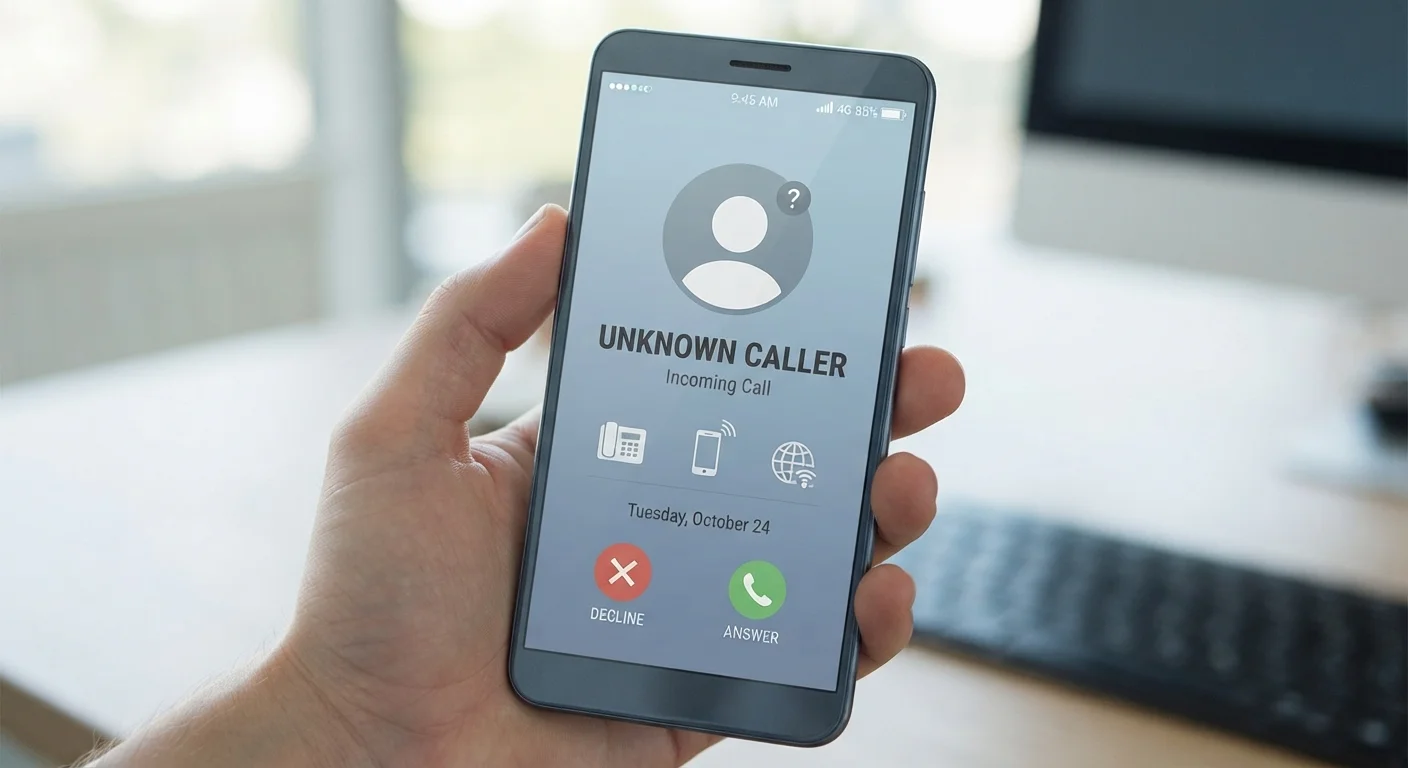
How to Identify a Phone Number Type Before Running a Lookup
Knowing whether a number is a landline, mobile, or VoIP line upfront helps set realistic expectations for what a lookup will return.
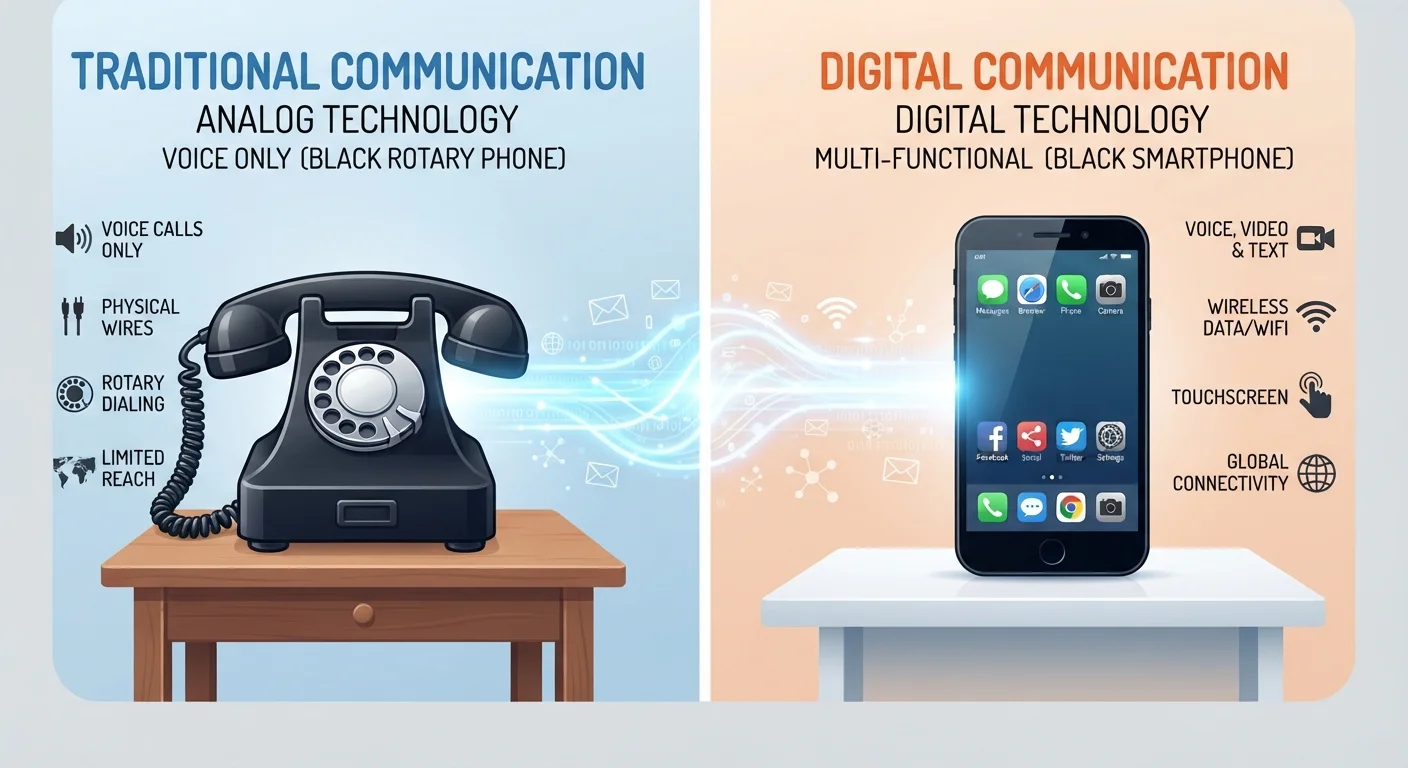
Landline vs. Mobile Numbers in Public Records: A Side-by-Side Look
Landlines and mobile numbers leave very different public records footprints. See how they compare across registration, traceability, and data availability.
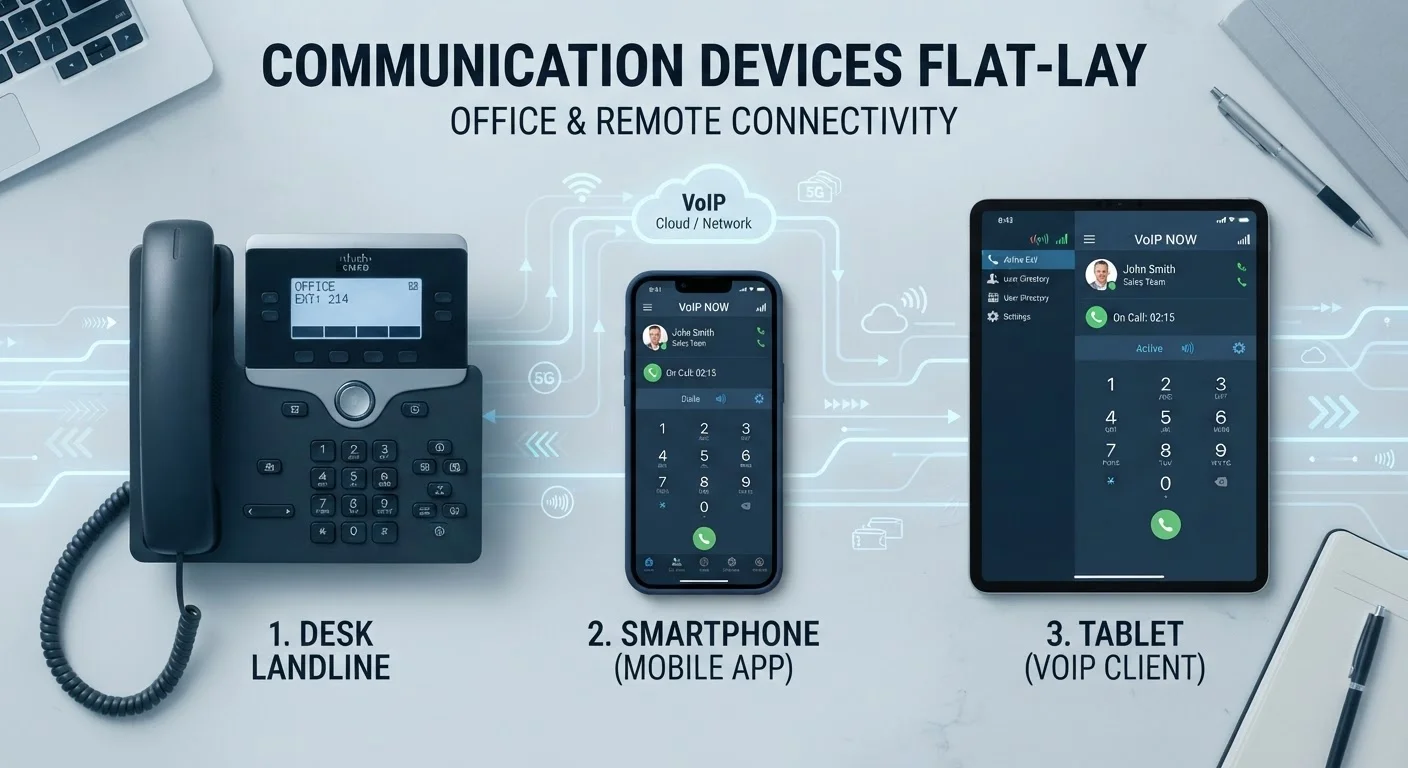
Phone Number Categories and Their Data Footprints at a Glance
A quick-reference guide to VoIP, mobile, landline, toll-free, and prepaid numbers — and what kind of public data typically accompanies each.
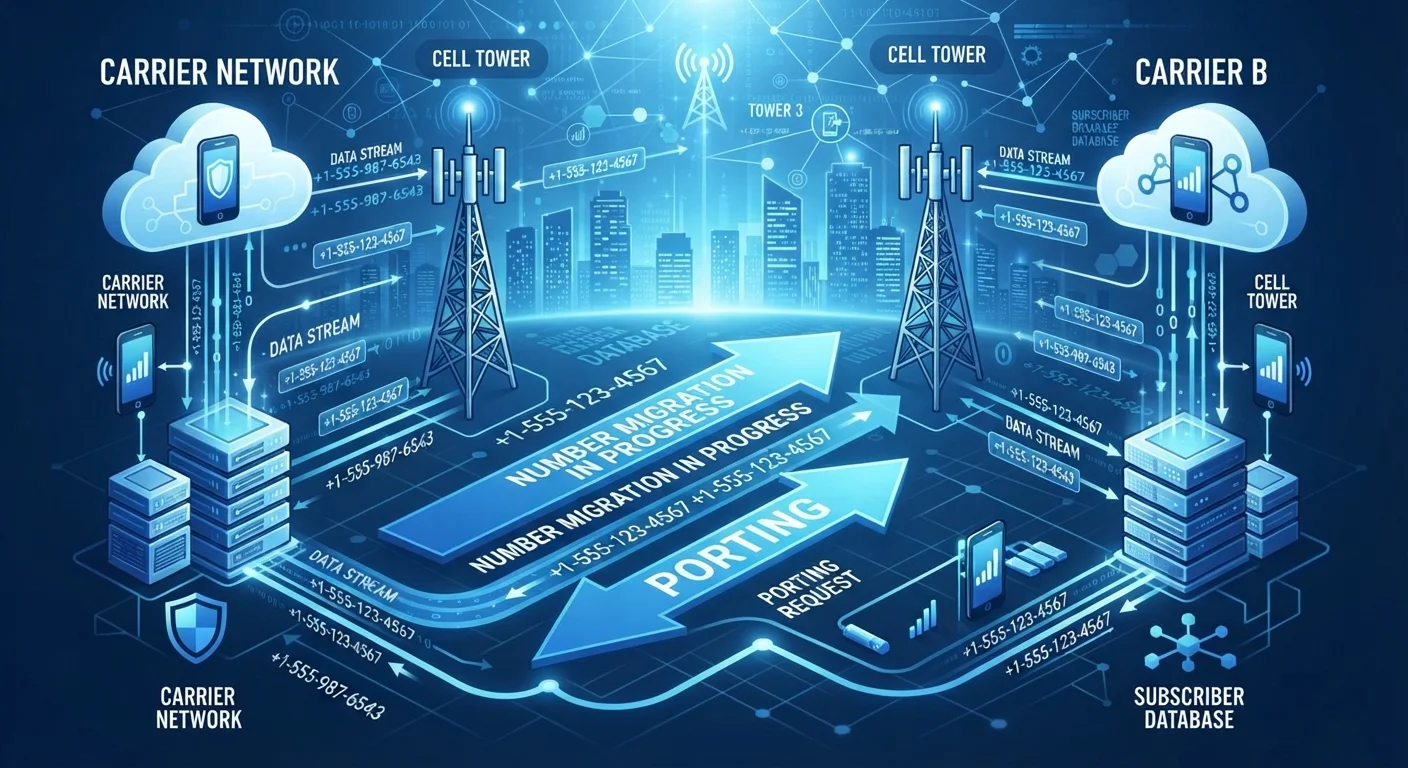
Phone Number Portability and What It Means for Lookup Accuracy
When people switch carriers or move, numbers get ported. Discover how number portability affects the reliability of phone lookup data.
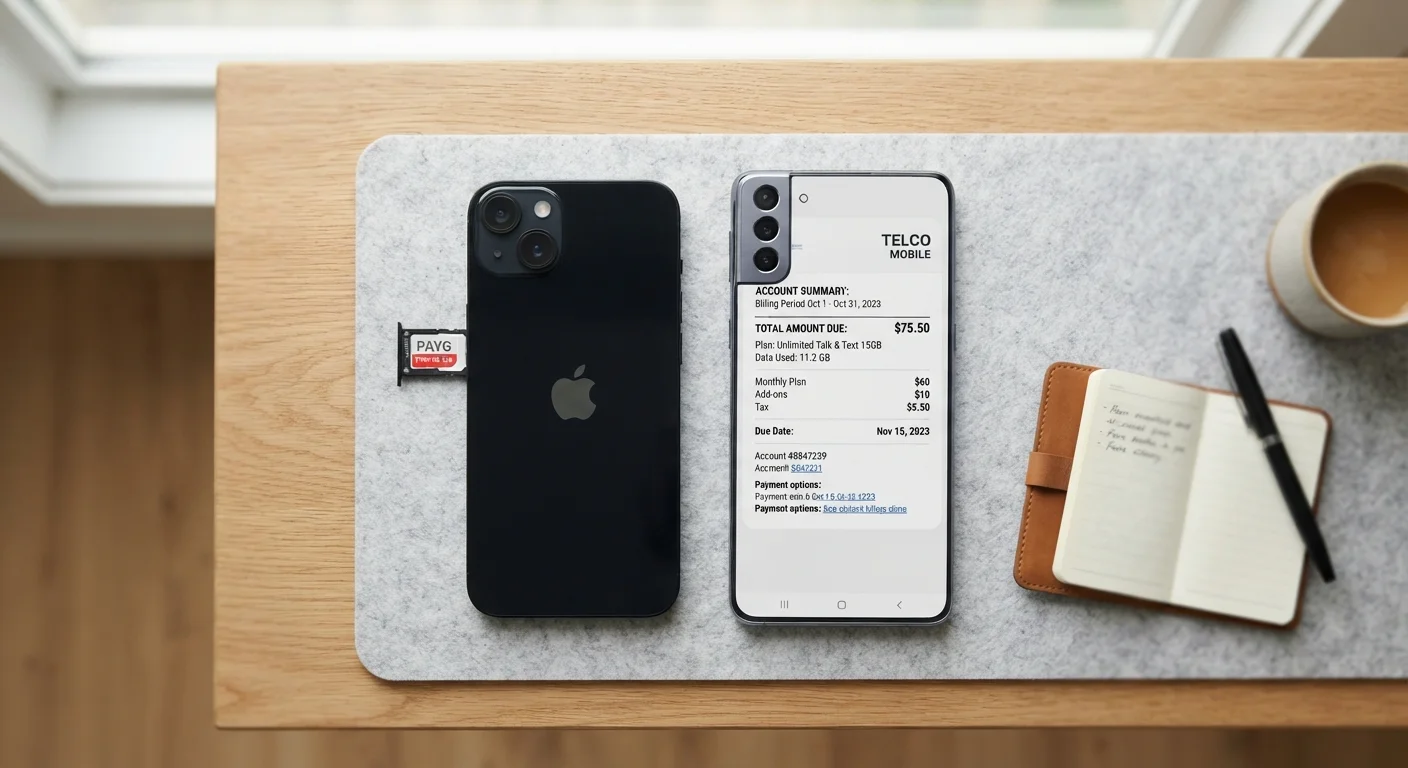
Prepaid vs. Postpaid Phone Numbers: Traceability Differences Explained
Prepaid phones often have less registered owner data than postpaid plans. Learn how billing type influences what a phone lookup can find.

The Public Records Trail Behind a Landline Number
Landlines have historically been the most traceable number type. Explore the public records ecosystem built around traditional telephone lines.
Toll-Free Numbers in Public Records: How They Work and Who Owns Them
Toll-free numbers follow different registration rules than standard lines. Learn how ownership is recorded and what lookups can typically reveal.
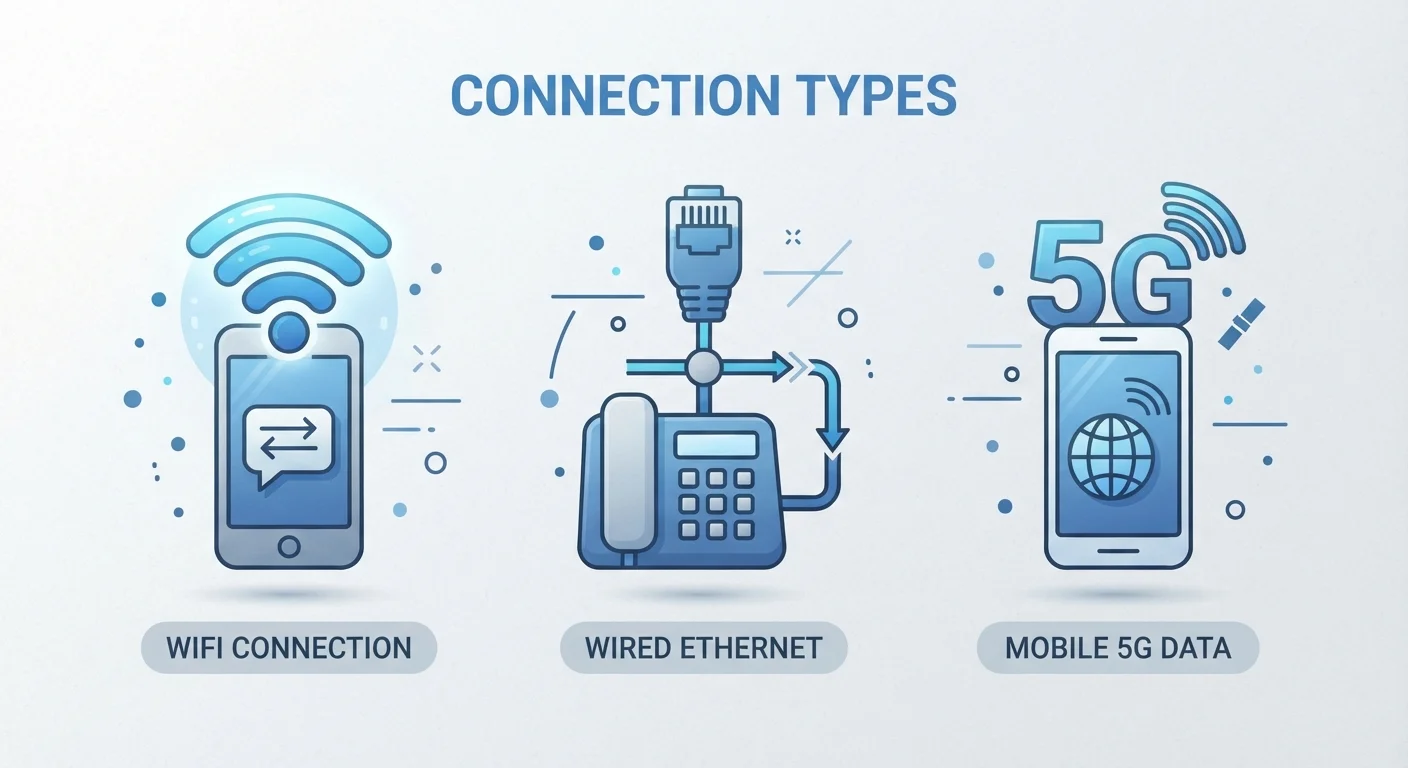
Understanding Phone Number Types: A Starting Point for Smarter Lookups
New to phone lookups? This guide explains every major number type — landline, mobile, VoIP, prepaid, and more — and how each affects search results.

Virtual Phone Numbers: What They Are and Why They're Difficult to Trace
Virtual numbers lack a fixed physical location or mandatory owner registration. Understand what makes them distinct and why trace data is often sparse.

VoIP Numbers and Public Records: What Data Is — and Isn't — Available
VoIP numbers are harder to trace than traditional lines. Learn what public records data typically exists for VoIP numbers and where the gaps lie.
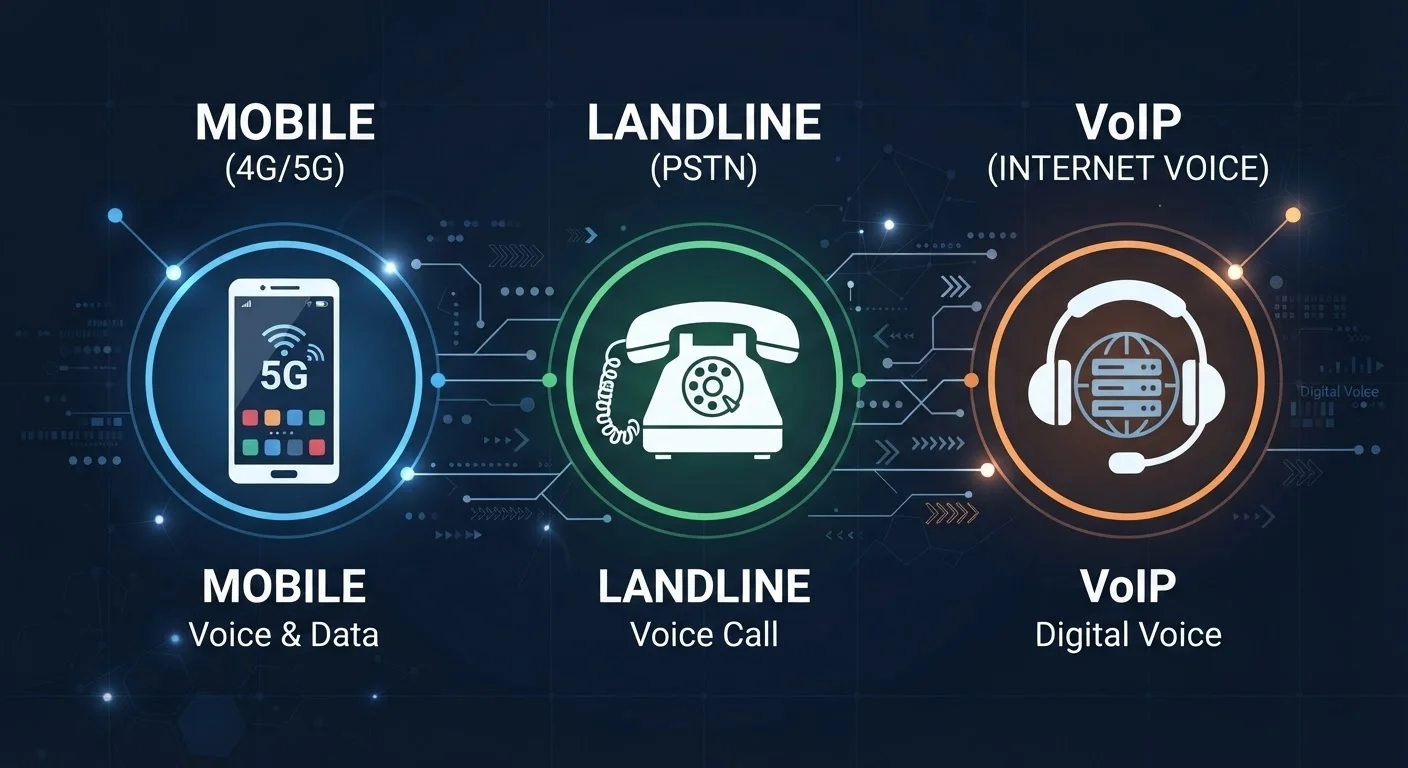
VoIP, Landline, and Mobile: What Each Number Type Actually Tells You
Understand how VoIP, landline, and mobile phone numbers differ — and what those differences mean for public records traceability.
Why Your Phone Lookup Returned No Owner Information
Blank lookup results aren't always a system error. Explore the number-type and registration factors that commonly cause missing owner data.
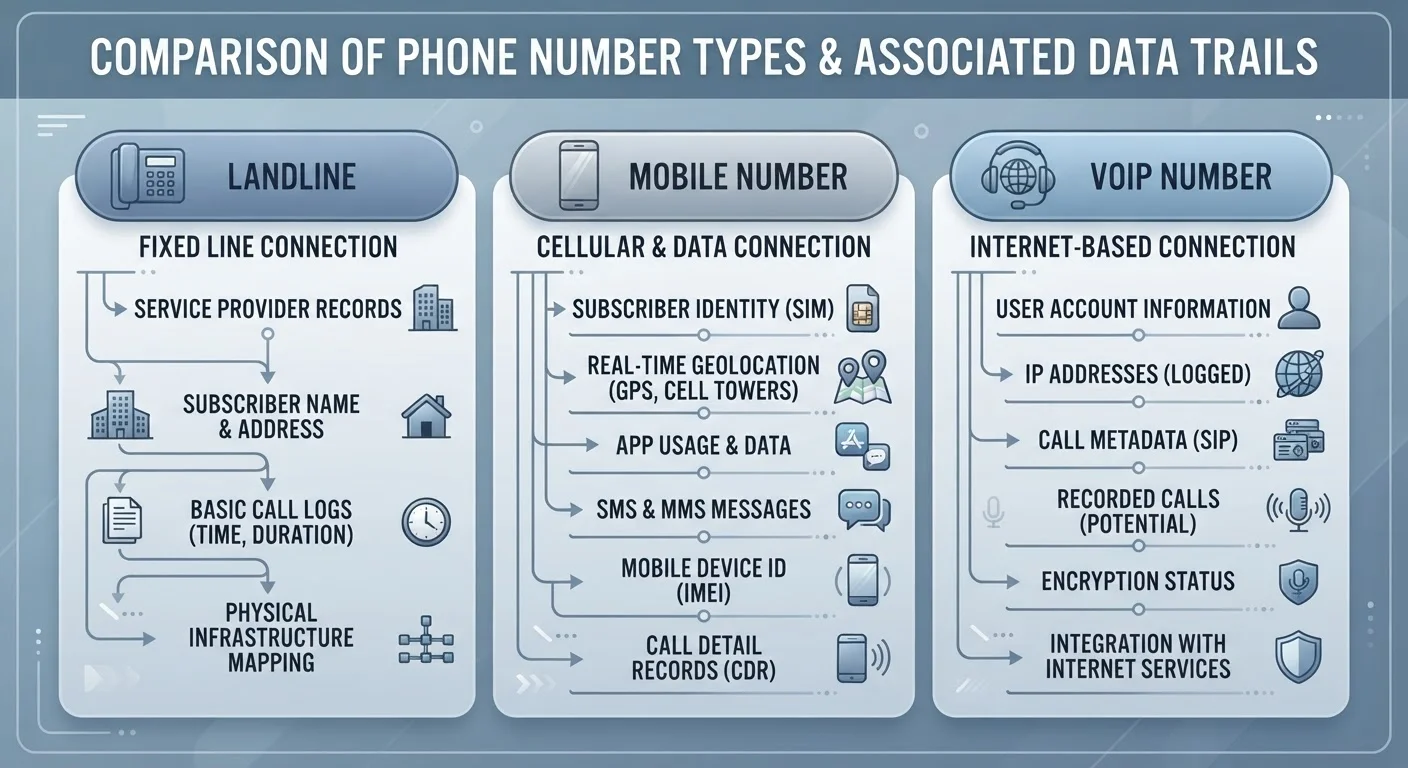
Why the Same Phone Lookup Returns Different Results for Different Number Types
Lookup results vary widely depending on whether a number is a landline, mobile, or VoIP line. Here's why that happens.