
Your Rights When Public Records Contain Errors About You
Public records can be wrong — and errors can follow you. Learn what rights you have to challenge, correct, or contextualize inaccurate public information.
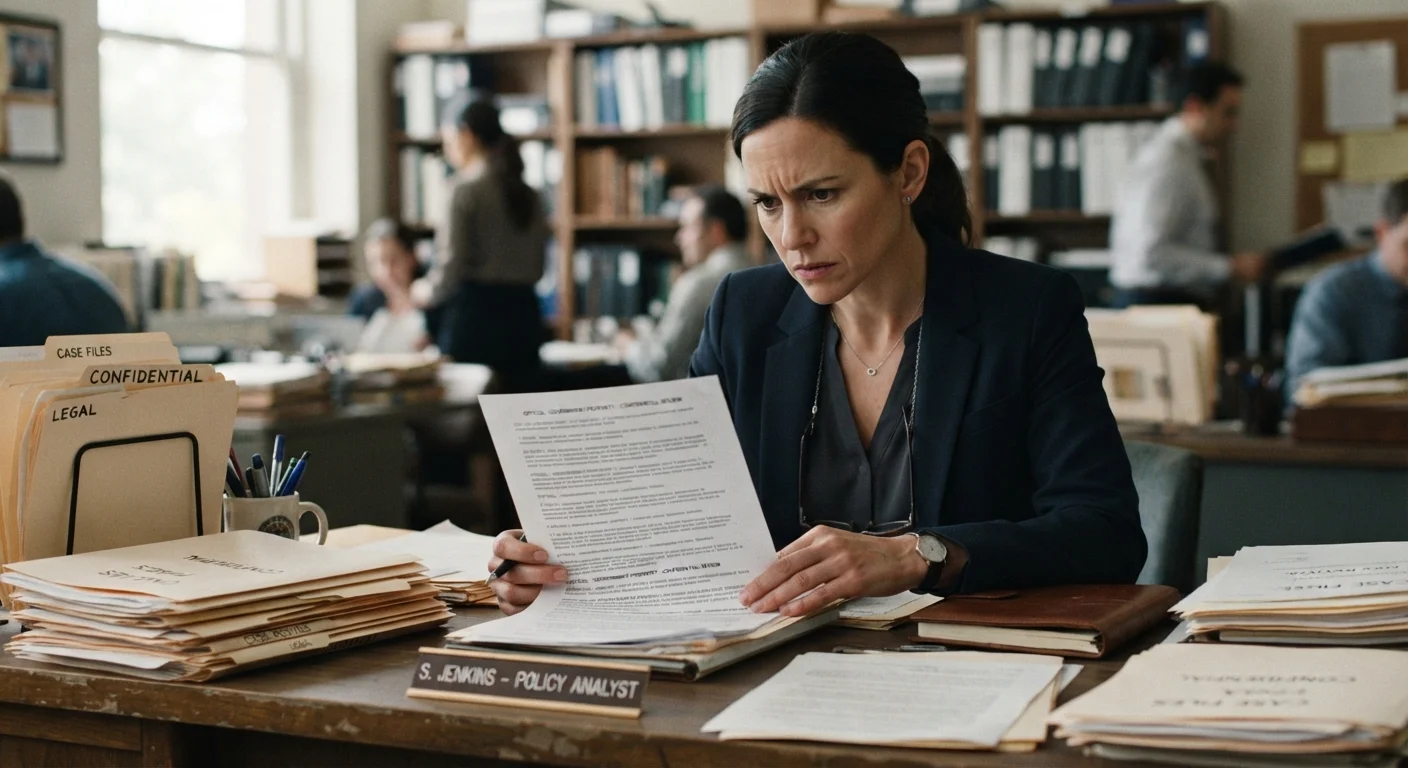
Photo: searchopenrecords editorial
—— In This Article
Key Takeaways
- Public records can contain factual errors due to data entry mistakes, outdated information, or mismatched identities.
- Your rights to correct errors depend on the type of record and the agency or database that holds it.
- The Fair Credit Reporting Act gives you specific dispute rights when errors appear in consumer background reports.
- Government agencies that created the original record are usually the best starting point for corrections.
- Documenting your dispute in writing and keeping copies of all correspondence is essential to a successful correction.
Why Public Records Errors Are More Common Than You Might Expect
Public records span an enormous range — court filings, property deeds, vital records, arrest logs, voter registrations, and more. Each record type is created and maintained by a different government agency, often using different systems, standards, and update schedules. That fragmentation creates fertile ground for errors.
Common causes include clerical data-entry mistakes, name or date-of-birth mismatches between individuals with similar identities, records that were never updated after a case was dismissed or expunged, and third-party aggregator databases that pull stale data from outdated sources. As explained in our article on why public records search results sometimes contradict each other, different databases update at different intervals, which means a correction made at the source may take weeks or months to propagate — if it propagates at all.
The consequences of an uncorrected error are not trivial. Inaccurate records can affect employment decisions, housing applications, professional licensing, and financial transactions. Understanding the legal framework behind U.S. public records systems is essential before you can effectively challenge what is wrong.
What You Need Before You Start
Before filing any dispute or correction request, gather the materials that will support your case. Agencies and consumer reporting companies require evidence, not just assertions.
What you will need
How to Challenge Errors: A Step-by-Step Approach
The correction path depends on where the error lives — in the original government record, in a background check report, or in a commercial data aggregator's database. Follow the steps below in order.
Identify the Source of the Error
Determine whether the error originates in the government agency's own record or only in a third-party database or consumer report. Request a copy of the original record directly from the issuing agency — a court clerk's office, county recorder, or state vital records office, for example — and compare it to the version you found online or in a report.
Contact the Originating Government Agency
If the error exists in the original record, submit a written correction request directly to the agency that created it. Include your full legal name, date of birth, case or document number, a clear description of the error, and copies (not originals) of supporting documentation. Request written acknowledgment that your request was received.
File a Dispute with Any Consumer Reporting Agency
If the error appears in a background check or consumer report, file a formal dispute with the consumer reporting agency using their required dispute process. Under the FCRA, the CRA must notify the furnisher of the information, conduct an investigation, and respond to you within 30 days. Provide the same supporting documentation you used in Step 2.
Follow Up in Writing and Record Every Response
After submitting disputes, track deadlines carefully. Note the date you filed, the 30-day FCRA investigation window (or applicable agency deadline), and every communication you receive. If an agency fails to respond or denies your request without adequate explanation, you may have grounds to escalate — to a supervisor, to a state attorney general's office, or to the Consumer Financial Protection Bureau (CFPB) for FCRA-related issues.
Add a Statement of Dispute If the Error Cannot Be Corrected
Under the FCRA, if a CRA maintains that the information is accurate despite your dispute, you have the right to add a brief consumer statement (up to 100 words) to your report explaining your position. This statement will accompany any future disclosures of the report to third parties. While it does not remove the item, it gives important context to anyone who reviews the report.
Specific Rights Under the Fair Credit Reporting Act
When an error appears in a consumer background check report — the kind used by employers, landlords, or lenders — the FCRA provides a structured dispute process. Under the FCRA, consumer reporting agencies (CRAs) must investigate your dispute within 30 days, correct or delete information they cannot verify, and provide you with a free copy of your corrected report.
These rights apply to reports compiled by CRAs, not to the original government record itself. Correcting the CRA's report does not automatically fix the underlying court or agency record. You may need to pursue both tracks in parallel. For detailed guidance on the FCRA dispute process specifically, see our step-by-step guide to disputing a background check error. A broader overview of your legal rights is available in Your Rights Under U.S. Public Records Law.
Keep Every Document in One Dedicated File
Create a dedicated folder — physical or digital — for every piece of correspondence related to your dispute. Include dates, names of representatives you spoke with, and copies of all submissions. A well-organized paper trail can be decisive if you need to escalate to a regulatory body or attorney.
It is also worth noting that some errors are not correctable in the traditional sense — for example, a lawfully entered conviction record that you believe is unjust cannot be erased simply by dispute. In those situations, seeking legal counsel about expungement or record sealing under your state's law may be the appropriate path. For more context on how and why errors occur, see Errors in Background Check Reports: Why They Happen and How to Dispute Them.

Public Records 101 Editorial Team
Public Records 101 Editorial Team is the collective byline for our editorial team and contributor network. Articles published under this byline or an editorial pen name are researched, written, and reviewed according to our editorial standards for clarity, consistency, and independence before publication.
View author profile