

Public Records 101 Editorial Team
Public Records 101 Editorial Team is the collective byline for our editorial team and contributor network. Articles published under this byline or an editorial pen name are researched, written, and reviewed according to our editorial standards for clarity, consistency, and independence before publication.

A Plain-Language Guide to Sunshine Laws
Sunshine laws require government meetings and records to be open. This guide breaks down what they cover, why they exist, and how they vary by state.
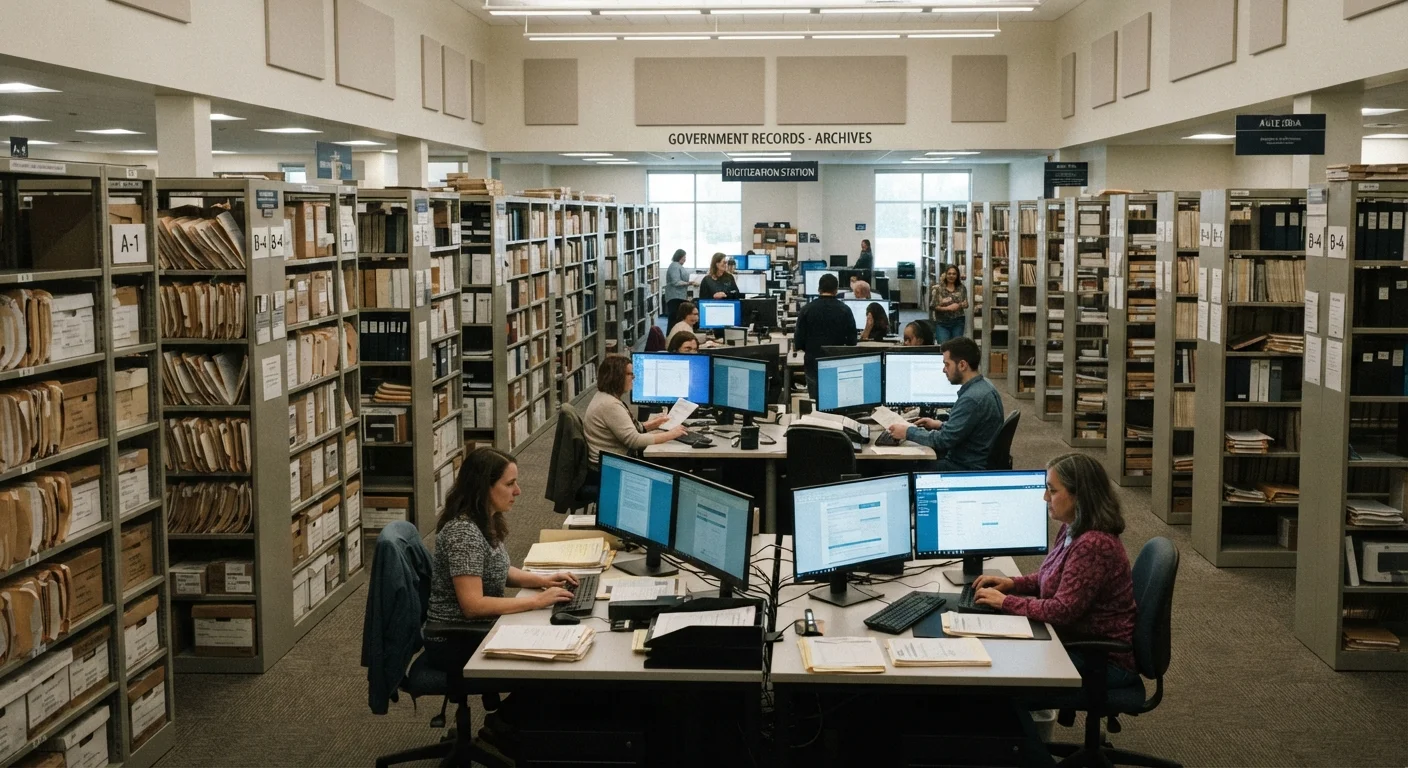
Digitization of Public Records: What Changed and What Didn't
Moving government records online expanded access in some ways—and created new barriers in others. A balanced look at what digitization actually delivered.
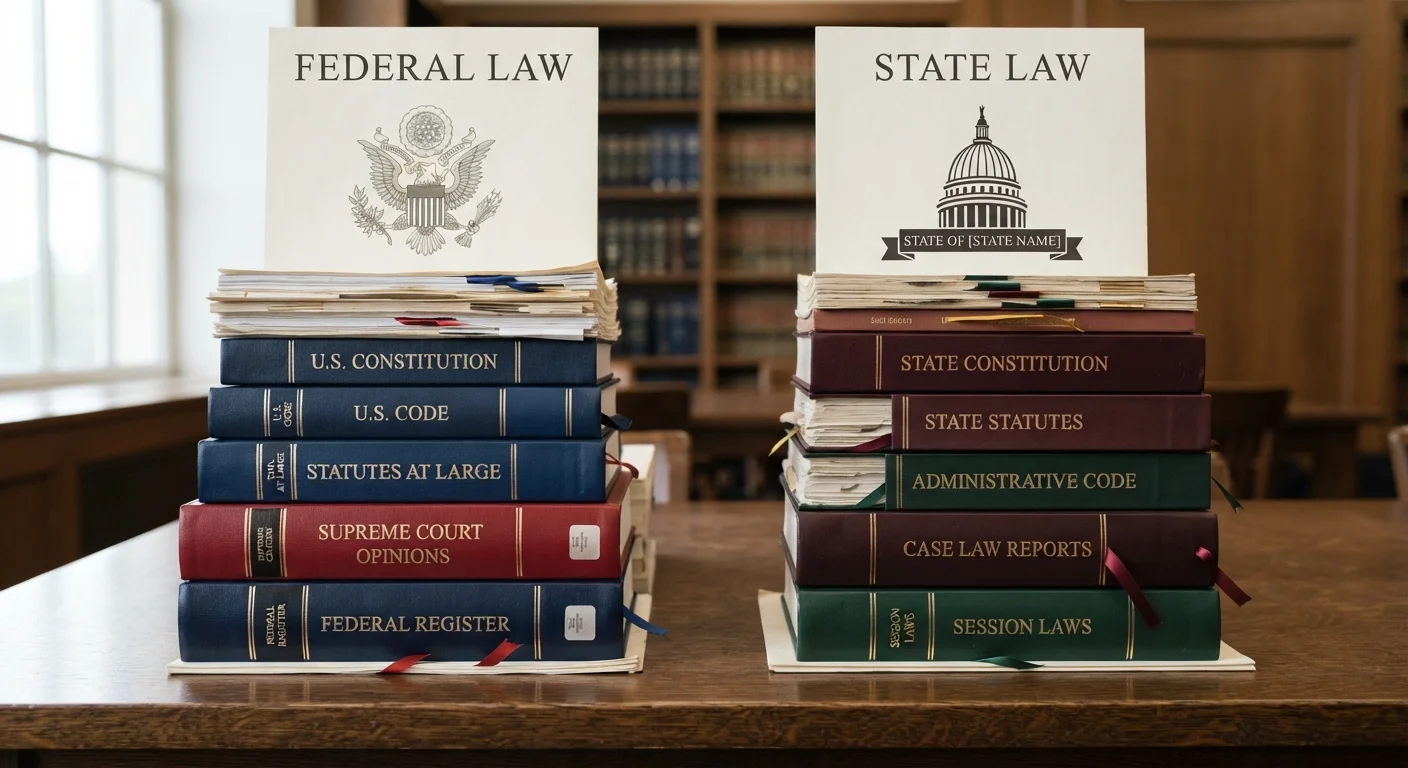
Federal vs. State Public Records Laws: Key Differences
Federal and state governments follow different transparency rules. Here's how those frameworks diverge and what that means for records access.

How Custodial Agencies Decide What to Release
Government agencies follow legal guidelines, internal policies, and redaction standards when responding to records requests. Here's how that process works.
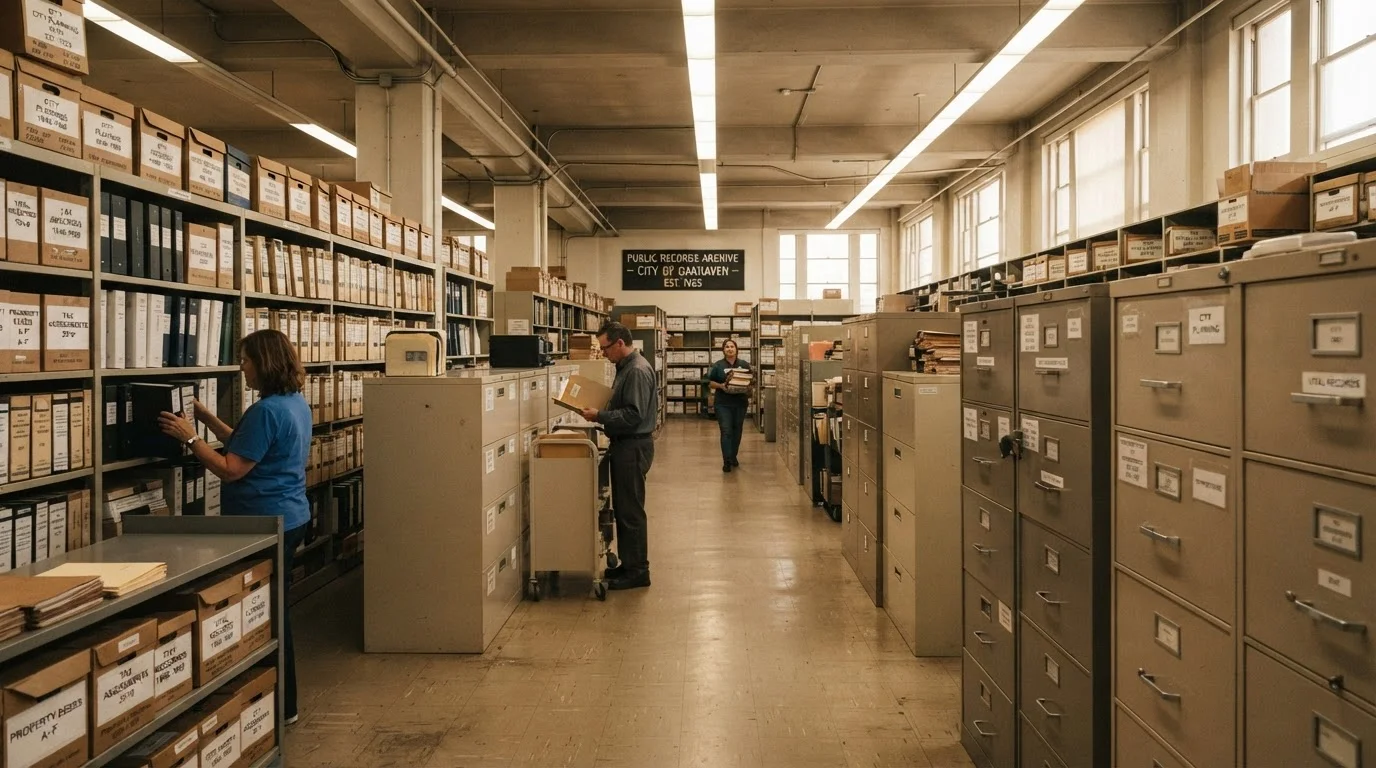
How Public Records Are Created, Stored, and Maintained
From paper filings to digital databases, understand the lifecycle of a government record and which agencies are responsible for keeping them.
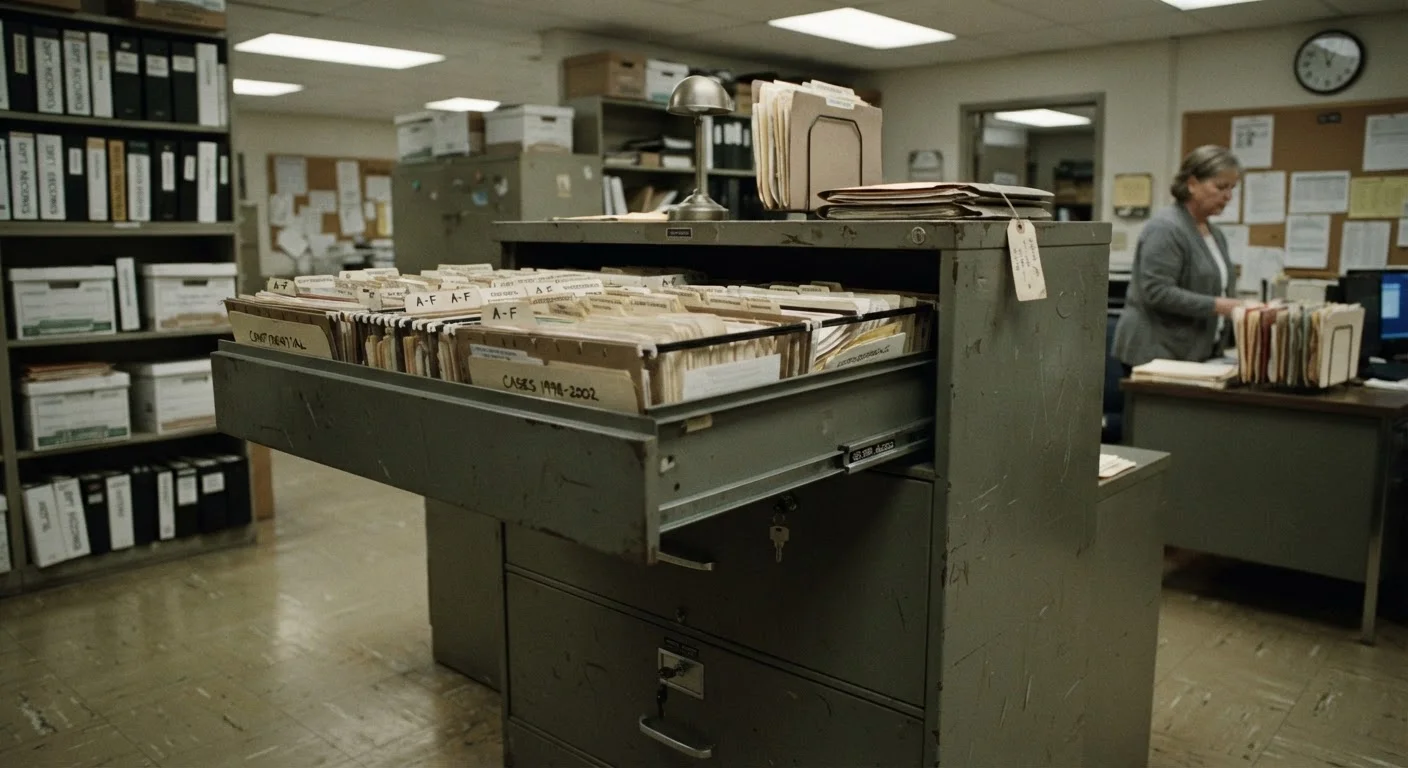
Nine Categories of Records That Are Typically Exempt from Disclosure
Public records laws include important exemptions. Explore the most common categories—from national security to personal privacy—that limit disclosure.
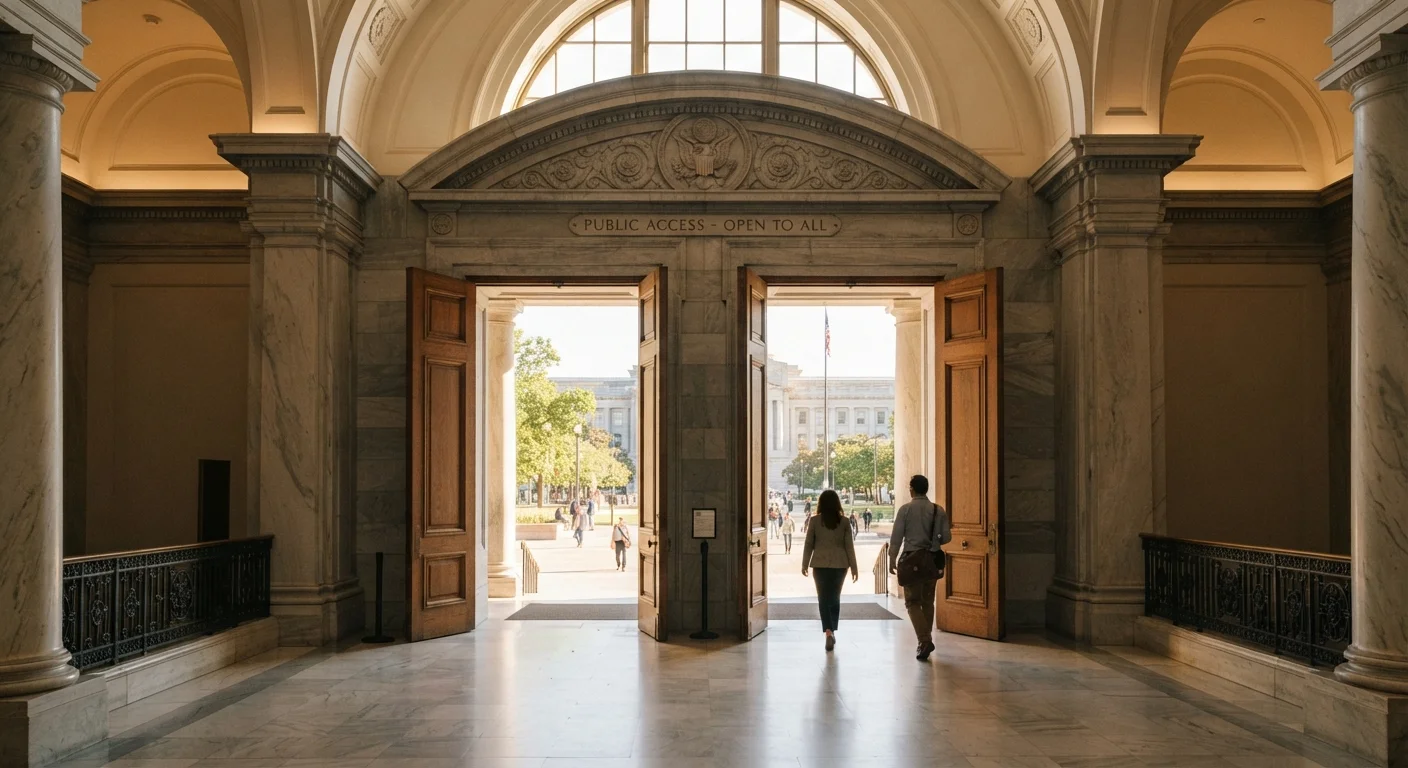
Open Records vs. Open Meetings: Two Pillars of Government Transparency
Open records and open meetings laws are related but distinct. See how each one works and together how they hold government accountable.
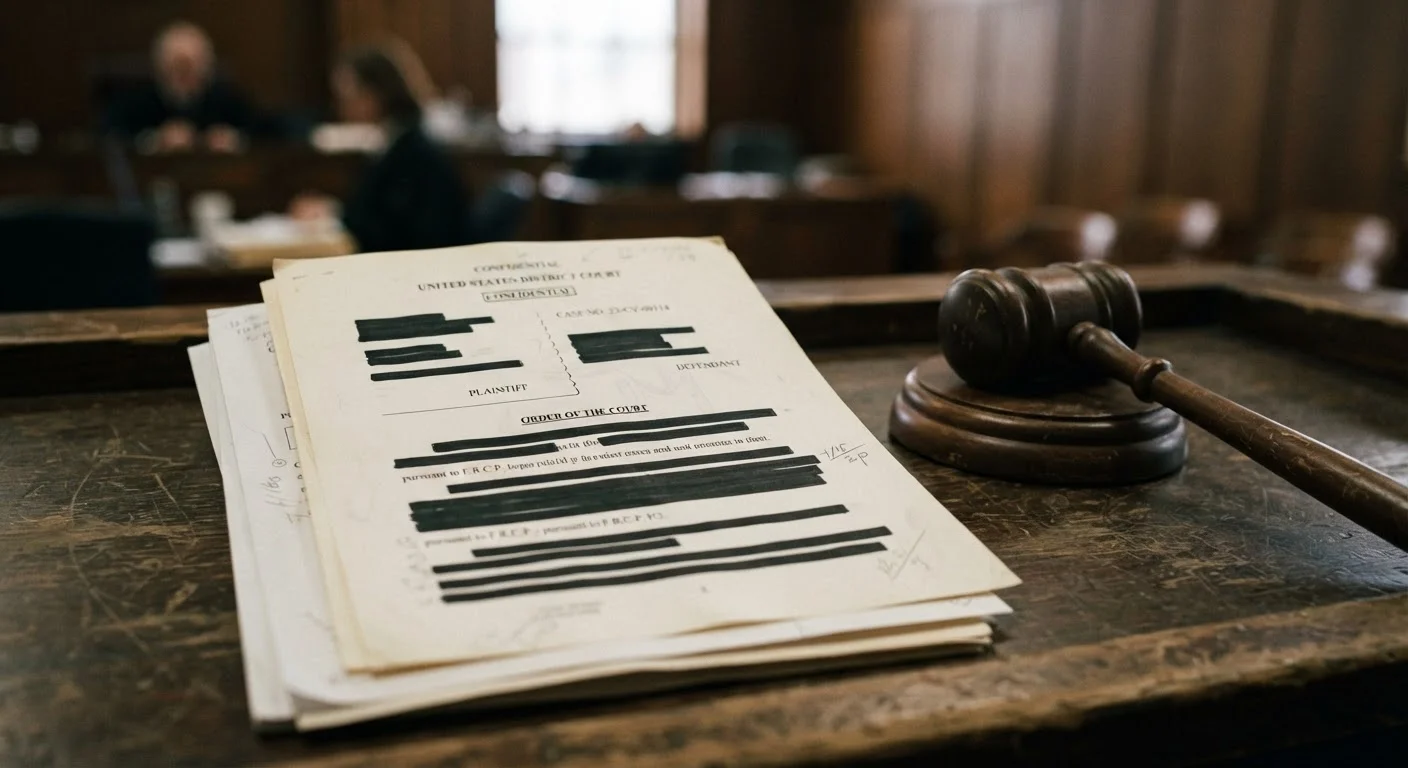
Sealing, Expunging, and Redacting: How Records Get Restricted
Courts and agencies can limit access to certain records through sealing, expungement, or redaction. Learn what each process means and when it applies.
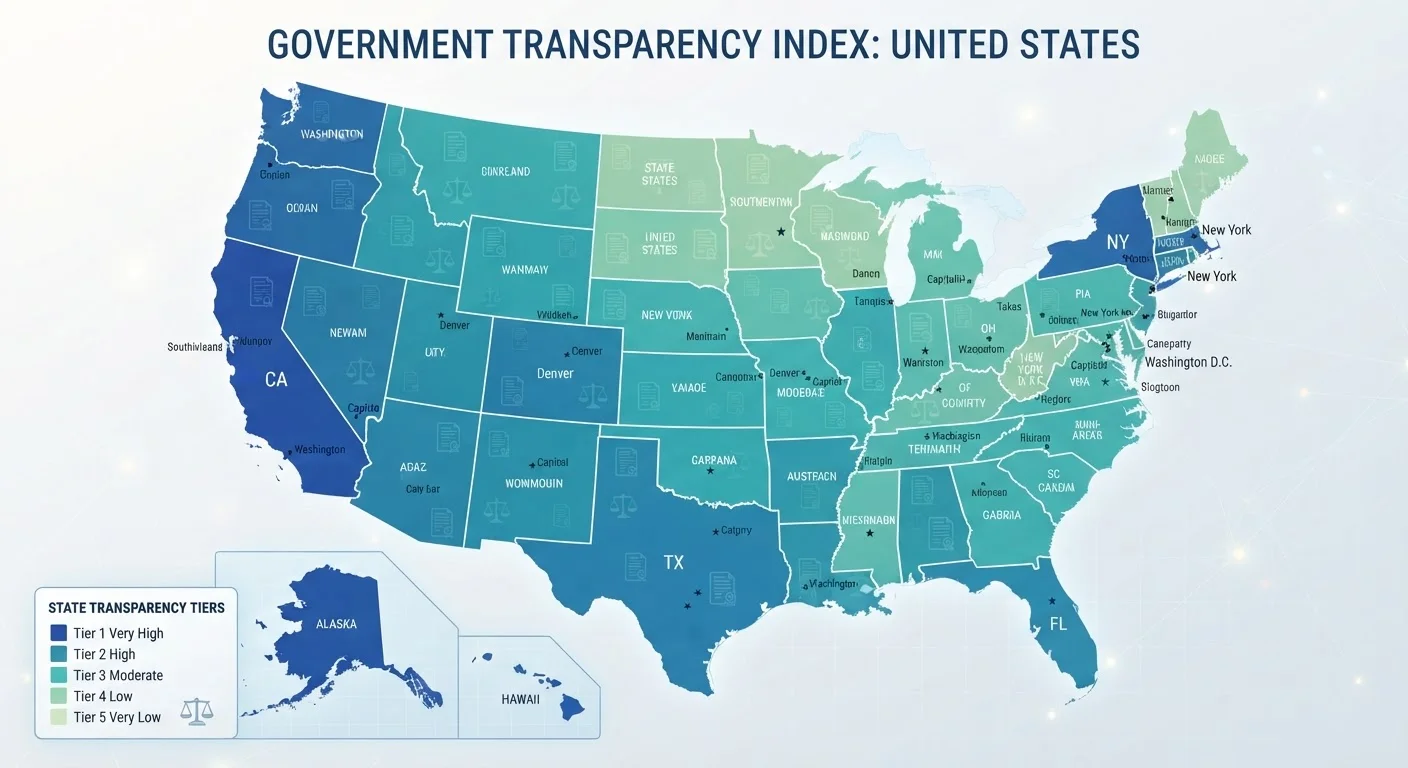
State-by-State Differences in Public Records Access
Each US state has its own public records statute. This reference breaks down the key variables—fees, timelines, exemptions—that differ across jurisdictions.

The Freedom of Information Act Explained
Understand what FOIA does, who it applies to, and how it shapes public access to federal government records in the United States.

The Role of the Privacy Act in Limiting Public Records
The federal Privacy Act of 1974 protects certain personal information held by the government. Learn how it intersects with—and sometimes restricts—public records.
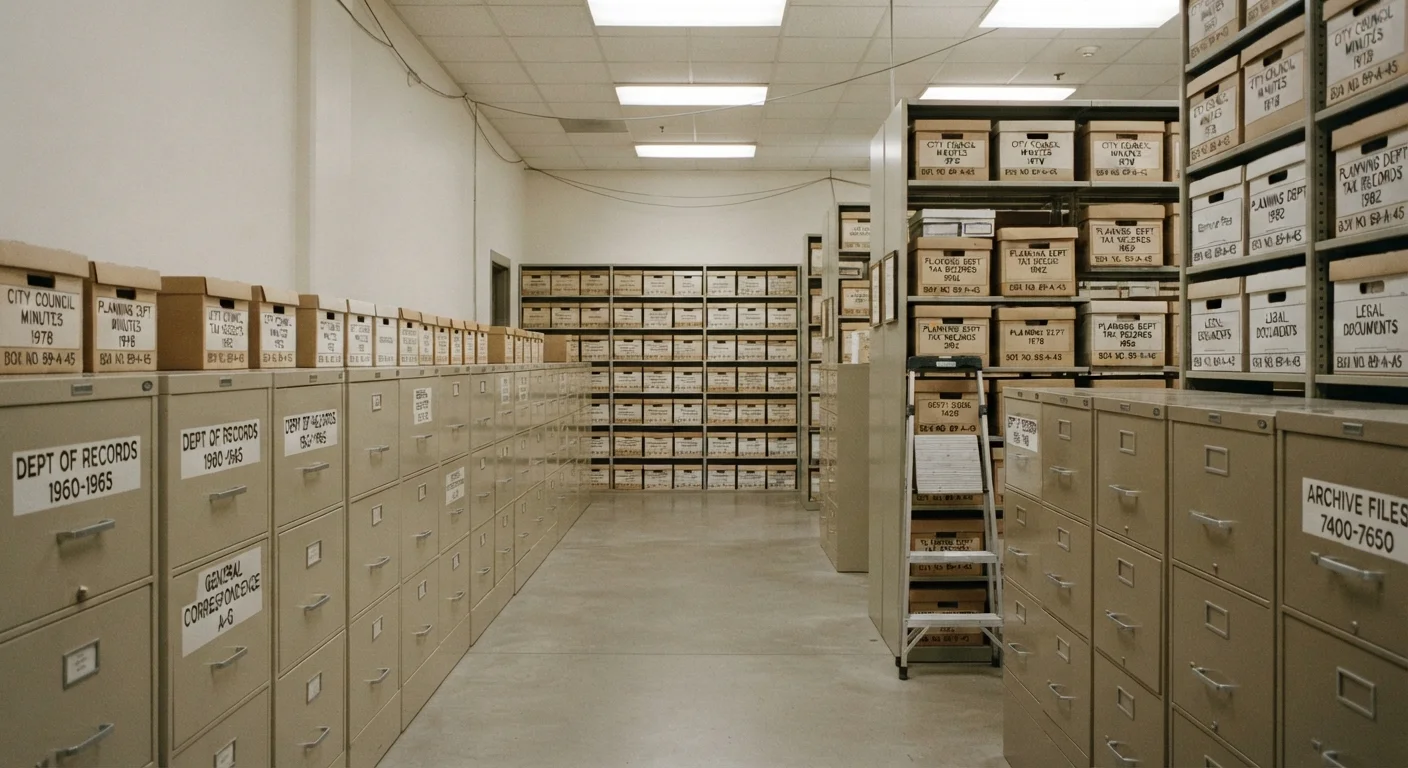
Understanding Government Record Retention Schedules
Agencies don't keep records forever. Retention schedules determine how long documents must be preserved before they can be destroyed or archived.
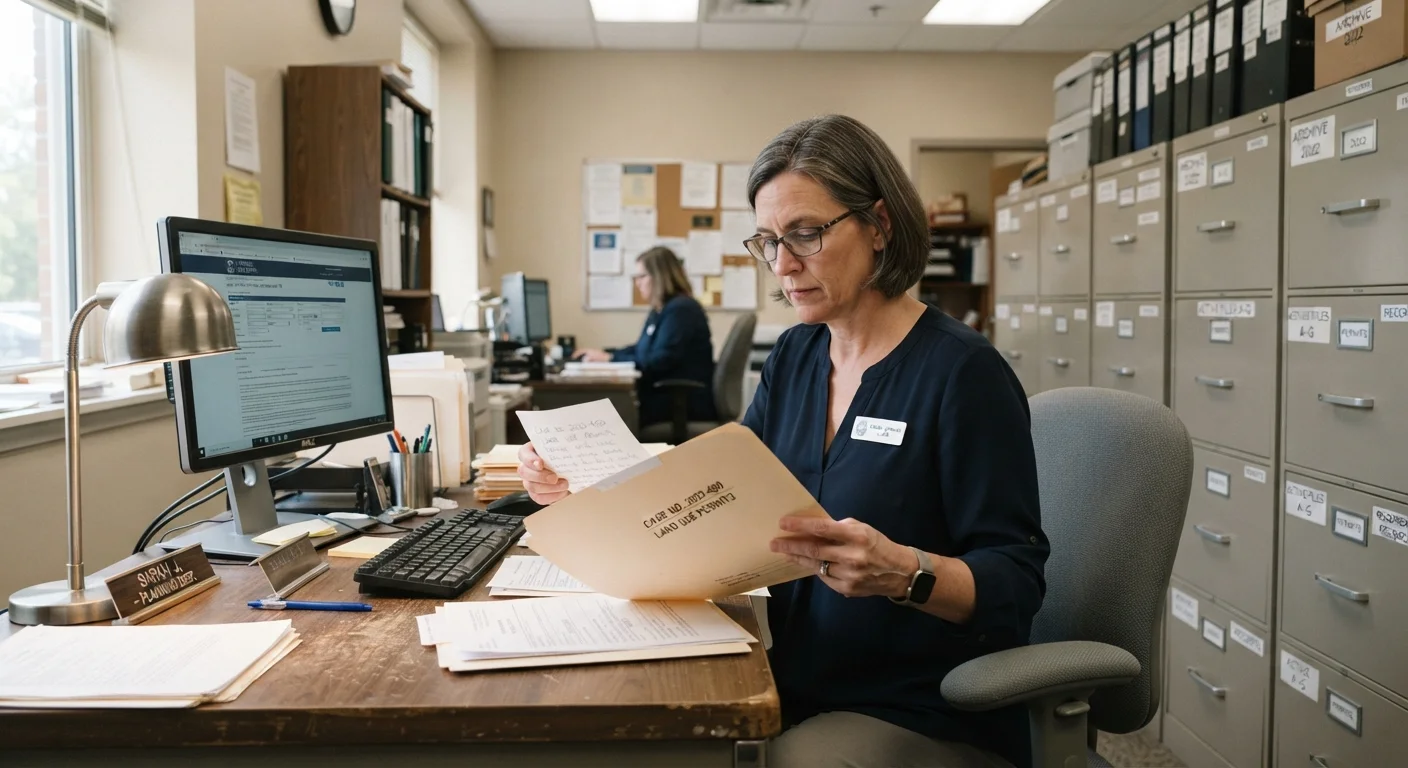
What Happens After a Records Request Is Filed
Filing a public records request is just the first step. Understand how agencies process, review, and respond to requests—and what to do if they don't.
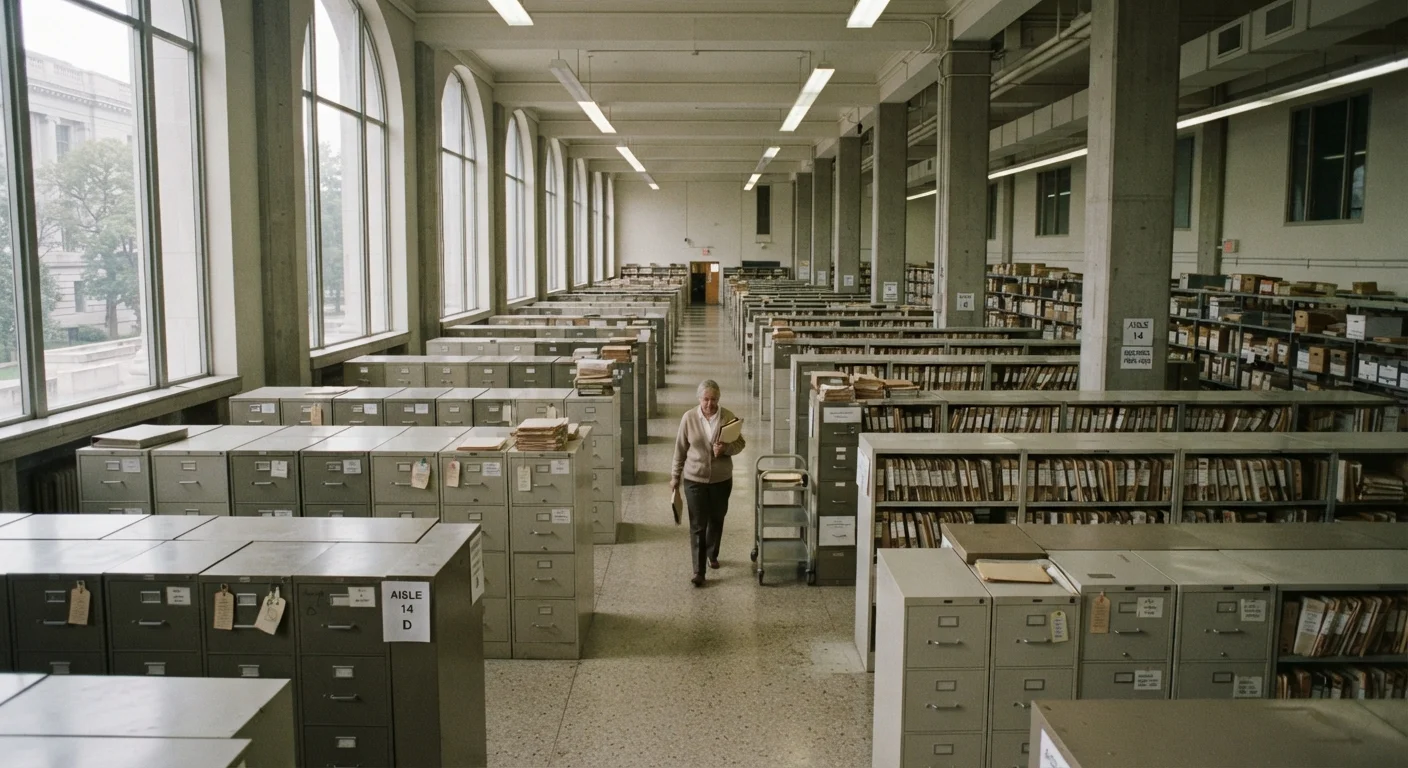
What Makes a Government Record 'Public'?
Not every government document is open to the public. Learn the legal criteria that determine whether a record is classified as public or restricted.
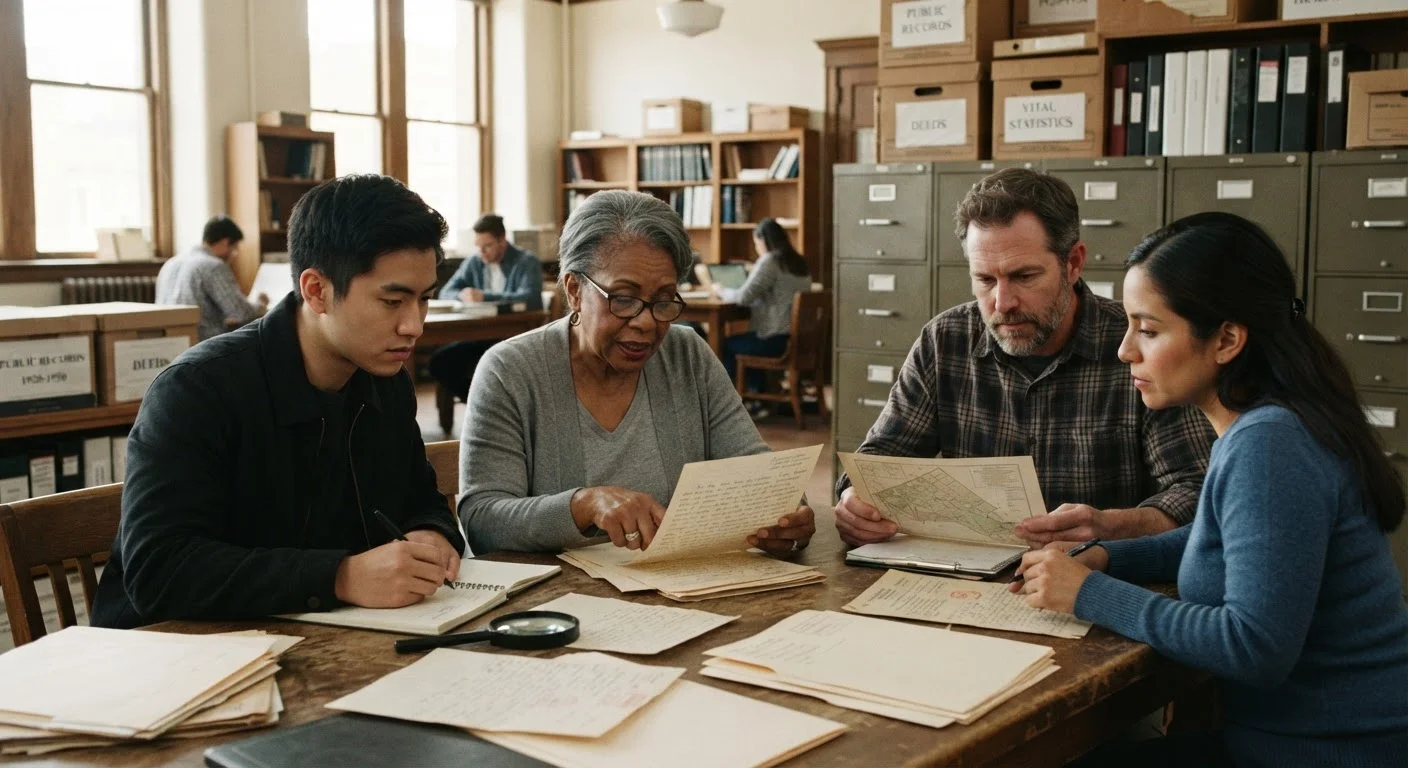
Widely Believed Myths About Public Records Access
Many people assume public records are either totally open or mostly secret. The truth is more nuanced—these common misconceptions debunked.

Your Rights Under US Public Records Law: A Practical Overview
US transparency laws give the public meaningful rights to government information. This overview explains what those rights are, their limits, and how to use them.
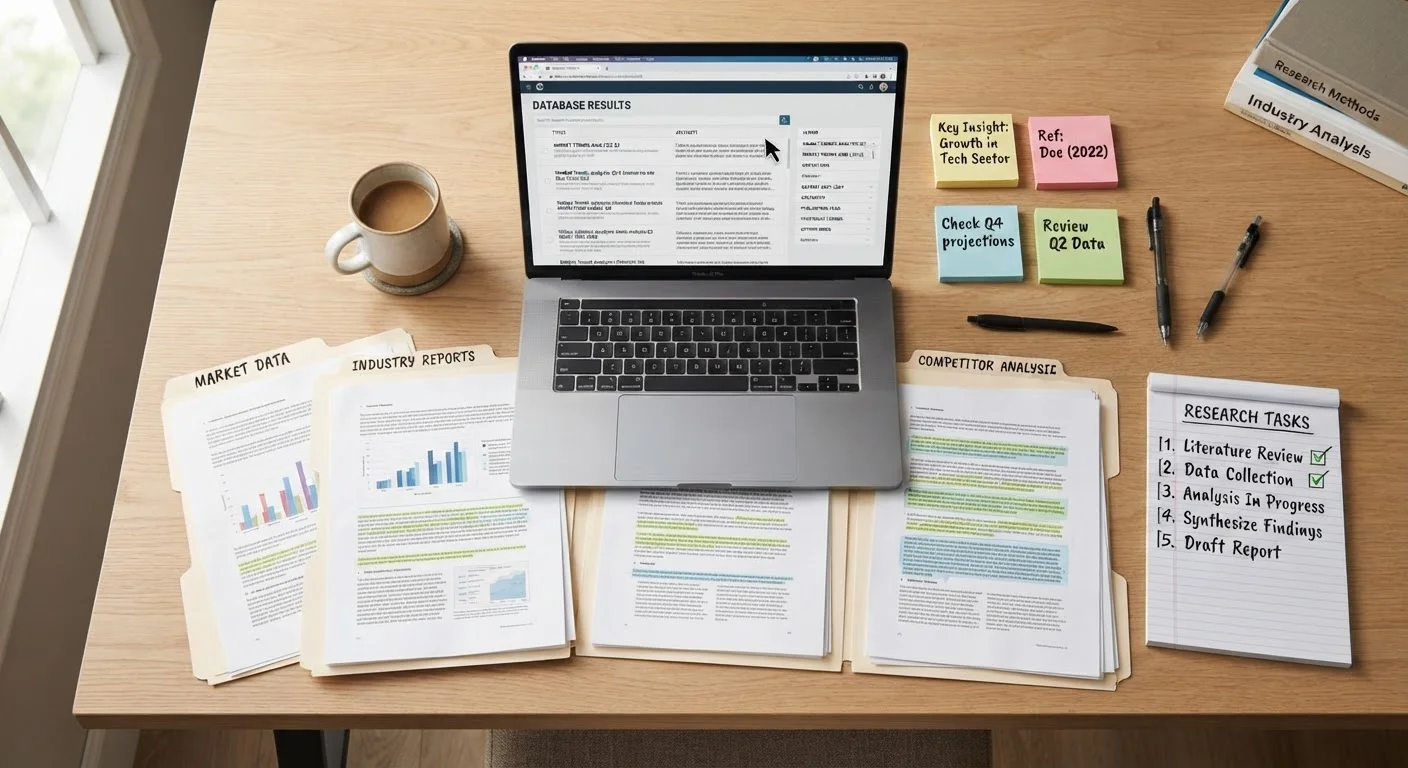
Building a Reliable Search Strategy Across Multiple Record Types
When your research spans court records, vital records, and property data, a structured approach saves time and reduces missed results.

Common Assumptions About Online Records That Lead Searchers Astray
From believing all records are digitised to assuming a paid site is more accurate, these widespread misconceptions can derail your search.
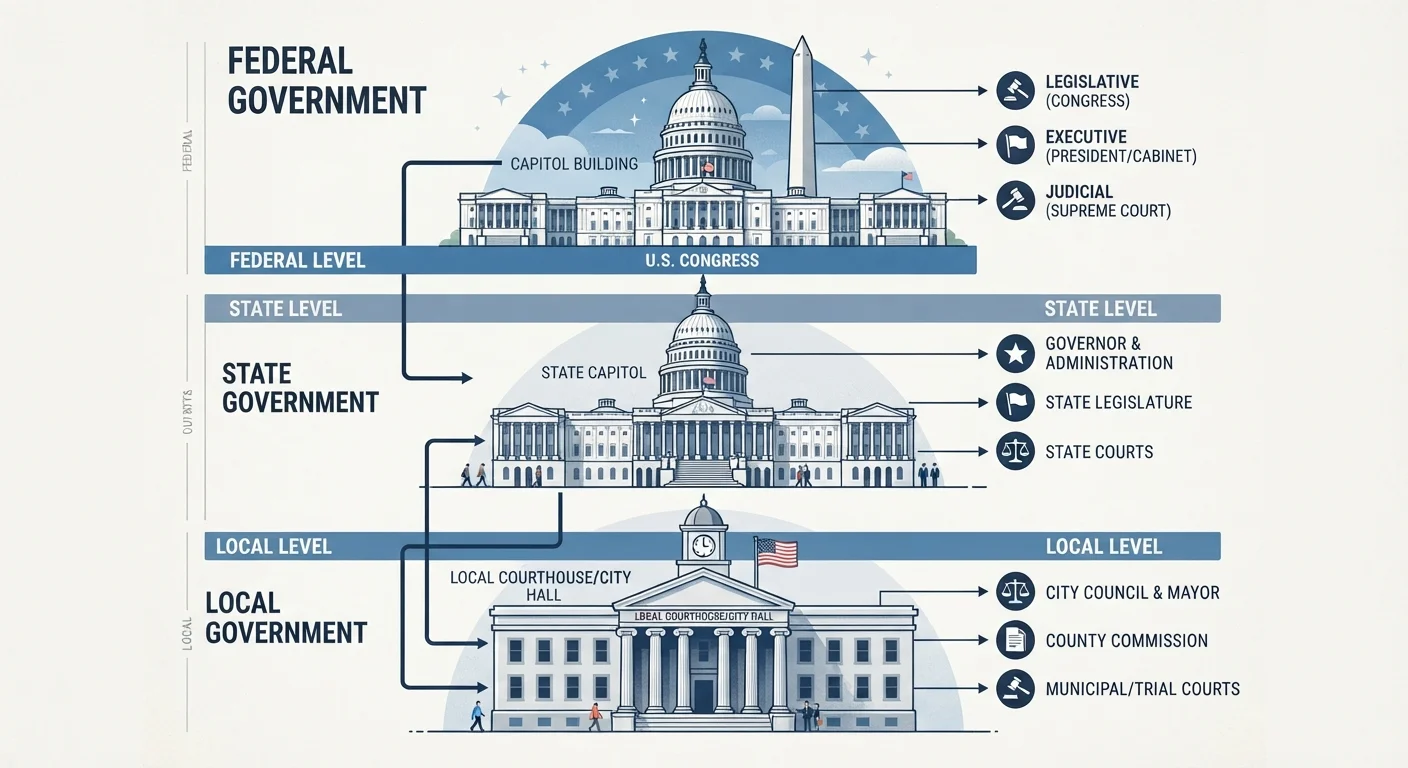
Federal, State, and County: Which Level Holds the Record You Need
Public records are distributed across multiple government tiers. This reference guide explains which jurisdiction maintains which type of document.
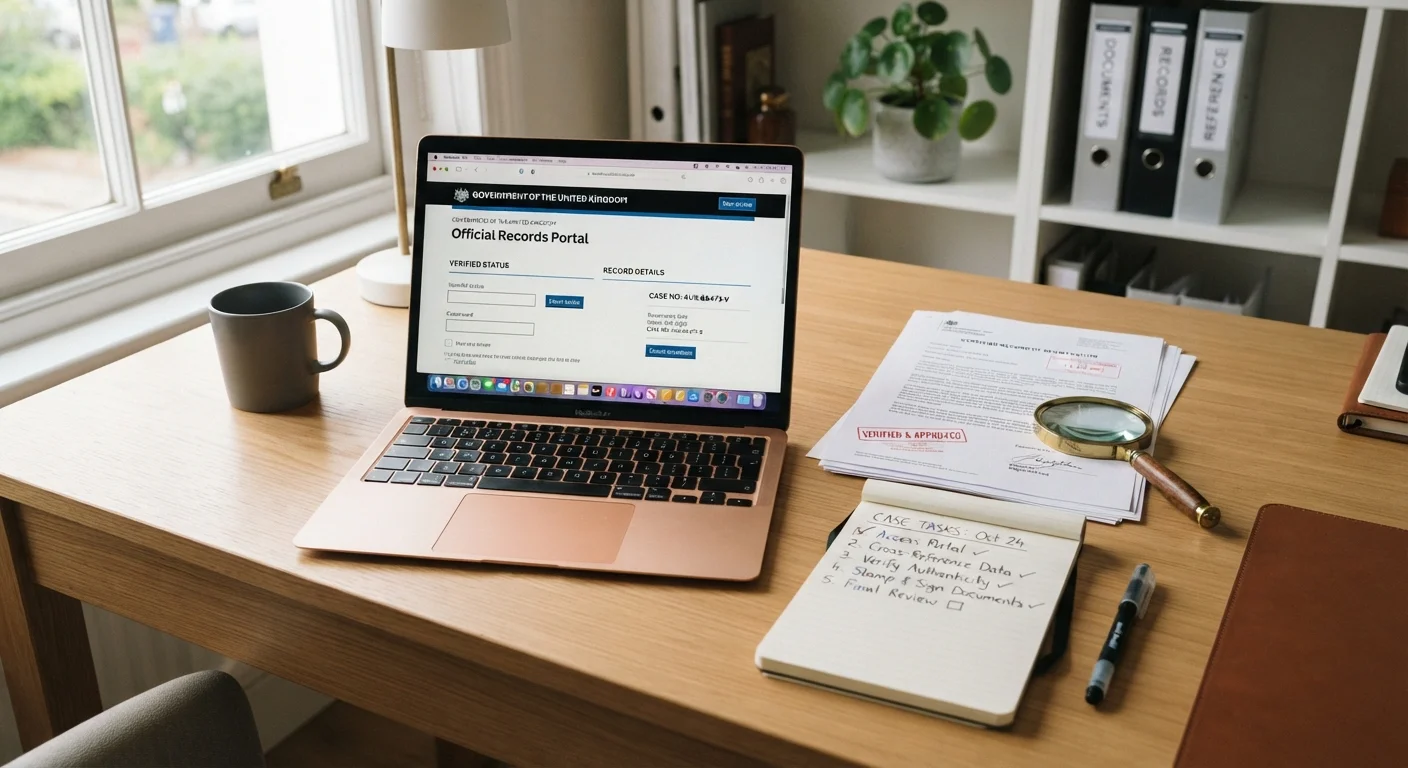
From Search to Verified Document: A Complete Online Records Workflow
A comprehensive, end-to-end guide covering every stage of a credible public records search—from identifying the right source to confirming authenticity.
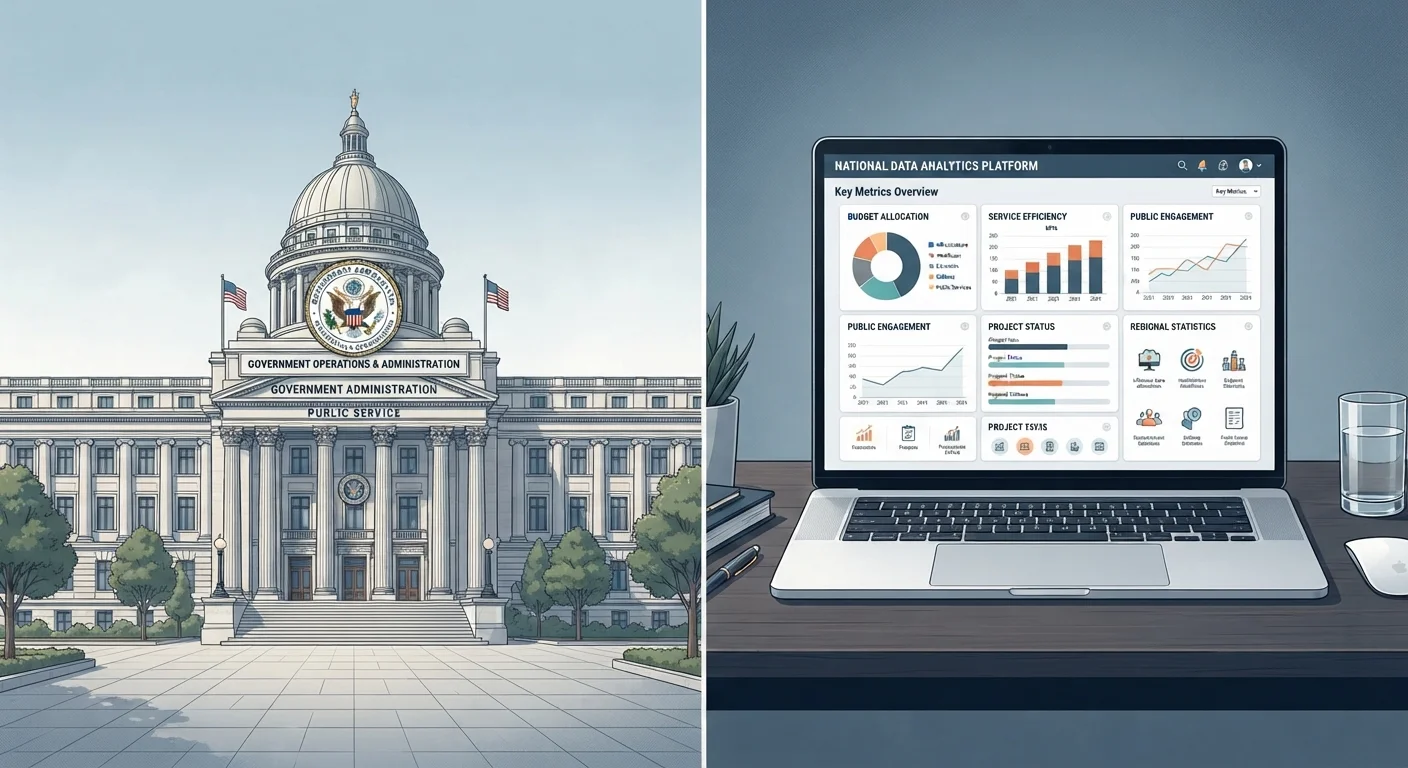
Government Portals vs. Third-Party Aggregators: What's Actually Different
Compare official government databases with third-party record sites so you know which source is right for your specific search.
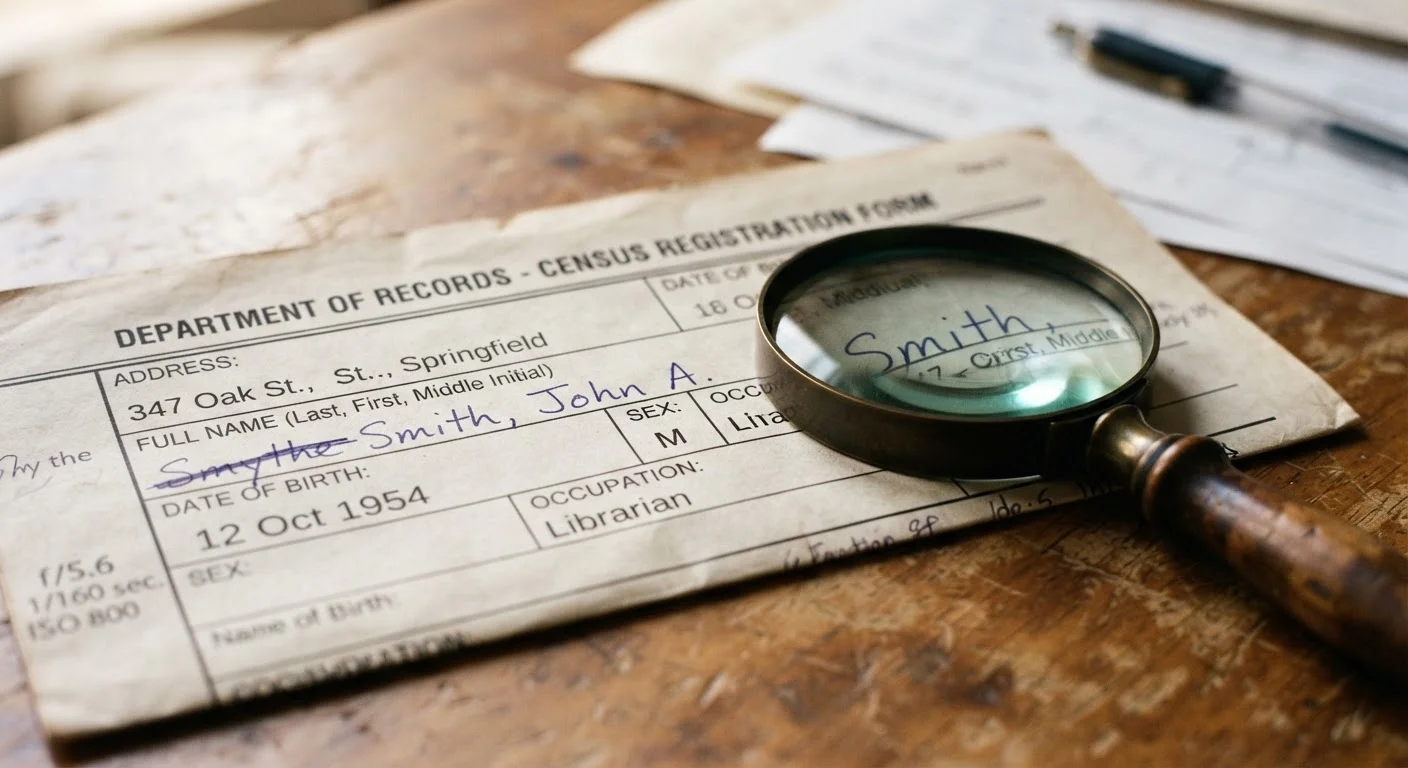
How Name Variations and Typos Affect Public Record Search Results
Spelling differences, nicknames, and data-entry errors can cause records to surface under unexpected names. Here's how to account for them.
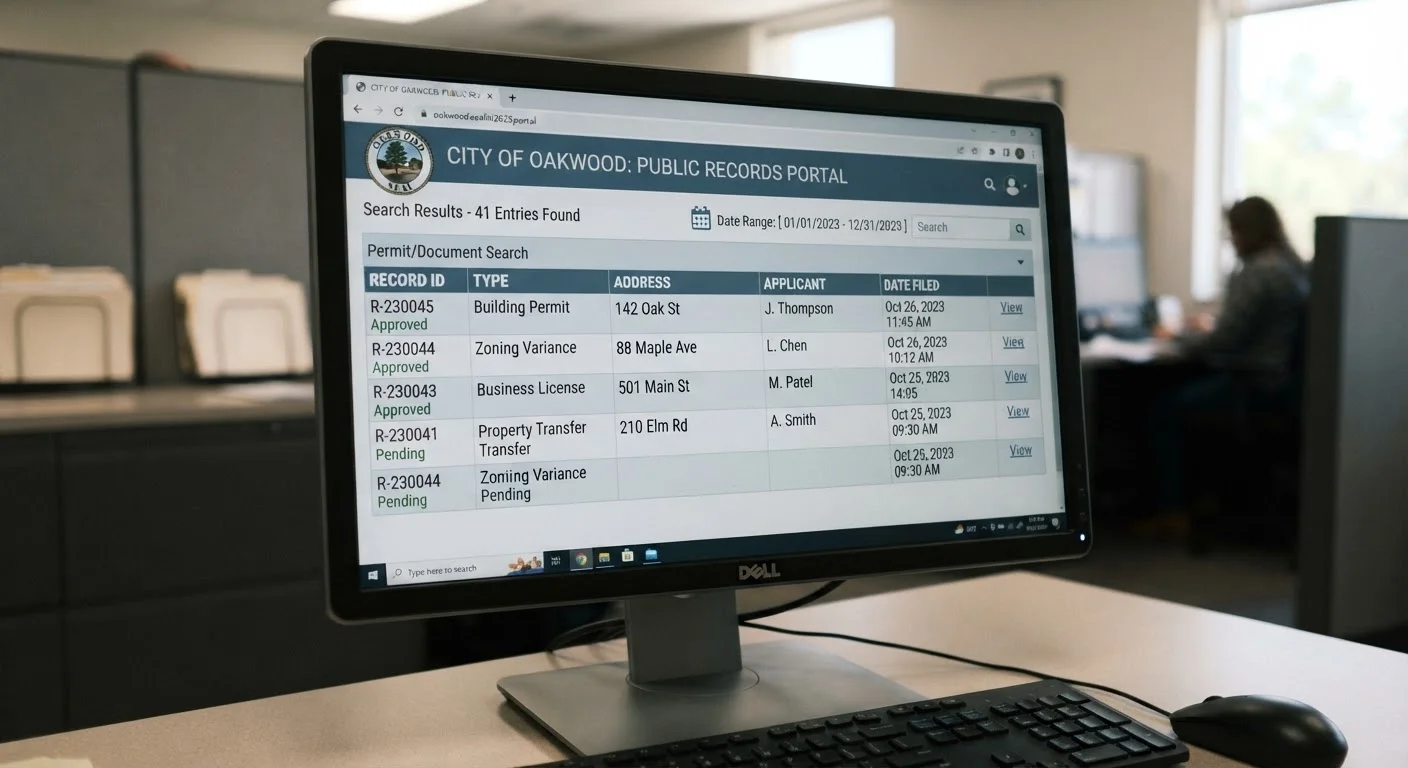
Interpreting Timestamps and Update Frequencies on Public Record Databases
A record listed as 'current' may be months old. Understanding how databases sync with source agencies is essential for accurate interpretation.
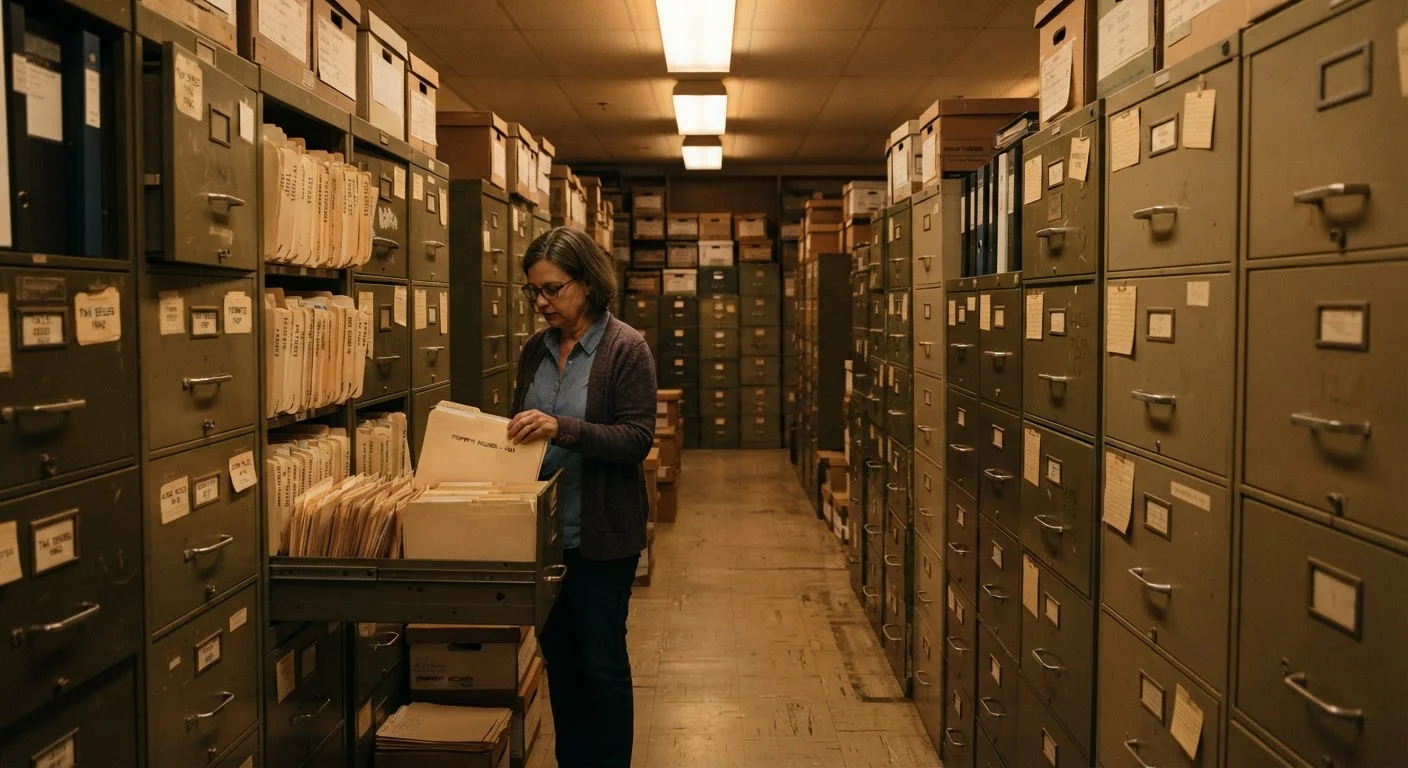
Offline Records That Have No Online Equivalent—and How to Reach Them
Not every document has been digitised. Learn which record types still require in-person or mail requests and how to submit them correctly.

PACER, FOIA Portals, and State Court Databases: Navigating Legal Record Systems
A practical walkthrough of the major online systems used to access court records and government-held documents in the United States.
Privacy Laws That Shape What You Can and Cannot Find Online
FERPA, HIPAA, and state-level restrictions determine which records are withheld from public view. This explainer maps out the key boundaries.

Signs That an Online Records Source May Not Be Trustworthy
Outdated data, vague sourcing, and unclear update schedules are red flags. Learn what to look for before relying on any public records website.
The Landscape of Official Public Records Online
Understand which government agencies publish public records digitally, what's typically available, and where to start your search with confidence.

The Real Limitations of Online Public Record Searches
Online searches don't capture everything. Understand the gaps in digital records—including sealed files, digitisation backlogs, and access restrictions.
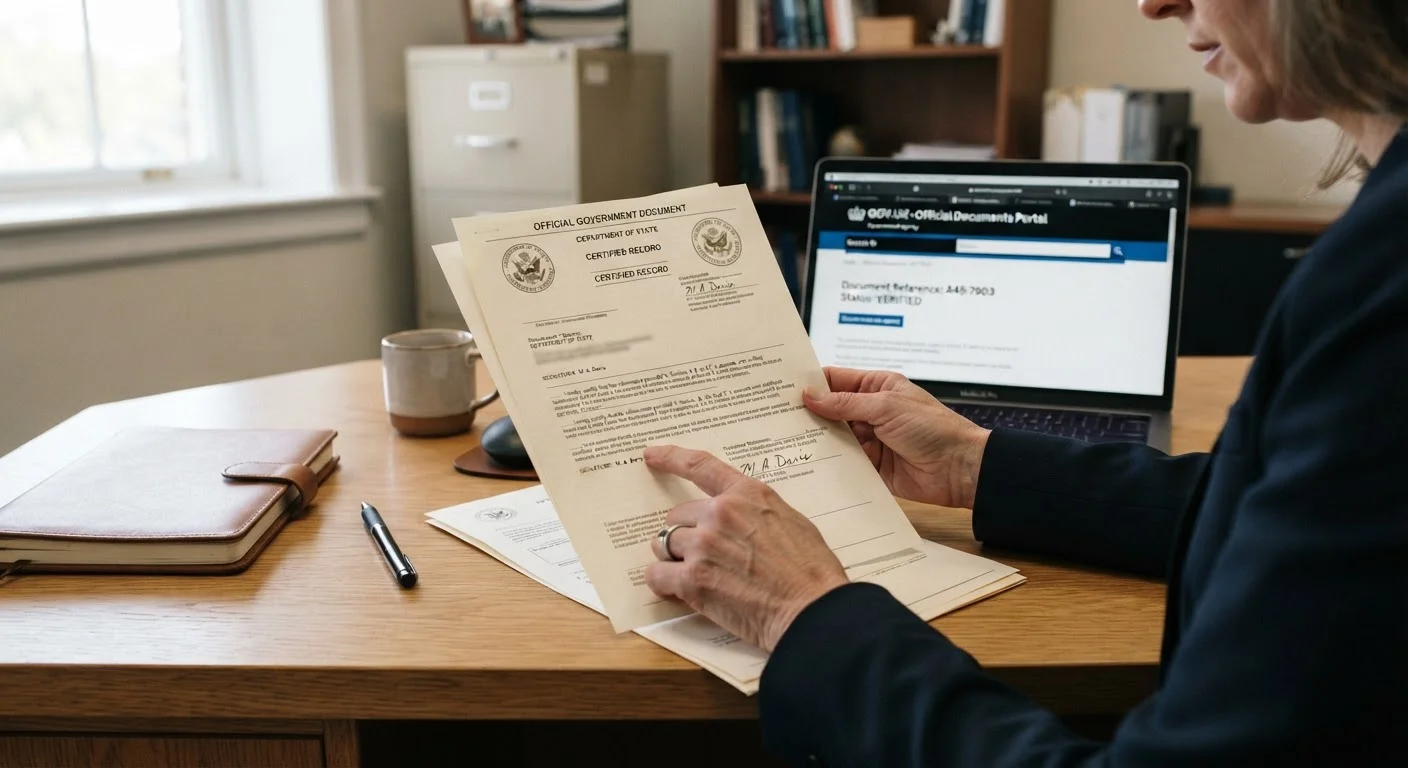
Tracing a Document Back to Its Official Source
Learn how to verify that a public record you found online originates from an authoritative government source rather than an unverified copy.

What Public Records Are Actually Free to Access Online
Many public records are freely available through official channels. This guide maps out which document types you can access without fees.
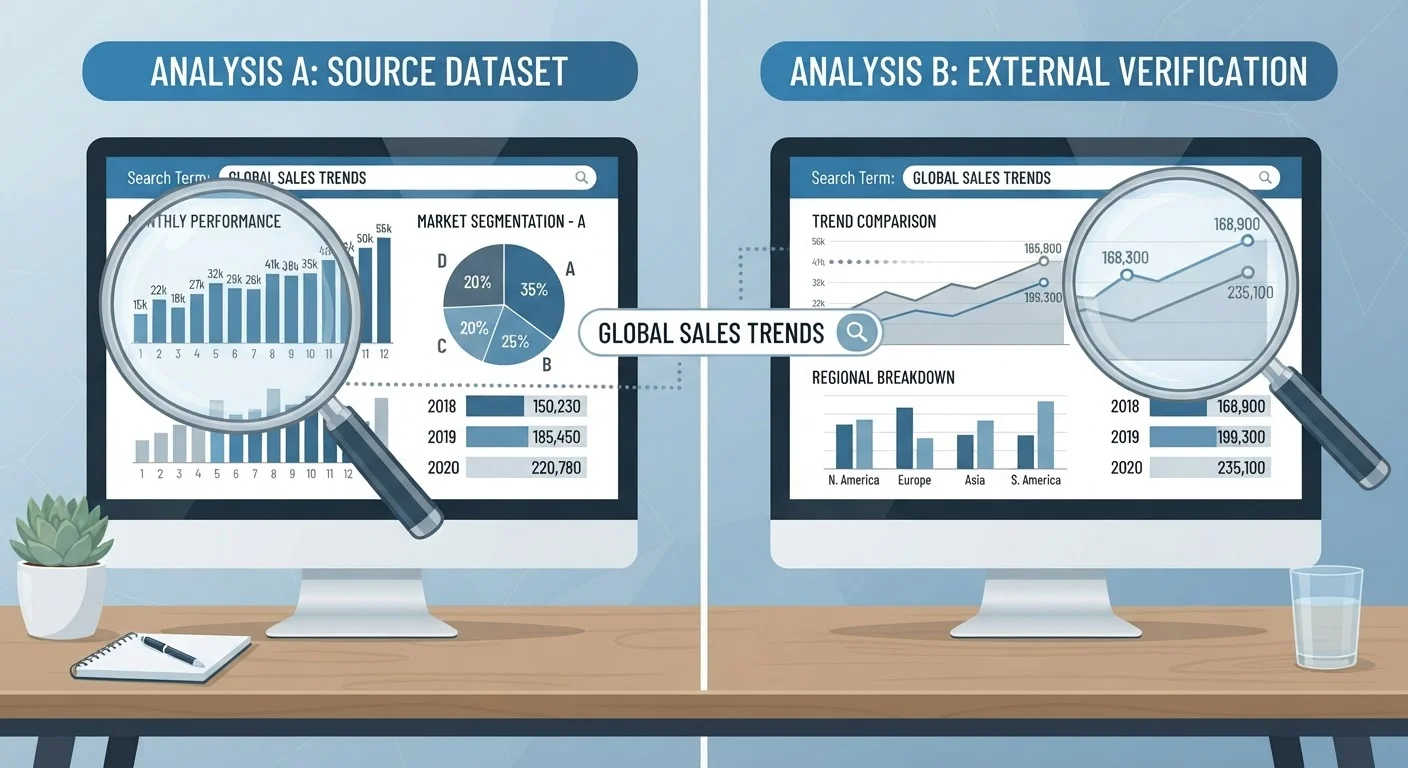
Why Public Records Search Results Sometimes Contradict Each Other
Different databases update at different times and pull from varied sources. Here's why discrepancies appear and how to evaluate conflicting results.

Assumptions That Lead People to Misread Public Records
Gaps, redactions, and outdated entries are easy to misinterpret. These are the most common reasoning errors people make with public records.
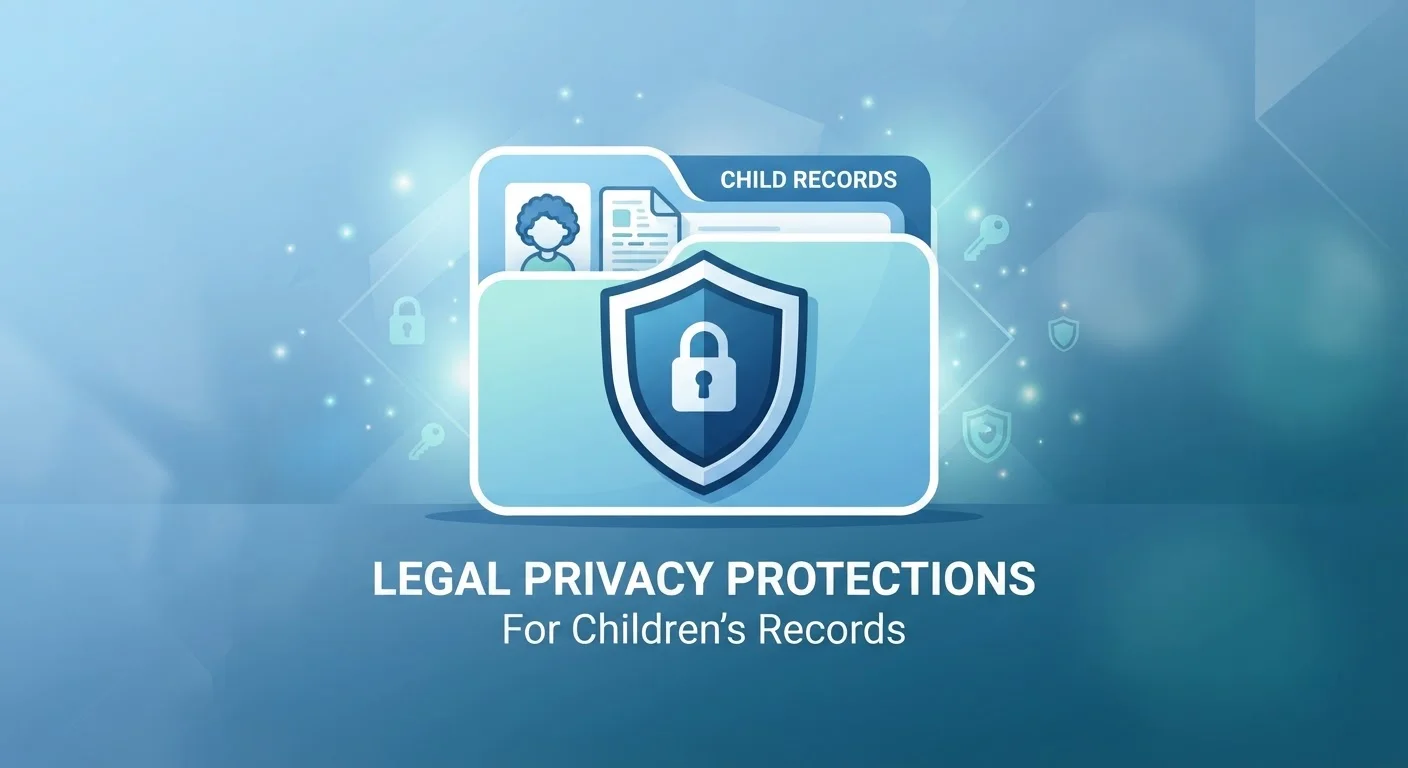
Children's Records and the Privacy Protections That Apply
Minors enjoy stronger privacy protections under the law. Learn which records involving children are shielded and why access is restricted.
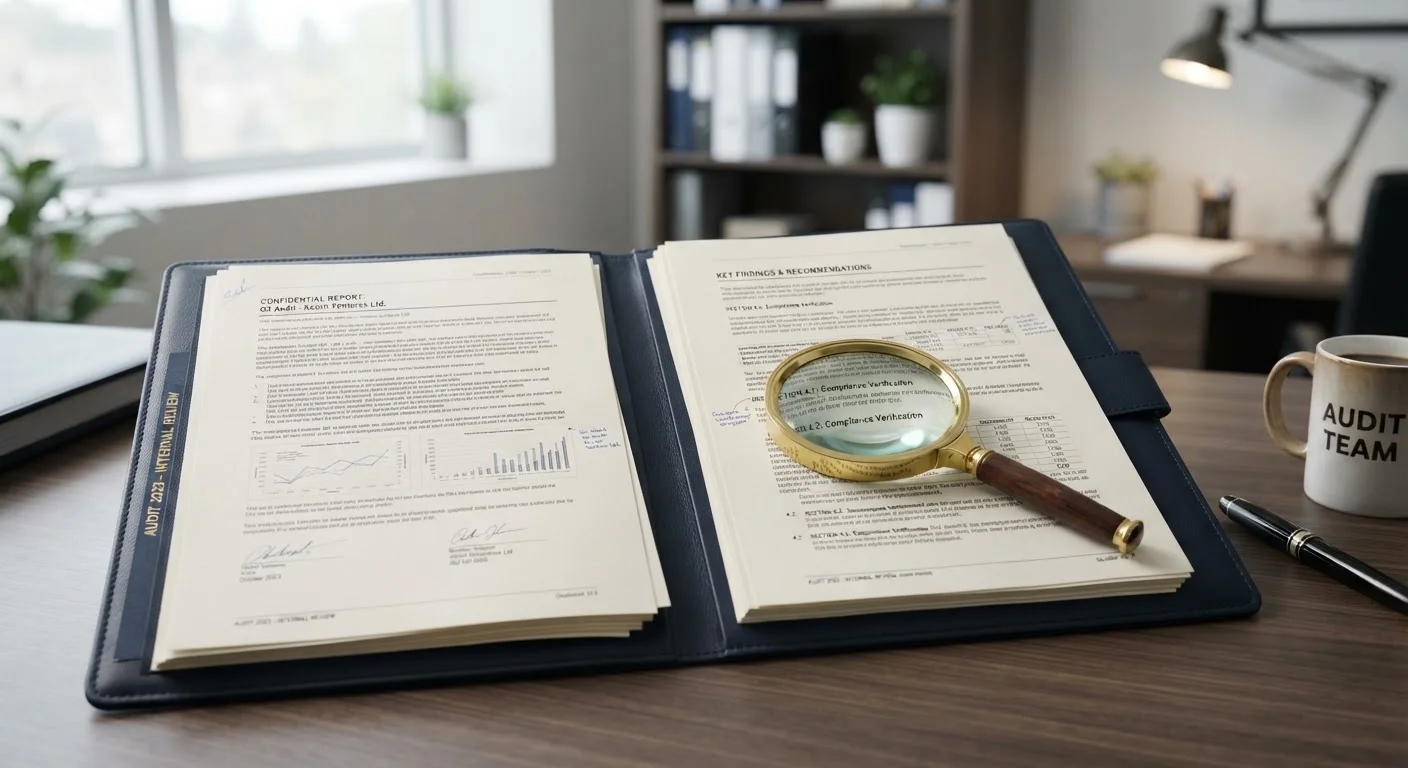
Common Myths About What Background Checks Can Reveal
Many people assume background checks expose everything. Here's what they actually can — and legally cannot — surface about a person.
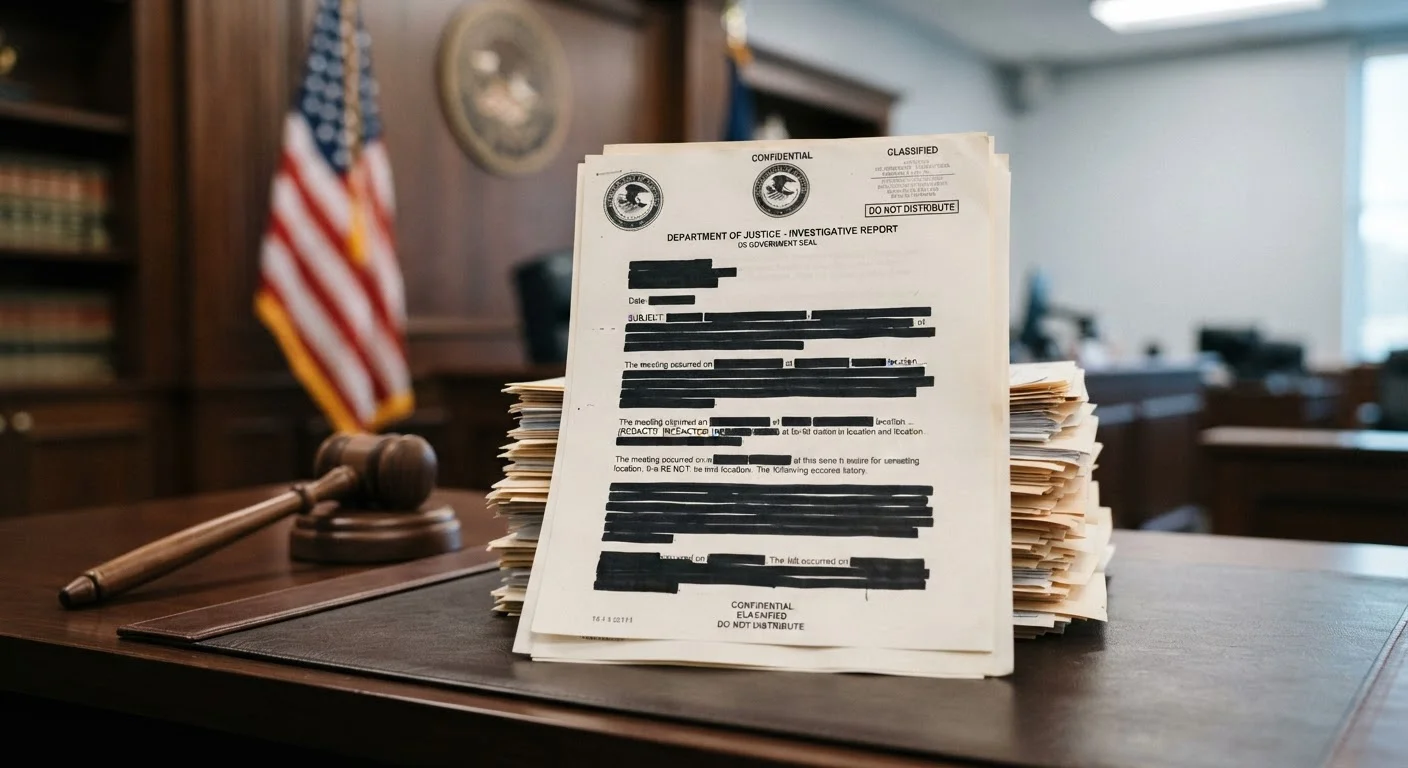
Federal Privacy Laws That Shape What You Can Access
FERPA, HIPAA, DPPA — a plain-language breakdown of the federal laws that carve privacy protections out of the public record system.
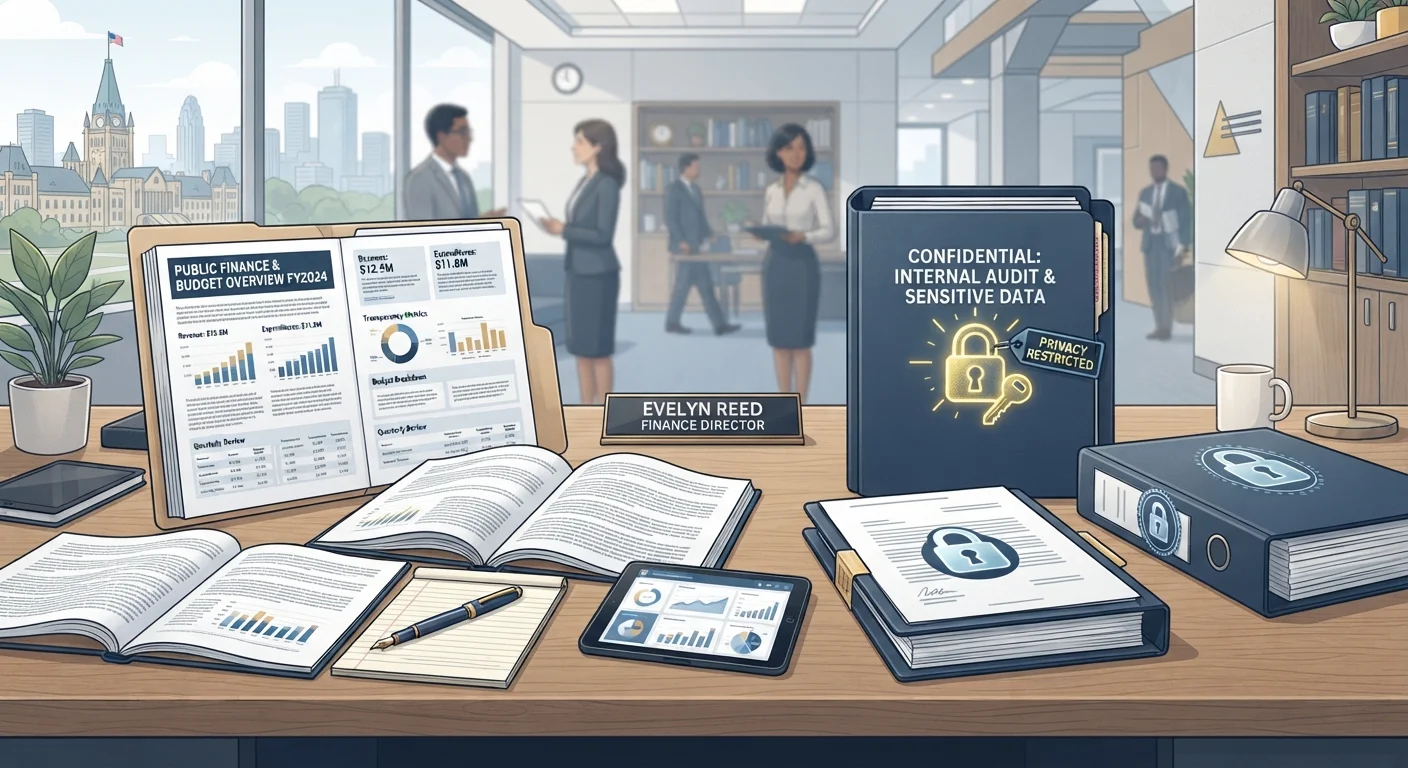
Financial Records and the Limits of Public Disclosure
Some financial records are public, but most personal financial data is protected. Here's what's accessible and what stays private.

How Victim Privacy Laws Restrict Access to Certain Court Records
Crime victim protection laws often shield names, addresses, and testimony from public view. Learn how these rules work across different case types.
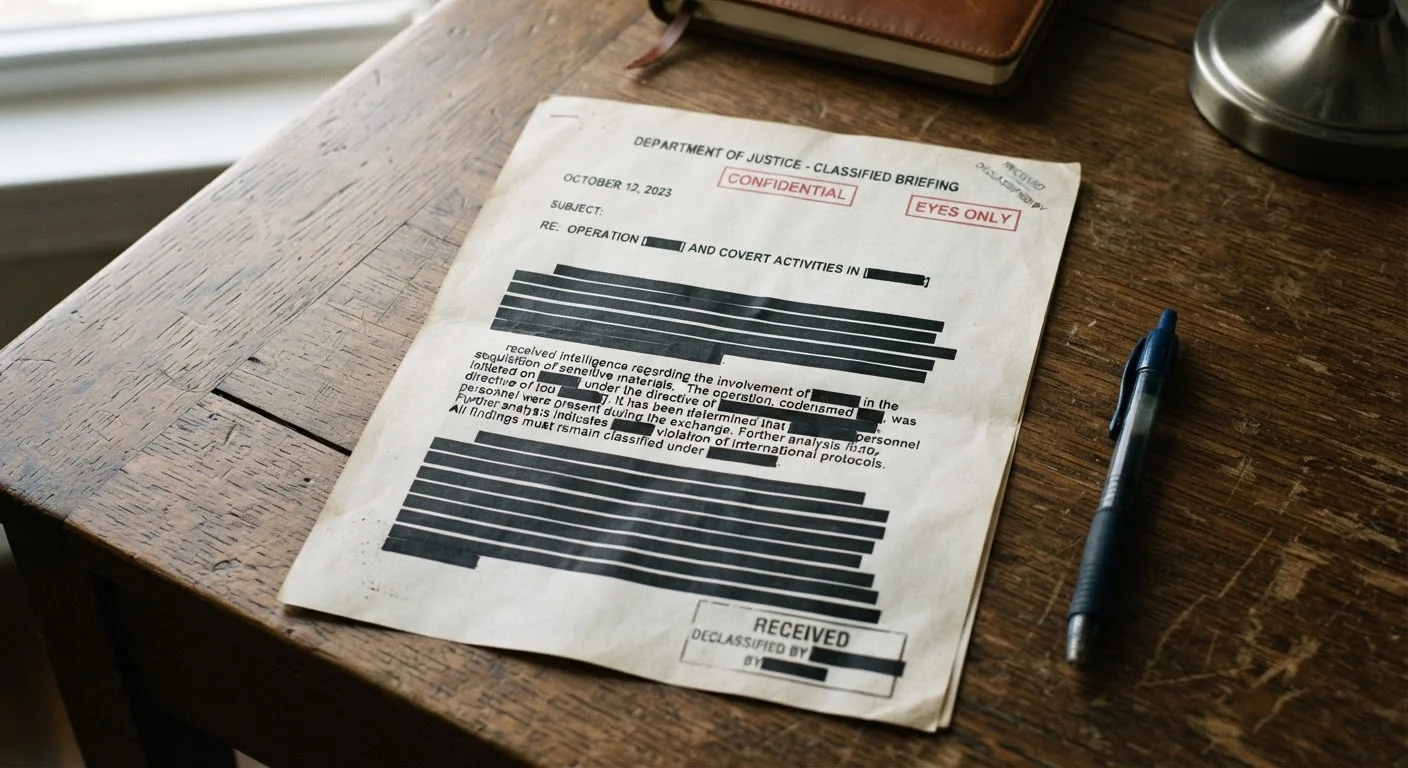
Information That Gets Redacted Before a Record Goes Public
Even released public records often have sensitive details blacked out. Here's what agencies routinely redact and the legal basis for it.
Medical Records and Public Access: Where the Wall Is
Health information is among the most protected data in the U.S. Understand exactly how HIPAA limits what enters the public record.

Privacy in the Digital Age: How Online Aggregators Change the Picture
Data aggregator sites compile public records into detailed profiles. Here's what that means for personal privacy and what the law does — and doesn't — say.
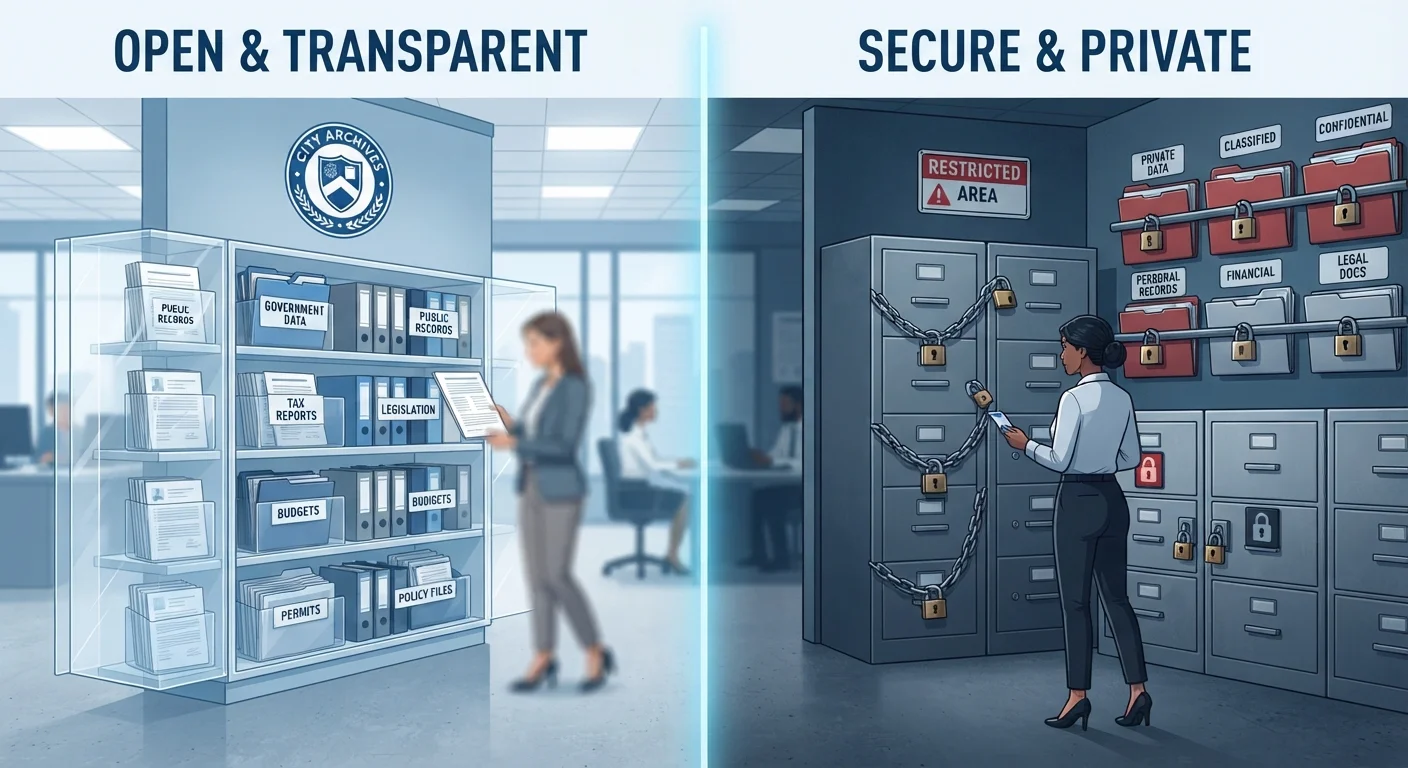
Public Records vs. Private Data: Understanding the Difference
Not all information about a person is public record. This guide clarifies where the public domain ends and private data begins.
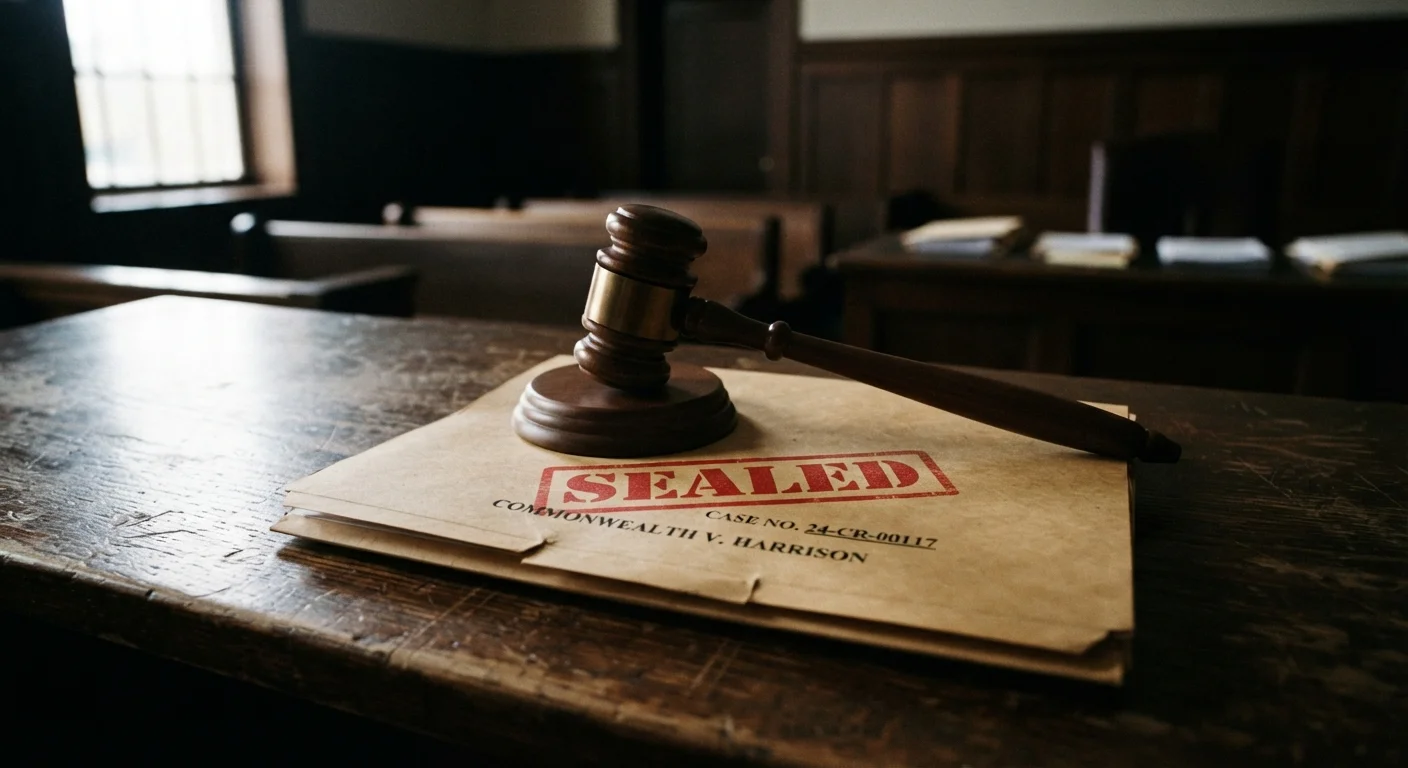
Sealed, Expunged, or Restricted: Why Some Records Disappear
Court records aren't always permanent. Learn what it means when a record is sealed or expunged — and what that means for public access.
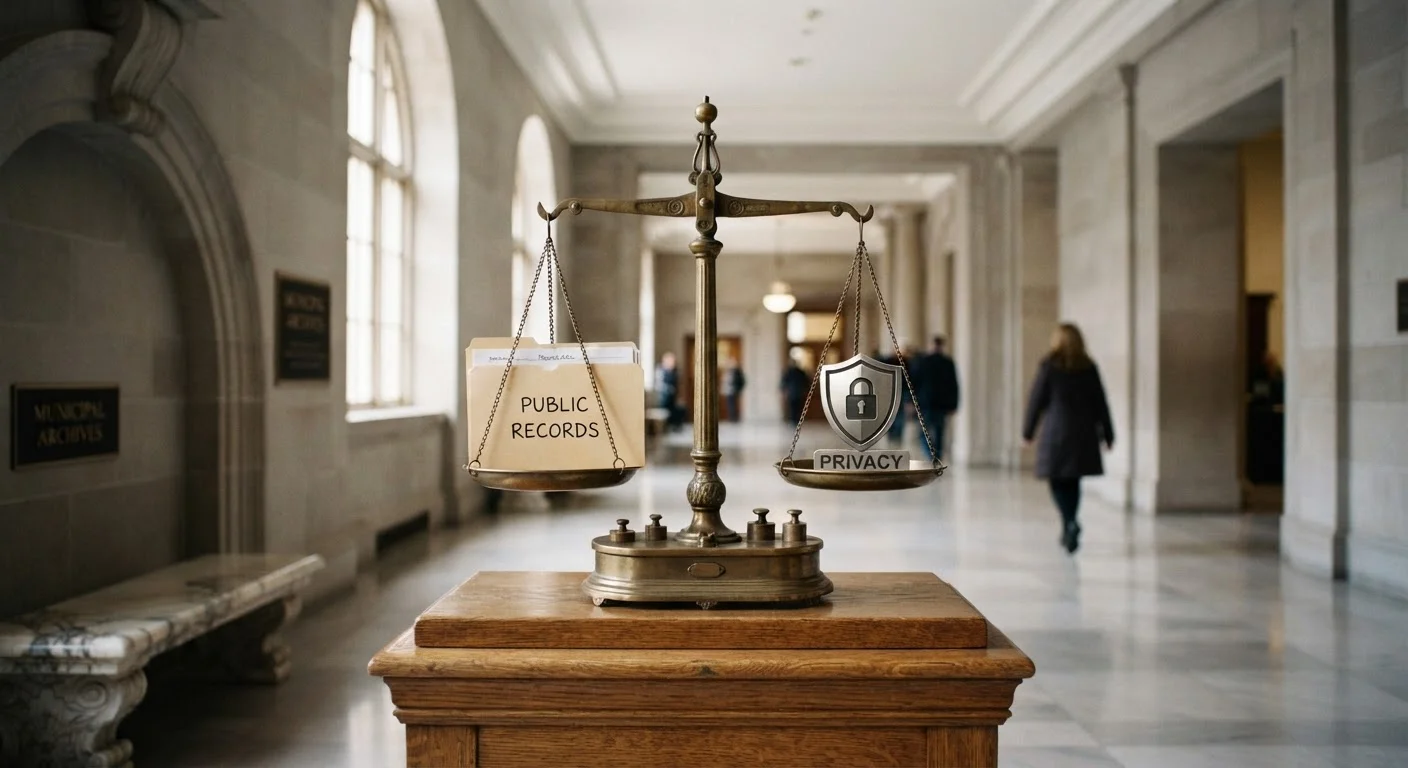
The Line Between Public Interest and Personal Privacy
Access laws try to balance transparency with privacy. Here's how courts and agencies draw that boundary in practice.

What Public Records Actually Leave Out
Public records reveal a lot — but certain details are legally sealed or redacted. Here's what you won't find and why.
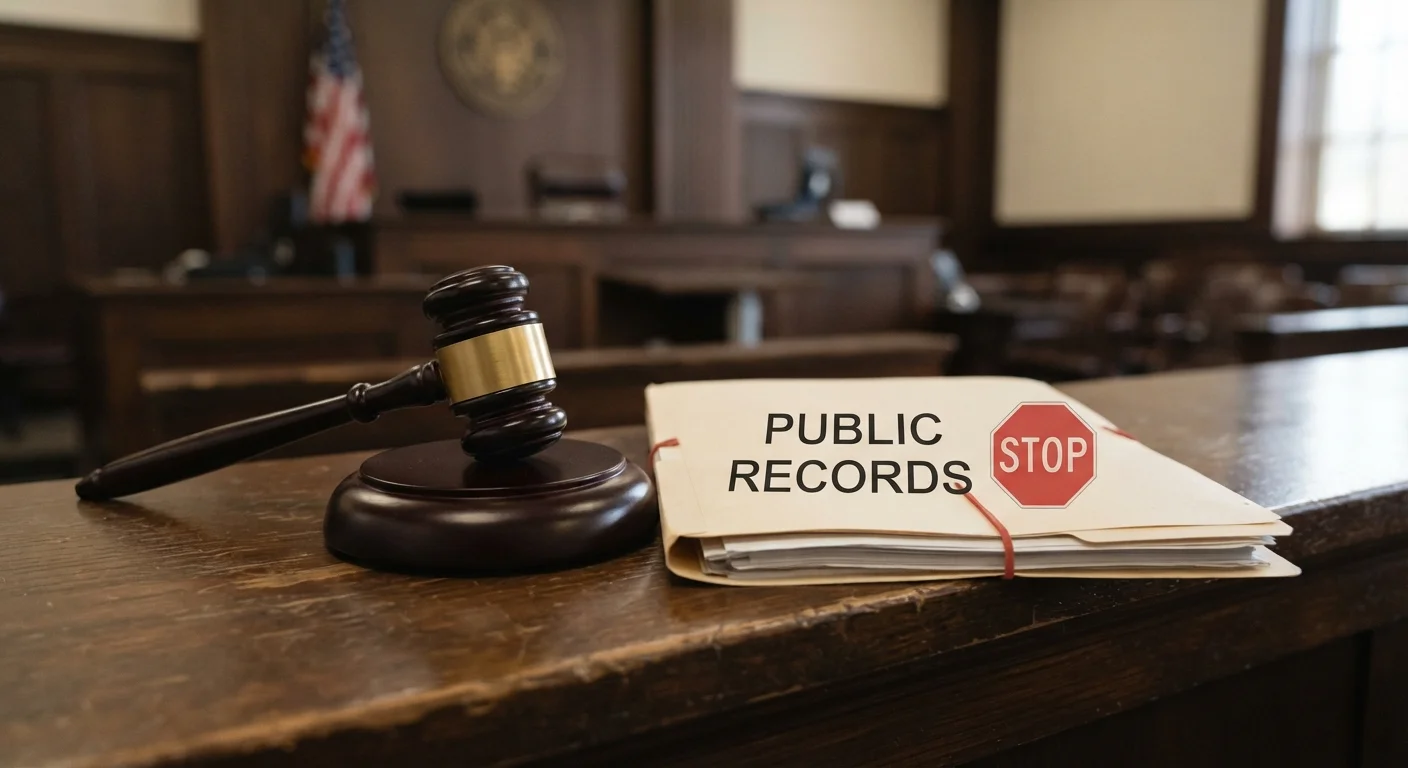
When Using Public Records Crosses a Legal Line
Access doesn't equal unlimited use. Certain ways of using public record information — like stalking or discriminatory screening — are prohibited.
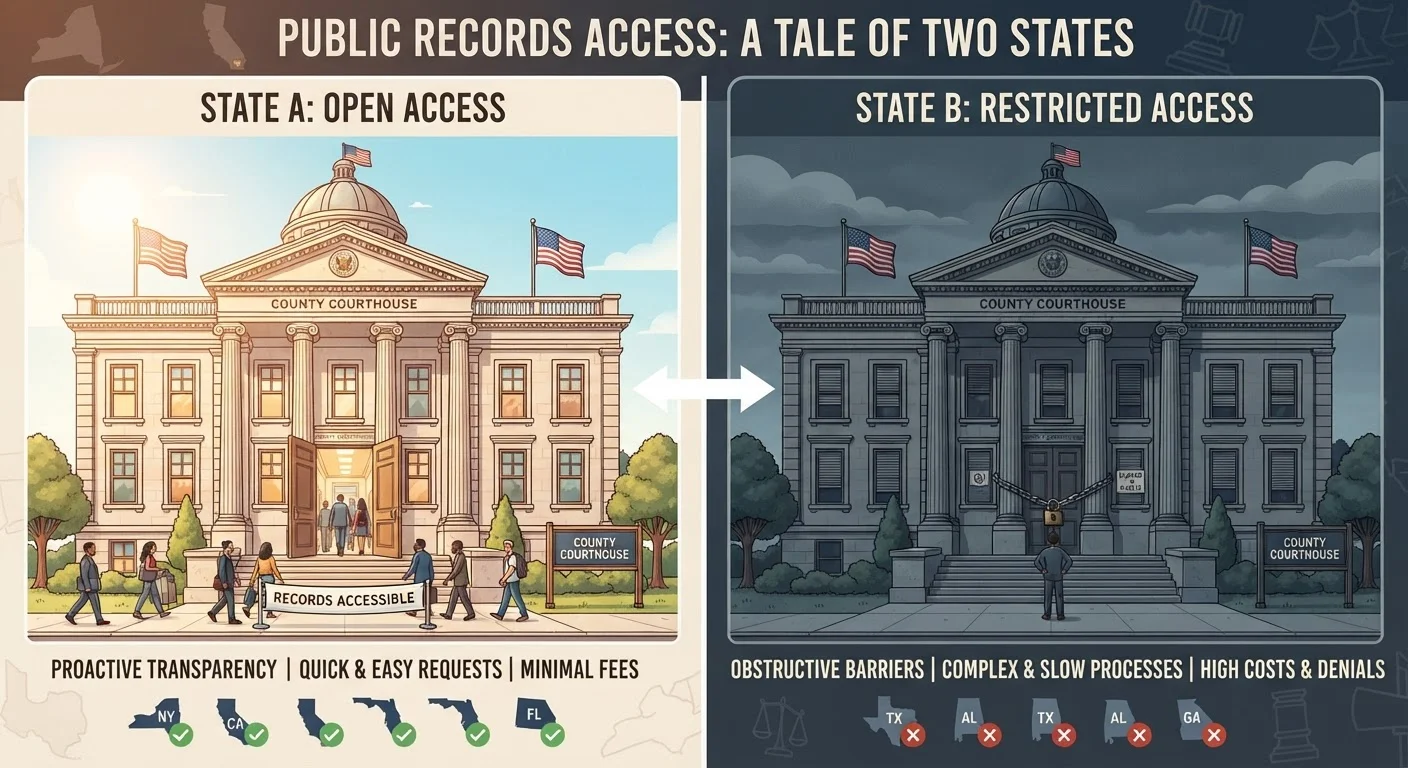
Why the Same Record Can Be Public in One State and Sealed in Another
Public record access isn't uniform across the U.S. State laws create significant differences in what's available — and to whom.

Your Rights When Public Records Contain Errors About You
Public records can be wrong — and errors can follow you. Learn what rights you have to challenge, correct, or contextualize inaccurate public information.