
Verifying a Vehicle History Report: What to Cross-Check Against Physical Records
A vehicle history report is one layer of due diligence, not the last word. Learn which physical documents and inspections can confirm or contradict what you've read.
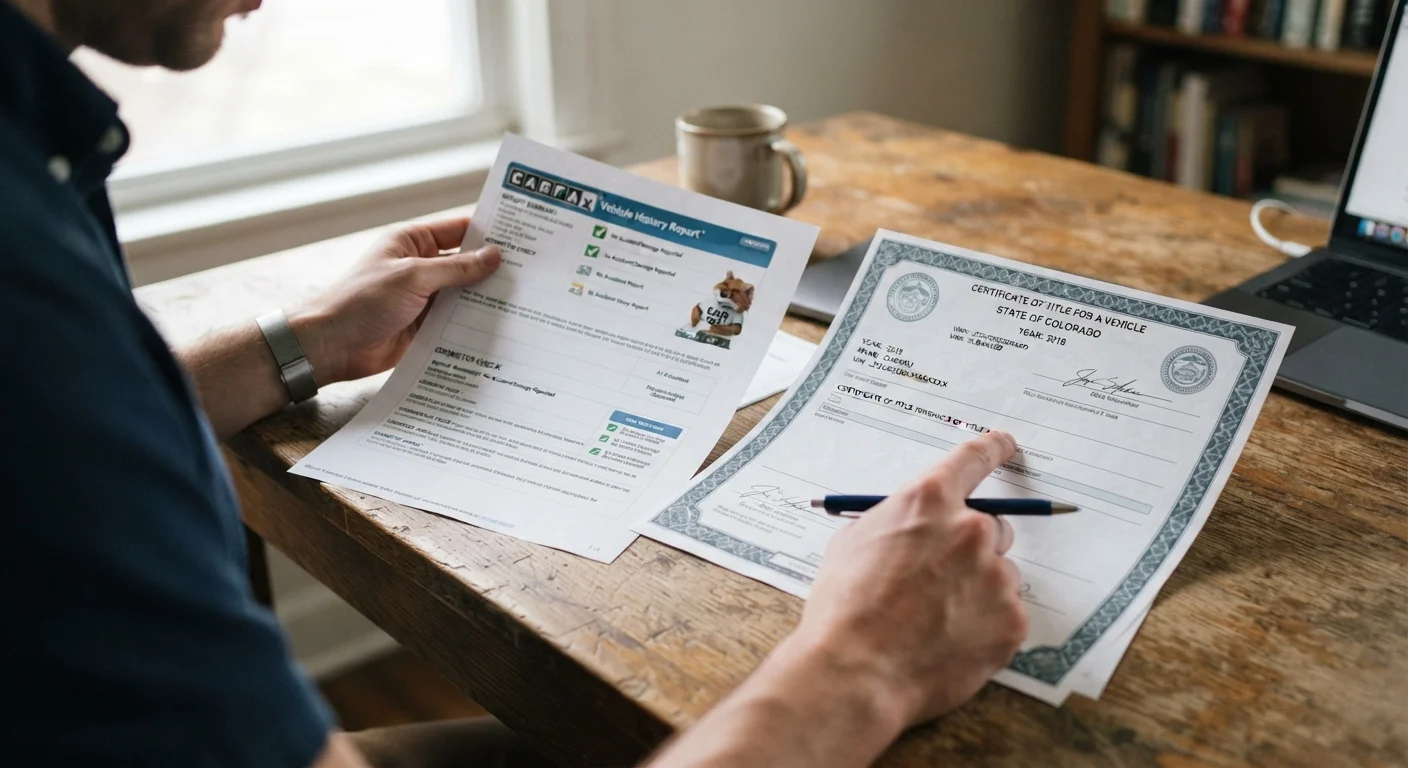
Photo: searchopenrecords editorial
—— In This Article
Key Takeaways
- A vehicle history report draws from third-party and government data sources, which can have gaps or delays.
- Physical documents — title, odometer disclosure, and repair records — often reveal discrepancies the report cannot catch.
- VIN stamping locations on the vehicle itself can confirm or contradict identity claims in any report.
- Accident and title brands should always be cross-checked against a state DMV title search.
- A qualified mechanic's inspection adds a layer of verification no digital report can replace.
Why a Report Alone Is Not Enough
A vehicle history report aggregates data from insurers, state DMVs, salvage auctions, odometer disclosure filings, and other public sources. That breadth is genuinely useful — but it also means the report is only as complete as what those sources reported. Private sales, unreported accidents, and data-entry lags can all leave gaps. Before you read this checklist, it helps to understand what a vehicle history report actually contains so you know which fields to scrutinize most closely.
The goal of cross-checking is not to distrust the report — it is to triangulate. When physical evidence and digital records agree, you can proceed with greater confidence. When they conflict, you have a concrete question to resolve before making any decision.
History Reports Can Have Coverage Gaps
Not all accidents, title changes, or repair events are reported to the data sources that vehicle history reports draw from. A clean report does not guarantee a clean history — it means no adverse events were recorded in the data sources consulted. Private-party repairs, cash insurance settlements, and events in states with incomplete reporting can all go unrecorded. Always treat a clear report as encouraging, not conclusive.
Cross-Check Checklist: Documents, Physical Inspection, and Records
Work through the groups below in order. Gather all paper documents before you inspect the vehicle so discrepancies are easier to spot in real time. If you spot patterns that concern you, consult red flags worth scrutinizing in any vehicle history report before proceeding further.
Title and Ownership Documents
Odometer and Mileage Records
Physical VIN Inspection
Accident and Repair Record Verification
Registration and Emissions Records
Tools You Will Need
Most of these items are free or low-cost. A flashlight and a VIN decoder reference — explained in the VIN lookup basics hub — are the two essentials you should have on hand before the physical inspection begins.
Physical title certificate
The primary ownership document; used to verify brands, lien status, and VIN against what the report records.
Flashlight
Needed to inspect secondary VIN stampings, undercarriage welds, and hard-to-see panel seams during physical inspection.
State DMV title check (online or phone)
Allows independent verification of current title brand and lien status directly from the issuing authority.
Odometer disclosure statements
Federal forms required at each ownership transfer; used to trace a consistent mileage history independent of the report.
Repair and service invoices
Paper trail of maintenance and collision repairs that can confirm or contradict the accident history in the report.
Paint-depth gauge
Measures paint thickness to identify repainted panels that may indicate unreported body repairs.
Qualified mechanic
Provides a professional structural and mechanical inspection that no digital report can substitute for.
What to Do When Records Conflict
Discrepancies are not automatic deal-breakers, but they do require resolution. A mismatch between the title brand on the physical certificate and what the history report shows, for example, could indicate a data-entry error — or it could indicate a fraudulent title wash across state lines. Either way, you need a clear answer. Contact the issuing state's DMV directly to verify title status; most states offer a title check by VIN online or by phone.
For mechanical history conflicts — such as repair invoices that suggest more damage than the report records — ask a qualified mechanic to inspect the structural components, paint depth, and frame. Their findings are an independent data point the report simply cannot provide. For a guided approach to reading what the report does say, see this step-by-step walkthrough for first-time readers.
This article is for informational and educational purposes only. It does not constitute legal or financial advice. For decisions involving significant money or legal risk, consult a qualified professional.

Vin Search Editorial Team
VIN Search Editorial Team is the collective byline for our editorial team and contributor network. Articles published under this byline or an editorial pen name are researched, written, and reviewed according to our editorial standards for clarity, consistency, and independence before publication.
View author profile