Home remedies for protecting dogs from fleas and ticks
health

Home remedies for protecting dogs from fleas and ticks

With summertime just a few weeks away, the warm weather will invariably bring with it the flea menace. As everyone ruses outdoors and the flea season kicks in, these pests can be a source of much discomfort for our four-legged companions. While you can buy deterrents and repellents from the pet store, quite a few everyday kitchen ingredients are effective natural remedies for fleas and ticks. Natural oils Essential oils are quite effective in eliminating fleas; they are diluted and used to make shampoos and sprays for dogs infected by fleas and ticks. These oils need to be applied with caution because the scent is extremely pungent and indiscriminate use even can cause to harm your dog. The idea is to apply the oils like peppermint, lavender, cedar oil, or lemongrass onto a well-ventilated surface of their body, but not near their face. You can dilute these natural oils in a carrier like almond or olive oil. Garlic Freshly crushed garlic may be added to your dog’s food to protect him from fleas. Depending on how big your dog is, you can use a couple of cloves to get the desired result. But you should not use more than half a clove if their body weight is less than 20 pounds.

8 superfoods that help manage osteoporosis
health

8 superfoods that help manage osteoporosis

Osteoporosis is a health condition that weakens the bones in the body, making them delicate. As a result, the bones become prone to injuries, and subsequently, fractures. But the good news is that despite the severity of osteoporosis, medical treatments can help curb its symptoms. There is also evidence that combining medical treatments with healthy foods reduces the condition’s impact. So, here are a few foods that help manage osteoporosis and increase bone density. Dairy Products like yogurt, cheese, and milk are loaded with calcium, one of the primary nutrients that complement bone strength and structure. Other products like soy milk, almond milk, and tofu are also fortified with calcium and work wonders to improve bone health. These are also suitable alternatives for those suffering from lactose intolerance. Dark green veggies Dark green vegetables like kale, spinach, Brussels sprouts, turnip greens, cabbage, and collards are stuffed with calcium. Some of these foods are even rich in vitamin K and magnesium. Together, these help manage osteoporosis. Fruits Certain fruits like figs and kiwis contain high levels of vitamins A, C, and K. These nutrients help boost bone density. Other fruits like bananas, oranges, and papayas have significant amounts of potassium that ward off the growth of acid in the bones, protecting them from losing calcium.
5 foods that lower and regulate blood sugar levels
health

5 foods that lower and regulate blood sugar levels

Diabetes is a condition generally caused by a lack of the hormone insulin in the body. The result is a hazardous accumulation of glucose in the blood. Although there are many factors that contribute to this condition, one way to regulate blood sugar is to follow a healthy nutrition regimen. In this article, we shall discuss five foods that can help lower blood sugar levels and keep diabetes in check: Broccoli Broccoli contains tons of nutrients and is an essential part of wholesome nutrition. This food is also great for lowering and regulating blood sugar. Chopped or chewed broccoli releases the compound sulforaphane that helps reduce and maintain the blood-sugar levels in the body. To efficiently obtain sulforaphane from broccoli, having it raw or steamed is ideal. Whole wheat Bread is typically filled with carbohydrates that can negatively affect the overall blood sugar level. But research has shown that stone-ground whole wheat bread actually scores very low in terms of the glycemic index. This low score is attributed to the fact that stone-ground whole wheat bread does not lose its essential fibers. These fibers help slow the process of digestion and, in turn, help to lower and regular blood sugar levels in the body.
Excessive daytime sleepiness – 10 triggers and causes
health

Excessive daytime sleepiness – 10 triggers and causes

Even after sleeping well at night, some people may struggle to stay awake during the day. There are often many underlying causes for this, from biological, psychological, and psychological reasons to even external factors. Hypersomnia , as daytime sleepiness is also called, affects one’s cognitive function and alertness, thus heightening one’s risk of accidents or mistakes. While some causes can be worked with and managed, some triggers may be beyond one’s control. Common causes of excessive daytime sleepiness Here are a few common causes of excessive daytime sleepiness: 1. Sleep deprivation The most common cause is inadequate sleep during the night, leading people to want to take naps during the day. 2. Vitamin B12 deficiency Recent studies have found that those deficient in vitamin B12 may experience unnatural fatigue or tiredness, which can result in feeling sleepy all the time. B12 affects red blood cell production and cell oxygenation. 3. Mental health issues Depression, anxiety, or general stress can rob one of their energy and lead to a constant sense of sleepiness during the day. 4. Sleep disorders or other medical conditions Those who have sleep disorders like sleep apnea, restless legs syndrome, narcolepsy, sleepwalking, and insomnia may all experience excessive daytime sleepiness.
4 warning signs of hemorrhoids
health

4 warning signs of hemorrhoids

People with swollen veins in the lowest part of their rectum and anus are medically diagnosed to be experiencing hemorrhoids. The irritation in these veins due to bulging and the stretching of blood vessels in the region causes various symptoms and warning signs in people with this health condition. Hemorrhoids are treatable at every stage, but doing so at an early stage makes everything simple and quick for people with this condition. Warning signs of hemorrhoids Difficulty in defecating Hemorrhoids can cause discomfort and pain in the anal area, even in the early stages. Due to this, people with this condition can find it mildly difficult to pass stool without a degree of pain. In addition to the pain, the passage of stools is also disrupted, making it even harder for individuals to defecate. As a result, people with this condition may avoid using the toilet to pass stools, causing the excreta to accumulate within the body. This warning sign of hemorrhoids is extremely common and concerning. If people face this issue, they need to visit a gastric healthcare professional and begin the process of treating their hemorrhoids at an early stage. Blood loss The anal region plays a crucial role in a person’s daily life.
8 early warning signs of Crohn’s that shouldn’t be ignored
health

8 early warning signs of Crohn’s that shouldn’t be ignored

Crohn’s disease is an inflammatory bowel disease (IBD) that causes the digestive tract to become irritated and swollen. Patients experience several symptoms, such as abdominal pain, diarrhea, and rectal bleeding. While these symptoms may not always point toward Crohn’s disease, it is important not to ignore them but to consult a doctor for a timely diagnosis. Although the condition has no cure, one can manage its symptoms with treatment and care. Abdominal pain Pain and cramps in the abdomen are some of the most common tell-tale signs of Crohn’s disease. They occur as soon as the condition develops and persist through its advanced stages. The pain often appears as a dull ache in the lower right side of the abdomen, with cramps in the same region. Diarrhea Another common early warning sign of Crohn’s disease is diarrhea. Diarrhea must be addressed if it is chronic or occurs frequently because it can worsen the inflammation and irritation in the bowel. The increased inflammation and irritation may lead to a constant urge to move the bowels, causing the stool to be runny and loose. Bloating Crohn’s disease also causes bloating. Due to this, one may feel full even without eating a complete meal.
5 warning signs of high blood pressure
health

5 warning signs of high blood pressure

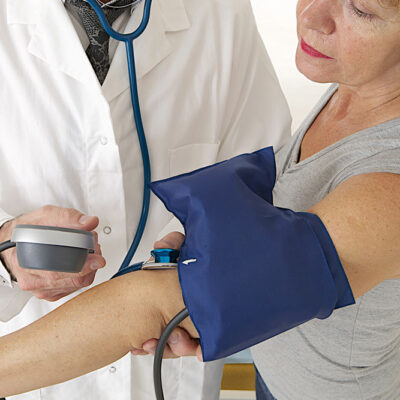
High blood pressure occurs when the force of blood against artery walls is too high. This can lead to severe complications in the body, such as strokes and heart attacks. It is important to note that high blood pressure can be a concerning health issue because it often does not display any symptoms, particularly in the early stages. Individuals may not even realize they have high blood pressure until it becomes severe. Severe headaches One of the most telltale symptoms of high blood pressure, or hypertension, is experiencing severe headaches. It is also a very commonly observed sign. As per a study, headache is a symptom experienced by more than 20% of those with high blood pressure. Headaches occur when blood exerts too much pressure on the arteries in the brain. If one experiences severe headaches, one should consult a healthcare professional on priority. Chest pain Experiencing chest pain is a common symptom of high blood pressure. This occurs when the blood pressure is so high that the arteries in the heart do not get enough blood supply. One may even experience heart palpitations as a warning sign of high blood pressure. However, it’s worth noting that chest pain may not necessarily be caused by high blood pressure and could indicate other medical conditions.
9 glaring signs of developing psoriasis
health

9 glaring signs of developing psoriasis

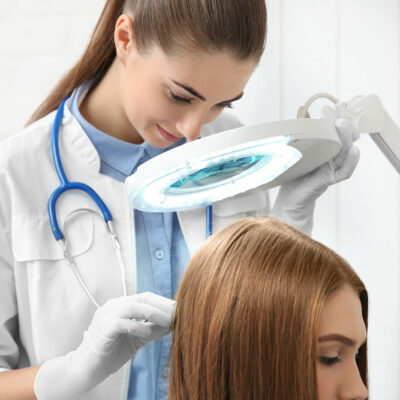
Psoriasis is a skin disease characterized by inflammation in the body. Dead skin cells build up on the skin’s surface, causing itching, burning, or stinging sensations. Psoriasis can appear in small spots or cover larger areas around the ears, feet, hands, eyelids, nails, scalp, or genitals. Sometimes, it may appear in more than one place at once. When it affects areas like the face or hands, it can significantly reduce the quality of life. Glaring signs of psoriasis Plaque development Plaques are another most common sign of psoriasis. They are red, thick, raised patches on the skin that can be covered with a thin, silvery-white coating known as scale. The size of plaques may also vary, and they may join together to form larger patches. Most commonly, plaques may appear on the scalp, elbows, knees, or lower back. Dry skin The plaques or scales in psoriasis can disrupt the skin’s moisture and often lead to dry skin. In cases like erythrodermic psoriasis, the skin may even look burnt. Persistent itching Itching around and on the thickened skin is another common sign of psoriasis. However, one should avoid scratching the affected areas since it can thicken the patches and worsen symptoms.
4 questions to ask when consulting an ophthalmologist
health

4 questions to ask when consulting an ophthalmologist

Going for regular eye checkups is an important part of maintaining eye health. Such examinations provide insights into the overall health of one’s eyes and create a healthcare history for future reference. Ophthalmologists are health experts with professional training and experience in diagnosing and treating eye-related conditions. When consulting ophthalmologists for eye examinations, one must also ask important questions concerning eye health to understand eye-related conditions and make informed decisions about treatment and care. What are the tests being conducted? Eye examinations can often trigger anxiety among individuals, mostly concerning tests conducted by ophthalmologists. Even the eye drops these professionals administer into the patients’ eyes to dilate their pupils – can cause discomfort. However, these remedies are important because they help doctors by allowing them to examine one’s eyes better by dilating the pupils. To clear any doubts about eye exams, patients should communicate with their ophthalmologists about the tests planned for them and why they are important. This helps individuals understand eye examinations better and relieves anxiety before checkups. Is there a risk of any eye disease developing? Once the test results of the eye examination are in, individuals must ask the doctor if they are at risk of developing an eye-related condition.
6 warning signs of sleep deprivation
health

6 warning signs of sleep deprivation

Sleep deprivation occurs when one gets less sleep than what their body needs. Health experts say adults require at least seven hours of sleep, while children might need about nine hours. The amount of sleep needed can also vary depending on pre-existing health conditions, activity levels, and other factors. When one does not sleep enough, it affects memory and blood pressure and causes tiredness and other symptoms in the long run. Gradual changes in sleep patterns Sleep pattern changes are often one of the first signs of sleep deprivation. These changes occur slowly over time. For instance, one may fall asleep when they do not intend to, such as while reading the newspaper or watching TV. Sometimes, one may sleep for long hours during the weekend or take multiple naps without intending to. This is quite normal once in a while or when recovering from illnesses like the flu. But, when these patterns occur repeatedly over time, it could mean one is not sleeping enough at night. Changes in energy levels and mood With sleep deprivation, the body does not get enough rest. A lack of rest can increase cortisol and other stress-related chemicals in the body. When that happens, one may consistently feel irritable, have sudden mood swings, and continuously have low motivation levels.

Top Articles

What Counts as Public Records?
Open-Records

What Counts as Public Records?

Public records play an important role in government transparency, legal processes, and everyday life. These records allow citizens to access certain types of information created or maintained by government agencies. Whether you are researching property ownership, conducting a background check, verifying court information, or tracing business records, public records can provide valuable insight. At the same time, many people misunderstand what “public records” actually means. Not every government document is open to the public, and access rules often vary by state and agency. Understanding which records are considered public can help you navigate the process more effectively while respecting legal and privacy boundaries. What Are Public Records? Public records are documents or pieces of information created, stored, or maintained by government agencies that members of the public can legally access. These records may exist at the: Federal level State level County level City or municipal level Public records laws are designed to promote accountability and transparency. In many cases, citizens can request records directly from government offices or access them through online databases. However, some records contain restricted or confidential information and may only be partially accessible. Why Public Records Exist Public records support transparency within government operations. They allow citizens, journalists, businesses, and legal professionals to review information connected to public activity.
Key Differences Between Free and Paid People Search Tools
Open-Records

Key Differences Between Free and Paid People Search Tools

People search tools have become go-to resources for reconnecting with lost contacts, verifying identities, or simply learning more about someone before a first meeting. Whether you’re a cautious renter vetting a new roommate or someone trying to track down a childhood friend, these tools promise quick answers. But not all search tools are created equal. The gap between free and paid options is wider than most users expect — and it matters. What Free People Search Tools Actually Offer Free people search platforms are accessible to anyone with an internet connection. They typically pull from public records, social media profiles, and open-source data repositories to surface basic information — a name, a general location, sometimes an employer or an estimated age range. The appeal is obvious: no cost, no commitment, and often no account required. But the limitations are real. Results tend to be fragmented, outdated, or incomplete. A search might return a name and a state but omit a current address or contact number. For casual, low-stakes inquiries, this level of detail can be enough — but it often isn’t. Why the Gaps Matter Data freshness is a persistent issue with free tools. Most don’t update their databases regularly, which means results may reflect a person’s situation from several years ago — a former address, an old employer, or a phone number that’s no longer in use.
5 Things to Look for in a Background Check Tool
Open-Records

5 Things to Look for in a Background Check Tool

Background check tools have become a practical necessity — whether for employers screening job candidates, landlords vetting tenants, or individuals researching someone’s history. With so many platforms available, picking the right one can feel overwhelming. Not every tool delivers the same depth, accuracy, or legal compliance. Knowing what separates a reliable platform from a mediocre one makes the decision far clearer. Here is what to prioritize when evaluating a background check tool. 1. Depth and Range of Data Coverage The value of any background check tool rests heavily on the breadth of its data sources. A strong platform pulls from multiple databases — criminal records, court filings, address histories, employment verifications, and more — rather than relying on a single source. Shallow tools may miss critical records simply because they lack the reach. Before committing to any platform, confirm it accesses verified, legally sourced data across the categories most relevant to the intended use. Public vs. Proprietary Data Some tools rely purely on publicly available records, while others supplement these with proprietary databases. The combination typically yields more complete results — particularly for records that are harder to access through standard public channels. Neither approach is inherently better, but knowing which one a tool uses helps set realistic expectations.
Background Checks and the FCRA – What’s Allowed and What’s Not
Open-Records

Background Checks and the FCRA – What’s Allowed and What’s Not

When hiring a new employee, you want to ensure you are making the right choice. One way to do that is to perform a background check. A background check is an excellent tool to verify qualifications and ensure workplace safety. However, running these checks is not as simple as doing a quick internet search. The Fair Credit Reporting Act, or FCRA, regulates how employers gather and use background information. What Is the FCRA? The Fair Credit Reporting Act is a federal law enacted in 1970 to protect consumer privacy and ensure accuracy in background reporting. While it sounds like it only applies to credit cards and loans, it actually covers any background check conducted by a third-party company, known as a Consumer Reporting Agency. If you hire an outside vendor to check a candidate’s criminal records, employment history, or driving record, you are bound by the FCRA. This law gives job applicants specific rights regarding how their personal information is handled and used during the hiring process. What Is Allowed? Employers have a lot of flexibility when it comes to vetting candidates, provided they follow the rules. You are legally allowed to look into several key areas to verify a candidate’s fitness for a role.