4 benefits of gut health supplements
health

4 benefits of gut health supplements

Poor gut health can be the cause of several health issues such as eczema and diabetes. One of the best ways to keep the gut healthy is by ensuring the gut microbiome is balanced. Probiotics play a huge role in maintaining gut health, and while they are present in certain foods, one can boost their intake by taking supplements. These supplements, also called gut health supplements, can help manage digestive issues and other conditions. Replenishes good bacteria in the gut Probiotics are live bacteria, also called the “good” bacteria. These good bacteria are present in the gut and are responsible for aiding digestion and maintaining good gut health. Often, these good gut bacteria get killed due to certain health issues and the treatment options required for them. If the bacteria is not replenished in time, certain harmful bacteria and viruses can take their place in the gut. In such cases, taking gut health supplements can be very beneficial. These supplements replenish good bacteria in the gut and help restore one’s gut health. Helps reduce digestive disorders Several studies have shown that probiotics help in digestion and aid in tackling digestive issues such as diarrhea. Most digestive issues occur due to an imbalance in gut bacteria.

8 early warning signs of osteoporosis
health

8 early warning signs of osteoporosis

Osteoporosis is a medical condition marked by decreased bone mineral density and bone mass, making one more prone to fractures. It is more common among women and individuals over 50. Osteoporosis often does not show any distinctive symptoms, which is why it’s also called the ‘silent disease.’ But there are subtle signs or changes in the body that one may notice, and they should prompt a medical test for early diagnosis of osteoporosis. Back pain One may experience back pain for dozens of reasons, which is why this symptom may go unnoticed in osteoporosis. But back discomfort shouldn’t be ignored. In osteoporosis, there’s severe lower or general back pain, a sign of spinal compression fractures, that doesn’t seem to recede with home remedies. Bone aches This one is easy to miss or can be discarded as a sign of improper sleeping posture or a result of a desk job. But in osteoporosis, one may experience persistent aches, especially in the hips, wrists, and spine—the most commonly affected areas. One should get the joint pain checked, especially if it occurs out of nowhere, even without any active injury or trauma. Dental issues Like other bones in the body, osteoporosis can also weaken jawbones and lead to dental problems like receding gums, tooth loss, or loose-fitting dentures.
4 mistakes to avoid when choosing a medical alert system
health

4 mistakes to avoid when choosing a medical alert system

A medical alert system helps people call someone for assistance during health emergencies. One has to press a button on it, after which the device connects to a loved one or emergency personnel. These systems are useful for seniors as they eliminate the need to hire a live-in caregiver for round-the-clock protection. But since different medical alert systems are available from several brands, one should research well and avoid mistakes when choosing. Choosing based on price alone Cost-cutting, or selecting the cheapest option available in the market, is a mistake to avoid when purchasing any healthcare device. Different medical alert systems offer different features. While some are basic, others provide better functions, like automatic detection of falls and Wi-Fi connectivity. That is why one must not choose based on the price alone. Instead, buyers must choose a system that has the features they require and perfectly suits their needs. One must also read reviews online and compare the various options before zeroing in on the medical alert system. Proper research before buying helps people avoid falling for the cheapest option out there. Selecting the wrong type There are two main kinds of medical alert systems: home-based and mobile. Home-based systems are stationary, while mobile ones can be taken anywhere.
5 ways to find affordable dental implants
health

5 ways to find affordable dental implants

Dental implants are a popular solution in dentistry for replacing missing or damaged teeth. Despite being a widely chosen treatment procedure, they can be quite expensive. On average, the price of a single tooth implant typically ranges between $3,000 and $5,000, depending on the oral condition. These high costs can make it challenging for many to afford this treatment, emphasizing the need to explore more low-cost options for getting dental implants. Compare prices and quotes Numerous dental clinics offer a range of pricing options for dental implants. It’s important for those seeking affordable treatment solutions to compare prices offered by various clinics in the area. When comparing prices, one must also be careful about choosing a reputable clinic with positive patient reviews . Opting for one with negative reviews just because it offers lower prices may not be a good idea. Comparing different options allows one to locate a clinic offering reasonable pricing with good services. One can conduct a simple online search with keywords like “low-cost dental implants near me” to explore other options. Ask for discount plans Many dental clinics provide special discounted rates and savings plans to help one save money on implants. These plans usually require one to pay a monthly or yearly fee in exchange for reduced treatment costs.
5 types of toothpaste and their health benefits
health

5 types of toothpaste and their health benefits

A healthy and dazzling smile is a common goal for many. But to achieve it, one should prioritize working on oral hygiene. Two basic practices that ensure this are regular brushing and flossing. But, regular brushing might not yield the best results if one does not use the right toothpaste. There are different kinds of toothpaste that cater to varying needs, including fighting sensitivity, whitening teeth, dealing with tartar buildup, and more. Sensitivity toothpaste This toothpaste helps in desensitizing the teeth. The ingredients in this type of paste help resolve the root sensitivity that is triggered by hot, cold, and sweet food and beverages. One can combine this toothpaste with other dental pastes or treatments. It is available in a range of flavors. But, the paste may be less effective for those with severe sensitivity issues. Also, the paste can take several weeks to deliver results. One must also factor in the duration of usage, as overuse can lead to enamel erosion and weaken teeth. Teeth whitening toothpaste This product is designed to get rid of surface stains in the teeth. It also helps brighten the teeth, promoting a whiter smile. It is important to note that whitening toothpaste contains chemical agents and abrasives that gently polish the surface of teeth.
Simple and easy snack options for seniors
health

Simple and easy snack options for seniors

Eating well becomes increasingly important with age, and smart snacking can play a key role in maintaining energy and overall wellness. As nutritional needs evolve, many older adults look for simple yet satisfying options that support their health. Choosing the right snacks for seniors can help manage hunger, stabilize blood sugar, and provide essential nutrients. With a focus on balance and moderation, it’s possible to enjoy snacks that are both delicious and supportive of long-term health. Why Snacking Matters in Later Years As the body ages, metabolism and appetite tend to change. Smaller, more frequent meals, including snacks, can help maintain steady energy levels throughout the day. However, healthy snacks that elderly individuals choose should be rich in nutrients such as fiber, protein, vitamins, and minerals. These nutrients support bone health, muscle strength, and heart function, all of which are vital for aging well. In addition, snacking helps fill nutritional gaps that may not be covered with main meals. This makes thoughtful snack choices an important part of overall nutrition for seniors. Key Nutrients to Look for When selecting snacks, seniors should focus on nutrient density. Protein helps preserve muscle mass, while calcium and vitamin D support bone health. Similarly, fiber aids digestion and helps regulate blood sugar levels, and healthy fats, such as those from nuts and seeds, contribute to heart health.
Essential foods that help with seizure management
health

Essential foods that help with seizure management

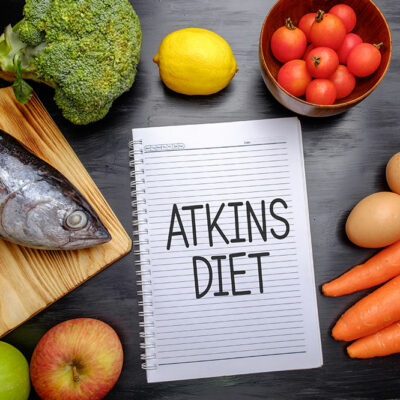
The primary point of difference between a seizure and epilepsy is the frequency of episodes. If a person has a seizure attack, it may be a singular occurrence. However, when someone has epilepsy, the chances of multiple and frequent seizures are significantly higher. Depending on the type, severity of the condition/attacks, and frequency, treatments may include medications like XCOPRI®, therapies, and the following recommendations for eating habits. Carbohydrate-rich foods Healthy carbs are recommended as part of the Modified Atkins food regimen. It has fewer restrictions and features various vegetables, fruits, legumes, and whole grains to manage one’s seizure outlook better. Popular choices include potatoes, sweet potatoes, corn, peas, and winter squash, among fresh fruits and vegetables. Split peas, chickpeas, lentils, kidney beans, black beans, and white beans are better legume choices. Additionally, whole grains like quinoa, oatmeal, brown rice, pasta, and even bread can meet the carbohydrate requirements. Protein-rich foods Protein is one of the most crucial building blocks necessary for overall growth. Protein sourced naturally from foods is rich in amino acids that help repair and maintain muscle tissue. It is also essential for boosting immunity. Primary sources of this macronutrient include lean meats, like turkey or chicken, eggs, and dairy products, including milk, yogurt, cottage cheese.
Nourishing foods for sickle cell anemia patients
health

Nourishing foods for sickle cell anemia patients

A genetic iron deficiency blood disorder is a disease that causes a deficiency of red blood cells in the body. A sickle cell anemia patient has low blood oxygen, which affects the hemoglobin. The abnormal hemoglobin leads to RBCs becoming rigid; hence, the name sickle cell anemia. Eating a balanced diet provides the nutrients required to maintain the health of a sickle cell anemia patient. Here are some foods that may help with essential nutrients. Organ meats Non-vegetarian sources of food contain heme iron. This type of iron is easier for the body to absorb than iron obtained from plant foods. Organ meats are some of the richest foods with heme iron and have been beneficial for people with iron deficiency. According to the sickle cell anemia info available, organ meat is a rich source of iron. Keep in mind that these foods are also high in cholesterol, so they should be had in moderate amounts. Fortified cereals Breakfast cereals are some of the most common food items in various households. We all have some type of cereal lying in our kitchen pantry. Many among these are said to be fortified cereals to help them meet the body’s nourishment needs.
7 foods that are rich in potassium
health

7 foods that are rich in potassium

Among several minerals and nutrients necessary for the human body, potassium often gets sidelined or forgotten. A large number of people do not get the right amount of potassium from their everyday meals. Sodium and potassium are two minerals that are responsible for maintaining electrolyte balance in the body. There are several foods that are rich in potassium and can be included in your meals. Some of them are listed below: Bananas Most people are already aware that bananas are rich sources of potassium. One medium-sized banana packs approximately 122 milligrams of potassium in it. Consuming bananas is great for ensuring that there is no deficiency of potassium in your body. You can also opt for plantains instead of bananas for similar nutrition requirements. Moreover, these foods are also rich in several other vitamins, minerals, and fibers that are good for your digestive health. Potatoes Potatoes are also essential food ingredients rich in potassium and can contain around 900 milligrams of potassium. A useful way to get the most benefits from potatoes is by consuming them with their skin intact since it is extremely rich in essential nutrients. Even sweet potatoes are also loaded with potassium and may contain as much as 500 milligrams of potassium with its skin intact.
5 foods to help tackle prostate-linked problems
health

5 foods to help tackle prostate-linked problems

The prostate is a tiny gland. But it needs more attention than you can imagine. The male gland sits below the bladder, surrounds the urethra, and makes fluids for semen. However, an unhealthy prostate can lead to medical conditions like prostate cancer, prostatitis, and Benign Prostatic Hyperplasia in men. Medications, surgery, and supplements like Prosvent® help manage or prevent symptoms. Nevertheless, combining them with these foods can also help reduce the risk of prostate problems. Broccoli Broccoli is an excellent cruciferous vegetable source that may help manage problems linked to the prostate. Research suggests that it contains phytochemicals like sulforaphane, eliminating cancerous cells and leaving the healthy prostate cells unscathed. Add broccoli to your soups, salads, stir-fries, steam it before you eat it, or eat it raw. Other cruciferous vegetables such as cabbage, Brussel sprouts, kale, and cauliflower have beneficial properties to fight prostate cancer. Legumes Foods like beans, lentils, and peanuts fall under the legume food group and are rich in phytoestrogens – biologically active plant compounds. Such phytoestrogens have shown positive results (a 20% reduced risk of prostate cancer) for people who consumed more legumes. You can always replace meat with legumes. For example, some homemade hummus or a black bean burger loaded with vegetables should serve as a healthy meal.

Top Articles

What Counts as Public Records?
Open-Records

What Counts as Public Records?

Public records play an important role in government transparency, legal processes, and everyday life. These records allow citizens to access certain types of information created or maintained by government agencies. Whether you are researching property ownership, conducting a background check, verifying court information, or tracing business records, public records can provide valuable insight. At the same time, many people misunderstand what “public records” actually means. Not every government document is open to the public, and access rules often vary by state and agency. Understanding which records are considered public can help you navigate the process more effectively while respecting legal and privacy boundaries. What Are Public Records? Public records are documents or pieces of information created, stored, or maintained by government agencies that members of the public can legally access. These records may exist at the: Federal level State level County level City or municipal level Public records laws are designed to promote accountability and transparency. In many cases, citizens can request records directly from government offices or access them through online databases. However, some records contain restricted or confidential information and may only be partially accessible. Why Public Records Exist Public records support transparency within government operations. They allow citizens, journalists, businesses, and legal professionals to review information connected to public activity.
Key Differences Between Free and Paid People Search Tools
Open-Records

Key Differences Between Free and Paid People Search Tools

People search tools have become go-to resources for reconnecting with lost contacts, verifying identities, or simply learning more about someone before a first meeting. Whether you’re a cautious renter vetting a new roommate or someone trying to track down a childhood friend, these tools promise quick answers. But not all search tools are created equal. The gap between free and paid options is wider than most users expect — and it matters. What Free People Search Tools Actually Offer Free people search platforms are accessible to anyone with an internet connection. They typically pull from public records, social media profiles, and open-source data repositories to surface basic information — a name, a general location, sometimes an employer or an estimated age range. The appeal is obvious: no cost, no commitment, and often no account required. But the limitations are real. Results tend to be fragmented, outdated, or incomplete. A search might return a name and a state but omit a current address or contact number. For casual, low-stakes inquiries, this level of detail can be enough — but it often isn’t. Why the Gaps Matter Data freshness is a persistent issue with free tools. Most don’t update their databases regularly, which means results may reflect a person’s situation from several years ago — a former address, an old employer, or a phone number that’s no longer in use.
5 Things to Look for in a Background Check Tool
Open-Records

5 Things to Look for in a Background Check Tool

Background check tools have become a practical necessity — whether for employers screening job candidates, landlords vetting tenants, or individuals researching someone’s history. With so many platforms available, picking the right one can feel overwhelming. Not every tool delivers the same depth, accuracy, or legal compliance. Knowing what separates a reliable platform from a mediocre one makes the decision far clearer. Here is what to prioritize when evaluating a background check tool. 1. Depth and Range of Data Coverage The value of any background check tool rests heavily on the breadth of its data sources. A strong platform pulls from multiple databases — criminal records, court filings, address histories, employment verifications, and more — rather than relying on a single source. Shallow tools may miss critical records simply because they lack the reach. Before committing to any platform, confirm it accesses verified, legally sourced data across the categories most relevant to the intended use. Public vs. Proprietary Data Some tools rely purely on publicly available records, while others supplement these with proprietary databases. The combination typically yields more complete results — particularly for records that are harder to access through standard public channels. Neither approach is inherently better, but knowing which one a tool uses helps set realistic expectations.
Background Checks and the FCRA – What’s Allowed and What’s Not
Open-Records

Background Checks and the FCRA – What’s Allowed and What’s Not

When hiring a new employee, you want to ensure you are making the right choice. One way to do that is to perform a background check. A background check is an excellent tool to verify qualifications and ensure workplace safety. However, running these checks is not as simple as doing a quick internet search. The Fair Credit Reporting Act, or FCRA, regulates how employers gather and use background information. What Is the FCRA? The Fair Credit Reporting Act is a federal law enacted in 1970 to protect consumer privacy and ensure accuracy in background reporting. While it sounds like it only applies to credit cards and loans, it actually covers any background check conducted by a third-party company, known as a Consumer Reporting Agency. If you hire an outside vendor to check a candidate’s criminal records, employment history, or driving record, you are bound by the FCRA. This law gives job applicants specific rights regarding how their personal information is handled and used during the hiring process. What Is Allowed? Employers have a lot of flexibility when it comes to vetting candidates, provided they follow the rules. You are legally allowed to look into several key areas to verify a candidate’s fitness for a role.