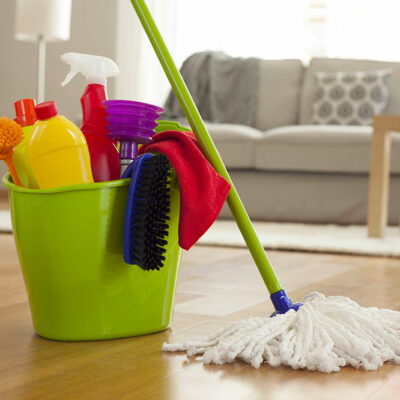
Avoid these five common cleaning mistakes for a hygienic home
Home and Garden

Avoid these five common cleaning mistakes for a hygienic home

While everybody loves the idea of a sparkling clean house, hardly anybody enjoys the process of cleaning. After all, it’s exhausting and demands a lot of time and effort. Nevertheless, cleaning your home regularly is necessary. A great way to make it a quick and convenient process is to avoid some common cleaning mistakes. These mistakes may not only waste your time but also make a home dirty and unhygienic. Starting with the floor Where do you begin when cleaning your entire home? If your answer is the floor, you probably need to rethink your cleaning strategy. This is one of the most common cleaning mistakes to avoid. That’s because when you clean other areas and objects, such as ceilings, walls, photo frames, tables, and lights, dust and other debris can drop to the floor, requiring you to vacuum or mop the floor two times, otherwise, you may end up with a not-so-clean home even after doing all the hard work. So, always begin from the top of the room and work your way down, cleaning the floor in the end. Using dirty cleaning supplies Before you begin, the first thing you must do is check whether your cleaning tools are clean.

5 easy ways to create a beautiful garden
Home and Garden

5 easy ways to create a beautiful garden

Your garden is the entryway to your home. Not only can they give you fresh fruits, flowers, and vegetables for your home, but they also beautify the space. A clutter-free, colorful garden can help relieve stress and become a quiet place for reflection. No matter the size of the yard, it’s only natural to want to beautify the space and get the most out of it. Here are 5 tips to decorate your garden: Add flowering plants Flowering plants can add a lot of color to your garden. They break up the green patches and give the garden focal points. They also attract pollinators like butterflies and bees to naturally pollinate your yard. Consider planting flowering plants in your garden and assorting them by color to give your yard a well-organized look. Add yellows and oranges with plants like orange marigolds, yellow capsicums, calendula, cosmos, and nasturtiums, purple with beetroot, lavender, violet, purple basil, rainbow chard, and petunia, and blue, white, and gray with sage, alyssum, cabbages, cauliflowers, leeks, and other plants. Make your yard look larger To make a small yard appear bigger, use horizontal layers of different heights to add the illusion of depth. For example, planting low shrubs before a slightly higher fence and taller shrubs near the house can add dimension to your garden and make it look much bigger.
Avoid these 4 common home renovation mistakes
Home and Garden

Avoid these 4 common home renovation mistakes

Renovations are an essential part of maintaining your home. You may want to revamp your home to get a new look, or maybe you want to repair broken flooring or bad plumbing. In either case, undertaking a renovation is a challenging task. It involves tons of planning, budgeting, and even investing a significant amount of time. If you plan to redo your home, here are some common home renovation mistakes that are best avoided. Opting for cheap materials When building or renovating your home, you want to ensure you buy the best materials. It can be tempting to save cash and cut corners when purchasing materials. But cheap materials are not necessarily durable. This means you could end up spending more on redoing something a few years later. Instead, it is best to opt for sturdy, high-quality materials that add elegance to your home and last long. Trying to DIY everything Renovating a home is an expensive affair, which is why it may be tempting to pick up the tools and go to work yourself. But this is a common home renovation mistake that you must avoid. While DIY projects are great in some cases, like painting your walls or moving your furniture, when it comes to things like plumbing, electrical works, and even roofing, you may must opt for the services of a professional.
The top 10 benefits of bamboo clothing and bedding products
Home and Garden

The top 10 benefits of bamboo clothing and bedding products

Usually, bamboo is not the first word that comes to mind when one thinks of clothing and bedding materials. However, bamboo can be used to create incredibly soft and resilient fabric. As it continues to feature more and more in people’s daily lives (in the form of bamboo furniture, food, fuel, and other applications), bamboo clothing is also progressively finding new buyers today. Here are the top 10 benefits of bamboo clothing and bedding: Hypoallergenic Bamboo garments, bed sheets, and other clothing or bedding products do not trigger allergic reactions in individuals. This quality makes such products ideal for people with sensitive skin, allergies, and asthma. The bamboo fabric also repels dust mites that cause runny noses, sneezing, and nasal congestion. Ultra-soft The bamboo-derived viscose is an incredibly soft clothing material that can be compared to luxurious materials such as silk and Egyptian cotton. At the same time, viscose sheets and clothes are much cheaper than silk or rayon ones. This aspect ranks pretty high among the top 10 benefits of bamboo clothing and bedding. High durability Bamboo bed sheets are far more long-lasting than traditional bed sheets. This durability and reliability comes from the fact that, unlike cotton, bamboo bed sheets are made from long fibers that cover the length of the fabric.
15 DIY hacks to tackle foul odors at home
Home and Garden

15 DIY hacks to tackle foul odors at home

When you remain indoors for longer, you tend to notice a few odors around the house. At first, these smells may not seem so overwhelming. But leaving this problem unchecked can have foul repercussions. Also, why breathe in unhealthy air when you can explore simple DIY hacks and odor-blocking ideas readily available for use? Here are the top 15 things to do at home to ensure the air around the house stays pure and fresh. Baking soda to the rescue Odors are generally emitted from damp, dirty, and dingy corners of the home or the kitchen when preparing food. Baking soda does a wonderful job of absorbing odors. It is cheap, can be bought in bulk, and all you need to do is sprinkle some around the house in hidden corners. Repeat this exercise every week to maximize its potency. Make some natural air fresheners You can use plenty of simple everyday-use ingredients from the pantry to make a DIY natural air freshener. Vinegar, lemon water, baking soda, coffee grounds, and even vanilla extracts are potent solutions for odor repellents and can be placed in bowls around the house. Use potpourri One of the most commonly used ingredients for this job is potpourri.
7 mistakes to avoid for a squeaky-clean toilet
Home and Garden

7 mistakes to avoid for a squeaky-clean toilet

A spic-and-span washroom is a sign of a clean and hygienic home. Maintaining a clean toilet is all about using the right products and following certain cleaning practices systematically. Today, the market is loaded with multipurpose cleaners and disinfectant products that are highly effective, facilitating a clean washroom. However, it is also essential to avoid certain cleaning mistakes, which can lead to hygiene problems. Some such common toilet-cleaning mistakes are as follows: Treating all bathroom surfaces similarly Each surface in a bathroom typically has different textures, requiring different cleaning products to be used for each. For example, a mildly abrasive cleaner should be used to remove scum, whereas non-abrasives are ideal for tiles, and bathtubs. Not cleaning the toilet brush The toilet brush can be a petri dish for bacteria and germs if left uncleaned and can lead to major hygiene issues eventually. It is advisable to clean the toilet brush thoroughly after every use, preferably by filling a bucket with warm water, adding some bleach to it, and leaving the brush in this solution for an hour. The brush should then be rinsed with fresh warm water before use. Not cleaning the exhaust fan An exhaust fan is essential in the bathroom to get rid of odor, moisture, humidity, etc.
Cleaning window blinds – Key supplies and steps
Home and Garden

Cleaning window blinds – Key supplies and steps

Window blinds are an essential part of home decor, providing privacy, light control, and aesthetic appeal. However, they can quickly become a breeding ground for dust, grime, and allergens, making it essential to keep them clean. So, regardless of the kind of blinds you have—wooden, vinyl, or fabric—here is a comprehensive guide with all the necessary steps to clean your window blinds and keep them dust-free for a long time. Key cleaning supplies Before you start cleaning the blinds, you must have the following: microfiber cloth or duster, a vacuum cleaner with a brush attachment, mild detergent, warm water, a bucket, a spray bottle, and clean water for rinsing. Cleanup process The first step for cleaning your window blinds is to close the blinds entirely and dust them with a microfiber cloth or duster. If your blinds are particularly dirty, you can use a vacuum cleaner with a brush attachment to get rid of any debris or dust. Here is all you need to know about working with different types of blinds: Horizontal blinds: If you are working with horizontal blinds, tilt the slats in one direction, and clean each slat with a microfiber cloth or duster. Once done, tilt the blinds in the opposite direction and repeat the process.
Avoid these 5 decluttering mistakes for a cleaner home
Home and Garden

Avoid these 5 decluttering mistakes for a cleaner home

Clutter can be stressful for many people. A cluttered home can make it difficult to find things, create unnecessary distractions, and contribute to a general feeling of disorganization. If you are overwhelmed by the mess, one of the best things you can do is start decluttering. There are some effective strategies to eliminate unnecessary items and create a more organized, stress-free home. In addition, one must avoid certain decluttering mistakes like the ones mentioned below. Common decluttering mistakes to avoid Not having a plan One of the biggest mistakes people make when decluttering is they start without a proper plan. It is important to take a step back and consider what you want to achieve and how you will do it. Create a plan that includes what you want to keep, what you want to donate, and things you want to throw away. It will assist you in remaining focused and motivated during the procedure. Being too sentimental Sentimental items can be difficult to let go of, but it’s important to be realistic about what you can keep. Retain only the things you truly cherish, and consider taking photos of items that you can’t keep. Holding onto things Another common mistake is holding onto items thinking you might need them someday.
Top 5 gardening mistakes to avoid
Home and Garden

Top 5 gardening mistakes to avoid

Gardening as a hobby can help one remain fit; however, that’s not its only advantage. Gardening has proved to possess both physical and mental health benefits, and it can provide a much-needed break from the sedentary lifestyle most people lead. Nevertheless, in the process of trial and error, many people make common mistakes at the beginning of their gardening journey. Keep reading further to learn about these gardening mistakes and tips on avoiding them. 5 common gardening mistakes to avoid Planting too much Whether you’re a first-timer or a seasoned gardener, one of the common gardening mistakes made by people is to go overboard while planting vegetables or fruits in the garden. While the idea of a bountiful harvest is quite tempting, it often comes with its share of problems, including decreased weeding and watering. Furthermore, maintaining a big garden full of plants can take up a lot of time and energy. Hence, experts suggest having short-term goals and planting veggies or fruits that can be used regularly, such as cucumbers, tomatoes, onions, and lettuce. Forgetting to interplant Sometimes, in order to have a uniform-looking garden, many people opt for a single type of plant. However, intercropping or interplanting has a wide range of benefits.
Top 5 lawn care tips to check out
Home and Garden

Top 5 lawn care tips to check out

Whether you are a beginner or an experienced gardener, maintaining a lush, green lawn requires a great deal of effort. Usually, you might have to divide the process into daily and weekly tasks. For instance, you might have to water your lawn daily and weed the grass weekly. On that note, here are a few more lawn care tips that will help you nurture your lawn and keep it healthy and evergreen. Lawn care tips Here are a few tips to keep in mind when you’re tending to your lawn: Mow the grass Mowing is essential to achieving a flourishing lawn. Here are a few tips that can help you achieve that: as a standard rule, don’t cut more than 1/3 of the grass blade length, as longer grass blades can grow deeper root systems. Additionally, mix up your mowing patterns. You might also have to mow your lawn regularly during certain seasons, for example, spring, as grass tends to grow at a faster rate when compared to summer, when growth is stunted. Know how and when to water Depending on where you live, you can invest in an irrigation system or let the rain do the job of watering your lawn.

Top Articles

Background Checks and the FCRA – What’s Allowed and What’s Not
Open-Records

Background Checks and the FCRA – What’s Allowed and What’s Not

When hiring a new employee, you want to ensure you are making the right choice. One way to do that is to perform a background check. A background check is an excellent tool to verify qualifications and ensure workplace safety. However, running these checks is not as simple as doing a quick internet search. The Fair Credit Reporting Act, or FCRA, regulates how employers gather and use background information. What Is the FCRA? The Fair Credit Reporting Act is a federal law enacted in 1970 to protect consumer privacy and ensure accuracy in background reporting. While it sounds like it only applies to credit cards and loans, it actually covers any background check conducted by a third-party company, known as a Consumer Reporting Agency. If you hire an outside vendor to check a candidate’s criminal records, employment history, or driving record, you are bound by the FCRA. This law gives job applicants specific rights regarding how their personal information is handled and used during the hiring process. What Is Allowed? Employers have a lot of flexibility when it comes to vetting candidates, provided they follow the rules. You are legally allowed to look into several key areas to verify a candidate’s fitness for a role.
How Employee Screening Is Changing With AI
Open-Records

How Employee Screening Is Changing With AI

Imagine sorting through a stack of five hundred resumes for a single job opening. By the time you reach the fiftieth applicant, the words blur together, and your morning coffee has completely worn off. This is the exhausting reality human resources professionals have faced for decades. Fortunately, artificial intelligence is stepping in to simplify this tedious process. It is changing how companies find talent and conduct background checks. Context Over Keywords Modern screening tools utilize natural language processing to understand the deeper context of a resume. Instead of just searching for specific words, the technology evaluates a candidate’s overall career trajectory, skills, and potential. For instance, if an applicant lists experience in managing client relationships, the AI recognizes that this aligns perfectly with a customer success role, even if the exact job title differs. This shift ensures that highly qualified individuals no longer slip through the cracks due to formatting choices. Automated Skills Assessment Based on text analysis, AI is transforming how employers verify capabilities. Interactive, algorithm-driven assessments can now evaluate a candidate’s coding skills, writing aptitude, or situational judgment in real time. These tools adapt their difficulty based on the user’s performance, providing a much more accurate picture of their actual technical strengths before an interviewer ever hops on a phone call.
Key Factors That Affect Background Check Timelines
Open-Records

Key Factors That Affect Background Check Timelines

Background checks are a routine part of hiring, renting, and vetting — but the time they take varies more than most people expect. Some reports are finished in minutes, while others can be delayed for days. That gap isn’t arbitrary. It reflects the complexity of what’s being searched, where the information lives, and how quickly different systems respond. Knowing what drives the timeline helps set realistic expectations from the start. What a Background Check Typically Covers A background check inquires about the authenticity of information provided by a candidate. Factors examined may include education, past employment history, criminal records, motor vehicle or license records, and credit history. Each of these data points may sit in a different database — some centralized and digital, others fragmented across local jurisdictions or held in paper form. The broader the scope, the more sources need to be queried, and that directly affects turnaround time. The Standard Timeline On average, employment background checks conducted through a consumer reporting agency take 3 to 5 business days. That said, this is a general benchmark, not a guarantee. Most checks take one to three days, though some return instantly, while criminal searches typically require one to three days on their own.
5 Things to Look for in a Background Check Tool
Open-Records

5 Things to Look for in a Background Check Tool

Background check tools have become a practical necessity — whether for employers screening job candidates, landlords vetting tenants, or individuals researching someone’s history. With so many platforms available, picking the right one can feel overwhelming. Not every tool delivers the same depth, accuracy, or legal compliance. Knowing what separates a reliable platform from a mediocre one makes the decision far clearer. Here is what to prioritize when evaluating a background check tool. 1. Depth and Range of Data Coverage The value of any background check tool rests heavily on the breadth of its data sources. A strong platform pulls from multiple databases — criminal records, court filings, address histories, employment verifications, and more — rather than relying on a single source. Shallow tools may miss critical records simply because they lack the reach. Before committing to any platform, confirm it accesses verified, legally sourced data across the categories most relevant to the intended use. Public vs. Proprietary Data Some tools rely purely on publicly available records, while others supplement these with proprietary databases. The combination typically yields more complete results — particularly for records that are harder to access through standard public channels. Neither approach is inherently better, but knowing which one a tool uses helps set realistic expectations.