5 common spray foam insulation mistakes to avoid
Home and Garden

5 common spray foam insulation mistakes to avoid

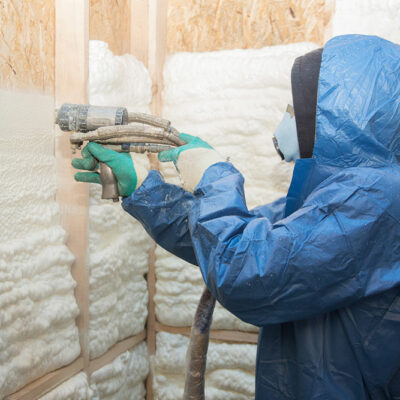
Many homeowners use spray foam insulation to seal off cavities in floors, walls, and ceilings to prevent air from moving in the house. Sometimes, they also fill up spaces around light fixtures and electric outlets. The primary reason is maintaining a constant temperature inside the house to avoid high energy bills. But this purpose is often defeated when people make mistakes while installing insulation. So, here are some common spray foam insulation mistakes to avoid: 1. Failing to do research on the type of insulation required Most of the time, homeowners need to think about their insulation needs. They don’t invest enough time in understanding that various types of insulation are available, such as aluminum cladding, mineral wool insulation, and fiberglass pipe insulation. Each has advantages and uses, such as being more suited for soundproofing, while another is best for temperature maintenance. Hence, it is crucial to understand why insulation is required and, accordingly, pick a type that would be the best fit. 2. Applying foam too quickly The efficiency of spray foam insulation is often affected when applied too quickly. Being hasty with the installation can usually leave a lot of spare areas of foam. This usually happens when the spray foam rig has a clogged hose or nozzle.

Water purification systems – Importance and benefits
Home and Garden

Water purification systems – Importance and benefits

The problem of access to clean and safe drinking water has become a global cause for concern. Although tap water has been lauded as a safe source of drinking water in many cities across the country, it could cause many infections and diseases. Read on to find out more about what could be hiding in tap water and how to get rid of it to take better care of one’s health. What’s hiding in tap water? Tap water can be home to several biological and chemical contaminants, such as the following: 1. Bacteria and viruses Drinking water can contain many bacteria, viruses, and other parasites, which could cause infections and illnesses such as cholera, dysentery, and diarrhea. 2. Lead Lead is one of the most common contaminants found in drinking water. This toxic chemical can leach into the water from old pipes and fixtures as the water flows through. While small amounts of lead are generally tolerable, exposure to too much of it can cause developmental problems in children and increase the risk of cardiovascular and kidney diseases in adults. 3. Chlorine At municipal facilities, chlorine is often added to the water to kill germs. However, this chlorine can interact with other chemicals in the water to form toxic byproducts such as trihalomethanes (THMs) and haloacetic acids (HAA).
7 common mistakes to avoid when cleaning carpets
Home and Garden

7 common mistakes to avoid when cleaning carpets

Dust accumulates more on carpet surfaces than one can imagine. Therefore, cleaning the carpet becomes an essential part of home cleaning. While this process may seem rather cumbersome, it is quite easy if one follows certain strategies. One doesn’t even need abrasive cleaning solutions. Carpets require gentle products, careful handling, and consistent cleaning. Additionally, one should be aware of some carpet cleaning mistakes that are easy to overlook: Rubbing on stains A common mistake when cleaning carpets is to rub on stains after pouring a solution on them. Rubbing can damage the carpet’s fabric; it doesn’t really remove the strain – it only pushes it deeper into the fibers and may cause a fray. The right way to remove carpet stains is to blot them with a sponge, paper towel, or clean cloth. Failing to do a spot test A spot test is necessary to determine whether a certain cleaning solution suits one’s carpet. When one uses the solution directly, the entire carpet may get ruined if the solution isn’t suitable. On the other hand, a spot test only damages a small patch of the carpet, which can prevent fiber loss and bleaching. Using the wrong tools to clean the carpet Machines to clean carpets are not always necessary.
7 ways to use glass for home walls and doors
Home and Garden

7 ways to use glass for home walls and doors

Toughened glass has quickly become a popular design element in many houses. From full-length windows and entry doors to even staircases, the use of glass can make any space appear bigger and brighter. The material is also incredibly functional, durable, and versatile, blending in seamlessly with many different architectural styles. Here are some spectacular ways in which one can use glass walls and doors to give their home a whole new look: 1. Partitions Making use of walls to divide bigger rooms into smaller sections, such as using a wall to separate the kitchen and dining area, can make the house look smaller. Instead, one should opt for partitions made from toughened glass. This helps give the room a more spacious feel and allows natural light to flow freely throughout the house. With these clear partitions, homeowners can also connect the aesthetics of different rooms, giving the home a more put-together look. 2. Dressing screens Toughened glass can also be used to add privacy to the room. Of course, the glass doesn’t have to be see-through. One can use frosted glass, fluted glass, or etched glass to carve out a little dressing nook in a large room. This creates a private little area without breaking up the space or impeding communication.
7 tips to find a good cleaning service
Home and Garden

7 tips to find a good cleaning service

Keeping the house clean and sparkly all year long is a continuous effort, and a little help can go a long way. Today, it is easy to find professional cleaning services that can handle a variety of projects, such as regular cleaning, spring cleaning, and even special event cleaning. However, finding professionals one trusts around their home can require some research and careful consideration, so here are some tips to make the process easier: 1. Seek recommendations When starting the search, one can speak to friends, family, and other trusted contacts and ask them for referrals or recommendations. This will also provide one with honest insight into what to expect from a cleaning service. 2. Carefully assess online reviews While reviews can help in shortlisting top services, one should not fall for a 100% performance rating, as some companies pay customers to leave reviews, which can skew the ratings. Also remember that unhappy customers are quicker to leave reviews as compared to happy or satisfied customers. They often use third-party websites to vent about their experiences, sometimes in an attempt to damage the company’s reputation. The truth may not be as bad as it is made out to be. As a regular practice, steer clear of companies with a perfect or absolutely abysmal performance rating.
4 signs one’s home needs a renovation
Home and Garden

4 signs one’s home needs a renovation

Every home tells its own story. This phrase may be overused but holds true when it comes to home design and decor. Every house starts giving out signs when it is time to take on a renovation project. These signs could be subtle, like the slight discoloration of the paint on the walls, or more obvious, like a broken roof. Either way, people need to pay attention to the signs and renovate the house. Deteriorating floors This sign is among the easiest to notice. The floor tiles or panels tend to detach from one another and start developing gaping holes when they become old and dated. When that happens, it is a surefire sign that the floors and the house as a whole need to undergo renovation. It is wise to replace old flooring with wood panels. Wood lasts several years more than tiles and is much easier to clean. Apart from the floor, even the carpets need to be cleaned and replaced periodically for a brand-new look. Leaky roofs Like the floor, the state of the roof can tell how urgently a house needs renovation. Leaky roofs are a red flag. When the roof starts leaking, one must call professionals and not take things into their own hands.
6 common door and window maintenance mistakes to avoid
Home and Garden

6 common door and window maintenance mistakes to avoid

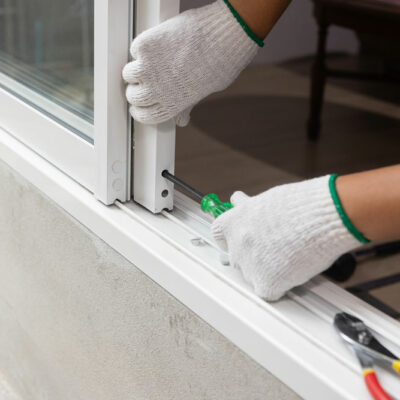
Doors and windows are essential components that ensure protection and security, insulate the house from external factors, and also enhance its aesthetic appeal. But just like any other aspect of a house, they require regular maintenance, with each material requiring different care. Homeowners may overlook certain details while maintaining doors and windows, compromising their functionality and leading to costly repairs or replacements later. So here are some common door and window maintenance mistakes to avoid. Not cleaning regularly Window screens are the main barrier between the interior and exterior elements. Not cleaning them properly can affect their visibility; dust, debris, and pollen may get accumulated and can damage the screen, while unwashed door knobs can accumulate germs. Also, dirty window screens can attract insects and other pests, while pollen and allergens can risk home dwellers’ health. So, one’s advised not to ignore regular weekly cleaning. One can use a mild vinegar and water solution for screen cleaning and a vacuum with a brush attachment to remove dust and dirt from the window tracks. For a door, one can gently scrub or use a soft sponge or cloth to clean the knobs and hinges and remove grime. Not cleaning inside out It’s important to clean windows on both sides and not just on the inside.
5 mistakes to avoid when remodeling the bathroom
Home and Garden

5 mistakes to avoid when remodeling the bathroom

Remodeling projects take up a lot of time and resources, and there’s always a tight deadline to follow through with them. When it comes to bathroom renovation especially, one wants to get it done as soon as possible. The bathroom is where people spend their “self-care” time, and, hence, it’s a place that’s special for many. Here are five common mistakes that can be avoided when remodeling this room of the house. Not setting a budget Deciding on a budget for the project is one of the first things to do when starting. Renovations are very expensive, and there’s no particular limit to how much one can spend. The market has different bathroom fixtures and accessories at varying prices. So, individuals should always chart out a budget that will help keep all the expenses in check. Not planning the design Planning the bathroom’s design is another important step. The whole renovation depends on it, of course, so one should take time and plan it out thoroughly. Individuals should think about what all the people using the bathroom require. Does the bathroom need two sinks or, perhaps, a bigger bathtub? Can there be a towel and robe rack or hanging space?
6 mistakes to avoid when buying a dream home
Home and Garden

6 mistakes to avoid when buying a dream home

Owning a house is a major life dream for many people across the world. There is a lot of thrill and joy associated with this purchase. However, buying a home is a complicated and expensive process, and the smallest of errors here could be extremely costly. To prepare better and make the process of buying a house as smooth as possible, here are six mistakes one should completely avoid. Trying to rush through the process There’s palpable excitement when it comes to buying a new home, but don’t let this be the reason behind rushing the process. Take adequate time to research the options, gather all the necessary financial documents (such as W-2 forms, pay stubs, tax returns, bank statements, etc.), and move at a comfortable pace. This will provide sufficient time to think about the important aspects and reduce the risk of buyer’s regret. Failing to check the credit report Always check the credit report before sending in a mortgage application. Those with a history of credit issues are more likely to be burdened with high-interest rates or even have their applications declined. Make sure to check reports from credit reporting agencies (Equifax, TransUnion, and Experian) and dispute any mistakes seen on them.
4 best gutter guards for homes
Home and Garden

4 best gutter guards for homes

Gutter guards tend to be underrated in terms of their practicality and utility for homes. These guards help avoid mice and insect infestations, alleviate gutter freezing and ice dams, protect homes against fire outbreaks caused by bushfires, improve the water flow in gutters, and prevent premature rust and corrosion. There are several gutter guards one could purchase based on their specific requirements. Some of the best gutter guards for homes are: A-M aluminum gutter guard For homeowners who look specifically for gutter guards that can handle extreme downpours while keeping grime, dirt, and debris out of their gutters, this product will work just fine. This guard comes with a sleek design that blends well with the overall appearance of a house. As a result, this gutter guard is not always visible to the naked eye. Although this product is relatively easy to install DIY, hiring professionals to do the same is the wiser course of action for homeowners’ safety and perfect installation. The aluminum build of this guard helps protect it from rusting and rotting. LeafFilter gutter guard protection This gutter guard comes with a stainless-steel construction that provides great stability to the overall framework of a gutter. Additionally, its micro-mesh material enables water to pass through the screen and seep into the gutter without asphalt roof granules, leaves, pine needles, and other dust and dirt particles passing through along with it.

Top Articles

What Counts as Public Records?
Open-Records

What Counts as Public Records?

Public records play an important role in government transparency, legal processes, and everyday life. These records allow citizens to access certain types of information created or maintained by government agencies. Whether you are researching property ownership, conducting a background check, verifying court information, or tracing business records, public records can provide valuable insight. At the same time, many people misunderstand what “public records” actually means. Not every government document is open to the public, and access rules often vary by state and agency. Understanding which records are considered public can help you navigate the process more effectively while respecting legal and privacy boundaries. What Are Public Records? Public records are documents or pieces of information created, stored, or maintained by government agencies that members of the public can legally access. These records may exist at the: Federal level State level County level City or municipal level Public records laws are designed to promote accountability and transparency. In many cases, citizens can request records directly from government offices or access them through online databases. However, some records contain restricted or confidential information and may only be partially accessible. Why Public Records Exist Public records support transparency within government operations. They allow citizens, journalists, businesses, and legal professionals to review information connected to public activity.
Key Differences Between Free and Paid People Search Tools
Open-Records

Key Differences Between Free and Paid People Search Tools

People search tools have become go-to resources for reconnecting with lost contacts, verifying identities, or simply learning more about someone before a first meeting. Whether you’re a cautious renter vetting a new roommate or someone trying to track down a childhood friend, these tools promise quick answers. But not all search tools are created equal. The gap between free and paid options is wider than most users expect — and it matters. What Free People Search Tools Actually Offer Free people search platforms are accessible to anyone with an internet connection. They typically pull from public records, social media profiles, and open-source data repositories to surface basic information — a name, a general location, sometimes an employer or an estimated age range. The appeal is obvious: no cost, no commitment, and often no account required. But the limitations are real. Results tend to be fragmented, outdated, or incomplete. A search might return a name and a state but omit a current address or contact number. For casual, low-stakes inquiries, this level of detail can be enough — but it often isn’t. Why the Gaps Matter Data freshness is a persistent issue with free tools. Most don’t update their databases regularly, which means results may reflect a person’s situation from several years ago — a former address, an old employer, or a phone number that’s no longer in use.
5 Things to Look for in a Background Check Tool
Open-Records

5 Things to Look for in a Background Check Tool

Background check tools have become a practical necessity — whether for employers screening job candidates, landlords vetting tenants, or individuals researching someone’s history. With so many platforms available, picking the right one can feel overwhelming. Not every tool delivers the same depth, accuracy, or legal compliance. Knowing what separates a reliable platform from a mediocre one makes the decision far clearer. Here is what to prioritize when evaluating a background check tool. 1. Depth and Range of Data Coverage The value of any background check tool rests heavily on the breadth of its data sources. A strong platform pulls from multiple databases — criminal records, court filings, address histories, employment verifications, and more — rather than relying on a single source. Shallow tools may miss critical records simply because they lack the reach. Before committing to any platform, confirm it accesses verified, legally sourced data across the categories most relevant to the intended use. Public vs. Proprietary Data Some tools rely purely on publicly available records, while others supplement these with proprietary databases. The combination typically yields more complete results — particularly for records that are harder to access through standard public channels. Neither approach is inherently better, but knowing which one a tool uses helps set realistic expectations.
Background Checks and the FCRA – What’s Allowed and What’s Not
Open-Records

Background Checks and the FCRA – What’s Allowed and What’s Not

When hiring a new employee, you want to ensure you are making the right choice. One way to do that is to perform a background check. A background check is an excellent tool to verify qualifications and ensure workplace safety. However, running these checks is not as simple as doing a quick internet search. The Fair Credit Reporting Act, or FCRA, regulates how employers gather and use background information. What Is the FCRA? The Fair Credit Reporting Act is a federal law enacted in 1970 to protect consumer privacy and ensure accuracy in background reporting. While it sounds like it only applies to credit cards and loans, it actually covers any background check conducted by a third-party company, known as a Consumer Reporting Agency. If you hire an outside vendor to check a candidate’s criminal records, employment history, or driving record, you are bound by the FCRA. This law gives job applicants specific rights regarding how their personal information is handled and used during the hiring process. What Is Allowed? Employers have a lot of flexibility when it comes to vetting candidates, provided they follow the rules. You are legally allowed to look into several key areas to verify a candidate’s fitness for a role.