
Why the Court Record You Found May Not Tell the Whole Story
Incomplete records, data lags, and jurisdictional gaps can mislead searchers. Understand what's missing before drawing conclusions.
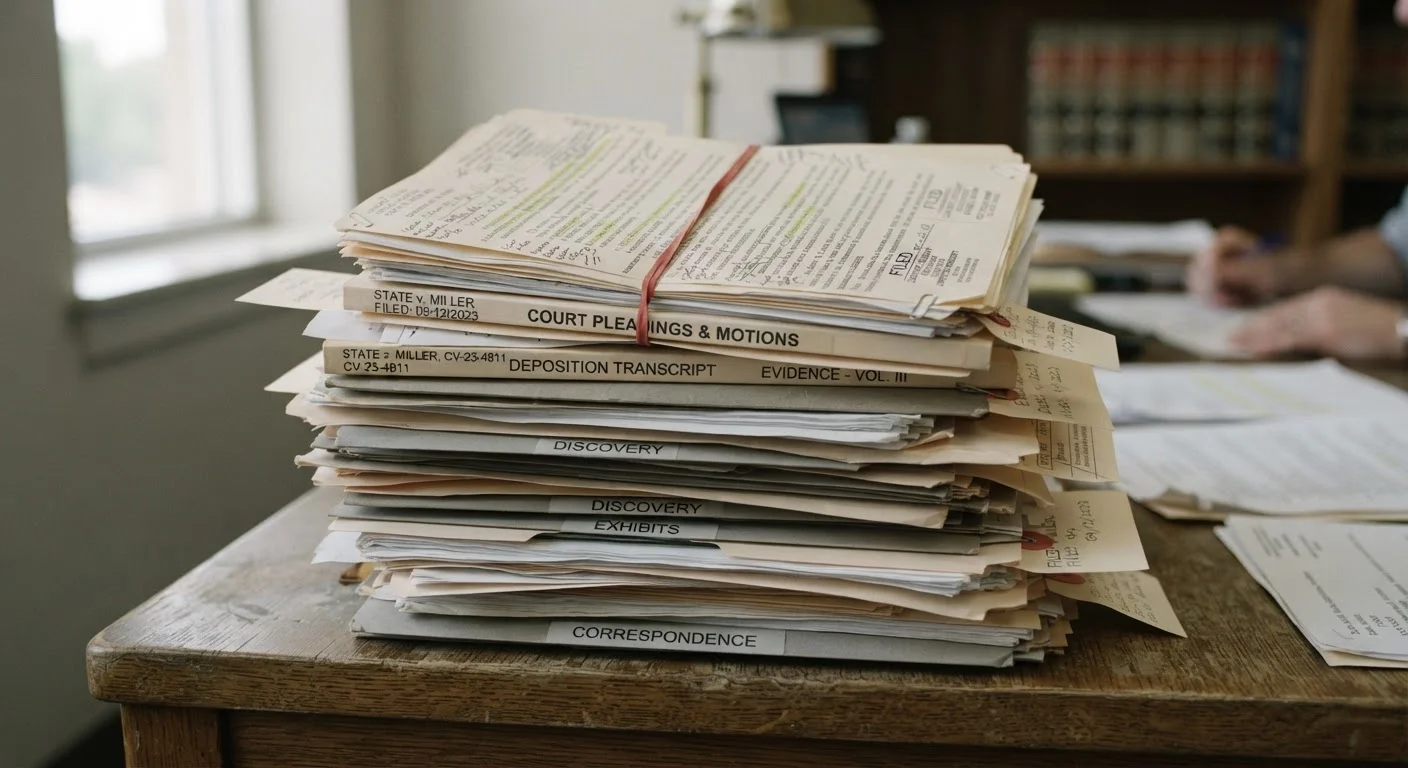
Photo: searchopenrecords editorial
—— In This Article
Key Takeaways
- A single court record rarely captures the full legal history of a case or person.
- Database update lags and jurisdictional gaps mean relevant records may simply not appear in a search.
- Dismissed charges, expungements, and sealed records can make a history look cleaner than it is — or the reverse.
- Misidentifying a subject due to name variations or shared identifiers is a common and consequential error.
- Cross-referencing multiple sources and verifying with court clerks leads to more accurate conclusions.
Why One Record Is Rarely the Whole Picture
Court records are public documents, but public access does not guarantee completeness. When you locate a record in an online database — whether through a county portal, a state judiciary site, or a third-party aggregator — you are seeing a partial snapshot of a system that spans thousands of jurisdictions, inconsistent digitization timelines, and varied retention policies.
The U.S. court system is not a single unified database. Federal, state, county, and municipal courts each maintain their own records independently. A felony conviction in one state will not automatically appear when you search a different state's courts, and a civil judgment entered at the county level may never be reflected in a statewide repository. Understanding this fragmentation is the foundation of responsible record interpretation. For a broader view of how these systems are structured, see how U.S. public records systems work.
Common Mistakes When Reading Court Records
Even experienced searchers fall into interpretive traps when working with court data. The mistakes below represent the most consequential errors — ones that can lead to false conclusions about a person's legal history.
Treating a database 'no result' as confirmation that no record exists.
Why it happens: Searchers assume that digital databases are comprehensive and current, when in fact many courts upload data on weekly or monthly cycles, and some smaller jurisdictions have not digitized records at all.
Assuming a single jurisdiction search covers a person's full legal history.
Why it happens: Searchers often limit their query to the state or county where a subject currently lives, missing records from prior residences, federal courts, or civil courts in other jurisdictions.
Misidentifying a subject due to common names or data entry errors.
Why it happens: Name-based searches return every record matching that name, and court data often contains typographical errors, maiden names, or alternate spellings that complicate accurate matching.
Reading a filed charge as a conviction without checking case disposition.
Why it happens: Database entries often display the initial charge prominently, and searchers may not navigate to the final disposition fields, which record whether a case was dismissed, resulted in acquittal, or led to a plea or conviction.
Overlooking the possibility that a record has been expunged or sealed since it was indexed.
Why it happens: Third-party aggregators may cache records that have since been expunged or sealed by court order, displaying information that is no longer legally part of the public record.
For additional perspective on how database limitations produce misleading results, understand why a 'no record' result isn't always a clean slate.
How to Search More Accurately
Improving the reliability of your court record research requires a structured, multi-source approach rather than reliance on any single portal or aggregator.
- Start with the court of origin. Whenever possible, go directly to the court clerk's office or the official judiciary website for the jurisdiction in question. Official sources are the most authoritative and reflect the most current case status.
- Search multiple jurisdictions. If the subject has lived or worked in multiple states or counties, each jurisdiction must be searched independently. A statewide search will not capture records from courts that haven't submitted data to the central repository.
- Verify the subject's identity carefully. Confirm full legal name, date of birth, and any known aliases before treating a record as belonging to the person you are researching. Name-based searches alone produce both false positives and false negatives.
- Check case status, not just case existence. A charge may have been filed and then dismissed. A conviction may have been vacated on appeal. Look beyond the initial entry to understand the full disposition.
A structured multi-record search strategy can help you avoid gaps when your research spans court data, property records, and other public sources.
Third-Party Aggregators May Show Outdated Data
Commercial record aggregators compile data from many sources but do not update in real time. A record shown on a third-party site may reflect a case status that has since changed — including charges that were dropped, convictions that were appealed, or records that have been legally expunged. Always verify critical findings against the originating court's official records before drawing conclusions or taking action based on what an aggregator displays.
It is equally important to understand the ethical and legal limits of using what you find. Searching court records responsibly means recognizing that public access does not grant unlimited use rights, particularly when records are used in employment or housing decisions.
This article is for general informational purposes only and does not constitute legal advice. Consult a qualified attorney for guidance specific to your situation.

Background Checks Editorial Team
Background Checks Editorial Team is the collective byline for our editorial team and contributor network. Articles published under this byline or an editorial pen name are researched, written, and reviewed according to our editorial standards for clarity, consistency, and independence before publication.
View author profile