
Understanding Fraud Scans: A Starting Point for Anyone New to Background Checks
New to background checks? This guide explains what a fraud scan is, where its data comes from, and how to interpret results with appropriate caution.
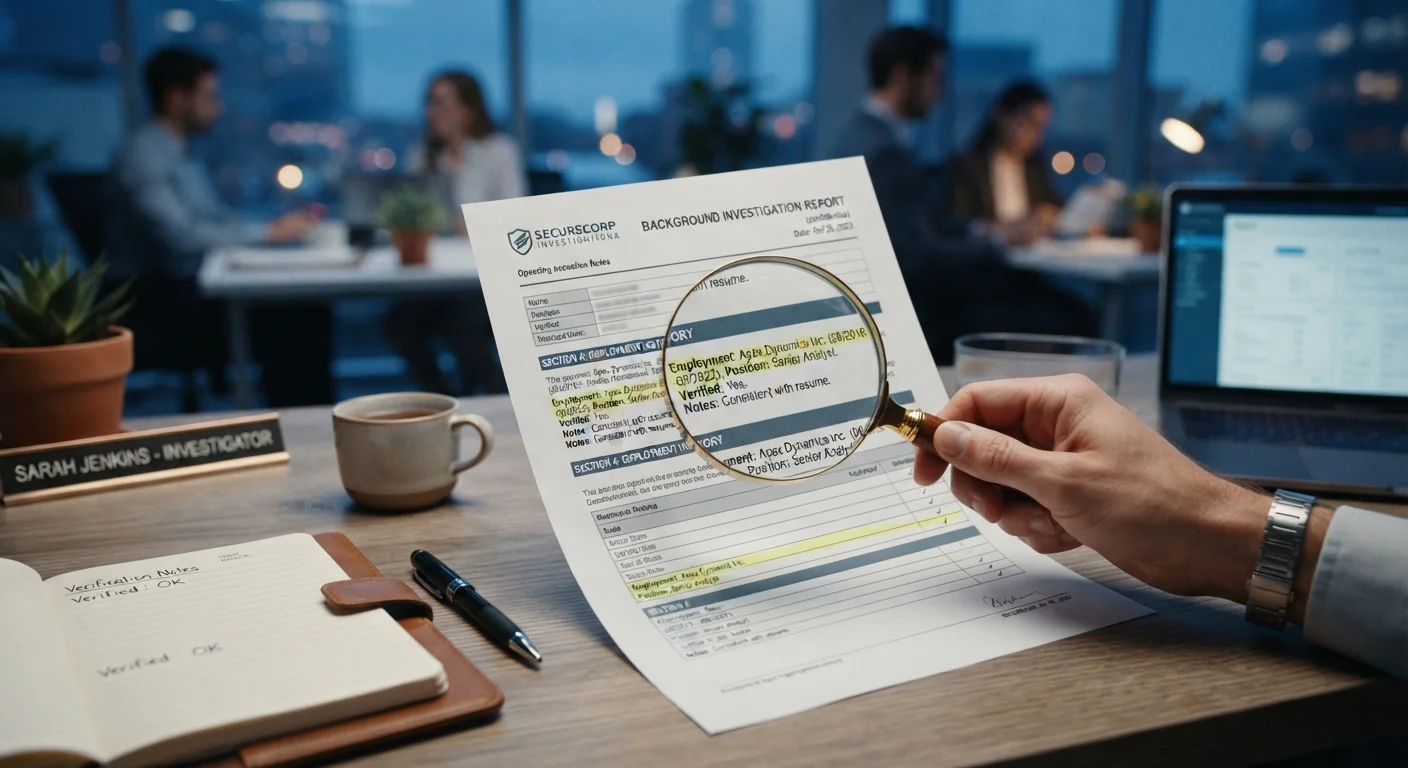
Photo: searchopenrecords editorial
—— In This Article
Key Takeaways
- A fraud scan flags potential identity discrepancies and risk indicators drawn from public and aggregated records.
- Data sources vary significantly, meaning two scans of the same person can produce different results.
- Fraud indicators are signals worth investigating, not conclusions — they require verification before any action.
- Consumer rights under the FCRA apply when a fraud scan is used for employment, tenancy, or credit decisions.
- Errors and outdated records are common; disputing inaccurate flags is a protected right.
What Is a Fraud Scan?
A fraud scan is a targeted review within a background check that looks for signals suggesting identity fraud, synthetic identity use, or other deceptive patterns tied to a person's public record profile. Unlike a general criminal background check, its focus is narrow: does the identity information presented — name, address history, Social Security Number, date of birth — hold together consistently across multiple data sources?
Fraud scans are used by lenders, landlords, employers, and individuals running self-checks. They surface indicators rather than proven facts. A flag does not mean fraud has occurred; it means something in the record warrants closer review. Understanding that distinction from the outset is essential to reading results responsibly.
To understand how a fraud scan fits into the broader process, see the overview of how background checks work from our public records hub.
Fraud scan
A targeted background check component that reviews identity data for inconsistencies or patterns associated with fraud risk. It flags anomalies for further review rather than delivering verdicts.
Fraud indicator
A specific data point or pattern — such as an SSN mismatch or watchlist match — that suggests a possible identity problem. Indicators require verification; they are not proof of fraud.
FCRA
The Fair Credit Reporting Act is a U.S. federal law that governs how consumer reporting agencies collect, share, and use personal data. It gives individuals the right to access their reports, dispute errors, and receive notice before adverse decisions are made.
Synthetic identity
A fabricated identity created by combining real and fake information — for example, a real Social Security Number paired with a fictitious name and address. It is a common form of financial fraud.
Thin file
A record profile with very little documented history across databases. It can result from fraud, but also from being young, recently immigrated, or simply having minimal credit or public record activity.
Watchlist
A government-maintained list of individuals subject to sanctions, restrictions, or alerts — such as OFAC sanctions lists or sex offender registries. Fraud scans often check names against these lists.
Where Fraud Scan Data Comes From
Fraud scan results are assembled from multiple data pools, which is why results can differ across providers. Common sources include:
- Public records: Court filings, property records, and voter registration data that have been indexed and made searchable.
- Credit header data: Non-financial identifying information (name, address, SSN) drawn from credit bureau files, subject to FCRA rules when used in regulated contexts.
- Proprietary aggregated databases: Compiled from a mix of licensed data, address history services, and identity verification tools.
- Watchlists: Sanctions lists, sex offender registries, and other government-maintained records.
Because no single database is complete or perfectly up to date, data variation across fraud scan sources is a well-documented challenge. The same individual can produce clean results on one platform and trigger a flag on another, depending entirely on which data pools each provider licenses.
How to Read Fraud Indicators in a Report
Fraud scan reports typically present indicators in one of three ways: a risk score, a list of specific flags, or both. Common flags include:
- Address discrepancy: The address provided does not match records on file, or the address is associated with a mail forwarding service or P.O. box rather than a residential location.
- SSN inconsistency: The Social Security Number is associated with a different name or date of birth in another record, or it was issued at a time inconsistent with the person's stated age.
- Thin file or synthetic identity indicator: Very little record history exists, which can — but does not always — suggest a fabricated identity.
- Watchlist match: The name and identifying details partially or fully match an entry on a government sanctions or alert list.
Each flag carries different weight. A single address discrepancy caused by a recent move is routine; an SSN associated with multiple distinct identities is a more serious signal. For guidance on avoiding misinterpretation, see common fraud scan interpretation errors.
Common Misconceptions About Fraud Scans
Several misunderstandings follow first-time users of fraud scans into consequential decisions.
Misconception 1: A clean scan means no fraud risk. Fraud scans only surface patterns detectable in the data they access. A sophisticated fraud that uses consistent false information across all indexed sources may not trigger any flag at all. The limits of what a fraud scan can reveal are real and worth understanding before relying on results.
Misconception 2: A flag is proof of wrongdoing. Flags are statistical anomalies in the data, not verified facts. Clerical errors, legitimate name changes, and record-keeping inconsistencies generate false positives regularly.
Misconception 3: Fraud scans are always current. Aggregated databases are updated on varying schedules. A record cleared years ago may still appear as a flag if the database has not refreshed. Always check whether a provider discloses how frequently its data is updated.
Check the Data Date Before Concluding Anything
Before acting on any fraud flag, find out when the underlying record was last verified. Many aggregated databases refresh quarterly or less frequently, meaning a flag could reflect a situation resolved months or years ago. When in doubt, trace the flag back to its original public record source to confirm it is current and accurately attributed.
Next Steps After Reviewing a Fraud Scan
If you are reviewing your own fraud scan results and find a flag you believe is inaccurate, you have the right to dispute it. Under the FCRA, consumer reporting agencies must investigate disputes and correct or delete information that cannot be verified. You can also explore locating the original source records yourself — our guide on finding public records online explains how to access official sources directly.
If you are reviewing a fraud scan as part of a hiring or tenancy decision, consult a qualified legal professional before taking adverse action based solely on a flag. Errors are common, and acting without verification can expose you to legal liability.
For a structured approach to confirming whether a flag is real, see how to verify fraud indicators before acting.
This article is for general informational purposes only and does not constitute legal advice. Readers should consult a licensed attorney or qualified professional for guidance specific to their circumstances.
Frequently Asked Questions

Background Checks Editorial Team
Background Checks Editorial Team is the collective byline for our editorial team and contributor network. Articles published under this byline or an editorial pen name are researched, written, and reviewed according to our editorial standards for clarity, consistency, and independence before publication.
View author profile