
A Pre-Search Checklist for Ancestry Record Hunting
Before diving into databases, gather names, dates, locations, and living relatives' knowledge. Use this checklist to set your research up for success.
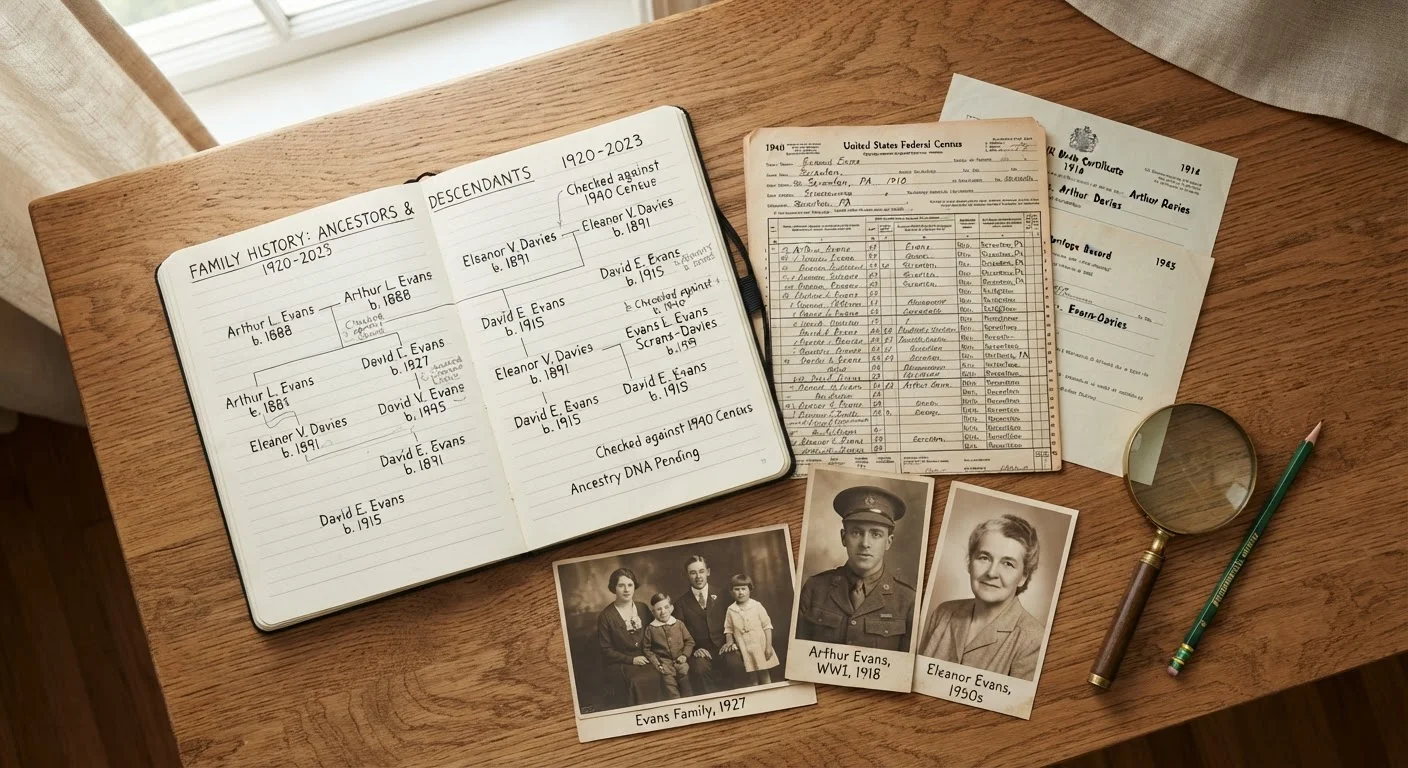
Photo: searchopenrecords editorial
—— In This Article
Key Takeaways
- Gathering known names, dates, and locations before searching dramatically reduces dead ends.
- Interviewing living relatives is one of the most time-efficient first steps in ancestry research.
- Name spelling variations and approximate date ranges are essential to prepare for database searches.
- Organizing your starting documents into a simple reference sheet keeps each session focused.
- Knowing which record types cover your target time period and region saves hours of misdirected searching.
Why Preparation Matters Before You Search
Jumping directly into a genealogy database without a clear research baseline is one of the most common mistakes new family history researchers make. Without a structured starting point, searches produce overwhelming volumes of partial matches, leading to wasted hours and confused paper trails.
This pre-search checklist is designed to be completed before you open a single archive or database. Think of it as a research brief you write for yourself. The process of tracing family roots becomes significantly more efficient when you walk in with organized, verified information rather than vague memories.
If you want a broader preparation framework that goes beyond ancestry-specific records, the genealogy search preparation checklist covers additional document types worth collecting before any search session.
Personal Knowledge Audit
Living Relative Interviews
Document Collection
Research Scope Definition
Tools You Will Need
Before working through the checklist, assemble the tools below. Many items are free or already in your possession. Having them ready prevents interruptions mid-session.
Notebook or Research Log Template
Captures every query, database visited, and finding in a structured format so sessions build on one another rather than repeating.
Document Scanner or Camera-Equipped Smartphone
Creates digital copies of physical documents gathered from family members, making them searchable and shareable.
Pedigree Chart or Family Group Sheet
Standardized genealogy forms for organizing known ancestors by generation — downloadable free from most national genealogical societies.
US Census Records Access (National Archives or State Libraries)
Federal census records from 1790 onward provide household-level data on ancestors including age, birthplace, and occupation.
State Vital Records Office Contact List
Provides direct contact information for ordering certified copies of birth, death, and marriage certificates from state repositories.
Soundex or Phonetic Spelling Reference
Helps generate alternate surname spellings to account for phonetic transcription errors common in historical records.
How to Use Your Completed Checklist
Once you have worked through each group, compile your answers into a single one-page reference sheet — either printed or in a digital document you can keep open alongside your database browser. This sheet becomes your search brief: every query you run should trace back to a fact or question documented on it.
Pay particular attention to name spelling variations. Surname spellings were often phonetically recorded by census takers or immigration officials, so a family named Kaufmann may appear as Kauffman, Coffman, or even Kauffmann across different records. Build a short list of plausible alternate spellings before you begin.
For locating the right record repositories, consult the historical records access hub to understand which archives hold materials relevant to your target time period and region. The companion article preparation checklist for historical archive research provides additional guidance on matching record types to specific geographic areas.
Finally, document everything you do not yet know as clearly as you document what you do. Unanswered questions — the precise birth year of a great-grandparent, a maiden name that no living relative recalls — become your research agenda. The paper trail guide explains which physical documents are most likely to resolve those gaps.
Unverified Family Stories Need Corroboration
Oral family history is a valuable starting point, but it is not a reliable endpoint. Dates, names, and locations passed down through generations are frequently approximate or unconsciously altered. Always treat relative accounts as research leads that require documentary corroboration, not as established fact. Cross-reference every claim against at least one independent primary source — such as a census record, vital certificate, or church register — before recording it as verified in your research log.

Genealogy Search Editorial Team
Genealogy Search Editorial Team is the collective byline for our editorial team and contributor network. Articles published under this byline or an editorial pen name are researched, written, and reviewed according to our editorial standards for clarity, consistency, and independence before publication.
View author profile