

Genealogy Search Editorial Team
Genealogy Search Editorial Team is the collective byline for our editorial team and contributor network. Articles published under this byline or an editorial pen name are researched, written, and reviewed according to our editorial standards for clarity, consistency, and independence before publication.
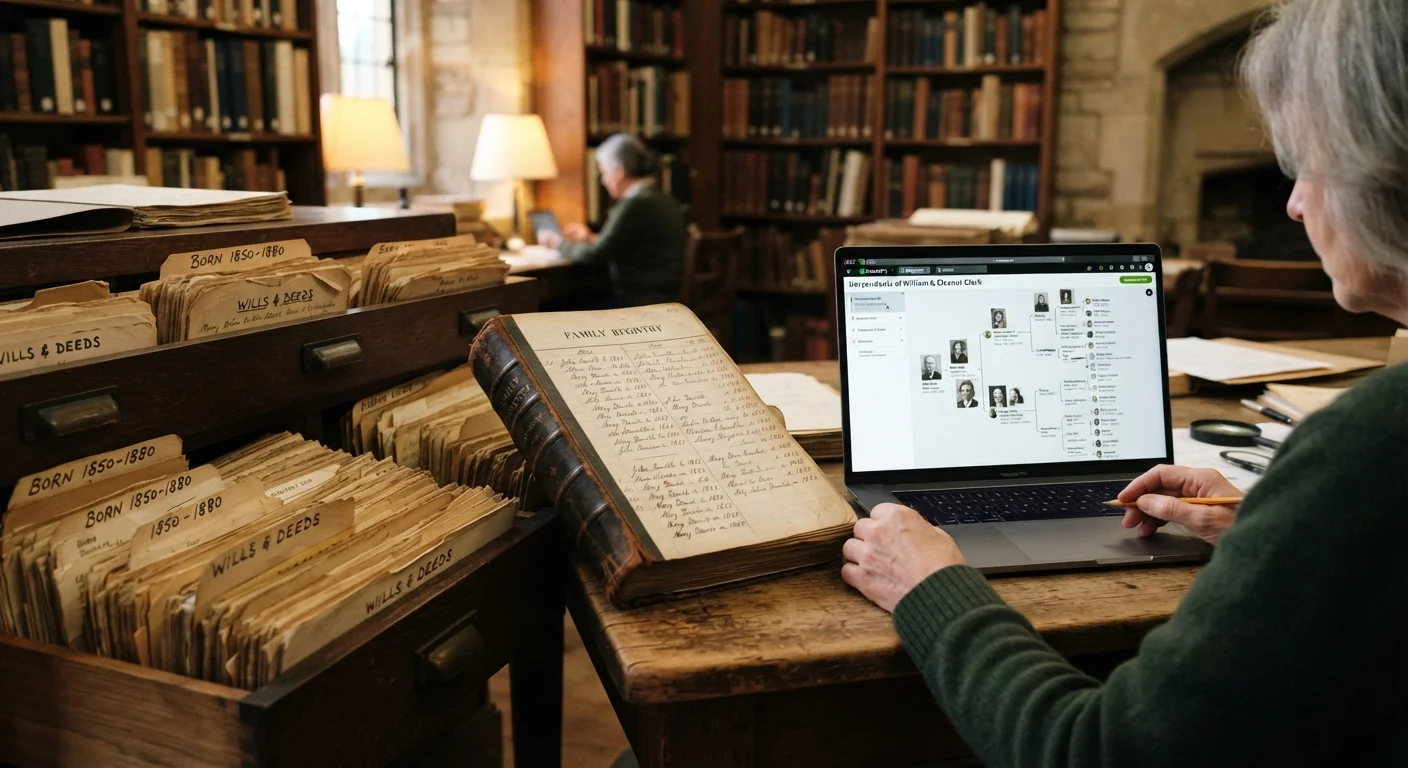
Census Records vs. Vital Records: Which Should You Start With?
Both census and vital records are genealogy staples — but they serve different purposes. Learn which to consult first based on your research goals.
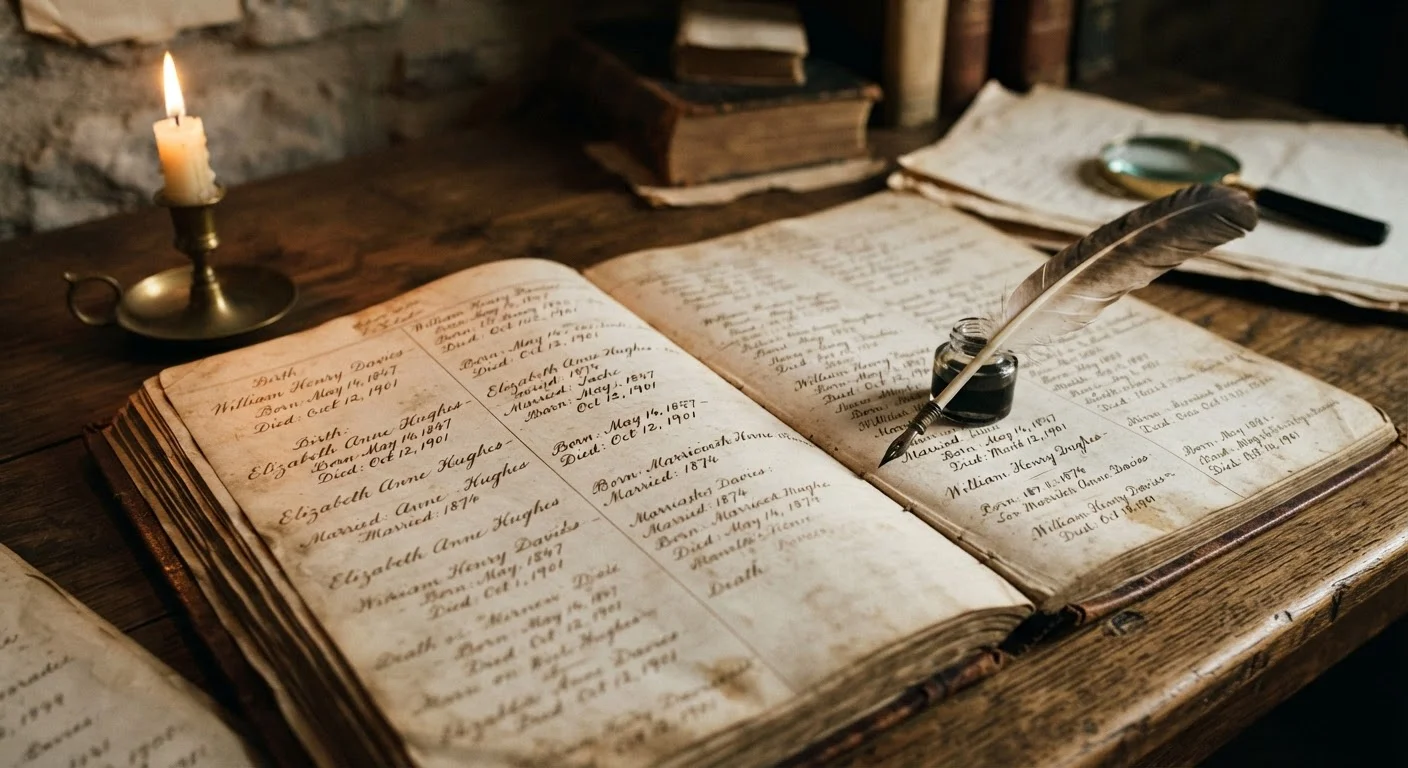
Conflicting Names, Dates, and Spellings: Navigating Inconsistency in Old Records
Name variations, transcription errors, and calendar changes are common in historical records. Learn how to work around them without losing your subject.

Digitised Archives Around the World: What's Free and What's Behind a Paywall
A practical overview of major genealogy archives — what records they hold, which are freely accessible, and what access typically costs.
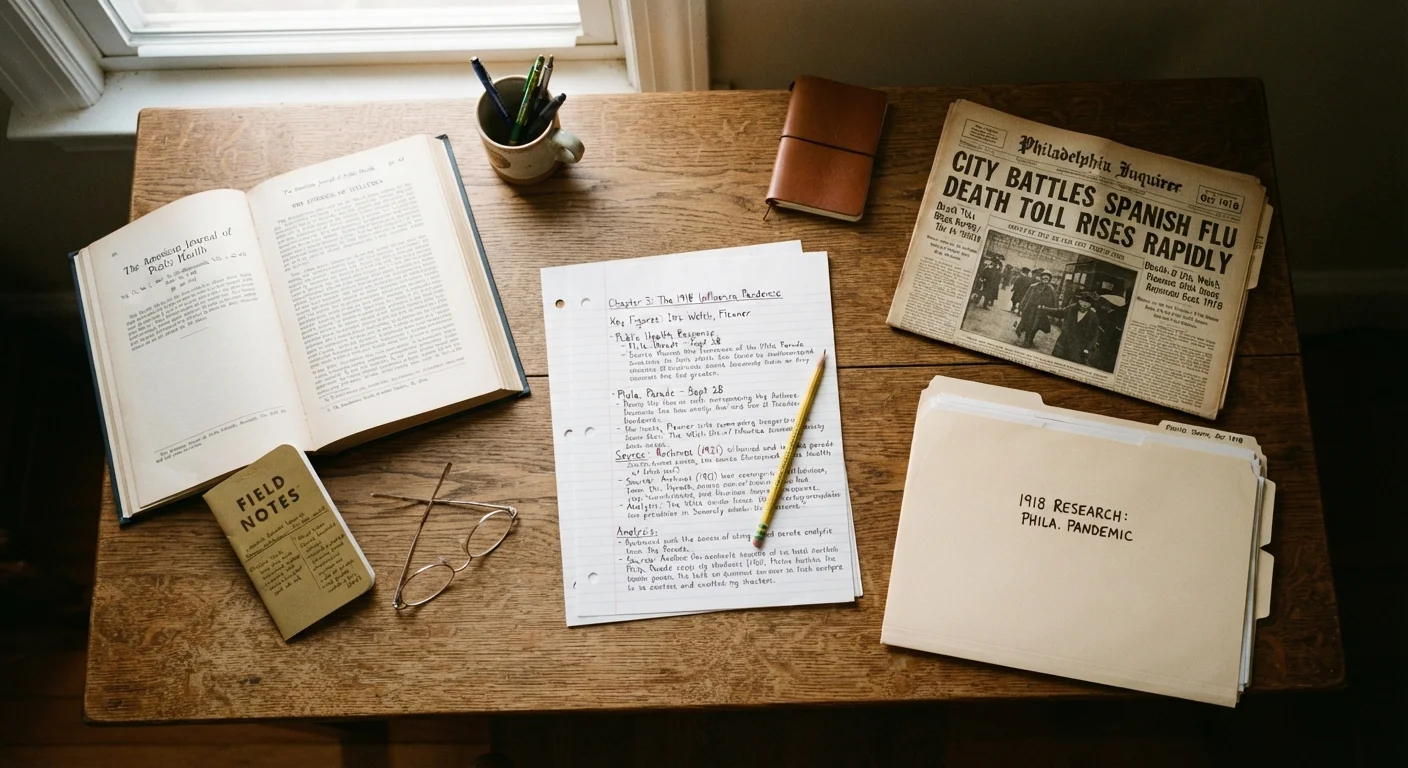
Documenting as You Go: Keeping Your Genealogy Research Organised and Credible
Messy research leads to duplicated effort and unverifiable conclusions. These practices help you keep sources cited, findings linked, and your tree trustworthy.
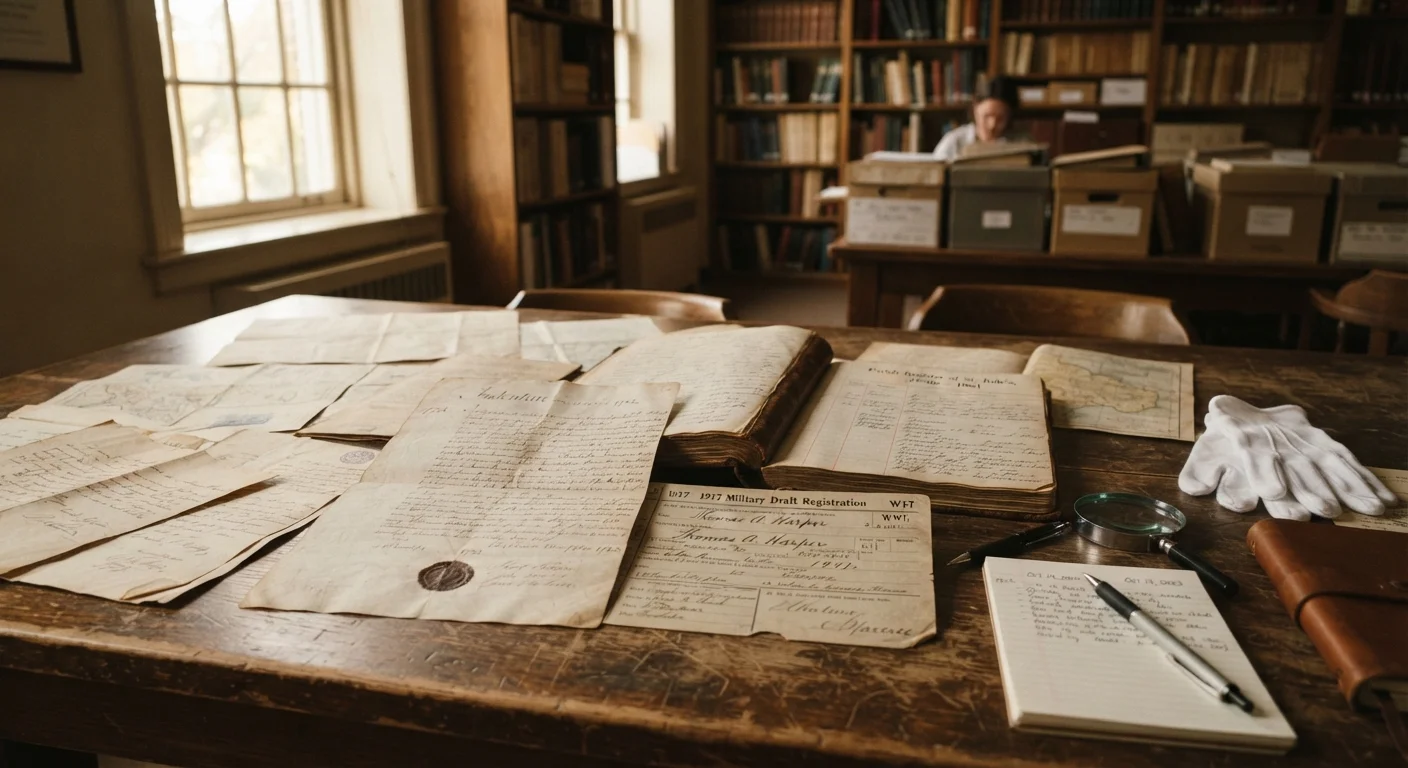
Eight Types of Records That Genealogists Overlook — and Why They're Worth Checking
Beyond births and marriages, historical records like land deeds, military drafts, and church registers can fill critical gaps in a family tree.
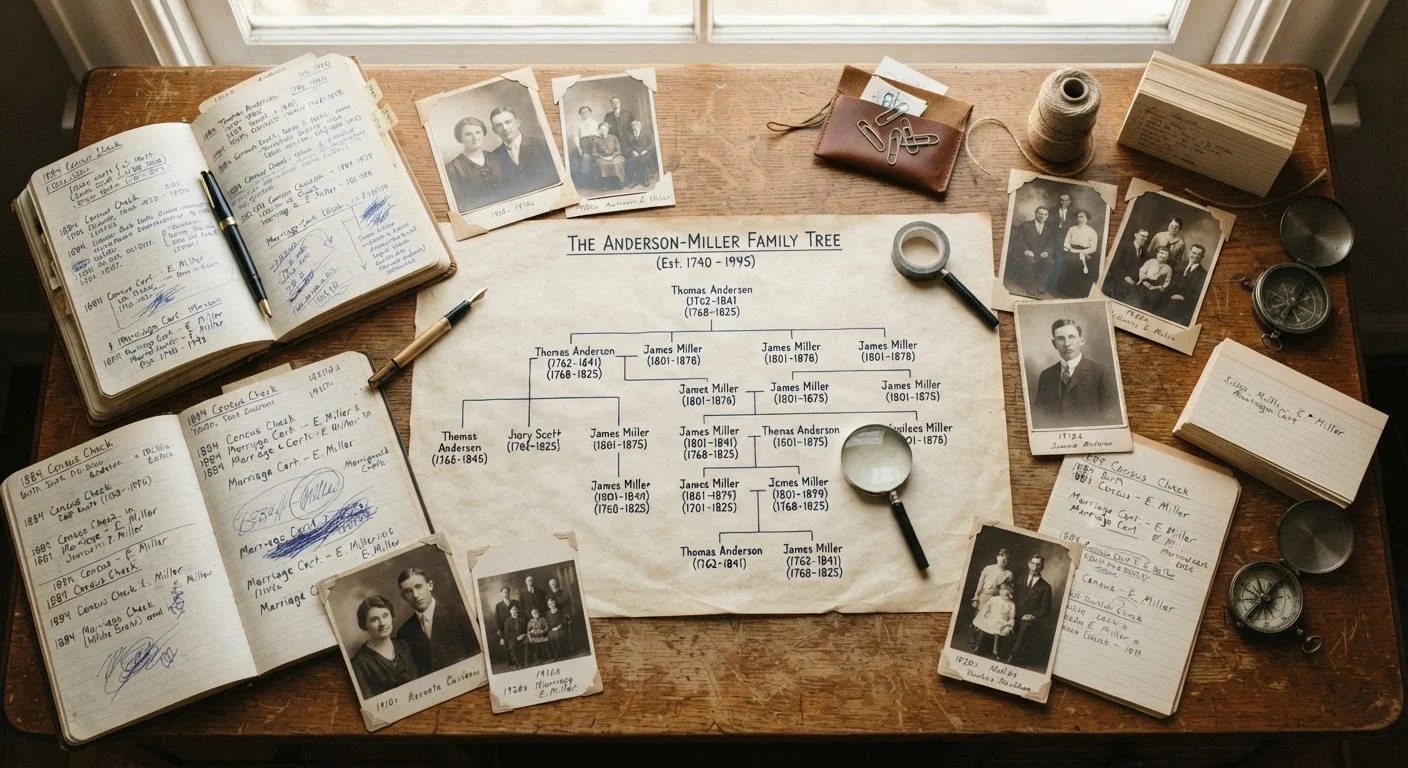
How to Build a Three-Generation Family Tree Using Only Free Sources
A step-by-step walkthrough for constructing a three-generation family tree using government archives, library databases, and free public record tools.
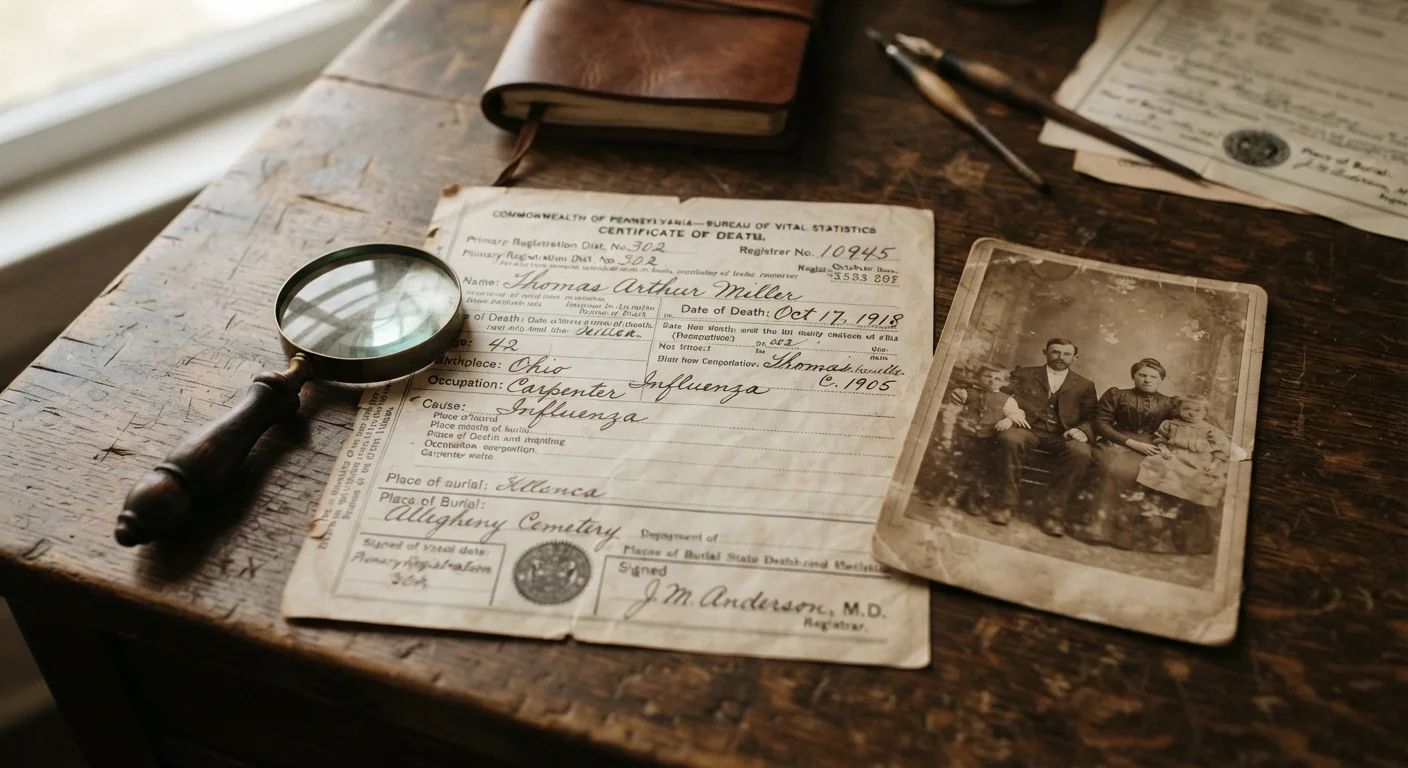
Reading Between the Lines: What a Death Certificate Can Tell You About Your Ancestors
Death certificates often contain more than a date. Learn how to interpret informant details, causes of death, and burial locations for genealogy clues.
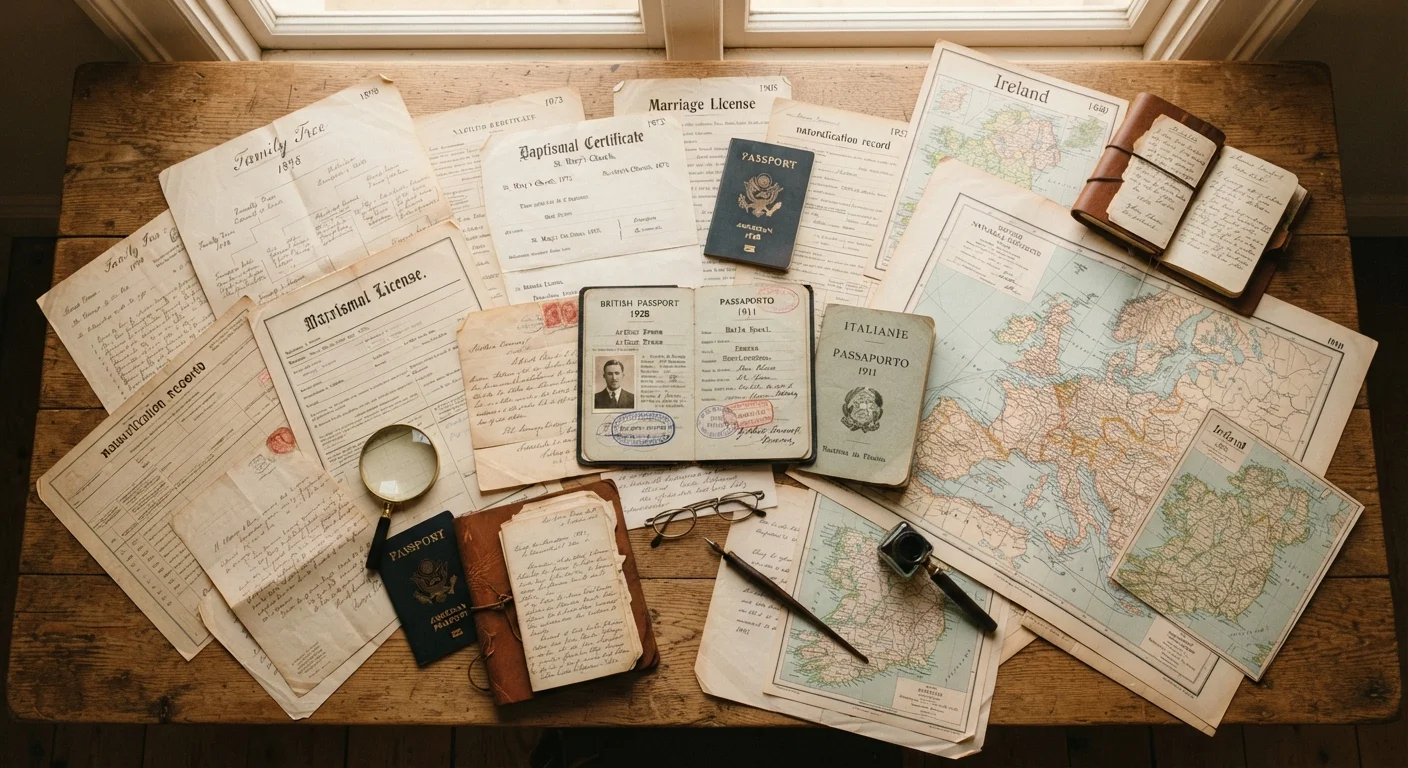
Researching Family History Across Borders: A Country-by-Country Record Guide
Record-keeping systems differ widely by country and era. This reference covers what genealogy records exist and where they're held across major regions.
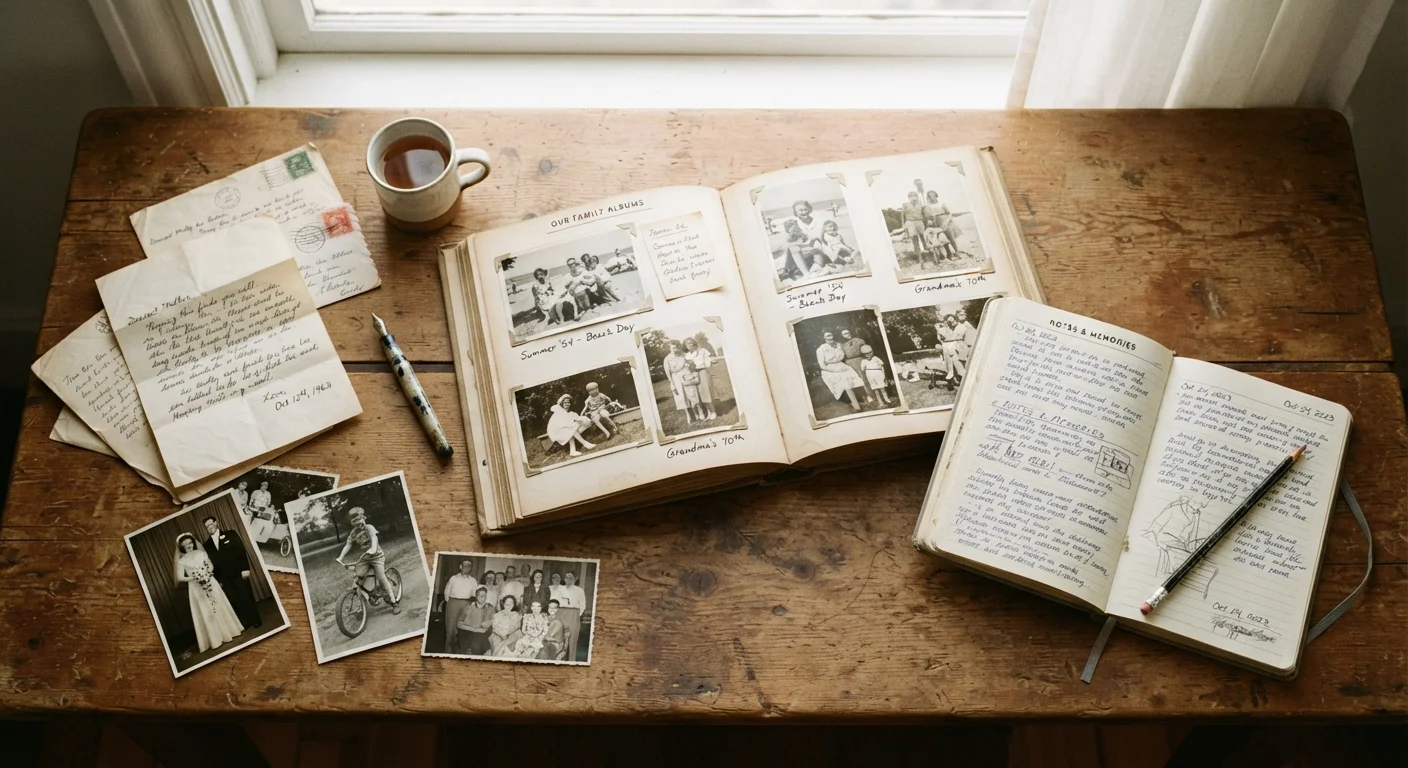
Starting From Scratch: A Roadmap for First-Time Genealogy Researchers
New to family history research? This guide walks you through every foundational step, from gathering what you know to finding official records.
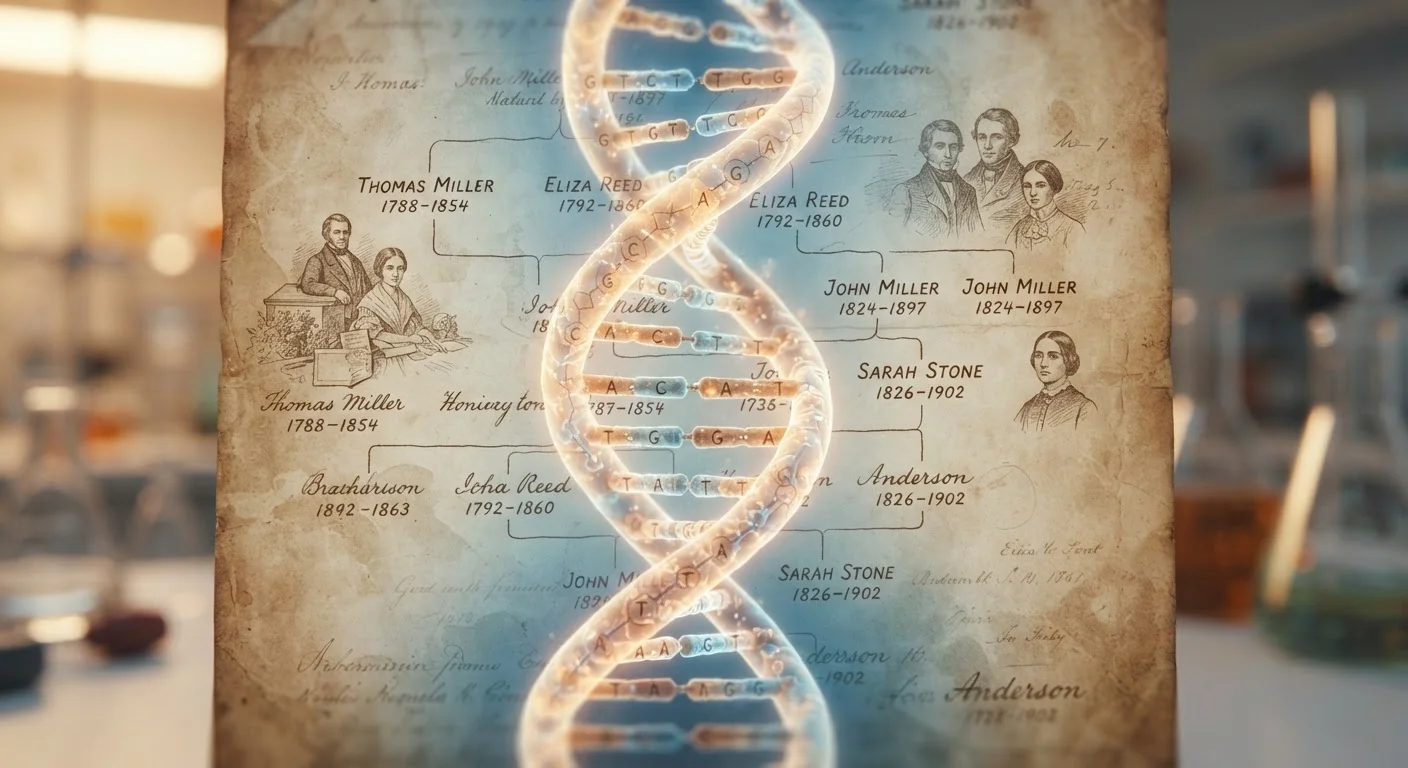
The Case For and Against DNA Testing as a Genealogy Tool
DNA results can unlock ancestry blocked by missing records — but they come with privacy trade-offs and interpretive limits. A balanced look at both sides.
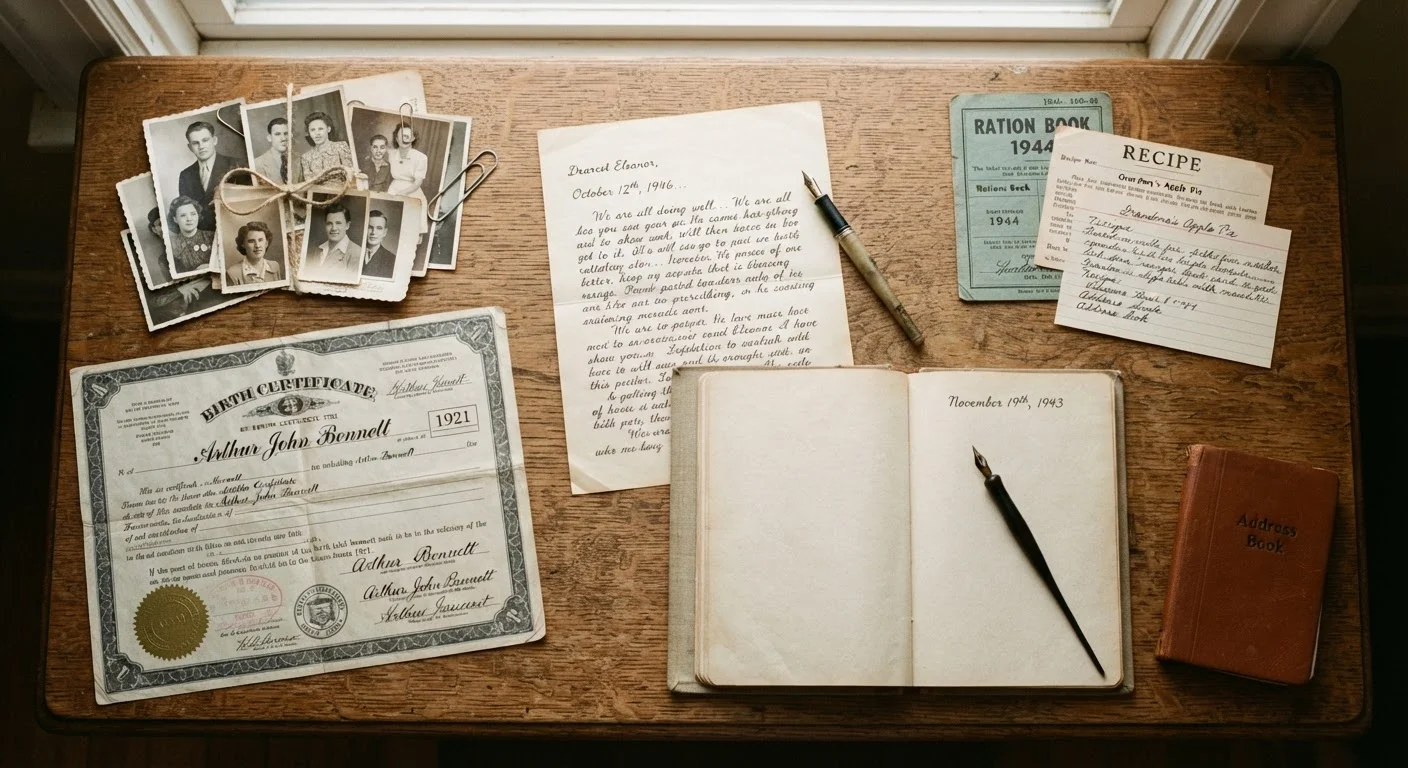
The Paper Trail You Should Gather Before Touching Any Database
Before logging into any archive, collect these personal and family documents. This checklist helps you research more efficiently and avoid dead ends.
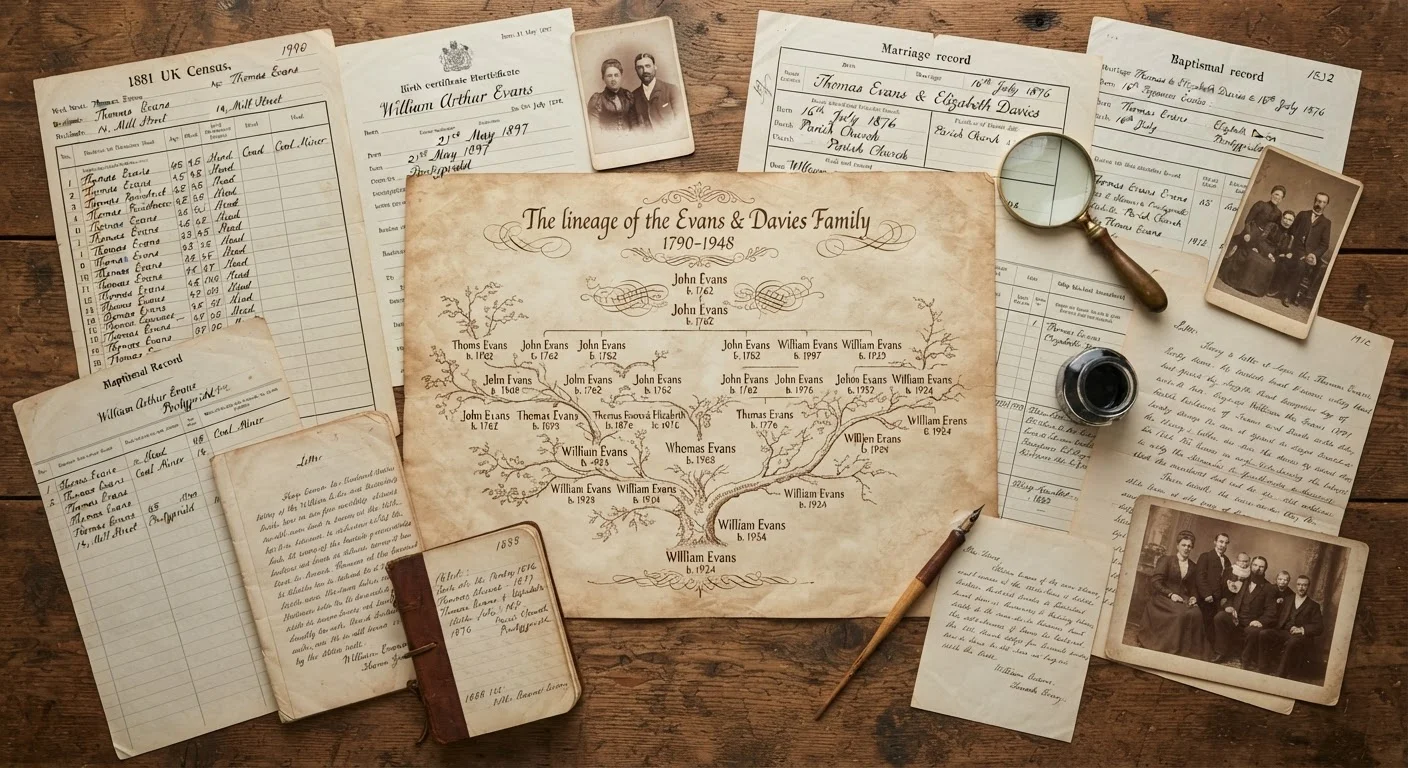
The Public Records That Matter Most in Genealogy Research
Birth, death, marriage, census — learn which public records are most useful for tracing family roots and what information each one contains.
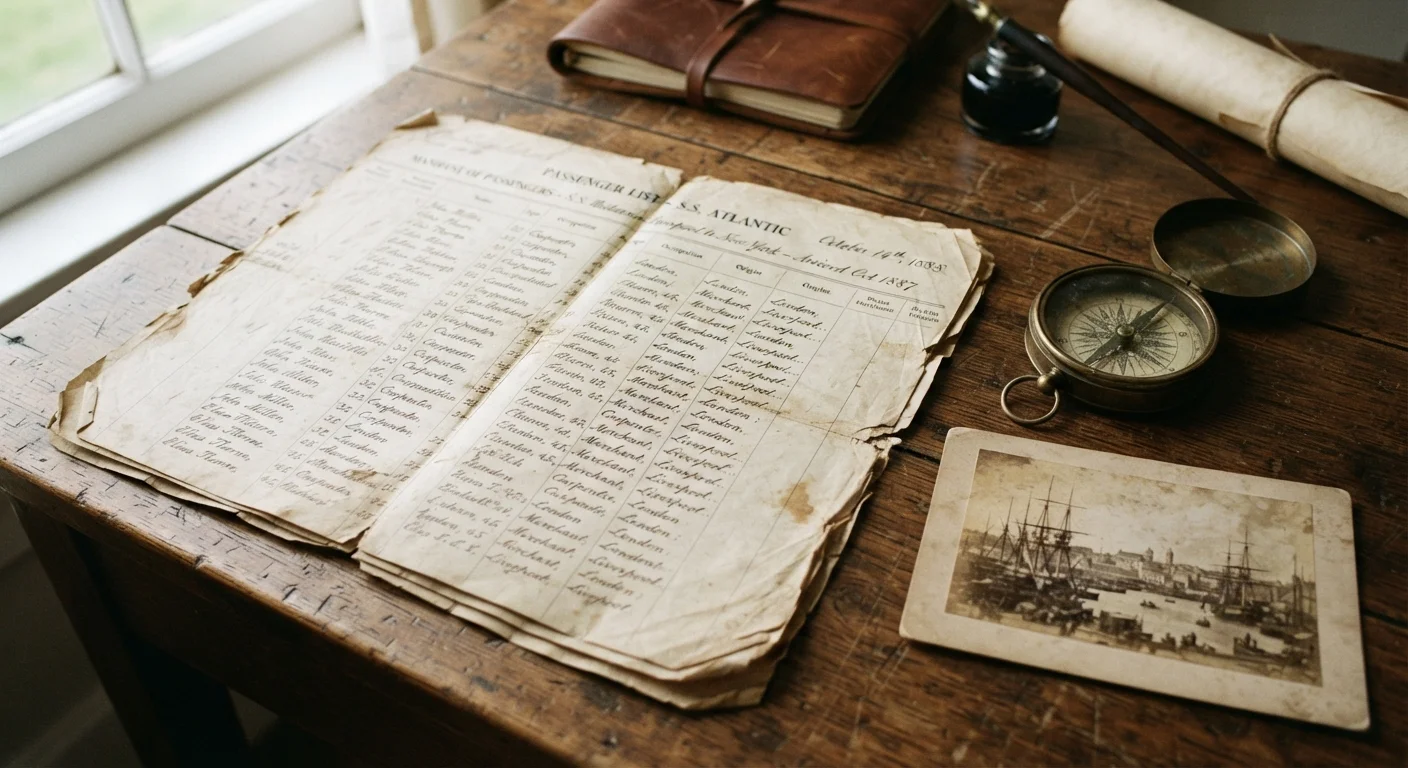
Tracing Immigrant Ancestors: Ports, Passenger Lists, and Naturalisation Papers
If your family crossed a border, immigration records may be the bridge to the homeland. Learn what documents exist and how to locate them.
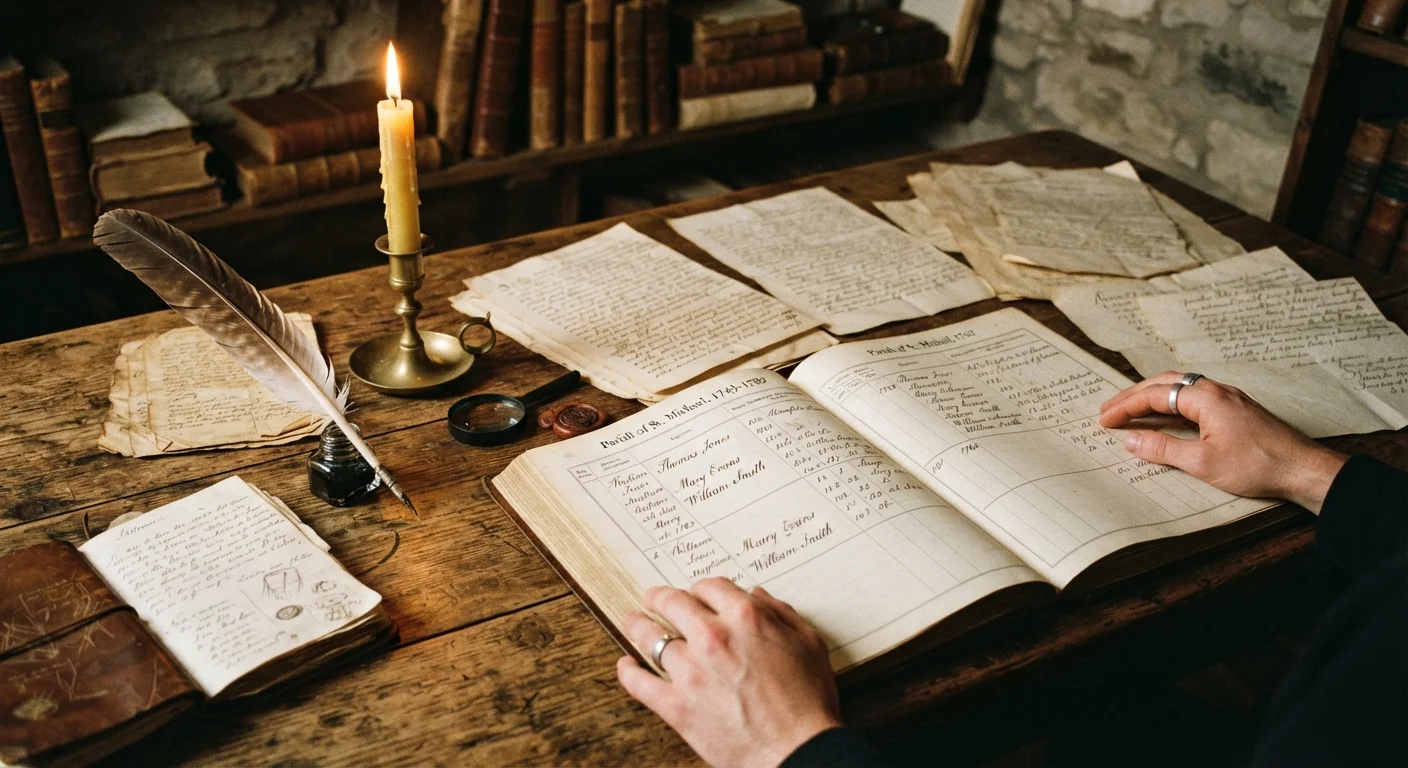
When the Records Run Out: Research Strategies for Pre-1800 Ancestry
Modern databases only go so far. Explore the alternative sources — church registers, probate courts, land grants — that help trace ancestry before civil registration.
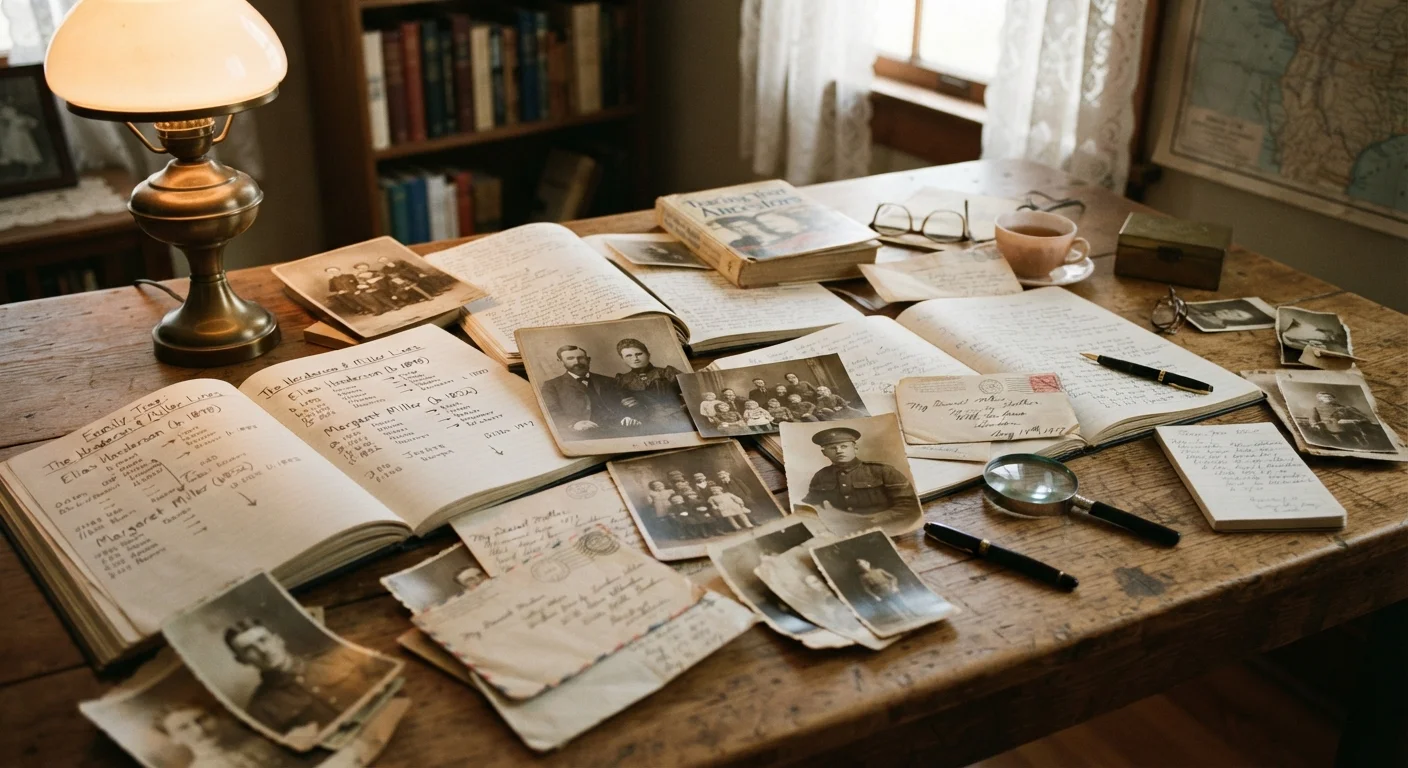
Why Family Stories Don't Always Match the Records — and What to Do About It
Oral histories are valuable but imperfect. Understand why discrepancies occur between family lore and documented records, and how to resolve them.
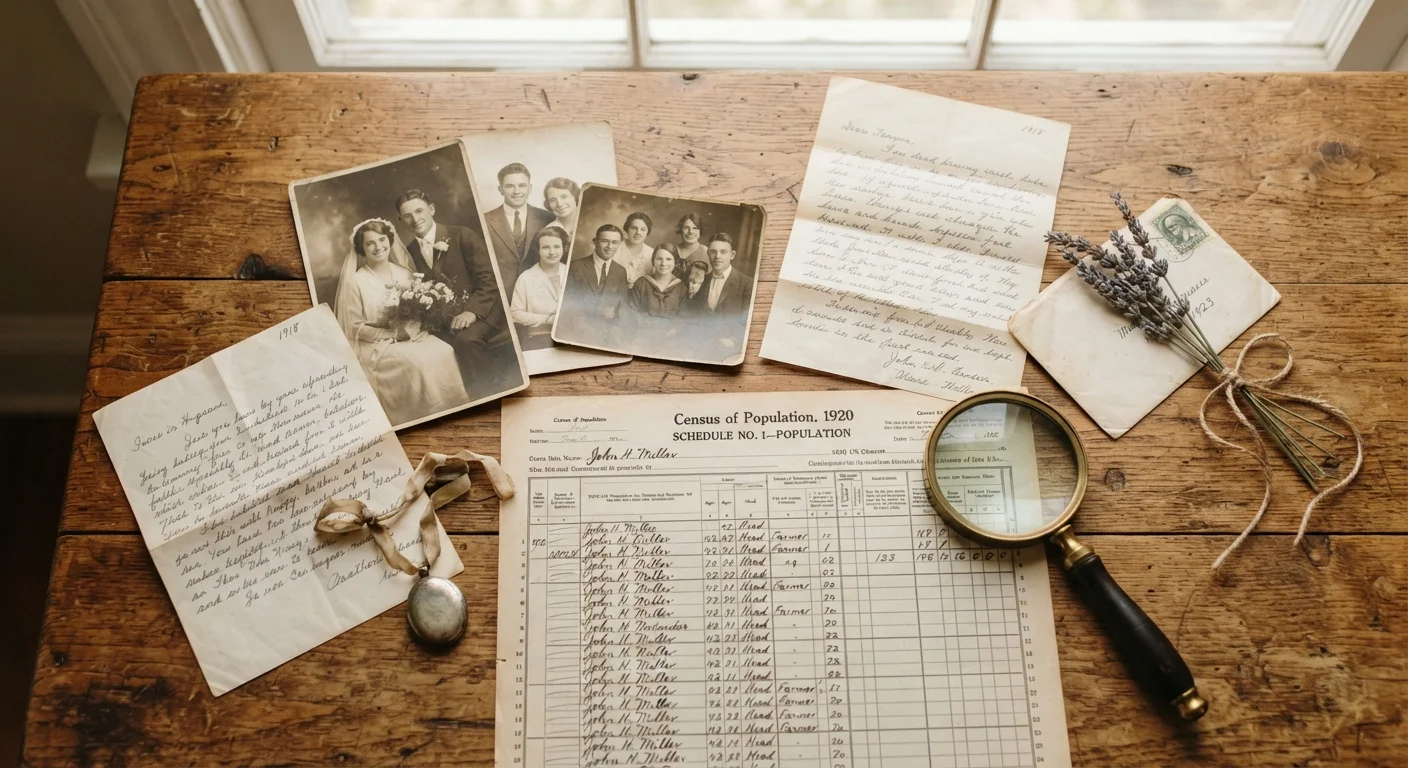
Your Family History Is Already Documented — Here's Where to Find It
Discover the public records, archives, and official sources that already hold the story of your family — and how to access them.
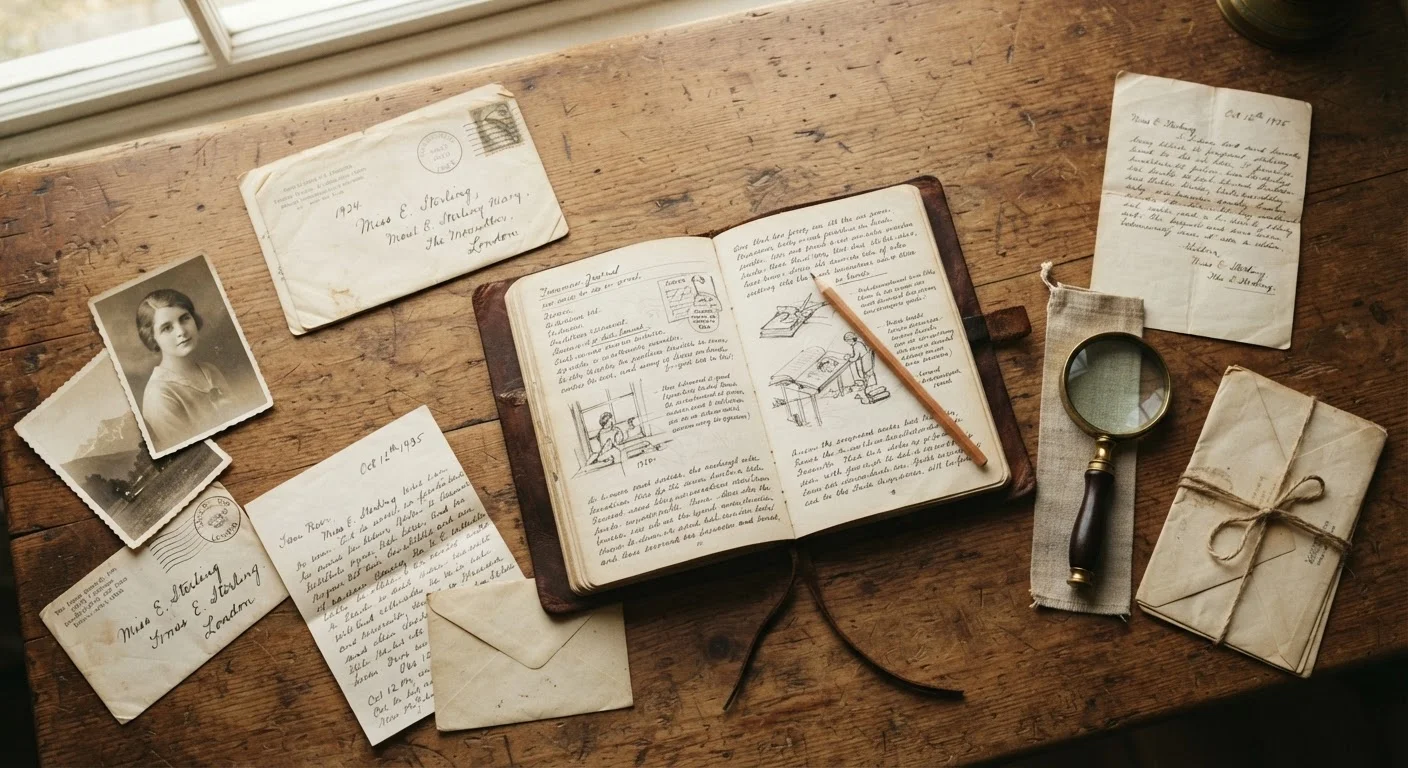
Before You Search: A Preparation Checklist for Historical Archive Research
Gather the right names, dates, and places before you open a single database. This checklist keeps your archive sessions focused and productive.
Building a Reliable Research Workflow for Historical Archive Searches
Consistent documentation habits and a clear search strategy prevent duplicate effort and missed records. Follow these proven practices for better results.
Census Records Through the Decades: A Genealogist's Roadmap
Each national census captured different details. Discover what each era of census records contains and how to extract the most useful family data.
Common Myths About Historical Records Access
Think all old records have been digitised? Or that sealed records are forever closed? We separate fact from fiction on archive access.

Digitised Archives vs. Physical Repository Visits: Weighing Your Options
Online databases offer convenience; in-person visits reveal records never scanned. Compare both approaches to find what works for your research needs.
Historical Public Records Explained: What They Are and Why They Matter for Family Research
Understand what historical public records are, which types exist, and why they're essential tools for tracing your family's story.

National Archives vs. State Archives: Where to Search First
Federal and state archives each hold distinct records. Learn the difference and decide which repository is the right starting point for your research.
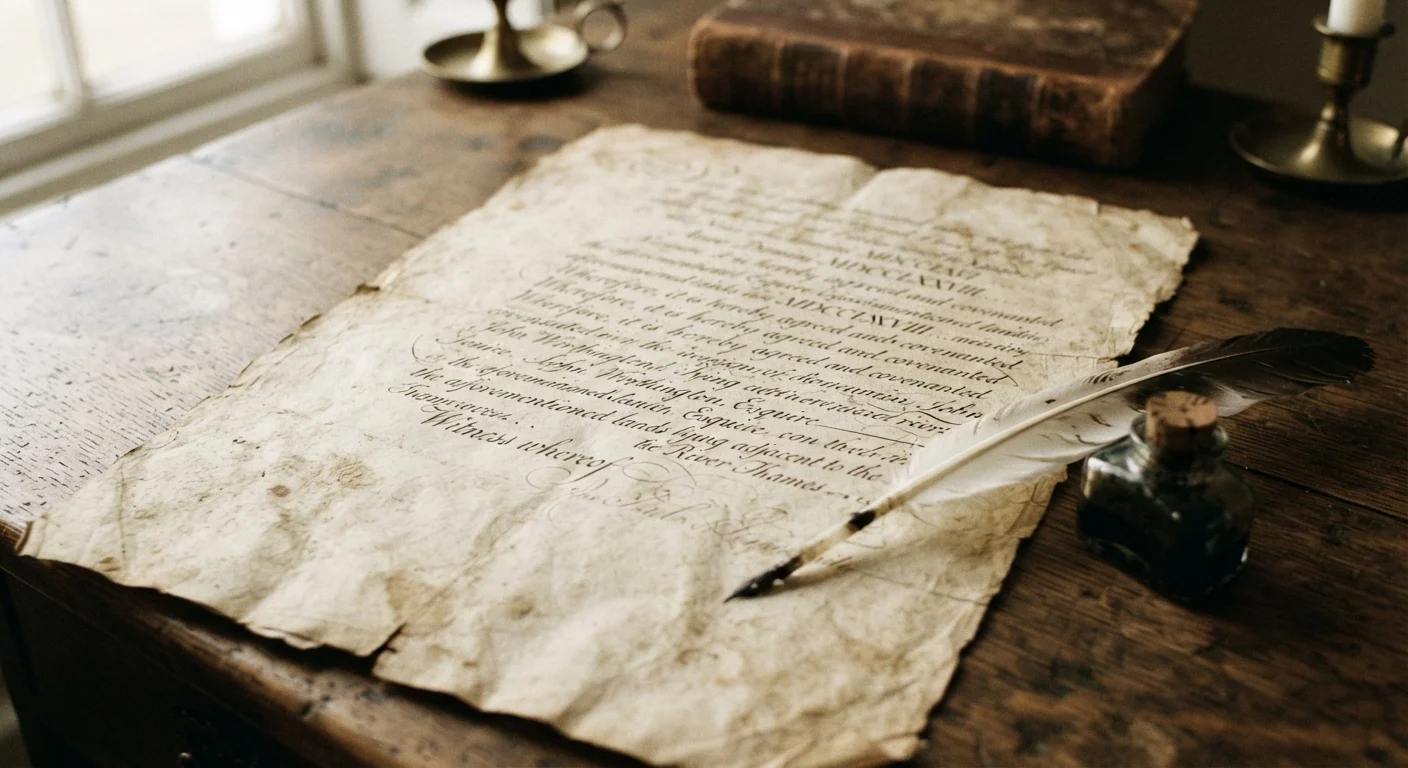
Reading Old Handwriting in Historical Documents
Old script styles like Secretary Hand can be baffling. Practical techniques for deciphering faded, archaic handwriting in genealogical records.
Record Repositories Worth Knowing Beyond the Usual Genealogy Databases
Courthouse basements, ethnic society archives, and colonial-era collections hold records most searchers overlook. Here's where else to look.
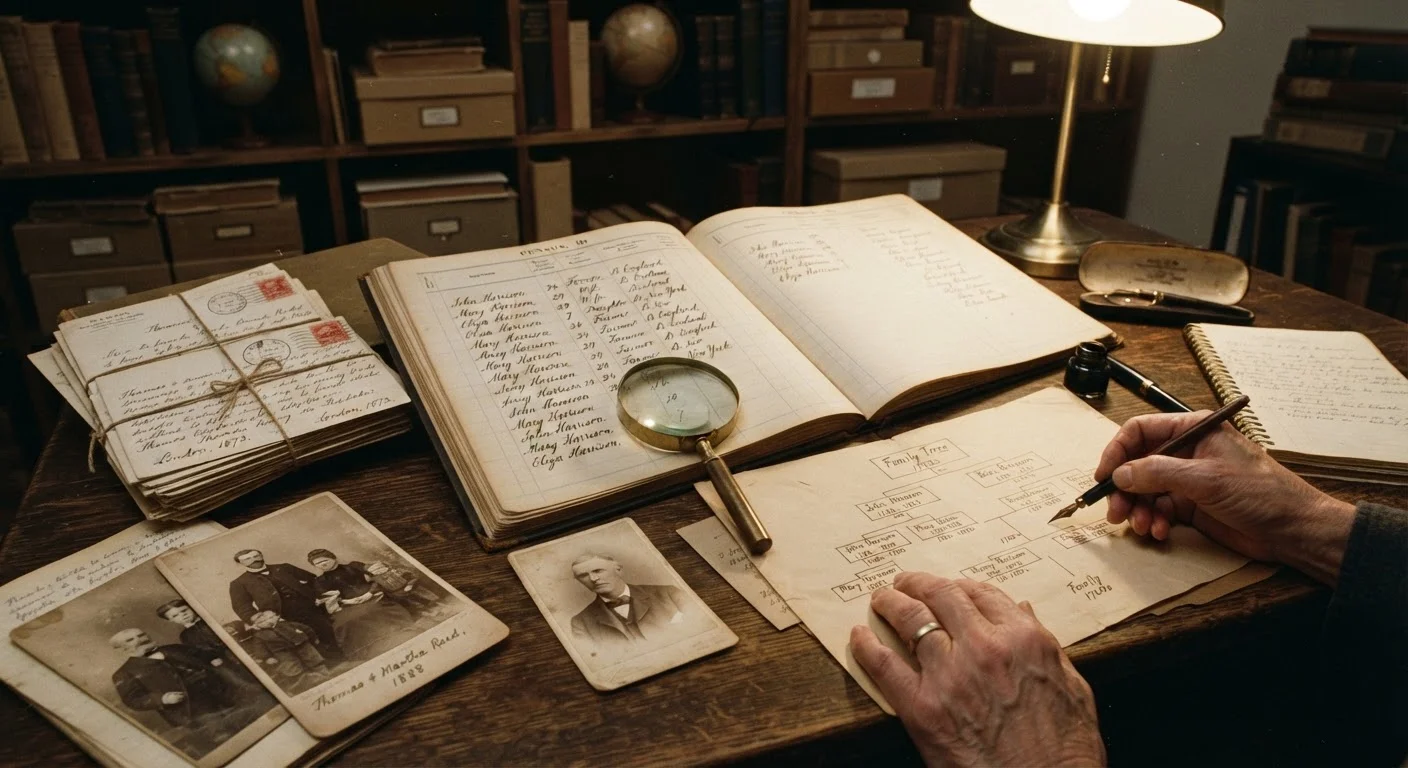
Starting Your Genealogy Journey with Historical Archives
New to genealogy? Learn which historical archives hold the most useful records and how to approach your first research session with confidence.
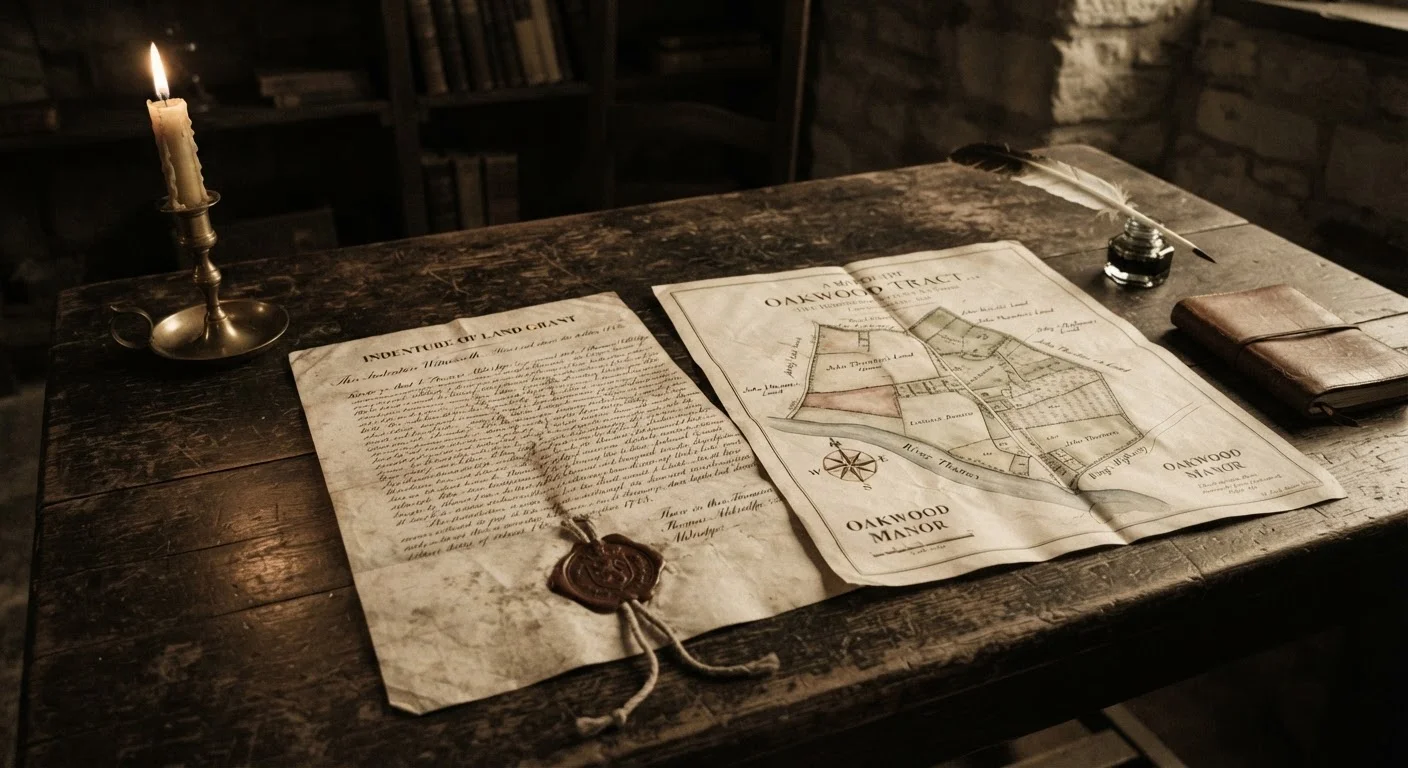
The Complete Guide to Tracing Ancestors Through Historical Land and Property Records
Land deeds, tax lists, and property surveys can locate ancestors who left few other traces. A thorough walkthrough of this often-overlooked record type.
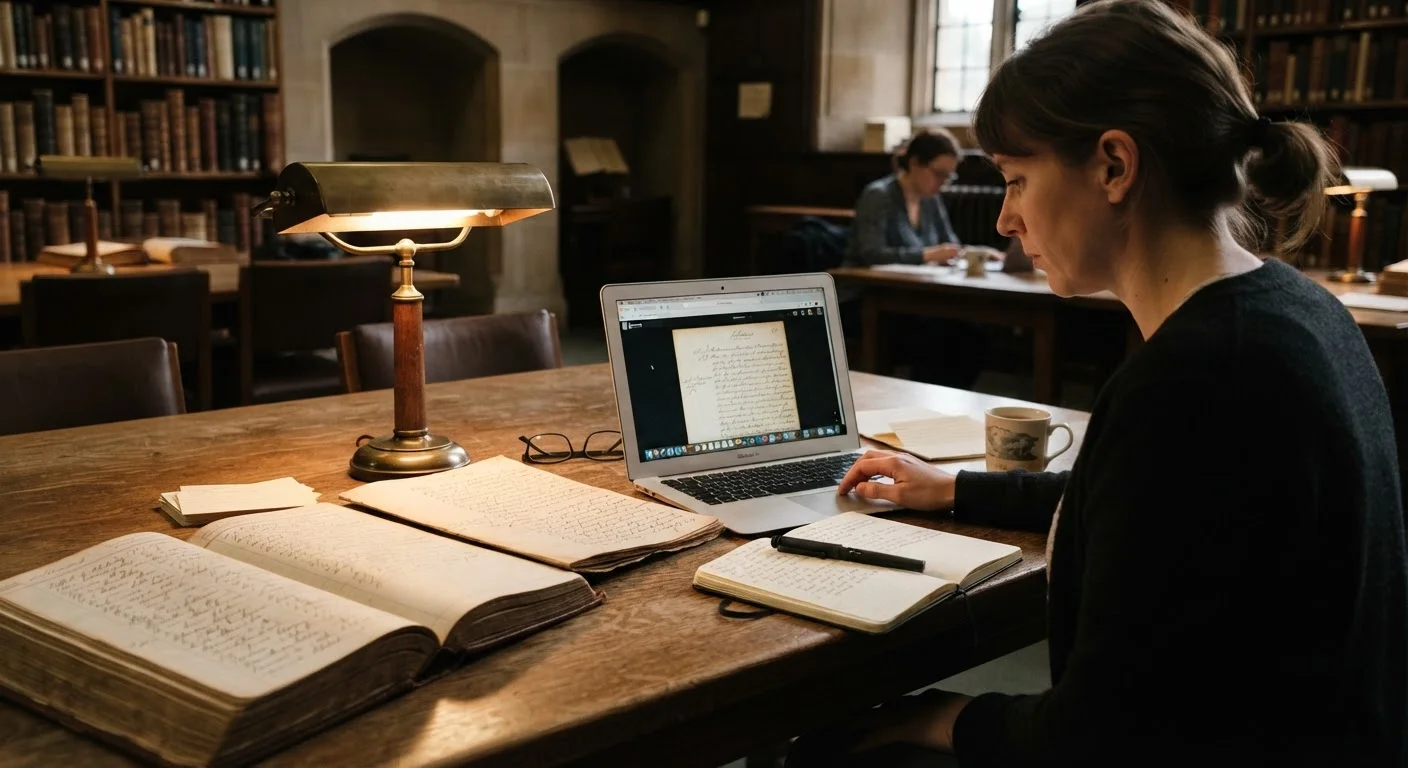
The Hidden Trade-offs of Relying Solely on Digitised Historical Records
Digital archives are convenient but incomplete. A balanced look at what online access gets right — and what it quietly leaves out for family researchers.
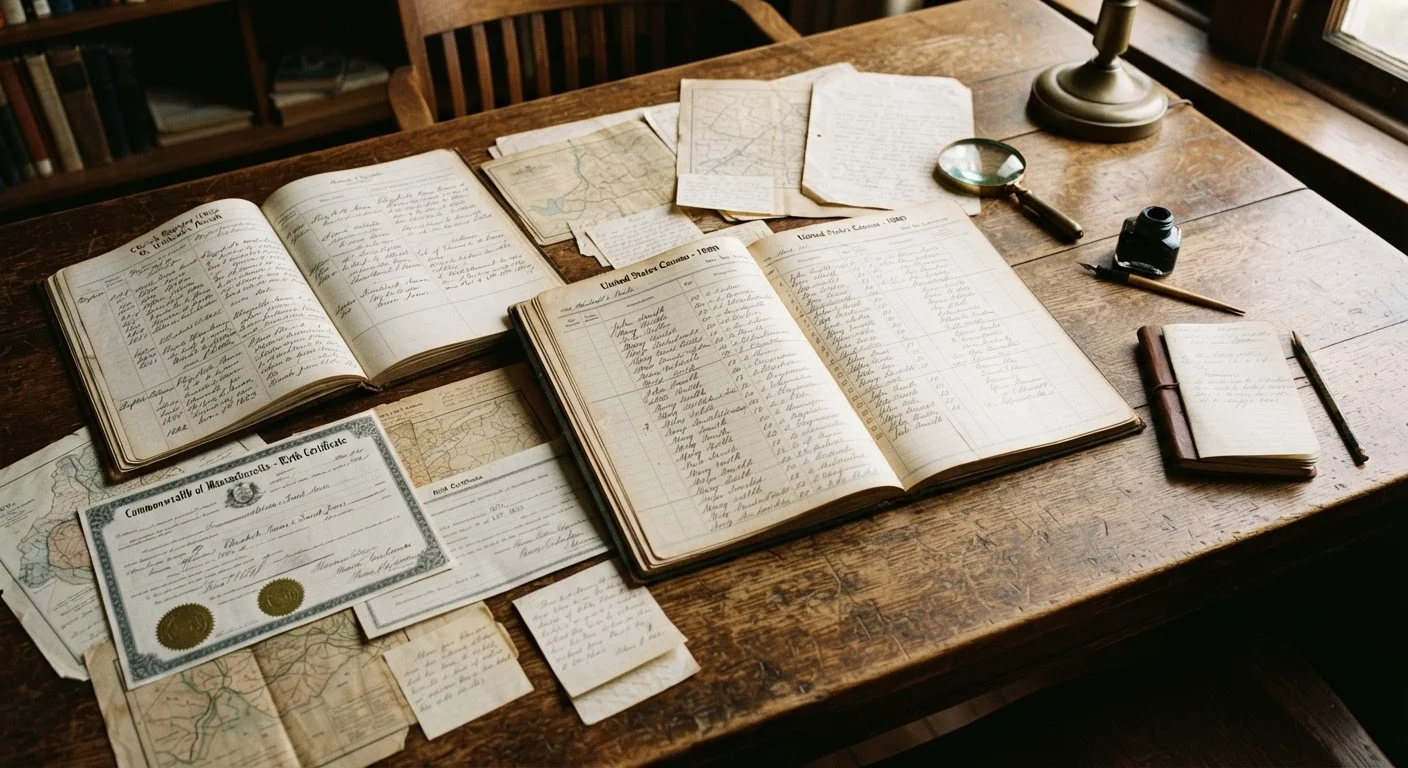
The Historical Record Types Every Family Researcher Should Know
From census rolls to church registers, this reference guide covers the core historical document types and what each one reveals about your ancestors.
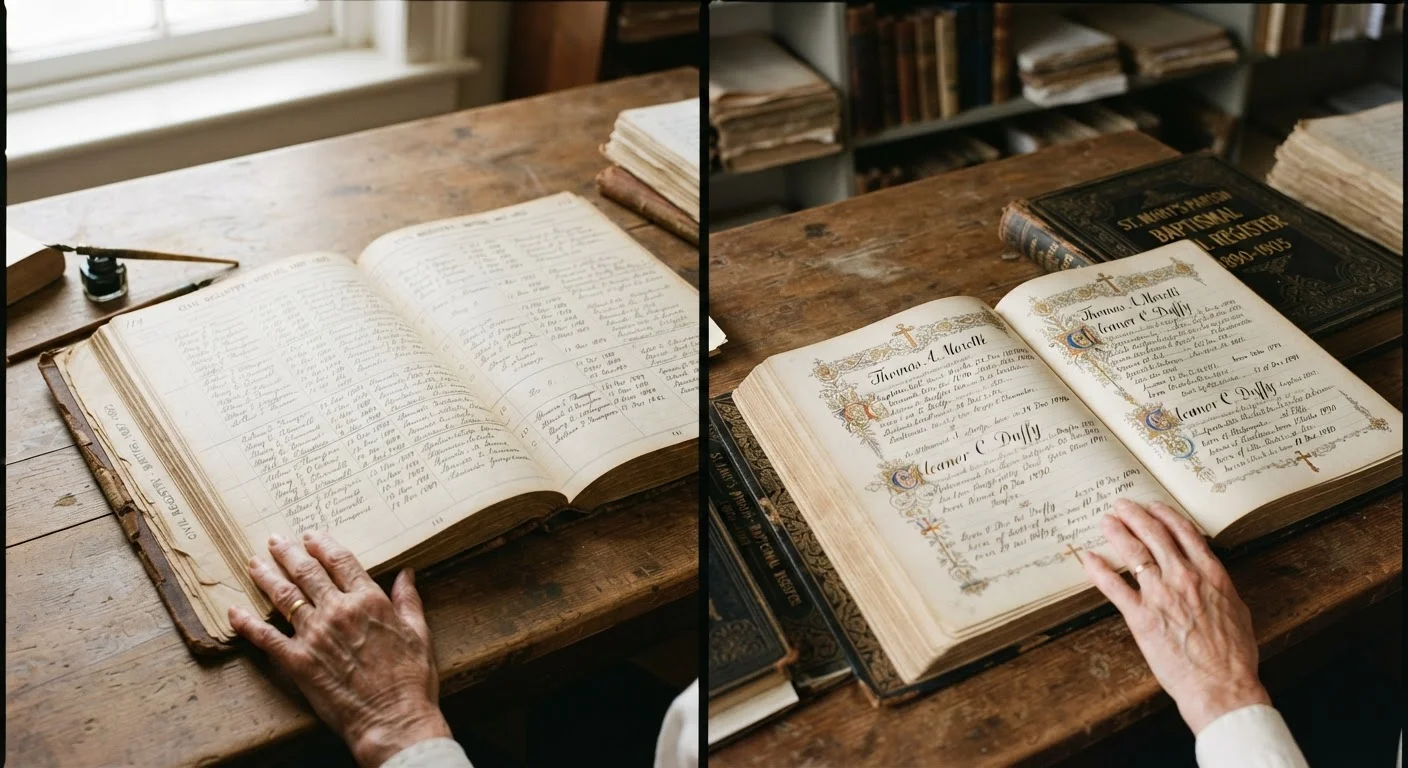
Vital Records vs. Church Records: Navigating Two Parallel Archives
Government vital records and church registers often overlap — but each has gaps the other fills. Learn when to rely on each source.
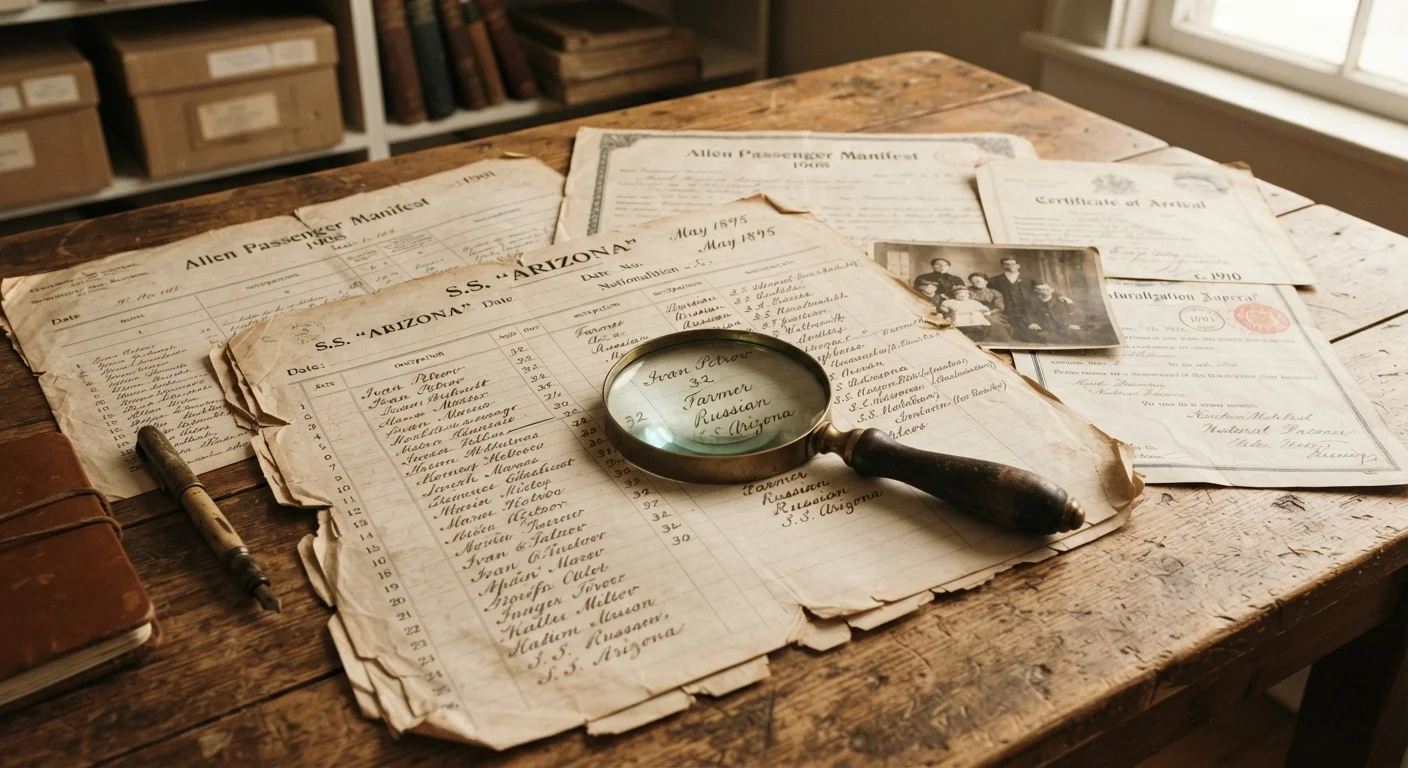
What Historic Immigration and Naturalization Papers Reveal About Your Family
Passenger manifests, declarations of intent, and naturalization certificates carry rich family detail. Learn how to find and interpret them.
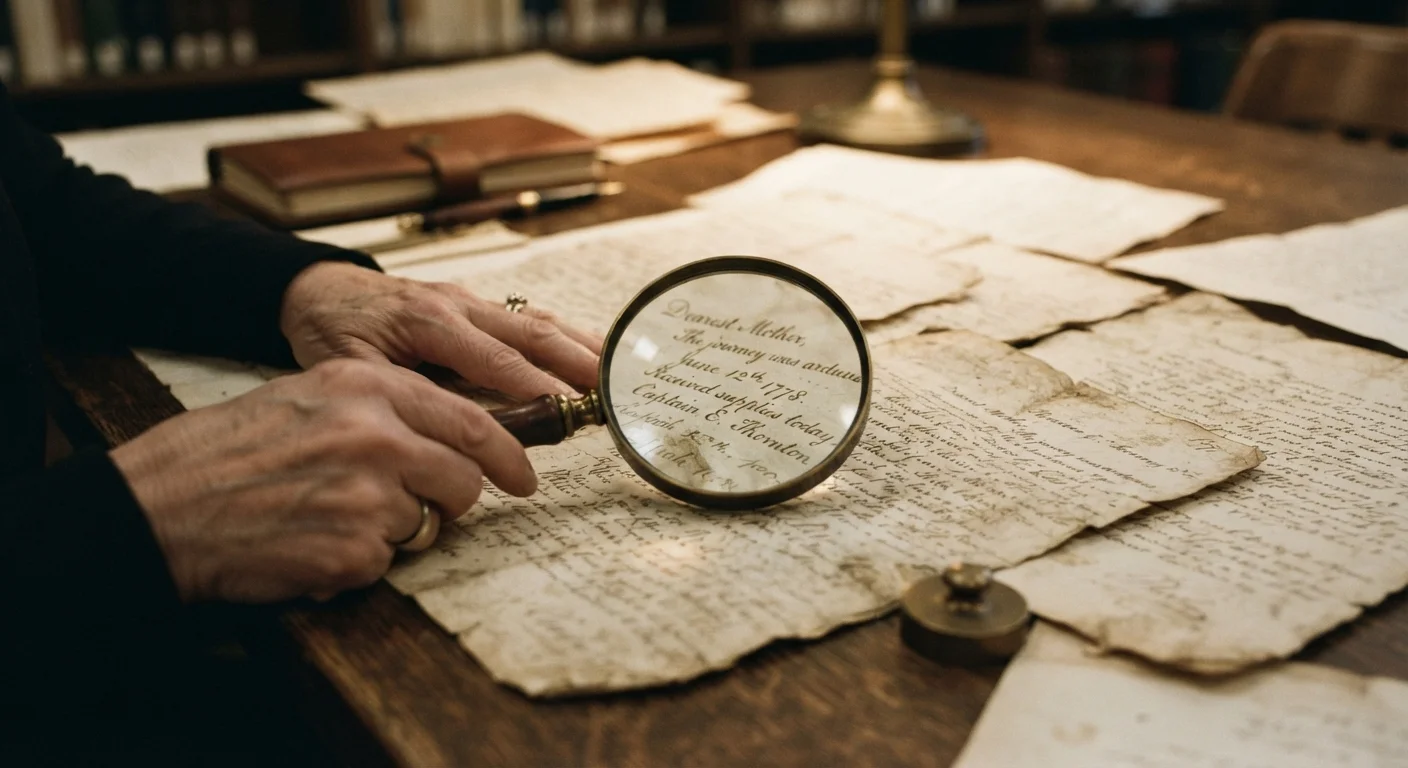
Why Genealogists Misread Historical Records — and How to Avoid It
Transcription errors, naming conventions, and calendar changes trip up even experienced researchers. Here's what goes wrong and how to stay accurate.
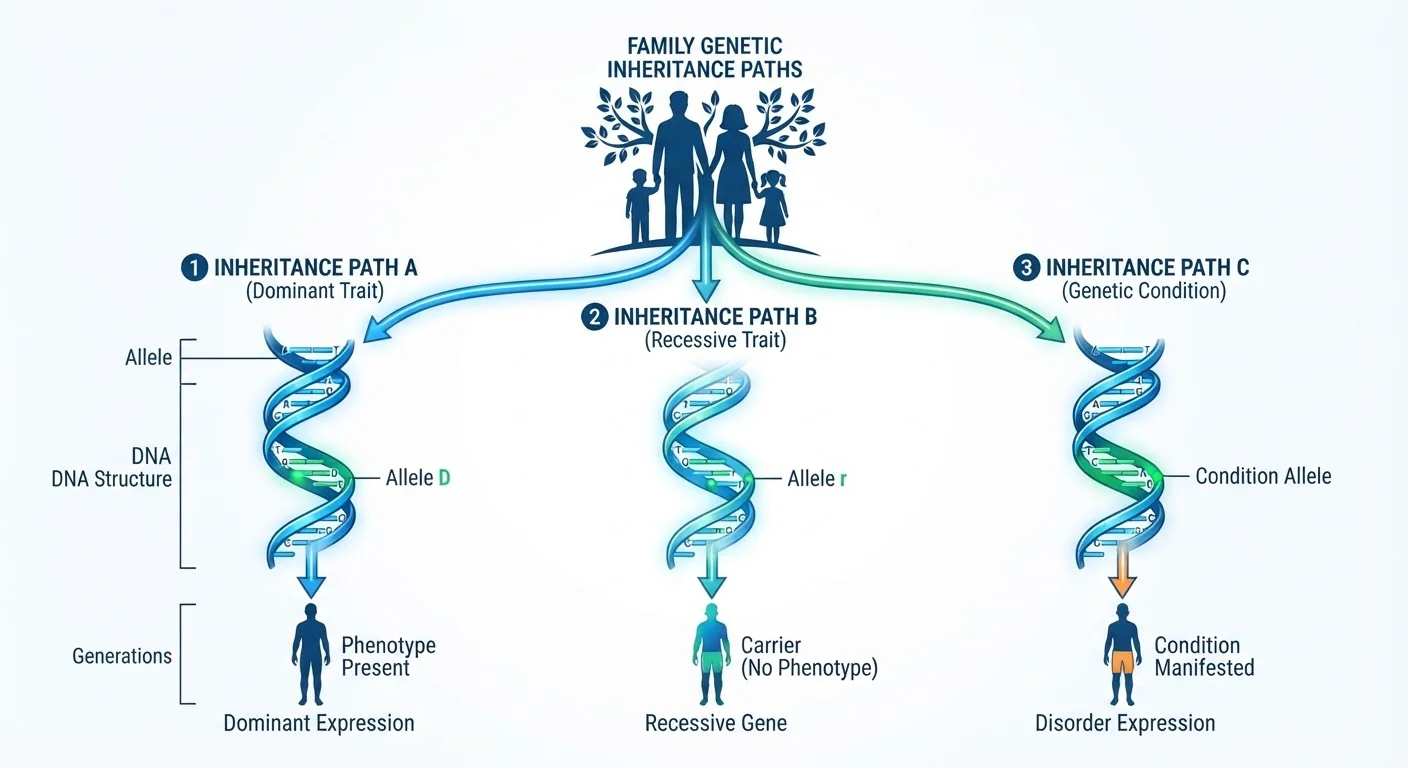
Autosomal, Y-DNA, and Mitochondrial Tests: What Each One Actually Reveals
A plain-language breakdown of the three main DNA test types and the specific ancestral lines each one can—and cannot—trace.
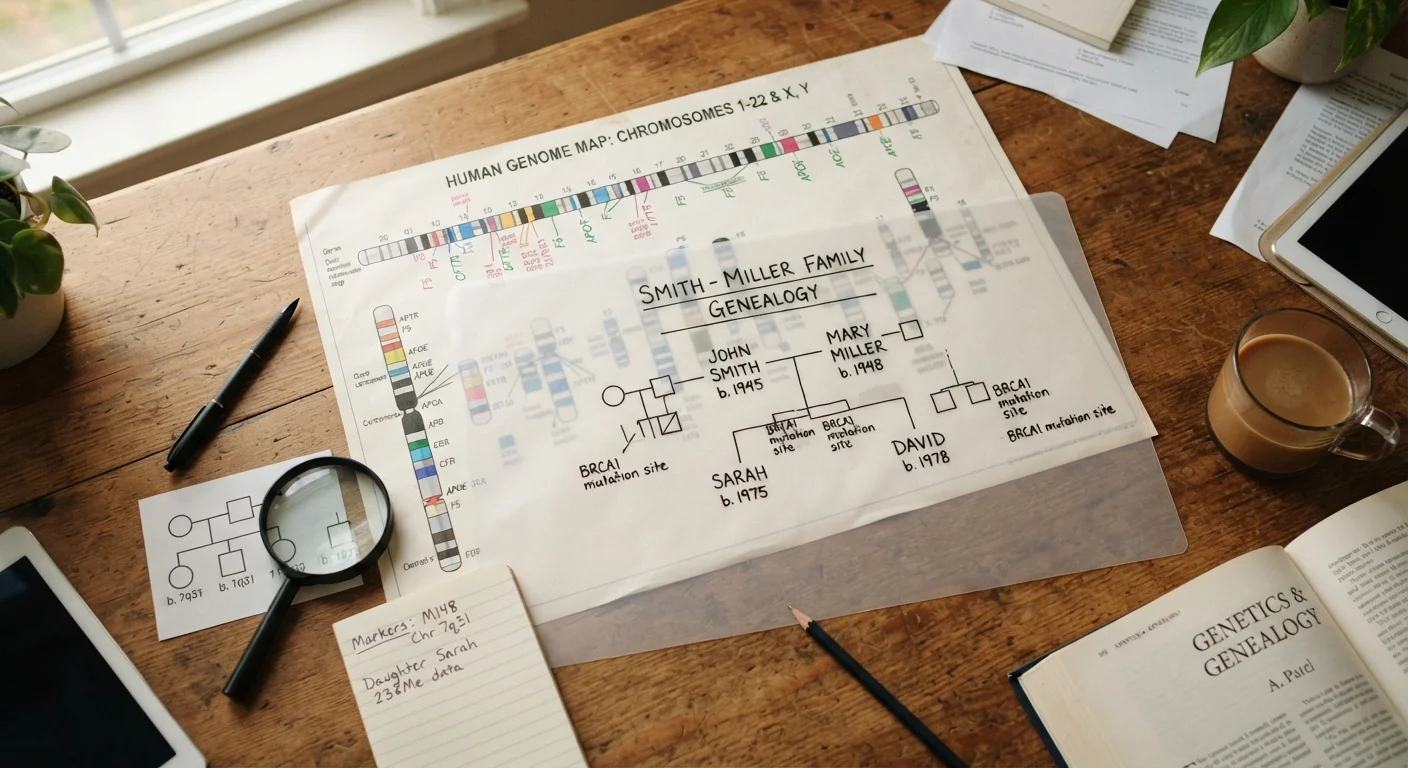
Building a Chromosome Map: How Segment Data Strengthens Family History Evidence
Chromosome mapping assigns DNA segments to specific ancestors. Learn why genealogists use it and how to start one with existing test data.
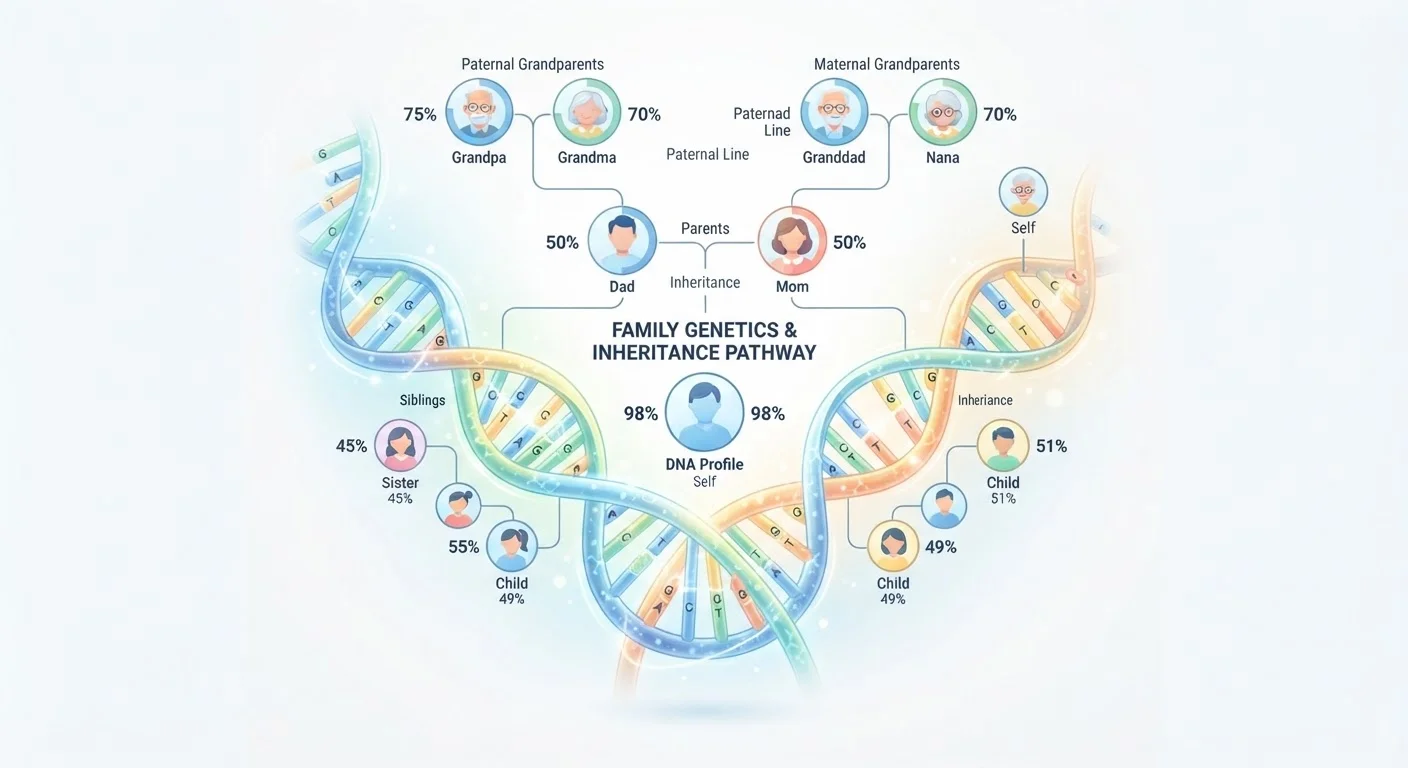
Centimorgans Explained: Reading Shared DNA to Understand Cousin Relationships
Learn what centimorgans are, how they're measured, and why the same cM value can point to several different relationship types.
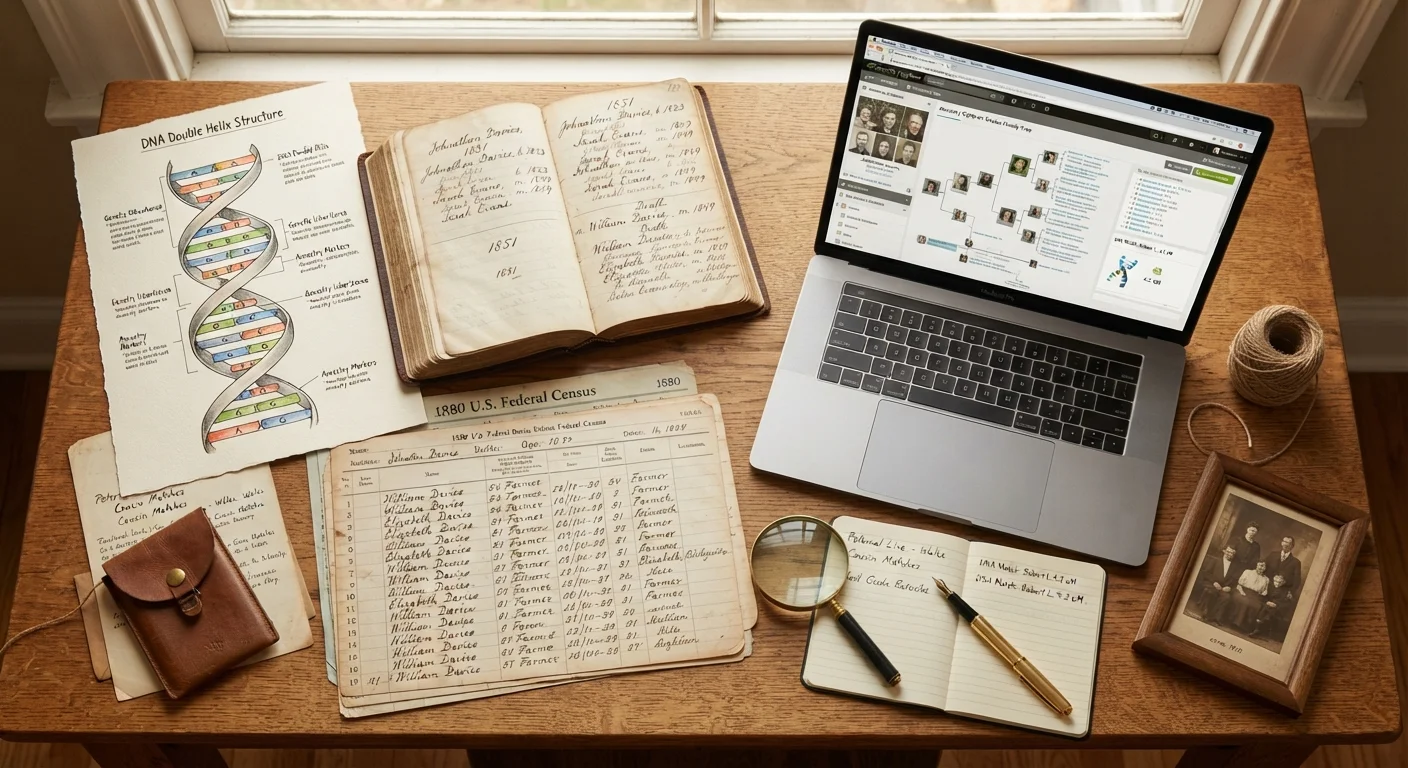
DNA and Digital Records Together: An End-to-End Guide to Modern Family History Research
A comprehensive look at how DNA testing, digitised archives, and online tools work together to verify and extend your family history discoveries.
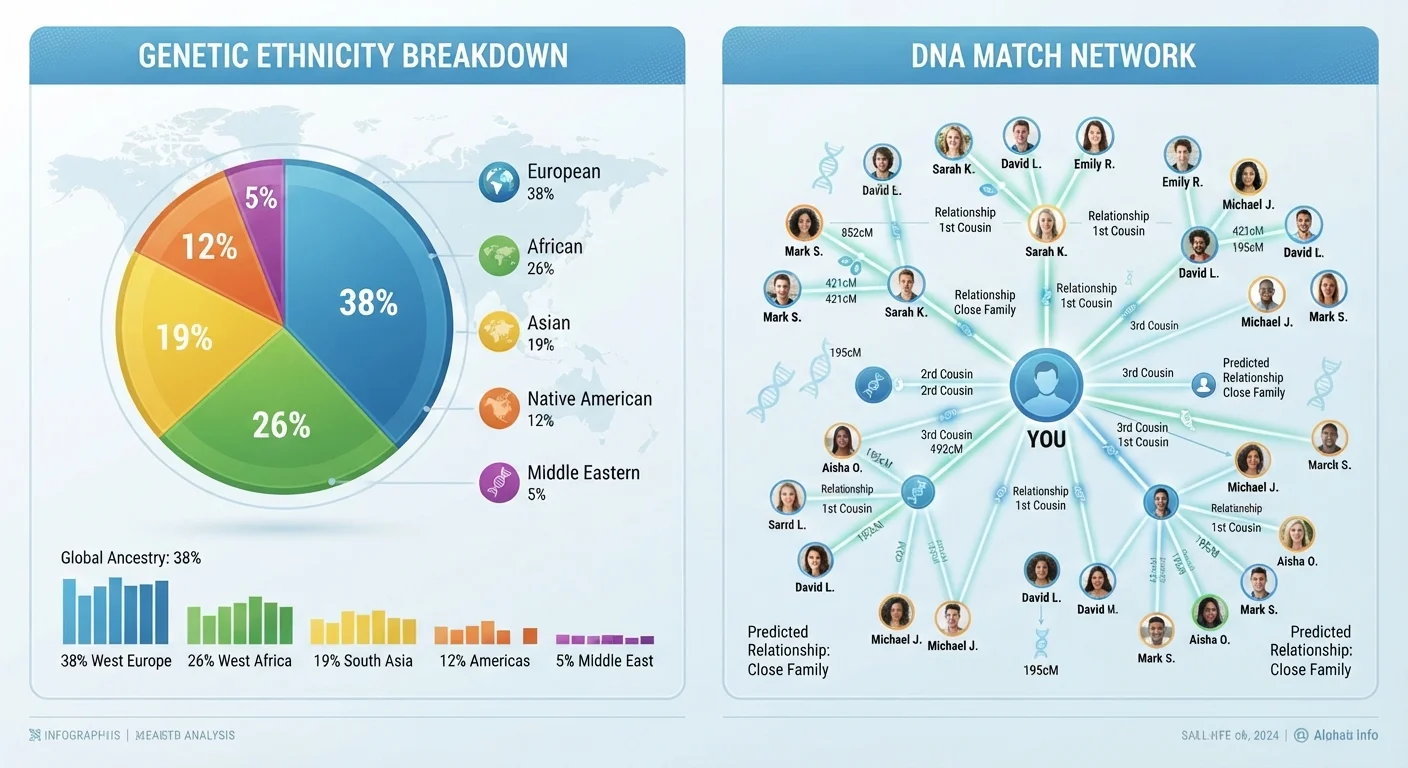
Ethnicity Estimates vs. DNA Matches: Two Very Different Tools in One Report
Ethnicity percentages and cousin matches come from the same test but serve very different research purposes. Here's how to use each correctly.
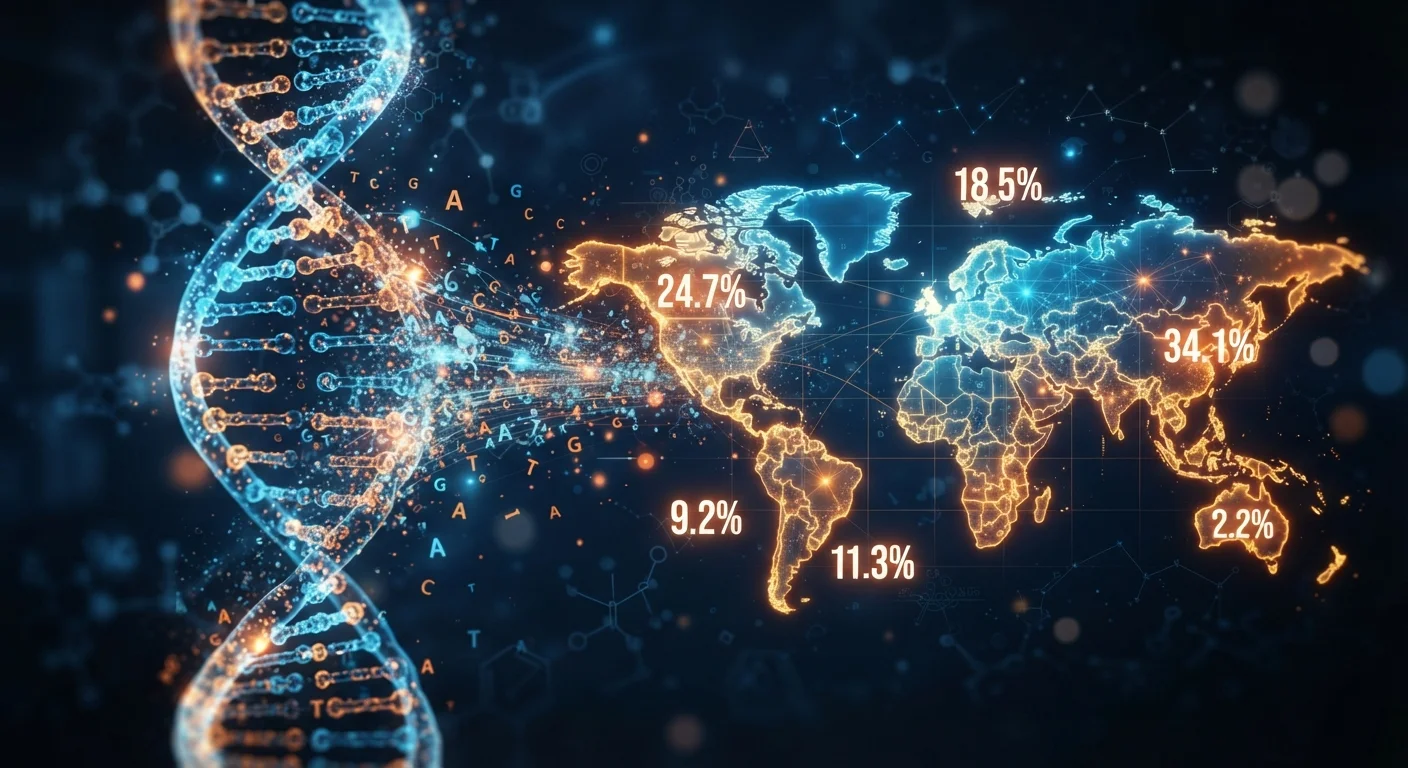
Evaluating the Reliability of Ethnicity Estimates
Ethnicity percentages vary across providers and update over time. Here's what shapes those figures and how much weight to give them in your research.
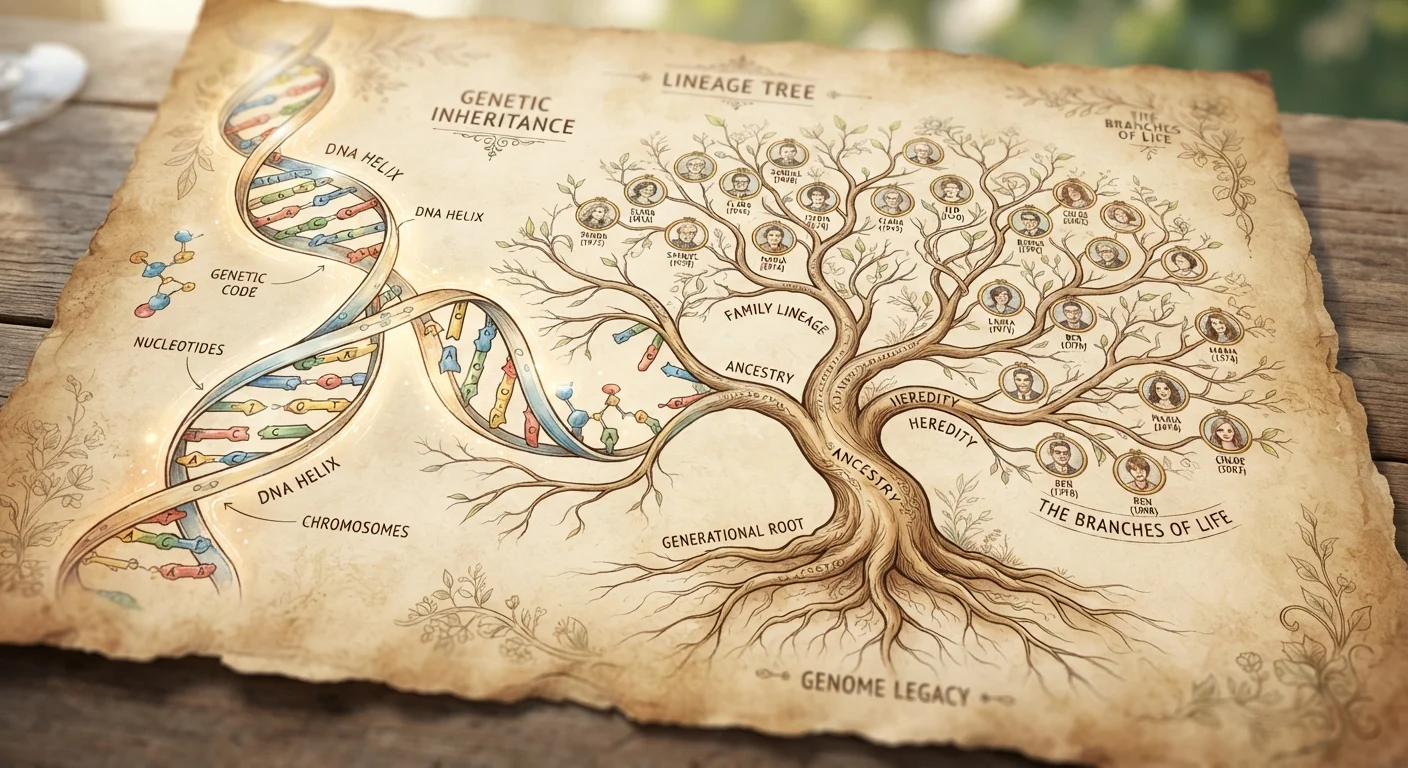
Genetic Genealogy From the Ground Up
New to DNA-based family research? This guide explains the core concepts, test types, and first steps for turning results into a useful family tree.
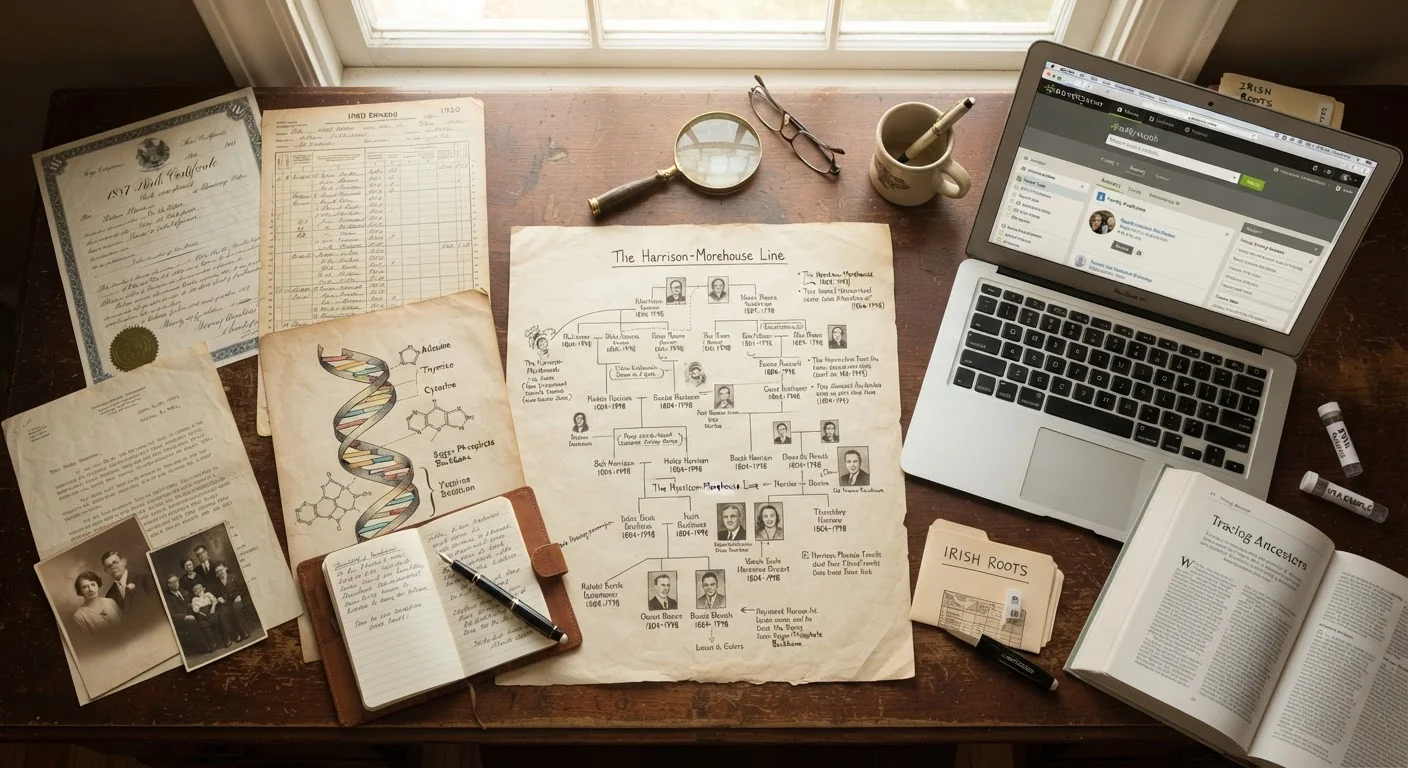
How DNA Testing Fits Into Traditional Genealogy Research
Understand how DNA test results complement paper records, census data, and oral history to build a more complete family tree.
Key Terms Every Genetic Genealogist Should Know
From haplogroups to endogamy, a practical glossary of the genetic genealogy vocabulary that appears most often in test reports and research communities.
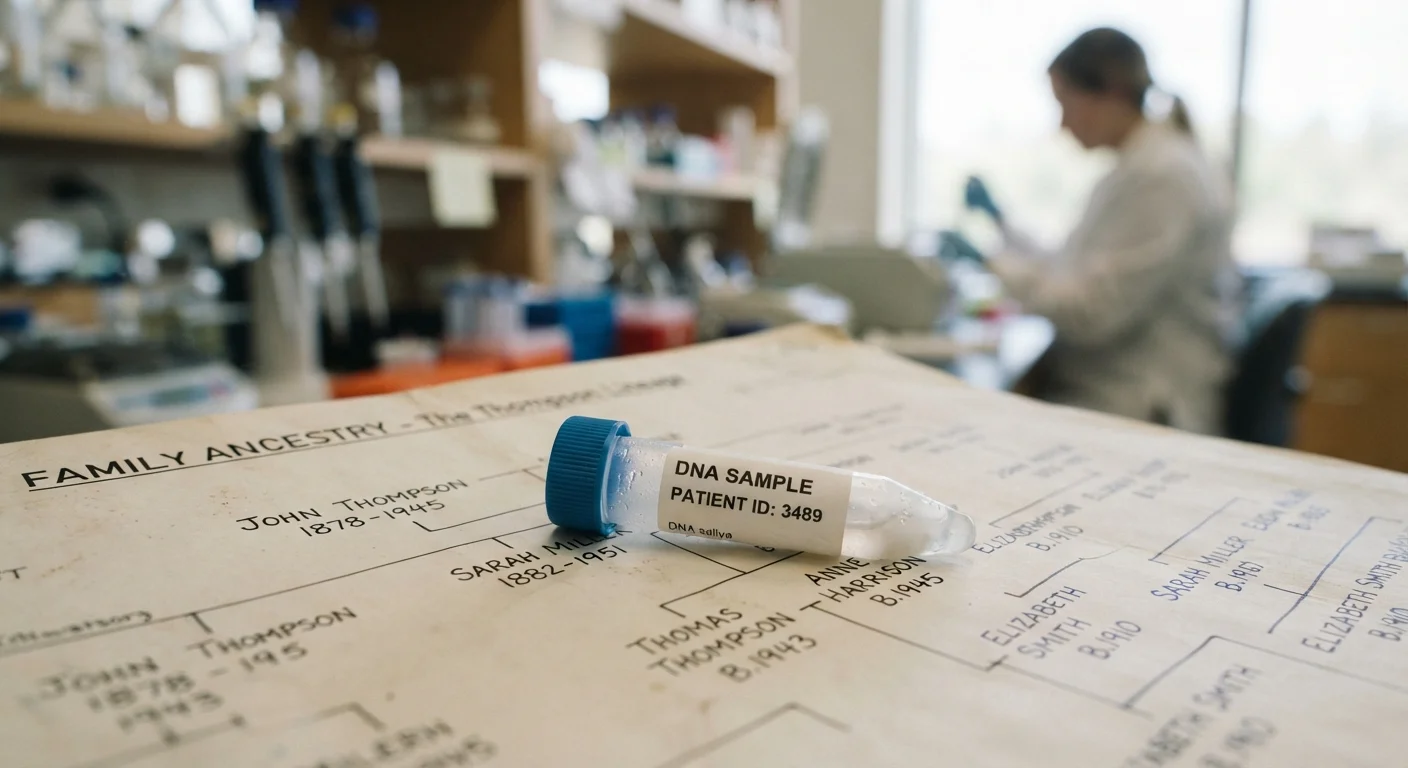
Privacy Trade-Offs When You Submit a DNA Sample for Family Research
Sharing your DNA affects more than just you. A balanced look at the privacy considerations involved in consumer genealogy testing.

Shared Matches and Clustering: Making Sense of a Large DNA Match List
Hundreds of DNA matches can feel overwhelming. Clustering groups related matches together so you can identify family lines more systematically.
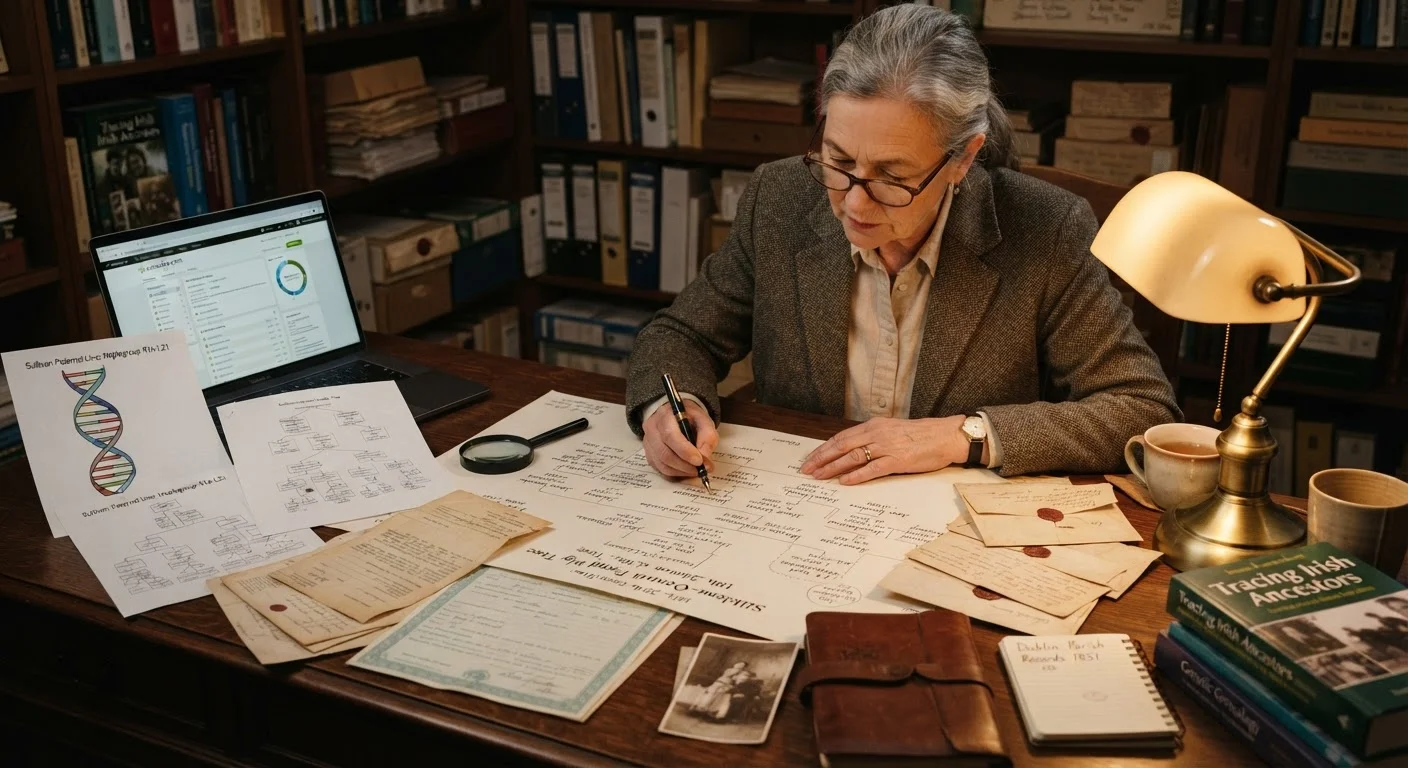
The DNA Toolkit for Brick-Wall Ancestors
When records run dry, DNA techniques like clustering and triangulation can open new research paths. Here are the methods genealogists rely on.
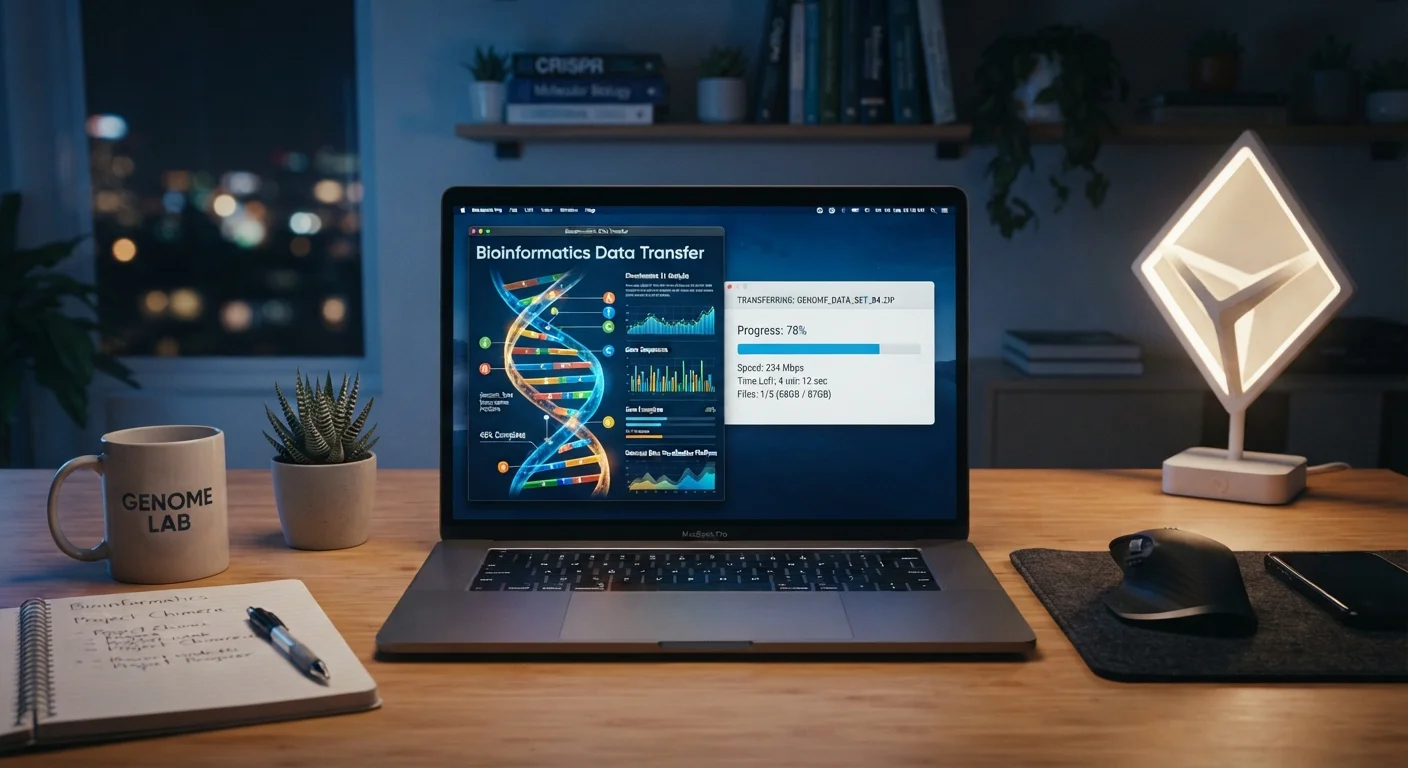
Transferring Raw DNA Data Between Databases: A Practical Walkthrough
Many DNA databases accept uploads from other providers. Learn how data transfers work, what carries over, and what to check before uploading.

Using Online Digitised Records Alongside DNA Evidence
Census images, ship manifests, and vital records gain new meaning when paired with DNA data. Learn how to cross-reference both source types effectively.
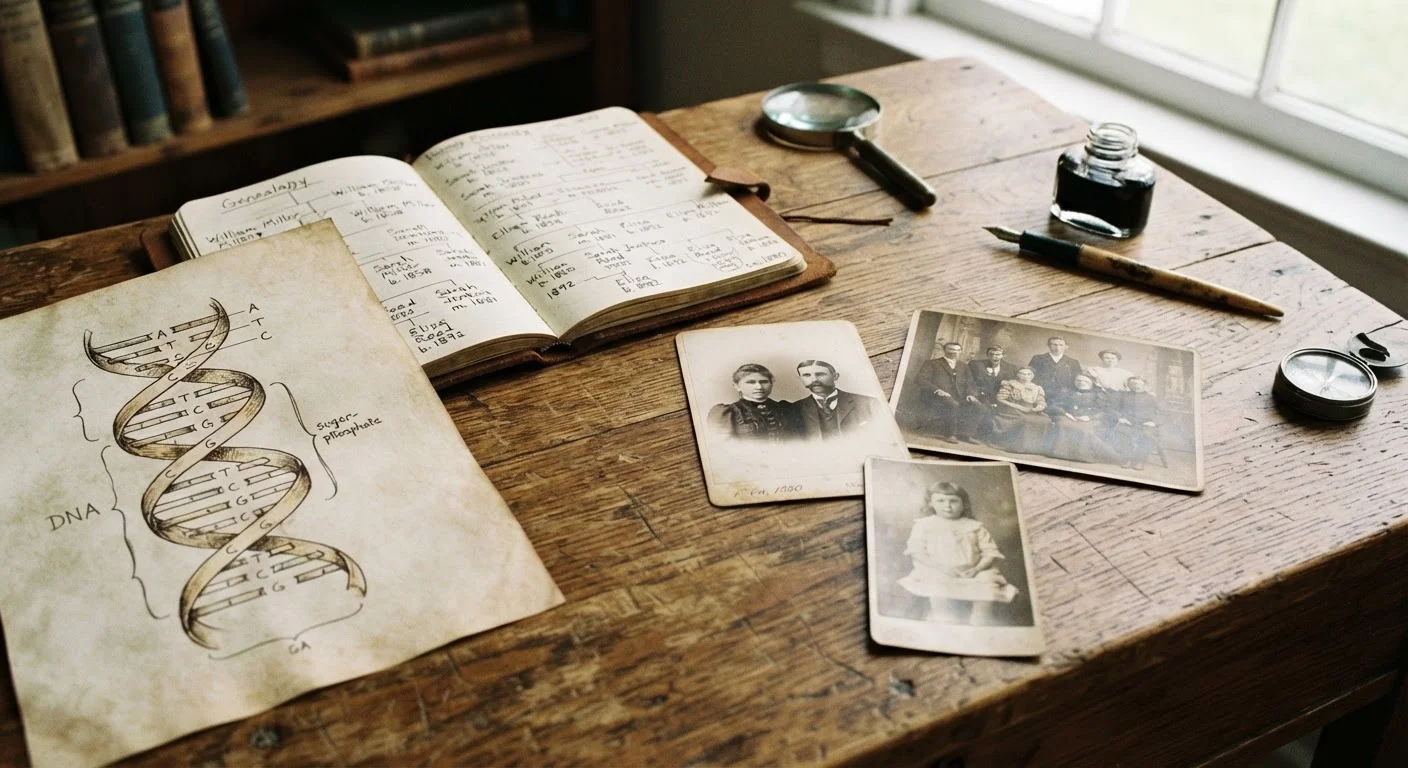
What Genealogy DNA Tests Cannot Tell You
DNA testing has real limits. This article explains what results can't prove—and why that matters for accurate family history research.

When DNA Results Contradict Your Paper Trail
Unexpected DNA matches happen. Here's how to interpret conflicts between test results and documented family records without jumping to conclusions.
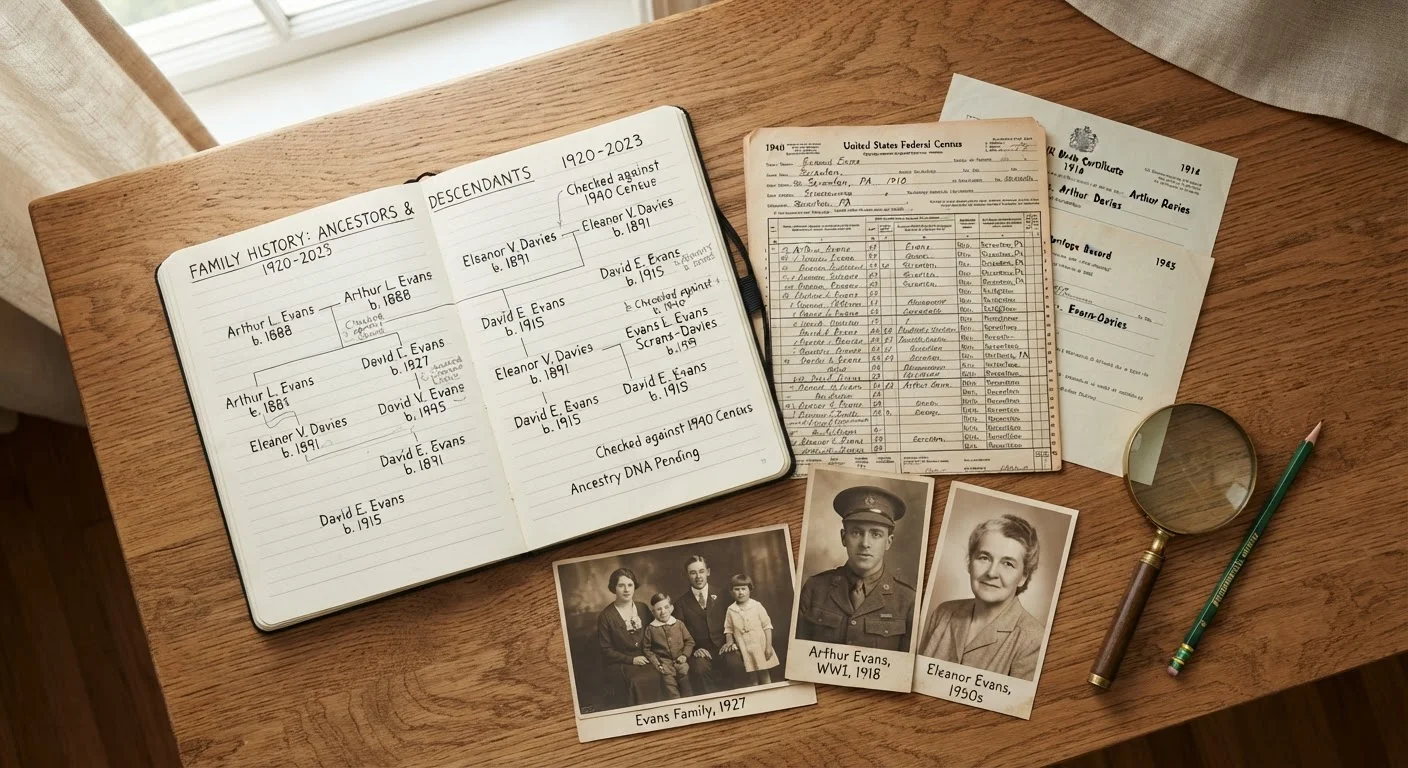
A Pre-Search Checklist for Ancestry Record Hunting
Before diving into databases, gather names, dates, locations, and living relatives' knowledge. Use this checklist to set your research up for success.
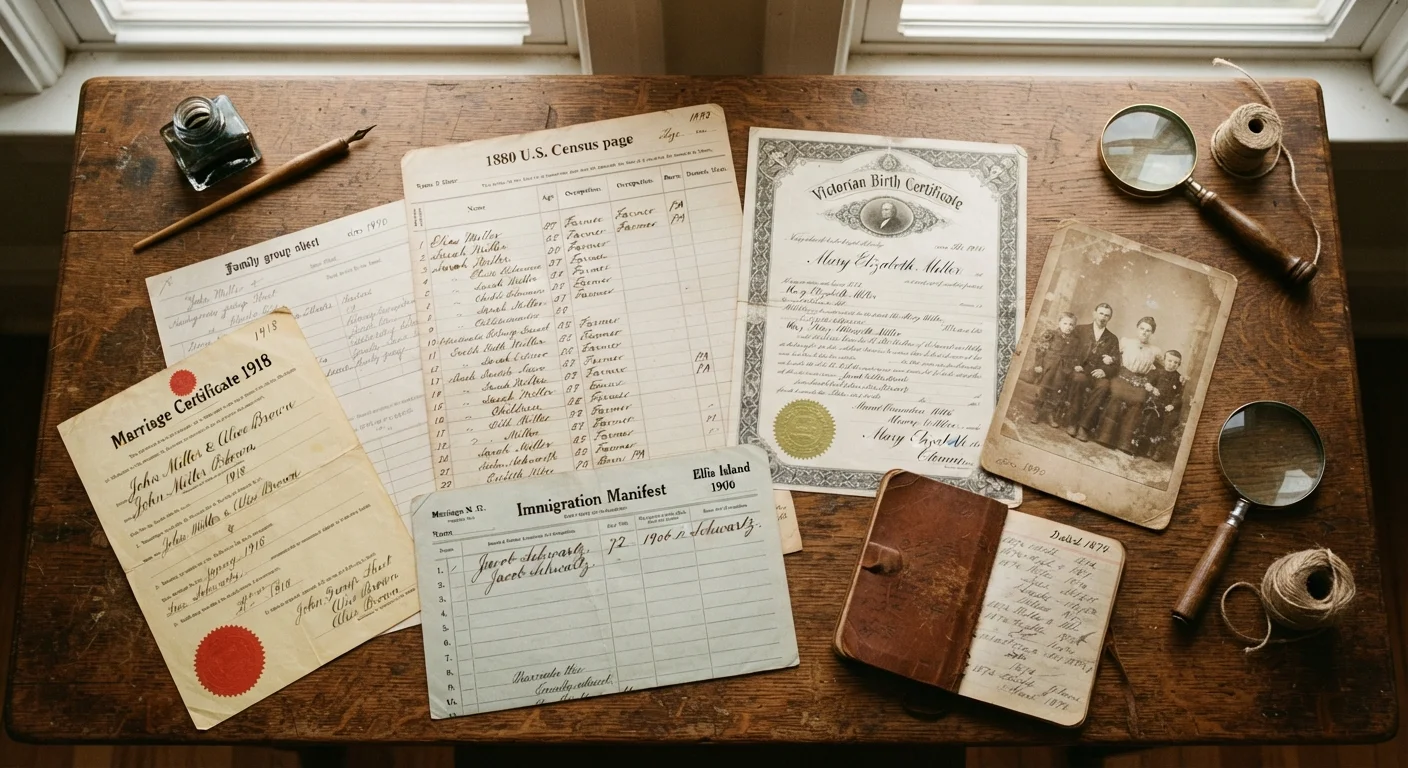
Ancestry Records Explained: What They Are and Where They Come From
Learn what ancestry records are, the institutions that create them, and how they document family lineage across generations.
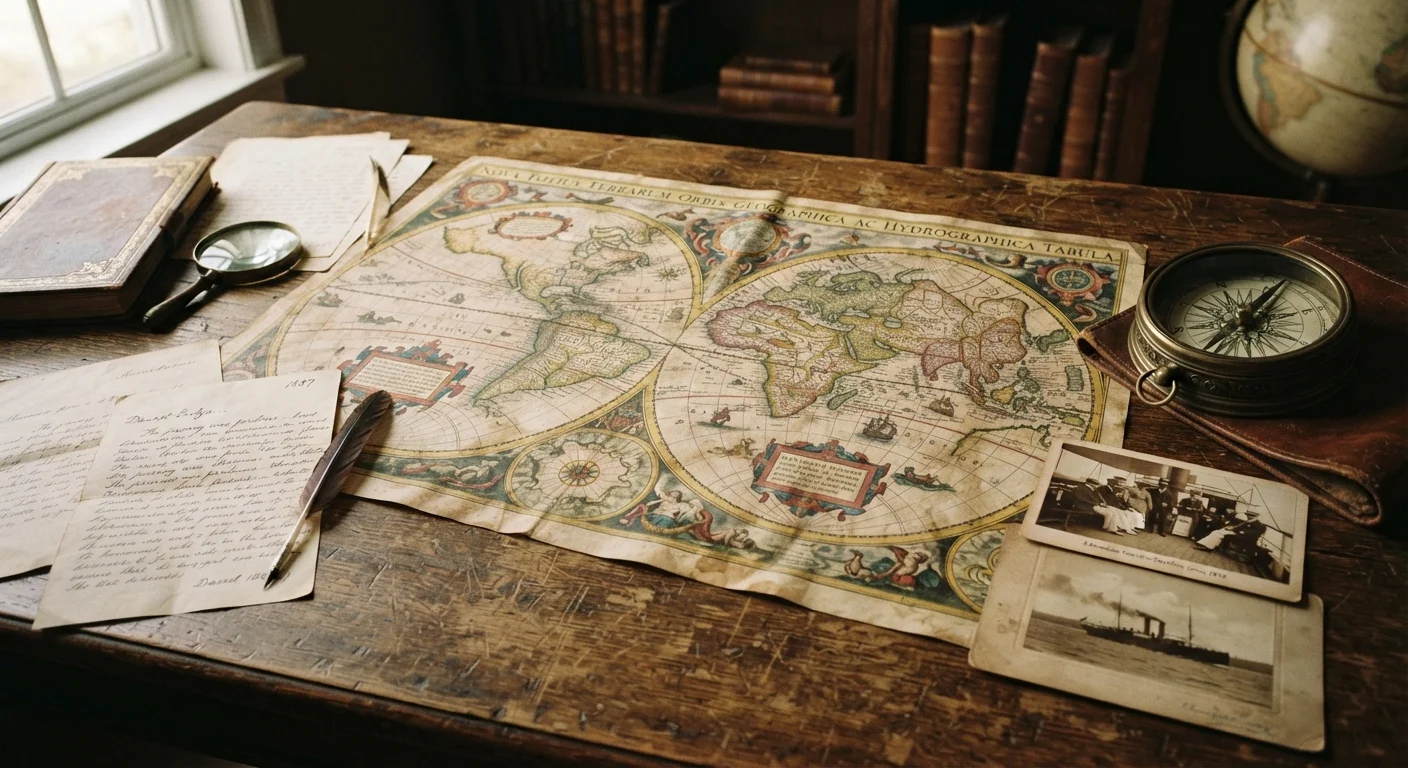
Ancestry Research Across Borders: Navigating International Record Systems
Every country archives family history differently. Learn how record-keeping varies globally and where to search when your lineage crosses national lines.
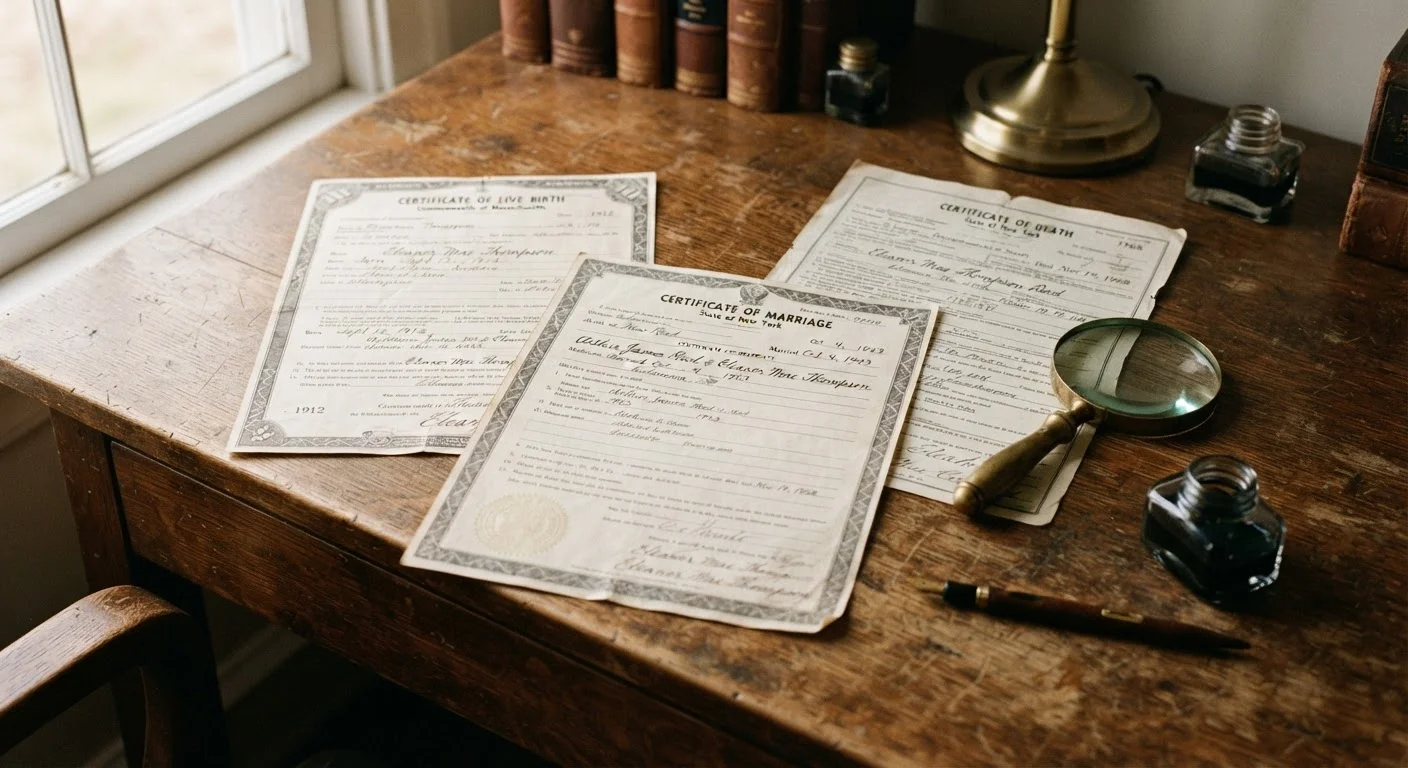
Birth, Marriage, and Death Certificates: The Backbone of Ancestry Research
Vital records hold the clearest proof of family relationships. Understand what information they contain and how to obtain historical copies.
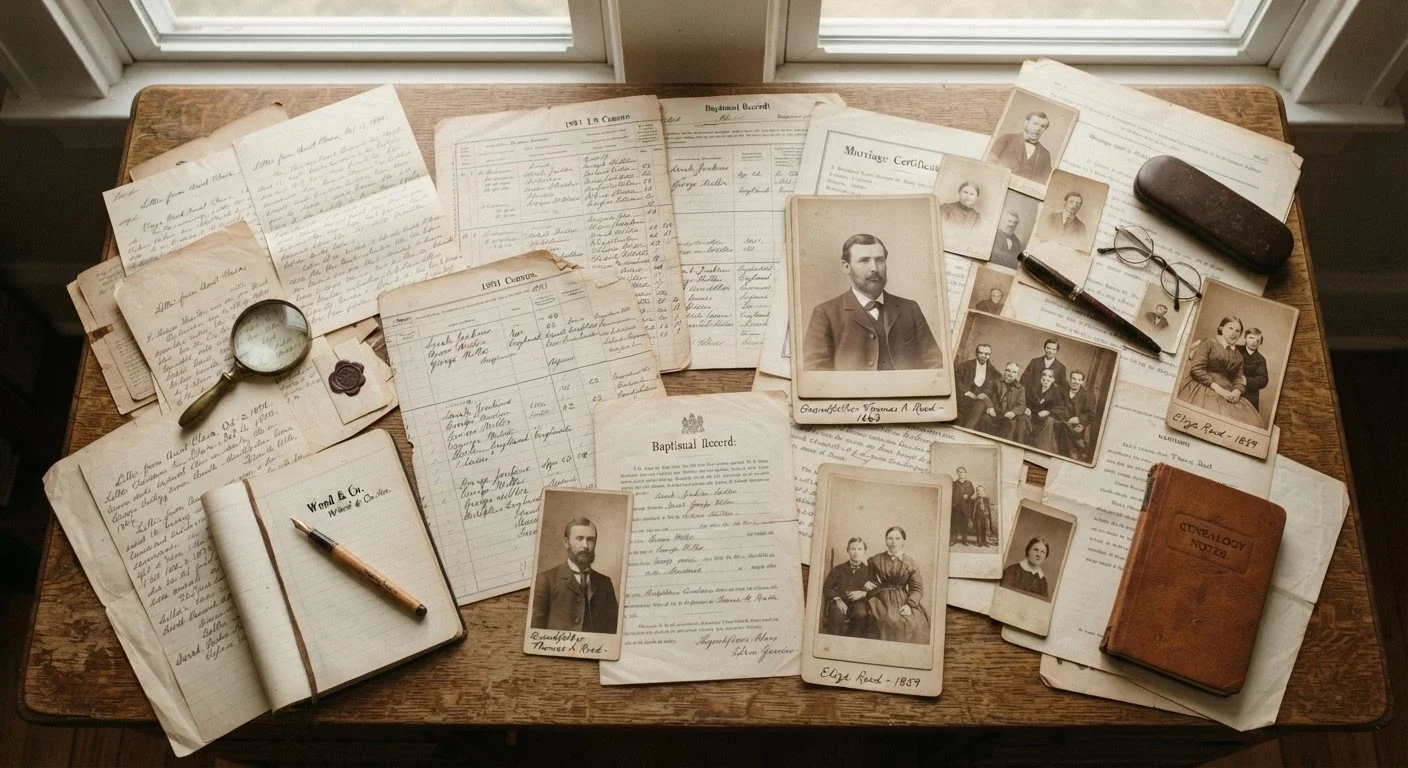
Common Myths About Ancestry Research That Can Send You Down the Wrong Branch
Surname changes, family legends, and name spelling assumptions often mislead researchers. Separate genealogy fact from fiction before you dig deeper.
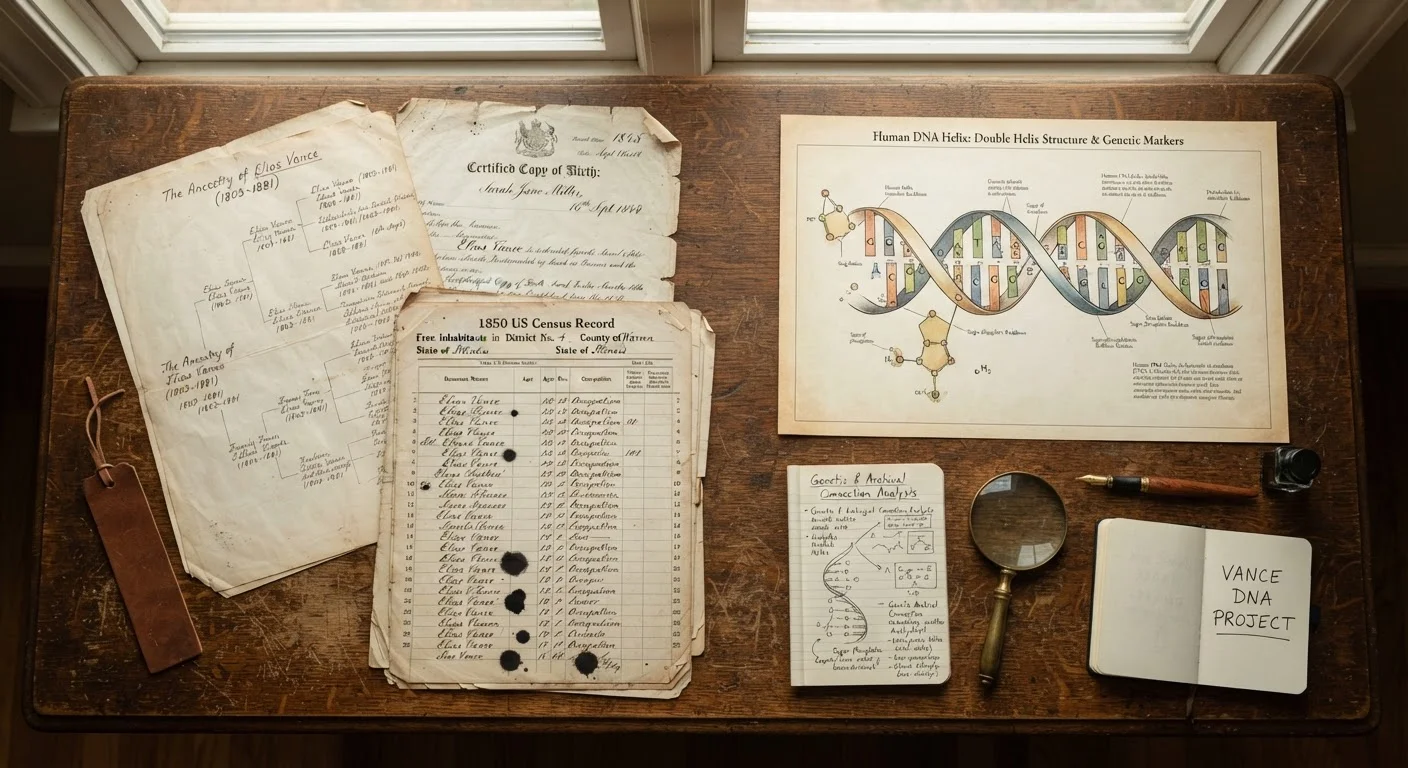
DNA Evidence and Paper Records: How the Two Complement Each Other in Genealogy
DNA results can confirm or challenge documentary findings. Understand what each source type proves and how to use them together responsibly.

Digitised Archives vs. Physical Repository Visits: Weighing Your Research Options
Online digitisation has transformed genealogy, but some records remain offline. Compare both approaches to plan the most effective research strategy.
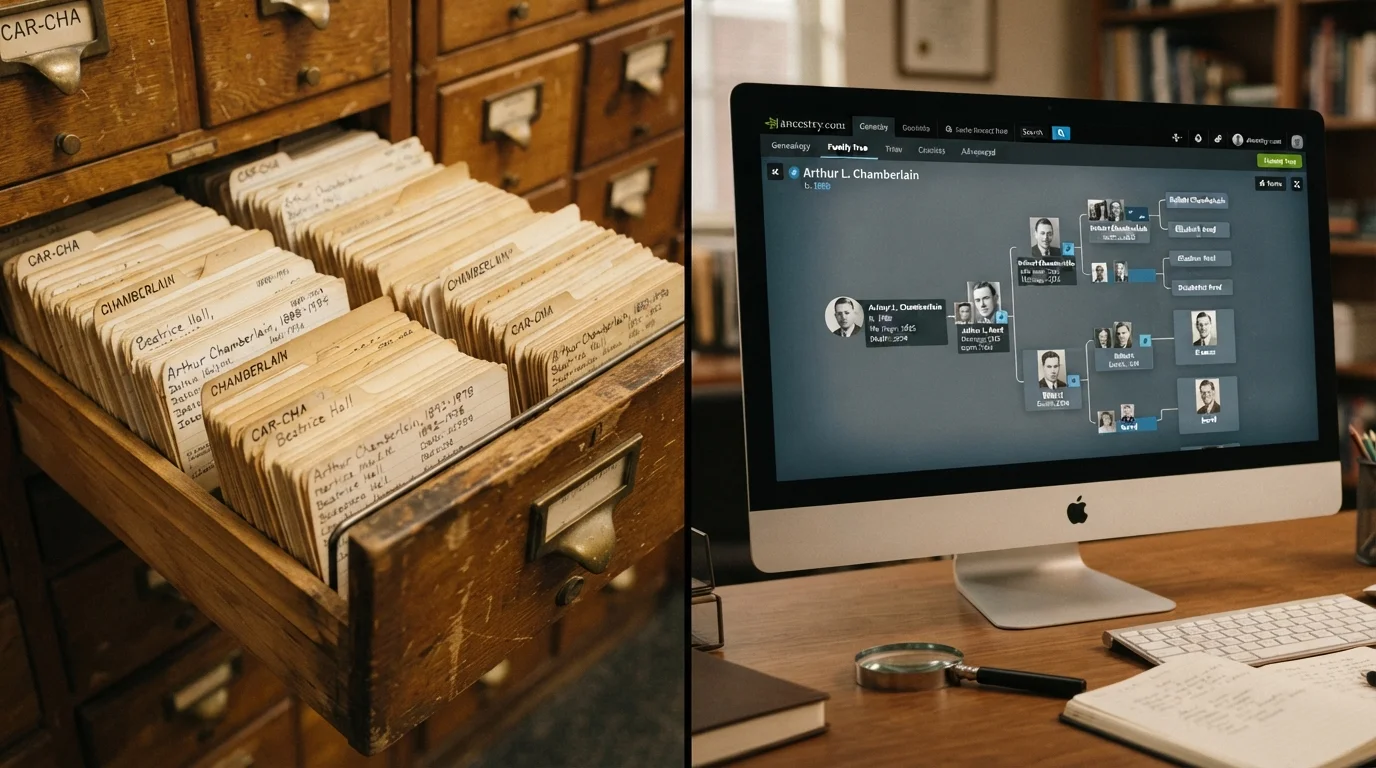
Free vs. Subscription Ancestry Databases: Understanding the Trade-offs
Free and paid genealogy databases each have strengths and gaps. Learn what each type offers so you can choose the right approach for your research.
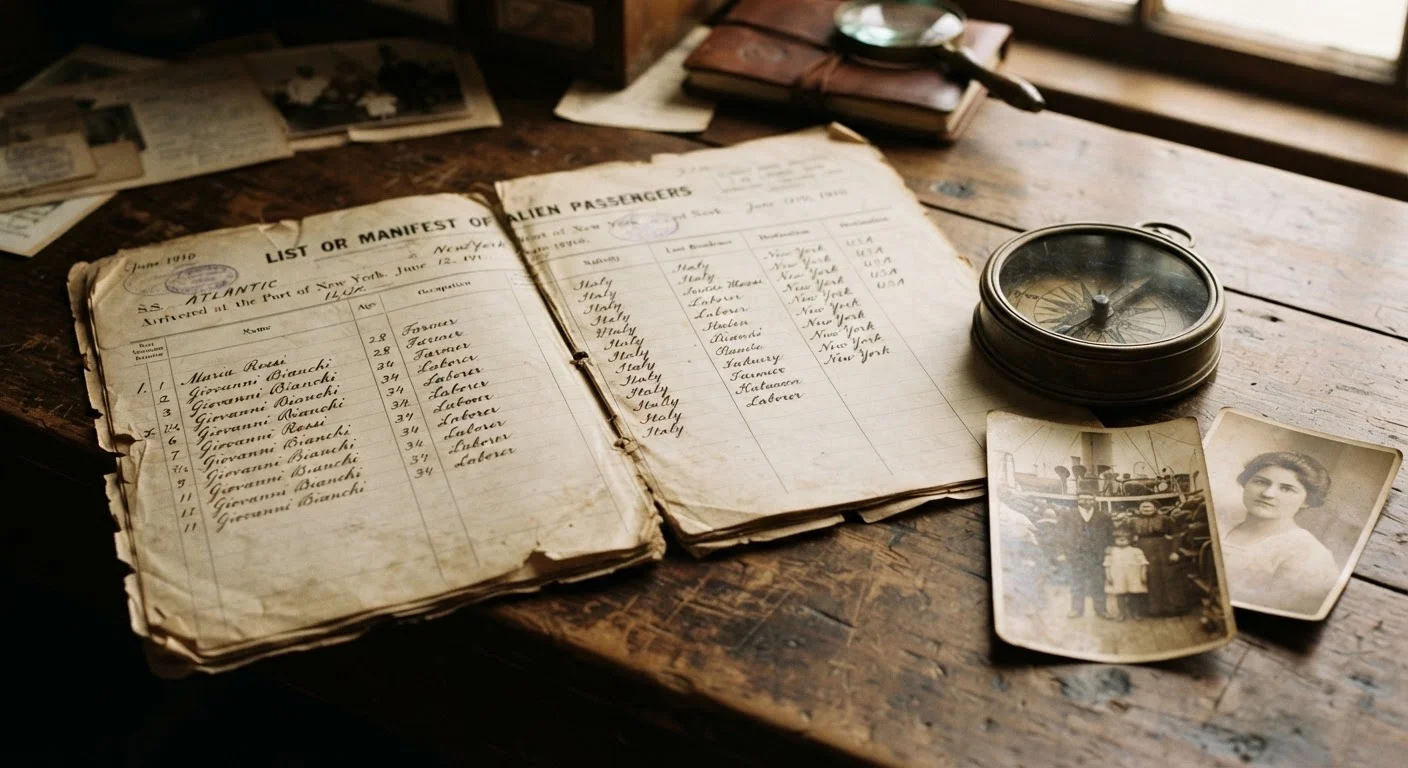
Immigration and Naturalization Records: Reading the Paper Trail of Your Ancestors' Journey
Ship manifests, passenger lists, and naturalization papers reveal when and how ancestors arrived. Learn to locate and interpret these documents.

Keeping Your Ancestry Research Organised and Verifiable
Good source citation, logical filing, and version tracking prevent errors from compounding. Here are proven habits for reliable genealogy recordkeeping.
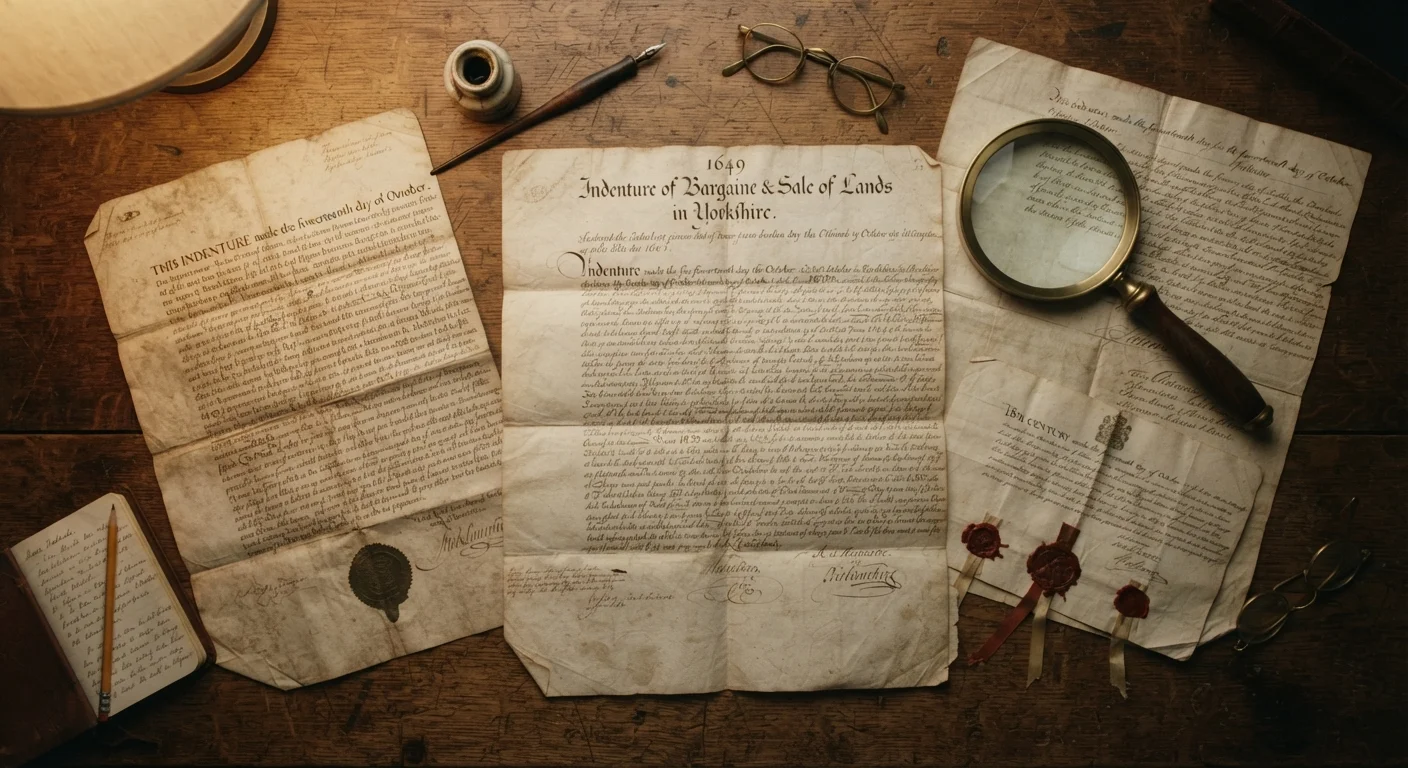
Lesser-Known Record Sources That Genealogists Often Overlook
Beyond birth certificates and census data, land deeds, military pension files, and church records can fill critical gaps in your family history.
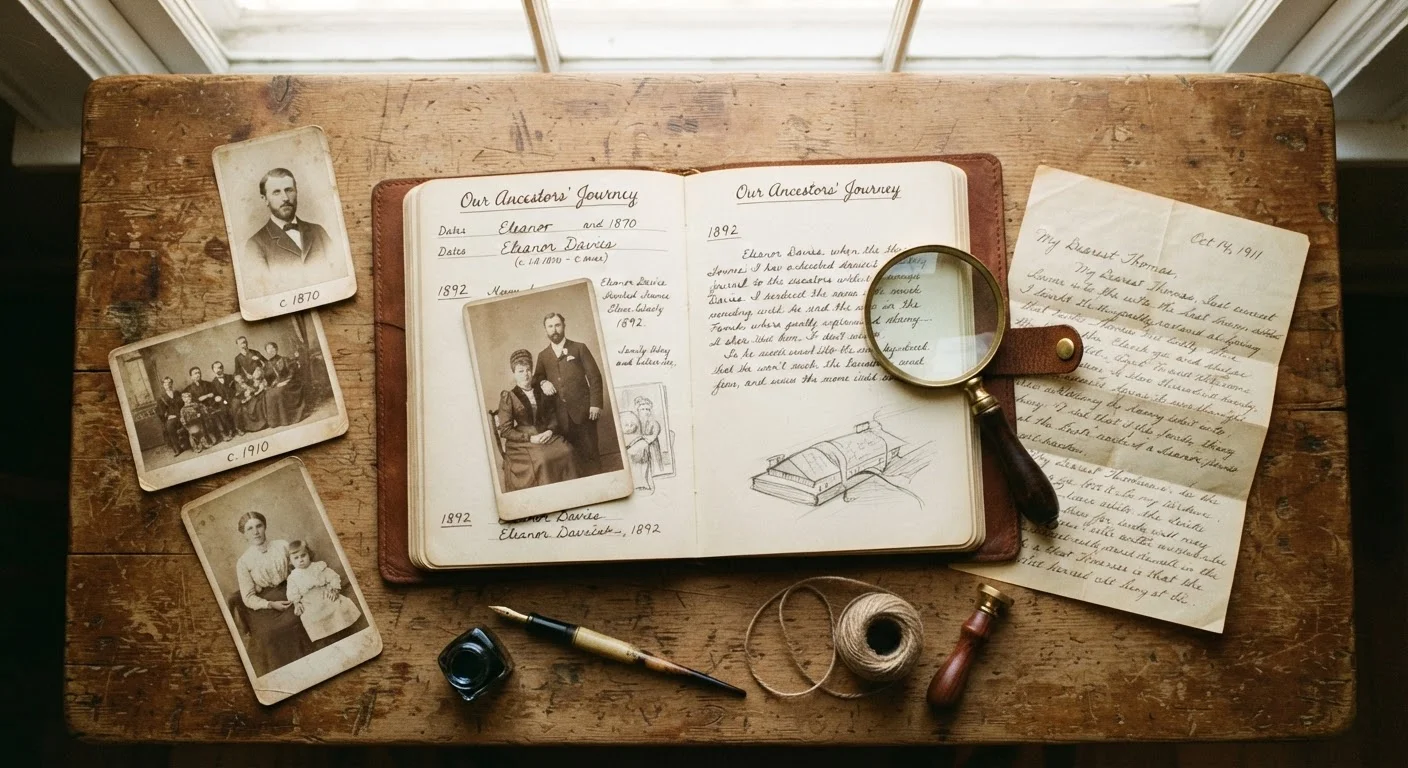
Starting Your Family Tree From Scratch
A comprehensive introduction to ancestry research for beginners—what to gather first, where to search, and how to build a reliable family tree.
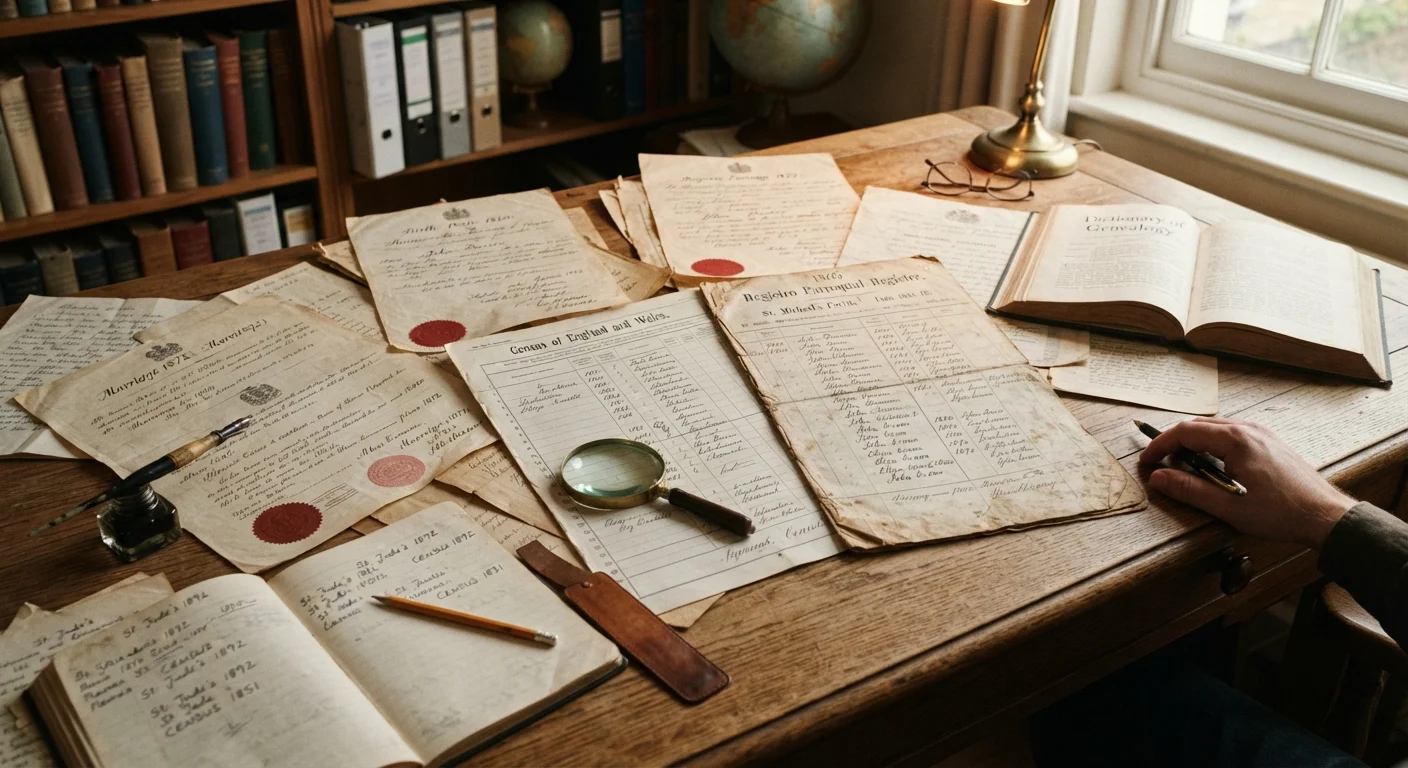
The Major Types of Genealogy Records and What Each One Reveals
From census rolls to church registers, explore the key document types used in ancestry research and the family details each one can uncover.
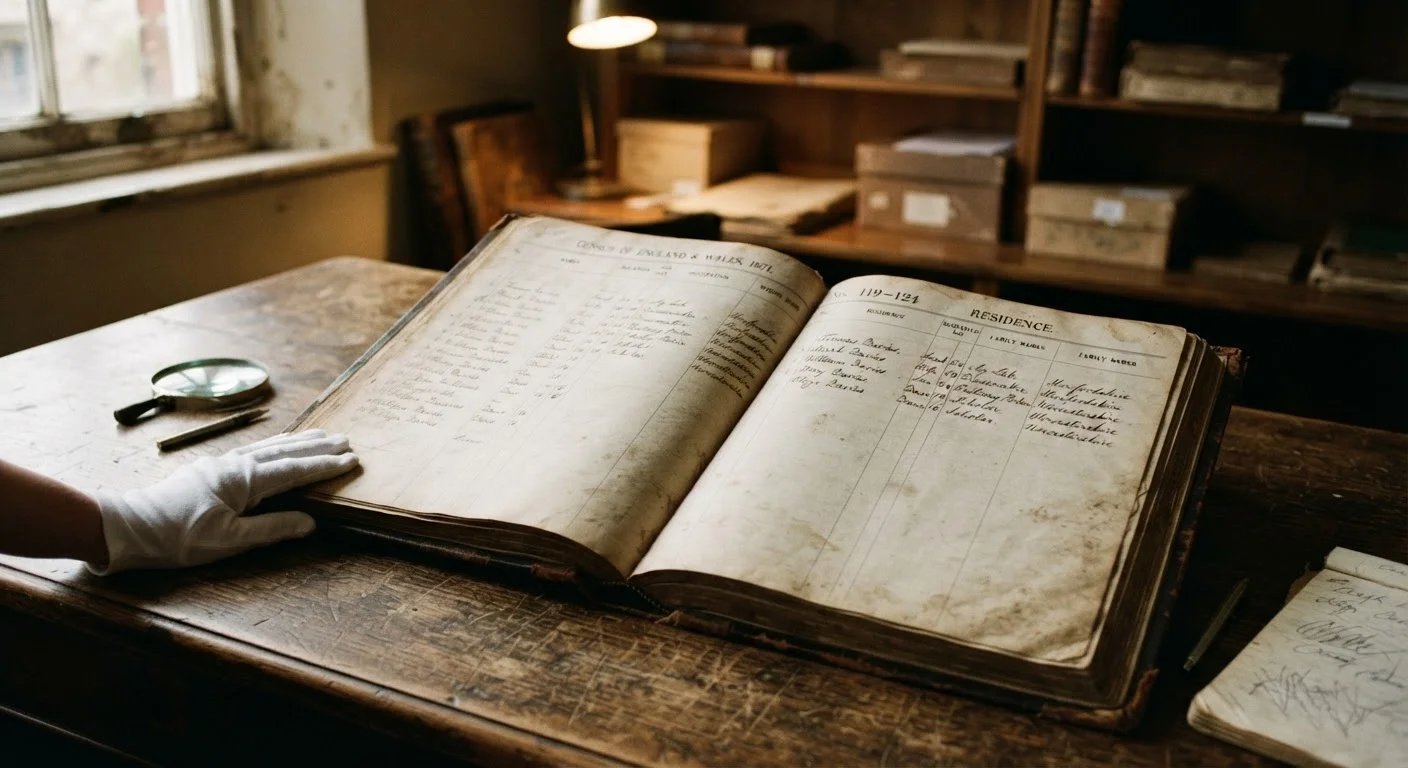
Tracing Your Lineage Through Census Records
Census records are among the richest genealogy sources available. Here's how to locate them, read them accurately, and avoid common pitfalls.
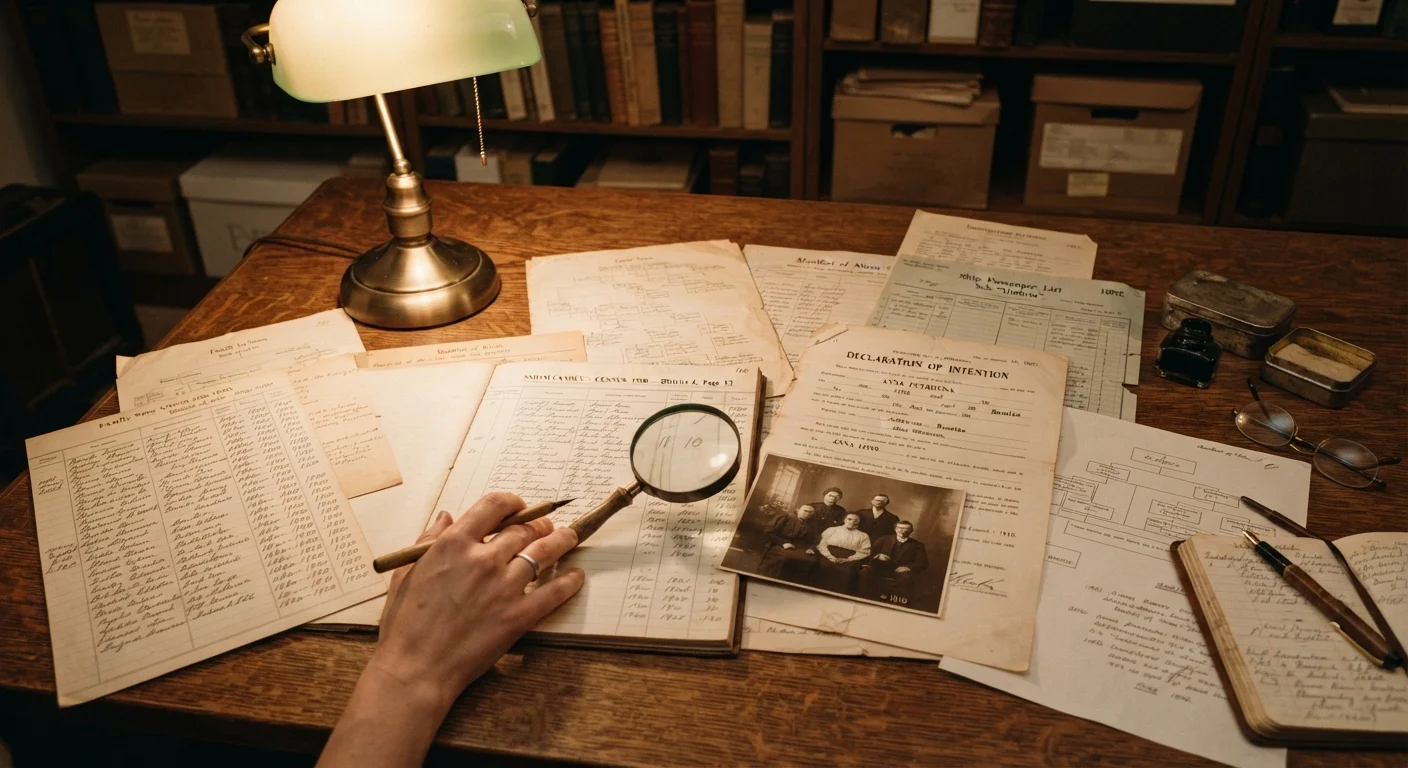
Why Your Ancestor Seems to Disappear Before 1900
Records gaps, name changes, migration, and transcription errors can all make ancestors vanish. Here's how to understand and work through each barrier.
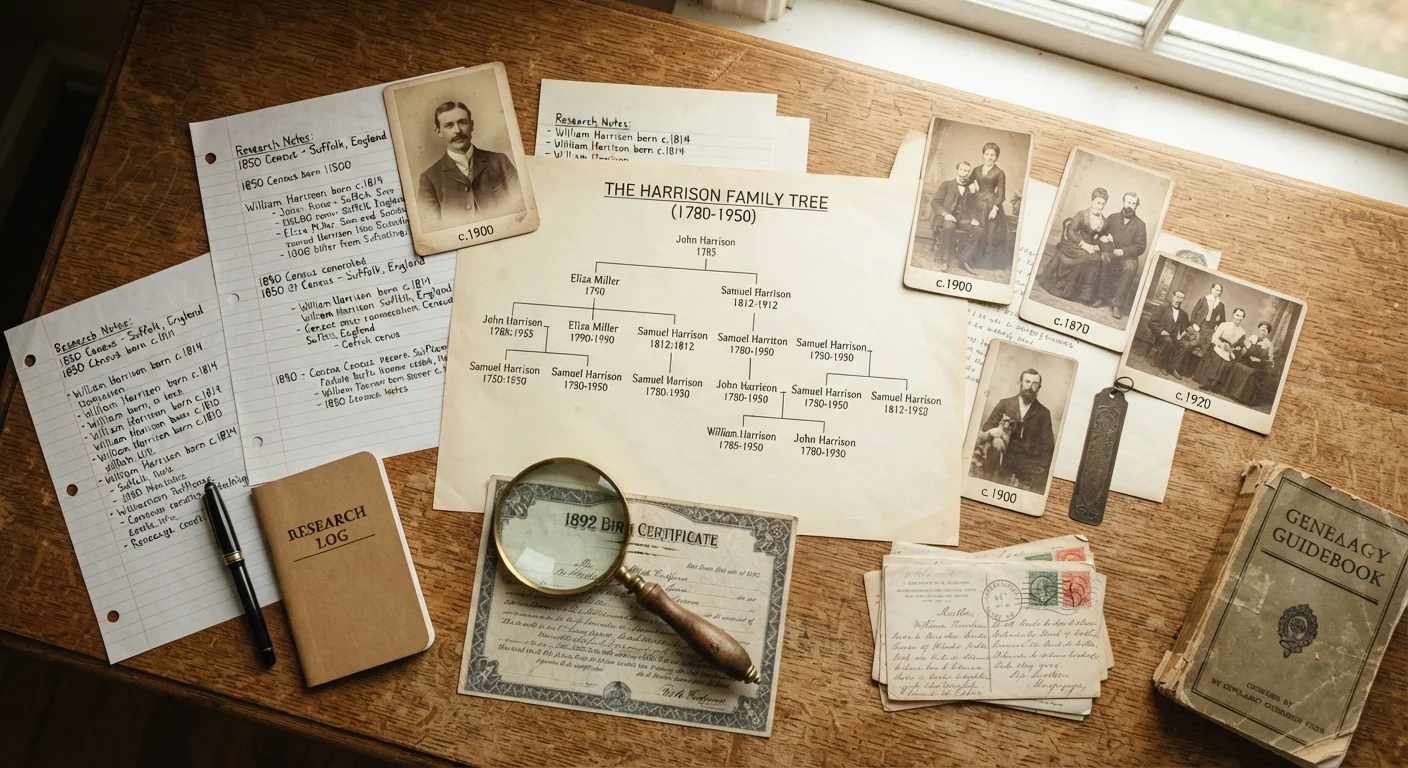
Before You Begin a Genealogy Search: A Preparation Checklist
Work through this checklist before diving into public records—covering what to gather, document, and clarify to make your search more efficient.
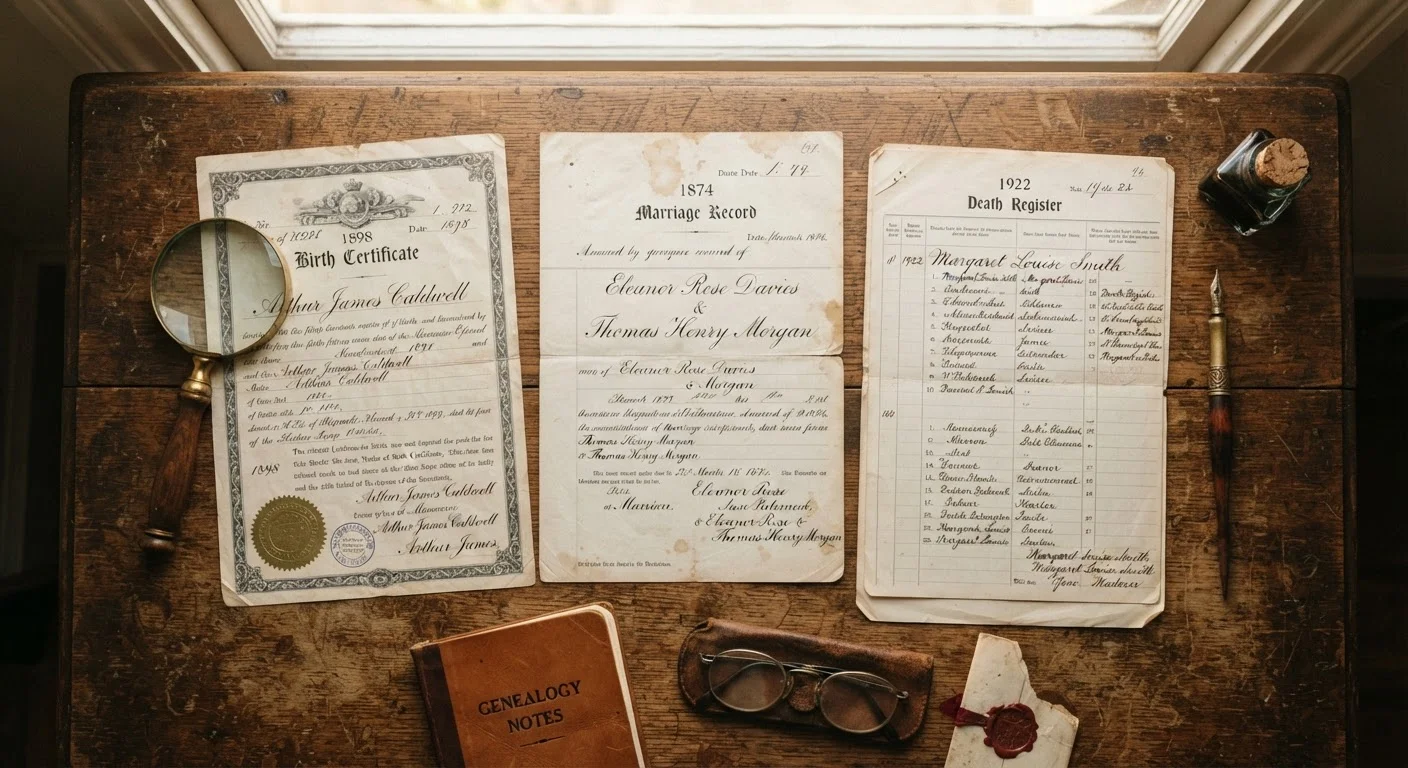
Birth, Marriage, and Death Records: The Backbone of Genealogy Research
Understand how vital records work, where they're held, and how to use them reliably when verifying family relationships.
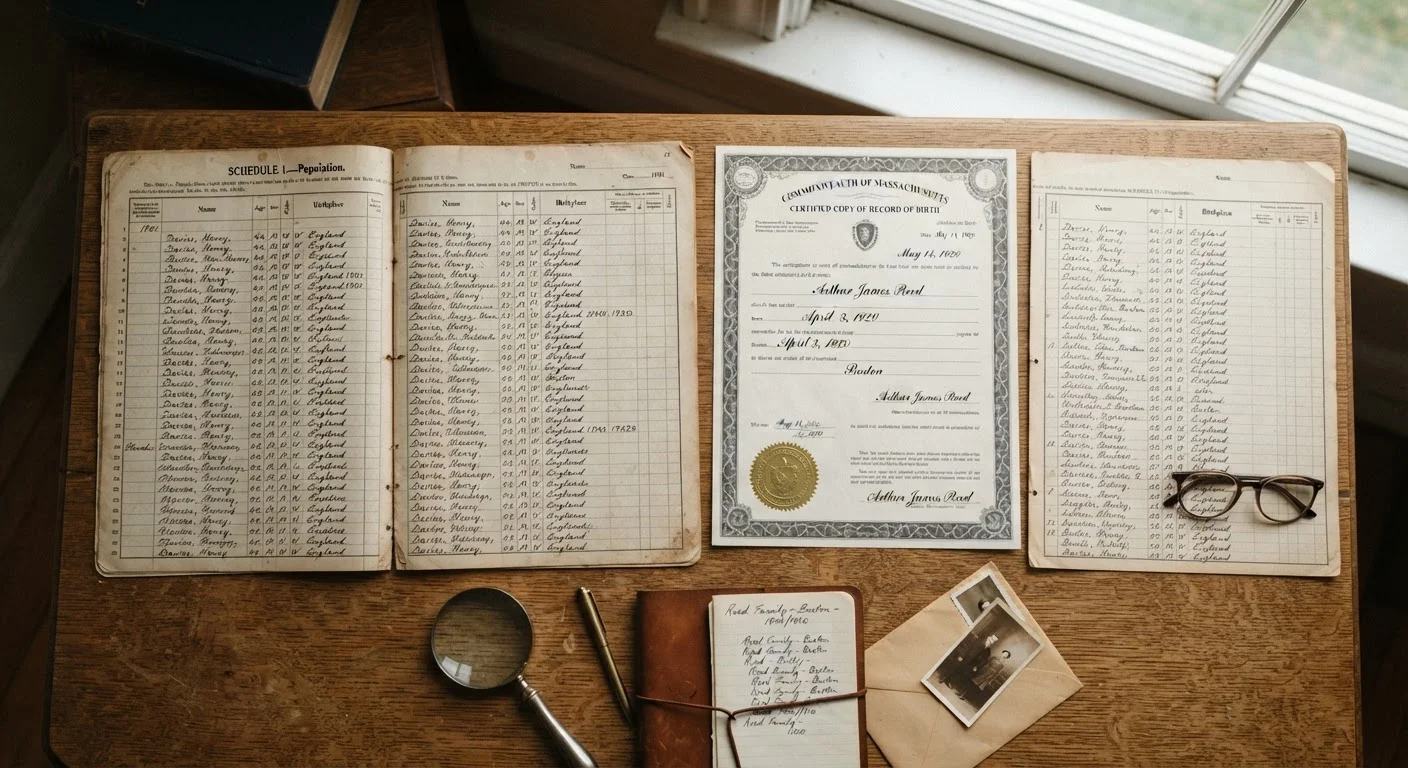
Census Records vs. Vital Records: Choosing the Right Source for Your Research
Census and vital records each fill different gaps in a family tree. Here's how they differ and when to rely on each one.
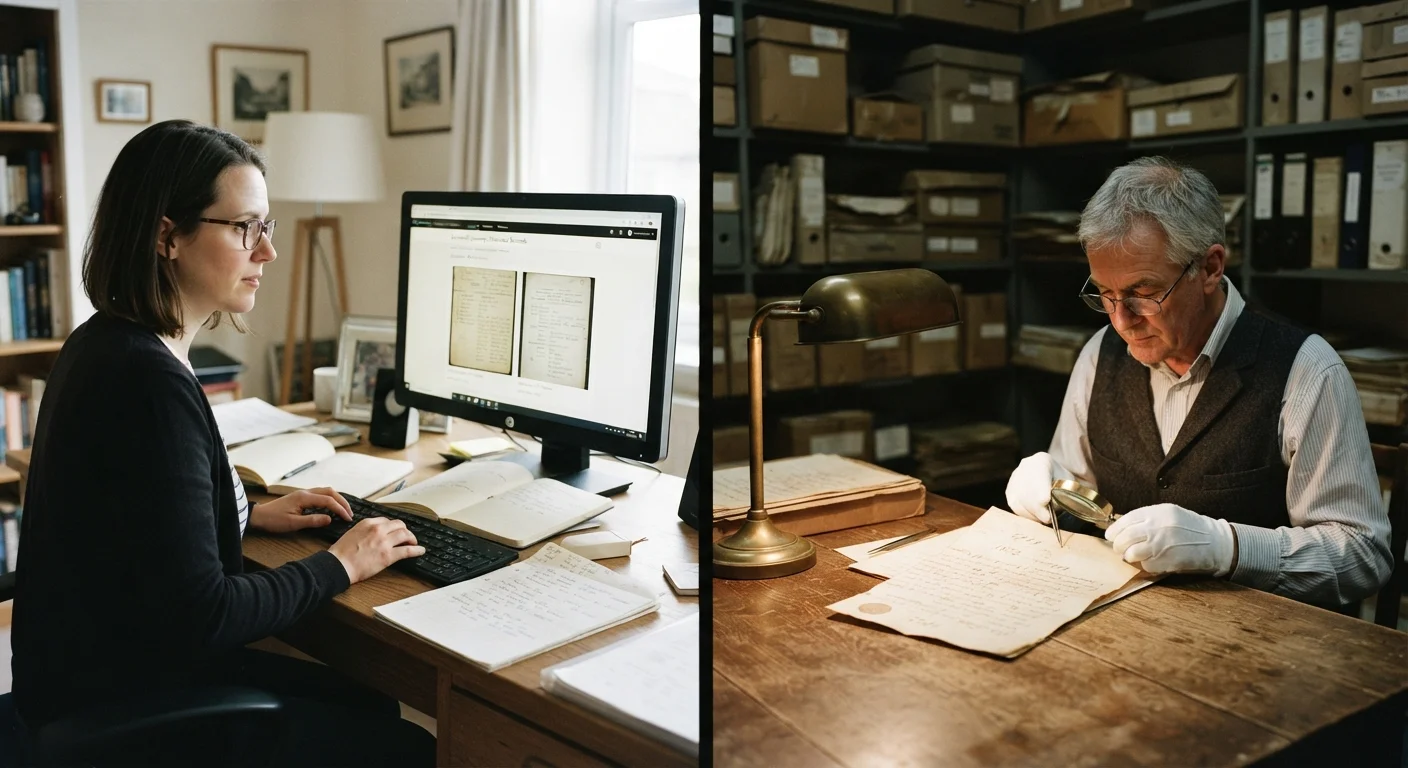
Digitised Archives vs. Physical Record Repositories: Weighing Your Research Options
Online databases are convenient but incomplete. Understand the trade-offs between digitised archives and in-person record searches.
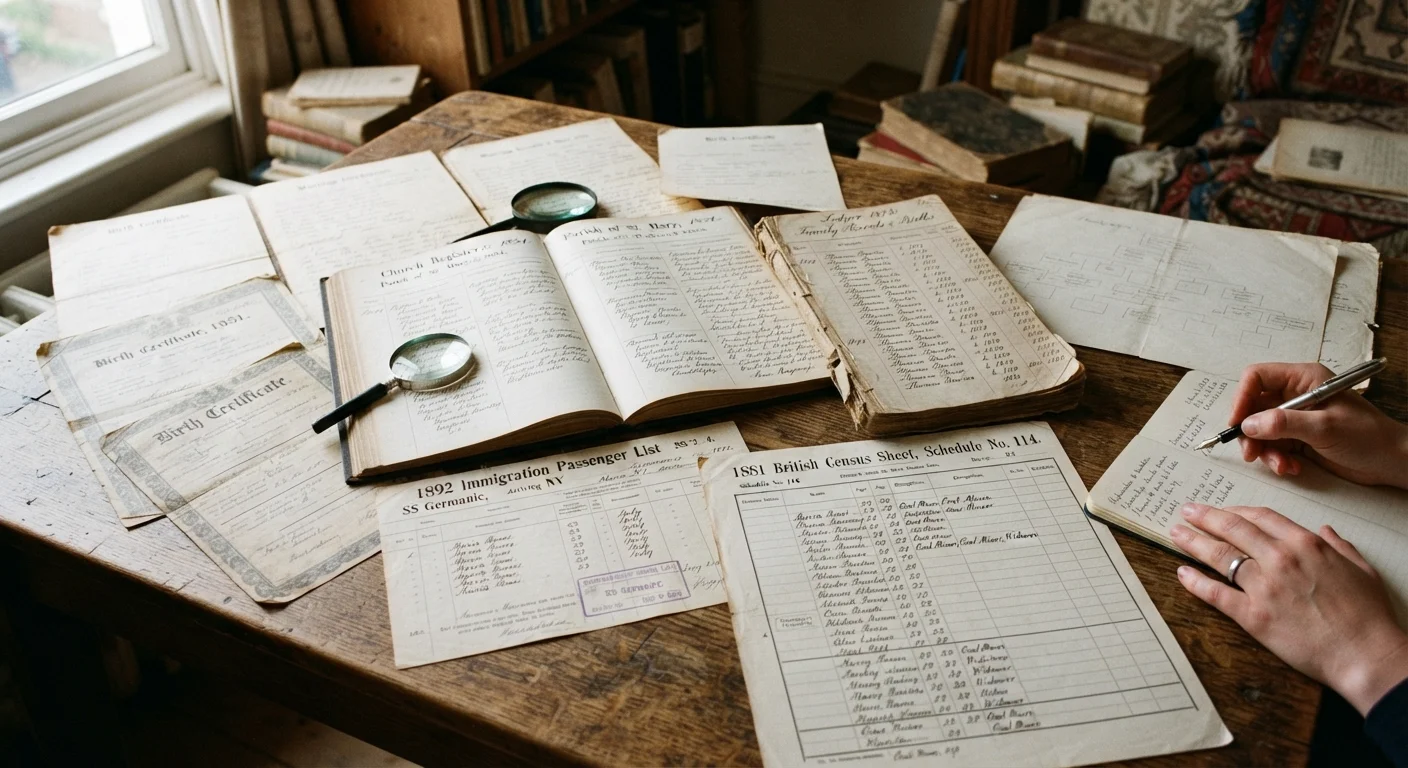
Eight Types of Records That Fill In What Birth Certificates Miss
Church registers, immigration files, probate records, and more—these sources surface family details that official vital records overlook.
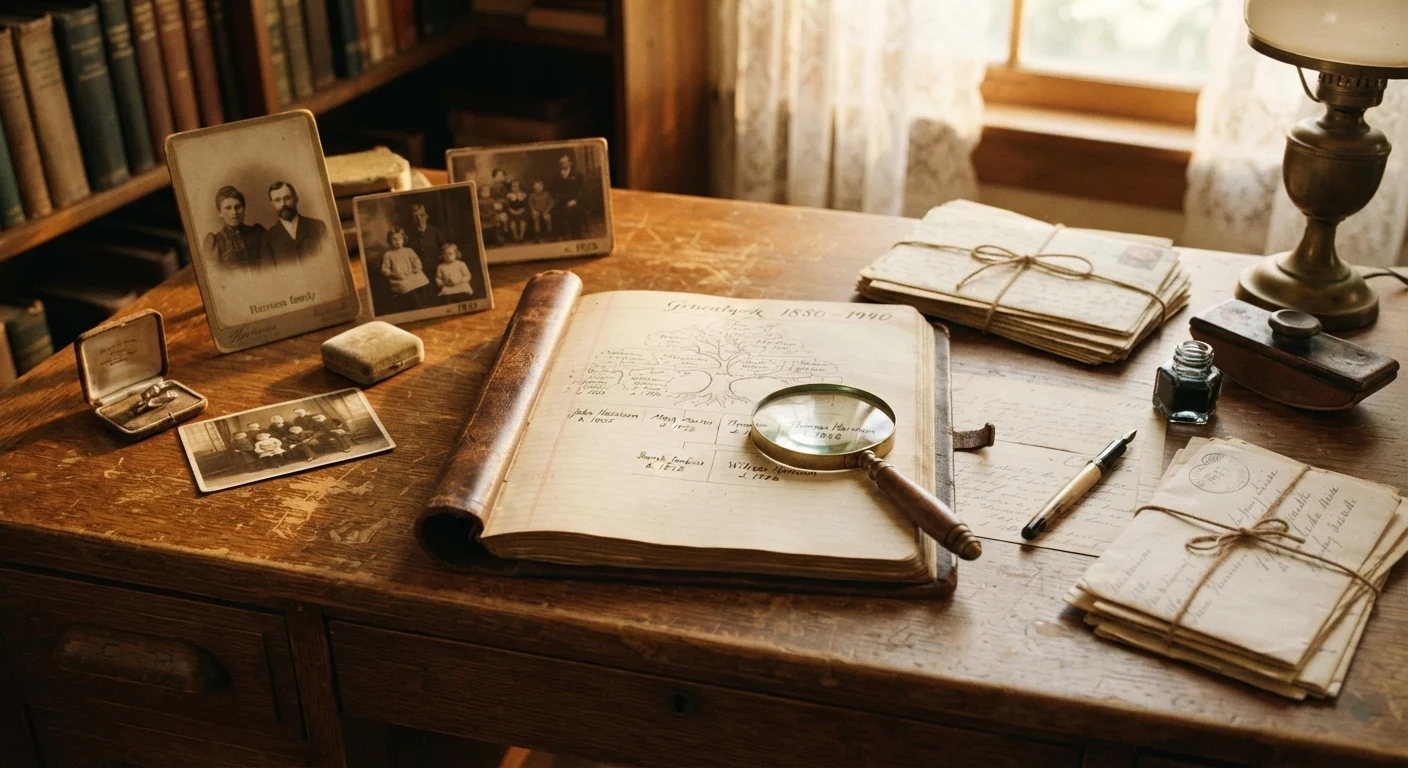
Family Tree Research: A Complete Walkthrough From Concept to Documented Lineage
An end-to-end guide covering methodology, record sources, verification, and documentation for building an accurate family tree.
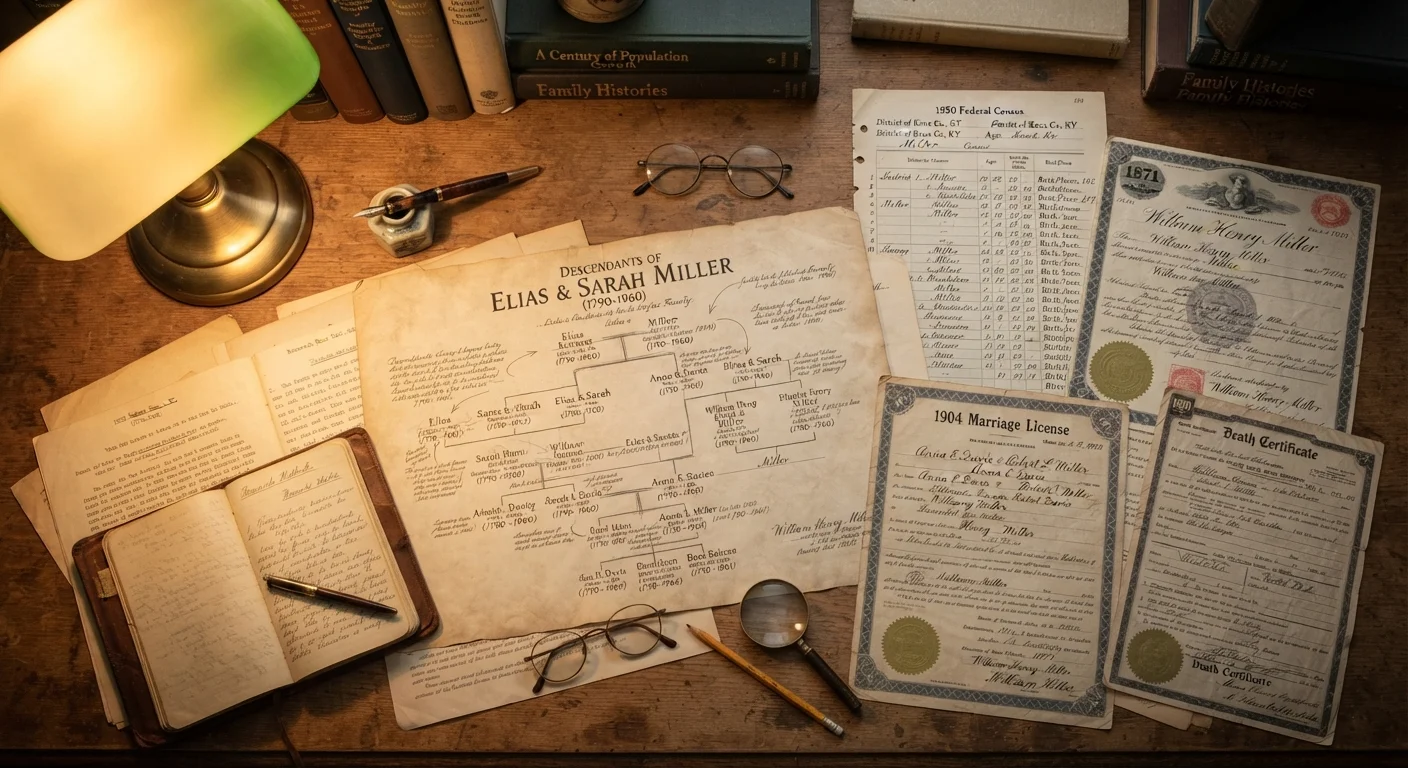
Family Trees and Public Records: What You Can Actually Find
Discover which public records are genuinely useful for building a family tree and what each document type can—and cannot—tell you.
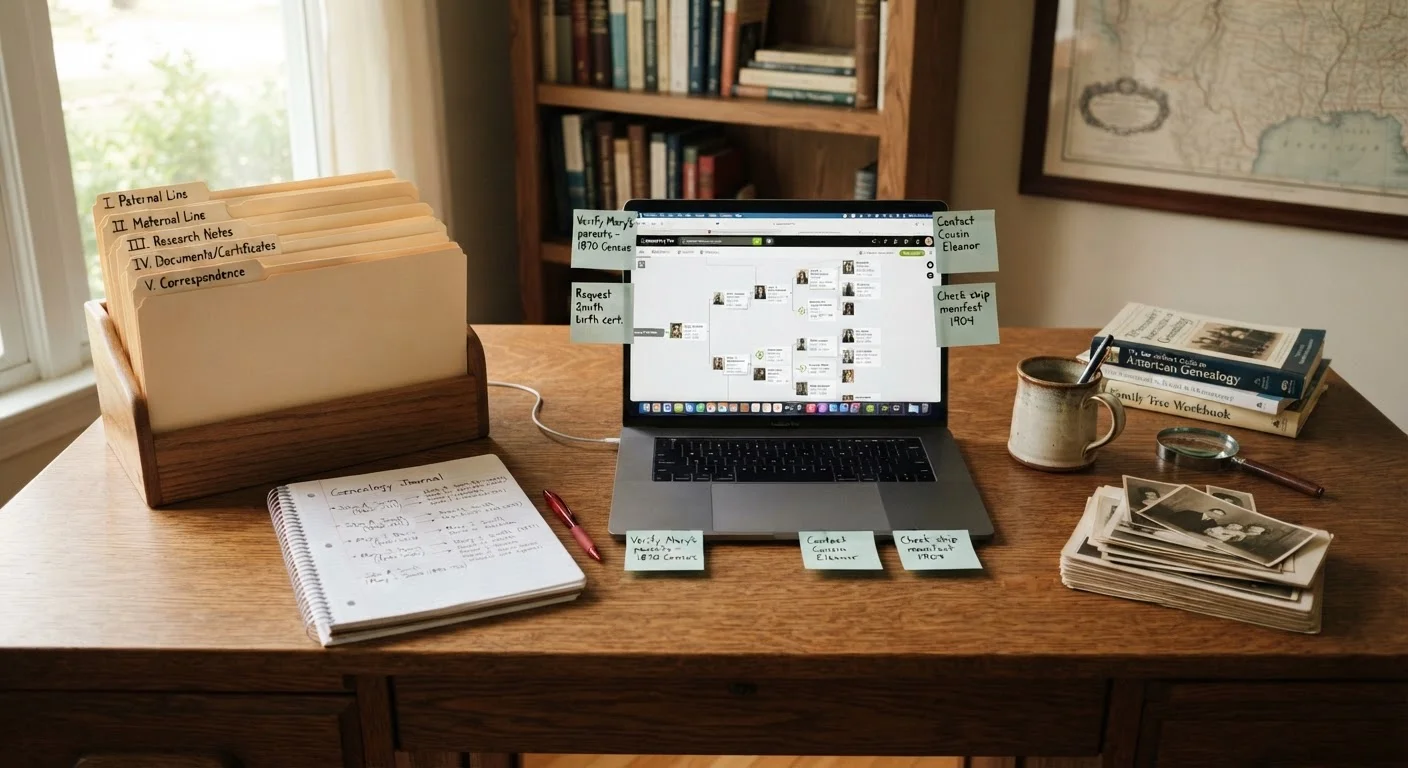
Organizing Your Research So Each Branch of Your Family Tree Stays Clear
Practical methods for structuring notes, sources, and documents so your genealogy research remains navigable as it grows.
Starting Your Family Tree When You Know Almost Nothing
A practical starting point for anyone building a family tree from scratch, including how to gather what you already have before searching records.
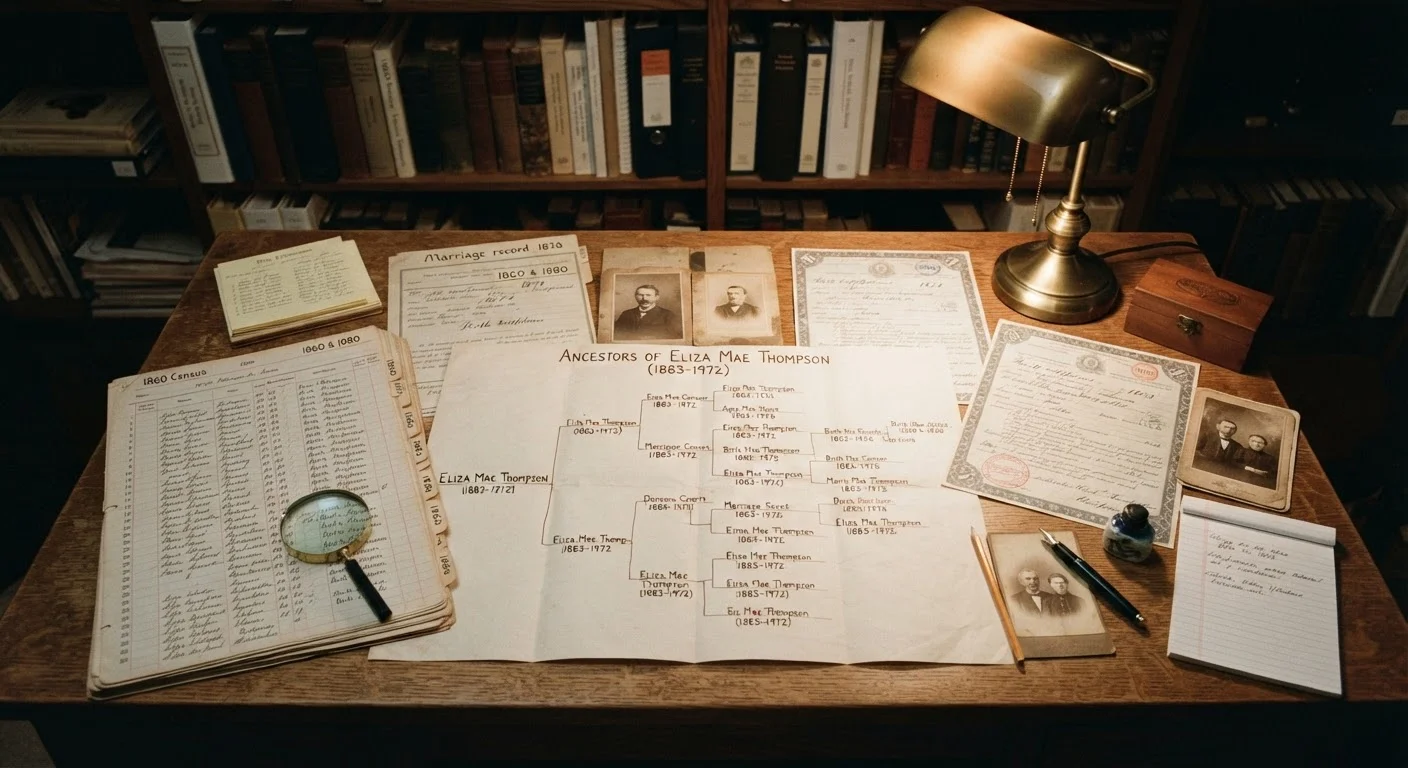
The Honest Trade-Offs of Building a Family Tree Through Public Records Alone
Public records are powerful but have real limits. A balanced look at what this approach does well and where it falls short.
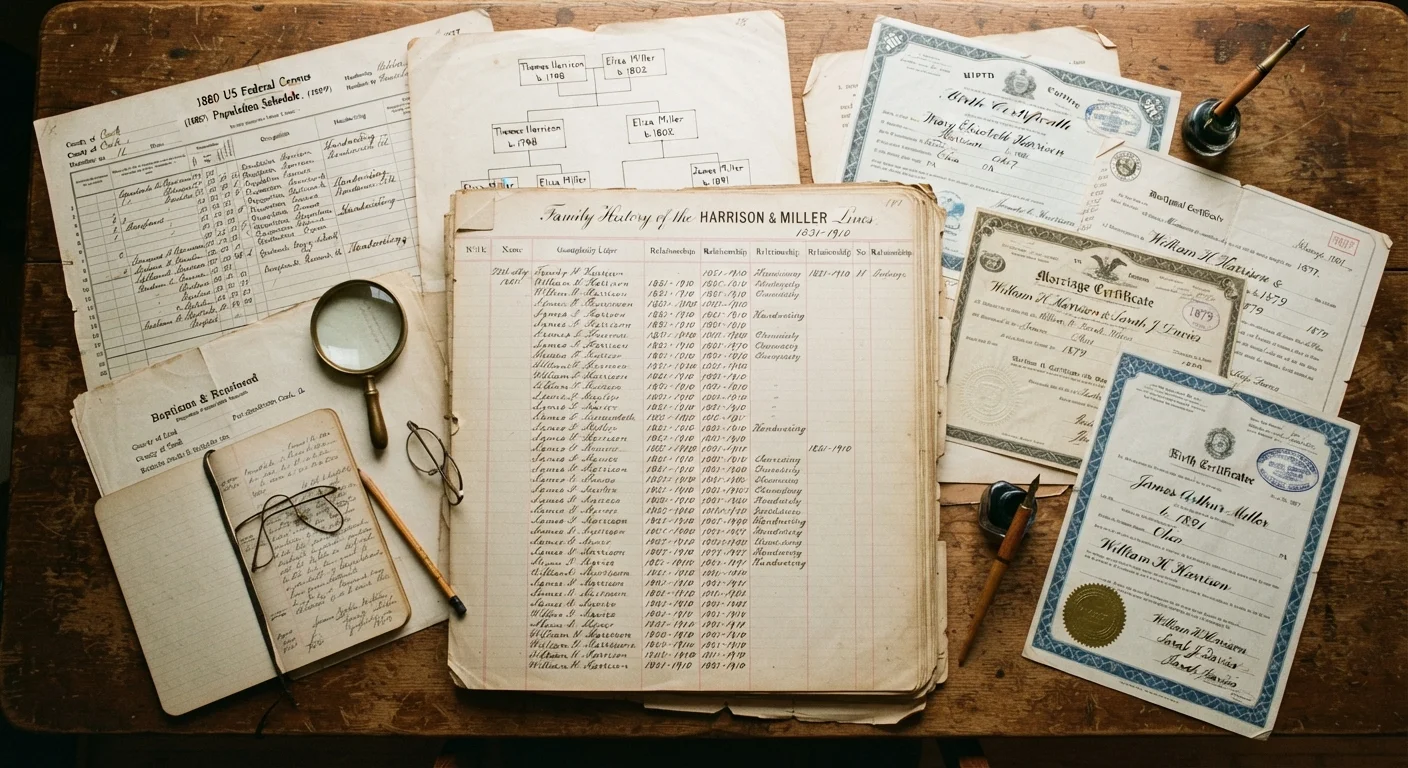
The Public Records Every Family Tree Researcher Should Know About
From birth certificates to census rolls, here are the core public record types used in genealogy and what each one reveals.
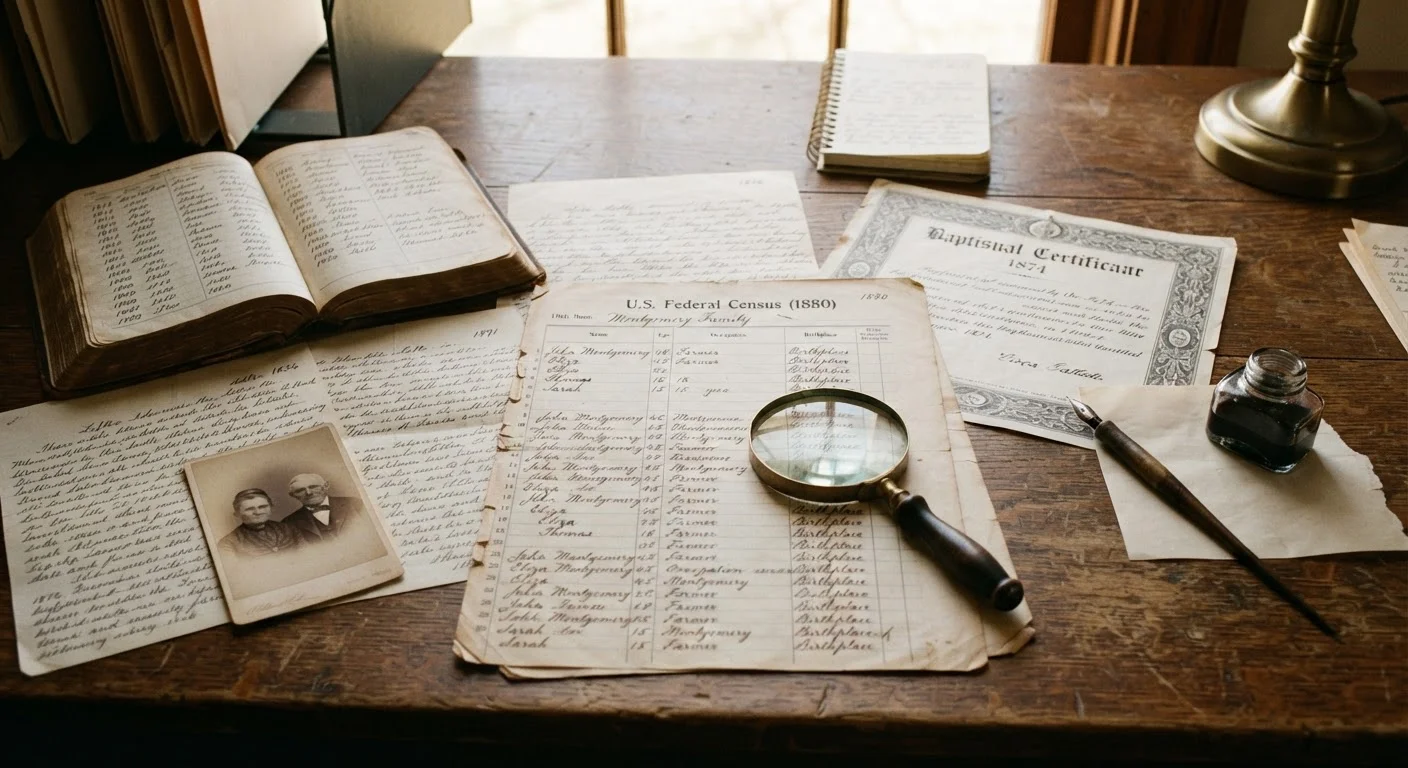
Things People Believe About Genealogy That Public Records Routinely Disprove
Oral history, family legend, and online trees are often wrong. Here's what the records actually show—and why the gaps exist.
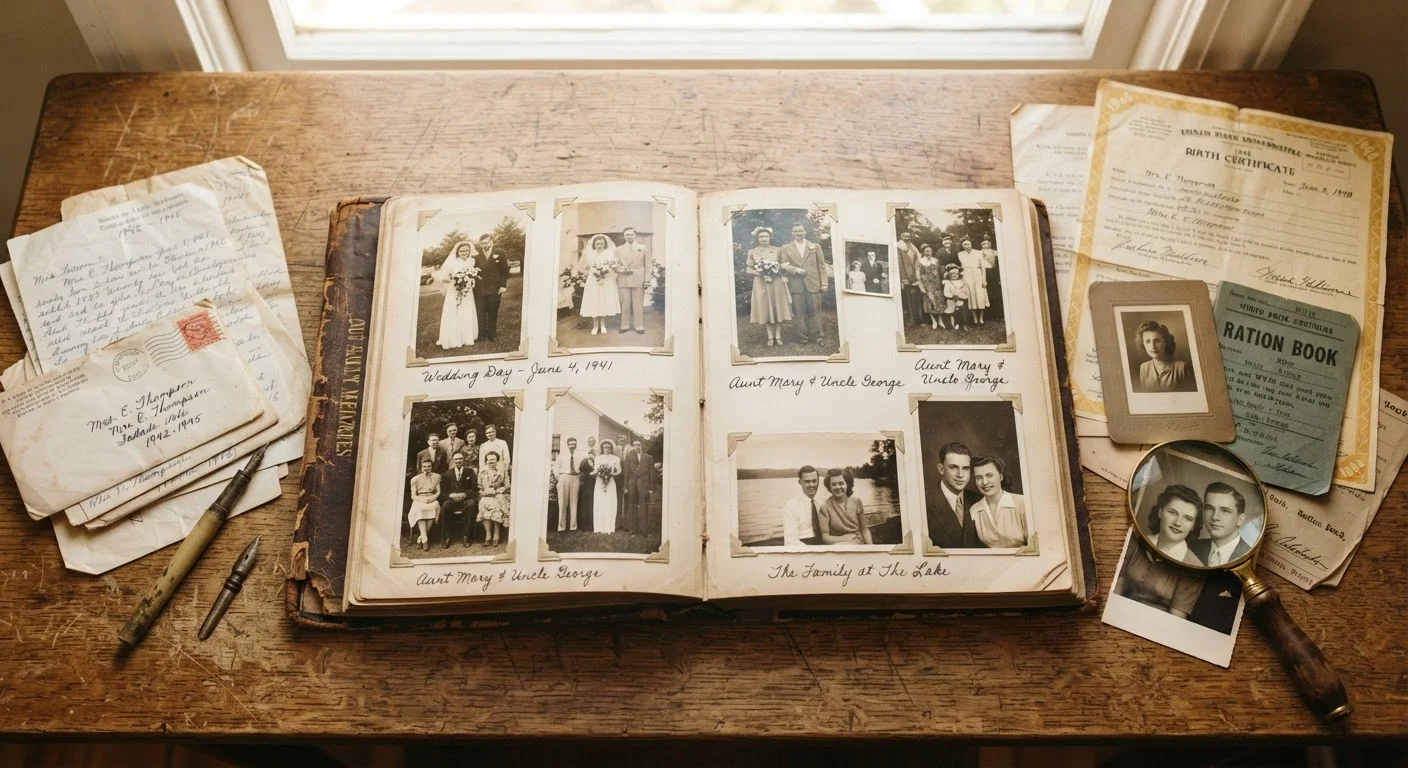
Tracing a Family Line From Living Relatives Back Through Generations
Learn the step-by-step process of working backwards from known relatives to uncover earlier generations using public documents.
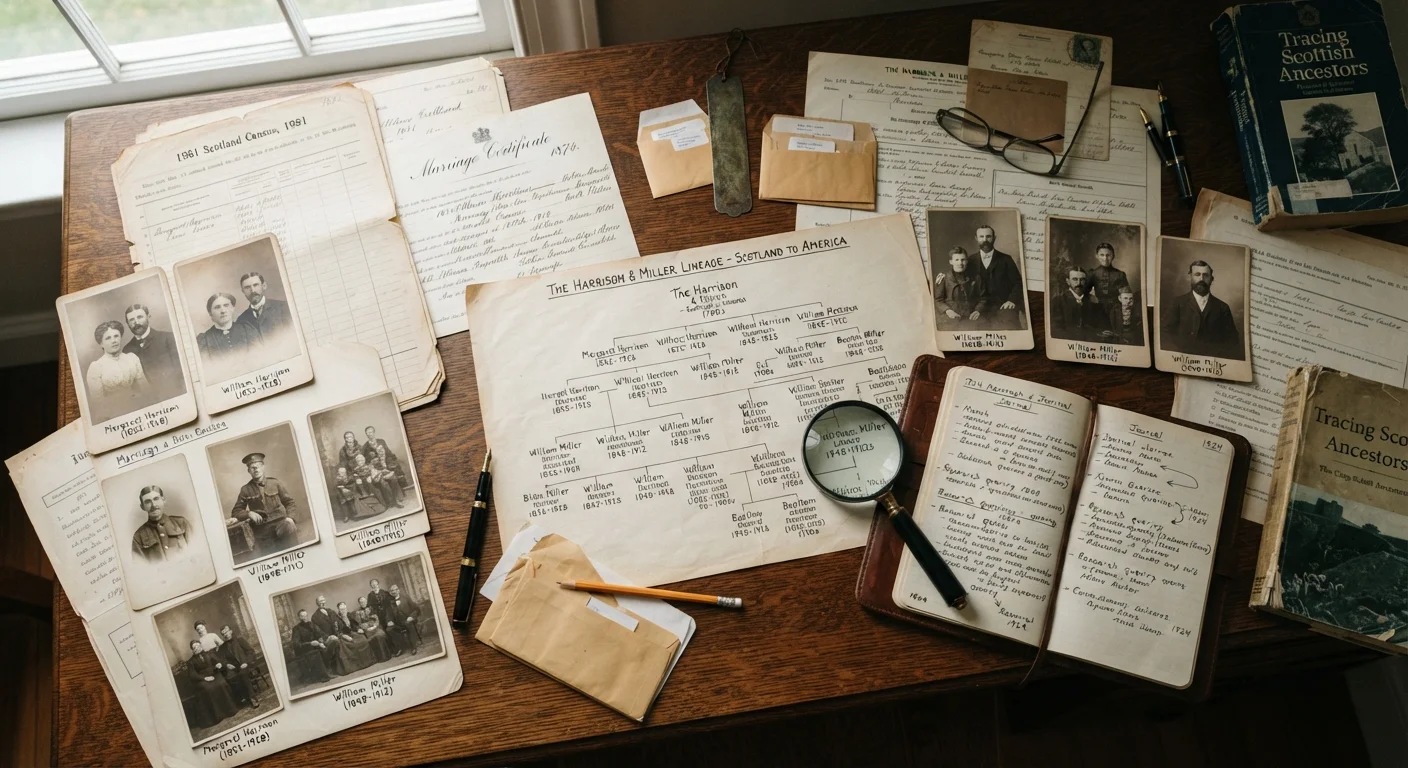
Verifying Family Tree Entries Before Accepting Them as Fact
A step-by-step approach to cross-checking names, dates, and relationships so errors don't quietly spread through your research.
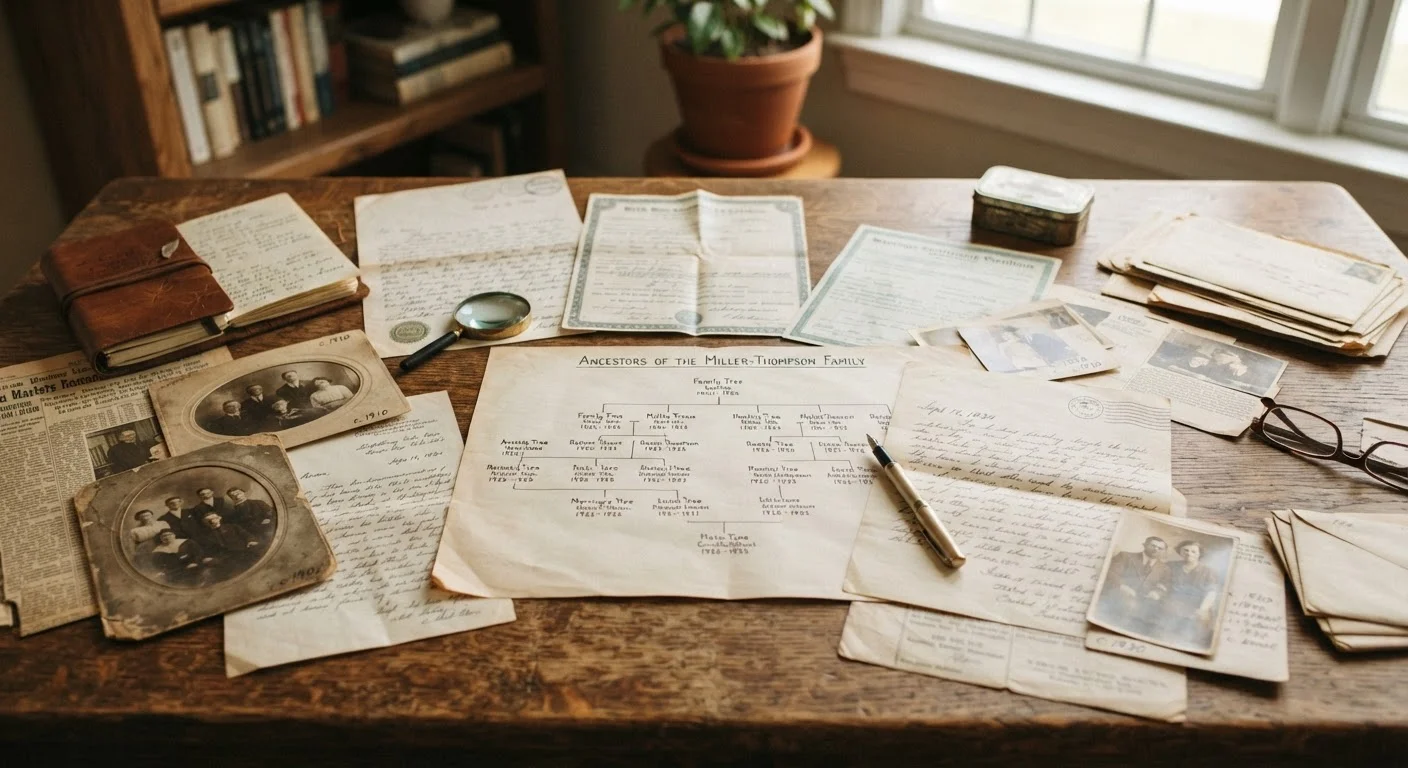
Why Your Family Tree Keeps Hitting Dead Ends—and How to Push Past Them
Common research roadblocks—missing records, name changes, border shifts—explained with practical strategies for moving forward.