
Why Obituaries Are Harder to Find Than You'd Expect
Common reasons obituaries go missing from public searches — and the often-overlooked sources that can fill the gaps.
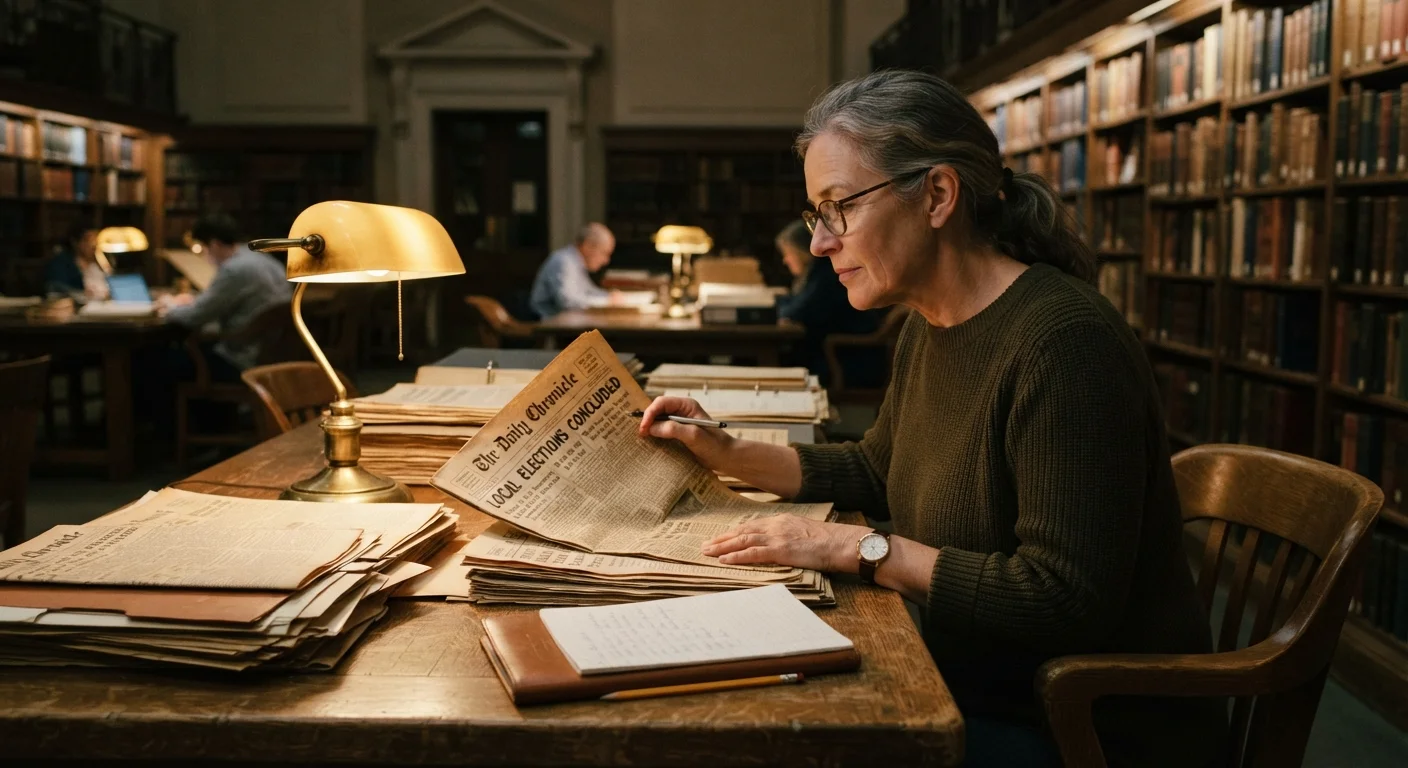
Photo: searchopenrecords editorial
Key Takeaways
- Many obituaries were never digitized and exist only in print archives at local libraries.
- Searching only one source — like a single newspaper site — misses the majority of records.
- Spelling variations and name changes are among the most common reasons searches return nothing.
- Death records, funeral home files, and cemetery records can substitute when no obituary exists.
- Free public sources, including library databases, often outperform general internet searches.
Why a Simple Search Often Falls Short
When someone passes away, finding their obituary can feel like it should be straightforward — a quick name search and you're done. In practice, many searches end in frustration: empty results, paywalls, or records that seem to have vanished entirely. That experience is more common than most people expect, and it usually comes down to a handful of avoidable missteps.
Understanding where obituary records actually live — and why they don't always surface easily — is the first step toward a more successful search. The mistakes below are the ones researchers encounter most often, along with practical ways to get past them. For context on what obituaries do and don't contain, understanding what obituaries actually record helps set realistic expectations before you start.
Relying exclusively on a single search engine or aggregator website.
Why it happens: General search engines index only a fraction of newspaper archives, and most historical records were never digitized in a searchable format. Aggregator sites pull from a limited pool of partner publications.
Searching only under the name the person was commonly known by, without accounting for legal name variations.
Why it happens: Researchers naturally search using the name they know, but obituaries may list a birth name, a married name, a middle name used as a first name, or a Anglicized spelling of a foreign-language name.
Assuming the death occurred — and the obituary was published — in the person's hometown.
Why it happens: People often die in hospitals, care facilities, or with family members who live in a different city or state than where they spent most of their life.
Giving up after finding no results for deaths before the mid-1990s.
Why it happens: Most digital newspaper archives have significant gaps for records before widespread digitization, which accelerated in the late 1990s. Earlier records often exist only on microfilm or in physical clipping files.
Not verifying that a published obituary actually ran in print before searching digital archives.
Why it happens: Families sometimes opt out of published obituaries due to cost, privacy concerns, or time constraints — meaning there may genuinely be no record to find. Researchers assume absence of results equals a failed search.
Where Reliable Sources Are Often Overlooked
Once you've avoided the most common search mistakes, it helps to know which sources consistently deliver results that general web searches miss.
~50%
US newspapers not yet fully digitized
Estimates from archival researchers suggest roughly half of all US newspaper content has not been digitized, leaving large portions of historical obituaries accessible only in physical or microfilm form.
10,000+
Historical US newspapers indexed by Chronicling America
The Library of Congress's Chronicling America project indexes over 10,000 historic American newspaper titles, many unavailable through commercial search engines.
Local public library systems are one of the most underused resources for obituary research. Many libraries subscribe to newspaper archive databases — including Newspapers.com and ProQuest Historical Newspapers — at no cost to cardholders. These databases index regional papers that have never been crawled by standard search engines.
Funeral home websites frequently maintain online guest books and memorial pages that remain accessible for years after a service. If you know the approximate region where someone died, a direct search of funeral homes in that area often turns up records that aggregator sites missed.
State and county genealogical societies maintain indexes of local obituaries, often going back decades, compiled by volunteers from physical newspaper files. These indexes may be searchable online through the society's own website or through FamilySearch.org, which aggregates contributed records from across the country.
When no published obituary exists at all, alternative documents can fill the gap. Death certificates, probate filings, and cemetery interment records are civil documents that carry factual information about a person's life and death. See alternative records that substitute for a missing obituary for a detailed breakdown of where to find them.
For researchers who want to build more systematic habits around these searches, proven obituary research habits offers structured approaches used by experienced genealogists. And if you're encountering persistent confusion about what public records should contain, it's worth reviewing common obituary search myths that send even careful researchers off course.
This article is for informational and educational purposes only. It does not constitute legal, genealogical, or professional research advice. Availability and accessibility of public records vary by jurisdiction and time period.

Obituary Search Editorial Team
Obituary Search Editorial Team is the collective byline for our editorial team and contributor network. Articles published under this byline or an editorial pen name are researched, written, and reviewed according to our editorial standards for clarity, consistency, and independence before publication.
View author profile