
When an Obituary Doesn't Exist: Alternative Records That Fill the Gap
Not everyone has a published obituary. Learn which death records, cemetery files, and civil documents can serve as reliable substitutes.
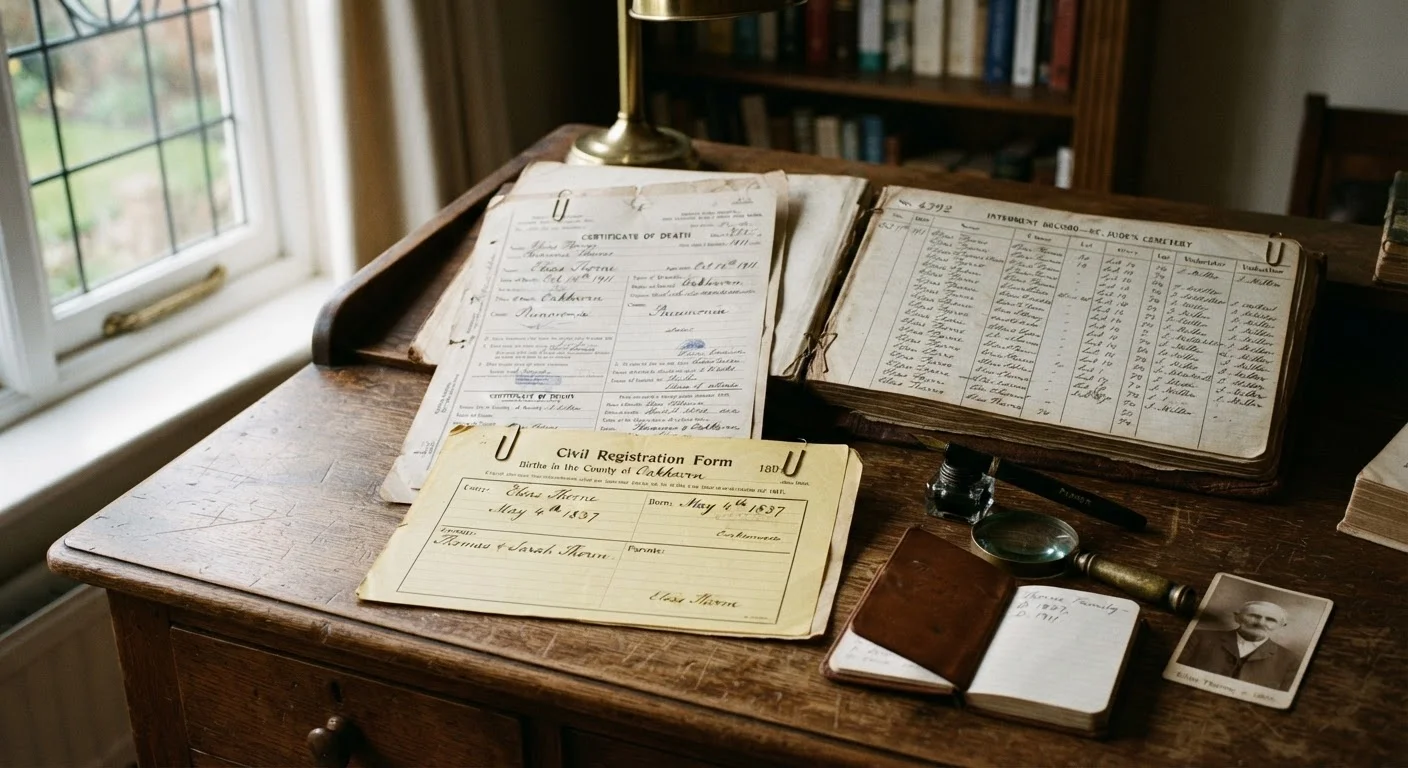
Photo: searchopenrecords editorial
—— In This Article
Key Takeaways
- Not everyone receives a published obituary, but that does not mean their death is undocumented.
- Death certificates, cemetery registers, probate records, and church burial logs often preserve key biographical details.
- State vital records offices, county courthouses, and local libraries are primary access points for these documents.
- Military service records and pension files can substitute for obituaries in cases involving veterans.
- Cross-referencing multiple record types strengthens confidence in the information you find.
Why Obituaries Are Not Universal
An obituary is a voluntary act — families choose to write and publish one, and that choice depends on resources, tradition, and circumstance. Historically, many communities relied on word of mouth, church announcements, or simple burial records rather than newspaper notices. Even today, financial constraints or a family's wish for privacy can mean that no obituary is ever filed or published.
This reality can be frustrating when you're searching for a loved one or tracing a family line. But it doesn't mean the person's life went unrecorded. Civil government, religious institutions, and the military each produced their own paper trails — and those trails are often more reliable than newspaper obituaries for specific kinds of information. See our guide to common obituary search myths for more on why the absence of an obituary isn't the end of the road.
Death Certificates: The Most Authoritative Starting Point
When no obituary exists, the death certificate is usually the first record to seek. Filed with the state or county vital records office, it captures details that a family-written notice might omit or soften: the decedent's full legal name, date and place of birth, parents' names (including the mother's maiden name), last occupation, and the name of the informant — typically the next of kin or funeral director.
Access rules differ by state. Informational copies — which carry the same data but cannot be used for legal identity purposes — are often released to the general public after a set number of years. For recent deaths, you may need to demonstrate a direct family relationship. Contact the relevant state vital records office or the county health department for instructions.
1933
Year federal death registration became mandatory in the U.S.
Prior to federal standardization, death records were kept inconsistently at the state and county level, creating significant gaps in the historical record.
~3M+
Military records destroyed in the 1973 NPRC fire
An estimated 16–18 million Army and Air Force personnel records were lost in the National Personnel Records Center fire, underscoring the value of cross-referencing multiple sources.
25–75 years
Typical public access waiting period for U.S. death certificates
State policies vary considerably; some states open death records sooner, while others maintain longer restricted periods before informational copies are publicly available.
For genealogical research, obituaries and family history records work best when layered: a death certificate confirms the facts, while other documents fill in the personal narrative.
Cemetery Records, Probate Files, and Church Registers
Three additional record categories deserve attention when a death certificate alone doesn't answer your questions.
- Cemetery interment records: Sexton's logbooks and burial registers note the date of interment, the deceased's age, and plot location. Many cemeteries — especially those affiliated with municipalities or religious congregations — have maintained these logs for over a century. Volunteer projects have digitized large numbers of them, though calling or writing the cemetery office directly remains the most reliable method for older entries.
- Probate court records: When a person left property, a will was typically filed with the county probate court. These files often name heirs, describe the deceased's assets, and include sworn statements from witnesses — creating an indirect biographical record. County courthouses and state archives are the primary access points.
- Church and parish registers: Before civil registration was widespread, religious congregations kept their own burial and death registers. Catholic, Lutheran, Episcopal, and Quaker churches in particular maintained detailed records that predate government documentation by generations. Diocesan archives and local historical societies often hold these.
Understanding what obituaries record and what they leave out helps you know exactly which gaps these alternative sources are filling.
Military and Social Security Records as Supplements
For deaths involving veterans or anyone who worked in the formal economy, two additional federal sources can substitute effectively for a missing obituary.
The Social Security Death Index (SSDI) — now maintained as the Death Master File — records the name, Social Security number, date of birth, and date of death for individuals whose deaths were reported to the Social Security Administration. It is not exhaustive (deaths before 1962 or those unreported to SSA may be absent), but it provides a quick baseline confirmation for millions of 20th-century deaths.
The National Personnel Records Center holds discharge papers, medical records, and unit rosters for U.S. military veterans. A pension file can be especially rich: it may contain a widow's affidavit that names children and describes the veteran's service and physical condition — information that rivals a detailed obituary in biographical scope.
If your search is still incomplete after consulting these sources, our overview of reliable free obituary sources and the guide to alternative paths for tracing a deceased relative offer additional directions to explore.
Frequently Asked Questions

Obituary Search Editorial Team
Obituary Search Editorial Team is the collective byline for our editorial team and contributor network. Articles published under this byline or an editorial pen name are researched, written, and reviewed according to our editorial standards for clarity, consistency, and independence before publication.
View author profile