
Common Myths About Reverse Phone Lookup Tools
Many people assume reverse lookup is instant, comprehensive, or always accurate. This piece separates widely held misconceptions from what the data actually shows.
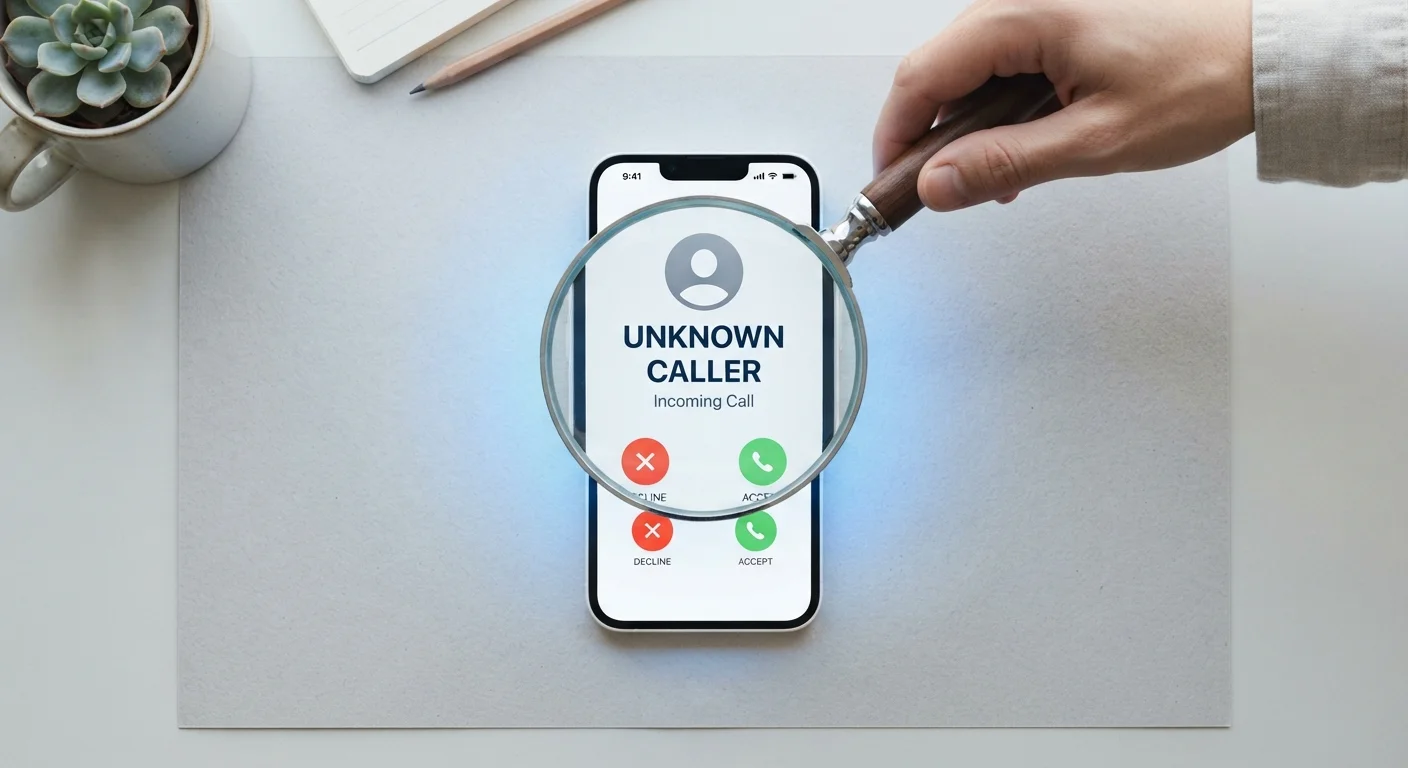
Photo: searchopenrecords editorial
—— In This Article
Key Takeaways
- Reverse phone lookup results depend on public record availability, which varies significantly by number type and region.
- VoIP and prepaid numbers are inherently harder to trace than traditional landlines or registered mobile numbers.
- No reverse lookup tool can guarantee real-time accuracy — data is compiled periodically, not updated live.
- Free tools and paid services differ meaningfully in data depth, not just speed or convenience.
- Results are a starting point for investigation, not definitive legal or personal identification.
Why These Myths Persist
Reverse phone lookup has become a routine tool for screening unknown callers, verifying contacts, and flagging potential spam. But familiarity hasn't bred accuracy — a cluster of persistent myths shapes how most people interpret results, often leading to misplaced confidence or unnecessary frustration.
These misconceptions arise from two sources: how lookup tools market themselves and how public records actually work. Understanding the gap between the two is the foundation for using any reverse lookup service responsibly. For a deeper look at what powers these tools, see the public data behind reverse phone lookups.
Myth
Reverse phone lookup instantly reveals the name and address of any caller.
Fact
Results depend entirely on what public records exist for that number — many lookups return partial or no identifying information.
The speed of a lookup is not the same as its completeness. Databases are pre-compiled from sources like voter registration records, property filings, and carrier data. If a number isn't linked to any of those sources — common with prepaid or VoIP lines — the result will be sparse regardless of how fast the query runs. Speed is a feature of the interface, not a sign of deeper data access.
Myth
Reverse lookup data is updated in real time.
Fact
Most reverse lookup databases are refreshed periodically — often monthly or quarterly — not continuously.
Public record sources don't push live updates to data aggregators. Voter rolls, court filings, and address records are released on agency-determined schedules, which means the information in a lookup result may be months old. A number that recently changed hands or was ported to a new carrier may still show the previous owner's information. This lag is a structural feature of how public records are collected and redistributed, not a flaw unique to any particular service. The strengths and limitations of reverse phone lookup article covers this in more detail.
Myth
If a free tool finds nothing, a paid service will always find more.
Fact
Paid services often access broader or more frequently updated data, but they cannot retrieve records that don't exist in any public source.
The distinction between free and paid tools is real but bounded. Paid services may aggregate more data sources and refresh data more frequently, which can surface results a free tool misses. However, no commercial service has access to private carrier subscriber records without a legal process. A number with no publicly traceable owner will return limited results from any service. Understanding what changes between free and paid reverse phone lookup helps calibrate expectations before committing to either approach.
Myth
All phone number types are equally traceable.
Fact
Landlines registered to individuals are generally the easiest to trace; VoIP and prepaid numbers are significantly harder.
Traditional landlines and postpaid mobile numbers are tied to billing addresses and identity verification at the point of registration, which creates a public record trail. VoIP numbers — used by services that assign numbers digitally — often involve minimal registration. Prepaid phones can be purchased with cash and activated without a name. These structural differences mean that the traceability of a number is largely determined before any lookup is ever attempted. This isn't a limitation of the tools — it's a reflection of how different number types are provisioned.
Myth
A spam or scam label on a lookup result means the number is confirmed fraudulent.
Fact
Spam labels are based on aggregated user reports and calling pattern analysis — they are probabilistic flags, not verified identifications.
When a reverse lookup returns a "likely spam" classification, it typically means many users have reported that number, or its calling behavior matches patterns associated with robocalls or telemarketing. That classification does not confirm the identity of the caller or establish legal wrongdoing. Legitimate businesses using shared VoIP infrastructure are sometimes incorrectly flagged. Treating a spam label as definitive — for example, as grounds for a formal complaint naming a specific person — overstates what the data supports. These misconceptions also apply broadly; see widely believed myths about public records access for context on how public record data is often misread.
What Gaps in Results Actually Mean
When a lookup returns limited or no information, most users assume the tool failed. In reality, an empty result is often an accurate result — it reflects a genuine absence of publicly available data, not a system error.
Prepaid burner phones and many VoIP numbers are registered with minimal identifying information, or none at all. Carriers aren't required to publish subscriber data, and many data aggregators simply don't have access to it. The myths around tracing VoIP and burner numbers run parallel to those about reverse lookup in general — both rest on the false assumption that every number has a traceable owner.
~40%
VoIP share of US phone traffic
VoIP calls account for an estimated 40% or more of US telecommunications traffic, according to industry analyses — a category where reverse lookup data is frequently sparse or absent.
Months
Typical public record update lag
Many public record sources used by data aggregators — including voter rolls and court filings — are released on quarterly or less frequent schedules, introducing data lag into lookup results.
Users should also consider that results flagged as "likely spam" or "scam risk" are probabilistic classifications based on aggregated reporting patterns, not confirmed identities. Acting on that classification alone — for example, assuming a number belongs to a specific individual — is a misuse of the tool's output. For a balanced view of what results can and cannot support, everything reverse phone lookup can and cannot tell you is worth reading before drawing conclusions.
Setting realistic expectations isn't pessimism — it's the precondition for using public records responsibly. Before acting on any result, consider running through a practical checklist for responsible use.

Phone Lookup Editorial Team
Phone Lookup Editorial Team is the collective byline for our editorial team and contributor network. Articles published under this byline or an editorial pen name are researched, written, and reviewed according to our editorial standards for clarity, consistency, and independence before publication.
View author profile