
Sealing, Expunging, and Redacting: How Records Get Restricted
Courts and agencies can limit access to certain records through sealing, expungement, or redaction. Learn what each process means and when it applies.
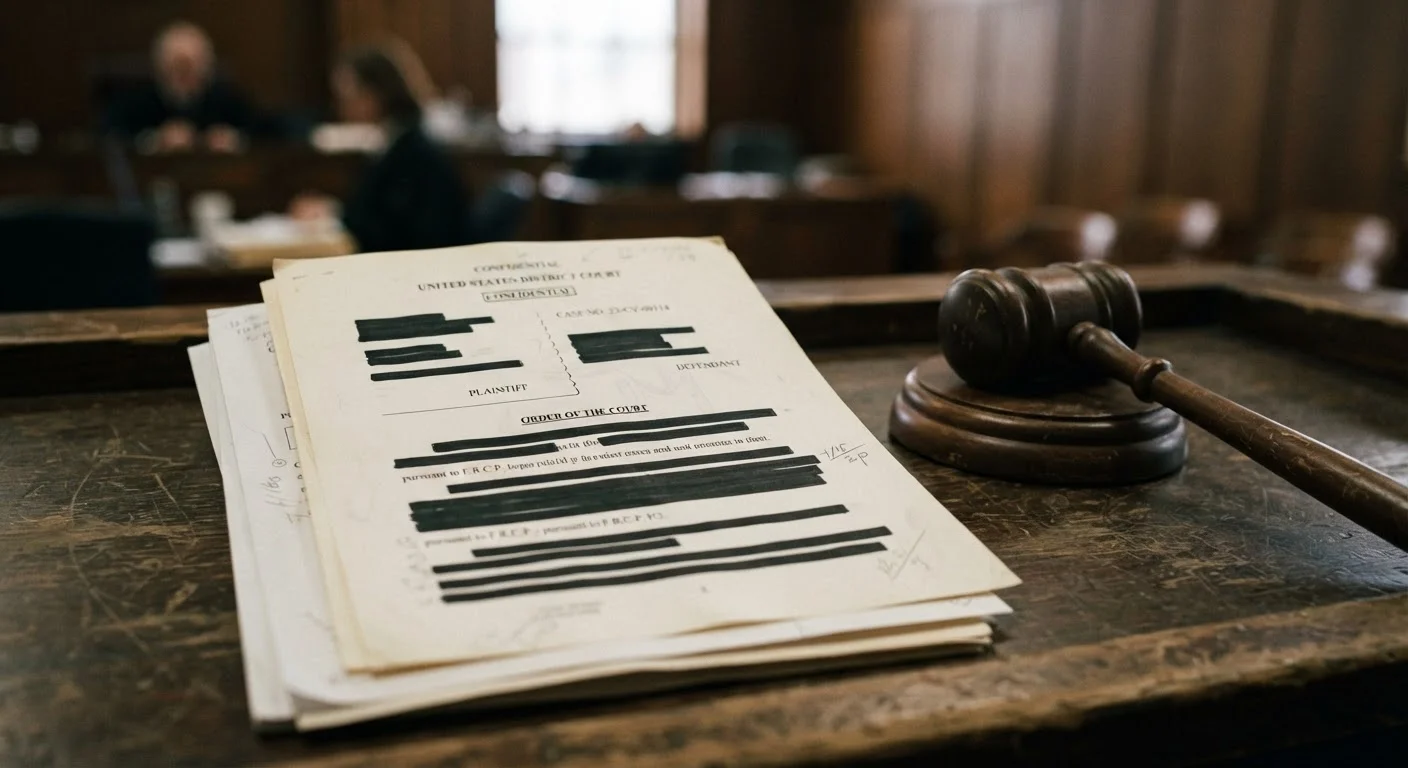
Photo: searchopenrecords editorial
—— In This Article
Three Distinct Mechanisms for Restricting Records
When people talk about records being "hidden" or "removed," they're often conflating three legally distinct processes: sealing, expungement, and redaction. Each operates differently, applies in different contexts, and produces different outcomes for public access. Understanding the distinctions helps you know what to expect when searching public records — and what rights you or others may have.
Sealing
A court order that restricts public access to a record without destroying it. The record remains in the official system but is inaccessible to most requesters.
Expungement
A legal process that directs the permanent destruction or removal of a record from official systems. Eligibility requirements and the scope of erasure vary by state.
Redaction
The selective removal or blacking-out of specific information within a document before it is released to the public. The rest of the document remains accessible.
FOIA
The Freedom of Information Act, a federal law giving the public the right to request access to records held by federal agencies, subject to specific exemptions.
Sunshine Law
State-level equivalents of FOIA that require government agencies to make records and meetings accessible to the public, with defined exceptions for privacy and security.
Deferred Adjudication
A legal arrangement in which a defendant pleads guilty or no contest but a judge withholds a formal conviction, often allowing the case to be dismissed or sealed upon completing certain conditions.
These mechanisms exist because the law tries to balance two competing interests: the public's right to transparent government, and individuals' rights to privacy or a fair second chance. Neither interest automatically wins. Instead, courts, legislatures, and agencies apply specific rules that determine when a record can be restricted and to what degree.
For a broader look at how privacy shapes what records reveal, see the Privacy & Limits hub, which covers the full scope of public record boundaries.
Sealing: Removing Records from Public View
Sealing a record means a court or agency restricts public access to it without destroying the underlying document. The record still exists in the official system — it simply becomes inaccessible to the general public and most routine searches. Law enforcement agencies, certain government entities, and courts themselves can often still view sealed records under specific legal authority.
Sealing commonly applies to juvenile court proceedings, certain civil cases involving minors, cases dismissed under deferred adjudication, and some family court matters. The process typically requires a petition to the court, a hearing, and a judge's order. State laws vary considerably — what qualifies for sealing in one state may not in another.
Importantly, a sealed record is not erased. It can sometimes be unsealed by court order if a compelling legal reason arises. For a detailed look at how court records become restricted and why, see what court records are sealed, expunged, or restricted — and why.
Expungement: Legal Erasure with Important Limits
Expungement goes further than sealing in theory — it directs the relevant agency to destroy or permanently remove a record from its systems. An expunged arrest or conviction is typically treated as though it never occurred for most legal and employment purposes. Many states allow individuals who meet eligibility criteria (such as completing a sentence, maintaining a clean record for a defined period, or qualifying under first-offender statutes) to petition for expungement.
However, "erasure" is rarely total. Some federal agencies, certain licensing boards, and law enforcement databases may retain access to expunged records even after a state court grants the order. Newspaper archives, third-party data aggregators, and private background check companies may also hold copies that predate the expungement.
This gap between legal erasure and practical invisibility is one of the most misunderstood aspects of expungement. The article how expunged and sealed records interact with background checks explores exactly when and where these records can still surface.
Redaction: Selective Removal Within a Document
Redaction differs from sealing and expungement in a fundamental way: the document itself remains public, but specific information within it is blacked out or removed before release. When a government agency responds to a public records request under a state sunshine law or the federal Freedom of Information Act (FOIA), it may redact Social Security numbers, medical details, personal addresses, or information that could compromise an ongoing investigation.
| Federal Redaction Framework | FOIA (5 U.S.C. § 552) (U.S. federal law) |
| Common Redacted Identifiers | SSNs, DOBs, home addresses, financial account numbers (Standard agency practice under privacy exemptions) |
| Who Can Request Unsealing | Parties to the case, prosecutors, or courts — varies by state (State-specific civil and criminal procedure rules) |
| Expungement Eligibility | Varies widely; based on offense type, sentence completion, and wait periods (State statutes) |
| Redaction Appeal Rights | Requesters may typically appeal agency redaction decisions administratively (FOIA and most state sunshine laws) |
Redaction decisions follow established legal exemptions — agencies don't redact arbitrarily. Each exemption must be justified, and requesters generally have the right to appeal a redaction determination. To understand how agencies make these decisions in practice, see how custodial agencies decide what to release.
Common redacted information includes personal identifiers, juvenile names, victims' contact details in criminal cases, and trade secrets in regulatory filings. For a full breakdown of what gets blacked out and the legal basis behind each category, see information that gets redacted before a record goes public.
How These Processes Differ in Practice
Knowing which process applies in a given situation shapes what you can realistically find — and what recourse exists if access is denied.
- Sealed records are hidden but preserved; unsealing requires a new court order.
- Expunged records are ordered destroyed or removed, but copies may persist in non-court systems.
- Redacted records are released with specific information removed; the rest of the document is publicly accessible.
These distinctions also matter differently depending on your role. A person seeking their own criminal history faces different rules than an employer running a background check, a journalist filing a FOIA request, or a researcher accessing court archives. For more on how restrictions interact with public record searching, see why some records disappear and the court records search hub.
This article provides general educational information about public records law and is not legal advice. Laws governing sealing, expungement, and redaction vary significantly by state and record type. Consult a licensed attorney for guidance specific to your situation.

Public Records 101 Editorial Team
Public Records 101 Editorial Team is the collective byline for our editorial team and contributor network. Articles published under this byline or an editorial pen name are researched, written, and reviewed according to our editorial standards for clarity, consistency, and independence before publication.
View author profile