
Information That Gets Redacted Before a Record Goes Public
Even released public records often have sensitive details blacked out. Here's what agencies routinely redact and the legal basis for it.
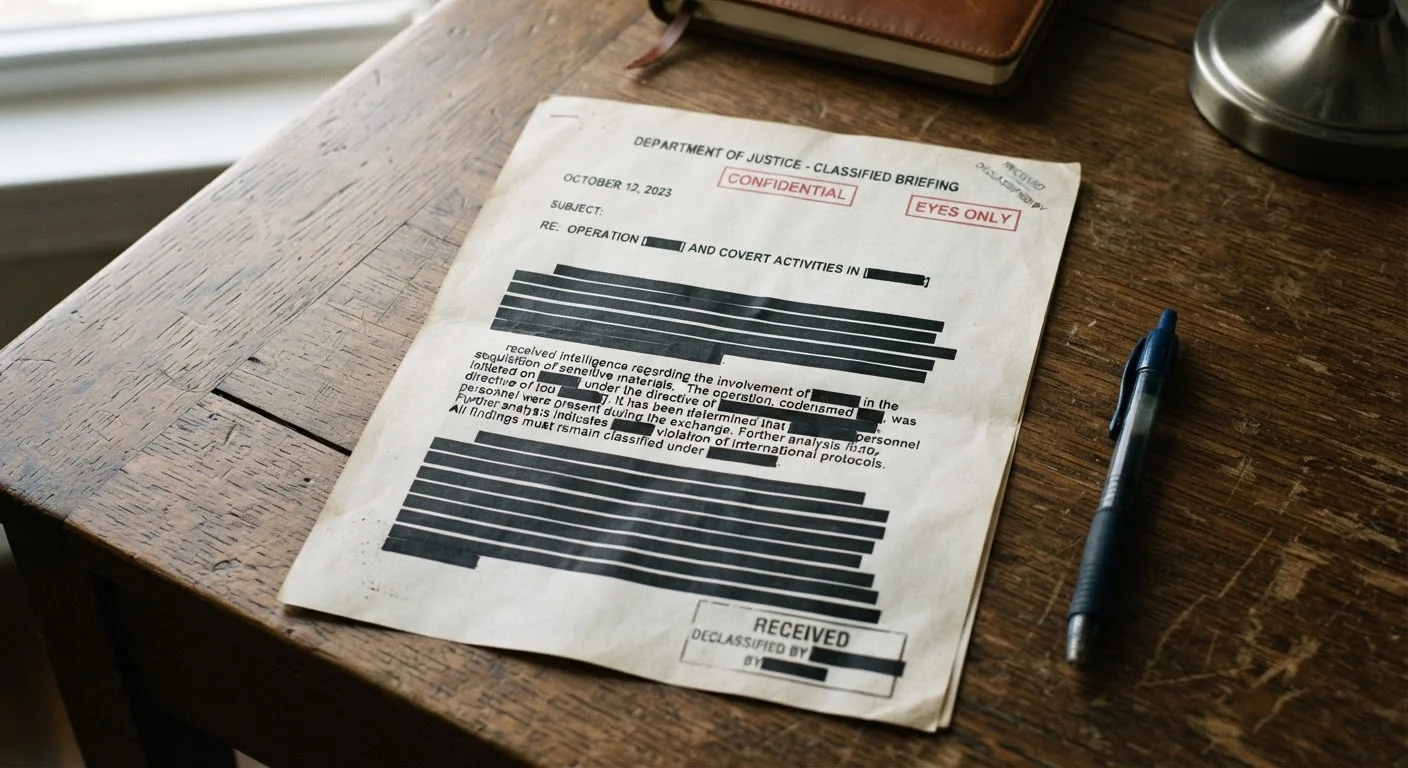
Photo: searchopenrecords editorial
—— In This Article
Why Redaction Exists in Public Records
When a government agency releases a document under a public records request, it rarely hands over a completely unedited file. Redaction — the practice of removing or obscuring specific information before disclosure — is a routine, legally mandated step in the records release process.
Redaction is not censorship in the colloquial sense. It is a structured legal tool designed to balance transparency with competing interests: personal privacy, law enforcement effectiveness, national security, and the protection of third parties named in records. Understanding what gets redacted, and why, helps readers interpret released documents accurately and avoid drawing false conclusions from gaps in the text.
The federal Freedom of Information Act (FOIA) and parallel state-level sunshine laws explicitly authorize agencies to withhold certain categories of information while still releasing the rest of a record. This is why you may receive a partially blacked-out document rather than a full denial. For a broader look at how these legal frameworks define access, see what makes a government record 'public'.
Redaction
The process of removing or obscuring specific information in a document before it is released to the public. Agencies apply redactions to comply with legal exemptions under FOIA or state equivalents.
FOIA Exemption
One of nine statutory categories under the federal Freedom of Information Act that permits an agency to withhold specific information from a released record. Each exemption covers a distinct type of protected content, such as national security or personal privacy.
Privacy Act of 1974
A federal law that governs how U.S. government agencies collect, maintain, and disclose personal information about individuals. It imposes restrictions on sharing data such as Social Security numbers.
Deliberative Process Privilege
A legal protection under FOIA Exemption 5 that shields internal government communications, drafts, and recommendations from disclosure when they reflect pre-decisional deliberation rather than final agency policy.
HIPAA
The Health Insurance Portability and Accountability Act, a federal law that protects the privacy and security of individuals' medical information. It applies to records held by covered entities including some government health agencies.
Sunshine Laws
State-level public records and open meetings statutes that operate similarly to FOIA at the federal level. Each state has its own version with distinct exemptions and redaction standards.
Common Categories of Redacted Information
Agencies across federal, state, and local levels follow similar patterns when deciding what to black out. The most frequently redacted types of information include:
- Social Security numbers (SSNs): Federal law — including the Privacy Act of 1974 — strongly restricts unnecessary disclosure of SSNs. They are routinely removed from court filings, benefit records, and employment documents before public release.
- Home addresses and personal contact details: Addresses of private individuals, personal phone numbers, and email addresses are commonly redacted, particularly in law enforcement records and court documents, to prevent harassment or stalking.
- Financial account numbers: Bank account, credit card, and routing numbers are stripped from disclosed financial records. Even in cases where some financial data is public, specific account identifiers are not. See financial records and the limits of public disclosure for context.
- Juvenile identifying information: Names, addresses, and case details involving minors are almost universally redacted in court records, police reports, and child welfare documents.
- Victim information in criminal records: Names and contact details of crime victims — especially in cases involving sexual assault or domestic violence — are frequently protected by statute and removed before records are released.
- Confidential informant or witness details: Law enforcement records often redact identifiers for informants, undercover officers, or witnesses whose safety could be compromised.
- Medical and mental health data: Protected under HIPAA and various state laws, individual health information embedded in government records is removed before disclosure.
- Deliberative internal communications: Draft documents, internal agency deliberations, and attorney-client communications may be redacted under FOIA exemptions that protect pre-decisional government processes.
For a broader catalog of the legal exemptions that justify these redactions, the article on nine categories of records typically exempt from disclosure provides a useful reference.
What Redaction Means for Your Research
Encountering redacted text in a released record does not mean an agency is hiding wrongdoing. In most cases, it means a reviewer applied a standard legal exemption. Agencies are generally required to justify redactions and, in federal FOIA responses, must cite the specific statutory exemption used.
If you believe a redaction was applied incorrectly, most public records systems provide an appeal mechanism. Under federal FOIA, requesters can appeal to the agency's FOIA office and, if necessary, seek review from the Office of Government Information Services (OGIS) or federal courts.
It is equally important to recognize that redaction is different from sealing or expungement. A redacted record still exists and is partially released; a sealed or expunged record may be entirely withheld or legally destroyed. The article sealing, expunging, and redacting: how records get restricted explains those distinctions clearly.
Finally, keep in mind that even a fully released record has limits — some details are simply never captured in government files. What public records actually leave out covers those structural gaps.
This article is for general informational purposes only and does not constitute legal advice. Consult a qualified attorney for questions about your specific records request or appeal rights.

Public Records 101 Editorial Team
Public Records 101 Editorial Team is the collective byline for our editorial team and contributor network. Articles published under this byline or an editorial pen name are researched, written, and reviewed according to our editorial standards for clarity, consistency, and independence before publication.
View author profile