
When Using Public Records Crosses a Legal Line
Access doesn't equal unlimited use. Certain ways of using public record information — like stalking or discriminatory screening — are prohibited.
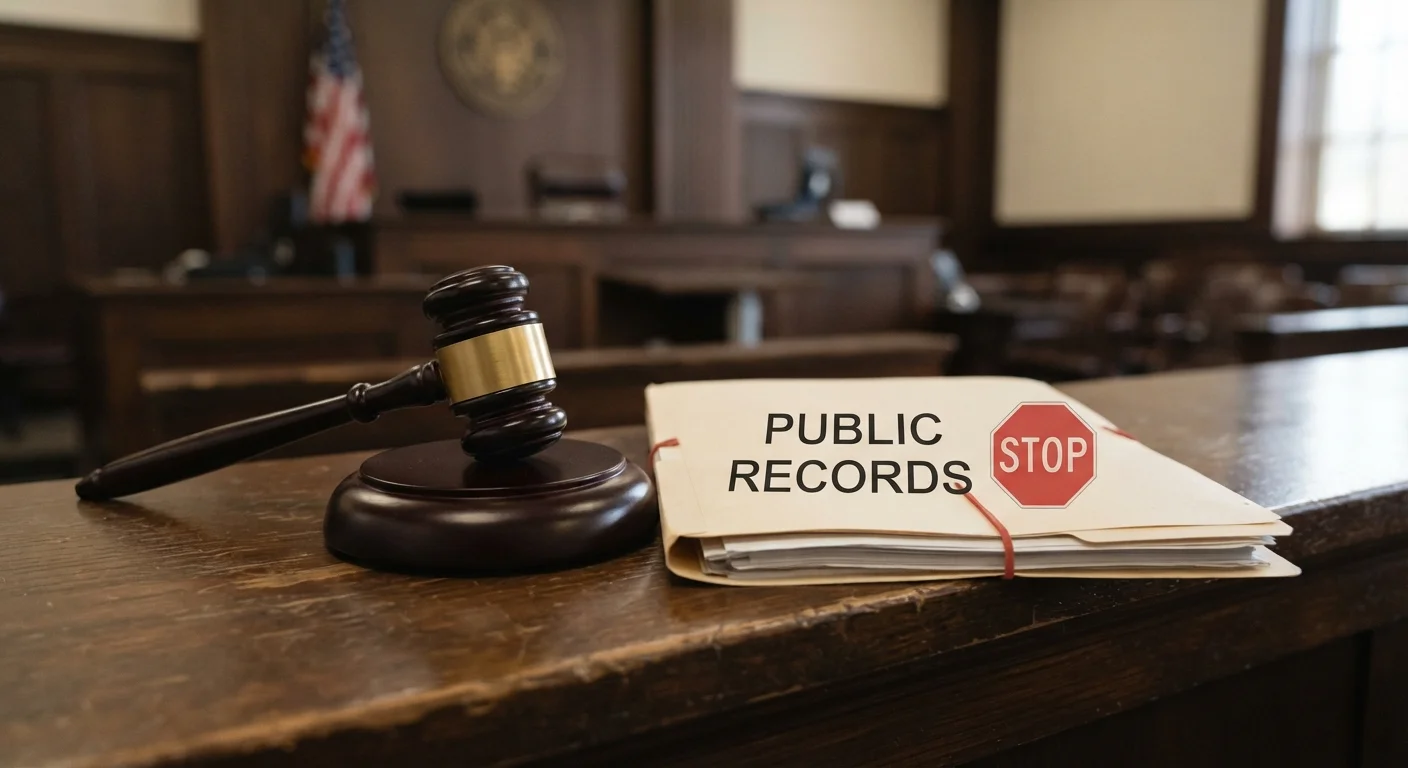
Photo: searchopenrecords editorial
—— In This Article
Key Takeaways
- Accessing a public record legally does not grant unlimited rights over how that information is used.
- Federal laws like the FCRA and DPPA restrict specific uses of certain public data, including employment screening and driver records.
- Using public records to stalk, harass, or intimidate another person is a criminal offense in all U.S. states.
- Discriminatory screening using public records — in housing or hiring — can violate the Fair Housing Act or Title VII.
- Republishing or aggregating public records for deceptive purposes may expose individuals to defamation or fraud liability.
The Gap Between Access and Permissible Use
A common misconception about public records is that 'public' means 'use freely for any purpose.' It does not. The right to access a government record — protected under frameworks like the Freedom of Information Act (FOIA) and equivalent state sunshine laws — is legally distinct from the right to use that information in any manner you choose.
Think of it like a library book: you can legally check it out, but you cannot photocopy and sell the entire contents without consequence. Similarly, you might legally view a person's court filings or property records, but deploying that data to discriminate, harass, or deceive crosses into legally prohibited territory.
For a deeper look at what types of data actually appear in these searches, see our explainer on public records vs. private data in a background check.
Access Rights Vary by Record Type
Not all public records are equally open. Juvenile court files, certain law enforcement records, and sealed documents carry additional restrictions beyond general use rules. Even where access is granted, the permissible purposes for use may be narrowly defined by statute. Always verify the specific rules for the record category you are working with.
Key Federal Laws That Govern Record Use
Several federal statutes directly regulate downstream use of information that may originate in public records:
- Fair Credit Reporting Act (FCRA): When public records are compiled into consumer reports — including background checks used for employment, housing, or credit — the FCRA imposes strict rules. Covered users must obtain written consent, follow adverse action procedures, and allow subjects to dispute inaccurate data. Ignoring these requirements exposes employers and landlords to federal liability. See our guide on employer access and privacy in background checks for specifics.
- Driver's Privacy Protection Act (DPPA): State DMV records are public government data, but the DPPA prohibits their use for personal surveillance, marketing, or stalking. Violations are federal crimes carrying fines and imprisonment.
- Fair Housing Act & Title VII: Using publicly available criminal or financial records to deny housing or employment on a discriminatory basis — targeting protected classes — violates these civil rights statutes even if the underlying records are authentic.
When Record Use Becomes a Crime
Using public records to locate, monitor, or intimidate an individual can constitute stalking or criminal harassment under state law. Every U.S. state has anti-stalking statutes, and many have been updated to explicitly cover digital and data-driven surveillance methods. A person who aggregates someone's address history, workplace, and daily routine from public sources — then uses that information to threaten or follow them — has committed a crime regardless of how each individual data point was obtained.
Cyberstalking laws at the federal level (18 U.S.C. § 2261A) also apply when electronic means — including online record databases — are used to place a person in reasonable fear of harm.
For those researching court records specifically, our article on searching court records responsibly covers the ethical and legal lines that apply in that context.
Discriminatory Screening: A Frequent Legal Pitfall
Landlords and employers sometimes attempt to use public records — particularly criminal history or civil court filings — as proxies to screen out applicants from protected groups. This practice has drawn sustained regulatory attention from both the Equal Employment Opportunity Commission (EEOC) and the Department of Housing and Urban Development (HUD).
The EEOC's guidance on criminal records makes clear that blanket exclusion policies based on arrest or conviction history can constitute disparate impact discrimination under Title VII when they disproportionately exclude members of protected racial or national origin groups. HUD has issued parallel guidance for housing providers.
Many states and localities have gone further, enacting 'ban the box' laws that restrict when and how criminal record inquiries may occur during hiring or rental processes. Consulting an employment or housing attorney before implementing any record-based screening policy is advisable.
This article is for general informational purposes only and does not constitute legal advice. For guidance specific to your situation, consult a qualified attorney.
Practical Guidance for Responsible Use
Understanding what you can access is only half the job. Before using public record data in any consequential decision — hiring, housing, personal research — ask yourself three questions:
- Does a specific law govern this type of use? If you are making an employment or tenancy decision, FCRA and applicable civil rights law almost certainly apply.
- Is my purpose legitimate and proportionate? Researching a potential business partner differs meaningfully from tracking an ex-partner's movements.
- Could my use cause harm or constitute harassment? If the answer is possibly yes, stop and seek legal guidance before proceeding.
The gaps between what online record searches reveal and what they omit also matter — the real limitations of online public record searches can affect how you interpret and rely on the results you find. Misplaced confidence in incomplete data carries its own risks.
Public records are a legitimate and valuable resource. Using them responsibly means recognizing that legal access is a starting point, not a blank check.
Frequently Asked Questions

Public Records 101 Editorial Team
Public Records 101 Editorial Team is the collective byline for our editorial team and contributor network. Articles published under this byline or an editorial pen name are researched, written, and reviewed according to our editorial standards for clarity, consistency, and independence before publication.
View author profile