
Handling a Claim When Your Name or Address Has Changed Since the Account Was Opened
Life changes create documentation gaps. See how to bridge discrepancies between your current ID and old account records during a claim.
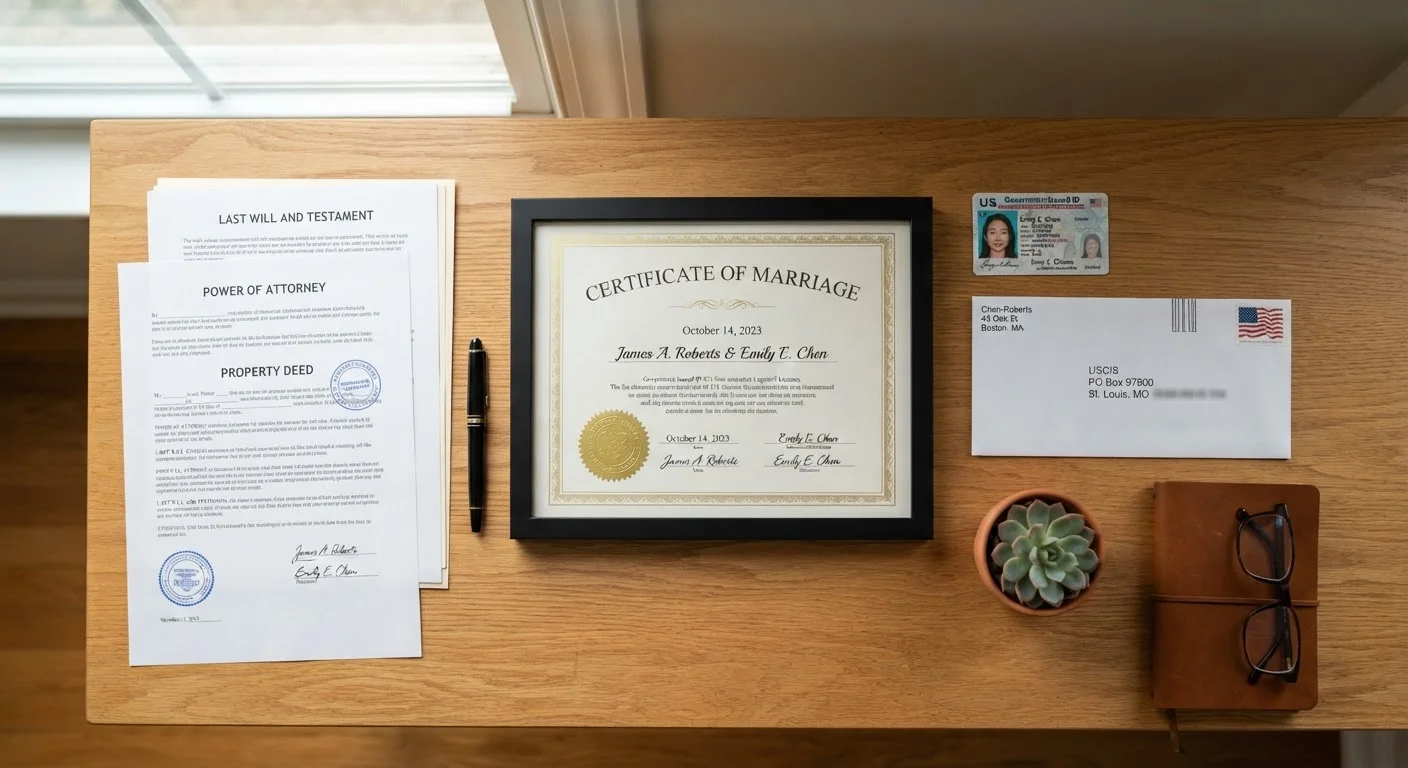
Photo: searchopenrecords editorial
—— In This Article
Key Takeaways
- State unclaimed property offices routinely process claims where names or addresses have changed — documentation bridges the gap.
- Legal name-change documents such as a marriage certificate or court order are the primary evidence agencies require.
- Address discrepancies are typically resolved with utility bills, tax records, or a signed affidavit explaining the history.
- Submitting a complete, organized documentation package significantly reduces processing delays.
- Searching under all former names improves the chances of finding every account in your name.
Why Name and Address Discrepancies Are Common — and Solvable
State unclaimed property offices hold funds for years — sometimes decades — before owners come forward. During that time, people marry, divorce, relocate, and legally change their names. As a result, the name and address on a dormant bank account, forgotten utility deposit, or lapsed insurance policy often no longer match the owner's current identification.
This mismatch is not unusual, and it does not disqualify your claim. Unclaimed property programs exist specifically to return funds to rightful owners, and agencies have established procedures for handling identity discrepancies. The key is understanding what evidence creates a documented chain between who you were when the account was opened and who you are today. For a broader look at how unclaimed funds flow from private holders to state custody and back to owners, see how unclaimed money works.
Keep Certified Copies on Hand
Many agencies require certified — not photocopied — versions of legal documents like marriage certificates. Order extra certified copies from the issuing courthouse or vital records office. Having spares means you won't need to re-order them if you find additional accounts across multiple states.
Before you begin assembling documents, review our guide on documents to gather before filing an unclaimed property claim to ensure you have the full picture of what agencies expect.
Do Not Misrepresent Your Identity
Every unclaimed property claim is subject to fraud review. Submitting altered documents or misrepresenting your identity is a criminal offense and will permanently disqualify your claim. Always provide authentic, government-issued records and, if uncertain, contact the state agency directly before submitting.
What You'll Need Before You Start
Having the right materials ready before you file prevents back-and-forth with the agency and shortens your wait time considerably. Errors in submitted packages — particularly missing documents — are among the most cited reasons legitimate claims are delayed. For a deeper look at common filing errors, see pitfalls in the unclaimed money process that delay or derail legitimate claims.
What you will need
State Unclaimed Property Portal
Used to locate your property listing and initiate the official claim process.
MissingMoney.com
A NAUPA-affiliated multi-state search tool useful for finding accounts listed under former names.
Certified Marriage Certificate or Court Order
Provides legal proof connecting your former name to your current legal name.
Notarized Affidavit of Identity
A signed, notarized statement explaining your name or address history when standard documents are insufficient.
Old Utility Bills or Tax Records
Documents your prior address to establish a chain of residence matching old account records.
Step-by-Step: Filing a Claim With Changed Information
Follow these steps in order. Each builds on the previous one, and skipping ahead — particularly submitting before your documentation is complete — is the single most avoidable source of delay.
Search Under All Names You Have Used
Before filing, search the relevant state database under every name you have legally held — your birth name, married name, and any former married names. Use both your state's official treasurer portal and MissingMoney.com for broader coverage. Property is recorded under the name on file at the time of dormancy, so an account opened before a name change will appear under the older name. For guidance on improving your search approach, see common search habits that lead to missed unclaimed property.
Identify What Changed and What Documentation Covers It
Determine whether you need to document a name change, an address change, or both. Name changes require legal records: a marriage certificate for a married name, a divorce decree restoring a prior name, or a court-issued name-change order. Address changes require evidence of residence history — utility bills, lease agreements, or tax transcripts are commonly accepted. Review the specific requirements on the state agency's website before assembling documents.
Gather Your Complete Documentation Package
Assemble your current government-issued photo ID alongside all documents that establish the chain from your former identity to your present one. For a full checklist of what agencies typically require, consult our guide on documents you'll typically need to prove ownership of unclaimed funds. If direct documentation is unavailable — for example, you changed your name through usage over many years rather than a legal proceeding — a notarized affidavit explaining the history is often an acceptable substitute.
Complete the State Claim Form Accurately
Download or fill out the official claim form from the state treasurer or unclaimed property office. Enter your current legal name exactly as it appears on your current ID, and enter the name on the account exactly as it appears in the database listing. Most forms include a field specifically for 'name at time of account opening' or 'also known as (AKA)' — use it. Leaving these fields blank is one of the most common reasons claims are returned for correction.
Write a Brief Cover Letter Explaining the Discrepancy
A short, clear cover letter — one or two paragraphs — summarizing the name or address change and listing the documents enclosed makes an examiner's job easier and your claim less likely to be flagged for additional review. State the account name as listed, your current legal name, the reason for the difference, and which documents in the package demonstrate the connection. Keep the tone factual and direct.
Submit the Package and Track Your Claim
Submit online if the state portal supports document uploads, or mail your package using a trackable shipping method and keep the receipt. After submission, note the claim reference number and any estimated processing timeline provided. Most state offices publish processing timelines on their websites; these commonly range from 60 to 180 days. To understand what happens during the identity verification stage, see how state unclaimed property offices verify your identity.
Incomplete Packages Cause Major Delays
State offices typically return incomplete claim packages rather than following up proactively. A single missing document — such as a court order connecting your maiden name to your current legal name — can add weeks or months to processing time. Double-check every requirement before mailing or uploading your package.
This article provides general educational information about unclaimed property claim processes. It is not legal or financial advice. Requirements vary by state. Consult the relevant state agency's official website or a qualified professional for guidance specific to your situation.

Unclaimed Money Editorial Team
Unclaimed Money Editorial Team is the collective byline for our editorial team and contributor network. Articles published under this byline or an editorial pen name are researched, written, and reviewed according to our editorial standards for clarity, consistency, and independence before publication.
View author profile