

Unclaimed Money Editorial Team
Unclaimed Money Editorial Team is the collective byline for our editorial team and contributor network. Articles published under this byline or an editorial pen name are researched, written, and reviewed according to our editorial standards for clarity, consistency, and independence before publication.

Common Misconceptions About Unclaimed Money That Could Cost You a Claim
Many people assume unclaimed funds expire, belong to the government, or require a lawyer. This myth-busting guide separates fact from fiction.
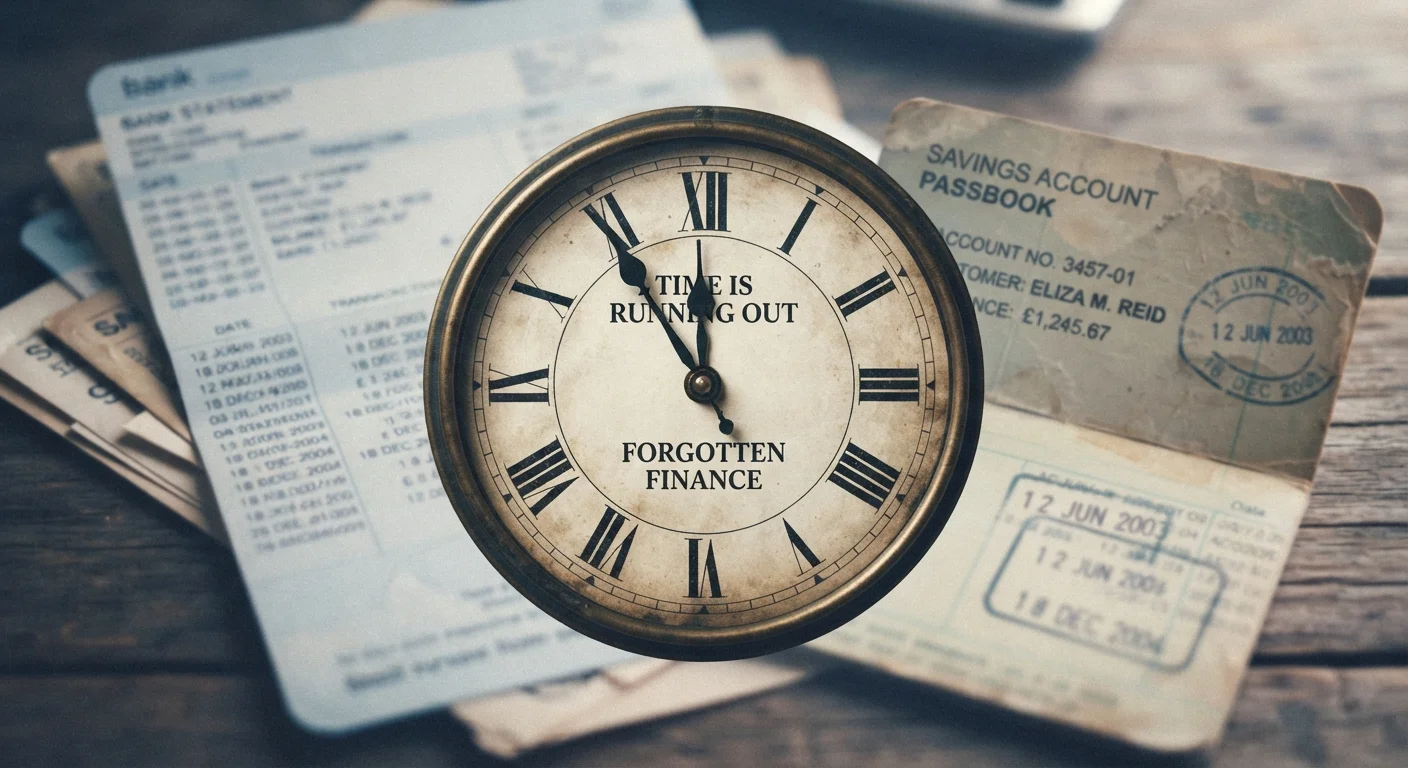
Dormancy Periods Explained: Why Your Forgotten Account Has an Expiration Date
Different account types have different dormancy clocks. Learn what triggers the countdown and when a holder must legally report funds to the state.

Escheatment: The Legal Mechanism Behind Unclaimed Property Laws
Escheatment sounds obscure, but it's the legal backbone of every unclaimed money program in the U.S. Here's what the doctrine actually means in practice.
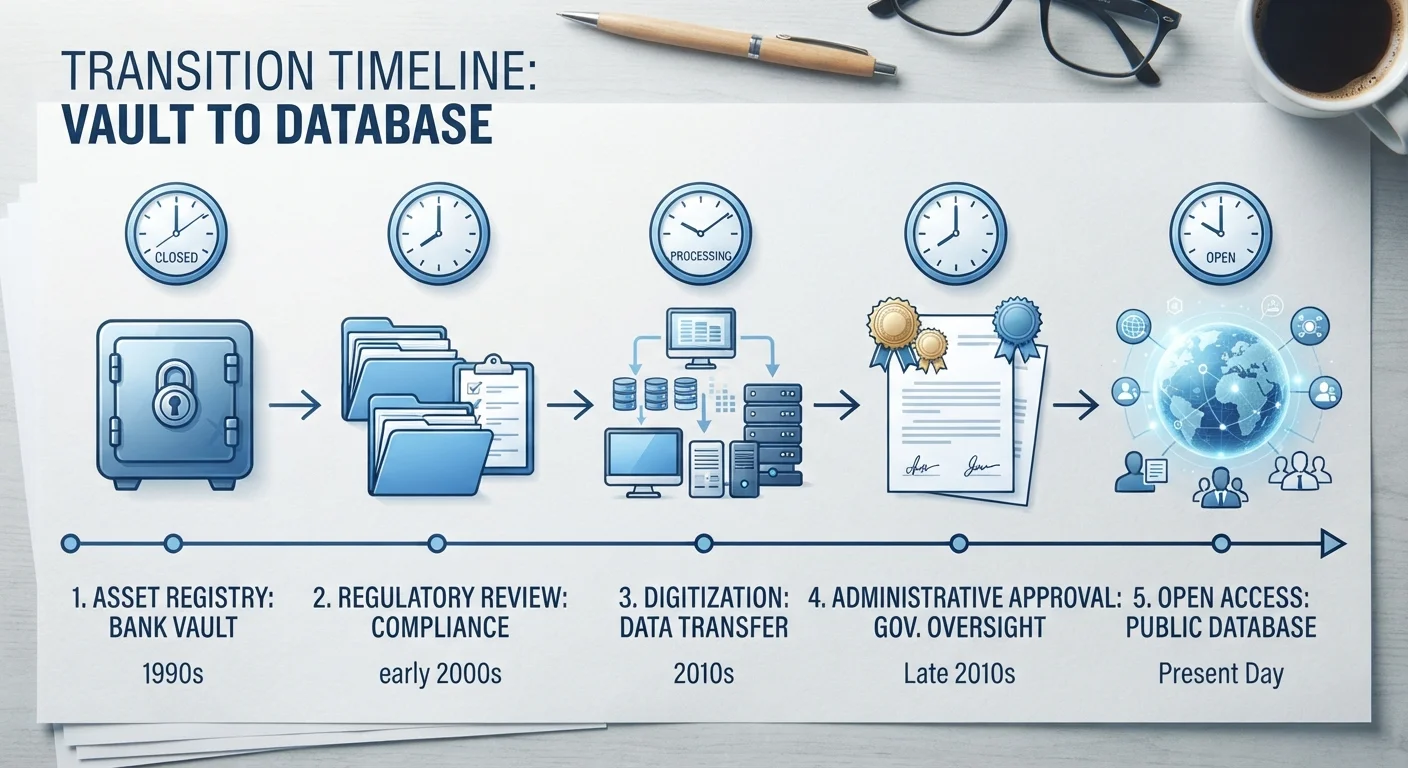
From Dormant to Claimable: A Timeline of the Unclaimed Funds Process
See the step-by-step sequence — from the first missed statement to a searchable state database — that defines how unclaimed money becomes publicly accessible.
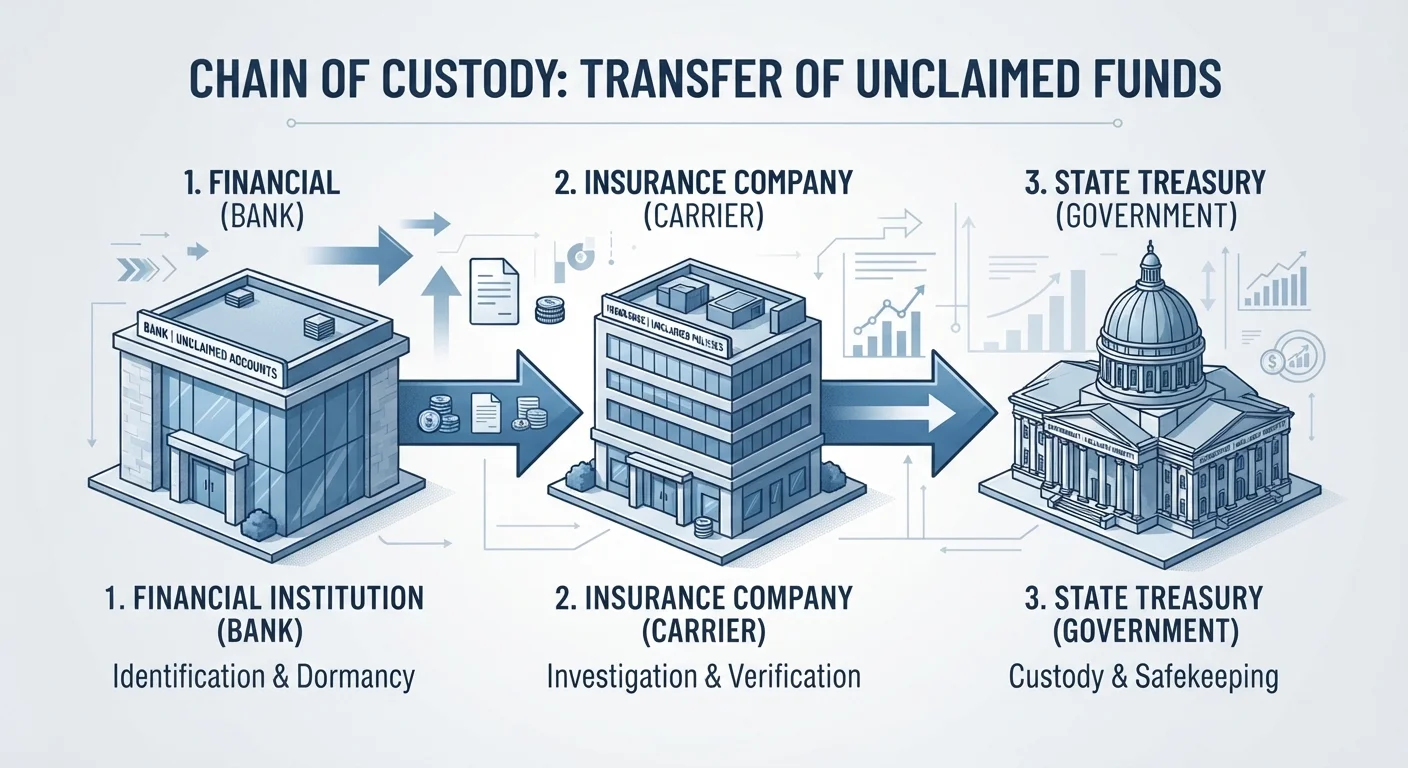
Holders, Custodians, and the State: Who Is Actually Responsible for Unclaimed Funds?
Banks, insurers, and employers all play a role before the government steps in. Clarify who holds unclaimed money at each stage of the process.

How Inflation and Time Affect the Real Value of Unclaimed Money
Unclaimed funds are typically held at face value without interest. Understand what that means for the purchasing power of money recovered years later.
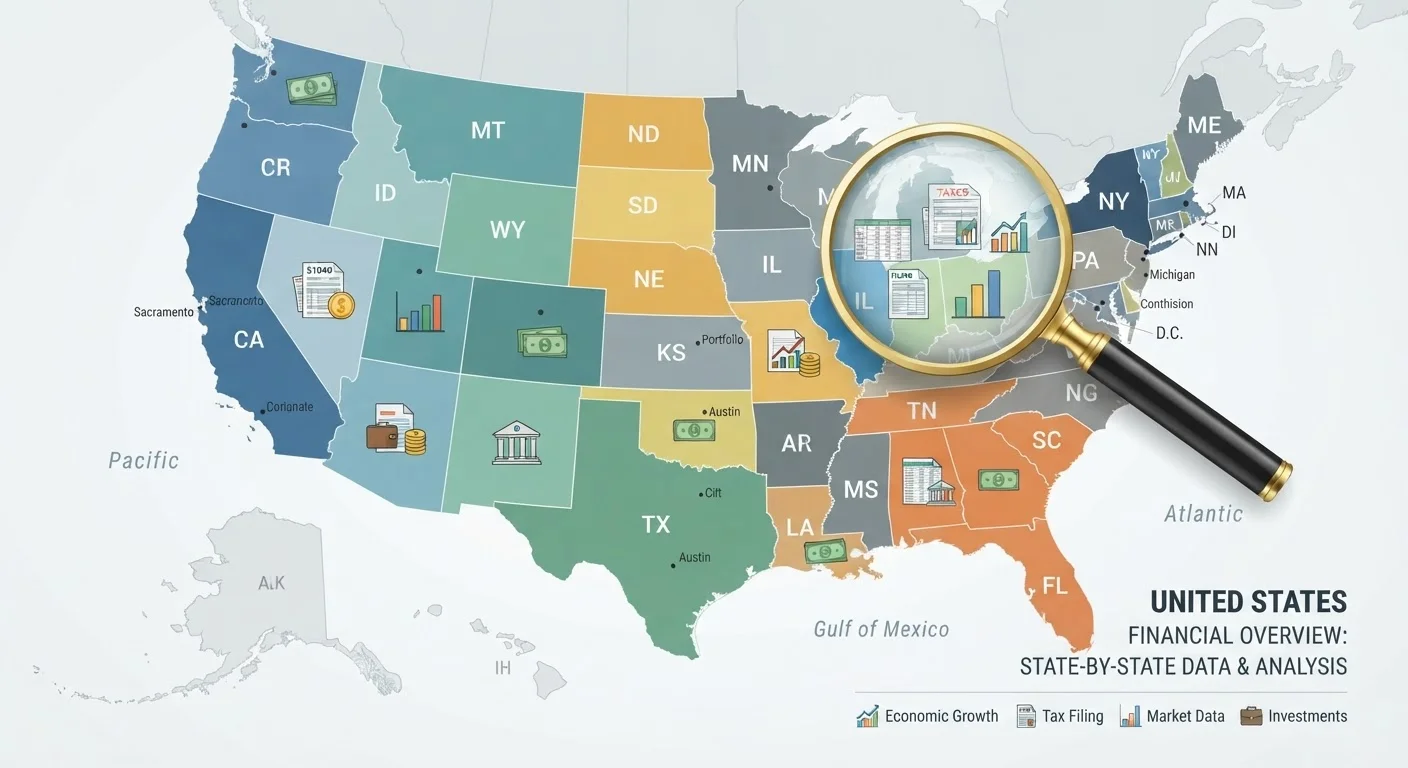
How Unclaimed Property Laws Vary Across U.S. States
Dormancy periods, reportable asset types, and claim procedures differ significantly from state to state. Learn what varies and why it matters for your search.

Pitfalls in the Unclaimed Money Process That Delay or Derail Legitimate Claims
From mismatched name records to missing documentation, certain common errors can slow down or block a valid claim. Learn what to watch out for before you apply.
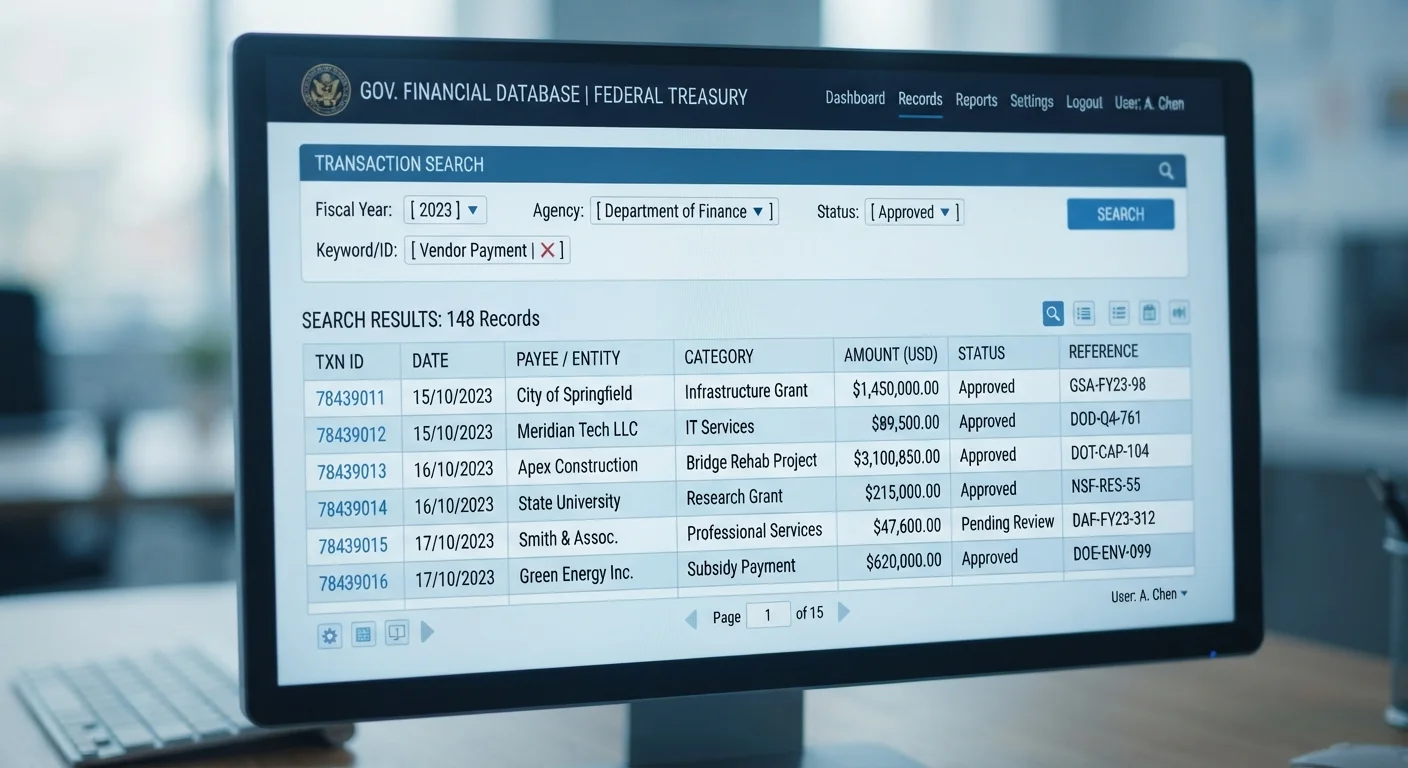
Searching Unclaimed Property Databases: What the Records Actually Tell You
Public unclaimed property databases list names, amounts, and asset types — but not everything. Know what information is available and what you'll need to verify.
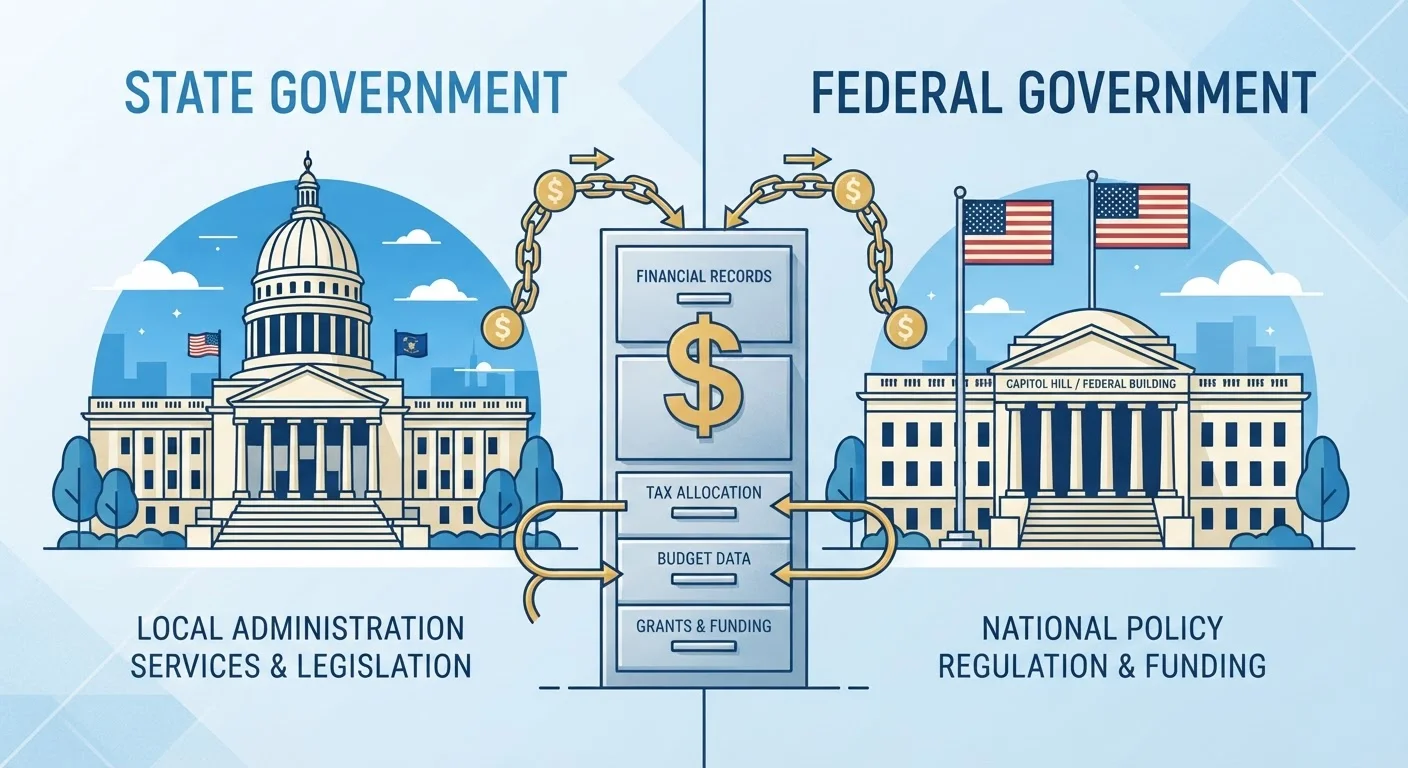
State vs. Federal Unclaimed Property Programs: Understanding the Difference
Unclaimed money is managed at multiple levels of government. Learn how state and federal programs differ in scope, rules, and how to search each one.

The Life of a Forgotten Dollar: How Unclaimed Money Moves from Private Hands to Public Record
Trace the full journey of dormant funds — from untouched bank accounts to state custody — and understand why governments hold this money on your behalf.

The Notification Gap: Why Most People Never Hear Their Money Was Escheated
States are required to attempt owner notification before taking custody of funds — but these efforts often fall short. Here's why so many claims go undiscovered.
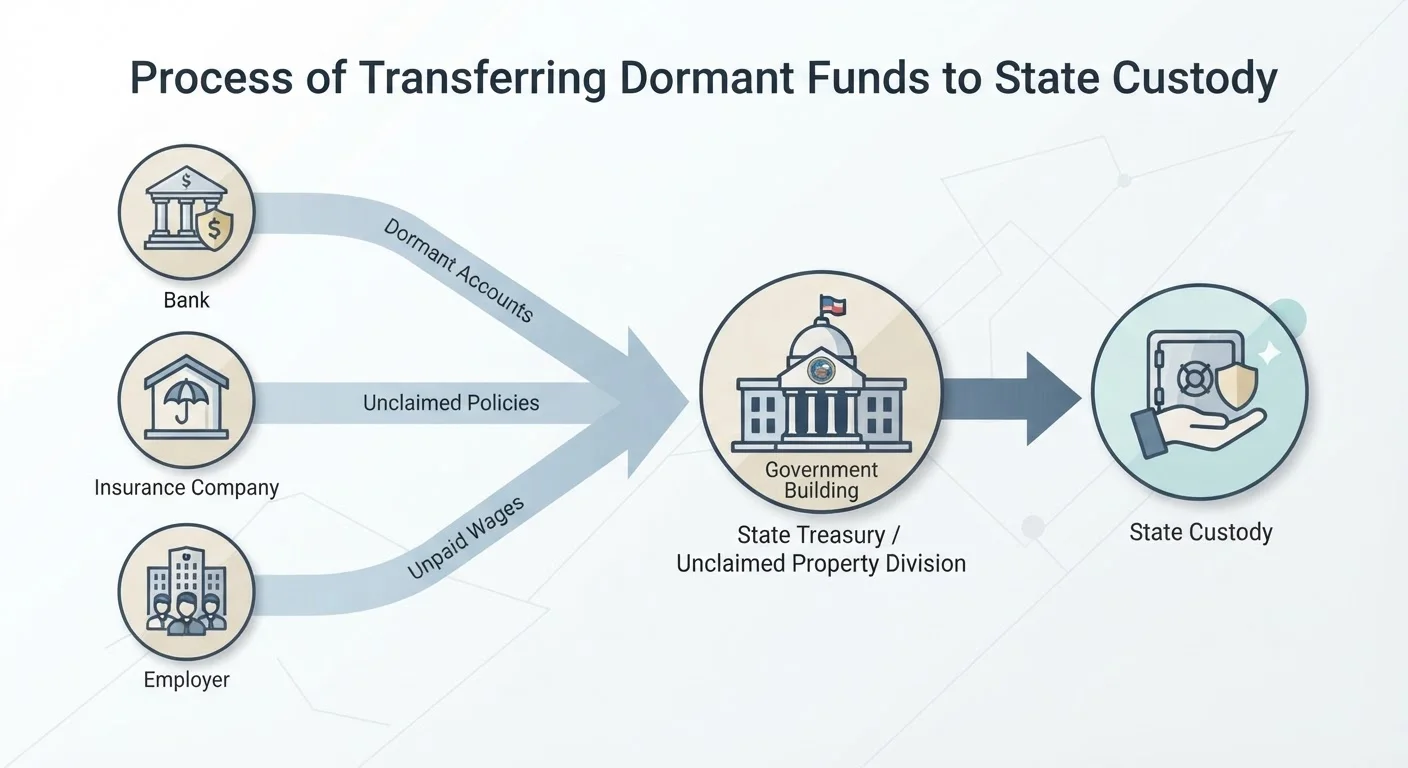
The Reporting Chain: How Businesses Are Required to Hand Over Dormant Accounts
Companies don't keep dormant funds forever. Understand the legal reporting obligations that require holders to transfer assets to state custody.
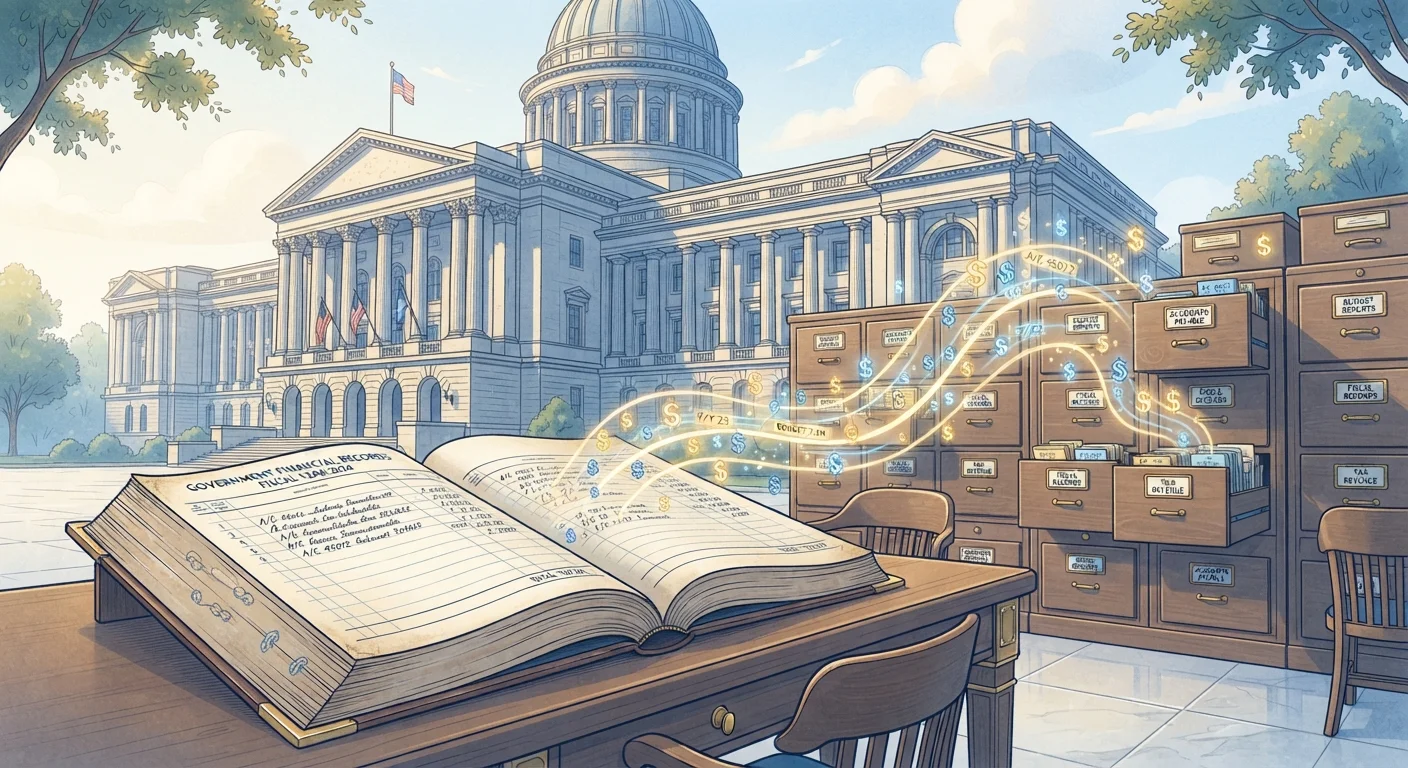
Unclaimed Money in the U.S.: A Beginner's Overview of How the System Works
New to the concept of unclaimed property? This plain-language introduction covers every stage of the process, from dormancy through state custody to recovery.
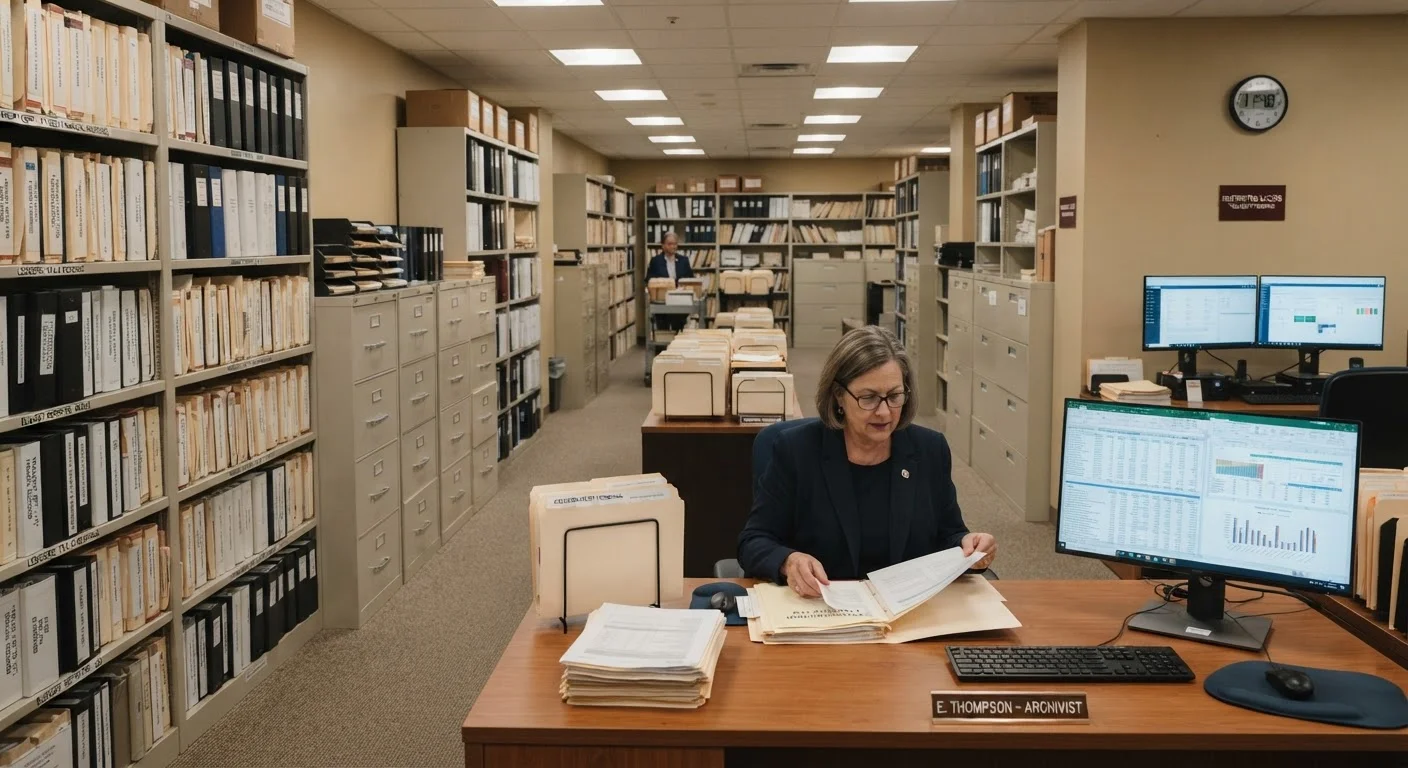
What Counts as Unclaimed Property? A Closer Look at the Asset Types Governments Hold
From dormant savings accounts to forgotten pension checks, the range of assets classified as unclaimed property is wider than most people realise.
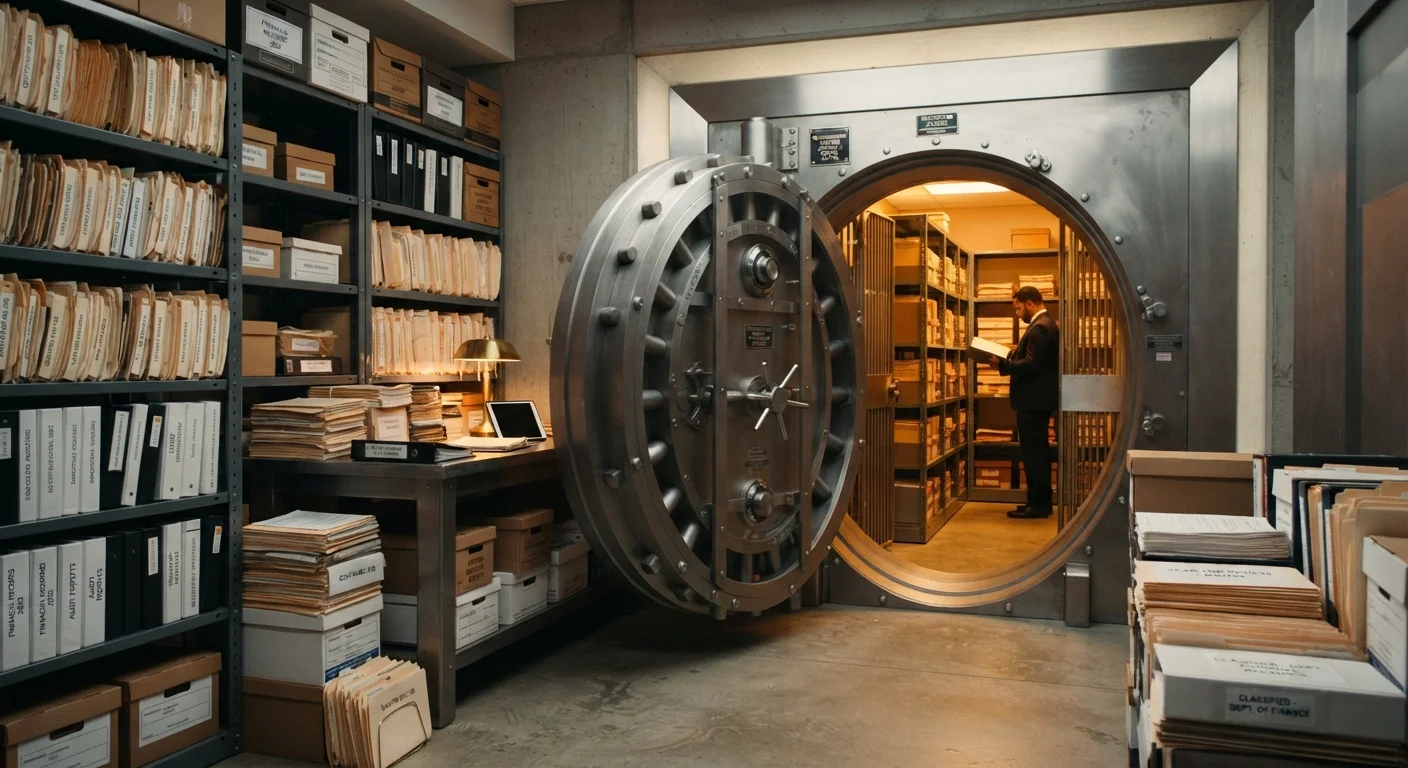
Why Unclaimed Money Doesn't Disappear: The Government's Custodial Role
Once funds are escheated, the state holds them indefinitely on behalf of the rightful owner. Understand what custodial stewardship actually means for claimants.
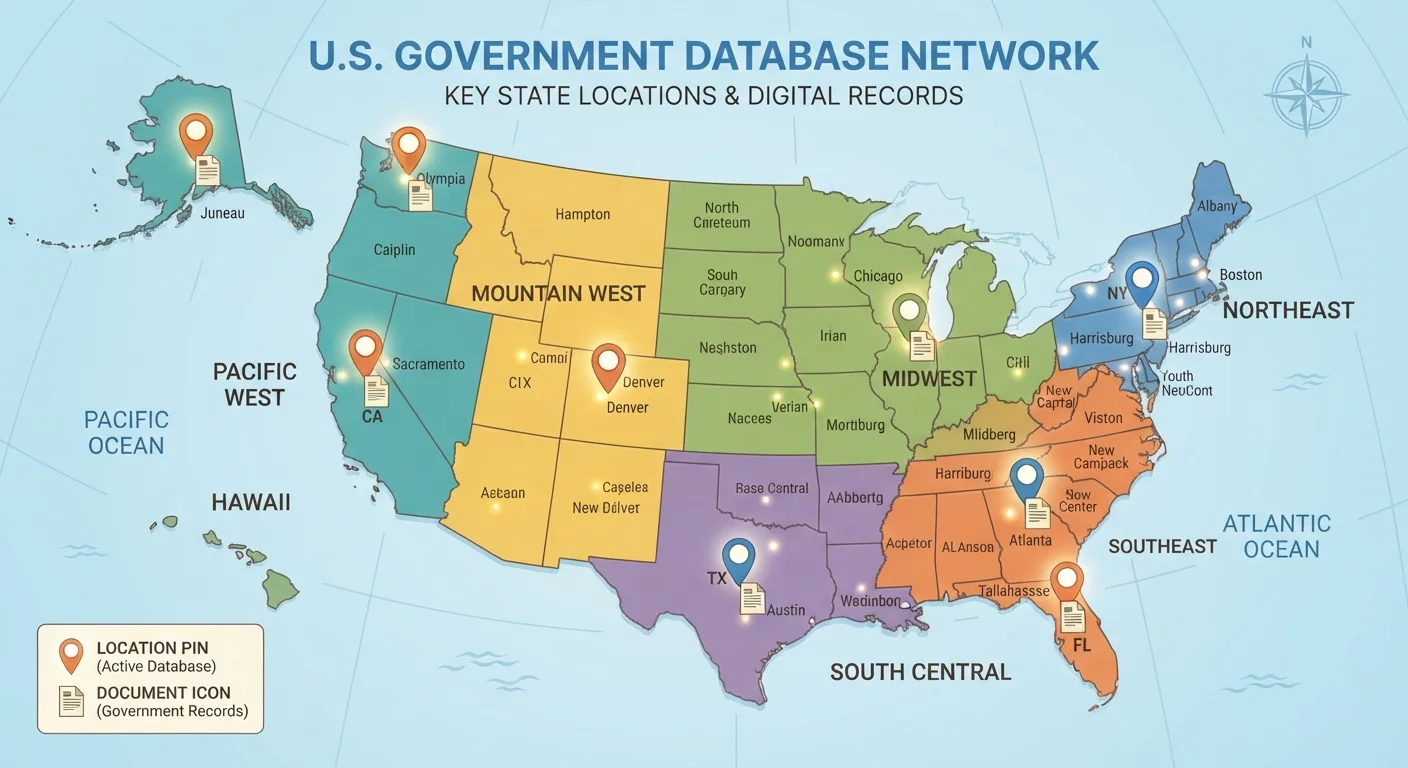
A State-by-State Overview of Unclaimed Property Portals
A reference guide to how individual state unclaimed property programs differ in scope, portal design, claim processing, and property types covered.
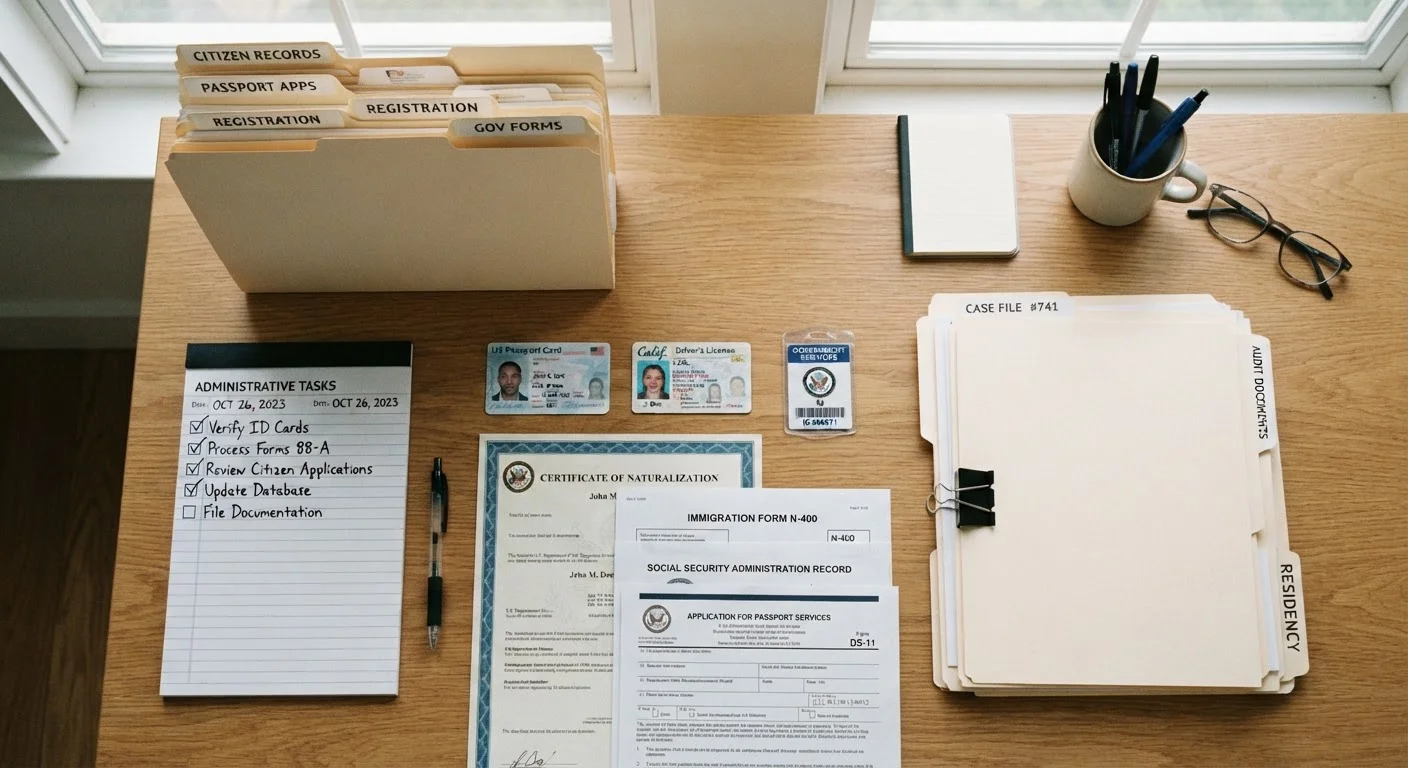
Documents to Gather Before Filing an Unclaimed Property Claim
A practical checklist of the identity documents, account records, and supporting materials most state programs require before releasing funds.
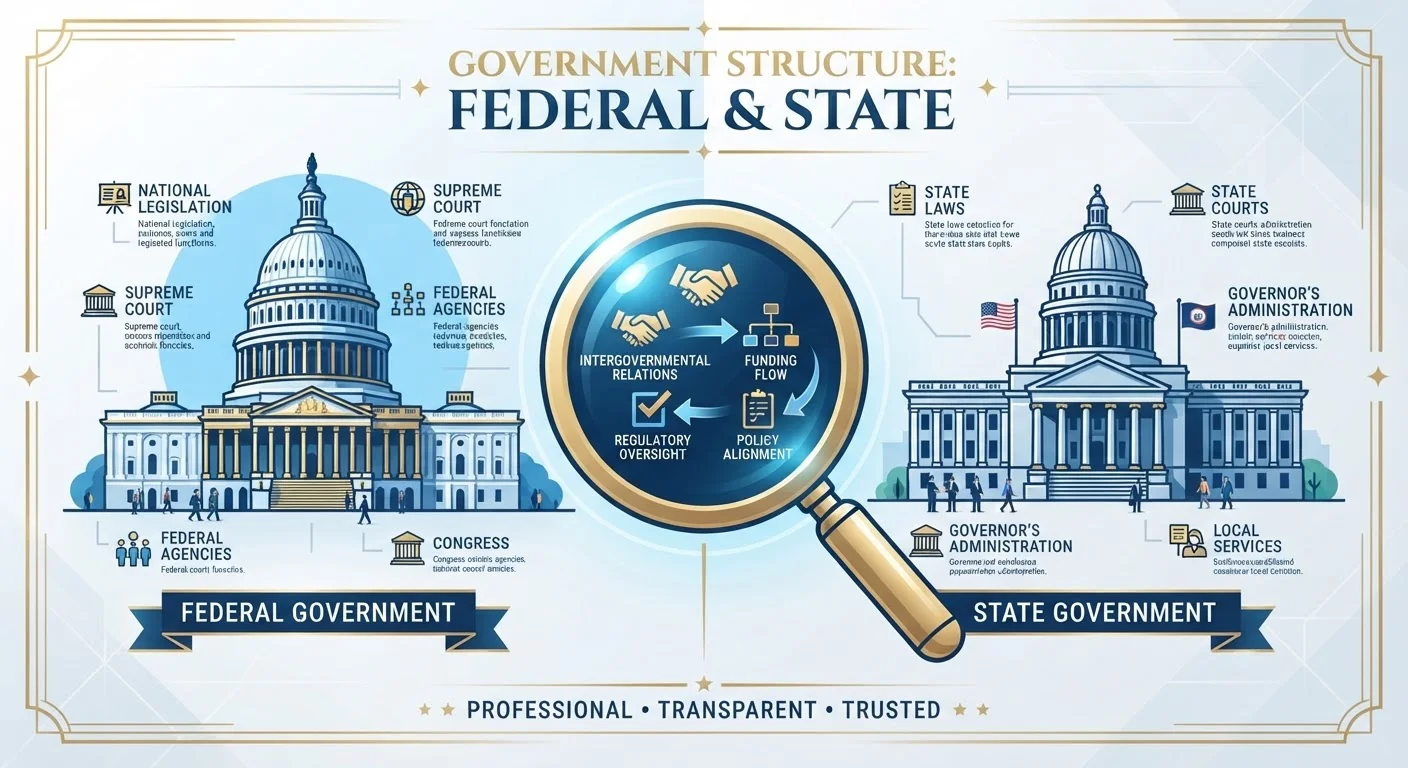
Federal vs. State Unclaimed Property Searches: Understanding the Difference
Federal agencies hold unclaimed funds separately from state programs. Learn what each covers and how to search both without duplicating effort.

Getting the Most Out of a State Unclaimed Property Portal
Name variations, address history, and search filters all affect what you find. These practices help you search more completely and confidently.
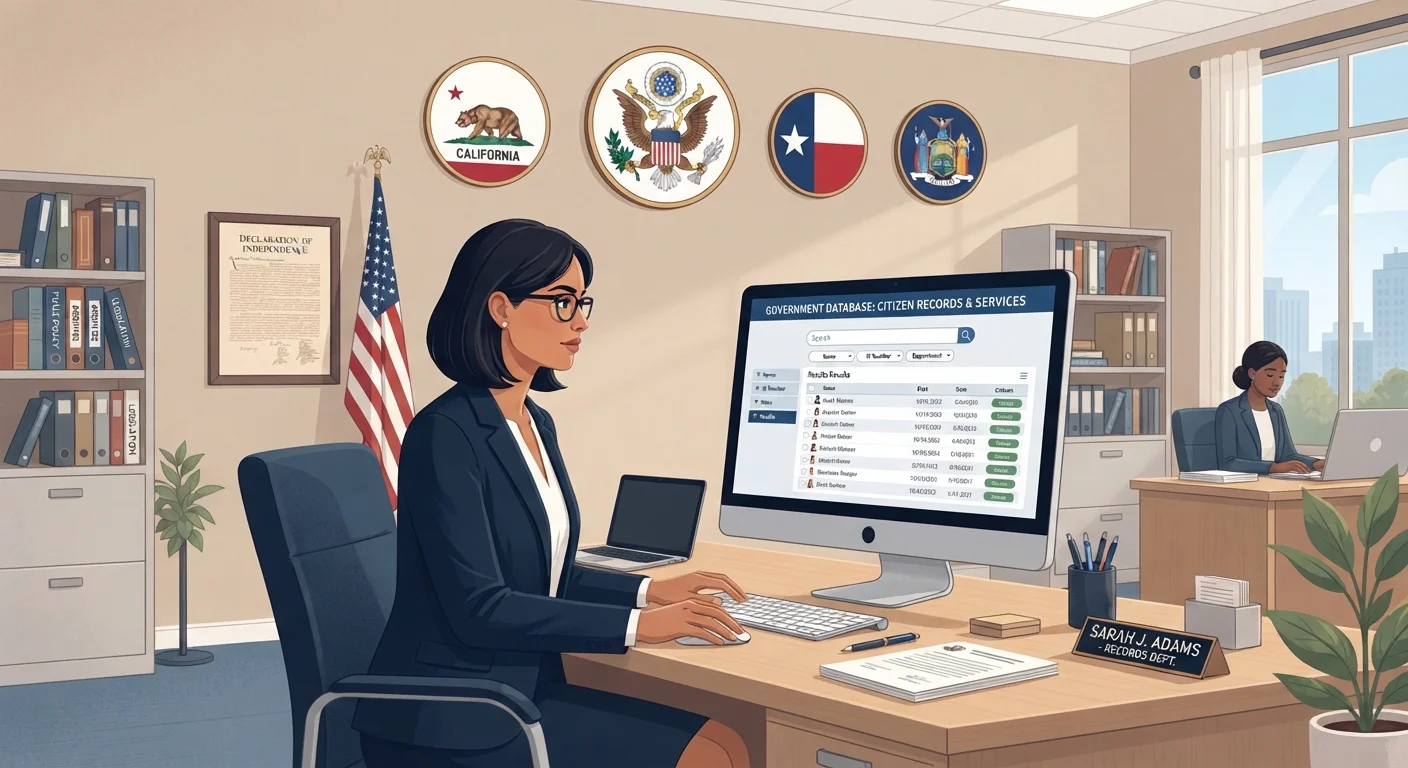
How State Unclaimed Property Databases Actually Work
Understand the systems behind official state unclaimed property portals—who runs them, how funds get listed, and what to expect when you search.

Misconceptions That Stop People From Finding Their Unclaimed Funds
From 'it expires after a few years' to 'you need a lawyer'—common myths about state unclaimed property databases, corrected with facts.
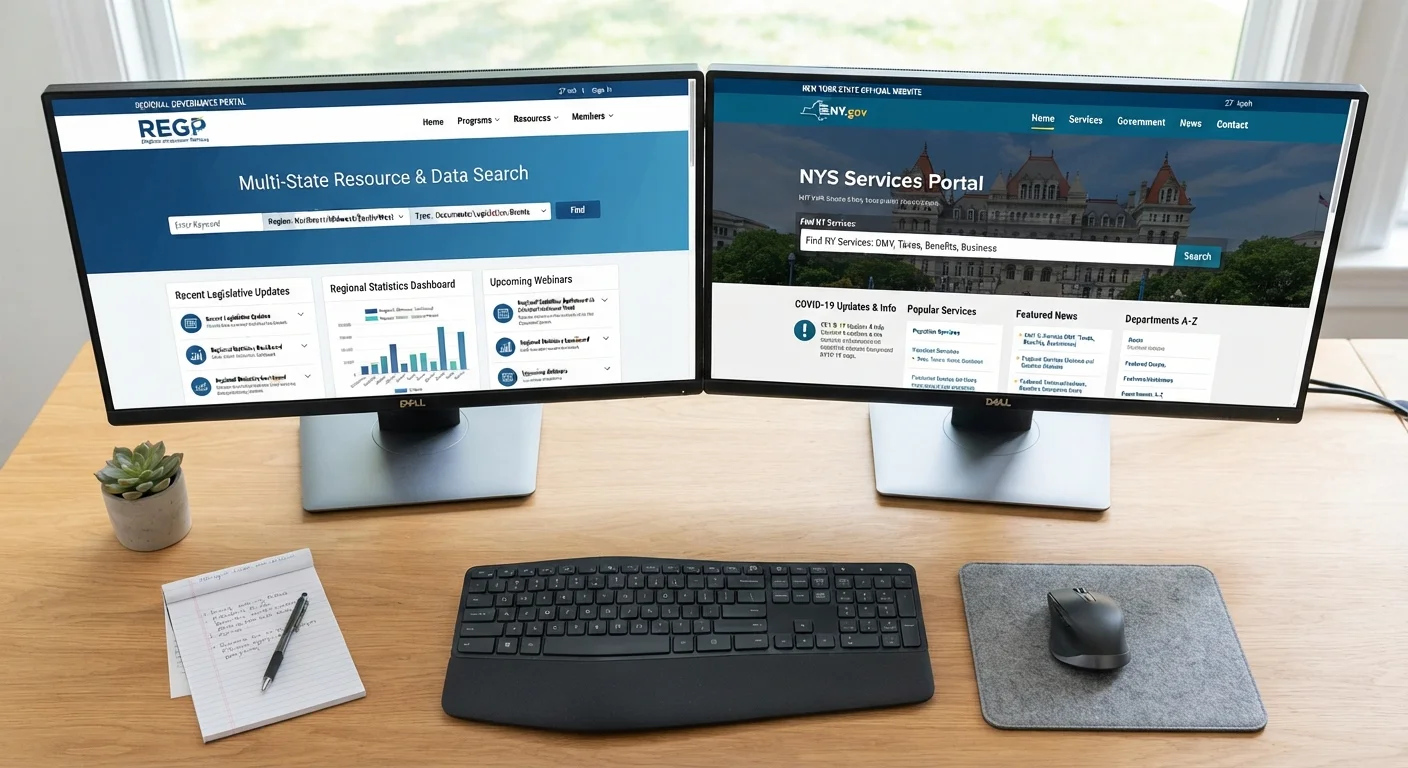
NAUPA vs. Individual State Portals: Which Search Path Finds More
The NAUPA-affiliated MissingMoney.com covers many states, but individual portals go deeper. Here's how to decide which to search first.
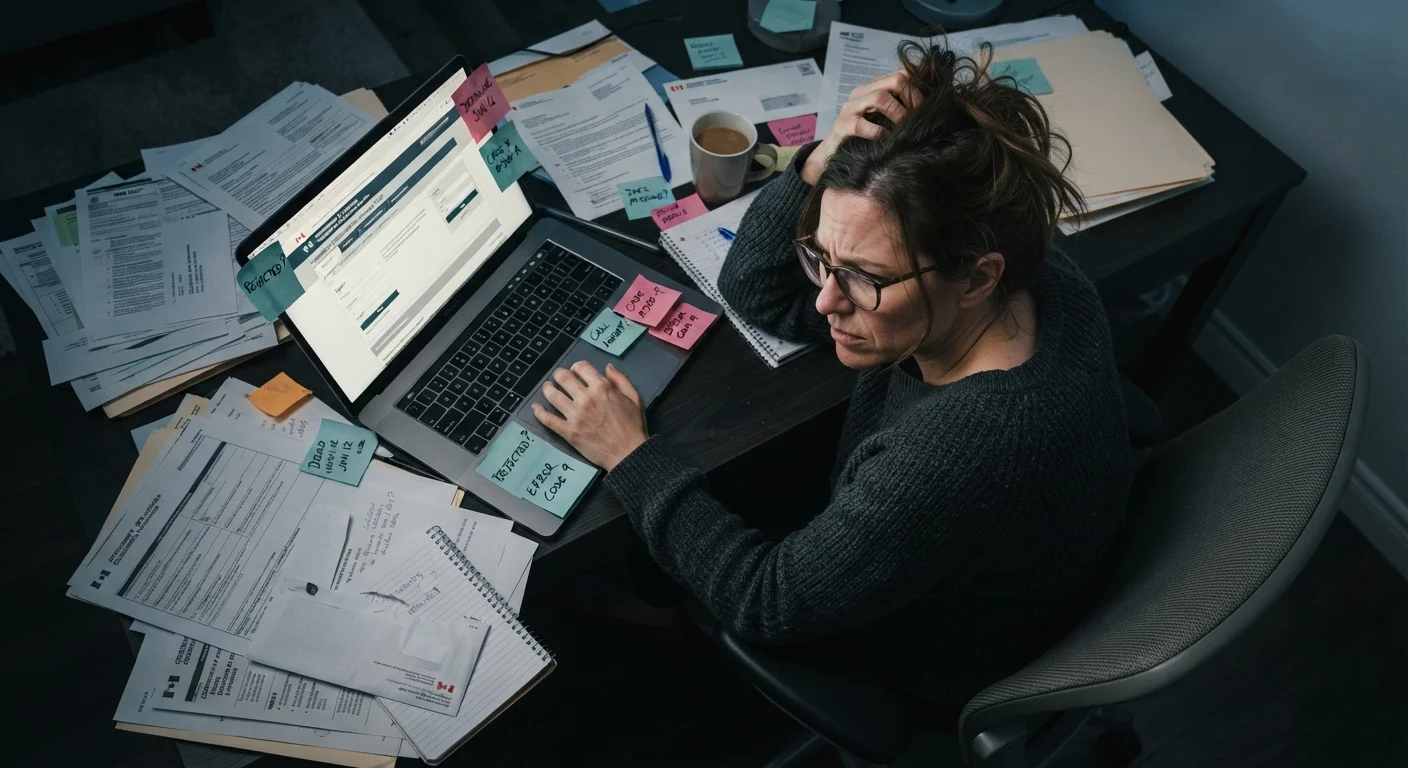
Search Habits That Lead to Missed Unclaimed Property
Searching only your current name or state are among the habits that leave funds unclaimed. Learn what to change to get a more complete picture.
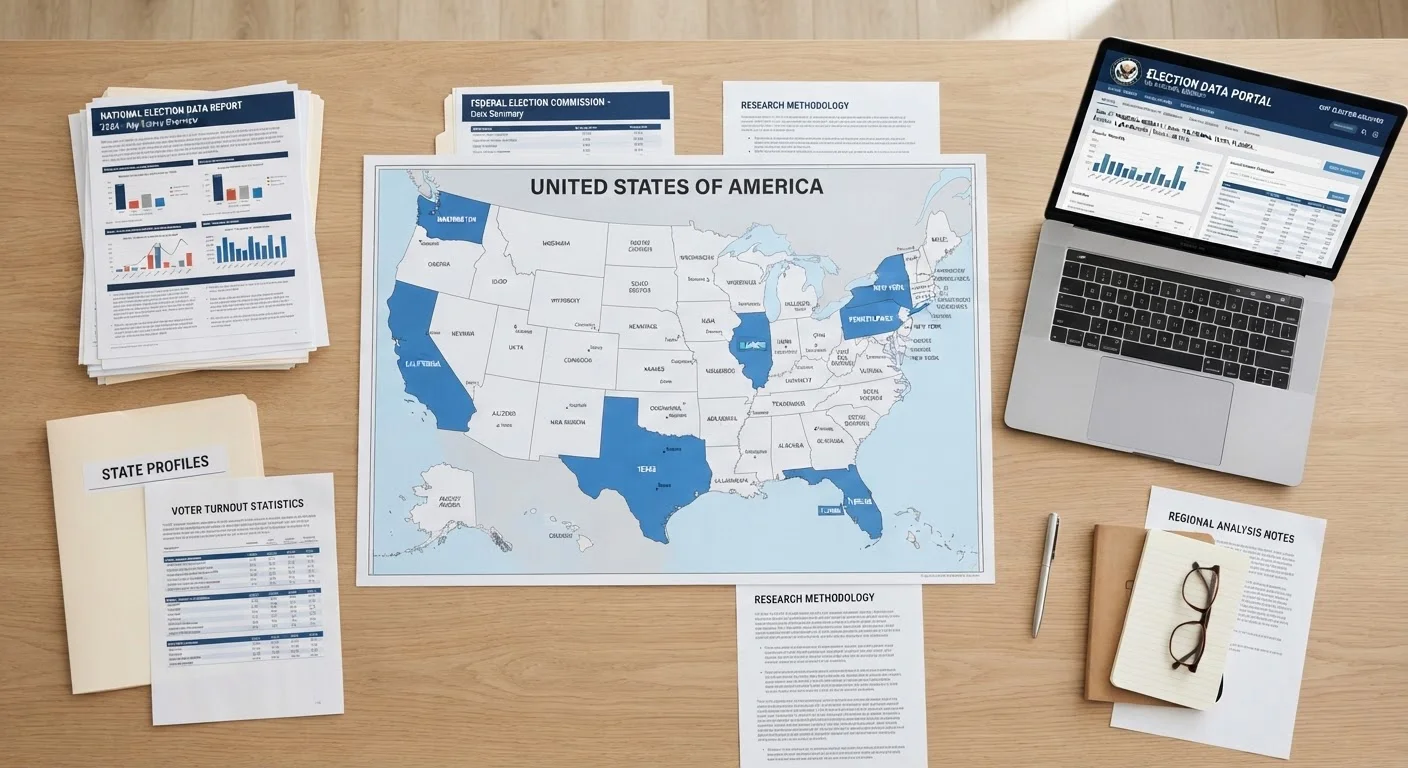
Searching Unclaimed Property Across Multiple States at Once
If you've lived or worked in several states, funds may be scattered across multiple databases. Learn how to run a thorough multi-state search.
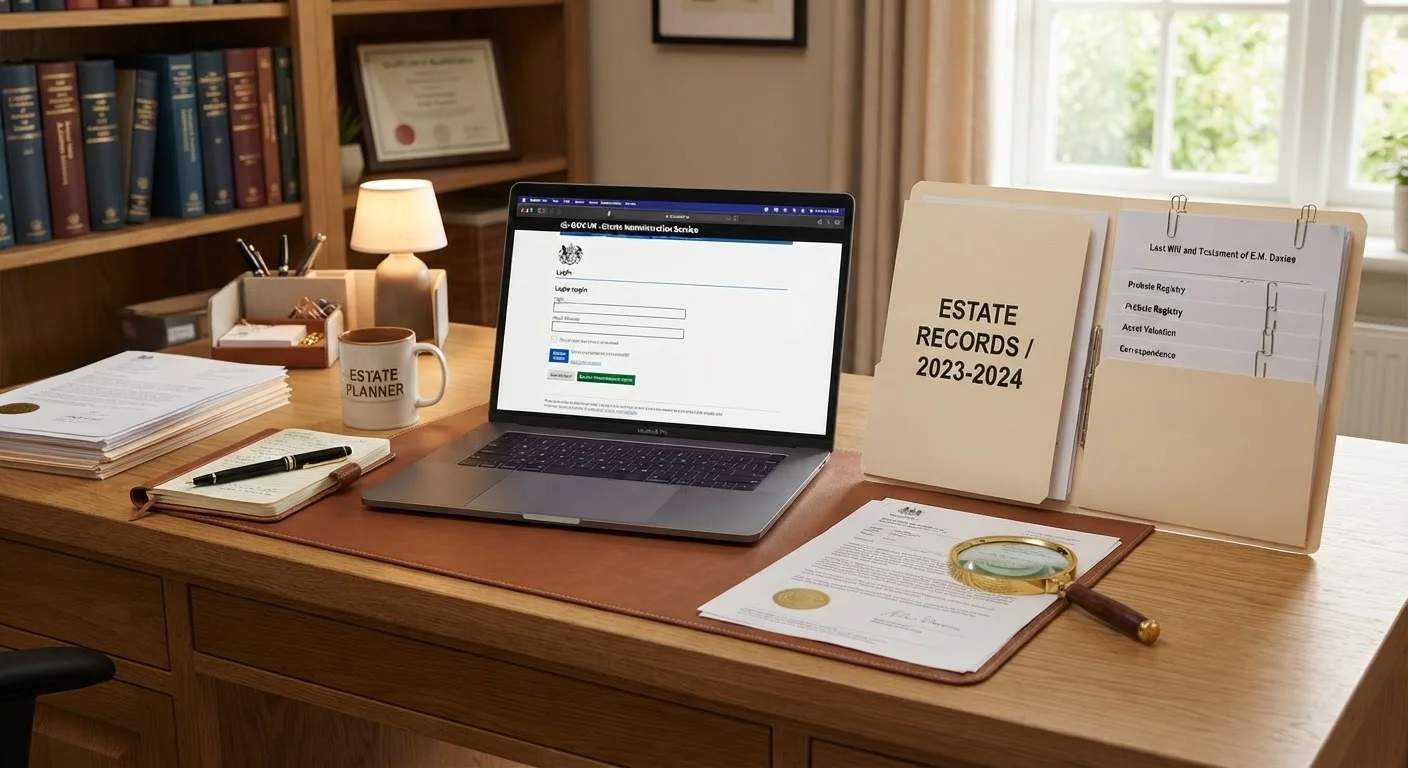
Searching on Behalf of Someone Else: Estate and Family Claims
Heirs, executors, and family representatives can claim unclaimed property for deceased relatives. Here's how state databases handle those searches.
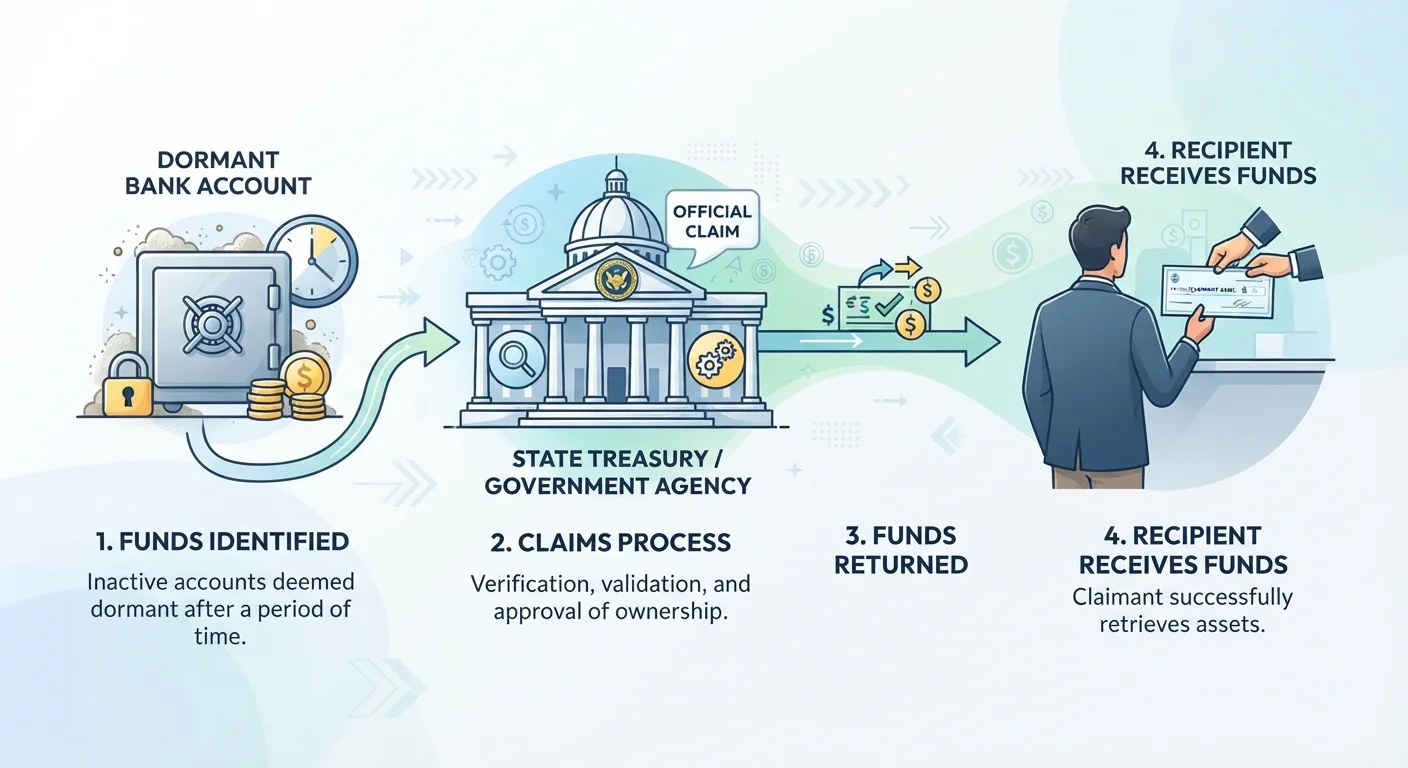
The Full Lifecycle of Unclaimed Property: From Dormancy to Your Pocket
Follow unclaimed funds from the moment an account goes dormant, through state custody, to the point a rightful owner successfully reclaims them.
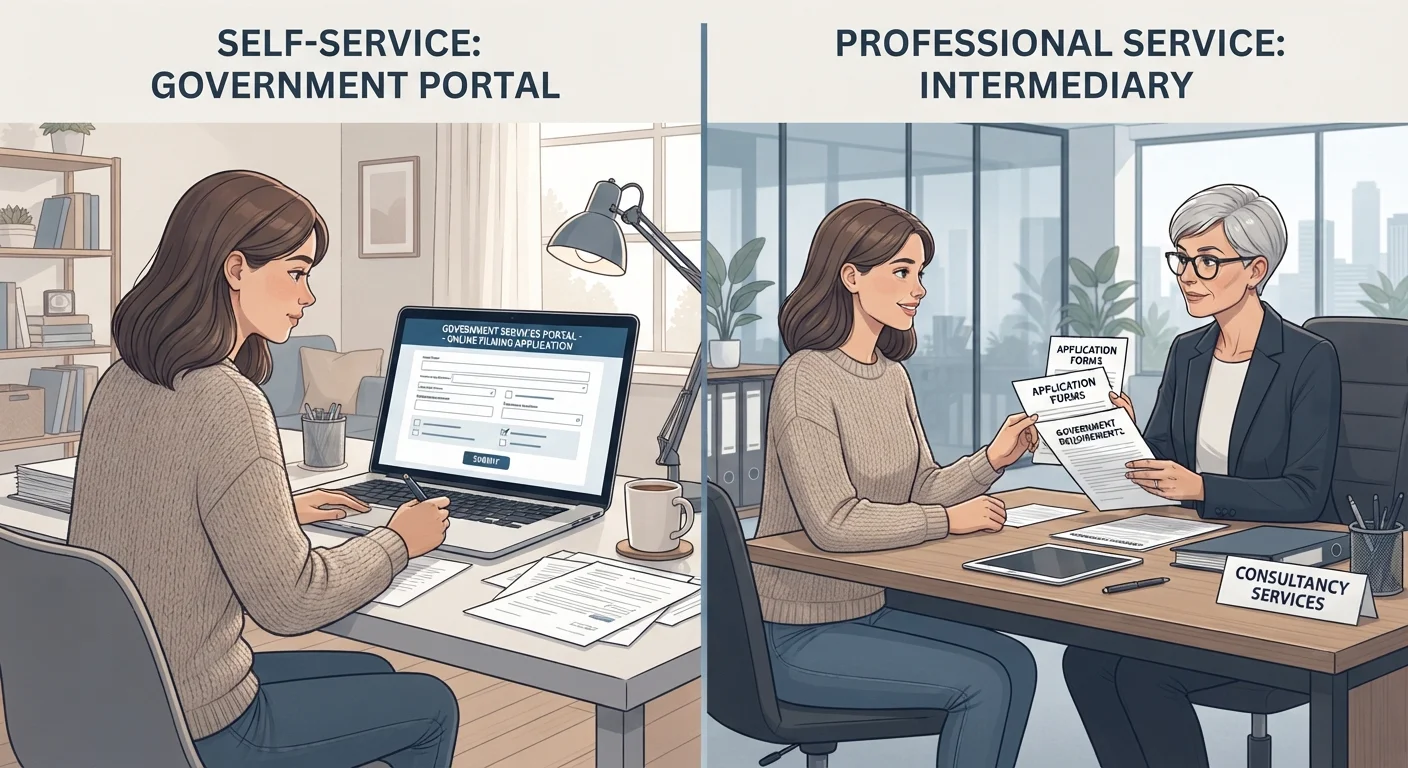
Third-Party Finders vs. Searching Yourself: What You Give Up by Outsourcing
Heir-finder services take a percentage of recovered funds. Weigh what you gain in convenience against what you lose by not searching official portals directly.
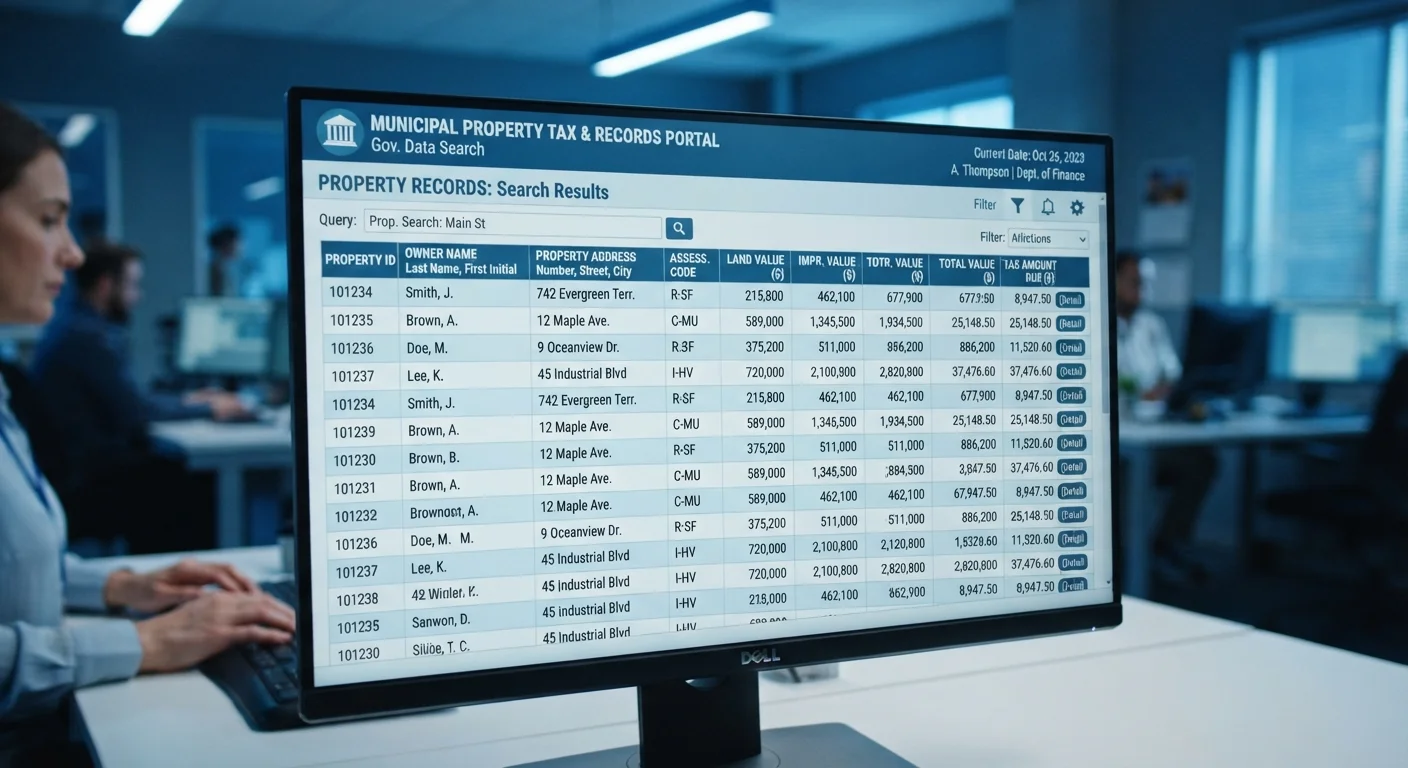
What the Unclaimed Property Search Results Page Is Actually Telling You
Property type codes, holder names, reported dates—decode what state database results mean before you decide whether to file a claim.

When a State Search Comes Up Empty—and What to Try Next
A blank result doesn't always mean nothing is owed to you. Explore reasons results may be missing and alternative databases worth checking.
Why Legitimate Unclaimed Property Searches Are Always Free
Official state databases never charge to search. Understand why, and learn to spot the signs that a site is exploiting your search rather than helping it.

Your First Unclaimed Property Search: A State Database Walkthrough
New to searching for unclaimed funds? This beginner-friendly guide walks you through official state portals step by step, from entry to claim submission.
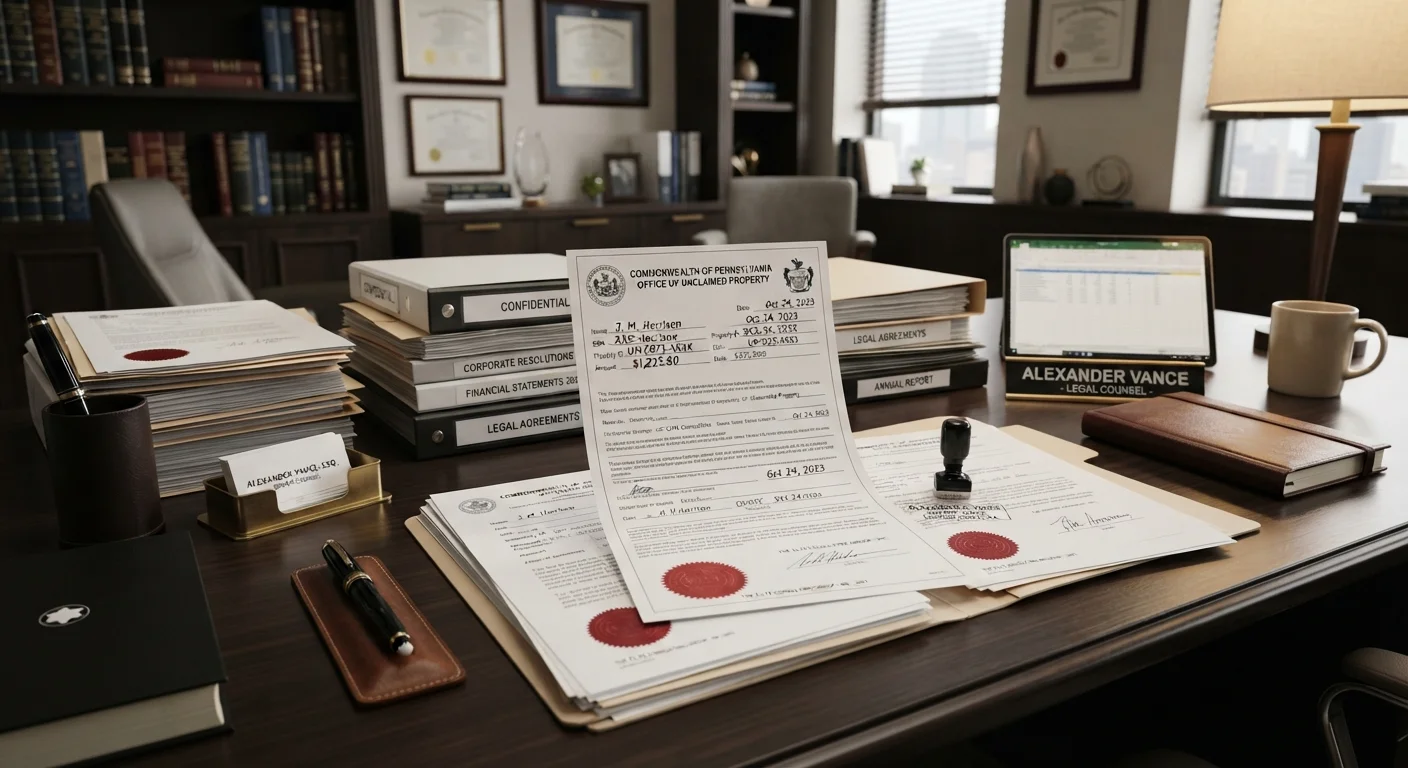
Business Unclaimed Property Claims: How the Process Differs from Individual Claims
Companies and sole traders face different documentation and authorisation requirements when reclaiming escheated business funds.
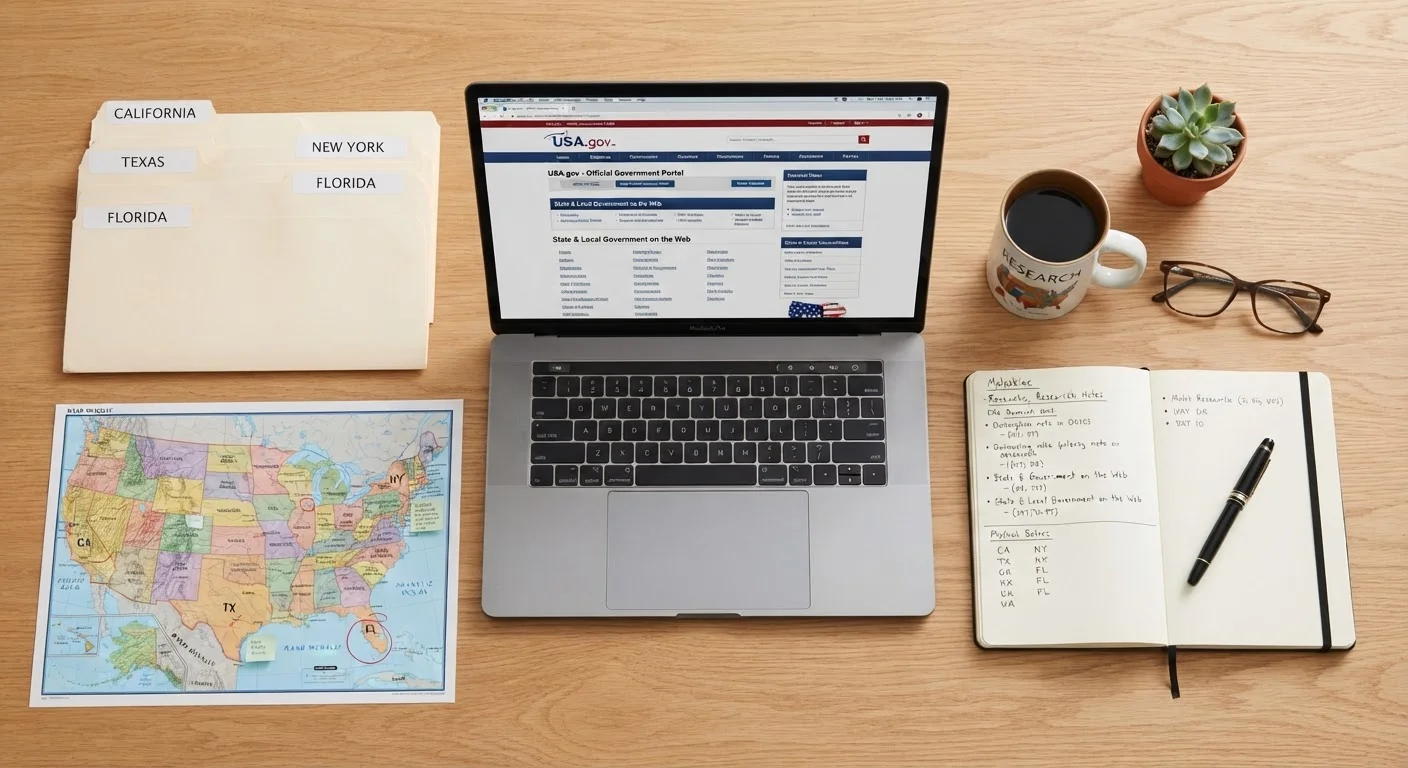
Claiming Funds Across Multiple States at Once
Property can be held by more than one state. Learn how to manage parallel claims without duplicating effort or missing deadlines.

Claiming Unclaimed Money on Behalf of a Deceased Relative
Heirs and estate representatives face extra documentation hurdles. Learn what proof of entitlement authorities typically require.
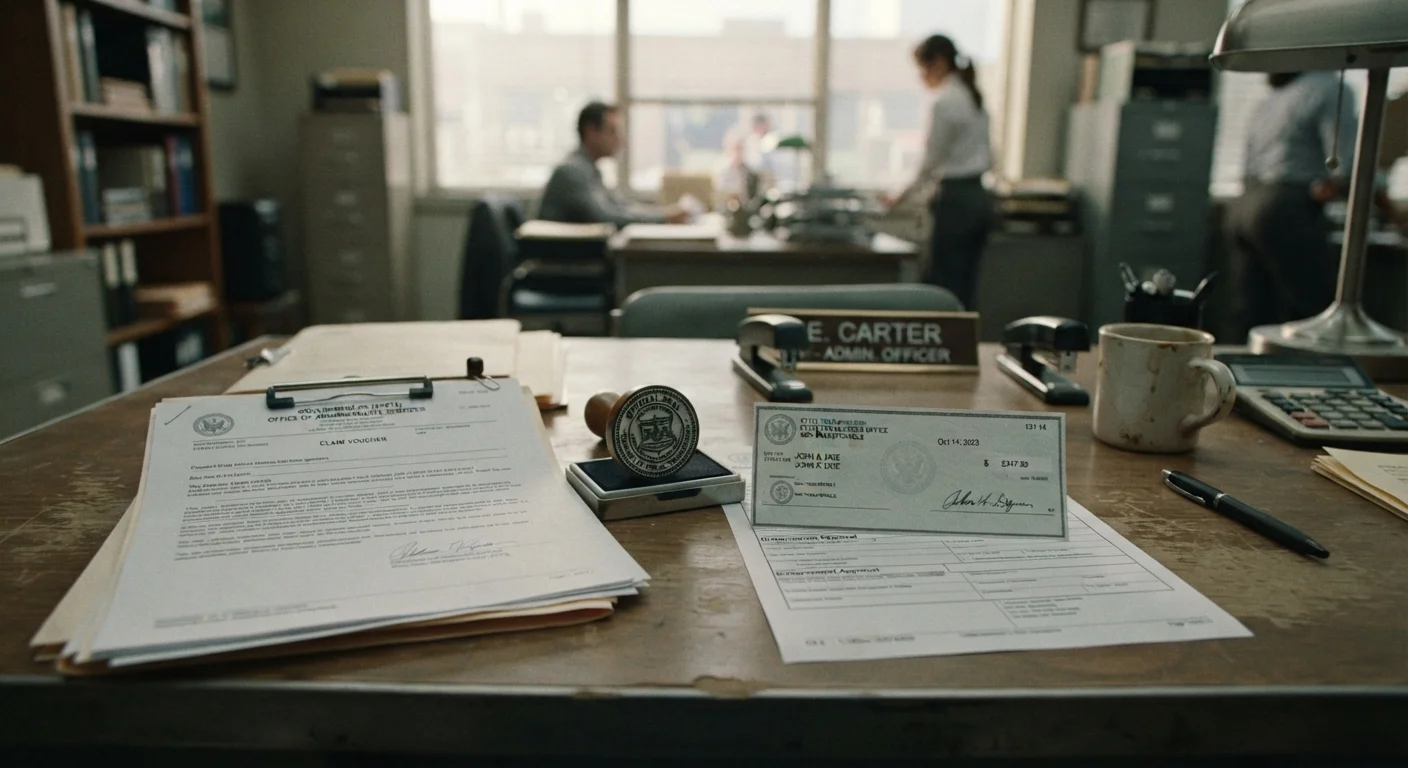
Common Misconceptions About What Unclaimed Money Agencies Will Pay Out
Many claimants expect a quick windfall. Here's what the official process actually delivers — and what it doesn't guarantee.
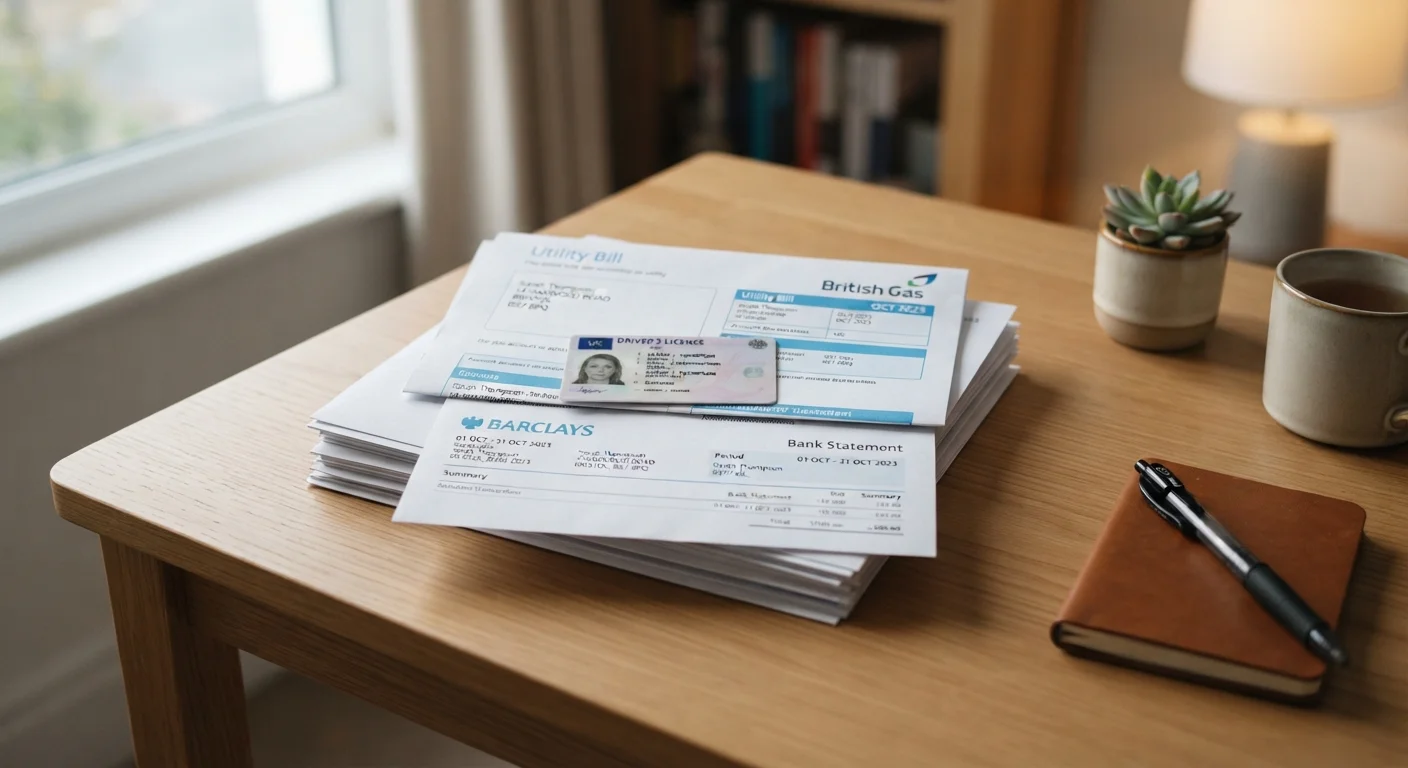
Documents You'll Typically Need to Prove Ownership of Unclaimed Funds
A practical reference covering the identity, ownership, and address documents most state agencies require when processing a claim.

Filing an Unclaimed Property Claim: A First-Timer's Complete Guide
New to claiming unclaimed money? Learn every step of the official process, the documents you'll need, and what to realistically expect.
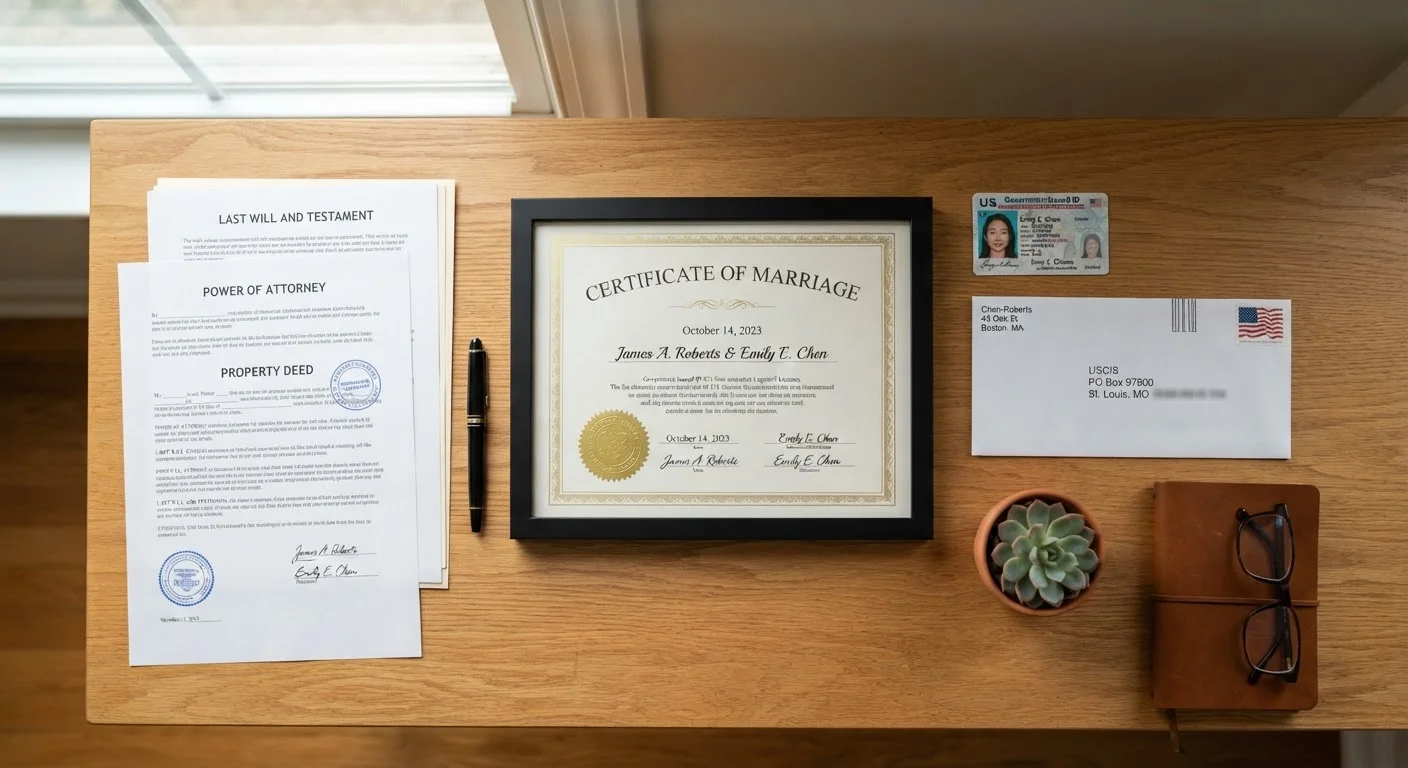
Handling a Claim When Your Name or Address Has Changed Since the Account Was Opened
Life changes create documentation gaps. See how to bridge discrepancies between your current ID and old account records during a claim.
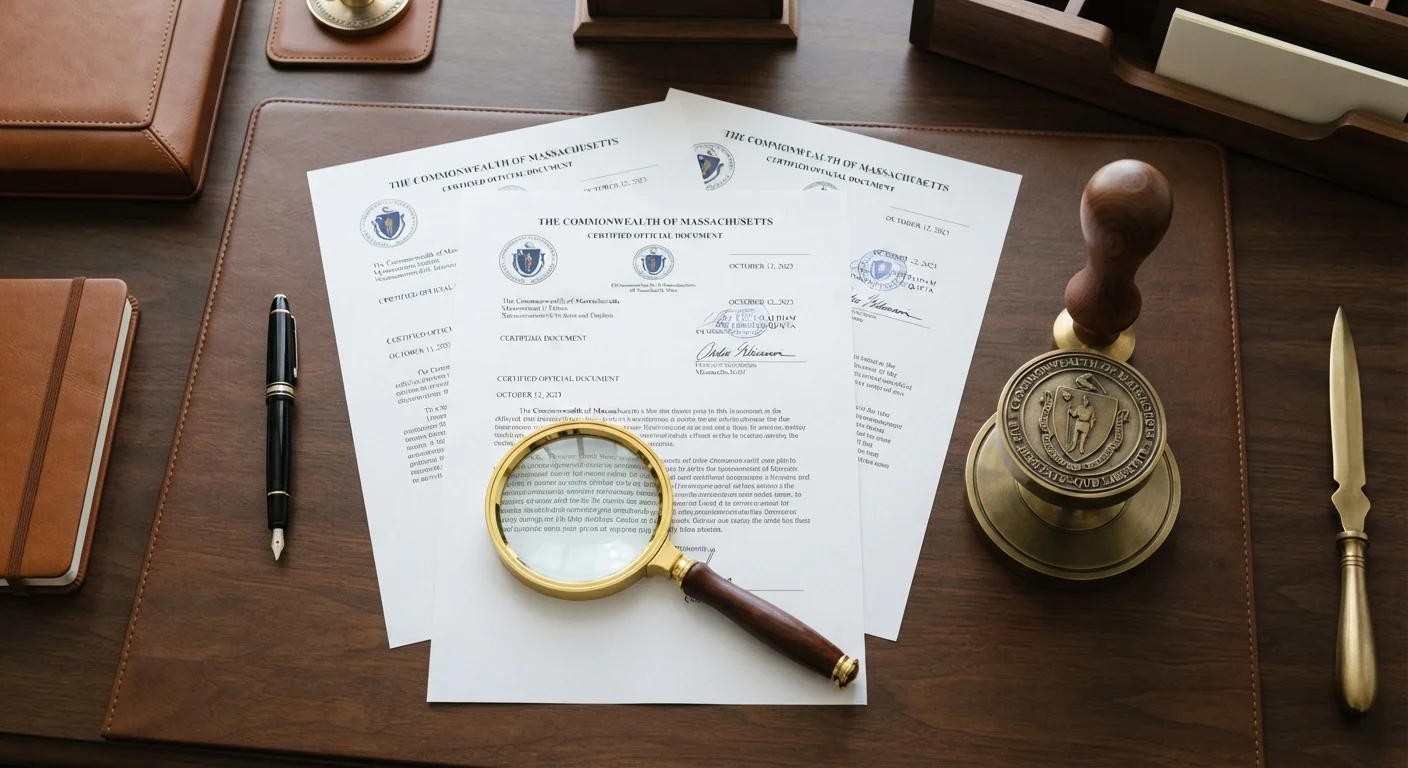
How State Unclaimed Property Offices Verify Your Identity
Identity verification is a key step in every claim. Understand what methods agencies use and why strict verification exists.
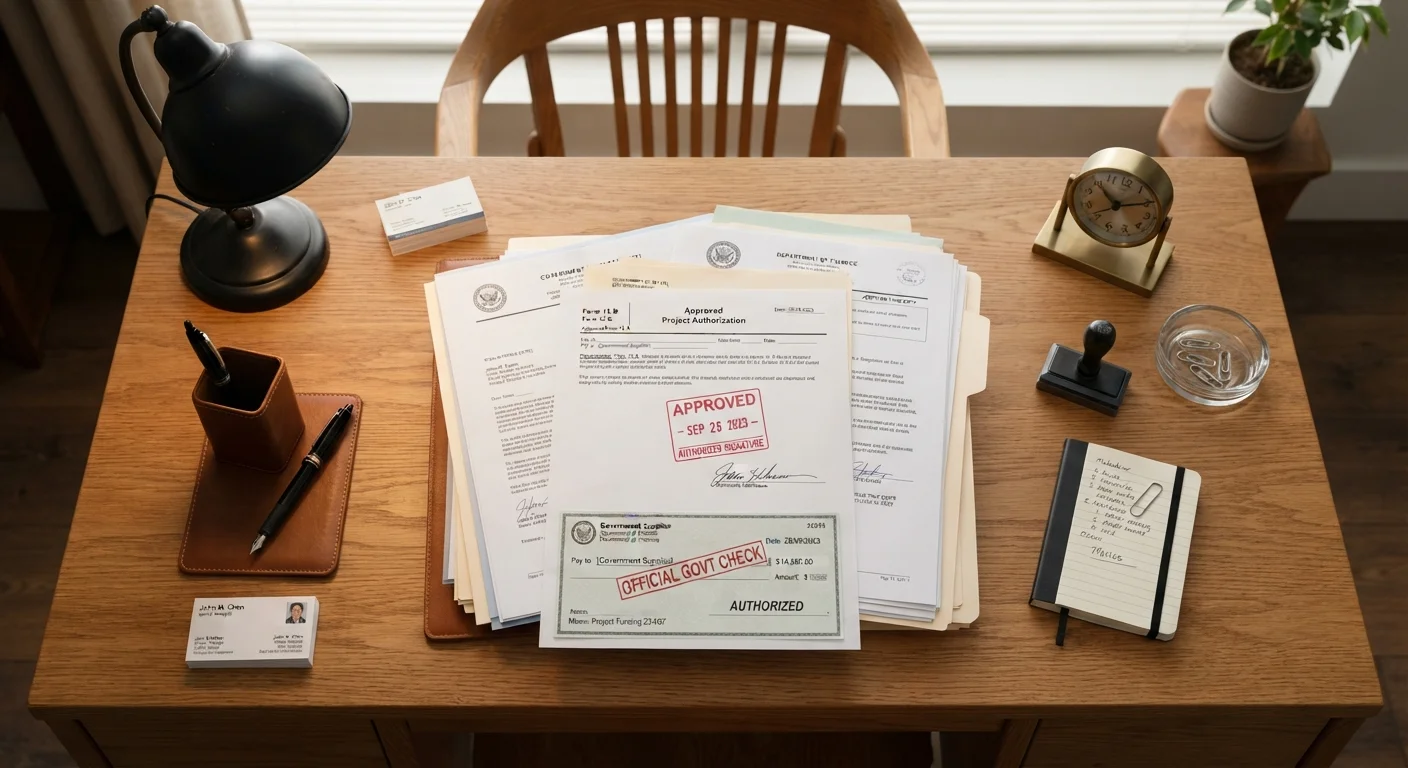
How the Unclaimed Property Claims Process Actually Works
A clear walkthrough of what happens after you find unclaimed money — from filing to receiving your funds from a state authority.
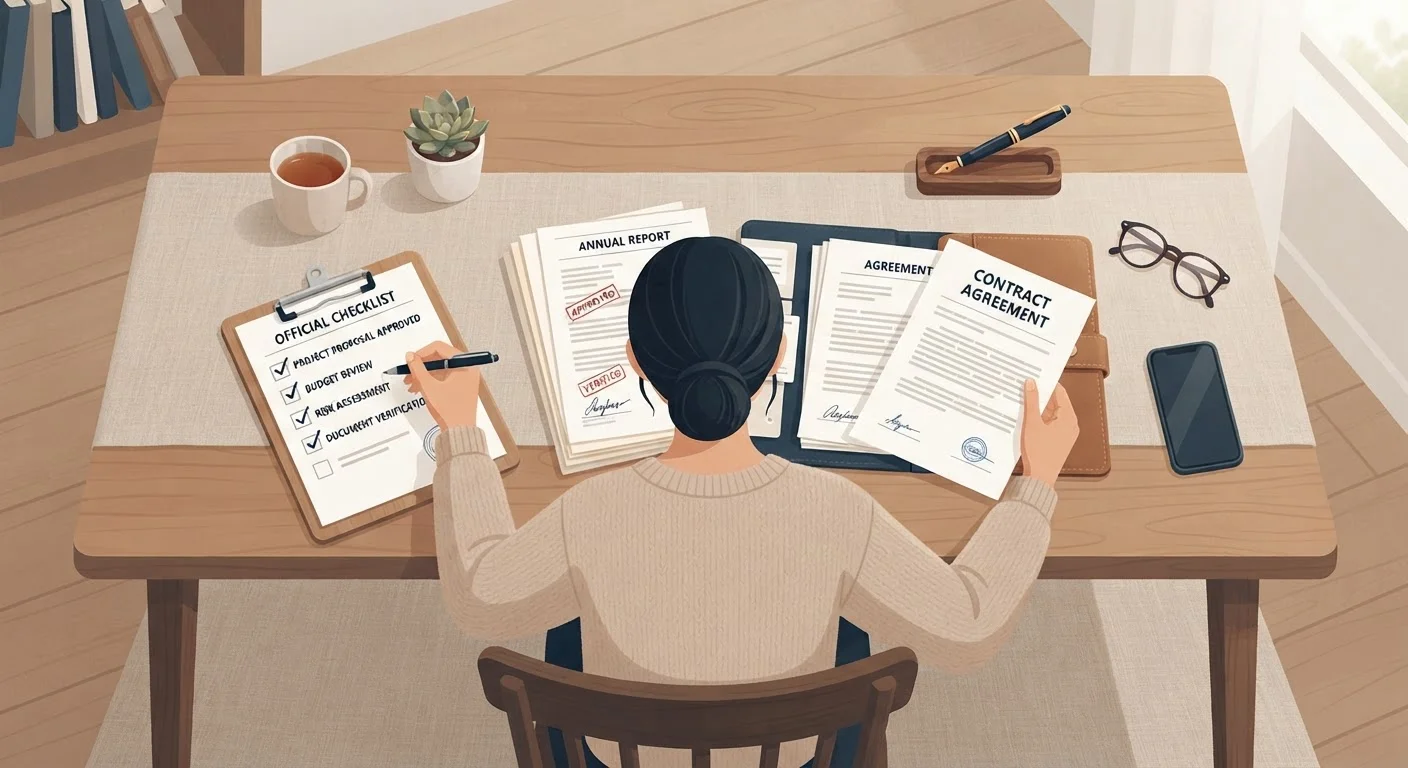
Keeping Your Claim on Track: Best Practices Once You've Submitted
Submitting a claim is only the start. Learn how to monitor progress, respond to information requests, and avoid common post-submission pitfalls.
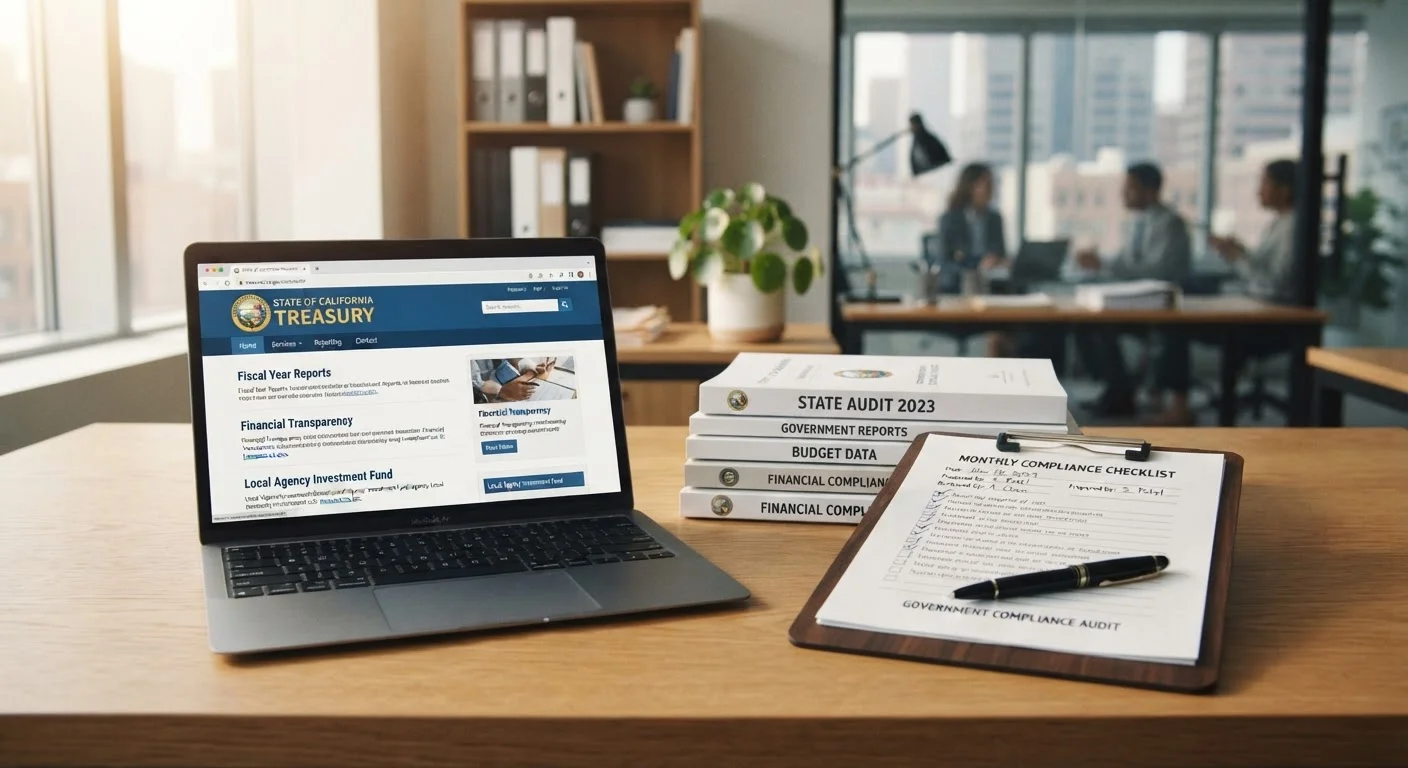
Pre-Claim Checklist: Getting Your Documents in Order Before You Apply
Use this checklist to gather the right documents before submitting — so your claim isn't delayed by missing or mismatched information.
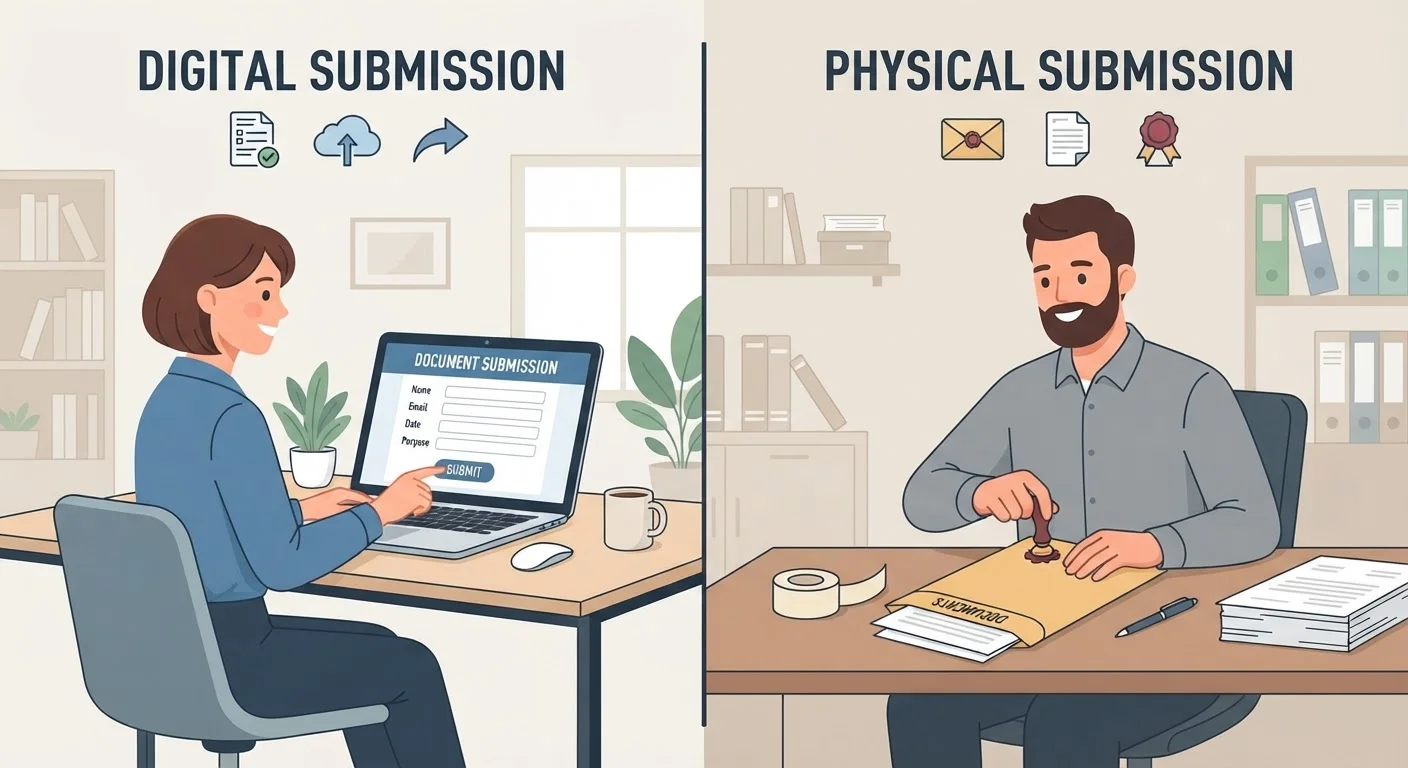
Submitting a Claim Online vs. by Mail: What the Process Looks Like Either Way
Most states now offer both digital and paper claim routes. See how they compare in speed, documentation requirements, and ease of tracking.
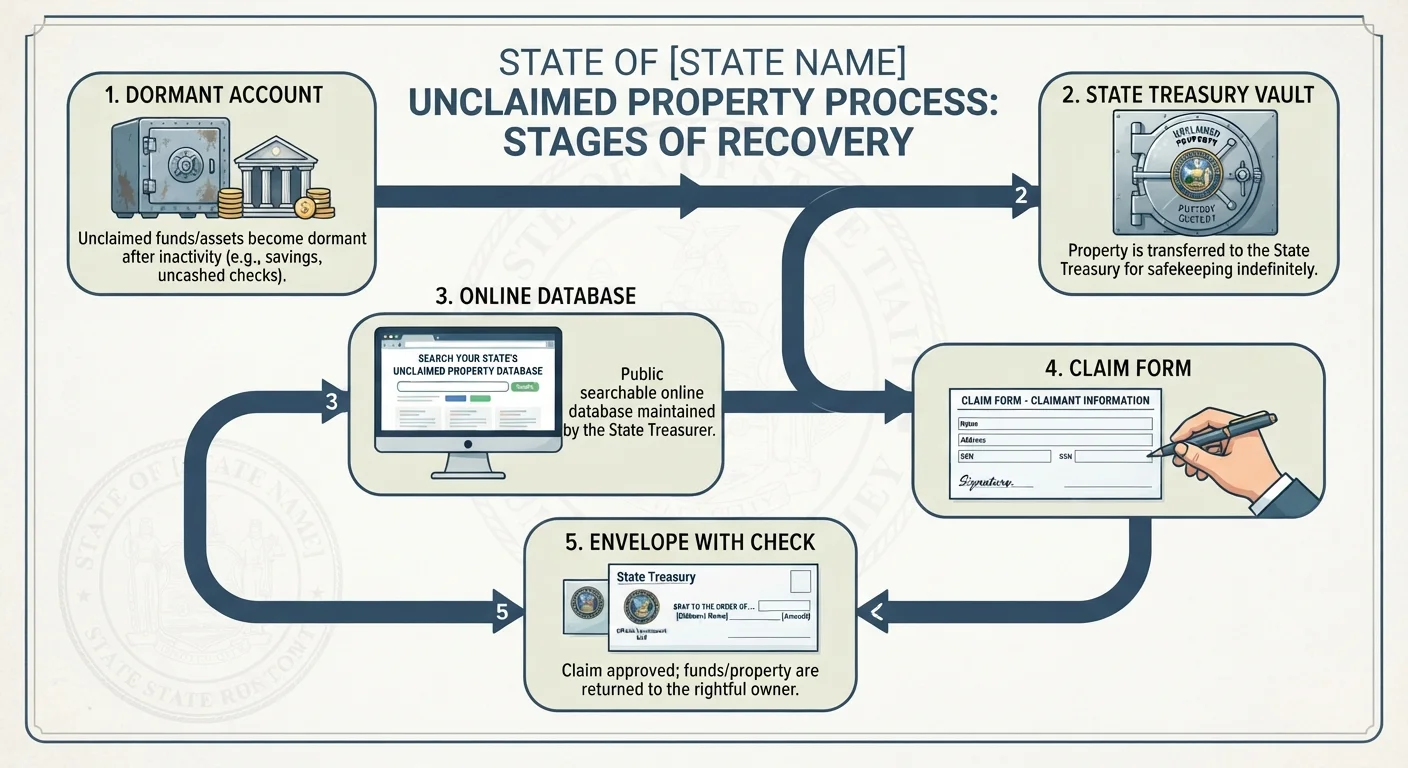
The Full Lifecycle of an Unclaimed Property Claim
From dormancy and escheatment to filing, review, approval, and payment — a comprehensive look at how unclaimed property moves through the system.
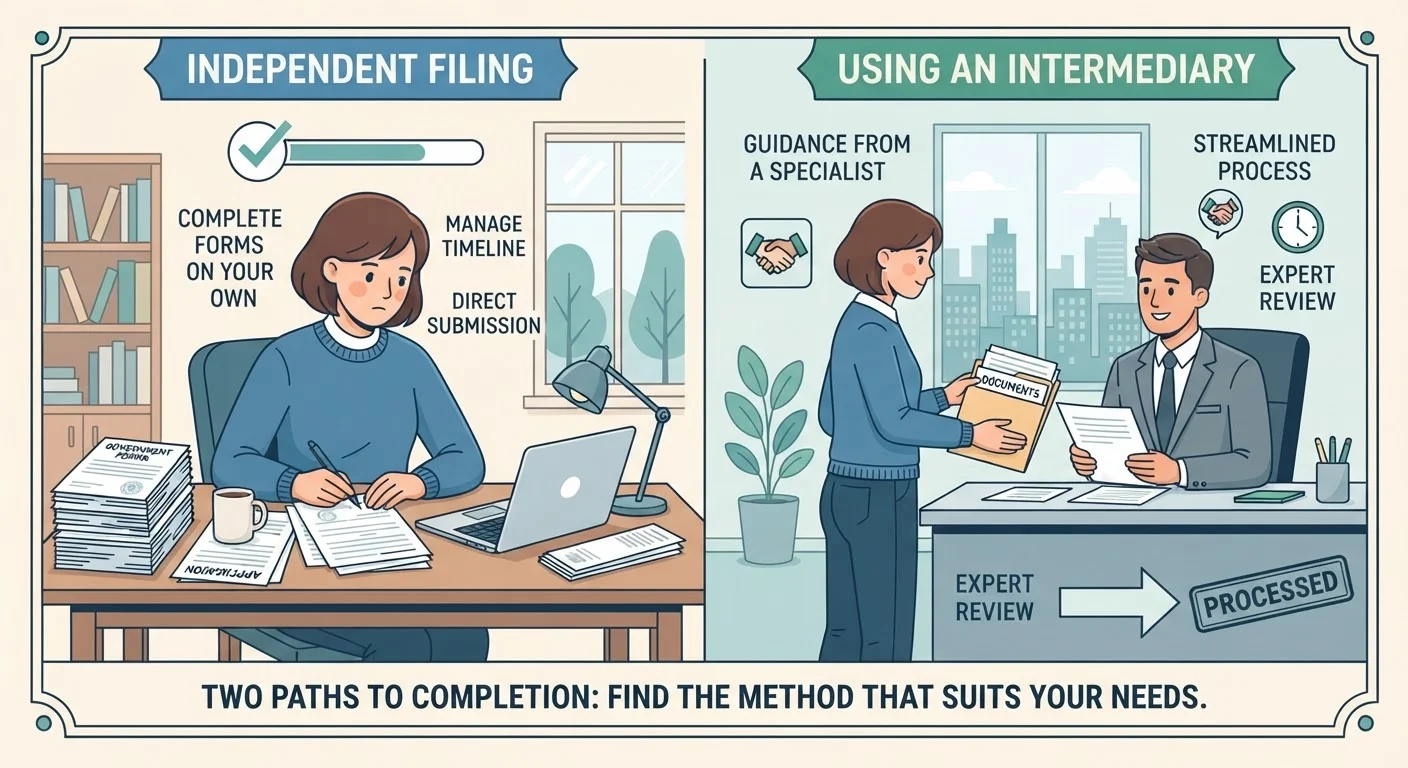
Third-Party Finders vs. Claiming Directly: Understanding the Trade-offs
Some companies offer to file claims on your behalf for a fee. Here's a balanced look at what you gain and give up compared to filing yourself.
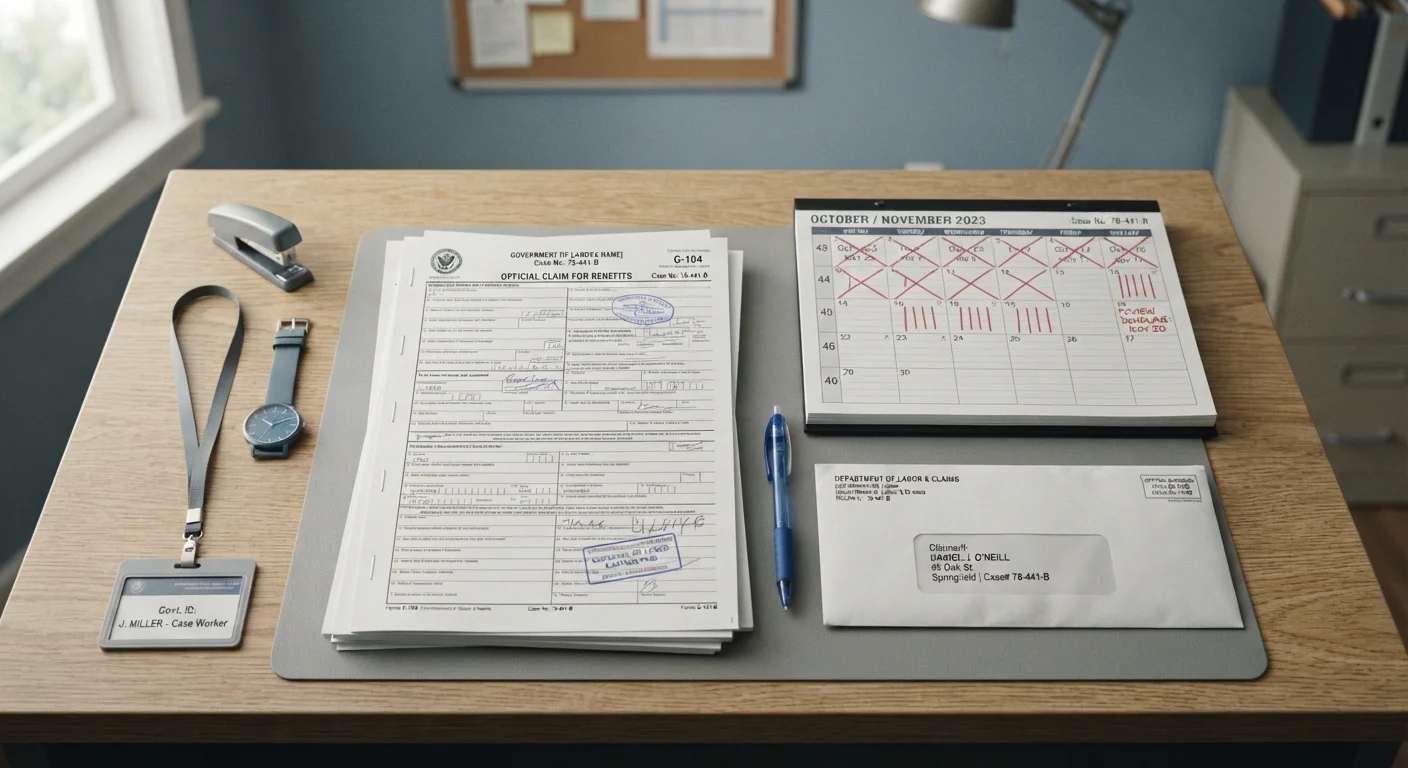
Unclaimed Property Claim Timelines: What Delays a Payout and What Doesn't
State agencies can take weeks or months to process claims. Here's what drives those timelines and when it's reasonable to follow up.

Why Your Unclaimed Property Claim Was Rejected — and What to Do Next
Claim denials are more common than people expect. Understand the most frequent reasons and the steps available to you after a rejection.