
How State Unclaimed Property Offices Verify Your Identity
Identity verification is a key step in every claim. Understand what methods agencies use and why strict verification exists.
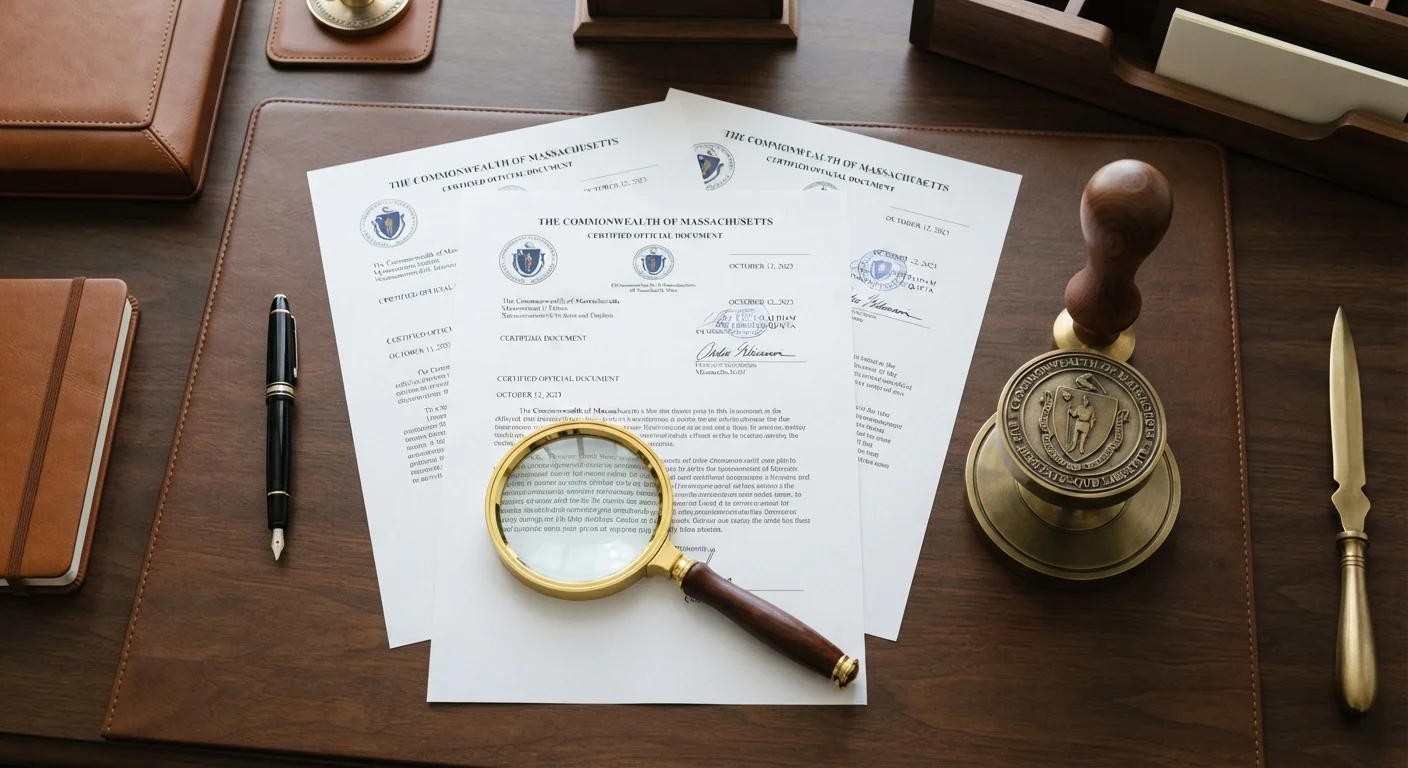
Photo: searchopenrecords editorial
—— In This Article
Key Takeaways
- Every state requires identity verification before releasing unclaimed property funds to a claimant.
- Common documents include a government-issued photo ID, Social Security number, and proof of your former address.
- Larger claims often require more extensive documentation, such as bank statements or legal ownership records.
- Heirs and estate representatives must provide additional legal documents like a death certificate or letters of administration.
- Verification protects the state's fiduciary duty and prevents fraudulent claims against legitimate owners.
Why States Verify Identity Before Releasing Funds
When a state holds unclaimed property — whether it's a forgotten bank account, an uncashed paycheck, or an old insurance payment — it acts as a custodian. That fiduciary duty means the state cannot simply hand over funds to anyone who asks. Fraud is a real concern: bad actors do attempt to claim money belonging to others. Rigorous verification protects legitimate owners and ensures public trust in the system.
Understanding how unclaimed money works helps frame why verification exists: the state holds these funds indefinitely until the rightful owner or heir comes forward. That open-ended obligation means the verification process must be airtight.
Gather Documents Before You Start
Before initiating a claim, pull together your ID, SSN documentation, and any records linking you to the property's listed address. Having these ready prevents mid-process delays and makes the online upload or mail submission far smoother. State offices can only process what you provide — incomplete submissions are the leading cause of extended wait times.
Standard Identity Documents Most States Request
While exact requirements differ by state, most unclaimed property offices ask for a consistent core set of documents. Being prepared with these before you file will prevent unnecessary delays.
- Government-issued photo ID: A current driver's license, state ID card, or passport is typically required. The name on your ID must match the name on the claim.
- Social Security number (SSN) or Individual Taxpayer Identification Number (ITIN): States use this to confirm the property record matches your tax identity. Some states accept a Social Security card; others require a W-2 or tax return as supporting documentation.
- Proof of address history: Since property is often listed under a former address, you may need to document that you once lived there. Utility bills, bank statements, or prior tax returns showing that address can satisfy this requirement.
For full context on how state portals link your records to property listings, see how state unclaimed property databases actually work.
Elevated Requirements for High-Value or Complex Claims
Claims above certain dollar thresholds — which vary by state — often trigger a more thorough review. States may require:
- Original account statements or correspondence from the business that originally held the funds
- Notarized claim forms or affidavits of ownership
- Additional corroborating financial records linking you to the original account
This tiered approach is practical: a $25 claim carries far less risk than a $25,000 one. The state's verification intensity scales with the financial stakes involved.
$58B+
Total unclaimed property held by U.S. states
NAUPA estimates states collectively hold more than $58 billion in unclaimed property, underscoring why fraud prevention through verification is essential.
1 in 10
Americans with unclaimed property
NAUPA has estimated that approximately one in ten Americans has some form of unclaimed property waiting in a state database.
Claiming on Behalf of an Estate or Deceased Owner
If the original owner has passed away, the verification process becomes more layered. States require claimants to prove both their relationship to the deceased and their legal authority to act on behalf of the estate. Common documents include:
- Certified death certificate issued by a government authority
- Letters testamentary or letters of administration from a probate court, establishing your legal role as executor or administrator
- Proof of relationship, such as a birth certificate or marriage certificate, if claiming as a direct heir
- A copy of the will, if applicable, especially when the property is specifically mentioned
Some states also accept an affidavit of heirship for smaller estate claims where formal probate was not initiated. Consulting a licensed attorney for complex estate claims is advisable, as requirements can be intricate and state-specific.
For a broader walkthrough of what happens after you identify a claim, see how the unclaimed property claims process actually works.
Submitting Your Verification: Online vs. By Mail
States increasingly offer online claim portals that allow you to upload scanned documents directly, making the process faster and trackable. However, some states — and nearly all complex or high-value claims — still require paper submission with original or certified copies.
When submitting online, use only the official state treasurer, controller, or revenue department website. You can locate verified portals through NAUPA's MissingMoney.com directory. Once your claim is submitted, most portals offer a claim status tracker so you can monitor progress without needing to call the office.
Getting the most out of a state unclaimed property portal can also help you navigate official portals with confidence before and during the filing process.
This article is for general informational purposes only and does not constitute legal or financial advice. For matters involving estate claims or complex ownership disputes, consult a licensed attorney or qualified financial professional.
Frequently Asked Questions

Unclaimed Money Editorial Team
Unclaimed Money Editorial Team is the collective byline for our editorial team and contributor network. Articles published under this byline or an editorial pen name are researched, written, and reviewed according to our editorial standards for clarity, consistency, and independence before publication.
View author profile