
Odometer Rollback: How Fraud Gets Recorded in Public VIN Data
Odometer discrepancies in vehicle history reports are a key fraud signal. Learn how mileage records are tracked and what inconsistencies look like.
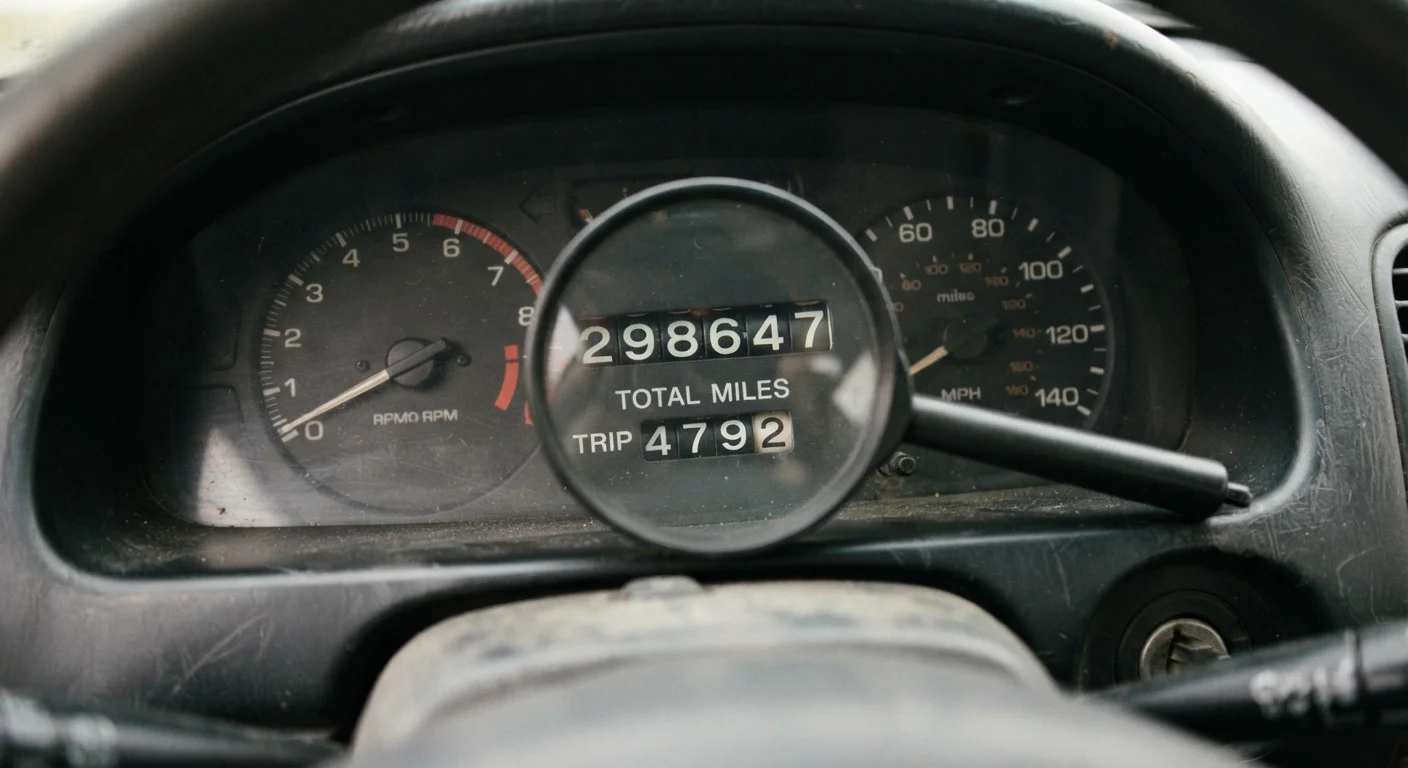
Photo: searchopenrecords editorial
—— In This Article
Key Takeaways
- Odometer rollback is a federal crime under the Federal Odometer Act.
- Every title transfer requires a mileage disclosure, creating a paper trail in public records.
- VIN-based history reports aggregate mileage readings from multiple sources to flag discrepancies.
- A mileage reading that decreases between title events is a strong indicator of tampering.
- Gaps in title history across states can obscure rollback fraud — no single record is complete.
- An independent mechanical inspection complements but does not replace a VIN history check.
Why Mileage Matters — and Why It's a Target for Fraud
A vehicle's odometer reading is one of the primary factors determining its market value. Higher mileage generally signals more wear on the engine, transmission, brakes, and suspension — which translates directly to lower resale price and higher future maintenance costs. Because the gap in value between a 50,000-mile vehicle and a 150,000-mile vehicle can be substantial, mileage figures are a natural target for fraud.
Odometer rollback — illegally winding the mileage reading backward — is not new, but the methods have evolved. Older mechanical odometers could be altered with simple tools. Today's digital systems require specialized reprogramming equipment, but the result is the same: a buyer sees a number that does not reflect reality. Understanding how public records counteract this is essential to evaluating any used vehicle. See the VIN Lookup Basics hub for context on how VINs and title records connect.
How Mileage Gets Recorded in the Title System
The most reliable paper trail for odometer readings runs through the title transfer process. Under the Federal Odometer Act, every seller must complete an odometer disclosure statement when transferring a vehicle title. That statement — noting the odometer reading at time of sale — becomes part of the official title record filed with the state DMV. Each time the vehicle changes hands, a new disclosure is added.
State DMVs share title data with national databases, which vehicle history services then aggregate. As a result, a vehicle that has changed owners multiple times generates a chronological mileage log in the public record — one that can reveal inconsistencies even when a seller presents a clean-looking instrument cluster.
Beyond title events, mileage data enters the record from other sources: emissions inspection stations, insurance claims adjusters, lenders processing auto loans, and dealer service departments. Each of these touchpoints adds a timestamped mileage reading that feeds into a vehicle's history. For a closer look at how these sources interact, the article on public records vs. reported data explains coverage limitations in detail.
Check Mileage Across Every Recorded Event
When reviewing a vehicle history report, don't just glance at the most recent mileage figure. Scroll through every timestamped event and verify that the numbers increase logically over time. Even a single out-of-sequence reading is worth investigating before proceeding with a purchase.
Reading the Red Flags: What Discrepancies Look Like
When you run a VIN-based history report, look specifically at the mileage column in the event timeline. Legitimate vehicle histories show mileage that increases consistently over time. A rollback leaves traces that stand out clearly against that baseline:
- Decreasing mileage: A reading lower than a prior recorded event is the clearest sign of tampering.
- Stagnant mileage: A mileage figure that barely changes over years of recorded events may indicate the vehicle has been driven on an unconnected odometer — or that some records are missing entirely.
- Sudden large jumps: A big mileage increase after a period of stagnation can signal that a rolled-back odometer is slowly catching up to real-world usage.
- Gaps in state coverage: If a vehicle moved between states with limited DMV data sharing, legitimate mileage records from that period may not appear. Fraudsters sometimes exploit these gaps deliberately.
These patterns should be treated as signals, not conclusions. Some anomalies have innocent explanations — clerical errors, data-entry mistakes, or coverage gaps. For guidance on interpreting these patterns systematically, see interpreting a vehicle history report.
Limitations and What to Do Next
No VIN history report is exhaustive. Events that were never reported to a participating data source simply won't appear. Private-party sales in states with weak reporting requirements, cash transactions that bypass formal title work, and vehicle service at non-reporting shops all represent potential blind spots. This is why a VIN check is a starting point, not a final verdict. The article on things that can complicate a title record search outlines additional gaps to watch for.
If a report flags an odometer discrepancy, the appropriate response is independent verification — not dismissal and not panic. Request all available service and maintenance records from the seller. Have a qualified mechanic inspect the vehicle; physical wear indicators such as pedal condition, steering wheel wear, and component fatigue can help assess whether reported mileage is plausible. Cross-reference the reading against state inspection stickers or oil-change reminders still in the vehicle.
Odometer fraud exists alongside other forms of vehicle misrepresentation. Readers investigating suspected VIN-level tampering may also want to review VIN tampering and how altered numbers are detected, which covers a related but distinct category of fraud.
This article is for informational and educational purposes only. It does not constitute legal advice. If you believe you have been the victim of odometer fraud, consult a licensed attorney or contact your state attorney general's office.
Frequently Asked Questions

Vin Search Editorial Team
VIN Search Editorial Team is the collective byline for our editorial team and contributor network. Articles published under this byline or an editorial pen name are researched, written, and reviewed according to our editorial standards for clarity, consistency, and independence before publication.
View author profile