7 easy snack ideas for kids
health

7 easy snack ideas for kids

The ideal snacks for children will only satisfy their taste buds but also be healthy and easy to make. Moreover, kids tend to get bored with the same type of snacks every day. So, keeping the snack menu fresh for them may require making simple changes to basic meals. To help one get started, here are a few easy yet healthy snack options that one can try making for kids: Yogurt fruit cups Yogurt fruit cup is another easy recipe that can be as much of a delight to the taste buds as it is to the eyes. To make this snack, one can take a cup of vanilla yogurt, add some honey for natural sweetness, and top it with fruits and berries. Trail mix To whip up a tasty trail mix for kids, all one needs is a combination of various nuts, dried fruits, and sandwich crackers. One can also sprinkle chocolate chips to make it more appealing to kids. Broccoli cheese cups This can be an interesting way to get children to eat their vegetables. All one needs to make this snack is a few chopped pieces of broccoli, shredded cheddar cheese, and a whisked egg. One can combine these ingredients, place them in muffin tins, and bake them to make a simple and nutritious snack for kids.

10 foods that can help reduce dark circles
health

10 foods that can help reduce dark circles

Dark circles under the eyes can be a bothersome concern. They are often attributed to various factors, including genetics, lack of sleep, stress, and poor nutrition. While concealer can offer a temporary fix, addressing the issue at its root is essential for long-lasting results. Incorporating specific foods into one’s routine can be an effective and natural way to diminish dark circles. This is, of course, in combination with a dermatologist-approved skincare routine. Here are a few foods that can help reduce dark circles: 1. Almonds Almonds are a powerhouse of nutrients, including vitamin E, which is known for its skin-nourishing properties. This vitamin helps protect the delicate skin around the eyes from oxidative damage, reducing the appearance of dark circles. Additionally, almonds are a good source of fiber, healthy fats, and protein, contributing to overall skin health. 2. Avocado Avocado is a treasure trove of nutrients, including vitamin K, which plays a pivotal role in blood clotting and circulation. By promoting healthy blood flow, avocado helps prevent blood from pooling beneath the eyes, a common cause of dark circles. Moreover, the natural oils in avocados provide deep hydration to the skin, contributing to a more youthful and refreshed appearance. 3.
6 unusual triggers for cold sores
health

6 unusual triggers for cold sores

A cold sore is a condition in which individuals develop blisters on or around their lips. These fluid-filled blisters are caused by the herpes simplex virus (HSV), which jumps from person to person through close contact or sharing items like lipstick or utensils. The virus gets activated and flared up by specific triggers every so often, resulting in an outbreak of cold sores. Here are some unusual triggers for cold sores: Sunlight The sun triggers some aspects of the herpes simplex virus to cause rabid cold sore outbreaks. The sun’s UV rays inflame and irritate the skin if exposed for too long. People with cold sores will suffer the irritation and inflammation caused by UV rays in the form of blisters in and around their lips. UV rays tend to suppress an individual’s immune system and activate or awaken the dormant elements of cold sores in some people. Apart from UV rays, freezing temperatures can also trigger blistering by drying up one’s lips. All in all, if an individual has cold sores already, they must avoid being exposed to the sun constantly. Fatigue People with cold sores who are exhausted or rundown are more likely to experience flare-ups of the condition.
10 early signs of amyotrophic lateral sclerosis
health

10 early signs of amyotrophic lateral sclerosis

Amyotrophic lateral sclerosis (ALS), also called Lou Gehrig’s disease after the famous baseball player who succumbed to the disease, is a motor-neuron condition characterized by the breaking down of nerve cells in the body and leading to a degeneration of the brain and spinal cord. Approximately 5.2 per 1,00,000 individuals are affected by this neurodegenerative disease each year nationwide. Here are some early warning signs of ALS that can facilitate timely intervention: Early warning signs of ALS Difficulty walking This health condition begins with muscular weakness, which eventually poses difficulty standing and walking. Thus, ALS patients may require assistive devices like crutches or wheelchairs as the disease progresses. Problems with chewing and swallowing Since ALS involves the weakening of the masseter and temporalis muscles responsible for chewing and swallowing, individuals with ALS face difficulties carrying out these activities independently and may require assistance while having their meals. Muscle cramping Muscle cramping is a highly prevalent symptom among patients with ALS, reportedly affecting 95% of patients with this condition. Spasticity Muscle weakness due to ALS may progress to muscle tightness or spasticity, making it difficult for patients with this disease to move the different muscles in their bodies. Loss of control over emotional expression Some patients with ALS may experience a momentary loss of control over their emotional expressions, such as crying or laughing.
5 heart-healthy breakfast ideas to try today
health

5 heart-healthy breakfast ideas to try today

Eating nutritious foods is incredibly essential, especially for those with heart conditions. Certain ingredients can affect the organ and worsen existing issues, while others can help maintain heart health without compromising taste. When switching to a healthier food plan, experts recommend starting the day with the right breakfast. This first meal should support the heart and provide energy for the tasks ahead. Here are five heart-healthy breakfast ideas to try today. Whole wheat pancakes Adding whole grains to meals is a great way to keep heart health in check and potentially decrease the risk of developing cardiac diseases. Experts suggest whole grains can also help reduce cholesterol and the risk of a stroke. One of the best ways to consume whole wheat in the mornings is to make whole wheat pancakes for breakfast. Follow the usual pancake recipe, but use whole wheat flour over unhealthy varieties. Have them with seasonal fruits and a little blueberry syrup for extra deliciousness! Quinoa breakfast bowl Quinoa is another heart-healthy food that can easily be incorporated into breakfast. It contains a lot of fiber, which can help lower the risk of heart disease and diabetes and keep cholesterol and blood sugar in check. Since this ingredient is also rich in antioxidants, it may help prevent heart damage.
Debunking 5 common cord blood banking myths
health

Debunking 5 common cord blood banking myths

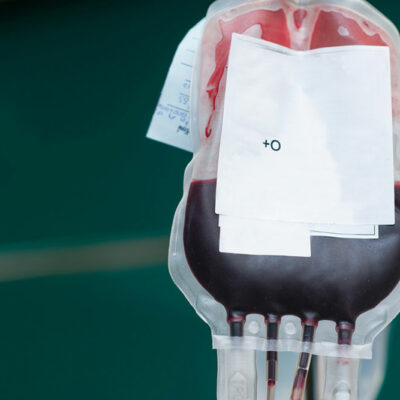
Cord blood (that is left in the umbilical cord and placenta after birth) contains special cells that can be beneficial in treating more than 70 types of conditions, including some genetic disorders, neurologic disorders, and even some forms of cancer. This method of stem cell banking has grown leaps and bounds in technology and popularity today. However, there are many myths floating around about cord blood banking. Here are five of them debunked: Myth 1: Banked blood stem cells are only good for 18 years Most blood banks offer cord blood storage for 18–20 years. Due to this, many people believe that stem cells ‘expire’ post this point. However, if stored safely, cord blood cells can last indefinitely. Myth 2: Taking blood samples from the birth mother is unsafe for the baby When the mother arrives at the hospital for delivery, a tiny amount of blood is drawn from her (before fluids are given). This blood is sent to a laboratory to run an infectious disease panel to screen any potential risks or threats for the child. Some people believe that giving extra blood before delivery can be dangerous. However, since a very small amount is drawn, this poses no risk of an unsafe delivery for the mother or child.
7 foods to avoid for COPD symptoms
health

7 foods to avoid for COPD symptoms

Chronic Obstructive Pulmonary Disease (COPD) is a respiratory condition characterized by obstructed airflow, leading to breathing difficulties. Individuals with COPD often face symptoms like persistent coughing, increased mucus production, shortness of breath, and wheezing, which can significantly impact their quality of life. Managing COPD necessitates a comprehensive approach, with suitable food choices playing a crucial role. Proper nutrition can help optimize lung function, strengthen the immune system, and enhance overall well-being for individuals with COPD. 7 foods that worsen COPD symptoms Processed foods Processed foods, often convenient but nutritionally lacking, can pose challenges for individuals with COPD. These items are typically high in sodium, unhealthy fats, and artificial additives, which can have detrimental effects on respiratory health. Excessive sodium intake can lead to fluid retention, potentially placing extra strain on the heart and lungs. Trans fats, commonly found in processed foods, have been linked to inflammation, which can further compromise respiratory function. For those managing COPD, it is advisable to scrutinize food labels and opt for whole, unprocessed alternatives to support optimal lung health. Cauliflower While cruciferous vegetables like broccoli, cabbage, and cauliflower offer a wealth of nutrients, they can sometimes lead to excess gas production in the digestive system.
5 foods that may help provide relief from angioedema
health

5 foods that may help provide relief from angioedema

Angioedema is a chronic condition marked by sudden and severe swelling in the deeper layers of the skin, often occurring around the eyes, lips, throat, and sometimes even the hands and feet. Various factors can trigger it, including allergies, insect bites, certain treatments, anxiety, stress, or underlying health issues. Treatment options for angioedema depend on the cause, but what one eats daily can also significantly manage this condition. Types of angioedema Allergic angioedema may be triggered by food, pollen, and other allergens, while hereditary ones can occur due to abnormally mutated genes in one’s family. Idiopathic angioedema has no known cause but may be triggered by certain ongoing treatments. Angioedema of any type usually leads to symptoms like painful swelling, vision problems, breathing difficulties due to inflamed airways, dizziness, or even collapsing. Infections, pregnancy, or birth control may also trigger the condition. In severe cases, a person might require hospitalization. Foods that can help with angioedema Certain foods are known to help provide relief from angioedema. Some of them are as follows: 1. Fruits and vegetables like tomatoes Many plant-based foods are good sources of quercetin, including tomatoes, broccoli, apples, grapes, berries, onions, and leafy greens. Quercetin is a natural antioxidant and anti-inflammatory compound found in various fruits and vegetables.
6 common signs and symptoms of angioedema
health

6 common signs and symptoms of angioedema

Angioedema is a distinctive medical condition that flares with sudden, localized swelling beneath the skin’s surface. This swelling primarily targets areas like the eyes, lips, hands, and feet, distinguishing it from other forms of swelling. It is caused by fluid buildup that impacts the subcutaneous and submucosal layers of tissues in the impacted region. In most cases, an allergic reaction is the leading cause of angioedema. Here are some common signs to look out for. Pronounced swelling The most prominent symptom of angioedema is swelling, which occurs predominantly around the eyes, lips, cheeks, hands, and feet and manifests in deeper layers of the skin. Unlike the raised, itchy patches characteristic of hives, angioedema presents with a more profound, localized swelling. This swelling may cause discomfort, especially in areas where the skin is tightly stretched, such as around the eyes. Swift and sudden onset Angioedema distinguishes itself by its abrupt onset. Unlike other forms of swelling that may develop gradually, angioedema often emerges swiftly, sometimes within minutes. This rapid progression is a notable feature, underscoring the urgency of prompt recognition and intervention. The sudden nature of angioedema can be particularly alarming for individuals experiencing it for the first time, necessitating immediate attention.
6 signs and symptoms of hemophilia
health

6 signs and symptoms of hemophilia

Hemophilia is a rare genetic disorder that affects a person’s ability to produce sufficient blood-clotting proteins or clotting factors. Consequently, the blood does not clot properly, making the individual more susceptible to bleeding and complications. The severity of the condition is related to the amount of these clotting factors, with lower levels increasing the risk of bleeding. Symptoms of hemophilia typically appear between 8 to 36 months, depending on the severity of the condition. Frequent bleeding from the gums and nosebleeds Those with a mild form of hemophilia tend to experience frequent bruising of the gums or the mucous membranes of the nose. Because of this, there are frequent instances of gum bleeding or nosebleeds. This type of bleeding lasts only for a short while in most cases. But in some cases, the bleeding can be too severe and require emergency medical care. Severe bleeding after an injury or surgery Extreme and uncontrollable bleeding during surgery or after an injury generally occurs in the cases of mild or moderate hemophilia. In most cases where diagnosis of hemophilia has not yet happened, this symptom is encountered accidentally. The unusual bleeding leads to further tests and examinations, often pointing to hemophilia. In severe cases, the bleeding can be spontaneous and occur with a tiny bruise or during minor procedures such as tooth extraction.

Top Articles

10 Smart Ways to Catch a Cheater and Find the Truth
Open-Records

10 Smart Ways to Catch a Cheater and Find the Truth

Suspecting a partner of cheating can leave you feeling anxious, frustrated, and emotionally drained. While occasional changes in behavior do not automatically mean someone is being unfaithful, repeated patterns and unexplained secrecy may raise legitimate concerns. The key is to approach the situation carefully and rationally. Jumping to conclusions without evidence can damage a relationship, but ignoring obvious warning signs can create even more emotional stress over time. If you believe something feels off, there are smart and respectful ways to look for clarity without crossing legal or ethical boundaries. 1. Pay Attention to Sudden Changes in Behavior One of the earliest signs of possible cheating is a noticeable shift in behavior. Most long-term relationships develop routines, communication habits, and predictable patterns over time. When those patterns suddenly change without explanation, it may deserve attention. You might notice: Increased emotional distance Irritability during normal conversations Less interest in spending time together Unusual defensiveness Sudden schedule changes A behavior change alone does not prove infidelity. Stress, work pressure, or personal struggles can also affect someone’s mood. However, consistent changes combined with secrecy may indicate a larger issue. 2. Watch for Increased Phone Privacy Phones often reveal behavioral shifts before anything else.
Background Checks and the FCRA – What’s Allowed and What’s Not
Open-Records

Background Checks and the FCRA – What’s Allowed and What’s Not

When hiring a new employee, you want to ensure you are making the right choice. One way to do that is to perform a background check. A background check is an excellent tool to verify qualifications and ensure workplace safety. However, running these checks is not as simple as doing a quick internet search. The Fair Credit Reporting Act, or FCRA, regulates how employers gather and use background information. What Is the FCRA? The Fair Credit Reporting Act is a federal law enacted in 1970 to protect consumer privacy and ensure accuracy in background reporting. While it sounds like it only applies to credit cards and loans, it actually covers any background check conducted by a third-party company, known as a Consumer Reporting Agency. If you hire an outside vendor to check a candidate’s criminal records, employment history, or driving record, you are bound by the FCRA. This law gives job applicants specific rights regarding how their personal information is handled and used during the hiring process. What Is Allowed? Employers have a lot of flexibility when it comes to vetting candidates, provided they follow the rules. You are legally allowed to look into several key areas to verify a candidate’s fitness for a role.
How Employee Screening Is Changing With AI
Open-Records

How Employee Screening Is Changing With AI

Imagine sorting through a stack of five hundred resumes for a single job opening. By the time you reach the fiftieth applicant, the words blur together, and your morning coffee has completely worn off. This is the exhausting reality human resources professionals have faced for decades. Fortunately, artificial intelligence is stepping in to simplify this tedious process. It is changing how companies find talent and conduct background checks. Context Over Keywords Modern screening tools utilize natural language processing to understand the deeper context of a resume. Instead of just searching for specific words, the technology evaluates a candidate’s overall career trajectory, skills, and potential. For instance, if an applicant lists experience in managing client relationships, the AI recognizes that this aligns perfectly with a customer success role, even if the exact job title differs. This shift ensures that highly qualified individuals no longer slip through the cracks due to formatting choices. Automated Skills Assessment Based on text analysis, AI is transforming how employers verify capabilities. Interactive, algorithm-driven assessments can now evaluate a candidate’s coding skills, writing aptitude, or situational judgment in real time. These tools adapt their difficulty based on the user’s performance, providing a much more accurate picture of their actual technical strengths before an interviewer ever hops on a phone call.
Key Factors That Affect Background Check Timelines
Open-Records

Key Factors That Affect Background Check Timelines

Background checks are a routine part of hiring, renting, and vetting — but the time they take varies more than most people expect. Some reports are finished in minutes, while others can be delayed for days. That gap isn’t arbitrary. It reflects the complexity of what’s being searched, where the information lives, and how quickly different systems respond. Knowing what drives the timeline helps set realistic expectations from the start. What a Background Check Typically Covers A background check inquires about the authenticity of information provided by a candidate. Factors examined may include education, past employment history, criminal records, motor vehicle or license records, and credit history. Each of these data points may sit in a different database — some centralized and digital, others fragmented across local jurisdictions or held in paper form. The broader the scope, the more sources need to be queried, and that directly affects turnaround time. The Standard Timeline On average, employment background checks conducted through a consumer reporting agency take 3 to 5 business days. That said, this is a general benchmark, not a guarantee. Most checks take one to three days, though some return instantly, while criminal searches typically require one to three days on their own.