Top 5 foods and beverages that are bad for the teeth
health

Top 5 foods and beverages that are bad for the teeth

A person’s teeth and smile play a huge role in creating a good first impression. Moreover, the teeth are critical for good digestion and overall hygiene. This is why eating the right foods is imperative to keep one’s teeth strong. The teeth are incredibly sensitive to certain foods. Some foods and beverages can cause significant damage to one’s teeth over a period of time. Here are some foods that can damage teeth: Oranges Citrus fruits are rich in vitamin C, which is great for reducing inflammation in the body. However, citrus-rich foods like lemons and oranges contain a lot of acid, which can cause erosion of the outer layer of a person’s teeth. When the enamel erodes from the teeth, they are exposed to infections, bacterial presence, and decay. Therefore, while it is okay to eat citrus-heavy fruits occasionally, one must eat them in moderation to keep their teeth’s enamel intact. Soft drinks Soft drinks increase blood sugar and tend to make the bones weaker if they are consumed frequently over a while. Among all these, it is unsurprising that soft drinks are just as bad for one’s teeth as they are for all the other organs and bodily systems.
4 mistakes new hearing aid owners must avoid
health

4 mistakes new hearing aid owners must avoid

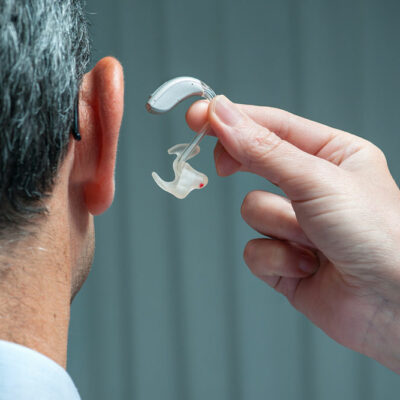
Using a hearing aid for the first time can be daunting because of how alien the experience feels. People using the aid can always contact their audiologist for any kind of assistance and to familiarize themselves with the device. However, there are still plenty of mistakes to sidestep on a day-to-day basis. Doing so improves their overall user experience with the device. Here are some of the common mistakes new hearing aid owners must avoid: Avoiding general maintenance and cleaning Hearing aids are not only fragile but also prone to accumulating dirt and filth from time to time. Using them in such conditions can cause ear infections among users. This is why one must pay due attention to the device’s maintenance to ensure that it has a long and useful lifespan. To meet that objective, users can change the device’s batteries and routinely clean it in order to keep it from becoming dirty. One can use small cotton buds and a cleansing solution for cleaning the device. Cleaning the device incorrectly can cause wax and debris to accumulate in its crevices, leading to hearing loss and balance issues. To avoid these problems, it is recommended that users contact the device manufacturer to learn the right techniques and apparatus for cleaning their hearing aids.
Top 6 foods to avoid before bedtime
health

Top 6 foods to avoid before bedtime

A restful sleep is essential to help the body repair and rejuvenate. Further, frequent disruptions in the sleep cycle can invariably damage overall health. Sleep problems can develop due to factors like stress, chronic pain, or something as simple as what one chooses to eat right before bed. Eating habits can play a role in determining sleep quality. So, here are some of the foods to avoid before bedtime to get complete rest at night. 1. Tomatoes Tomatoes are one of the richest sources of a carotenoid called lycopene. So, they exhibit anti-inflammatory and antioxidant properties that help in strengthening the immune system. Moreover, tomatoes are so versatile that they can be easily added to any recipe for flavor or texture. However, excessive intake of tomatoes can have an impact on sleep. The amino acids in tomatoes may keep the brain active and cause acid reflux, disrupting sleep. 2. Oranges As vitamin C-rich fruits, oranges can add nutrients and flavor to dinnertime salads. But, the high level of acids in this citrus fruit may do more bad than good when it comes to sleep. The fruit can cause acid reflux and trigger the bladder, making one wake up often at night.
5 best foods to manage macular degeneration
health

5 best foods to manage macular degeneration

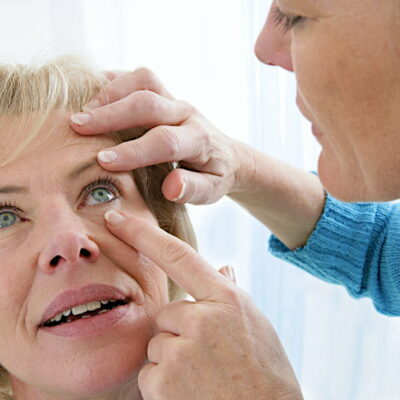
Macular degeneration is a progressive health condition that affects a person’s eyes. It often results in a loss of central vision but does not cause permanent blindness. While the disorder can affect anyone, it is more common among those aged 50 or above. Nutrition plays a significant role in managing macular degeneration symptoms and preventing them from worsening. Patients can consider adding the following healthy foods to their meal plan. Zucchini People who expose their eyes to the sun’s UV and HEV rays are likely to suffer from retina damage and increase their chances of developing macular degeneration. Zucchini contains zeaxanthin and lutein, which help defend one’s retina against harmful UV rays. Zucchini also lowers the risk of retinal damage associated with HEV light and helps repair the eyes. As a result, many healthcare experts advise people to add this vegetable to their meal plans. Zucchini keeps the eyes healthy and helps those with macular degeneration. Whole grain oats Whole grains are loaded with minerals, vitamins, and antioxidants. Whole grain oats, in particular, provide vitamin E, iron, magnesium, vitamin B, and fiber. Eating them regularly helps prevent significant swings in blood sugar. This benefits people with macular degeneration because a dramatic increase in blood glucose can aggravate the condition’s symptoms and lead to vision impairment.
5 signs of liver damage that can also indicate cancer
health

5 signs of liver damage that can also indicate cancer

Recognizing signs of liver problems, especially those that may be caused by cancer, is crucial for early detection and an increased chance of successful treatment. Certain signs are common between liver damage and liver cancer, which complicate distinguishing between the two. However, observing and noting the signs of liver damage that can indicate cancer and seeking timely consultation can help one get the most suitable treatment. Thus, here are a few signs to note: Jaundice Jaundice is a condition characterized by the yellowing of the skin and eyes, which is essentially a discoloration resulting from the build-up of bile salts. Bile is a digestive fluid produced by the liver that normally flows into the intestine. However, in case of liver damage, bile salts may accumulate in the skin, leading to jaundice. The condition can also be a sign of liver cancer. Abdominal swelling Abdominal swelling, a common symptom in both liver cancer and liver damage, can occur due to multiple causes. In liver cancer, the enlargement of a tumor or the growing cancer within the liver may contribute to abdominal swelling, particularly on the right side of the body. Alternatively, liver damage may also lead to increased pressure in the liver, which forces blood to back up in veins, resulting in fluid accumulation in the abdomen.
8 foods that trigger or worsen respiratory problems
health

8 foods that trigger or worsen respiratory problems

Nutrition plays a crucial role in shaping one’s general health, with studies highlighting its significant impact on respiratory well-being. For health conditions like allergic rhinitis, asthma, and chronic obstructive pulmonary disease (COPD), experts have identified certain foods as potential triggers, causing symptoms like minor breathlessness, excessive mucus production, and airway inflammation. Understanding and adjusting one’s meal plan by removing these trigger foods is crucial for optimal respiratory health in the long run. Red meat Recent studies have linked the excessive intake of red meat like steak, beef, lamb, pork, and others to several health issues, including respiratory problems, type 2 diabetes, as well as cancer. In terms of respiratory health, the proteins in red meat can trigger allergic reactions in sensitive individuals, which can manifest as chest tightening, breathing difficulty, and coughing. Dairy products Milk, yogurt, cheese, and other dairy products have been shown to increase mucus production in the body and worsen asthma and bronchitis. These products also contain a component called lactose. People who cannot make the digestible enzyme that breaks down lactose can experience immediate digestive issues like gas and bloating. In turn, these issues can also pressure one’s respiratory health. Spicy foods Spicy foods and ingredients like chilies and pepper contain capsaicin, which generates heat in the body.
10 early warning signs of age-related macular degeneration
health

10 early warning signs of age-related macular degeneration

Age-related macular degeneration is a progressive eye condition that causes damage to the macula, or the part of the retina located at the back of the eye. This disease typically affects individuals aged 50 years and above. Early diagnosis and treatment of age-related macular degeneration can help manage its symptoms and maintain one’s eye health. Here are some early warning signs of age-related macular degeneration (AMD) that one should not ignore. Blurred vision One of the most common early signs of AMD is blurry vision, which occurs due to the leakage of blood or fluids from blood vessels into the macula. Inability to recognize familiar persons AMD severely affects one’s central vision, which is responsible for enabling recognition. Therefore, persons with AMD may be unable to recognize familiar faces, even those of close family members and friends. Straight lines appearing wavy The central vision enables one to recognize and differentiate shapes, lines, colors, etc. Patients with AMD, whose central vision is compromised, may perceive straight lines as wavy. Difficulty perceiving and differentiating colors The macula consists of multiple photoreceptor cone cells, which facilitate the perception and differentiation of colors. Since AMD causes damage to one’s macula, persons with this condition may be unable to perceive or differentiate between colors and shades.
4 things to consider before taking migraine relief gummies
health

4 things to consider before taking migraine relief gummies

Migraines are recurring headaches that may cause pain and other unbearable symptoms. A few symptoms include increased sensitivity to light, vomiting, and pain when one sneezes or coughs. There are multiple treatment options for migraines, including supplements, prescriptions, and other therapies like acupuncture. Some experts today also recommend taking gummies to help with migraine relief. However, given that this is fairly new to many people, here’s what one should consider before taking a gummy for migraine relief. Learn the benefits Migraine relief gummies contain various plant compounds known to help with pain relief. Experts suggest that these properties help with short-term and long-term benefits for people suffering from migraines. The gummies could also help reduce the number of migraine days and decrease the impact of migraines. The composition of the gummies also helps ease joint and neck pain often associated with migraines. Know the risks Although gummies for pain relief are generally well-tolerated, they may cause some side effects, such as diarrhea, fatigue, dry mouth, and changes in appetite. Experts say that the treatment option is not a long-term solution and may have other complications, such as mood fluctuations or memory loss, if taken all the time. Therefore, one must ensure they take gummies for migraine relief in moderation and with consultation with a healthcare provider.
6 common warning signs of herpes
health

6 common warning signs of herpes

Herpes is a prevalent sexually transmitted infection (STI) caused by the herpes simplex virus (HSV). Oral and genital herpes are its common types. The disease spreads by skin-to-skin contact during intercourse. It has no cure, meaning once a person contracts the virus, it stays in their body for life. Some patients with herpes may show mild or no symptoms, while others may develop the following noticeable and bothersome warning signs. Fluid-filled blisters Painful, fluid-filled blisters or sores are among the most characteristic signs of herpes. A person may develop one or more of these after two to 20 days of infection. The blisters may last for seven to ten days. Their location may vary depending on the type of herpes: Oral herpes (HSV-1): In most cases of oral herpes, the blisters appear on one’s lips or the region around the mouth. Sometimes, they may even form on the face or the tongue. Also called cold sores, they tend to go away on their own after a few weeks. While they can make one uncomfortable, they are generally harmless among adults. Genital herpes (HSV-2): Those with HSV-2 may develop blisters anywhere on the genital region. Women may even experience sores inside the vaginal canal.
Top 5 benefits of fish oil supplements
health

Top 5 benefits of fish oil supplements

Fish oil is one of the best sources of omega-3 fatty acids, which can be beneficial for the heart, skin, and various vital organs of the body. While it is best to get an adequate intake of fish oil directly from fish such as mackerel, tuna, herring, trout, and sardines, fish oil supplements are an excellent alternative. So, if one is considering boosting their omega-3 intake, here are the key benefits of fish oil supplements: 1. Boosts heart health Fish oil helps support a healthy heart by helping lower cholesterol, maintain blood pressure, and prevent plaque formation that hardens arteries. According to the American Heart Association, the omega-3 fatty acids in fish oil may help prevent stroke and other cardiovascular illnesses. Additionally, fish oil has anti-inflammatory properties that help in stabilizing atherosclerotic lesions. Research also suggests that those who take fish oil supplements for more than a month may see improvement in heart health. 2. Helps reduce inflammation Due to their anti-inflammatory properties, omega-3 fatty acids can help reduce chronic inflammation that can lead to health conditions like heart disease or diabetes. While the role of omega-3 fatty acids isn’t fully understood in managing conditions like inflammatory bowel disease, they are known to reduce joint pain and stiffness associated with arthritis.

Top Articles

10 Smart Ways to Catch a Cheater and Find the Truth
Open-Records

10 Smart Ways to Catch a Cheater and Find the Truth

Suspecting a partner of cheating can leave you feeling anxious, frustrated, and emotionally drained. While occasional changes in behavior do not automatically mean someone is being unfaithful, repeated patterns and unexplained secrecy may raise legitimate concerns. The key is to approach the situation carefully and rationally. Jumping to conclusions without evidence can damage a relationship, but ignoring obvious warning signs can create even more emotional stress over time. If you believe something feels off, there are smart and respectful ways to look for clarity without crossing legal or ethical boundaries. 1. Pay Attention to Sudden Changes in Behavior One of the earliest signs of possible cheating is a noticeable shift in behavior. Most long-term relationships develop routines, communication habits, and predictable patterns over time. When those patterns suddenly change without explanation, it may deserve attention. You might notice: Increased emotional distance Irritability during normal conversations Less interest in spending time together Unusual defensiveness Sudden schedule changes A behavior change alone does not prove infidelity. Stress, work pressure, or personal struggles can also affect someone’s mood. However, consistent changes combined with secrecy may indicate a larger issue. 2. Watch for Increased Phone Privacy Phones often reveal behavioral shifts before anything else.
Key Differences Between Free and Paid People Search Tools
Open-Records

Key Differences Between Free and Paid People Search Tools

People search tools have become go-to resources for reconnecting with lost contacts, verifying identities, or simply learning more about someone before a first meeting. Whether you’re a cautious renter vetting a new roommate or someone trying to track down a childhood friend, these tools promise quick answers. But not all search tools are created equal. The gap between free and paid options is wider than most users expect — and it matters. What Free People Search Tools Actually Offer Free people search platforms are accessible to anyone with an internet connection. They typically pull from public records, social media profiles, and open-source data repositories to surface basic information — a name, a general location, sometimes an employer or an estimated age range. The appeal is obvious: no cost, no commitment, and often no account required. But the limitations are real. Results tend to be fragmented, outdated, or incomplete. A search might return a name and a state but omit a current address or contact number. For casual, low-stakes inquiries, this level of detail can be enough — but it often isn’t. Why the Gaps Matter Data freshness is a persistent issue with free tools. Most don’t update their databases regularly, which means results may reflect a person’s situation from several years ago — a former address, an old employer, or a phone number that’s no longer in use.
5 Things to Look for in a Background Check Tool
Open-Records

5 Things to Look for in a Background Check Tool

Background check tools have become a practical necessity — whether for employers screening job candidates, landlords vetting tenants, or individuals researching someone’s history. With so many platforms available, picking the right one can feel overwhelming. Not every tool delivers the same depth, accuracy, or legal compliance. Knowing what separates a reliable platform from a mediocre one makes the decision far clearer. Here is what to prioritize when evaluating a background check tool. 1. Depth and Range of Data Coverage The value of any background check tool rests heavily on the breadth of its data sources. A strong platform pulls from multiple databases — criminal records, court filings, address histories, employment verifications, and more — rather than relying on a single source. Shallow tools may miss critical records simply because they lack the reach. Before committing to any platform, confirm it accesses verified, legally sourced data across the categories most relevant to the intended use. Public vs. Proprietary Data Some tools rely purely on publicly available records, while others supplement these with proprietary databases. The combination typically yields more complete results — particularly for records that are harder to access through standard public channels. Neither approach is inherently better, but knowing which one a tool uses helps set realistic expectations.
Background Checks and the FCRA – What’s Allowed and What’s Not
Open-Records

Background Checks and the FCRA – What’s Allowed and What’s Not

When hiring a new employee, you want to ensure you are making the right choice. One way to do that is to perform a background check. A background check is an excellent tool to verify qualifications and ensure workplace safety. However, running these checks is not as simple as doing a quick internet search. The Fair Credit Reporting Act, or FCRA, regulates how employers gather and use background information. What Is the FCRA? The Fair Credit Reporting Act is a federal law enacted in 1970 to protect consumer privacy and ensure accuracy in background reporting. While it sounds like it only applies to credit cards and loans, it actually covers any background check conducted by a third-party company, known as a Consumer Reporting Agency. If you hire an outside vendor to check a candidate’s criminal records, employment history, or driving record, you are bound by the FCRA. This law gives job applicants specific rights regarding how their personal information is handled and used during the hiring process. What Is Allowed? Employers have a lot of flexibility when it comes to vetting candidates, provided they follow the rules. You are legally allowed to look into several key areas to verify a candidate’s fitness for a role.