6 early signs of liver cancer
health

6 early signs of liver cancer

Liver cancer is a potentially life-threatening condition that can sometimes remain silent in its early stages. However, in other cases, it does show a few early warning signs. Recognizing these signs and detecting the condition early is crucial for increasing the chances of its treatment being effective. So, here are a few early warning signs of liver cancer that one must look out for in order to take prompt action. Loss of appetite A sudden loss of appetite is one of the most common signs of a liver-related ailment, including liver cancer. One may find themselves lacking interest in eating, even after hours of not consuming anything. One may also feel full upon eating a minimal amount of food. These signs can be a serious cause of concern and require immediate medical attention. Jaundice Another telltale sign of liver disease, including liver cancer, is jaundice. Jaundice is characterized by yellowing of the skin and the whites of the eyes. It happens when the liver cannot properly process bilirubin, a waste product. Abdominal pain and swelling If a person experiences persistent discomfort or pain in the upper right side of their abdomen, they must consult a medical professional, as this could be a warning sign of liver cancer.
12 Essential Tips to Maintain Eye Health
health

12 Essential Tips to Maintain Eye Health

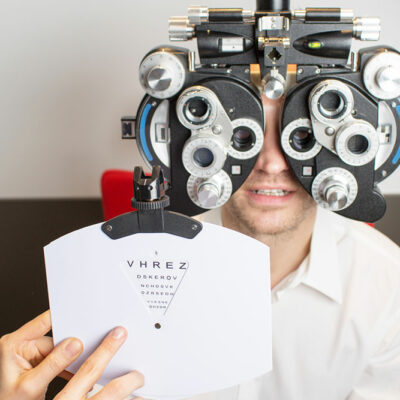
The eyes play an indispensable role in shaping our perception of the world around us. Unfortunately, it is estimated that almost 20 million persons nationwide suffer from vision impairment due to an eye condition. While consulting an ophthalmologist is essential for timely treatment, it is crucial to protect the eyes to prevent such conditions from developing or escalating. Here are certain basic yet essential ways to maintain eye health and prevent these diseases: 1. Avoid stepping out without shades during the day Exposure to direct sunlight over a period of time can contribute to the onset of macular degeneration, cataracts, and damage to the cornea. Therefore, one should always cover the eyes with shades while stepping out in the sun. 2. Limit the use of gadgets While it is impossible to imagine life without electronics today, gadgets like mobile phones, iPads, and the TV emit blue light, which can lead to retinal damage over time. Overuse of these gadgets can cause ocular problems like dry eyes, blurred vision, dizziness, and headaches. Hence, it is important to limit one’s use of these devices, particularly refraining from them before bedtime. Today, several smartphones are equipped with options to monitor screen time and time spent on apps.
7 foods that may weaken bones and worsen osteoporosis
health

7 foods that may weaken bones and worsen osteoporosis

Besides forming the body’s framework, bones serve many other functions, including facilitating movement and protecting internal organs. Thus, diagnosing and treating bone-related conditions early on is essential to prevent them from aggravating. Osteoporosis is a disease involving bone brittleness, reducing bone density, and increasing susceptibility to fractures. Following a healthy lifestyle is essential to manage its symptoms. Here are some foods patients with weak bones and osteoporosis should give up: Red meat Although proteins play an indispensable role in maintaining bone health, excessive protein in the body is linked to depletion of calcium levels in the bones, worsening osteoporosis symptoms. Red meat is among the richest protein sources and is also high in sulfur-rich amino acids, which may aggravate bone brittleness. Therefore, patients with osteoporosis and weak bones should limit their red meat intake, preferably replacing it with other protein sources like lean meats, soy, and yogurt. Processed foods Processed meats, hotdogs, pizzas, and other processed foods can cause acute calcium deficiency and increase one’s risk of osteopenia and osteoporosis. A nutrient-rich meal plan containing healthy carbs and fats, proteins, vitamins, and minerals can reduce cravings for processed foods. Beans Phytate is a substance that can affect calcium absorption and trigger or worsen bone weakening.
5 types of foods to avoid for managing lung cancer
health

5 types of foods to avoid for managing lung cancer

Lung cancer is caused due to unfavorable lifestyle habits and exposure to certain environmental toxins and industrial chemicals. Its symptoms often do not appear until the disease has advanced. While food doesn’t directly cure the condition, following a nutritious meal plan plays a significant role in its management. Having said that, it is equally important to understand which foods can worsen the condition. Here are some foods to avoid for managing lung cancer. Processed meats Processed meats, such as bacon, salami, sausage, bacon, corned beef, hot dogs, and canned meat are known to contain high levels of preservatives and additives. These substances, like nitrites and nitrates, have been linked to an increased risk of cancer. In addition, the high sodium content in processed meats can lead to fluid retention, which can worsen breathing difficulties among lung cancer patients. One can instead opt for lean, unprocessed meats or plant-based protein sources. For a satisfying meal, consider choosing whole foods rich in complex carbohydrates such as rice, barley, millet, corn, and oats. Fatty foods Fatty and oily foods, including chips, burgers, and the likes may aggravate one’s symptoms of lung cancer and cause inflammation, indigestion, or loss of appetite. They are not only deprived of nutrients but may also interfere with one’s treatment process.
7 traditional hot spots for the flu
health

7 traditional hot spots for the flu

Influenza or flu is an acute respiratory infection caused by influenza viruses, which could spread between people when they cough or sneeze. Individuals recover without treatment in most cases but often wonder how to reduce their risk of infection, especially since they might be exposed to other people with the virus at home or outdoors. Here are a few traditional flu hot spots one should know about and approach with caution. Door knobs One of the most common places for the flu virus to thrive is door knobs. An infected individual might cough and touch the door handle, transferring the virus to it. When another individual touches this surface and then touches their eyes, nose, or mouth, the virus enters their body and makes them sick. One must, therefore, clean doorknobs regularly with disinfecting wipes or sprays to control the spread of viruses like influenza. Dish sponges and rags One should dispose of discolored and worn sponges after a week and wash dish rags and towels every three to five days. Germs and viruses usually thrive in these kitchen utilities, increasing the risk of illnesses. Another common place where germs and bacteria flourish is the kitchen sink’s drain flange. The region requires frequent disinfection and cleaning.
4 foods to avoid to manage hemophilia symptoms
health

4 foods to avoid to manage hemophilia symptoms

Hemophilia is a disorder in which people experience frequent and prolonged bleeding, even from minor injuries. This condition affects the body’s ability to form clots. What one eats plays a critical role in fighting hemophilia. Some foods, such as spinach, broccoli, dried beans, poultry, lean red meat, and liver, are considered to be useful to combat the condition. Alternatively, some foods can trigger the symptoms and worsen the condition of the affected person. Cakes and pastries Sugary foods such as cakes and pastries lead to excess gain of calories. This tends to put excessive pressure on a person’s joints and muscles. Additionally, sugary foods drastically increase the risk of joint bleeding in people. To avoid hemophilia aggravation due to the increase in blood sugar, one must avoid foods like cakes, pastries, maple syrup, corn syrup, flavored coffee drinks, and sugar-sweetened beverages. Fried foods Fried foods are totally avoidable in most cases. It is highly recommended to avoid them, especially for those with hemophilia. Such foods include French fries, chips, and fried chicken. Fried foods, like artificially sweetened foods, add unwanted mass to one’s body, causing pressure on one’s joints and bones. Additionally, fried foods contain incredibly high amounts of fat and unhealthy calories that adversely affect a person’s blood cholesterol levels.
Foods to eat and avoid for macular degeneration
health

Foods to eat and avoid for macular degeneration

Age-related macular degeneration (AMD) is a disease that affects one’s eyes, causing partial or complete loss of vision. Symptoms of this condition include blurry or fuzzy vision, difficulty recognizing familiar faces, a blind spot or the loss of central vision, which is essential for activities like driving and reading. Modifying one’s food regime can help slow down the progression of this condition. This article highlights foods to eat and avoid for managing macular degeneration. Foods to eat to manage macular degeneration Salmon Salmon contains EPA and DHA omega-3 fatty acids, which can help the body fight inflammation and reduce cholesterol levels, which have been linked to AMD progression. Other sources of omega-3 fatty acids include mackerel, tuna, anchovies, avocado, walnuts, and flaxseed. Berries Oxidation is a major contributor to expediting the progression of AMD. Berries can help combat this oxidative damage. Blueberries, bilberries, black currants, strawberries, and goji berries are rich sources of antioxidants like anthocyanins. These can help protect the retina against degenerative damage by regenerating retinal cells and improving blood flow to the region, slowing down the progression of AMD. Berries also contain vitamin C, which helps the blood build collagen, strengthens the blood vessels in the eyes, and protects vision.
5 viral infections and their associated warning signs
health

5 viral infections and their associated warning signs

Viruses are the most common carriers of infections. There are more than 200 distinct types of viruses that can cause a range of illnesses in humans. These viruses are often found on common surfaces and regions across the country, making them highly contagious. However, once the initial warning signs and symptoms are detected, viral infections are usually easy to manage. Below are some of the viral infections and their associated warning signs. Common cold The common cold is caused by a virus that enters the body through the mouth, eyes, or nose. This infection is usually transmitted when people touch contaminated surfaces or come in contact with infected individuals and then touch their face. Symptoms of a common cold include fever, runny nose, coughing, red eyes, and hoarseness of voice. Other disorders with these symptoms include sinusitis, laryngitis, pharyngitis, and epiglottitis. Common colds are highly contagious but can be easily treated by resting, staying hydrated, and taking prescription-based solutions as recommended by a doctor. Shingles Shingles, medically called herpes zoster, involve painful and usually itchy rashes that develop on one side of a person’s face or body. The rash usually scabs over within 7 to 10 days and takes up to 4 weeks to fully clear up.
11 places that are respiratory virus hotspots
health

11 places that are respiratory virus hotspots

In today’s world, the need for awareness about respiratory virus hotspots is greater than ever. Understanding the environments that serve as breeding grounds for these infections is crucial for safeguarding public health. From bustling transportation hubs to seemingly innocuous daily spaces, each location presents a unique set of challenges. Due to the constantly changing weather and other factors leading to increasing respiratory issues, here are several places that can be hotspots for respiratory viruses. Public transportation hubs Public transportation hubs are bustling centers where people from various walks of life converge. The proximity of individuals in buses and trains and inadequate ventilation create an ideal setting for respiratory viruses. To reduce the risk of transmission, commuters should wear masks, use hand sanitizers, and maintain a safe distance. Airports With their constant influx of travelers, airports are potential breeding grounds for respiratory viruses. The confined space of airplane cabins and shared facilities increases the risk of transmission. Travelers are advised to use personal protective equipment, practice frequent hand hygiene, and maintain physical distance to mitigate the risk. Shopping malls The vibrant atmosphere of shopping malls, especially during peak hours, facilitates the rapid spread of respiratory viruses. Shoppers can reduce risk by limiting time spent in crowded areas, maintaining distance from others, and diligently sanitizing their hands after touching surfaces.
8 silent signs of lymphoma one should not ignore
health

8 silent signs of lymphoma one should not ignore

Lymphoma is a type of cancer that originates in the infection-fighting lymphatic system, which is a part of the body’s immune system. This system includes the spleen, thymus, bone marrow, lymph nodes, and other organs. The exact cause of lymphoma is unknown, but genetic predisposition, autoimmune disorders, and exposure to certain chemicals are some risk factors. While it is treatable, here are some silent signs of lymphoma that prompt one to seek medical help. Persistent fatigue and weakness One of the silent signs of lymphoma is persistent fatigue. Individuals may get inexplicably tired, even after sufficient and regular rest. Fatigue in lymphoma patients is often attributed to the body’s immune response, as cancer cells disrupt the normal functioning of the lymphatic system and other immune system components. This weakness may also be associated with lethargy and a noticeable drop in stamina. Inflammation in lymph nodes Lymph nodes are the tiny clusters of tissue that house white blood cells (WBCs) and are instrumental in fighting off infections. These lymph nodes may get inflamed due to lymphoma, and the lumps may occur in areas like the armpits, neck, or groin region. While they may be painless, it is important to get them checked by a healthcare professional as early as possible to avoid any complications.

Top Articles

10 Smart Ways to Catch a Cheater and Find the Truth
Open-Records

10 Smart Ways to Catch a Cheater and Find the Truth

Suspecting a partner of cheating can leave you feeling anxious, frustrated, and emotionally drained. While occasional changes in behavior do not automatically mean someone is being unfaithful, repeated patterns and unexplained secrecy may raise legitimate concerns. The key is to approach the situation carefully and rationally. Jumping to conclusions without evidence can damage a relationship, but ignoring obvious warning signs can create even more emotional stress over time. If you believe something feels off, there are smart and respectful ways to look for clarity without crossing legal or ethical boundaries. 1. Pay Attention to Sudden Changes in Behavior One of the earliest signs of possible cheating is a noticeable shift in behavior. Most long-term relationships develop routines, communication habits, and predictable patterns over time. When those patterns suddenly change without explanation, it may deserve attention. You might notice: Increased emotional distance Irritability during normal conversations Less interest in spending time together Unusual defensiveness Sudden schedule changes A behavior change alone does not prove infidelity. Stress, work pressure, or personal struggles can also affect someone’s mood. However, consistent changes combined with secrecy may indicate a larger issue. 2. Watch for Increased Phone Privacy Phones often reveal behavioral shifts before anything else.
Background Checks and the FCRA – What’s Allowed and What’s Not
Open-Records

Background Checks and the FCRA – What’s Allowed and What’s Not

When hiring a new employee, you want to ensure you are making the right choice. One way to do that is to perform a background check. A background check is an excellent tool to verify qualifications and ensure workplace safety. However, running these checks is not as simple as doing a quick internet search. The Fair Credit Reporting Act, or FCRA, regulates how employers gather and use background information. What Is the FCRA? The Fair Credit Reporting Act is a federal law enacted in 1970 to protect consumer privacy and ensure accuracy in background reporting. While it sounds like it only applies to credit cards and loans, it actually covers any background check conducted by a third-party company, known as a Consumer Reporting Agency. If you hire an outside vendor to check a candidate’s criminal records, employment history, or driving record, you are bound by the FCRA. This law gives job applicants specific rights regarding how their personal information is handled and used during the hiring process. What Is Allowed? Employers have a lot of flexibility when it comes to vetting candidates, provided they follow the rules. You are legally allowed to look into several key areas to verify a candidate’s fitness for a role.
How Employee Screening Is Changing With AI
Open-Records

How Employee Screening Is Changing With AI

Imagine sorting through a stack of five hundred resumes for a single job opening. By the time you reach the fiftieth applicant, the words blur together, and your morning coffee has completely worn off. This is the exhausting reality human resources professionals have faced for decades. Fortunately, artificial intelligence is stepping in to simplify this tedious process. It is changing how companies find talent and conduct background checks. Context Over Keywords Modern screening tools utilize natural language processing to understand the deeper context of a resume. Instead of just searching for specific words, the technology evaluates a candidate’s overall career trajectory, skills, and potential. For instance, if an applicant lists experience in managing client relationships, the AI recognizes that this aligns perfectly with a customer success role, even if the exact job title differs. This shift ensures that highly qualified individuals no longer slip through the cracks due to formatting choices. Automated Skills Assessment Based on text analysis, AI is transforming how employers verify capabilities. Interactive, algorithm-driven assessments can now evaluate a candidate’s coding skills, writing aptitude, or situational judgment in real time. These tools adapt their difficulty based on the user’s performance, providing a much more accurate picture of their actual technical strengths before an interviewer ever hops on a phone call.
Key Factors That Affect Background Check Timelines
Open-Records

Key Factors That Affect Background Check Timelines

Background checks are a routine part of hiring, renting, and vetting — but the time they take varies more than most people expect. Some reports are finished in minutes, while others can be delayed for days. That gap isn’t arbitrary. It reflects the complexity of what’s being searched, where the information lives, and how quickly different systems respond. Knowing what drives the timeline helps set realistic expectations from the start. What a Background Check Typically Covers A background check inquires about the authenticity of information provided by a candidate. Factors examined may include education, past employment history, criminal records, motor vehicle or license records, and credit history. Each of these data points may sit in a different database — some centralized and digital, others fragmented across local jurisdictions or held in paper form. The broader the scope, the more sources need to be queried, and that directly affects turnaround time. The Standard Timeline On average, employment background checks conducted through a consumer reporting agency take 3 to 5 business days. That said, this is a general benchmark, not a guarantee. Most checks take one to three days, though some return instantly, while criminal searches typically require one to three days on their own.