
Fraud Scan vs. Credit Header Check: How the Two Differ
Both fraud scans and credit header checks pull identity data, but they serve different purposes. Here's how their scope and data sources compare.
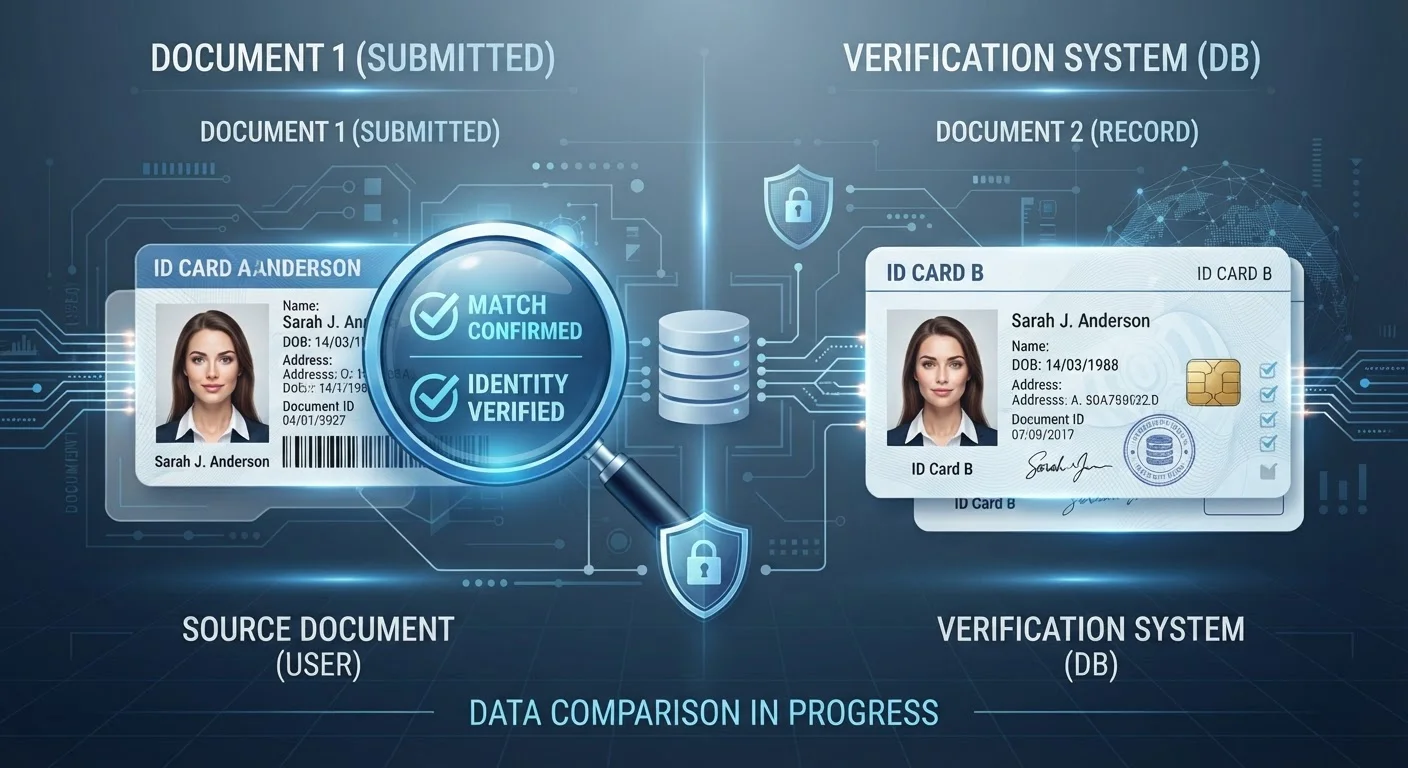
Photo: searchopenrecords editorial
—— In This Article
Key Takeaways
- A fraud scan actively flags risk indicators; a credit header check primarily confirms identity data points.
- Credit header data comes from credit bureau files; fraud scan data draws from a broader mix of public and proprietary sources.
- Fraud scans may include SSN issuance validation and deceased-person checks; credit headers generally do not.
- Neither tool alone constitutes a complete background check — they serve complementary, not interchangeable, roles.
- Consumer rights under the FCRA apply differently depending on how and why each tool is used.
What Each Tool Actually Does
Both a fraud scan and a credit header check pull identity-related data, but they answer fundamentally different questions. Understanding that distinction is essential before interpreting results from either.
A fraud scan is an analytical process designed to detect risk signals. It compares identity elements — Social Security Number (SSN), name, date of birth, address — across multiple data sources, looking for inconsistencies that may indicate fraud, synthetic identity construction, or identity theft. For example, a fraud scan might flag an SSN issued after the subject's stated birth year, or a name tied to a deceased person's record. The output is less a data report and more a risk assessment. See our introduction to fraud scans for a grounding overview of how they work.
A credit header check, by contrast, retrieves the non-financial identifying information stored at the top of a credit bureau file — commonly called the "header" because it sits above the credit tradeline data. This typically includes legal name, known aliases, current and historical addresses, date of birth, and SSN. The data is sourced primarily from the three major U.S. credit bureaus. The goal is identity anchoring: confirming that a person is who they say they are, or locating identifying details for a known subject.
| Criterion | Fraud Scan | Credit Header Check |
|---|---|---|
| Primary purpose | Detect fraud risk indicators | Confirm or locate identity details |
| Core data sources | SSA records, death index, court data, proprietary risk databases | Credit bureau header files (Equifax, Experian, TransUnion) |
| SSN issuance validation | Yes — commonly included | No — not a standard feature |
| Deceased-person cross-check | Yes — typically included | Not standard |
| Address history | Broad — multiple source types | Limited to creditor-reported addresses |
| FCRA applicability | Context-dependent | Generally yes, for eligibility decisions |
| Output format | Risk flags and anomaly alerts | Structured identity data snapshot |
| Useful for thin-file individuals | More useful — broader data sources | Less useful — relies on credit history |
Data Sources and Depth
One of the most meaningful differences between the two tools lies in where their data originates.
Credit header data has a single-category source: credit bureau files. When a consumer opens a credit account or applies for financing, lenders report identifying information to bureaus. That accumulated data forms the header. Because it is creditor-reported, it tends to be structured and relatively current for individuals with active credit relationships — but it can be thin or absent for those with limited credit histories.
Fraud scan data is typically assembled from a wider mix: SSN issuance records maintained by the Social Security Administration, death index records (such as the Social Security Death Index), address history from utility and postal sources, court records, and proprietary risk databases. This broader sourcing is precisely what makes fraud scans useful for anomaly detection — more data points mean more opportunities to catch mismatches. However, it also means results can vary depending on which data pools a given provider accesses. Our article on how fraud scan data varies across sources explains why two scans on the same individual can return different findings.
Neither source is inherently more accurate — they are built for different analytical purposes.
15%+
U.S. adults with little or no credit history
The Consumer Financial Protection Bureau has estimated that tens of millions of U.S. consumers are credit invisible or have unscorable files, limiting the utility of credit-header-only identity checks.
3
Major U.S. credit bureaus supplying header data
Equifax, Experian, and TransUnion are the primary sources of credit header data used in identity verification and background screening processes.
100M+
Records in the Social Security Death Index
The Social Security Death Index, a key fraud scan data source, contains records of deceased individuals reported to the SSA, enabling deceased-person cross-checks.
Regulatory Context and Permissible Use
Both tools can fall under the Fair Credit Reporting Act (FCRA), which governs the collection and use of consumer information for eligibility decisions. However, the applicability depends on context.
When a credit header check is used for employment screening, tenant evaluation, or credit decisioning, it is typically treated as a consumer report under the FCRA. This triggers specific obligations: permissible purpose requirements, adverse action notices, and consumer dispute rights. The credit bureaus themselves are consumer reporting agencies (CRAs) under the FCRA.
Fraud scans occupy more variable regulatory territory. When used by lenders or employers as part of a formal screening decision, the FCRA likely applies. When used internally for fraud prevention purposes that don't affect consumer eligibility — for example, a financial institution checking new account applications — the analysis may differ. Consumers should be aware that their rights under the FCRA may apply even when a tool is labeled as a "fraud check" rather than a "background check."
For a broader look at what fraud scans can and cannot reliably surface, see our piece on the limits of a fraud scan.
This article provides general informational content about public records tools and is not legal advice. Consult a qualified attorney for guidance specific to your situation.
Interpreting Results Without Overreading Them
A common mistake is treating either tool's output as a definitive verdict. Fraud scans produce risk indicators — flags that warrant further investigation, not automatic conclusions. An SSN that appears associated with multiple addresses is not proof of fraud; it may reflect legitimate life changes such as relocation or name changes after marriage.
Similarly, a clean credit header result doesn't confirm that an identity is authentic. Thin credit files and individuals who primarily use cash or debit leave little trace in bureau records. A credit header check returning limited data isn't the same as a verified clean result.
Our guide to interpreting fraud scans accurately covers the most frequent misreading errors, and our field guide to fraud scan report data provides a practical reference for decoding specific terms and codes you may encounter. Both are worth reviewing before drawing conclusions from either tool.
Used together, a credit header check and a fraud scan provide more complete identity coverage than either does in isolation — but even combined, they represent one layer of a thorough identity verification process, not its entirety. For an overview of how these tools fit into the broader screening workflow, see how background checks work.

Background Checks Editorial Team
Background Checks Editorial Team is the collective byline for our editorial team and contributor network. Articles published under this byline or an editorial pen name are researched, written, and reviewed according to our editorial standards for clarity, consistency, and independence before publication.
View author profile