
How Courts and Agencies Generate the Fraud Records Found in Background Checks
Fraud records don't appear from nowhere. Understand the court filings, agency reports, and regulatory actions that create the data behind a fraud scan.
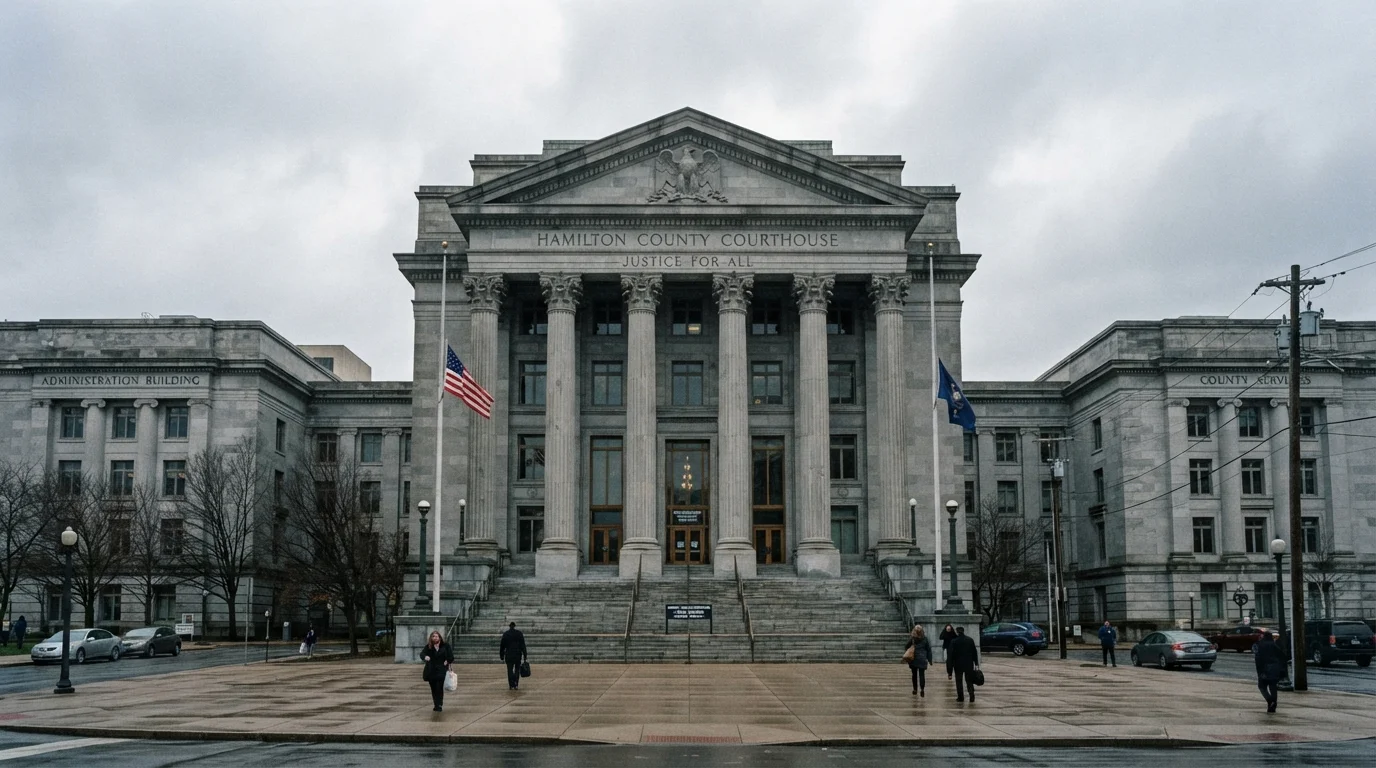
Photo: searchopenrecords editorial
—— In This Article
Key Takeaways
- Fraud records originate from official court filings, regulatory enforcement actions, and agency investigations — not informal complaints.
- Multiple government bodies generate fraud-related data, including federal and state courts, the SEC, FTC, and state attorneys general.
- A fraud record may reflect a charge, civil judgment, consent order, or regulatory sanction — each carrying different legal weight.
- CRAs compile these records from public sources and must follow FCRA rules on accuracy and reporting periods.
- Understanding the source of a fraud record helps readers interpret its significance and dispute errors appropriately.
Where Fraud Records Actually Begin
Many people assume fraud-related information in a background check originates from news articles, complaint databases, or internet searches. In reality, records that carry legal weight begin with formal filings in official systems — courts, regulatory bodies, and government agencies. Understanding this origin matters because it determines the record's accuracy, scope, and how long it remains reportable.
The two broadest categories are court-generated records and agency-generated records. Each follows a distinct process before the data becomes accessible to background check providers. See our introduction to fraud scans for a broader overview of how this data is ultimately packaged into a report.
How Courts Generate Fraud Records
When a prosecutor charges an individual or entity with a fraud-related crime — wire fraud, mail fraud, bank fraud, identity theft, or similar offenses — the charge itself becomes a public court filing. This record exists independently of the outcome; even dismissed charges may appear, though responsible background check providers note the disposition.
Federal courts handle cases involving federal statutes, including securities fraud and fraud against government programs. State courts handle violations of state fraud and consumer protection laws. Both levels produce publicly accessible dockets, which document every stage of proceedings: indictment, arraignment, plea, trial verdict, and sentencing.
Civil fraud litigation is equally significant. When a plaintiff — an individual, a company, or a government body — wins a civil judgment against a defendant for fraudulent conduct, that judgment is entered into the court record. Civil fraud judgments are part of the public record and flow into background check reports through the same data-collection pipelines used for criminal records.
~200,000+
Federal fraud cases filed annually in U.S. District Courts
U.S. Courts statistical data consistently documents hundreds of thousands of civil and criminal fraud-related filings each year across federal district courts.
7 years
FCRA standard reporting period for most civil adverse records
The Fair Credit Reporting Act limits most non-criminal adverse records — including civil judgments — to seven years of reportability in consumer reports used for credit, employment, and housing.
50+
State and federal agencies with fraud enforcement authority
Agencies including the SEC, FTC, CFPB, state attorneys general, and sector-specific regulators all generate publicly accessible enforcement records that may appear in background check data.
How Regulatory Agencies Produce Fraud-Related Records
Not all fraud records originate in courtrooms. Federal and state regulatory agencies have independent authority to investigate and sanction fraudulent conduct, particularly in financial services, securities, healthcare, and consumer markets.
The SEC files civil enforcement actions and administrative proceedings against individuals and firms for securities fraud, insider trading, and related violations. The FTC pursues deceptive business practices and identity theft-related fraud. The CFPB issues consent orders against financial institutions for deceptive lending practices. State attorneys general pursue fraud under state consumer protection statutes. Each of these actions produces a formal, publicly accessible record — even when no criminal court is involved.
Consent orders and administrative sanctions are particularly notable: they settle enforcement matters without necessarily requiring an admission of guilt, yet they are documented in official public files and may surface in background checks for roles in finance, insurance, or other regulated industries.
For a deeper look at how these data points reach the report you receive, see our article on what a consumer reporting agency does with your data.
From Official Record to Background Check Report
Court and agency records do not automatically appear in background check reports. Consumer reporting agencies and data aggregators collect, index, and format this information from public sources — courthouse databases, regulatory agency websites, and state repositories. The process involves significant data-handling decisions: which sources to pull, how frequently to update, and how to match records to the correct individual.
This last step — identity matching — is where errors most commonly occur. A name shared with another individual, a transposed date of birth, or an outdated record can result in a fraud indicator being associated with the wrong person. Understanding this pipeline helps readers evaluate any fraud flag they encounter and explains why fraud flags in background checks require careful interpretation rather than immediate conclusions.
Readers who believe a fraud record has been attributed to them incorrectly have the right under the FCRA to dispute the entry with the reporting agency. The agency is legally required to investigate and correct confirmed errors. For a fuller picture of what fraud indicators mean and how to respond, see our guide on public records and fraud indicators.
This article is for general informational purposes only and does not constitute legal advice. Readers with questions about specific records or their rights under the FCRA should consult a qualified attorney.
Frequently Asked Questions

Background Checks Editorial Team
Background Checks Editorial Team is the collective byline for our editorial team and contributor network. Articles published under this byline or an editorial pen name are researched, written, and reviewed according to our editorial standards for clarity, consistency, and independence before publication.
View author profile