
Adverse Action Notices: The Warning You're Owed Before a Rejection
If a background check contributes to a denial, you're legally entitled to a notice. Understand what it must include and what steps you can take next.
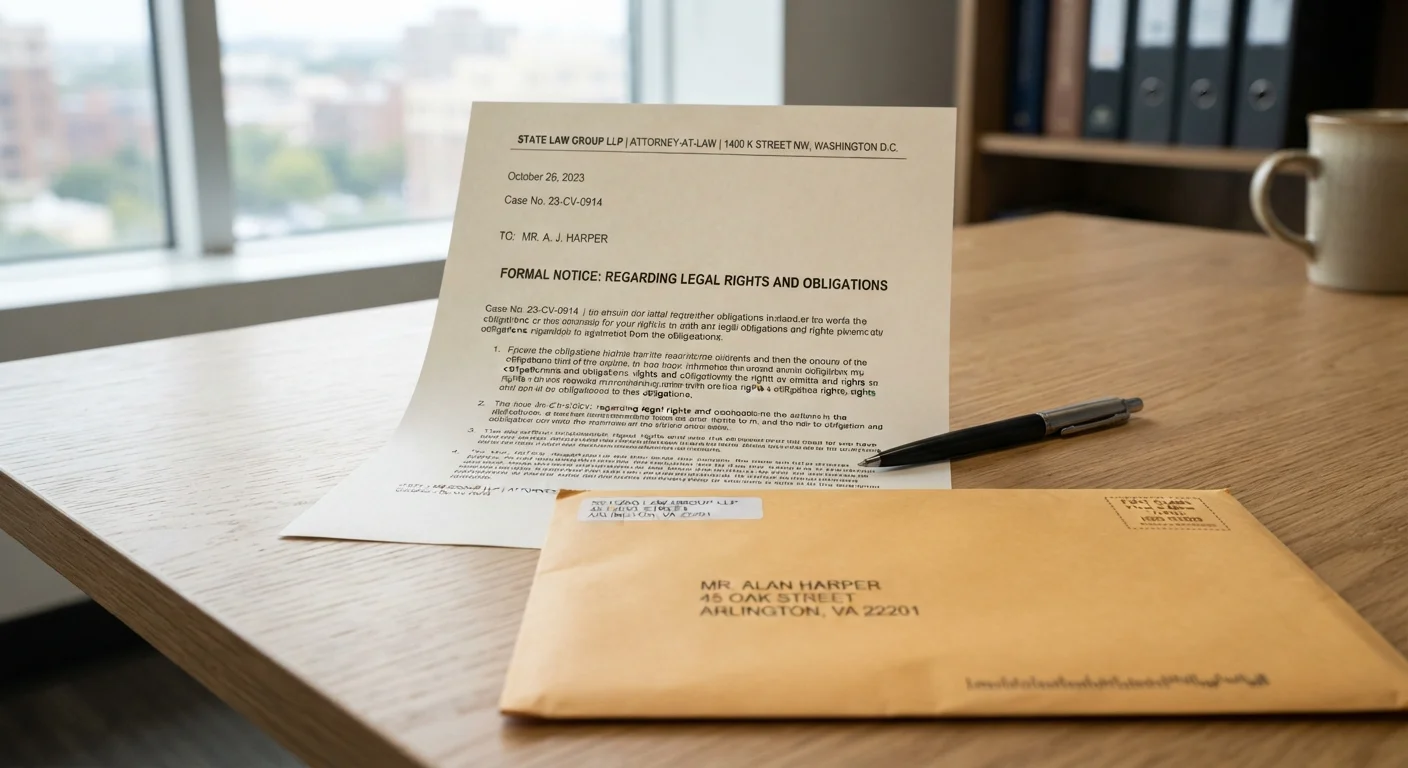
Photo: searchopenrecords editorial
—— In This Article
Key Takeaways
- The FCRA requires a pre-adverse action notice before a final decision, giving you a chance to respond.
- The notice must identify the consumer reporting agency and include your right to a free copy of the report.
- You have the right to dispute inaccurate information within 60 days of receiving the report.
- Failure by a company to provide a proper adverse action notice may constitute a violation of federal law.
- Receiving a notice does not mean the decision is final — errors in reports can often be corrected.
Why the Adverse Action Process Exists
When a background check contributes to a decision that negatively affects you — a job you didn't get, an apartment you were denied, or a loan that was refused — federal law doesn't allow that to happen silently. The Fair Credit Reporting Act (FCRA) built a two-step notification process specifically so that consumers have a meaningful chance to review and challenge the information used against them.
Without this framework, you might never know that an old court record, a mistaken identity, or a data error shaped a consequential decision about your life. The adverse action process addresses that gap. To understand what rights you hold from the moment a background check is requested, see your full legal rights when a background check is run on you.
State Laws May Offer Additional Protections
Several states, including California, New York, and Washington, have enacted their own background check and consumer reporting laws that go beyond FCRA minimums. These may include longer dispute windows, additional required disclosures, or restrictions on what information can be used in employment decisions. Check your state's consumer protection statutes or consult an attorney for jurisdiction-specific guidance.
The Two-Step Process: Pre-Adverse and Final Adverse Action
The FCRA establishes a deliberate sequence for employment-related decisions. Understanding both steps is essential to protecting your interests.
Step 1: Pre-Adverse Action Notice
Before an employer can formally reject you based on background check findings, they must send a pre-adverse action notice. This notice must include a copy of your consumer report and a summary of your rights under the FCRA. The purpose is to give you time — generally understood to be a reasonable period, often cited as at least five business days — to review the report and raise any concerns about inaccuracies before a decision is finalized.
Step 2: Final Adverse Action Notice
If the employer proceeds with the rejection after that waiting period, a final adverse action notice must follow. This document must identify the consumer reporting agency that supplied the report, clarify that the agency did not make the decision and cannot explain the employer's reasoning, and inform you of your right to a free copy of your report within 60 days and your right to dispute inaccurate information.
For credit and lending decisions, the process differs slightly — a single adverse action notice is typically required within 30 days, and it must specify whether a credit score was a factor.
What the Notice Must Legally Contain
A legally compliant adverse action notice is not merely a courtesy letter. Under the FCRA, it carries specific mandatory content. A notice that omits required elements may itself constitute a federal violation. The required components include:
- The name, address, and toll-free phone number of the consumer reporting agency that provided the report
- A clear statement that the reporting agency did not make the adverse decision and cannot explain why it was made
- Notice of your right to obtain a free copy of your consumer report from that agency within 60 days of the notice
- Notice of your right to dispute inaccurate or incomplete information in the report directly with the agency
For employment decisions specifically, the pre-adverse action notice must also include an actual copy of the report and the CFPB's published summary of consumer rights. To understand the broader disclosure obligations that background check companies carry, see what background check companies are required to tell you.
What to Do After Receiving a Notice
Receiving a pre-adverse action notice is time-sensitive. Here's a practical approach:
- Request and review your report immediately. The notice identifies the reporting agency. Contact them to obtain your copy if it wasn't included.
- Check for errors. Common problems include records belonging to someone with a similar name, expunged convictions still appearing, or outdated information that shouldn't be reportable.
- File a dispute with the consumer reporting agency if you find inaccurate or incomplete data. The agency must reinvestigate within 30 days under the FCRA.
- Notify the employer or company of the dispute. You are entitled to communicate that you believe the information is incorrect before the waiting period expires.
Avoiding common procedural missteps during this process matters. Mistakes that derail a background check dispute are more common than many people realize, and they can weaken an otherwise valid claim. If you want a full picture of what happens at each stage of a formal dispute, navigating a background check dispute covers the complete timeline.
This article provides general educational information about federal consumer protection law and is not legal advice. Readers facing specific adverse action situations should consult a qualified attorney familiar with FCRA matters.
Frequently Asked Questions

Background Checks Editorial Team
Background Checks Editorial Team is the collective byline for our editorial team and contributor network. Articles published under this byline or an editorial pen name are researched, written, and reviewed according to our editorial standards for clarity, consistency, and independence before publication.
View author profile