
Your Legal Rights When a Background Check Is Run on You
Understand what the law entitles you to know whenever an employer, landlord, or lender requests a background check on you.
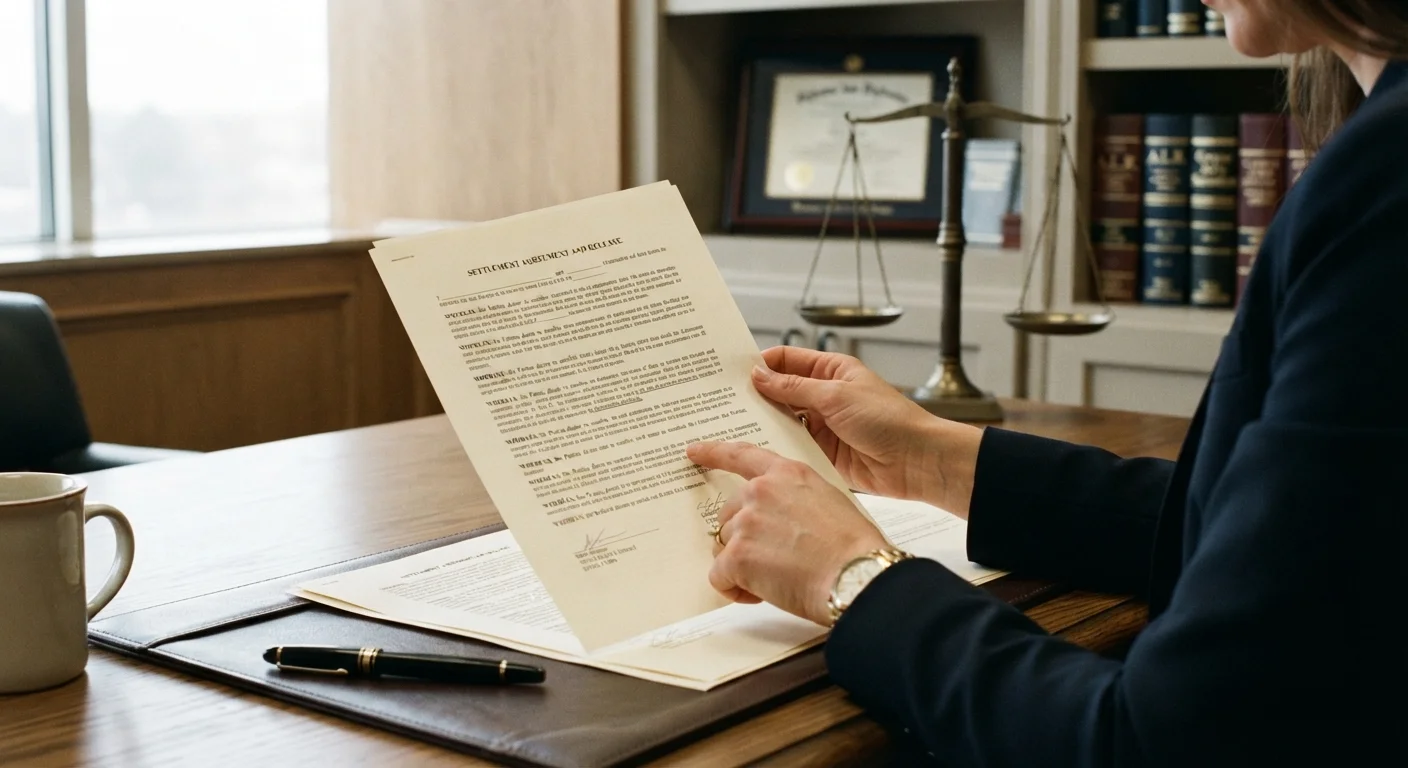
Photo: searchopenrecords editorial
—— In This Article
Key Takeaways
- You must give written consent before most employment, housing, or credit background checks can be run.
- If a background check leads to an adverse action, the requester must notify you and provide a copy of the report.
- You have the right to dispute inaccurate or incomplete information in your background check report.
- Consumer reporting agencies must investigate disputes within 30 days under federal law.
- Some states extend protections beyond what the FCRA requires, including shorter look-back periods and ban-the-box rules.
The Legal Foundation: What the FCRA Actually Requires
The Fair Credit Reporting Act (FCRA), first enacted in 1970 and significantly updated since, is the primary federal law protecting consumers when background checks are run on them. It applies whenever a consumer reporting agency (CRA) — a third-party screening company — compiles or sells information about you to an employer, landlord, or creditor.
The FCRA establishes several non-negotiable requirements. Requesters must have a permissible purpose — a legally recognized reason such as employment evaluation, tenancy screening, or credit decisions. Without this, a CRA cannot lawfully provide your report. Understanding this structure is the starting point for knowing your rights. For a closer look at how different types of checks are constructed, see our article on how different background check types are structured.
When the FCRA Does Not Apply
The FCRA's protections are triggered specifically when a consumer reporting agency — a third-party screening company — is involved. If an employer conducts informal reference checks by calling former managers directly, or searches publicly available information themselves without using a CRA, the FCRA's specific requirements do not apply in the same way. However, other federal and state anti-discrimination laws may still govern how that information is used.
Your Right to Consent and Disclosure
Before an employer or landlord can request a background check through a CRA, they must obtain your written authorization. This consent must be on a separate, standalone document — it cannot be buried in an employment application or lease agreement. The consent requirement is a meaningful legal protection, not a procedural formality.
Once a report is prepared, you are entitled to know that it exists. If an adverse action is taken — a rejected job application, a denied rental, a declined loan — the FCRA requires the requester to provide you with a pre-adverse action notice before the decision is final. This notice must include a copy of the report and a written summary of your FCRA rights, giving you time to review the findings and raise any concerns.
For full detail on what CRAs and requesters are legally obligated to hand over, see what background check companies are actually required to tell you.
The Right to Dispute Errors and Demand Corrections
Background check reports are not infallible. Court records may be misattributed, criminal records for a different person with a similar name can appear in your file, and outdated information is sometimes reported beyond its legal time limit. The FCRA gives you a clear mechanism to address these problems.
When you identify inaccurate or incomplete information, you may file a dispute directly with the CRA that produced the report. The agency must then conduct a reasonable investigation — typically within 30 days — and either correct the record, delete the information, or provide a written explanation if it concludes the information is accurate. You may also dispute the information with the original source of the data.
30 days
Maximum time a CRA has to investigate a dispute
Under the FCRA, consumer reporting agencies must complete their reinvestigation within 30 days of receiving a consumer's written dispute, or 45 days in certain circumstances.
7 years
Standard look-back limit for most negative records
The FCRA limits reporting of most adverse civil and financial information — including collections and civil judgments — to seven years from the date of the underlying event.
94%
Share of employers who conduct background checks
According to the National Association of Professional Background Screeners (NAPBS), the vast majority of U.S. employers use some form of background screening during the hiring process.
If the CRA does not resolve your dispute to your satisfaction, you have the right to add a brief statement of dispute to your file. You can also request that the corrected report be sent to any requester who received the inaccurate version within the previous two years.
Limits on What Can Be Reported — and for How Long
The FCRA places limits on how far back most negative information can be reported. For most adverse civil judgments, paid tax liens, accounts in collection, and similar records, the reporting period is seven years. Bankruptcies may be reported for up to ten years. These limits protect consumers from indefinitely carrying the weight of older financial difficulties.
Criminal conviction records occupy a different category. Federal law does not impose a blanket look-back limit on convictions, though many states have enacted stricter restrictions. Arrests that did not lead to convictions are generally subject to the seven-year limit. See our article on state-level background check protections for details on how your state may narrow these windows further.
It is also worth understanding the difference between a check run by a third party and one you run on yourself — the scope, rules, and results can differ significantly. Our comparison of personal vs. employer-ordered background checks explains those distinctions in full.
This article provides general legal information about U.S. consumer rights under the FCRA and is not a substitute for advice from a qualified attorney regarding your specific situation.
Frequently Asked Questions

Background Checks Editorial Team
Background Checks Editorial Team is the collective byline for our editorial team and contributor network. Articles published under this byline or an editorial pen name are researched, written, and reviewed according to our editorial standards for clarity, consistency, and independence before publication.
View author profile