
What Background Check Companies Are Actually Required to Tell You
Disclosure requirements under federal and state law set clear obligations for screening companies. Here's what you're entitled to receive and when.
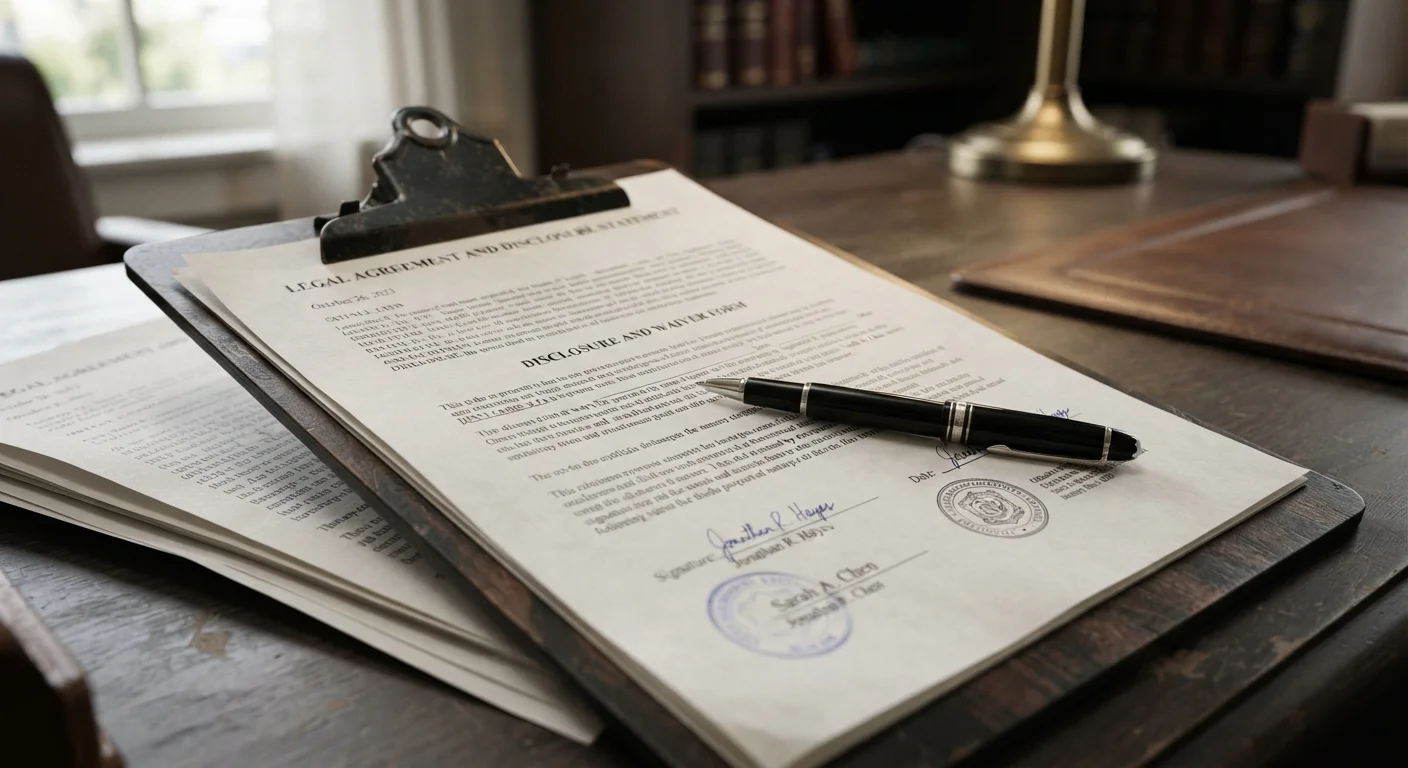
Photo: searchopenrecords editorial
—— In This Article
The Legal Framework: FCRA as the Foundation
The Fair Credit Reporting Act (FCRA) is the primary federal law governing what Consumer Reporting Agencies (CRAs) — the legal category that includes most background check companies — must disclose to you. Enacted in 1970 and significantly amended since, the FCRA creates a structured set of obligations that apply any time a report is compiled for employment, housing, credit, or certain other purposes.
Under the FCRA, background check companies do not operate in a disclosure vacuum. They have specific, codified duties that run parallel to the obligations placed on the employers, landlords, or lenders who order reports. Understanding both sides of that relationship is key to knowing what you're actually entitled to receive.
Some states — including California, New York, and Minnesota — layer additional disclosure requirements on top of federal law. Where state rules are stricter, the stronger protection applies to you. For a broader overview of your rights in the screening process, see your full legal rights when a background check is run on you.
| Primary Governing Law | Fair Credit Reporting Act (FCRA) (15 U.S.C. § 1681 et seq.) |
| Right to Free File Copy | Once per year from nationwide specialty CRAs; free within 60 days of adverse action (FCRA Section 612) |
| Reinvestigation Deadline | Generally 30 days after receiving a written dispute (FCRA Section 611) |
| Employment Report History Lookback | Identity of requesters for the past 2 years must be disclosed upon request (FCRA Section 609(a)(3)) |
| Key Federal Enforcement Bodies | Federal Trade Commission (FTC) and Consumer Financial Protection Bureau (CFPB) |
| State Variations | California, New York, Minnesota, and others impose stricter requirements |
What Must Be Disclosed — and When
Background check companies are required to tell you several distinct things depending on the stage of the screening process:
Your Right to Request Your Own File
Under FCRA Section 609, you have the right to request a complete copy of any file a CRA maintains on you. The company must provide all information in your file, the sources of that information, and the identity of anyone who has received a consumer report on you within the past year (or two years for employment purposes). There is no fee if you request your file within 60 days of receiving an adverse action notice; otherwise, a modest fee may apply.
Disclosures Required When a Report Is Ordered
Before a background check is run for employment, the requesting employer must notify you in writing — in a standalone document — that a report may be obtained. The background check company itself must provide a summary of your FCRA rights, either directly or through the employer. This "Summary of Rights" document is a federally mandated disclosure, not optional boilerplate.
Disclosures Triggered by Adverse Action
If information in your report contributes to a negative decision — a job rejection, a lease denial, a loan refusal — the requesting party must send you a pre-adverse action notice before the decision is finalized, followed by a formal adverse action notice. Both must identify the background check company that supplied the report. For a detailed breakdown of these notices, see what adverse action notices must include.
Dispute Acknowledgment and Reinvestigation Results
When you dispute inaccurate or incomplete information, the CRA must acknowledge your dispute and complete a reinvestigation — generally within 30 days. It must then notify you of the results in writing and provide a free updated copy of your report if the dispute results in a change.
What They Are Not Required to Proactively Share
The FCRA creates affirmative duties but does not require CRAs to volunteer every piece of operational information. Background check companies are generally not required to notify you that a report is being compiled in real time, disclose their proprietary scoring methodologies, or explain which specific databases they searched. They also have no obligation to contact you before delivering a completed report to the requesting party.
Equally, not all screening tools fall under FCRA jurisdiction. Reference checks conducted directly by an employer, or searches of truly public court records performed in-house, may not involve a CRA at all — meaning FCRA disclosure rules would not apply to those activities. Understanding how background checks work end to end can help you identify which steps involve regulated CRAs and which do not.
For context on the types of records that can and cannot appear in a regulated report, see records that almost never appear in a standard background check.
How to Exercise Your Disclosure Rights
Knowing your rights means little without a practical path to enforce them. Here are the key steps:
- Request your file directly from the CRA. If you know which company compiled a report about you — typically identified in any adverse action notice — contact them in writing. The FCRA entitles you to one free annual disclosure from nationwide specialty CRAs, similar to the free annual credit report entitlement.
- Submit disputes in writing. Written disputes create a documented record. Include copies of supporting evidence and send via certified mail or a traceable method. The CRA must forward relevant information to the original data furnisher and complete its reinvestigation.
- Review the report itself carefully. Once you receive a copy, compare it against each section of a background check report explained to understand what each entry means and whether it is accurate.
- Contact your state attorney general's office if a CRA fails to comply. The Federal Trade Commission and the Consumer Financial Protection Bureau also accept complaints against CRAs that violate FCRA requirements.
Your data doesn't simply vanish once a report is delivered. To understand how long CRAs retain your information and what deletion obligations exist, see what happens to your information after a background check is complete.
This article provides general legal information about U.S. background check disclosure requirements and is not legal advice. For guidance specific to your situation, consult a qualified attorney or consumer rights advocate.

Background Checks Editorial Team
Background Checks Editorial Team is the collective byline for our editorial team and contributor network. Articles published under this byline or an editorial pen name are researched, written, and reviewed according to our editorial standards for clarity, consistency, and independence before publication.
View author profile